Po Lin Monastery
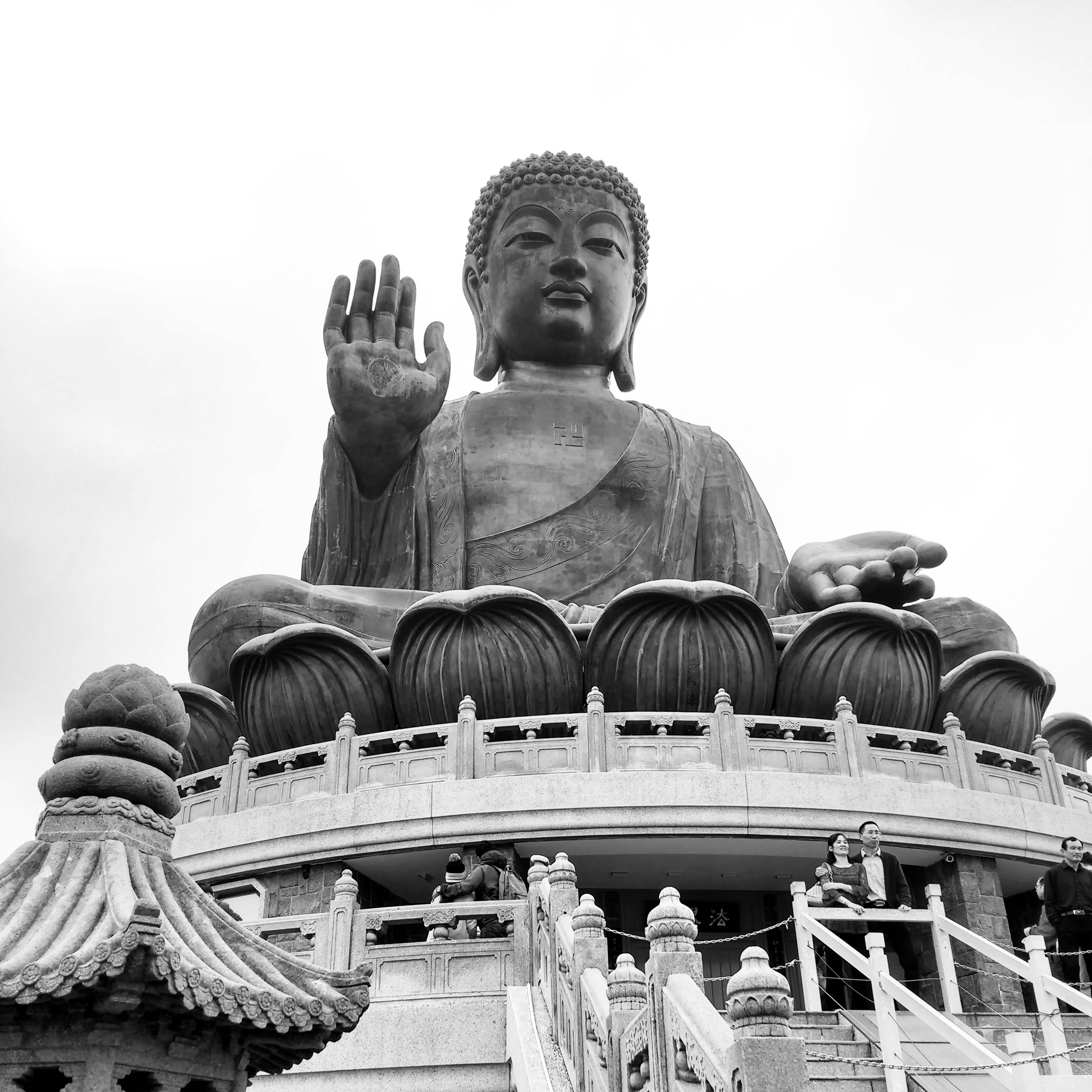
Hong Kong’s largest island is Lantau. This is where Hong Kong International Airport is situated, along with Disney Land, plenty of beaches, national parks, and traditional fishing towns. The island is a popular summer holiday escape, but remains a tourist hotspot even in the middle of winter, as I discovered! While staying in Hong Kong in December 2018, our host, Cecilia took us for a day trip to Lantau Island. We left Kowloon City early in the morning commencing our 3 hour journey, via hydrofoil and bus, to the Po Lin Monastery and Tian Tan Buddha in the heart of Lantau Island. This giant bronze Buddha is one of the biggest in the world, and sits on an enormous lotus flower plinth atop the mountains, seen for miles around. I could see it from the bus as we wound through the mountains, glimpses of beaches in the distance between curls of mist that floated in from the sea. By the time we arrived at the Big Buddha, a thick fog had plunged the mountain into grey soup. At the gate, street-wise cows wandered around, perusing the available snacks and terrorising picnics!
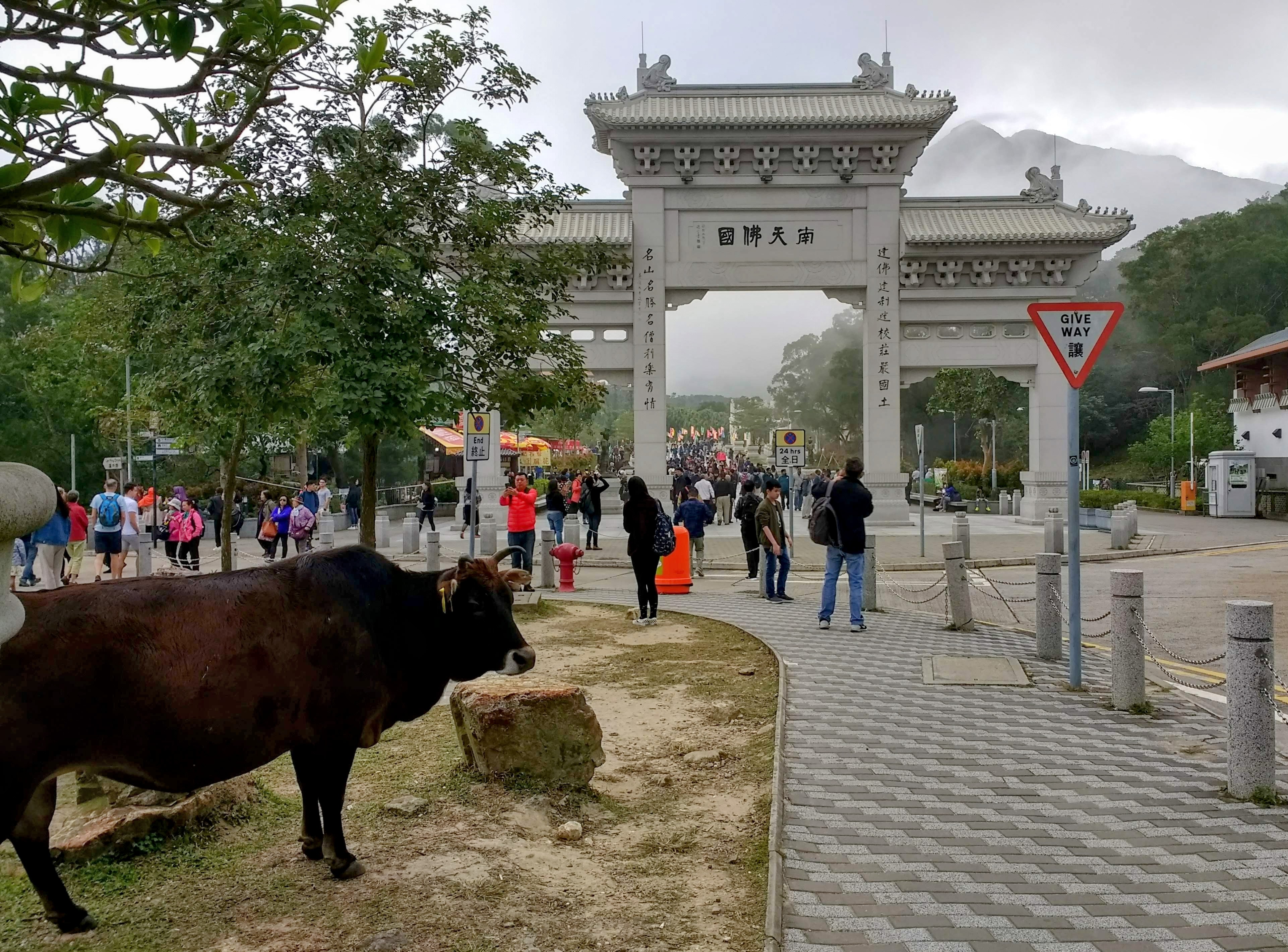
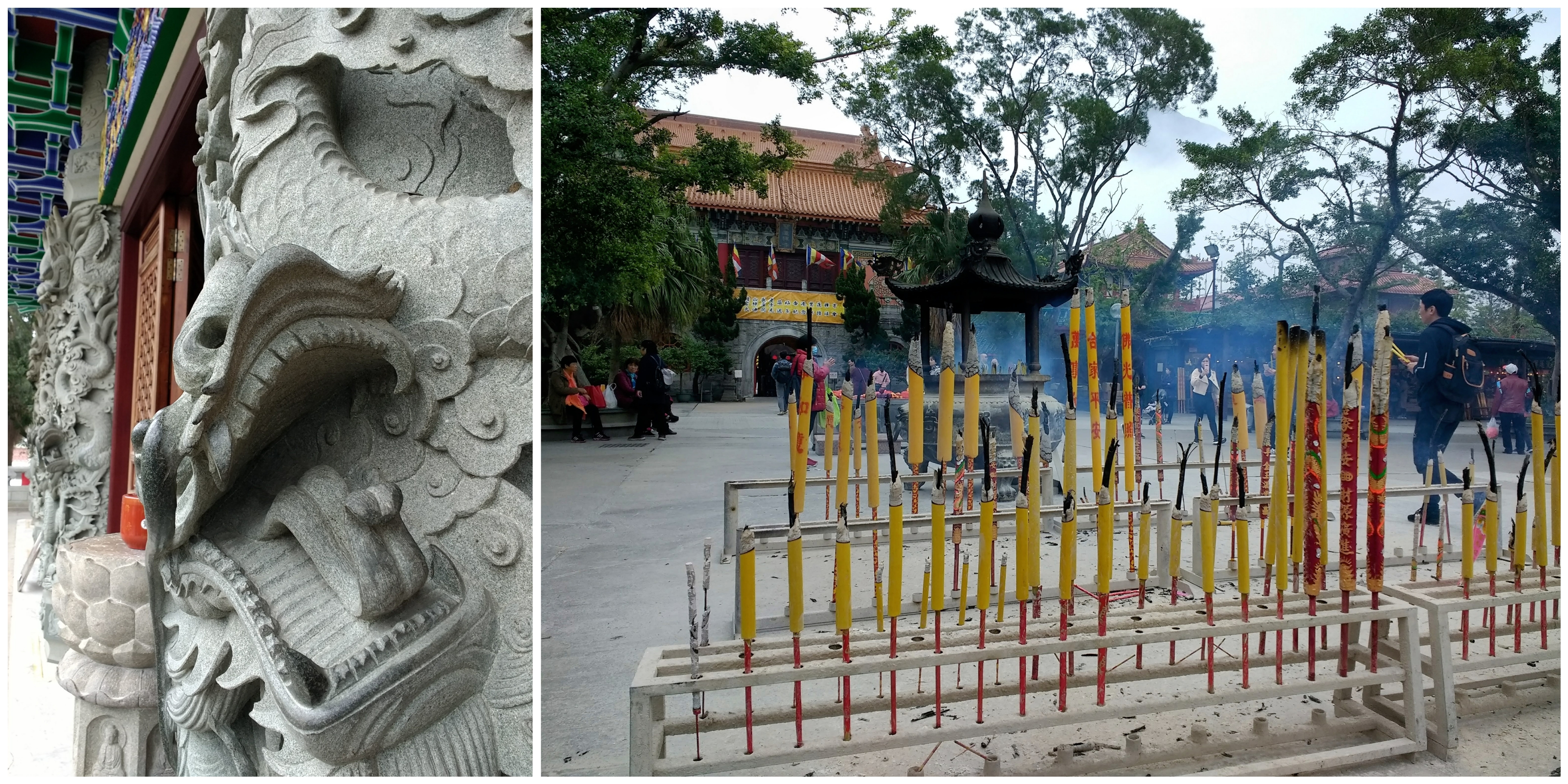
With the Big Buddha entirely obscured by fog, we went to check out the temple. Wisps of incense rose up into the white sky, where mountain peaks made ghostly appearances through the mist. The beautiful architecture of the 1920s Buddhist buildings splashed colour onto the bleakness, dragons carved into the stonework roaring silently. There was peacefulness in the fragrant air, despite the number of visitors.
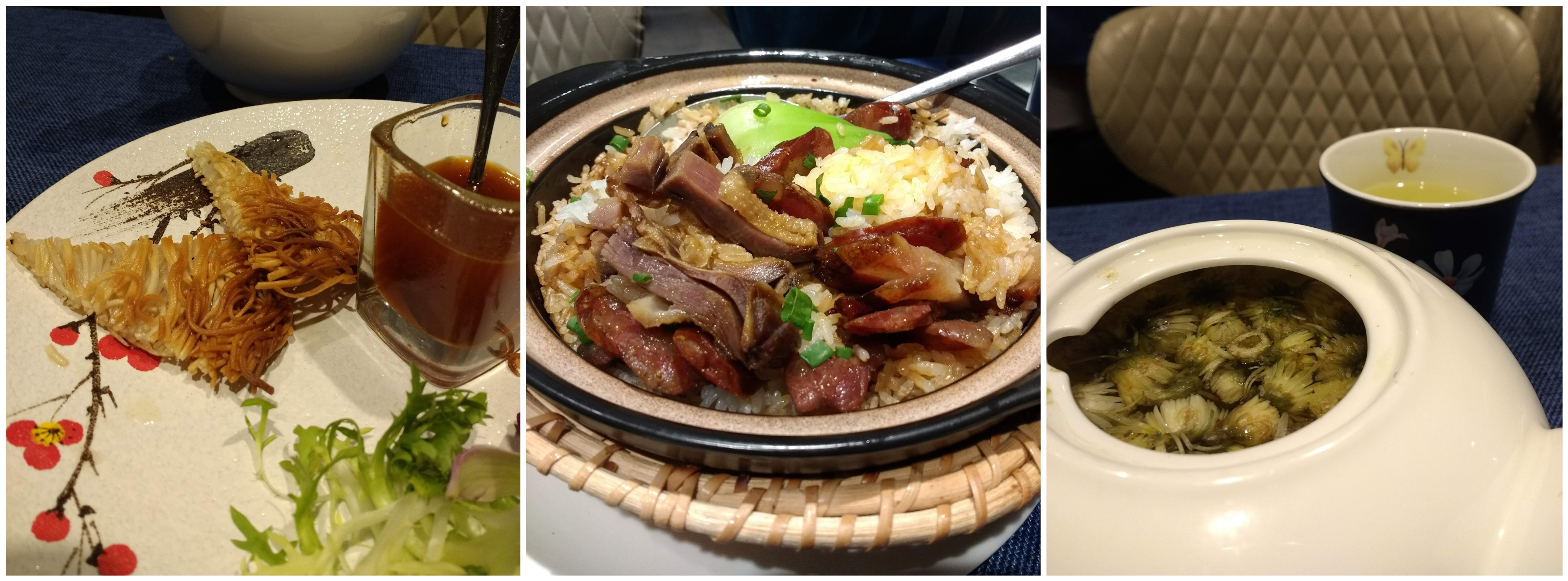
Inside the Po Lin Monastery there is a vegetarian restaurant where you can eat like a Buddhist monk. The dishes are classic Chinese meals, however, in contrast to the meals we’d had in the city (see ‘Flavours of Hong Kong’ blog) Buddhist monks eat modestly, therefore they don’t use any kind of flavours like garlic, chilli or ginger, or spices that may be regarded as rich or frivolous. That said, the lunch was deliciously simple!
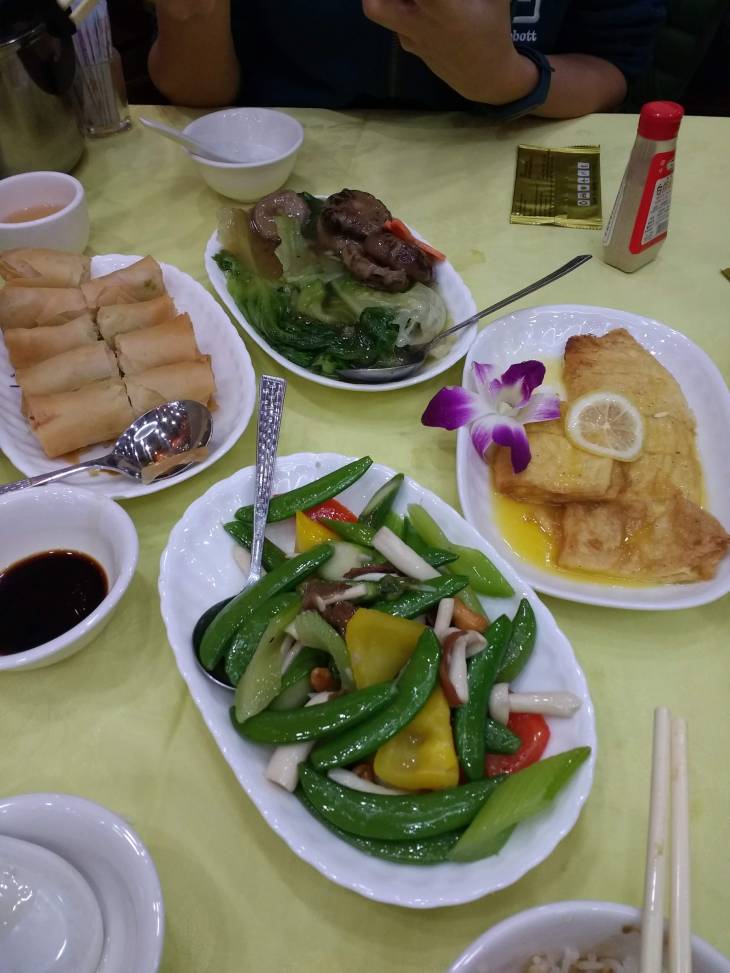
Buddhist Lunch at Po Lin Monastery Restaurant:
Vegetable spring rolls, Shiitake mushrooms, tofu roll pancakes with lemon & honey, glazed vegetables, and steamed white rice. There was also a fortune cookie each for good luck!
Content with lunch, Cecilia showed us the “Ngong Ping 360”, a 5.7km long cable car system, which is usually an ideal way to view Lantau Island and all its shore lines, mountain peaks and landmarks. We stood at the Ngong Ping Terminal, watching the gondolas launch off into the cloud, disappearing into nothingness – it wasn’t the day for it!
Tian Tan Buddha
Admitting defeat by the weather, we decided to just go up to the Big Buddha anyway. We climbed the 268 stone steps to the invisible Buddha, and entered beneath the giant Lotus plinth. Inside is a mausoleum, which was unexpected, and families have paid huge sums of money to join the waiting list to be brought here after they die. Cecilia told us the mausoleum was almost full, so the remaining spots were in high demand. There is also a museum of Buddhist artefacts, including the Buddhist Bone Relic, which brings worshippers from far and wide.
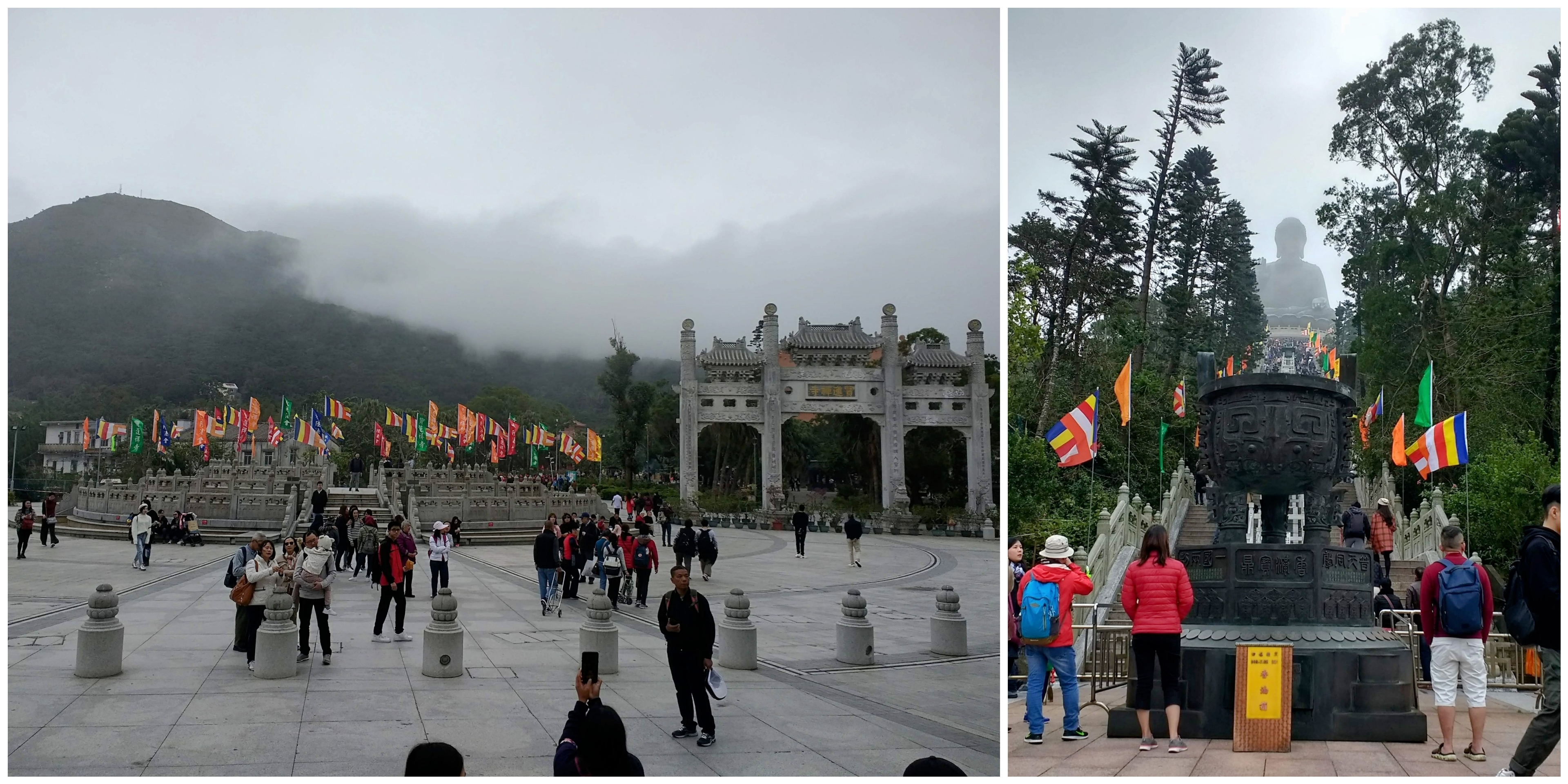
When we stepped back outside onto the platform beneath the Big Buddha, the fog had cleared, revealing moody views all around! Lantau Peak rose up, touching the clouds beside the Big Buddha.
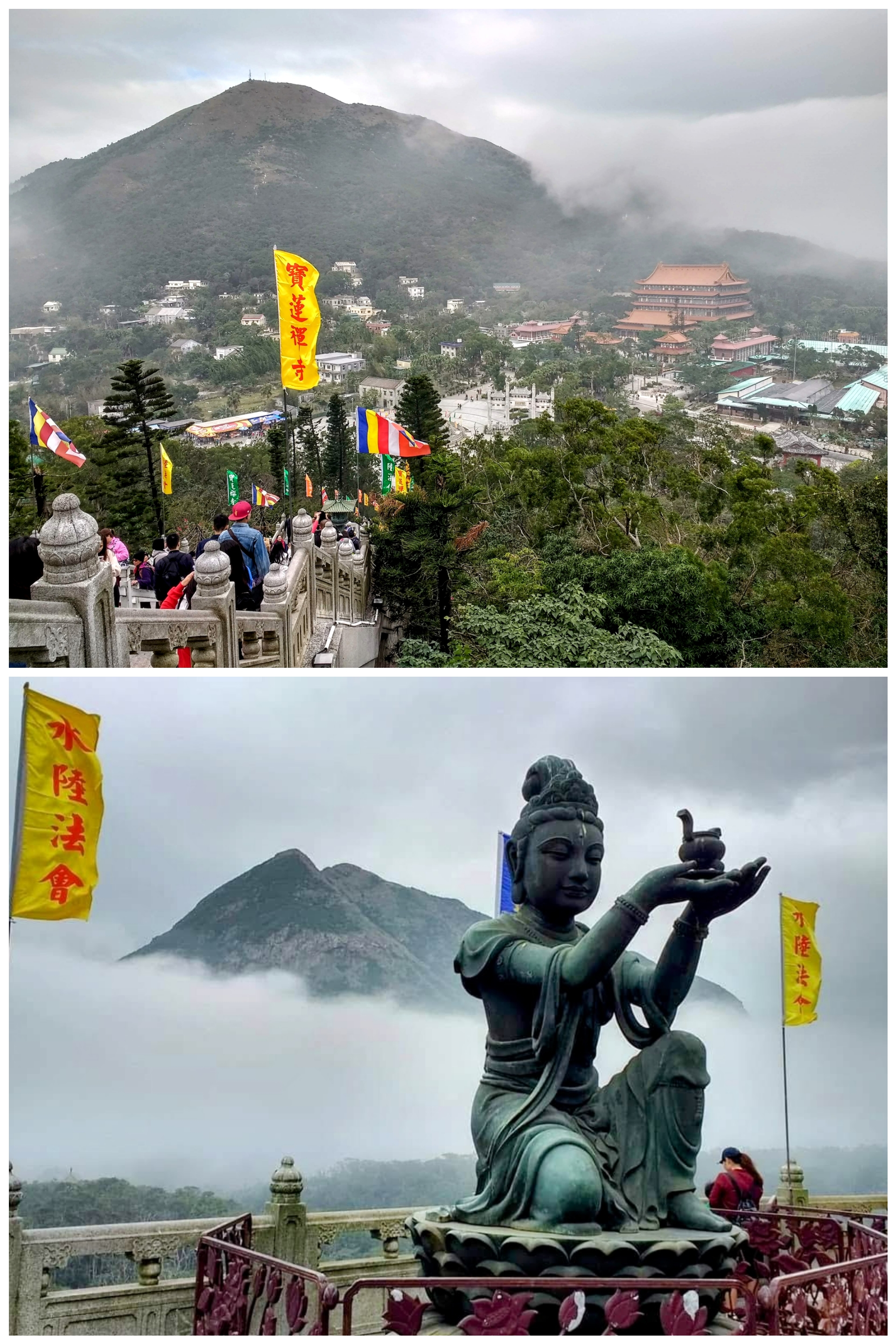
We ran down to the platform below to finally catch a clear glimpse of the Tian Tan Buddha in all his glory.
Tai O Fishing Village
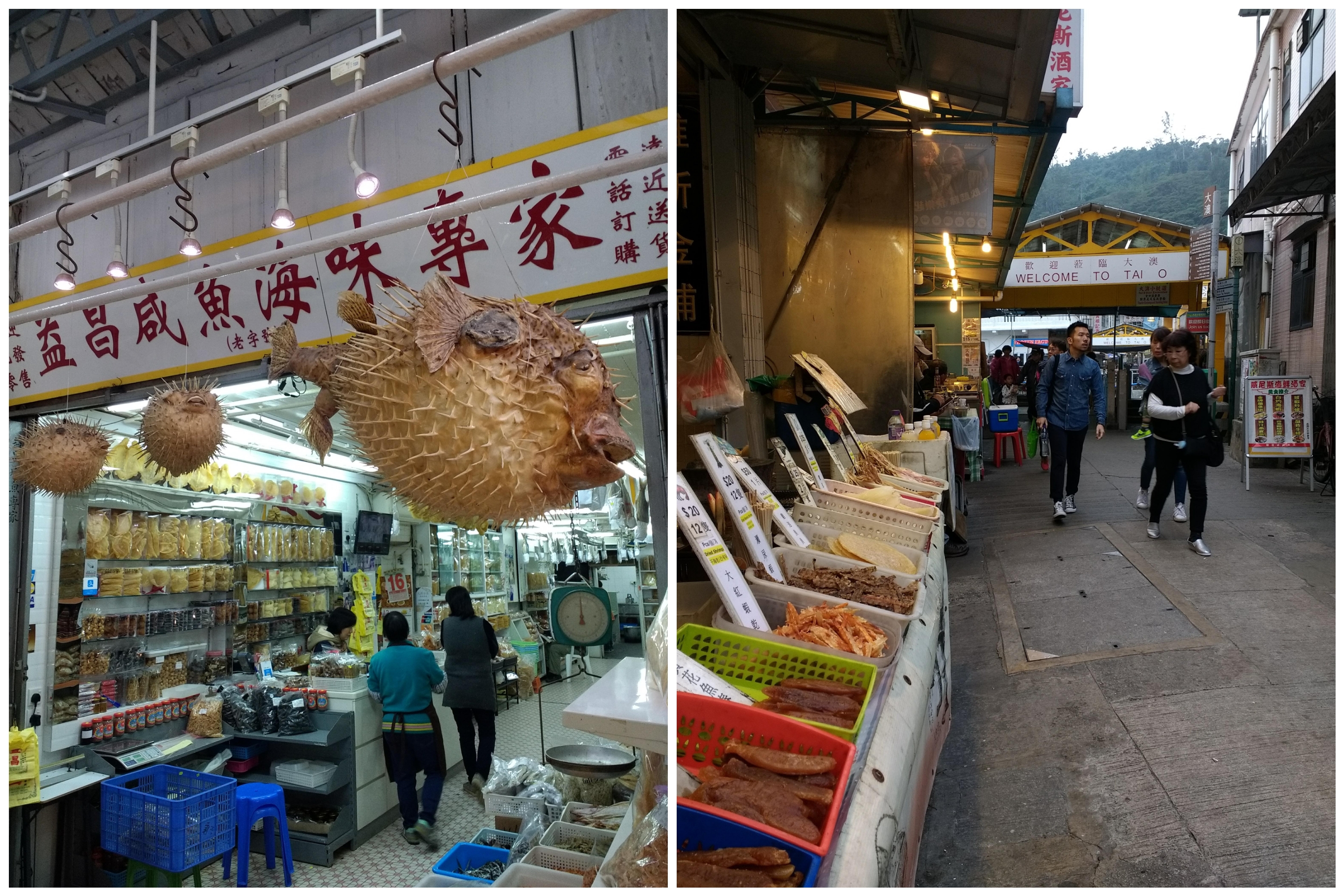
A 30 minute bus ride from the Po Lin Monastery brought us to the West coast of Lantau Island, to a traditional fishing village – Tai O. This is an island in itself, and once you get off the bus, you walk up to the inlet, which is full of tourist boats that, for a fee, will take you out to spot the native pink dolphins. Walking over the pedestrian bridge onto the island and into the narrow streets is like going back in time to some ancient village. Shops line these streets; seafood stores, fishing stores, whole food stores, local fast food stores, everything sea related. Dried Puffer fish and sharks hang from the windows, while mini aquariums display the catch of the day. Grills and deep fryers are constantly on the go outside shop fronts, ready for you to taste some fresh, local seafood.
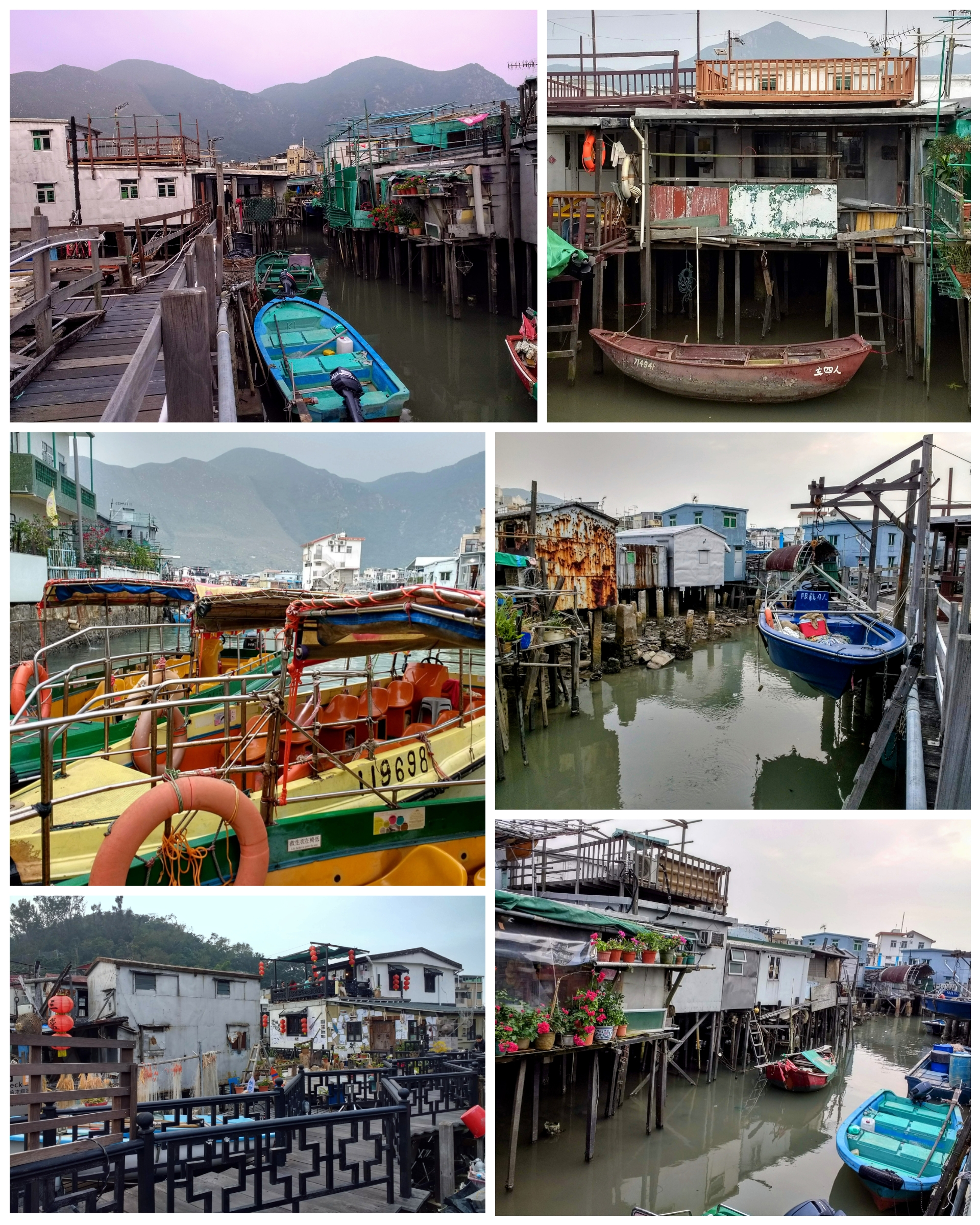
We came to the edge of the village, where the streets meet the sea, and the old residencies stretch out over the water on wood & bamboo stilts. Nicknamed the Venice of Hong Kong, a pier maze of wooden walkways lead across the water, old houses, fisheries and restaurants clinging to the edges, all weathered by the sea. Instead of driveways or garages, the houses have their little boats suspended from winches outside, ready to be lowered into the water whenever they need to leave. Many of these buildings were in ruins due the adverse weather conditions of this extreme location. A year prior to our visit, Super Typhoon Hato (August 2017) had destroyed much of Tai O’s stilt village, and sadly, modern lifestyle meant that it was more cost efficient and practical to simply move away, rather than try to rebuild in such a temperamental place. Still, that which remains represents the traditional nature of Tai O fishing village, and maintains its weathered charm.
Keep Reading….
Patagonia | Dipping a Toe in Chelenko
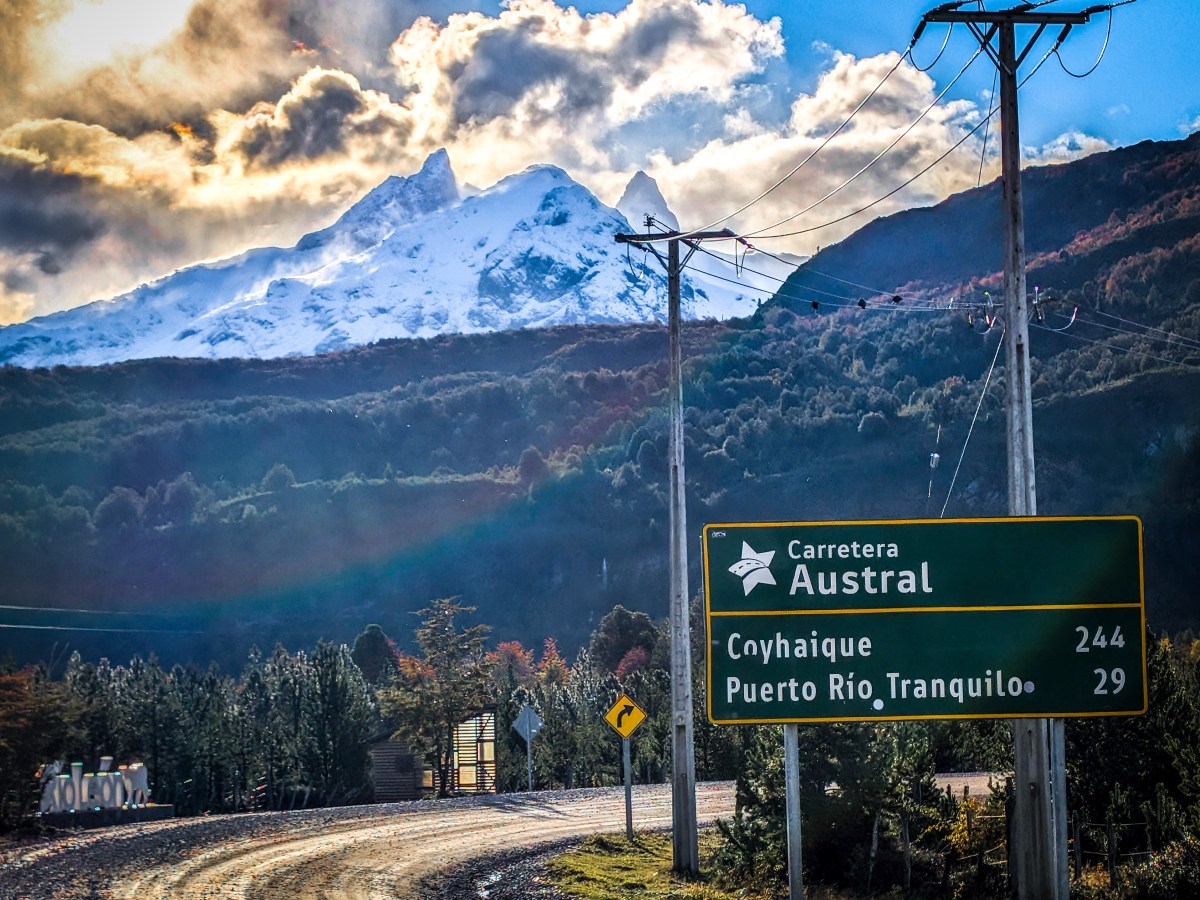
Dust clouds billow behind the car, pursuing us and clinging to the rain soaked rear window. Another corner of mud and loose gravel, and another minor slide out as the tyres lose their traction. We haven’t seen another car for a while, does anyone else know about this “famous” highway? Carretera Austral – the great…

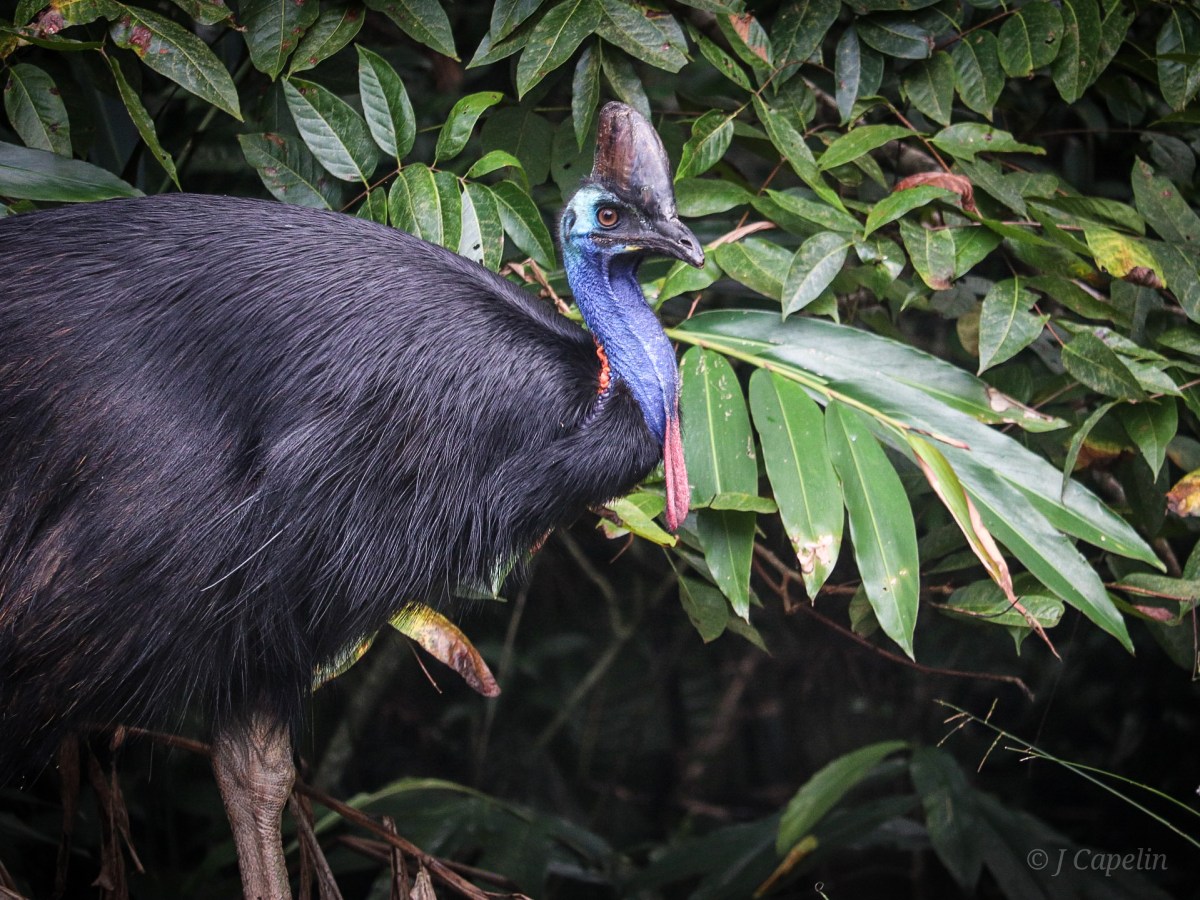
Exploring Australia ~ Atherton Tablelands
Waterfalls, volcanic lakes, ancient rainforests, tree kangaroos, cassowaries, bandicoots, sugar gliders… what is this magical place? The Atherton Tablelands.
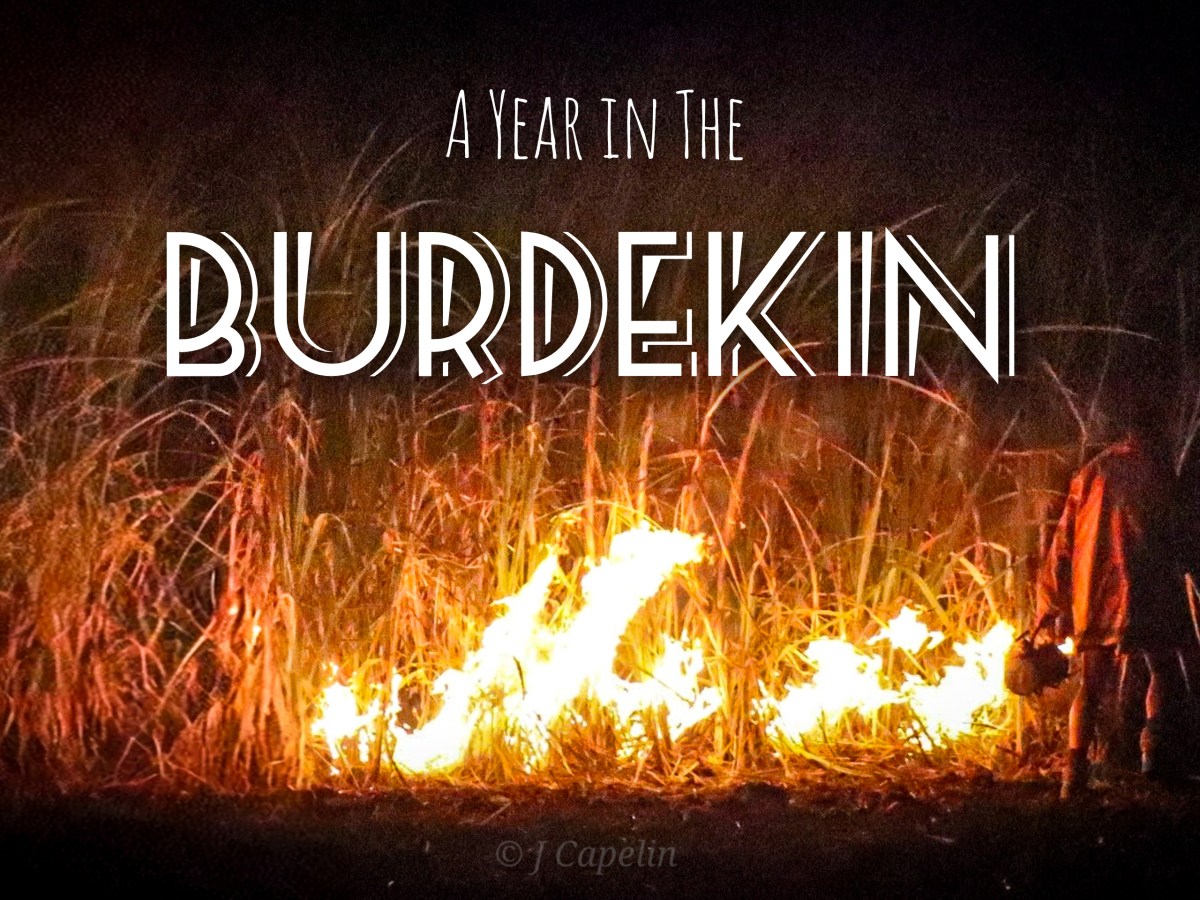
The Black Snow Globe
The horizon is red and black with fire; smoke clouds grow like giant mushrooms over the town. The air smells like toasted marshmallows and burnt grass, and everyday it snows; gentle, black ash tumbling like feathers out of the sky – cane burning season is in full swing.