Puffin Island

A Trip to Scotland’s Jewel of the Forth

4–7 minutes

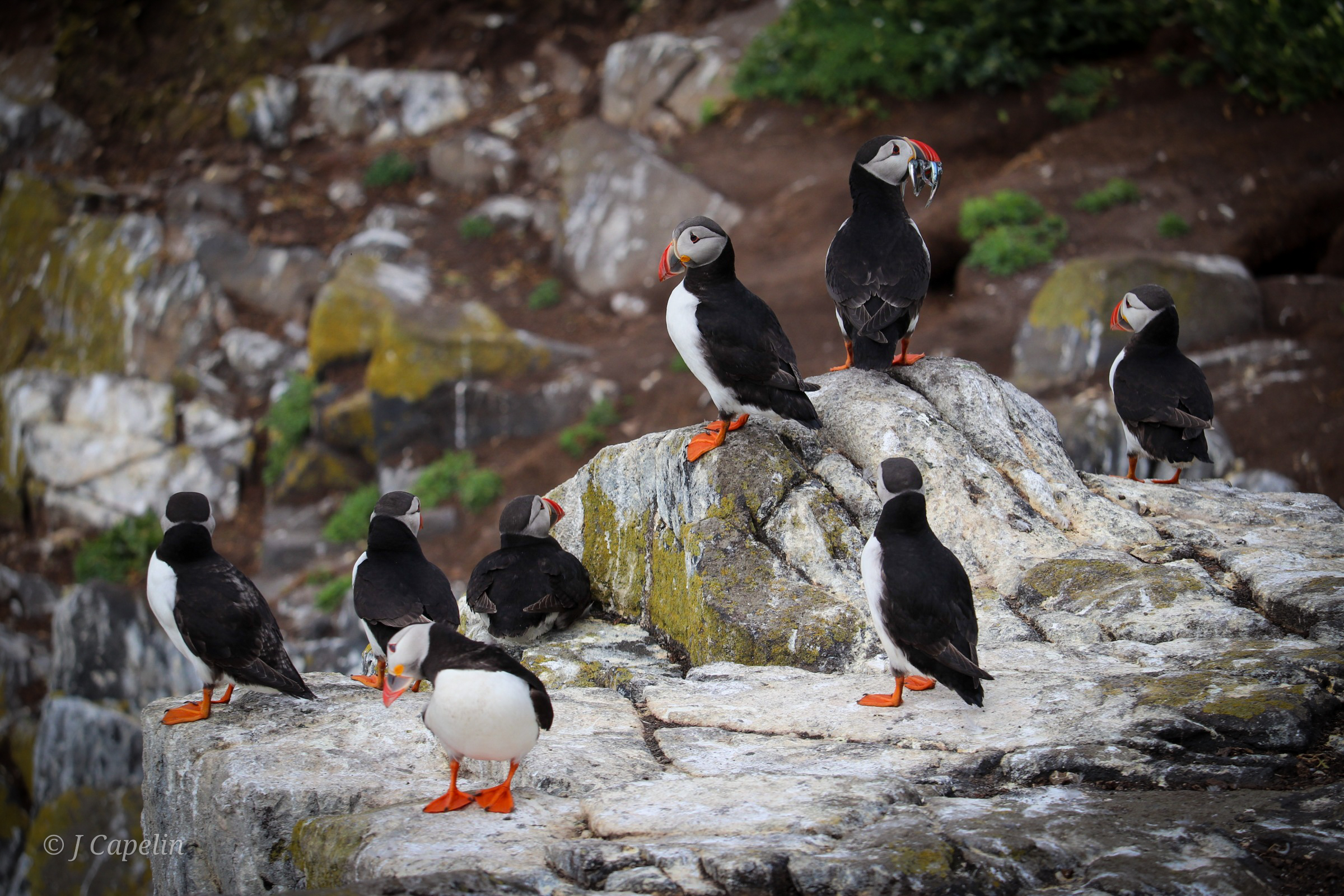
Fog veiled the harbour of Dunbar in Scotland the morning I arrived for the boat trip out to the Isle of May, and my heart sank at the prospect of spotting any wildlife. I’d been planning this trip for months, hoping to photograph the island’s birdlife, including everyone’s favourite – Puffins!
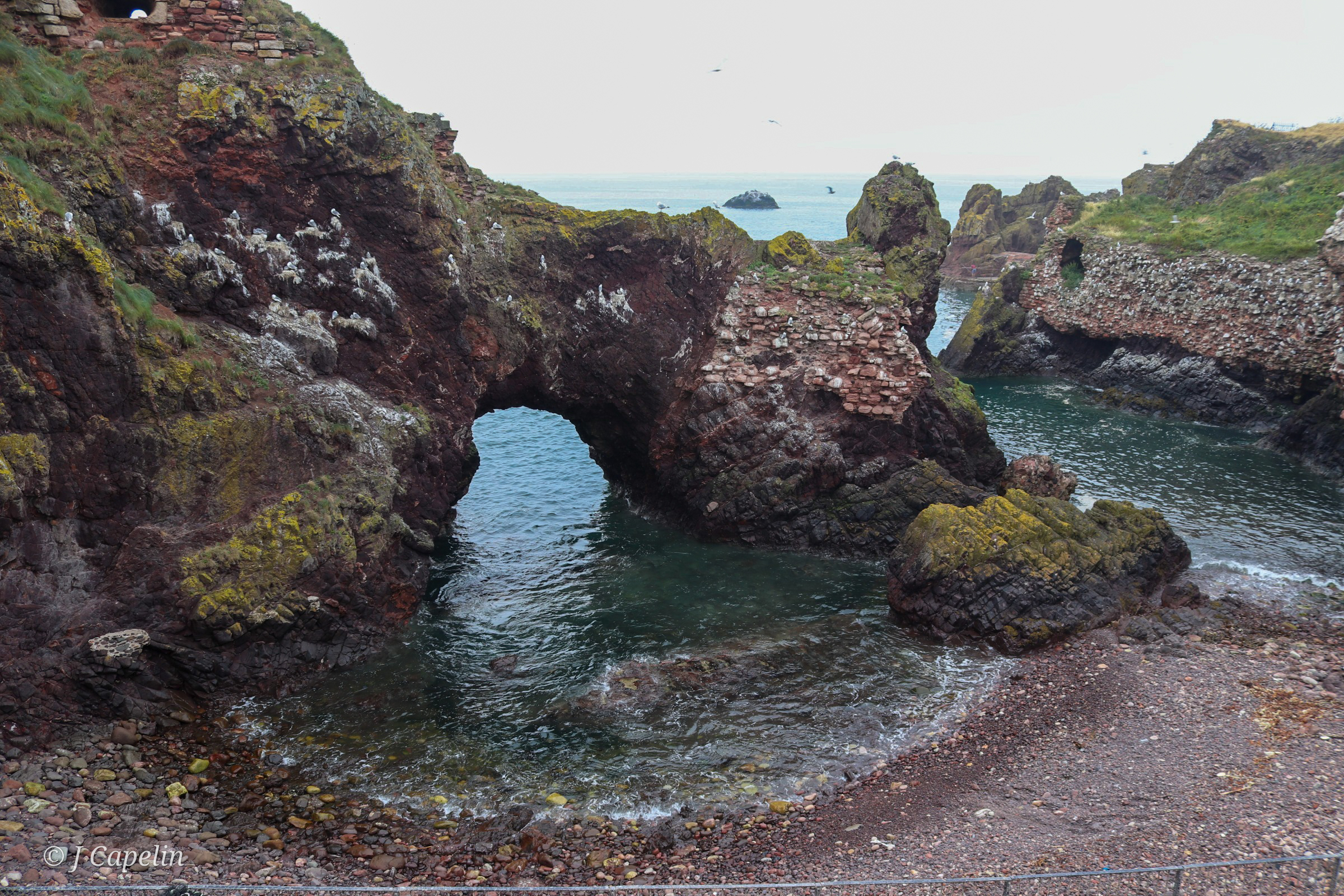
Dunbar Castle remains over harbour entrance

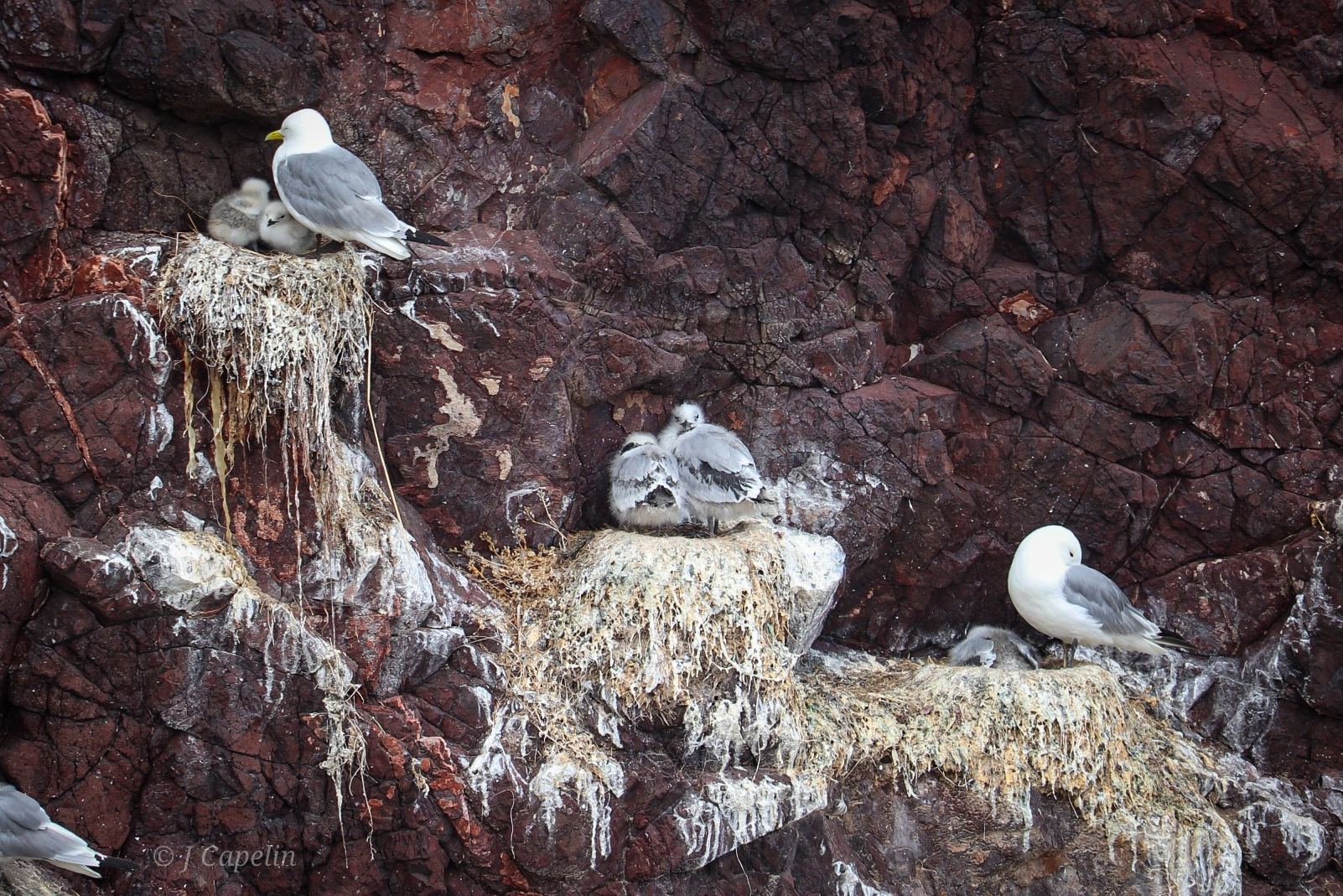
I wandered up Dunbar’s quietly bustling high street, with its blue and yellow bunting zig-zagging between the historical buildings, and strolled around the old harbour, admiring its ruined castle perched on the edge in the sea mist. Hundreds of seagulls and their fluffy chicks were nesting all over the ruins, like an apartment block for birds!
The ‘Blue Wild’ boat tour set sail from the ancient harbour at 1pm – at the tide’s convenience. It was a little 12 seater speed boat, and when the captain told us we were lucky to have these still conditions because 50% of the tours had been cancelled due to the weather, and that the waves could normally reach 2 metres high, my heart lifted again.  

It is best to give yourself some leeway when booking, in case of bad weather. I gave 3 days grace, and planned things that could be swapped around if needed, but even this was cutting it fine, as the weather we got was much better than what was forecast!

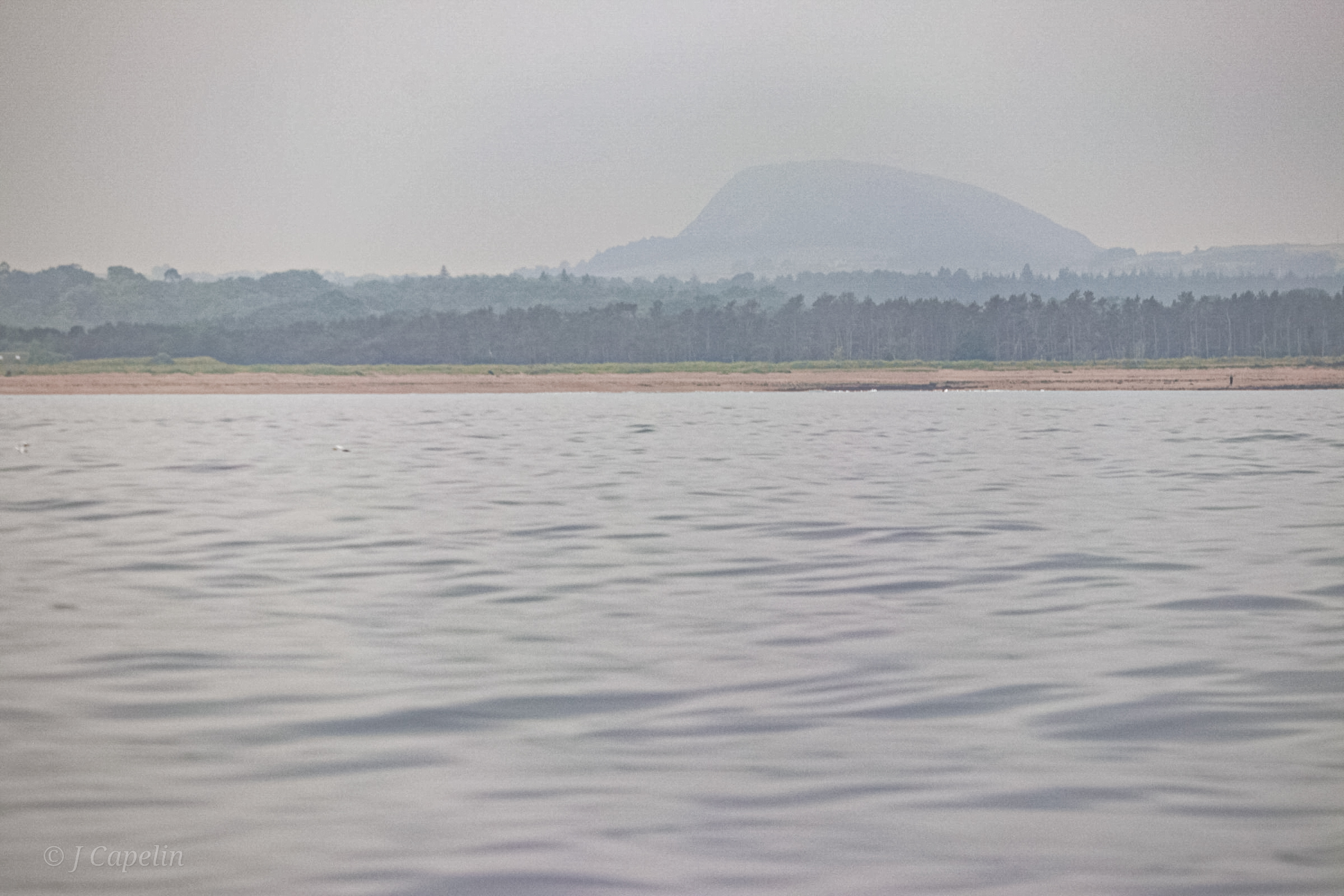
We slid out of the harbour on a white sheet of smooth sea glass that blended into the foggy sky. The sight out of the window was like an abstract painting as we skimmed across Scotland’s abnormally flat Firth of Forth, with silhouetted layers of grey landscape whizzing past in the distance.
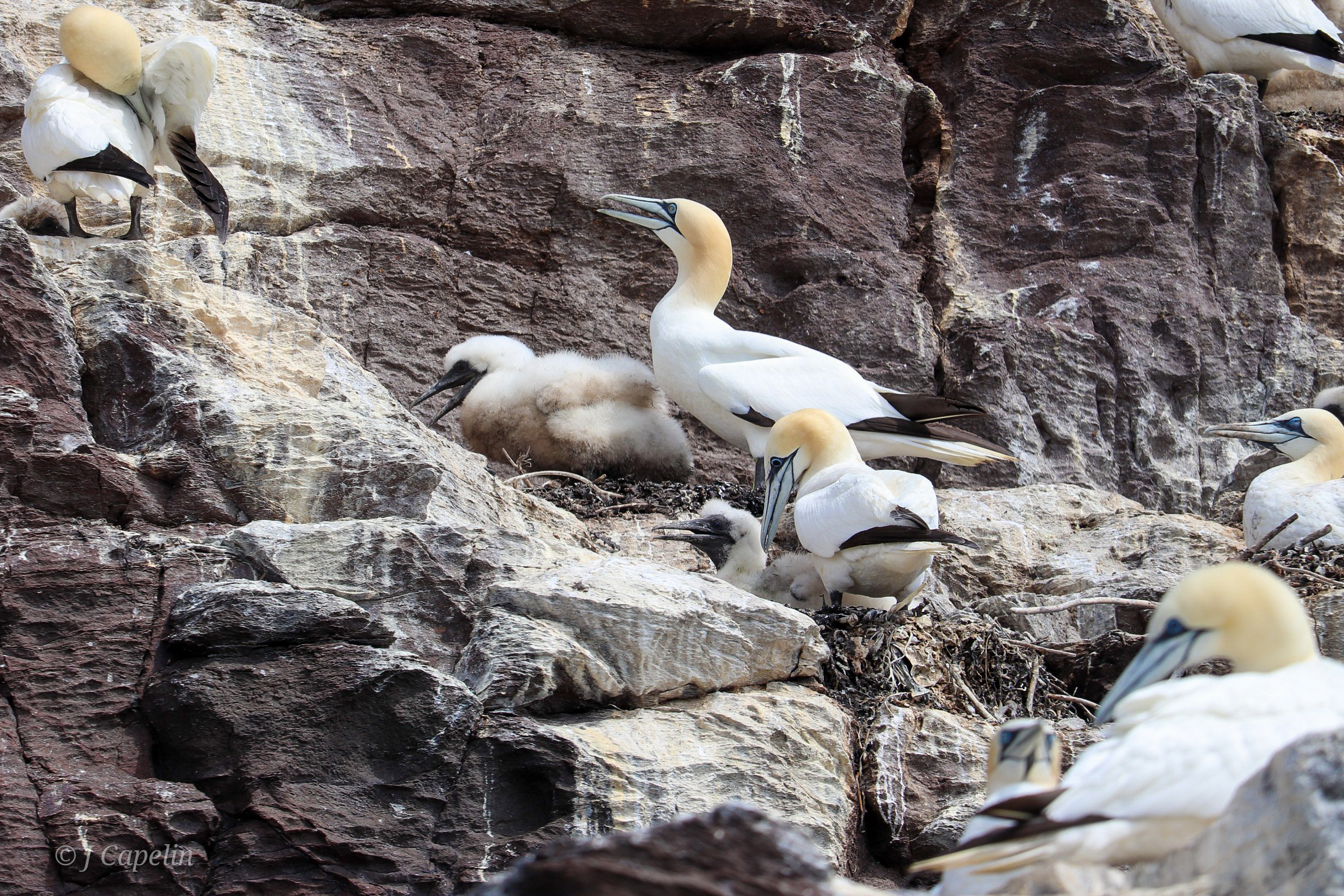
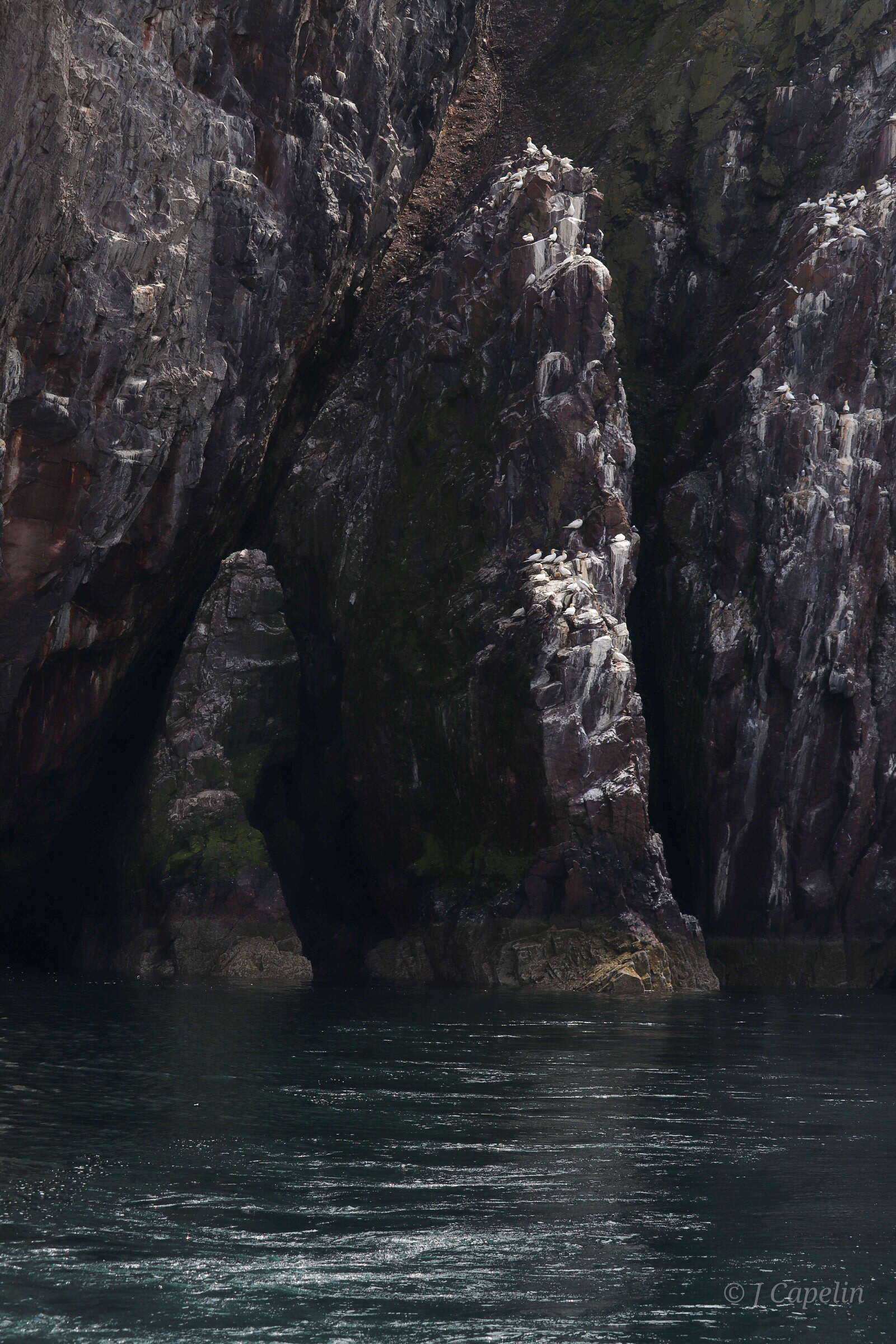
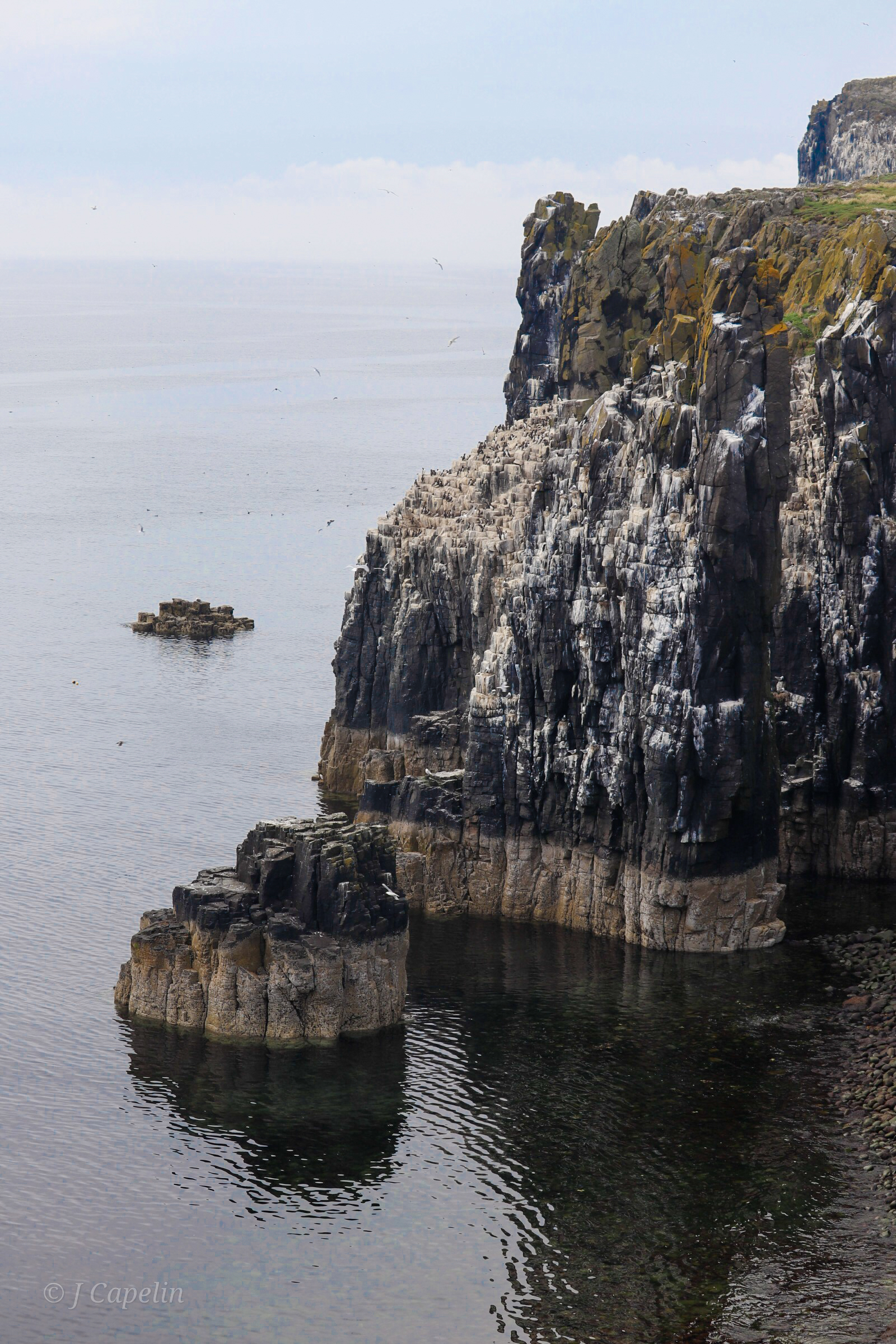
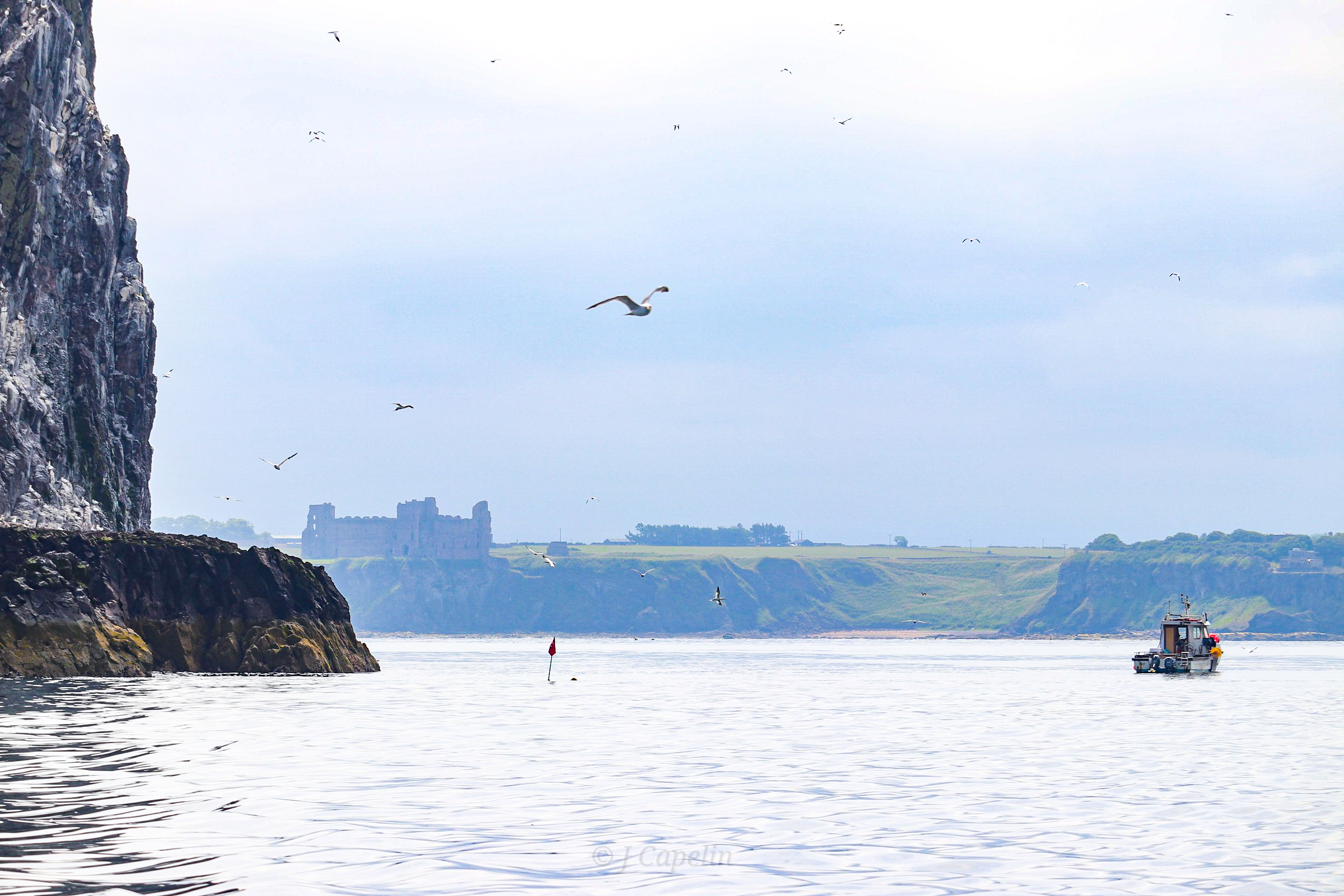
Azure brushstrokes began to appear on the surface of the water as the fog thinned, and seabirds came into abundance, floating and diving around the boat. The Bass Rock loomed up ahead, a giant rock island, famously home to the world’s largest colony of Northern Gannets. As we slowly circulated the island, the sheer magnitude of the colony became evident. The entire surface of the rock was like an ice cream dipped in sprinkles, only the sprinkles were Gannets! Over 150,000 of the birds nest here between Feb and October. I’ll be honest with you, I didn’t have much thought or feeling about Gannets before, but this was amazing to see and I could appreciate how beautiful they are with their blushed heads and piercing blue eye shadow, lined with black.
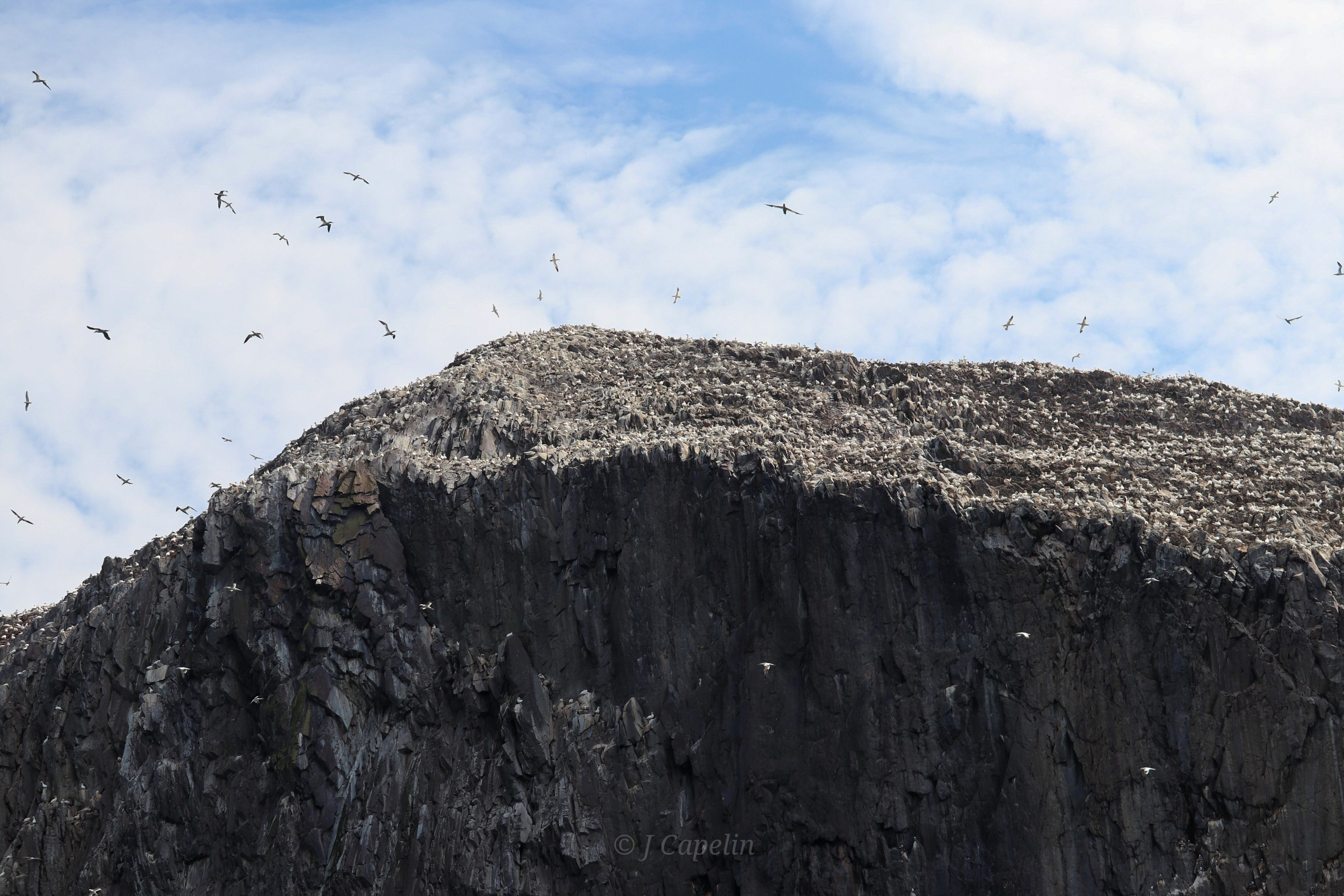
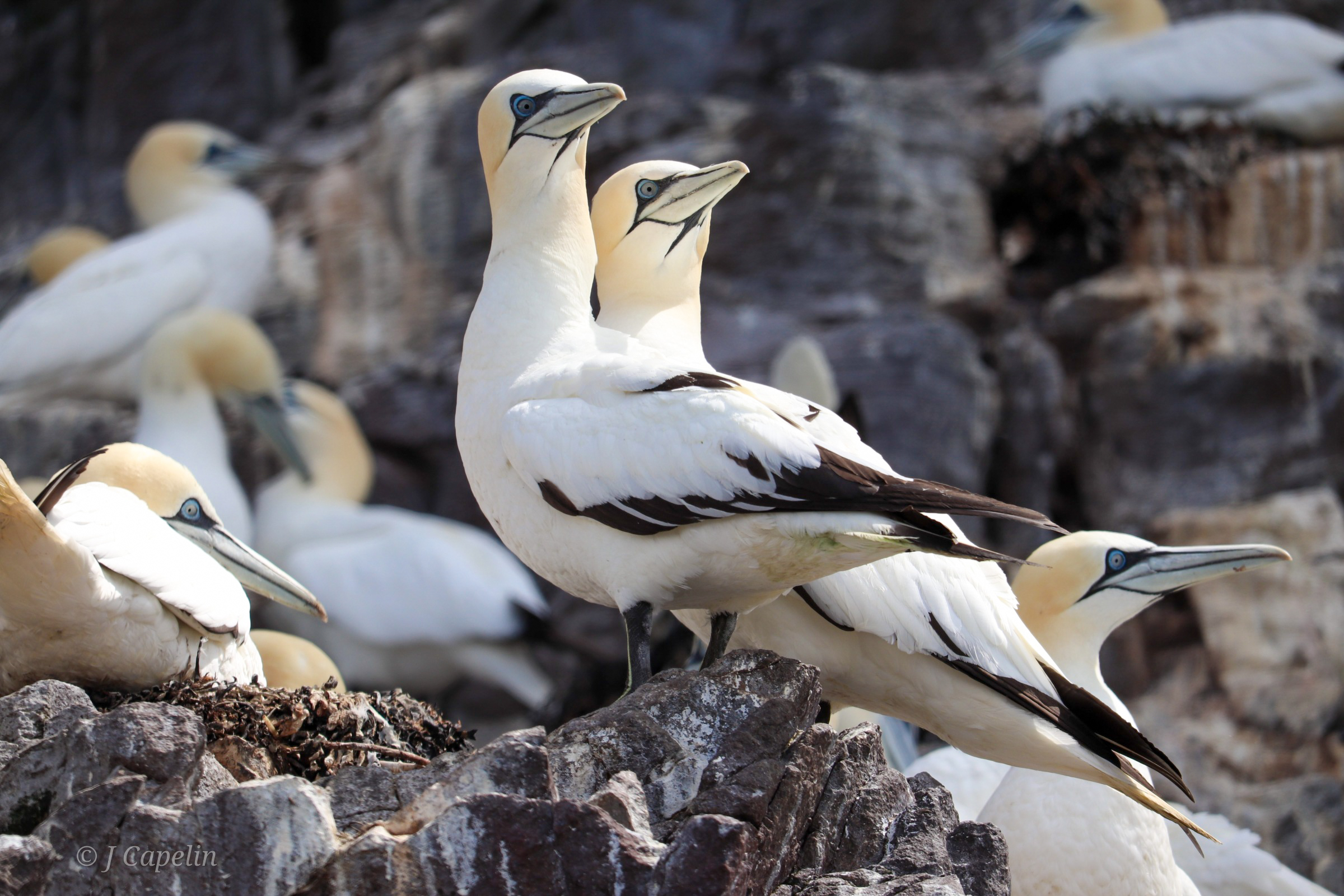
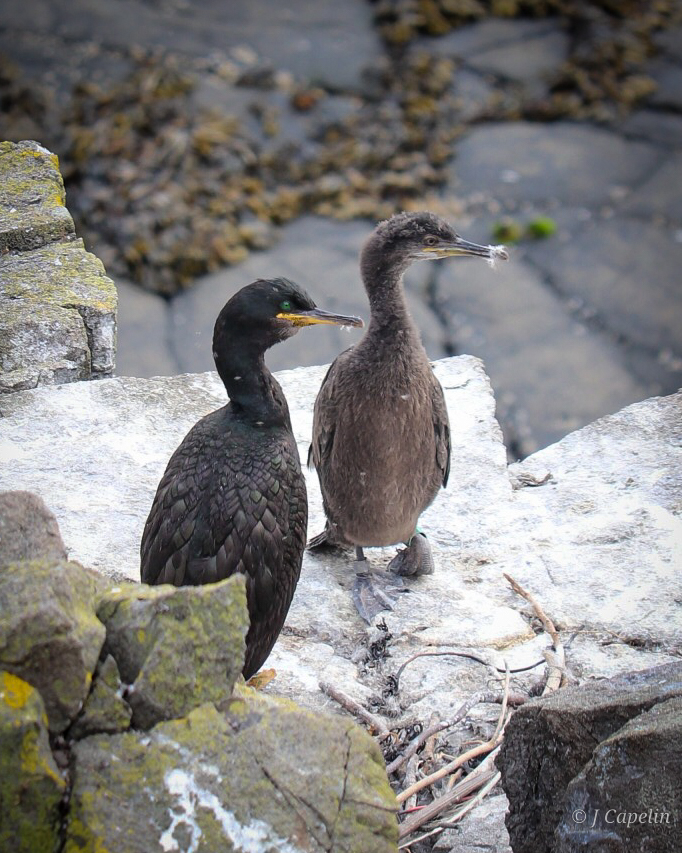
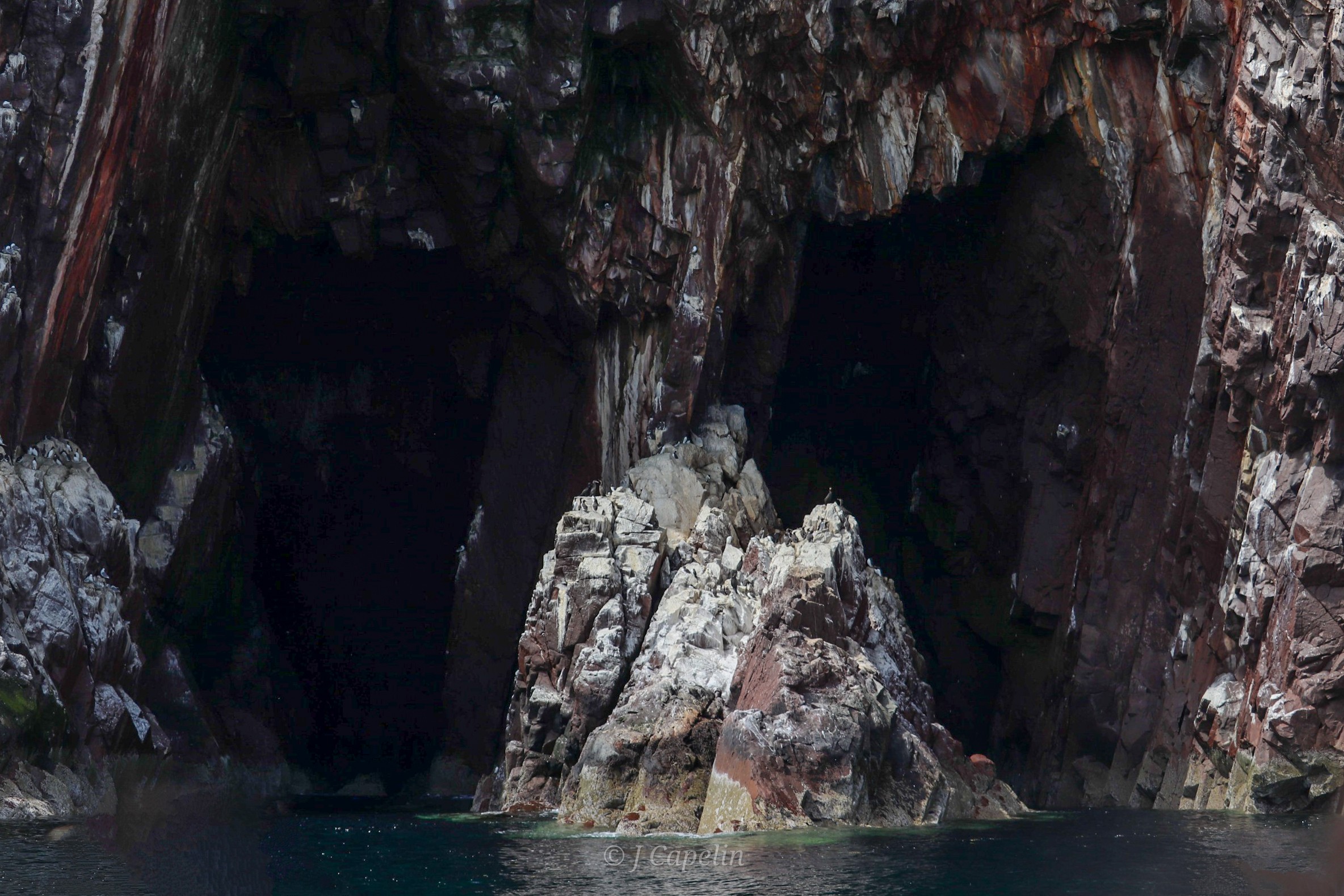
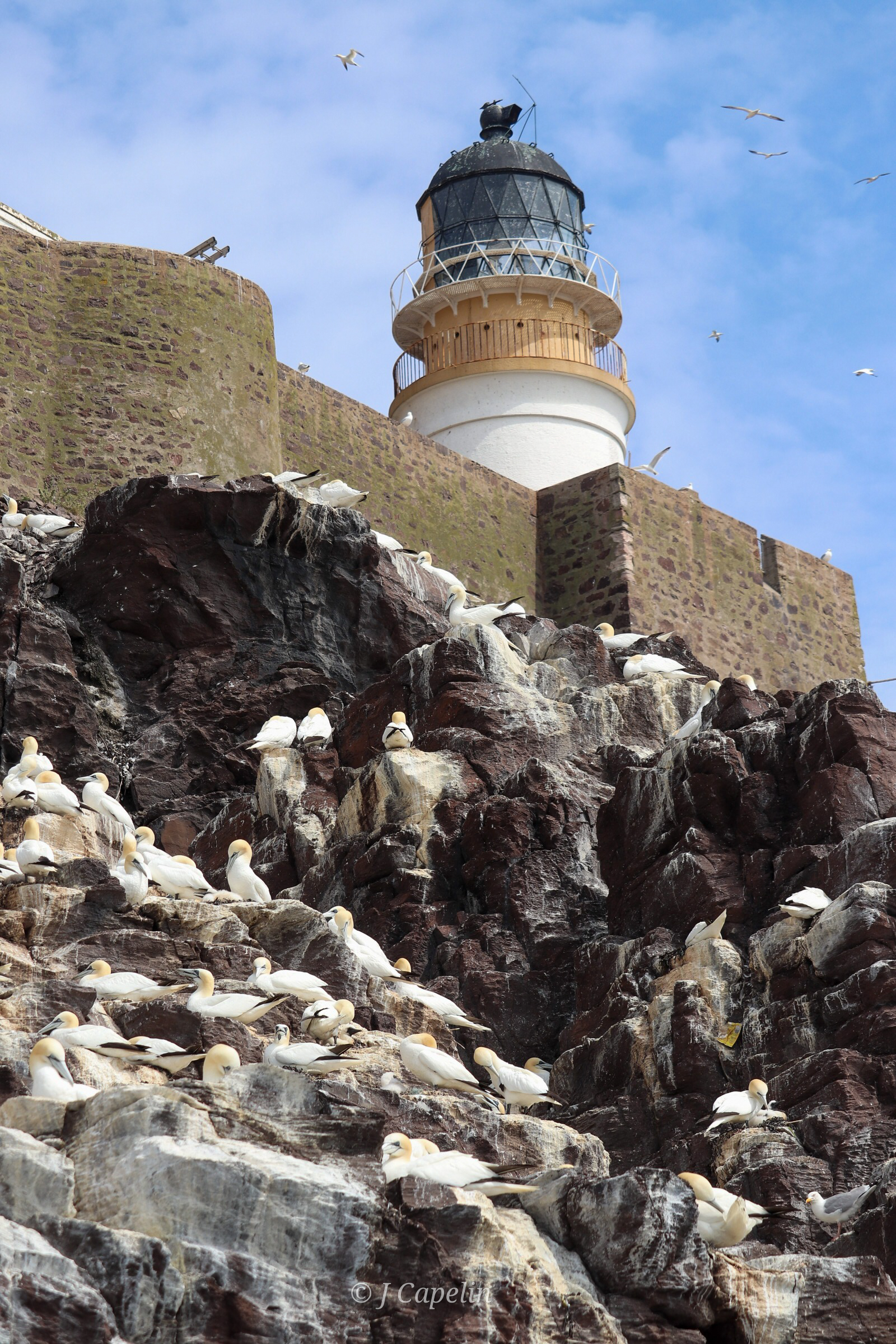
Enormous sea caves etched deep under the island were guarded by Shags, standing atop shards of rock, their outstretched wings drying under the freshly cleared sky. We bobbed beneath the Bass Rock Lighthouse, craning our necks to take in the vast amount of Gannets. Their monstrous fluffy, white chicks were littered all over the cliff, which was dripping with their waste like candle wax, and the cacophony of the birds filled the air.
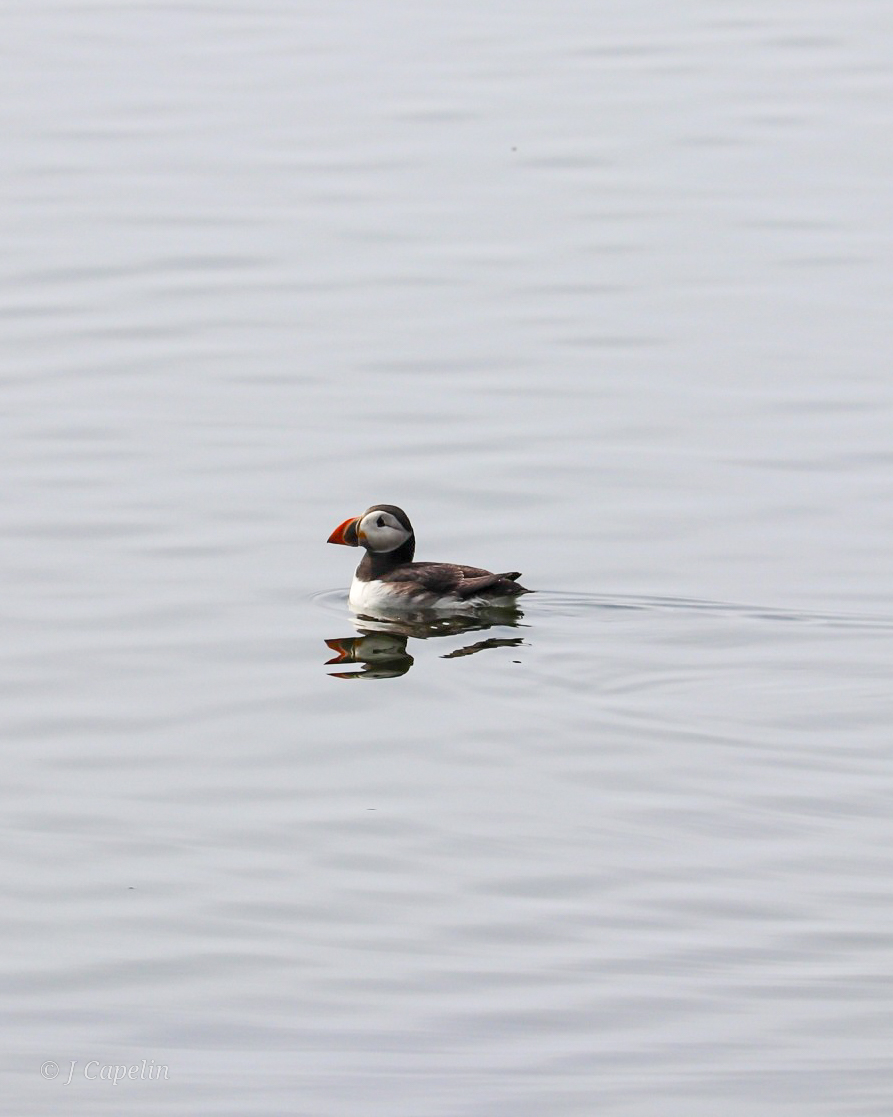
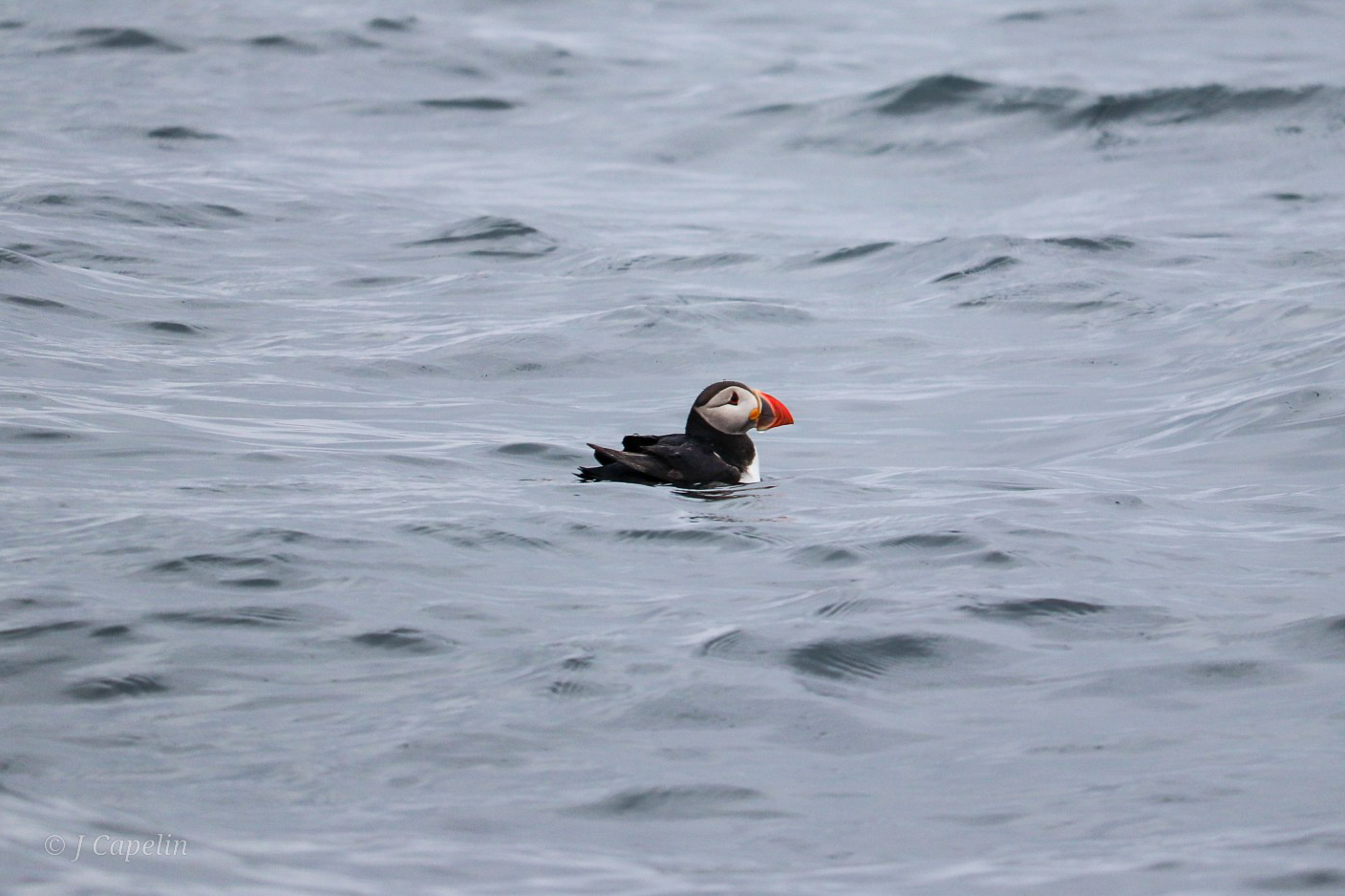
Then one of our group yelled and pointed to the back of the boat – a single Puffin was paddling along behind us, on an idyllic backdrop of Tantallon Castle on the coastline beyond. Very demure.
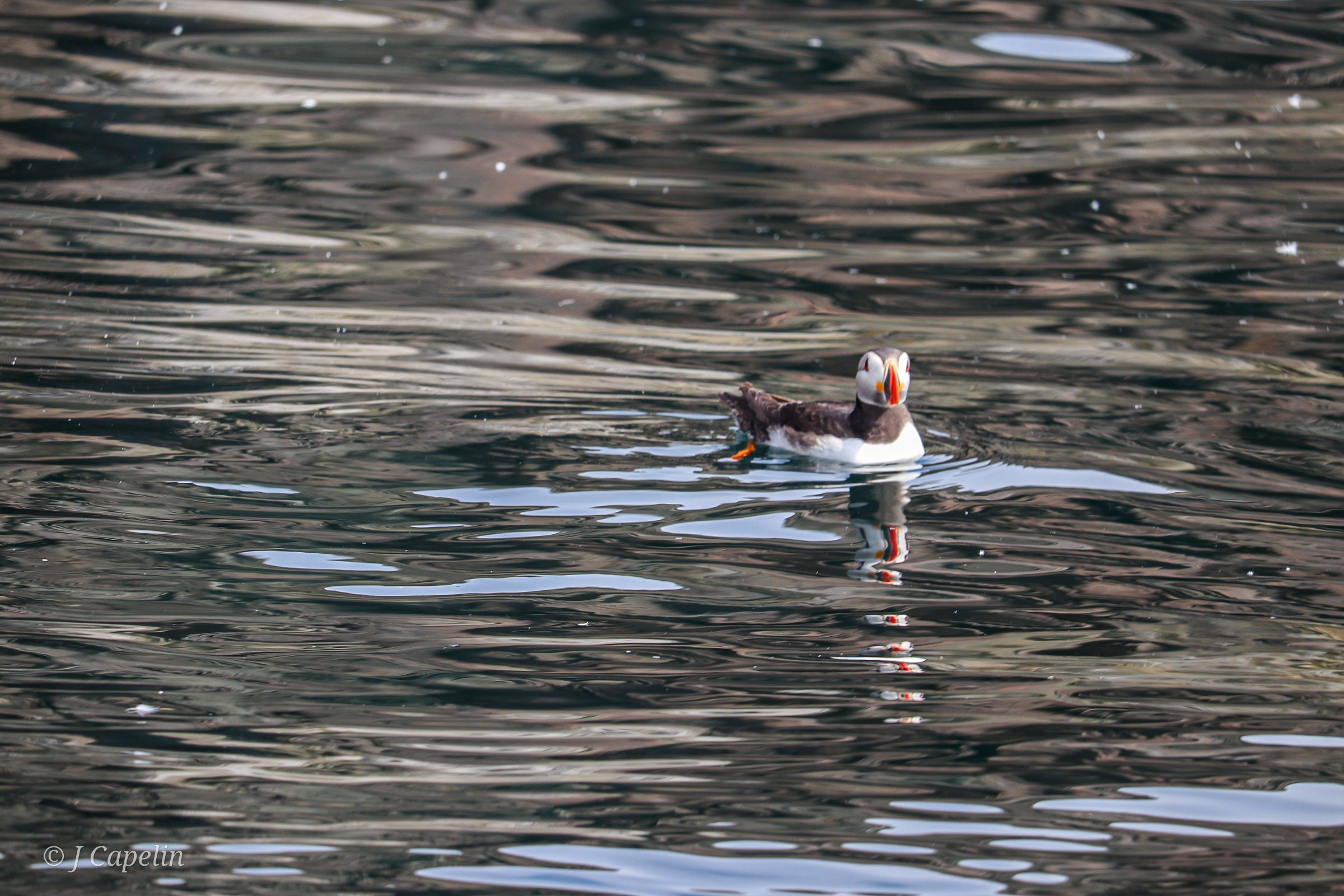
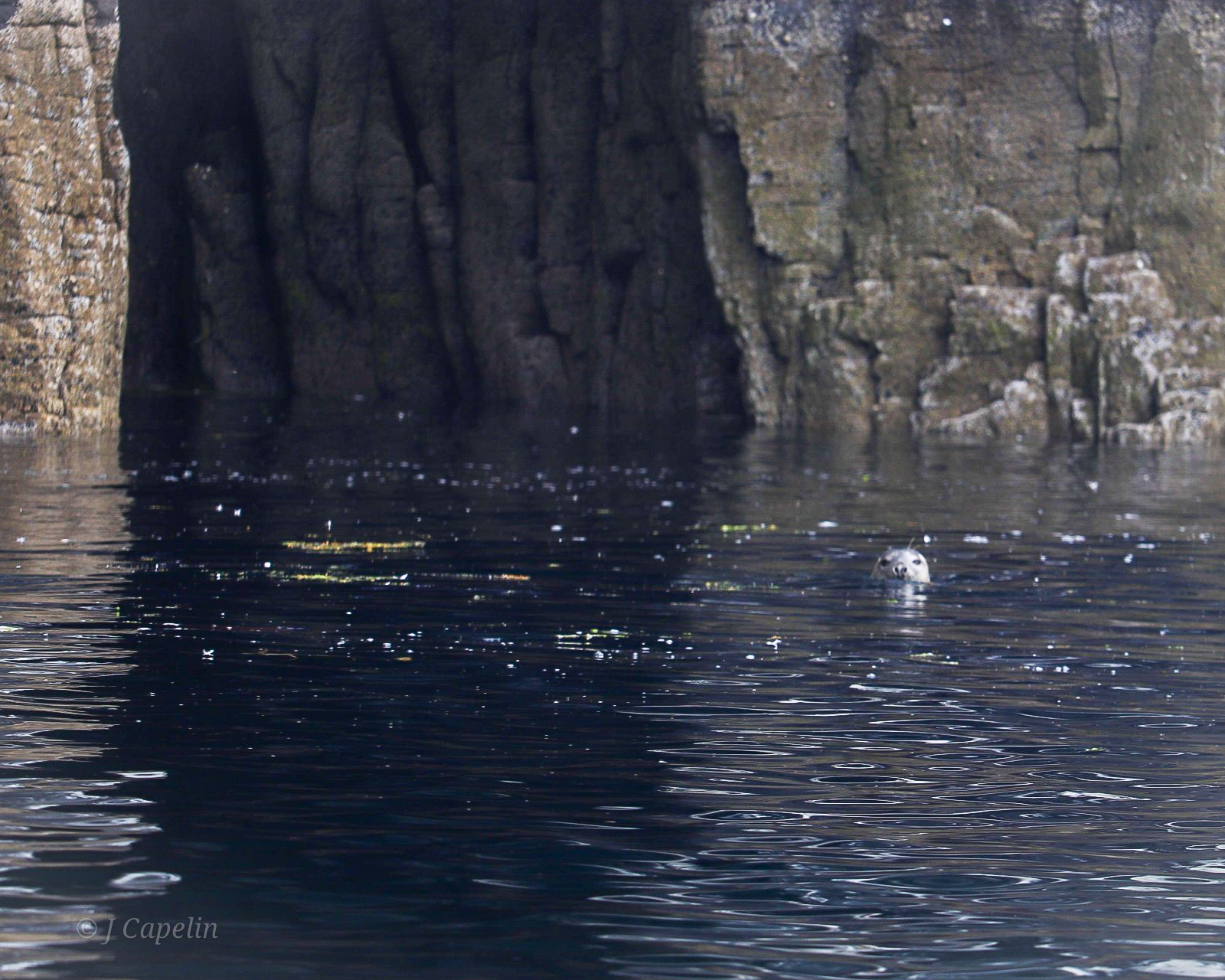
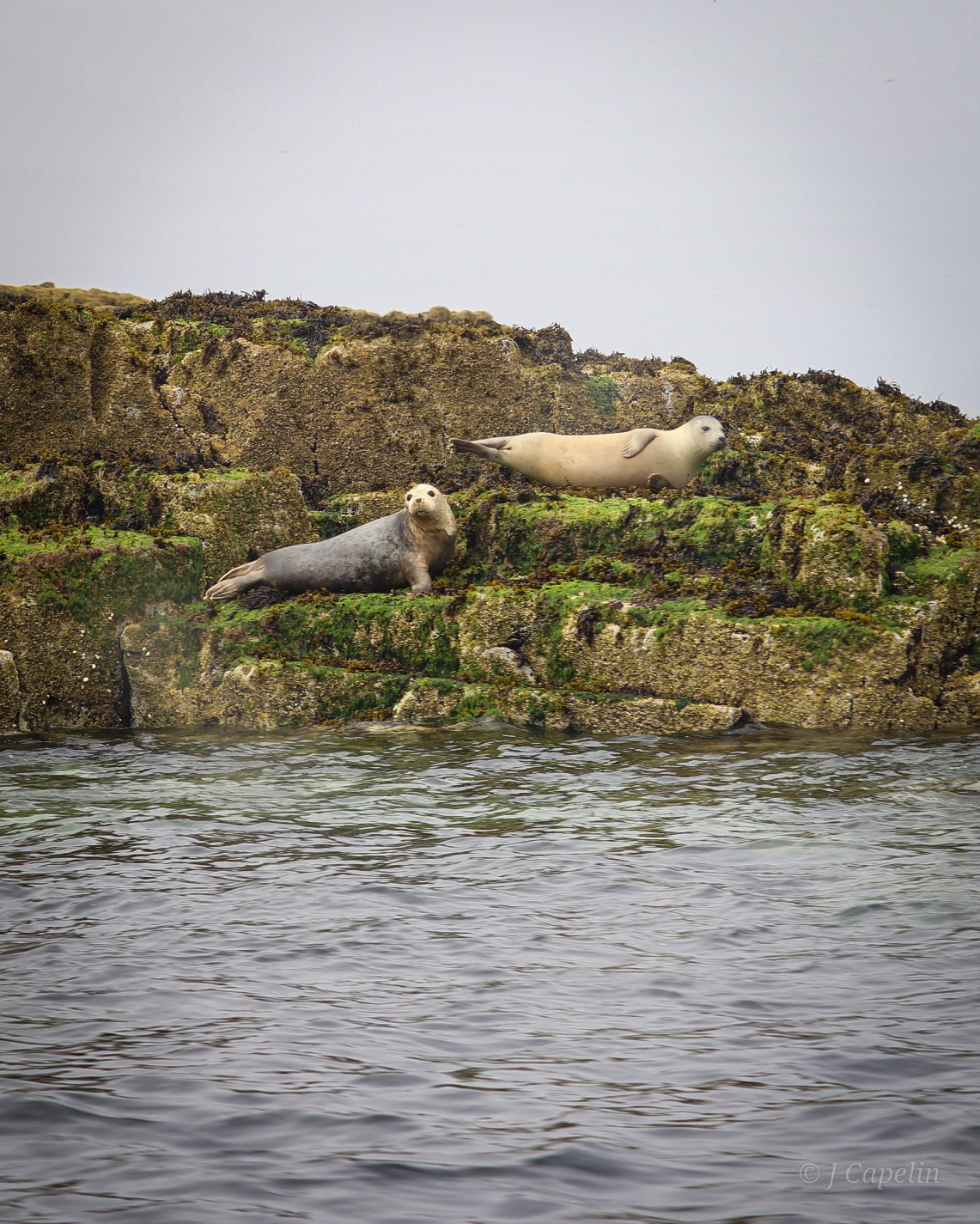
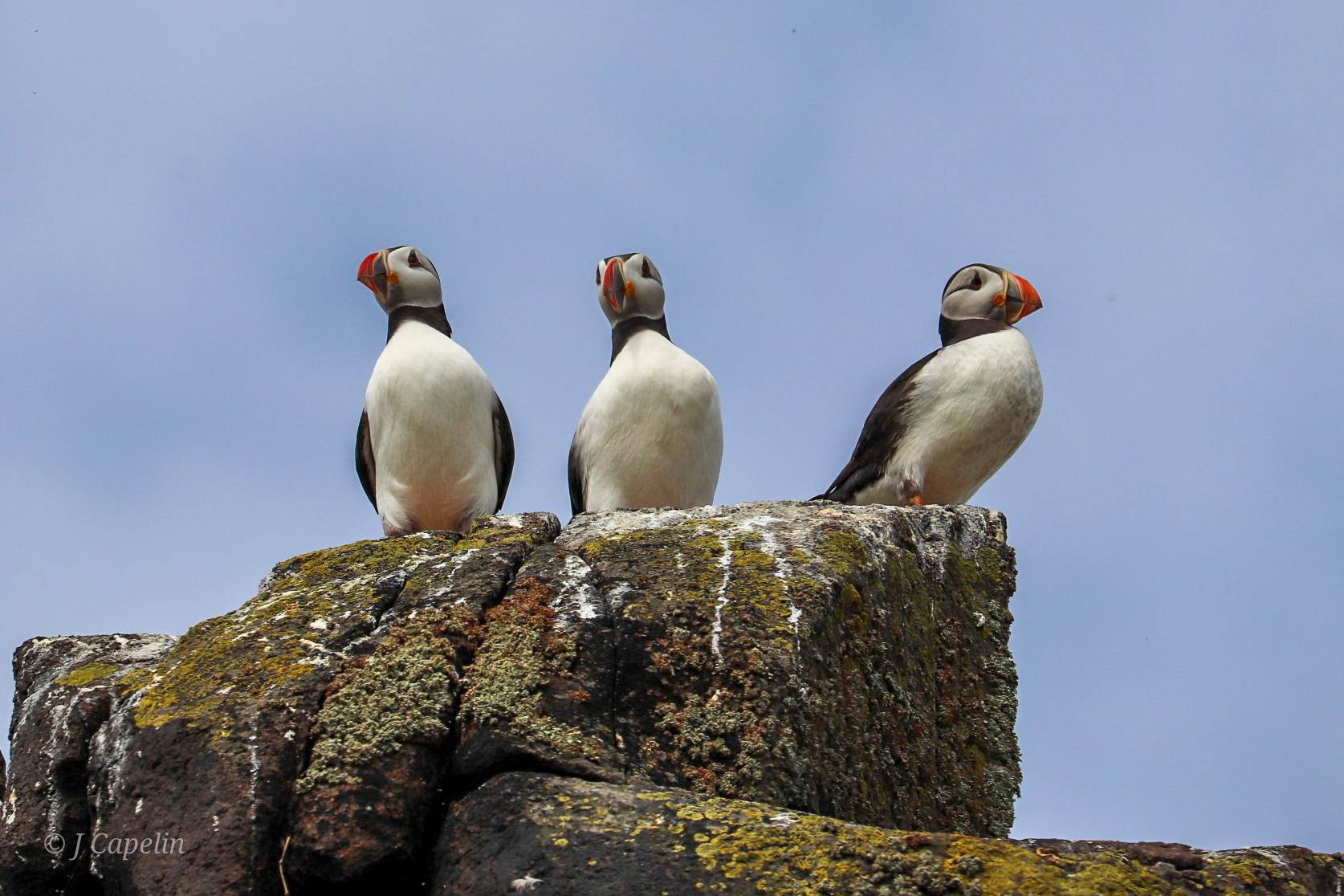
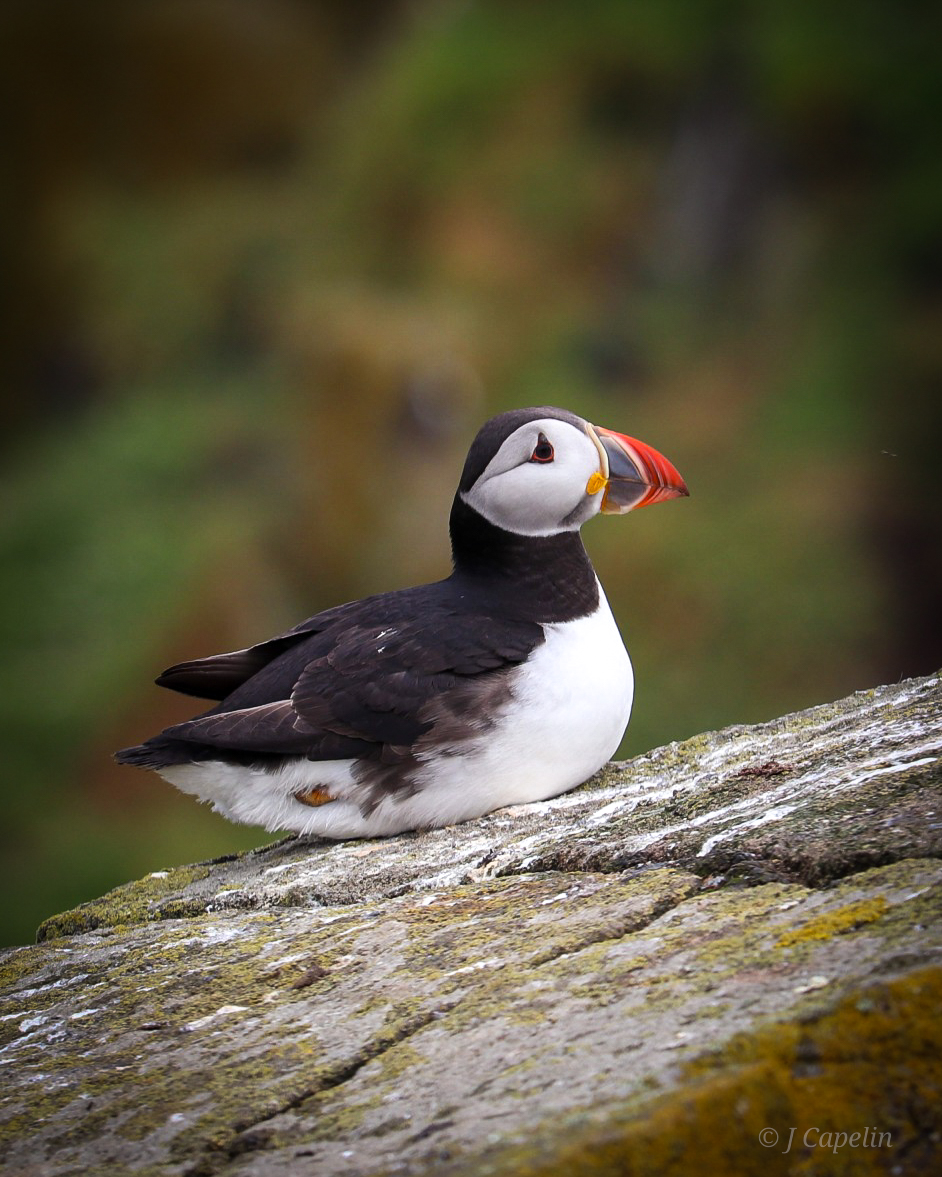
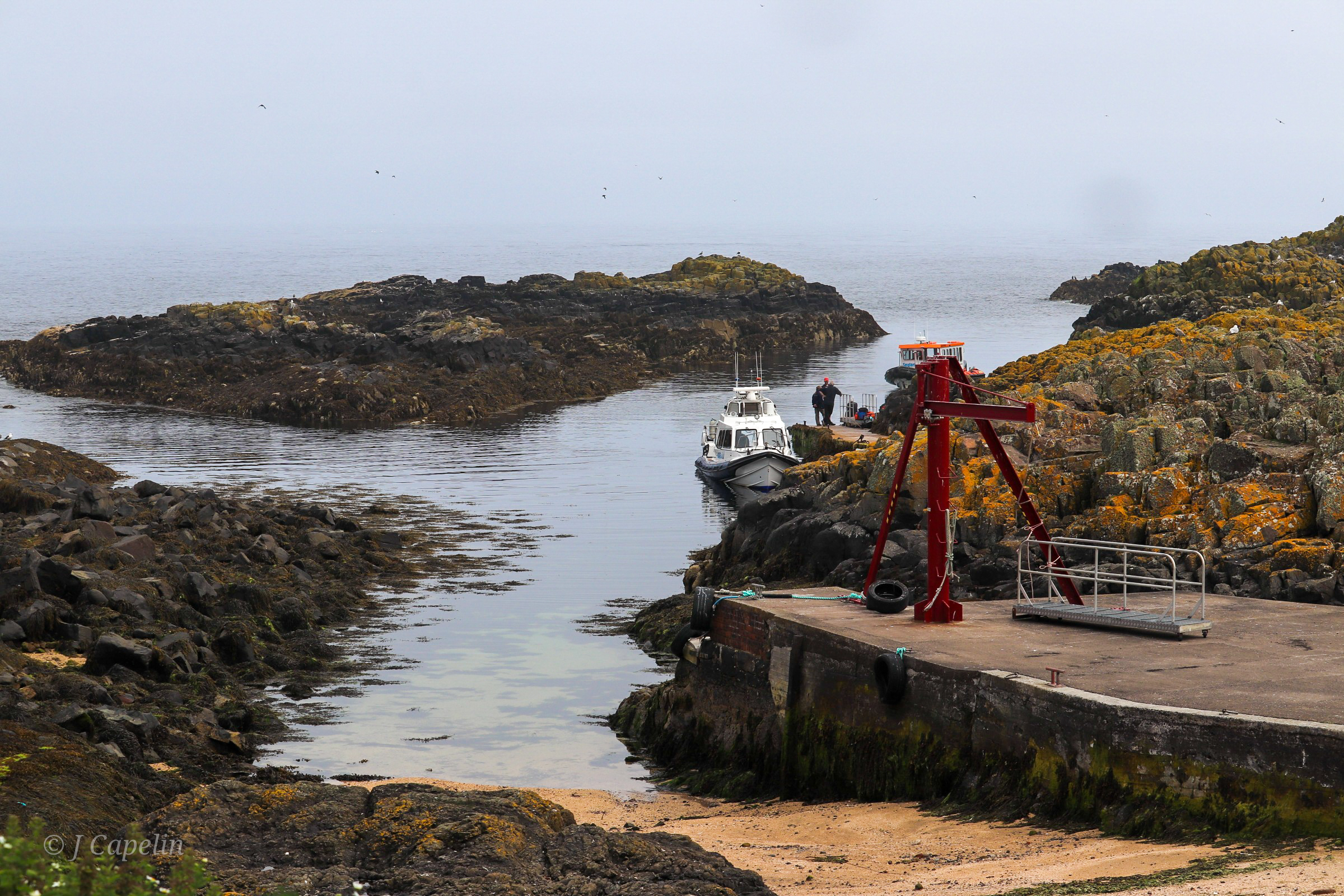
We sailed on to the Isle of May, which was surrounded by Grey Seals lounging around on the rocks and twirling in the watery mouths of the sea caves. As we came around the island to make port we could already see puffins on the cliff ledges and on the water, along with Terns, Kittiwakes, Shags, Gulls and Jellyfish.
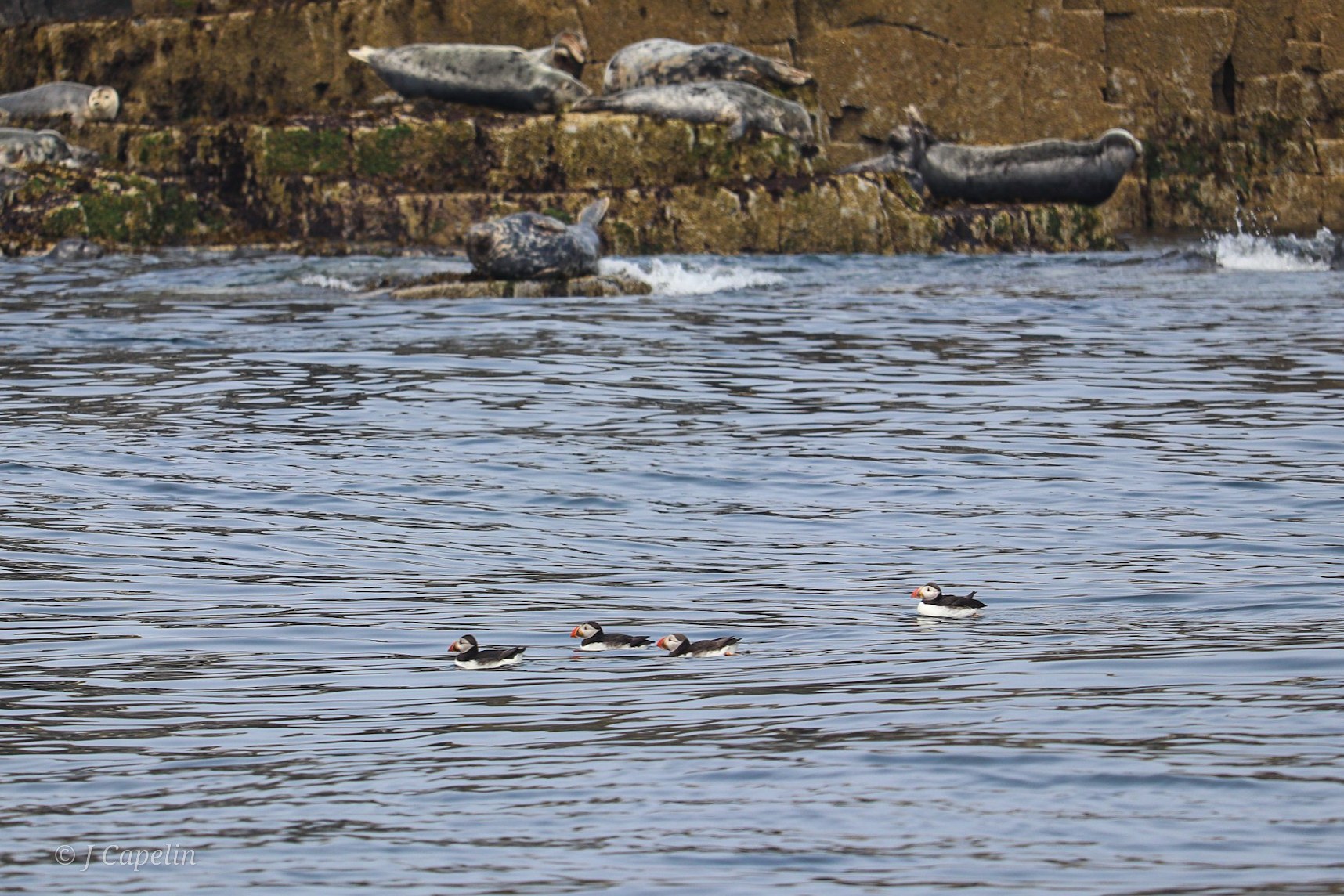
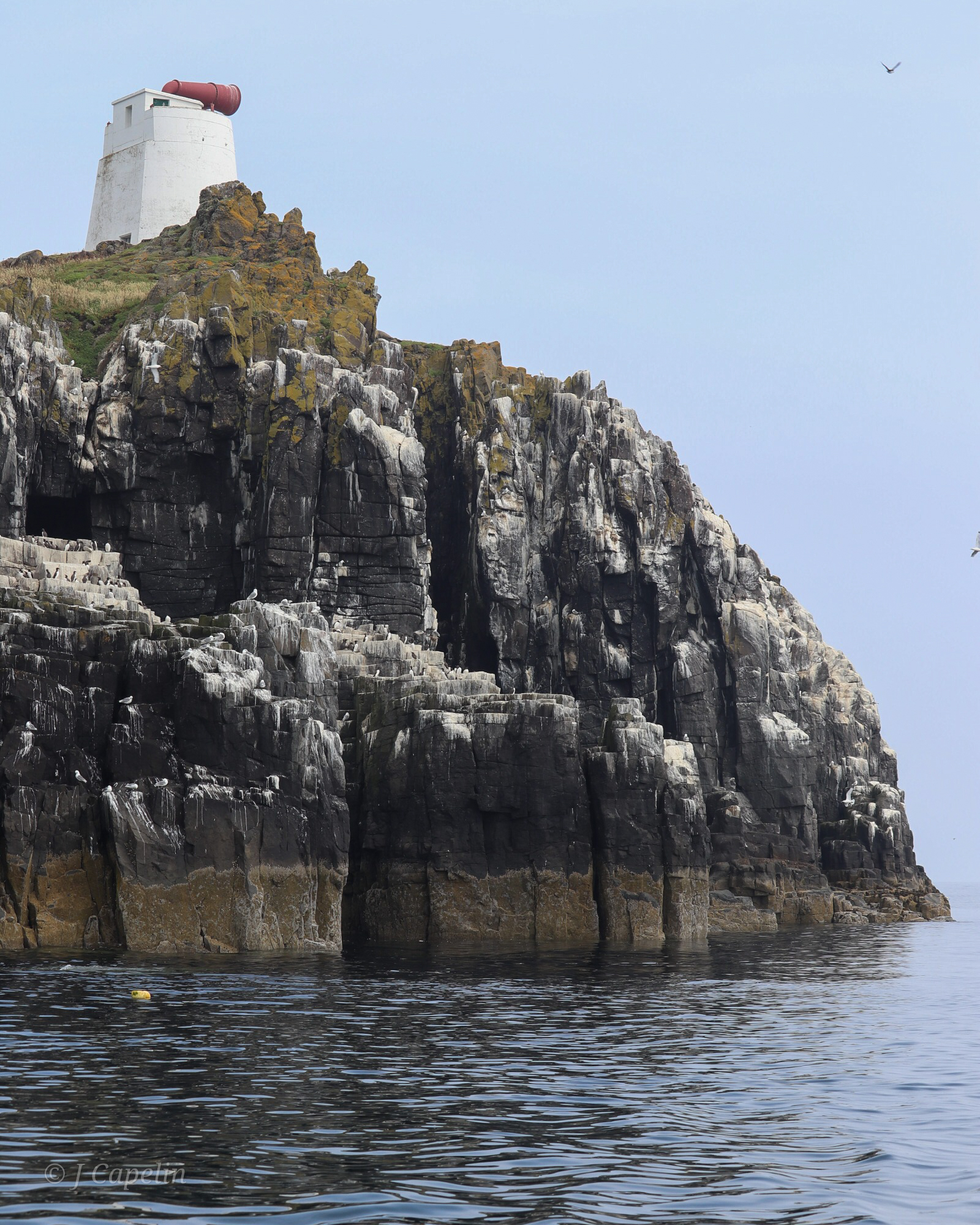
There was still a layer of fog on the sea as we circled the island, but once we stepped off the boat the July afternoon sun was burning through.
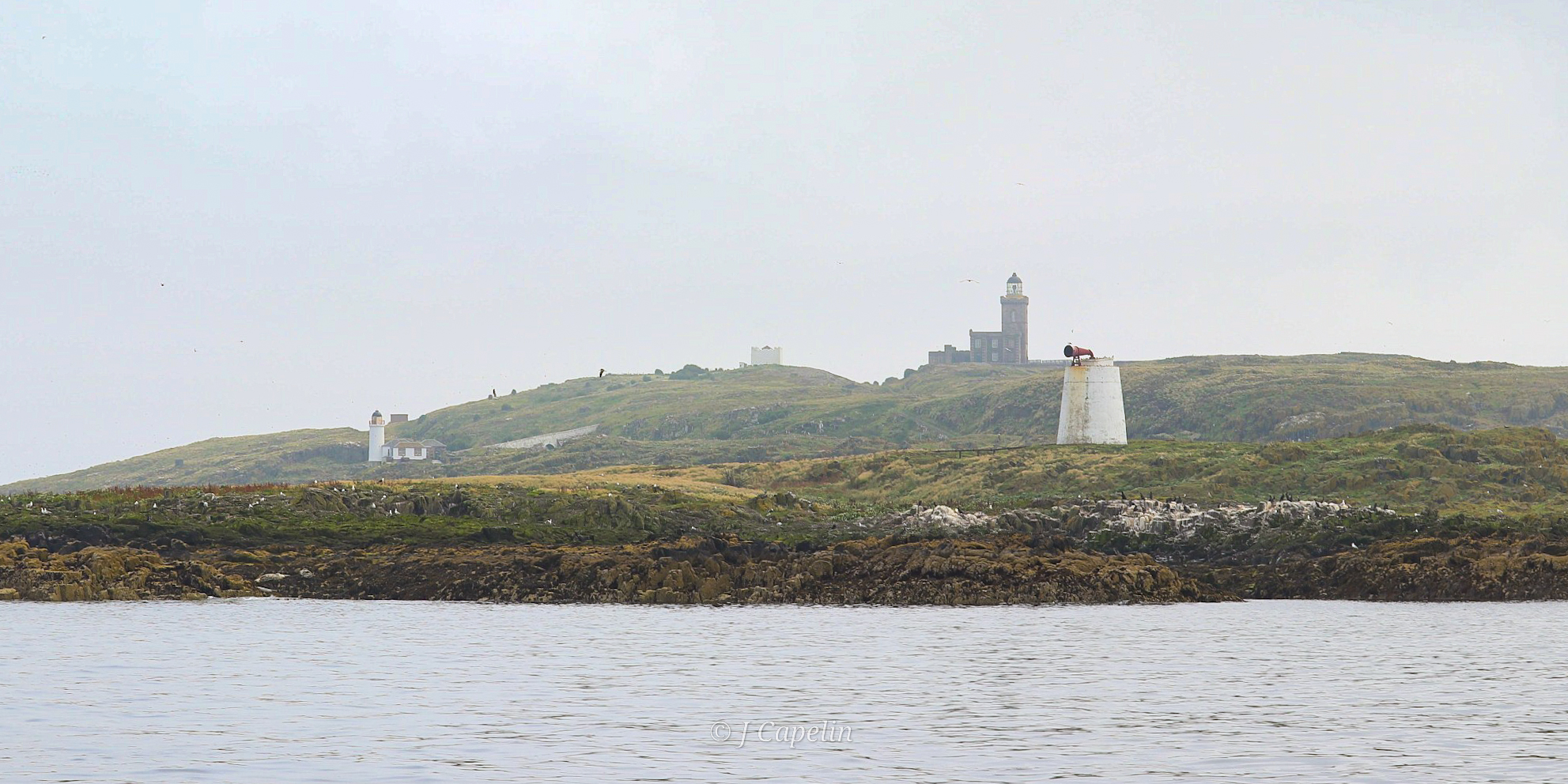
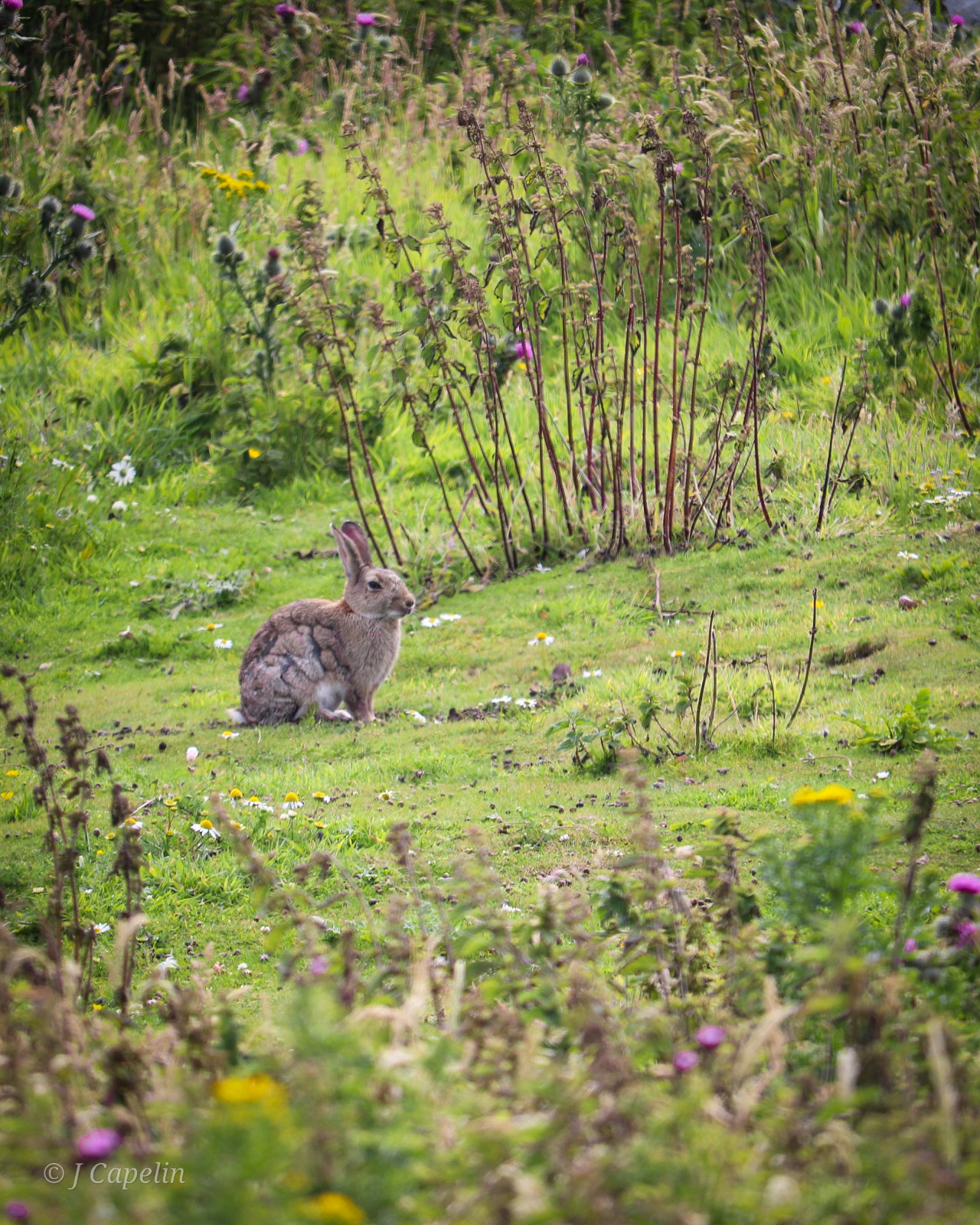
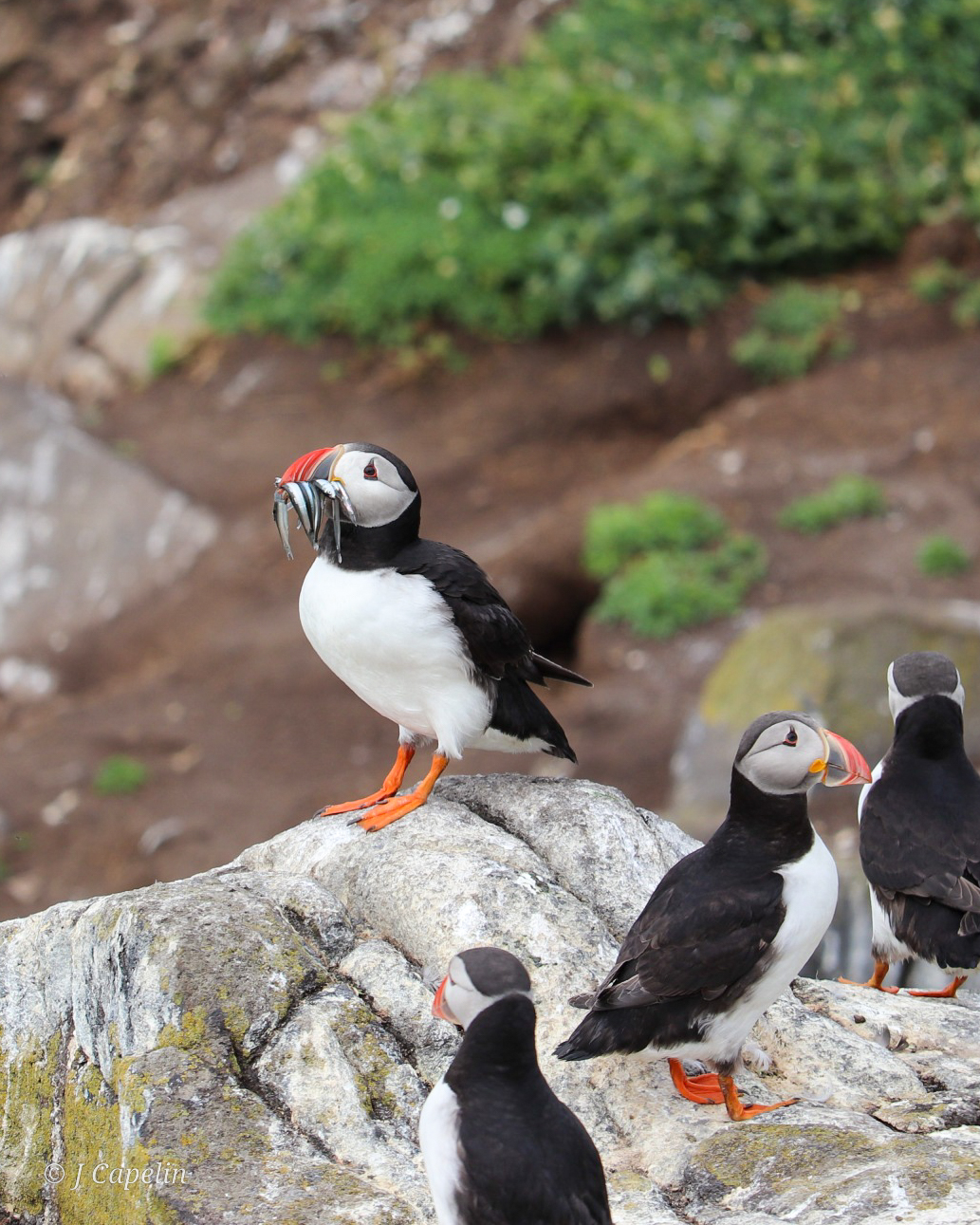
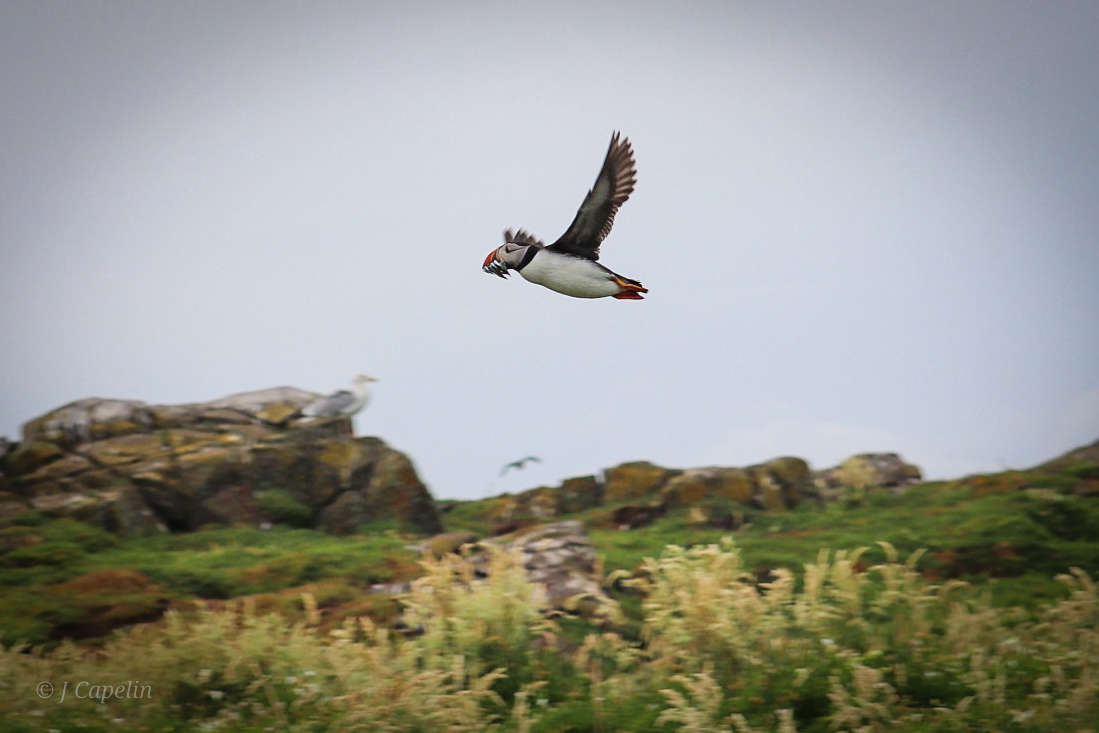
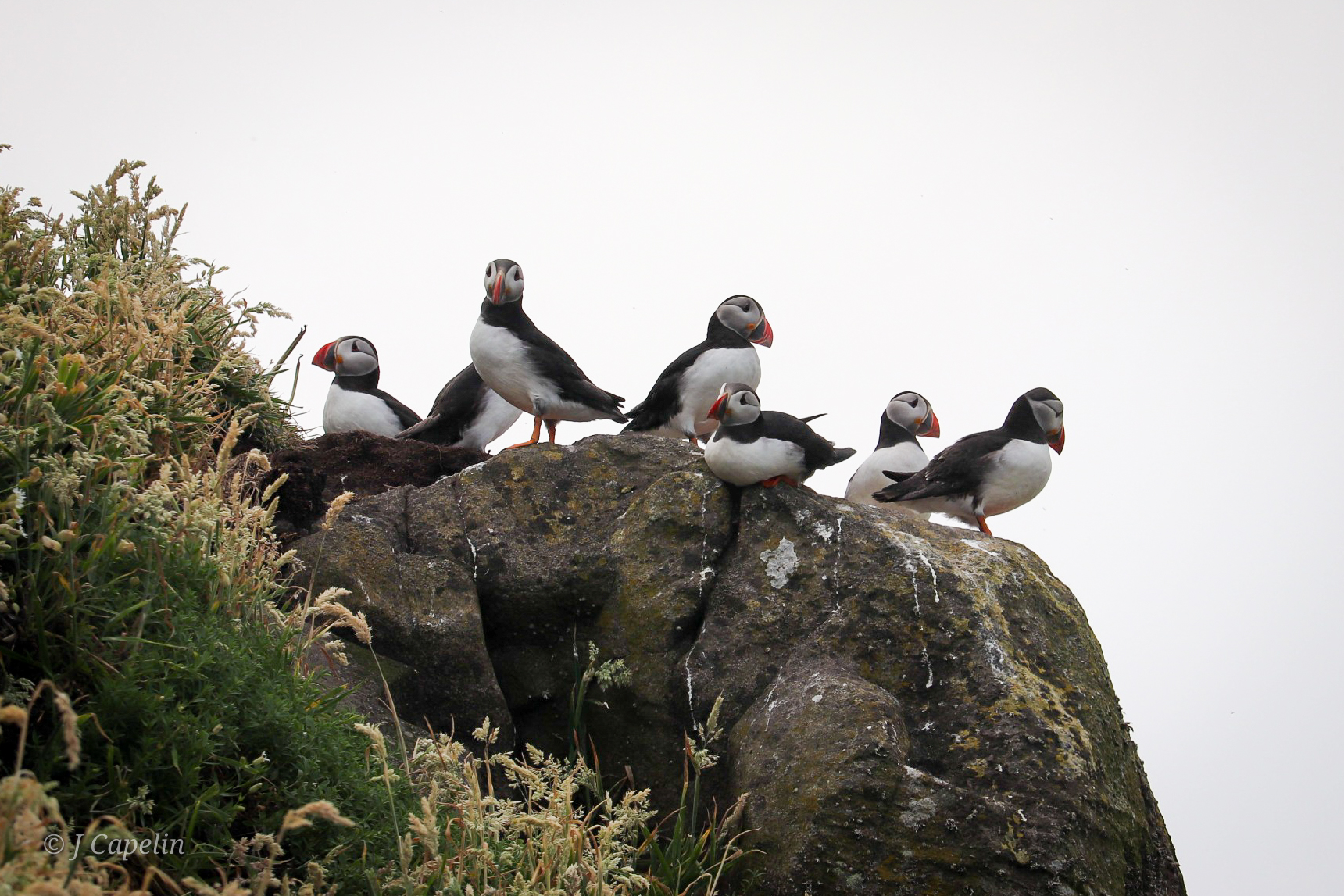
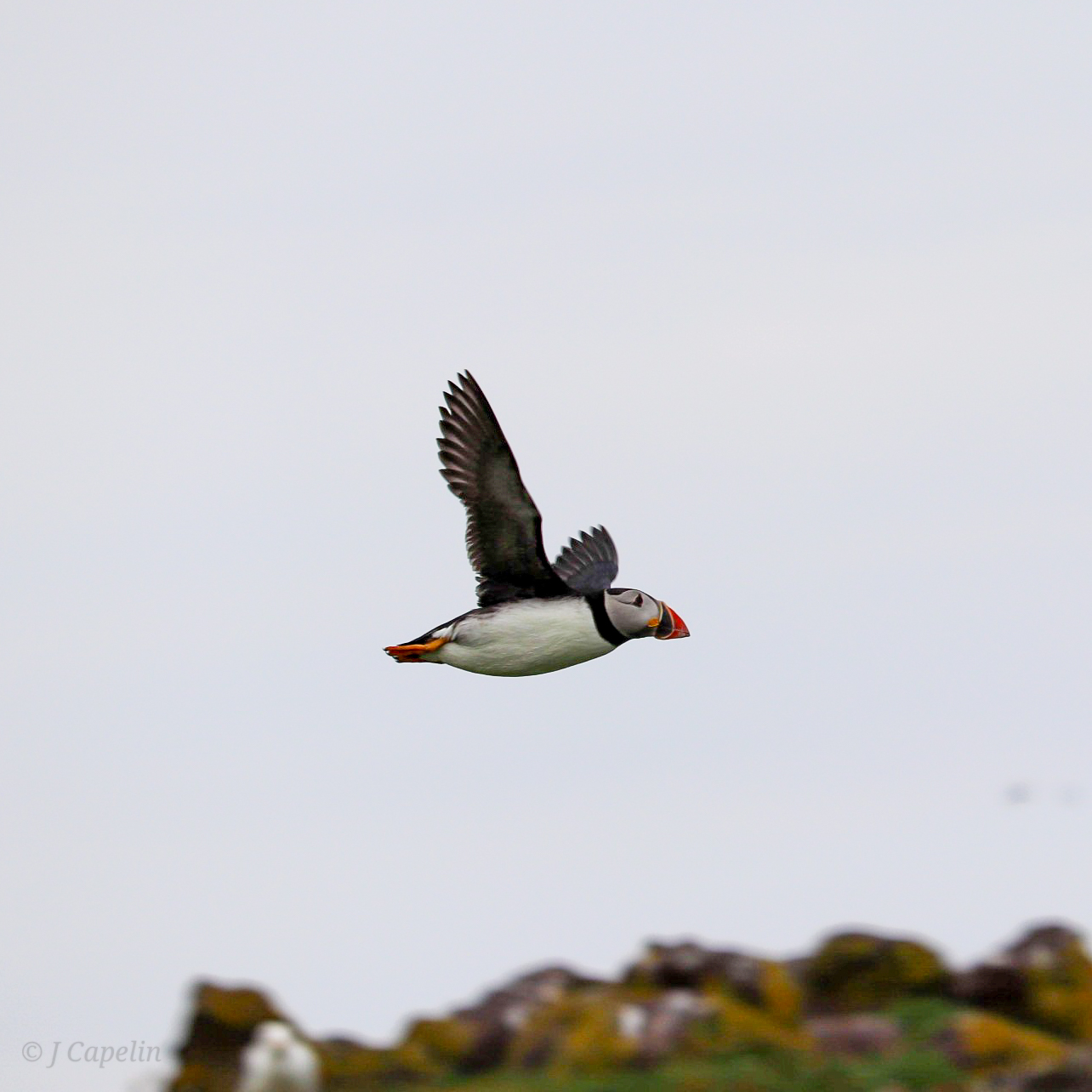
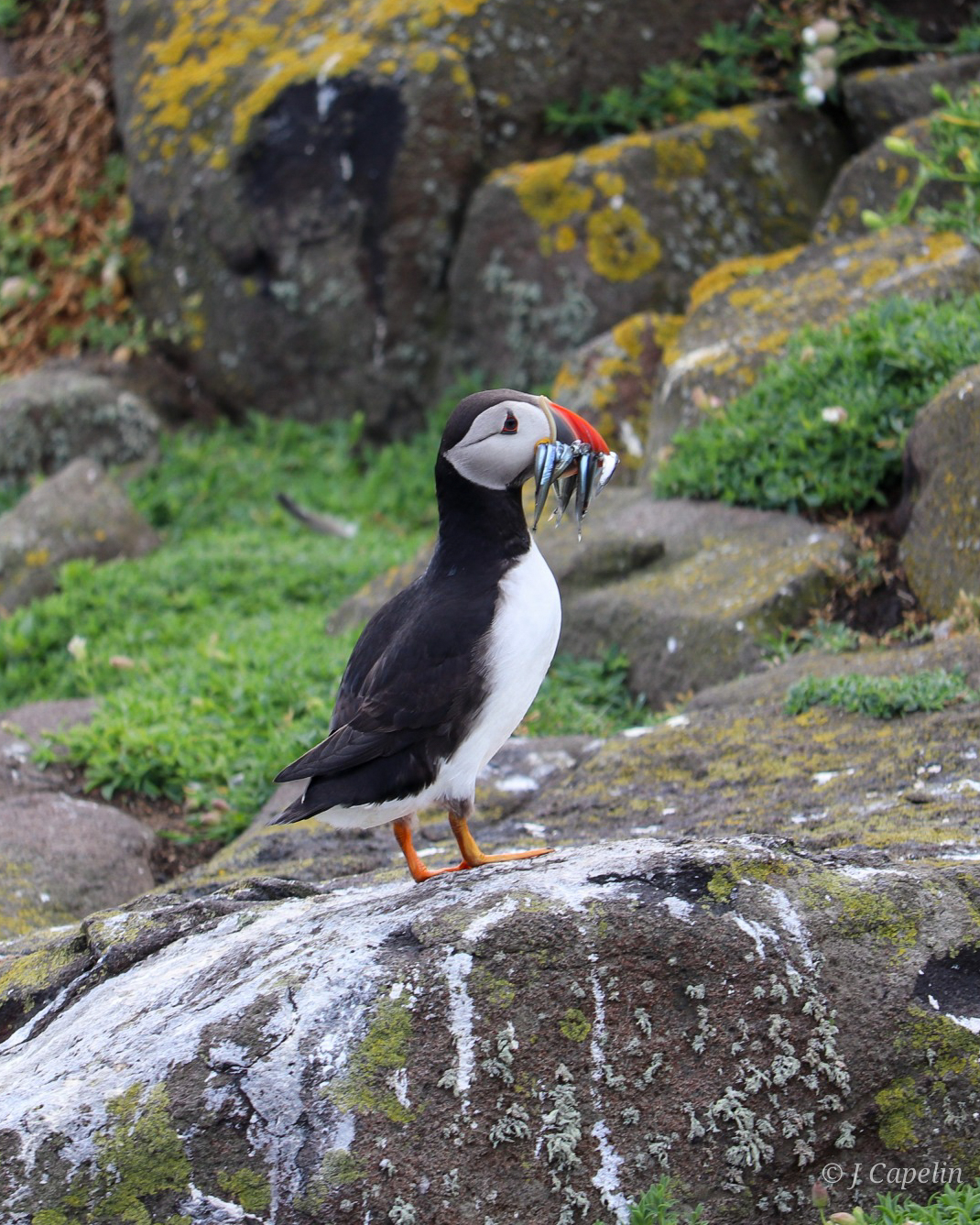
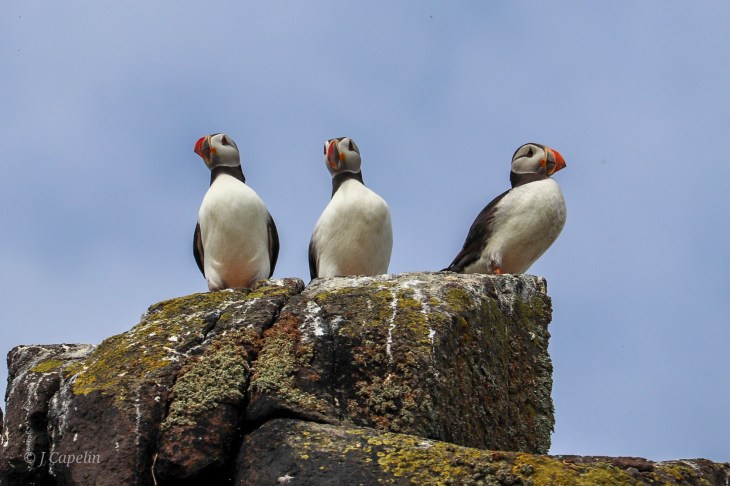
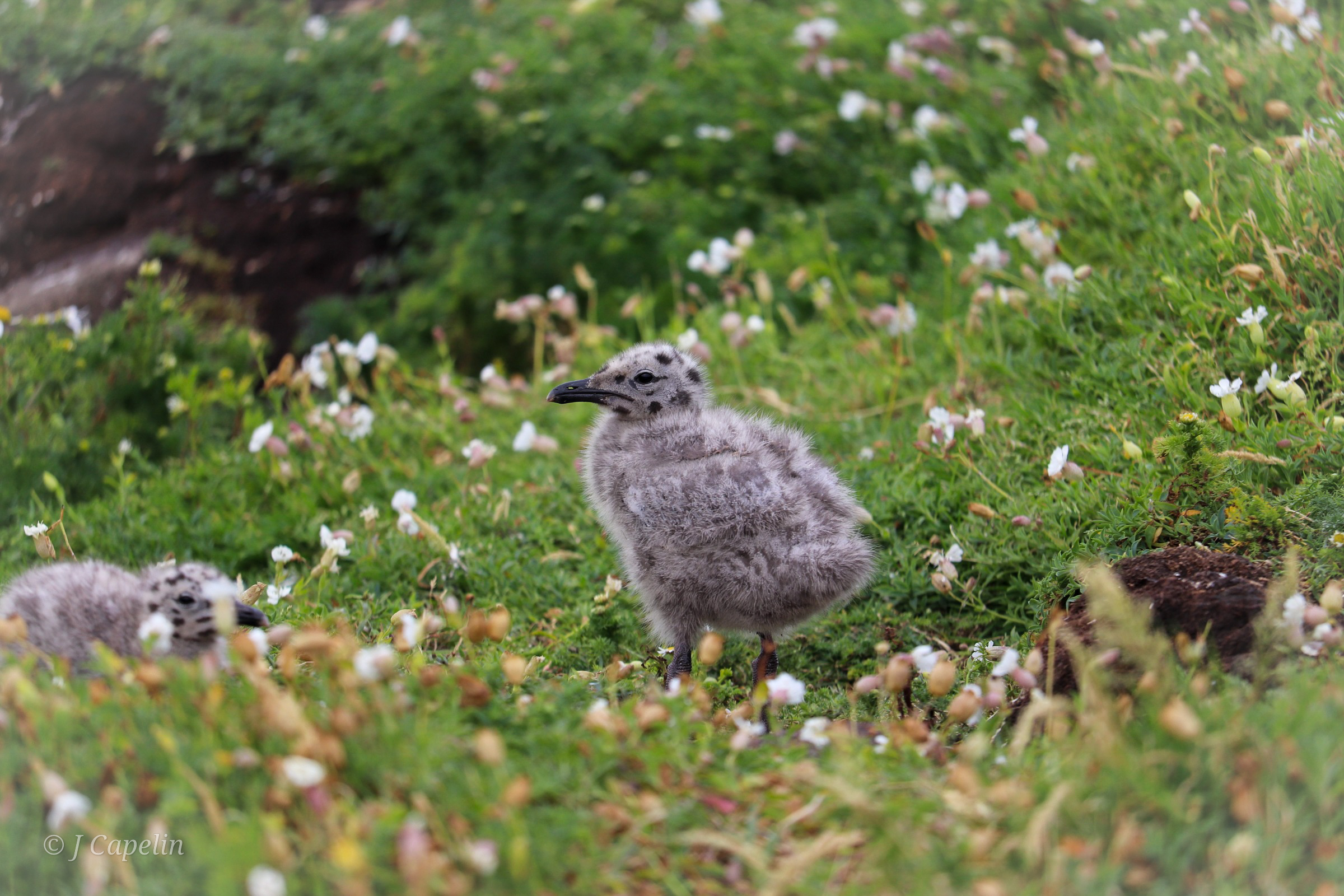
Fluffy grey seagull babies toddled around between tussocks, like butter wouldn’t melt, but the guide informed us that there were no Arctic Terns nesting here because those cute little baby gulls had eaten all their chicks. We strolled up the hill to the Main Lighthouse spotting big rabbits lolloping in the long grass and thistles, stopping at the Loch on the way. Puffins were watching us from all around as the footpath cut between high banks, and as they flew over I noticed the fish hanging out of their beaks and their big orange feet sticking out behind them!
Meandering down the headland to Bishop Cove there were Puffin burrows absolutely everywhere, highlighting the importance of sticking to the footpath. I watched three baby seagulls putting their heads in the burrows, while the parent Puffins waited anxiously from a distance. It was hard to watch the sad reality that some of these Puffins might be coming back to an empty burrow.
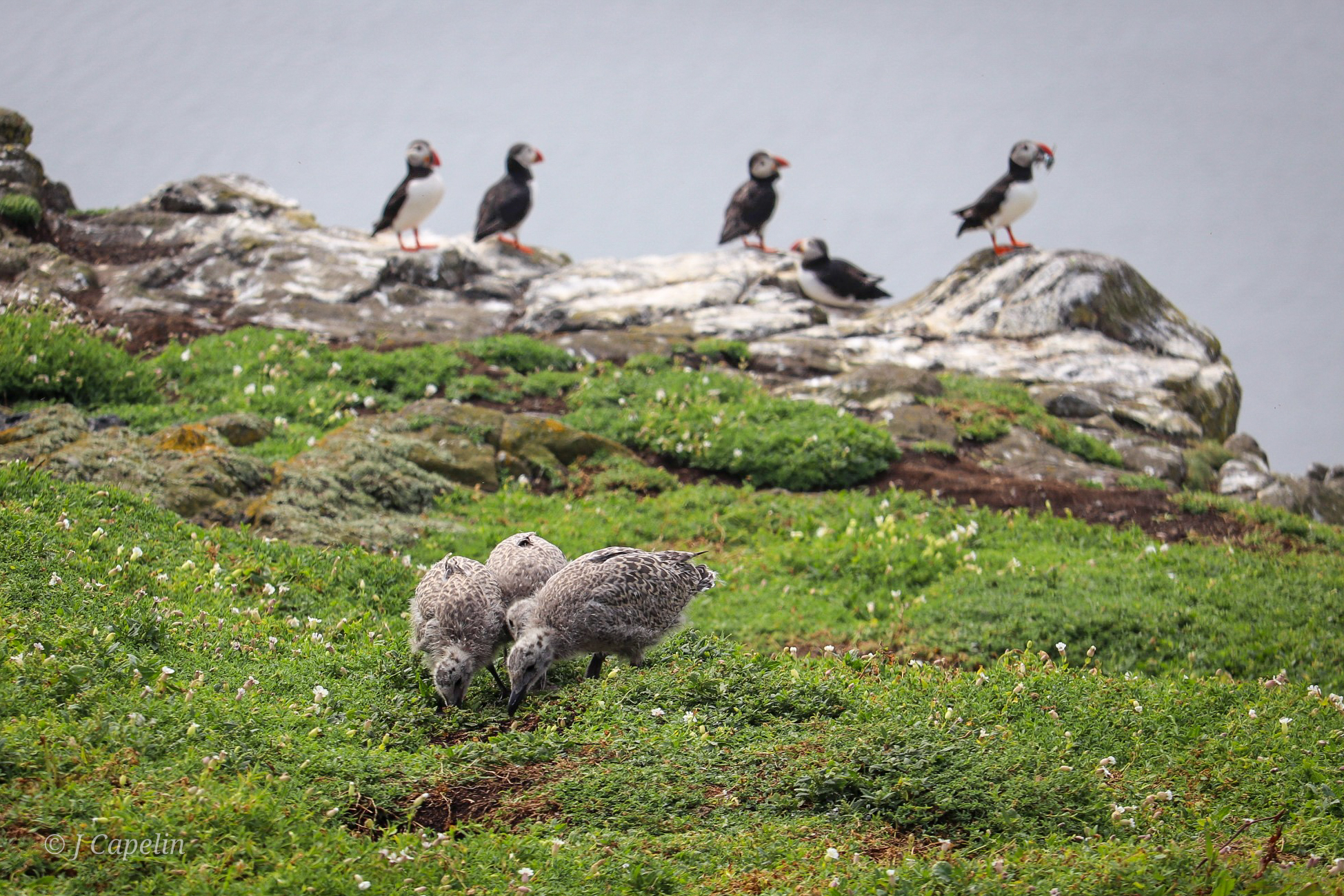
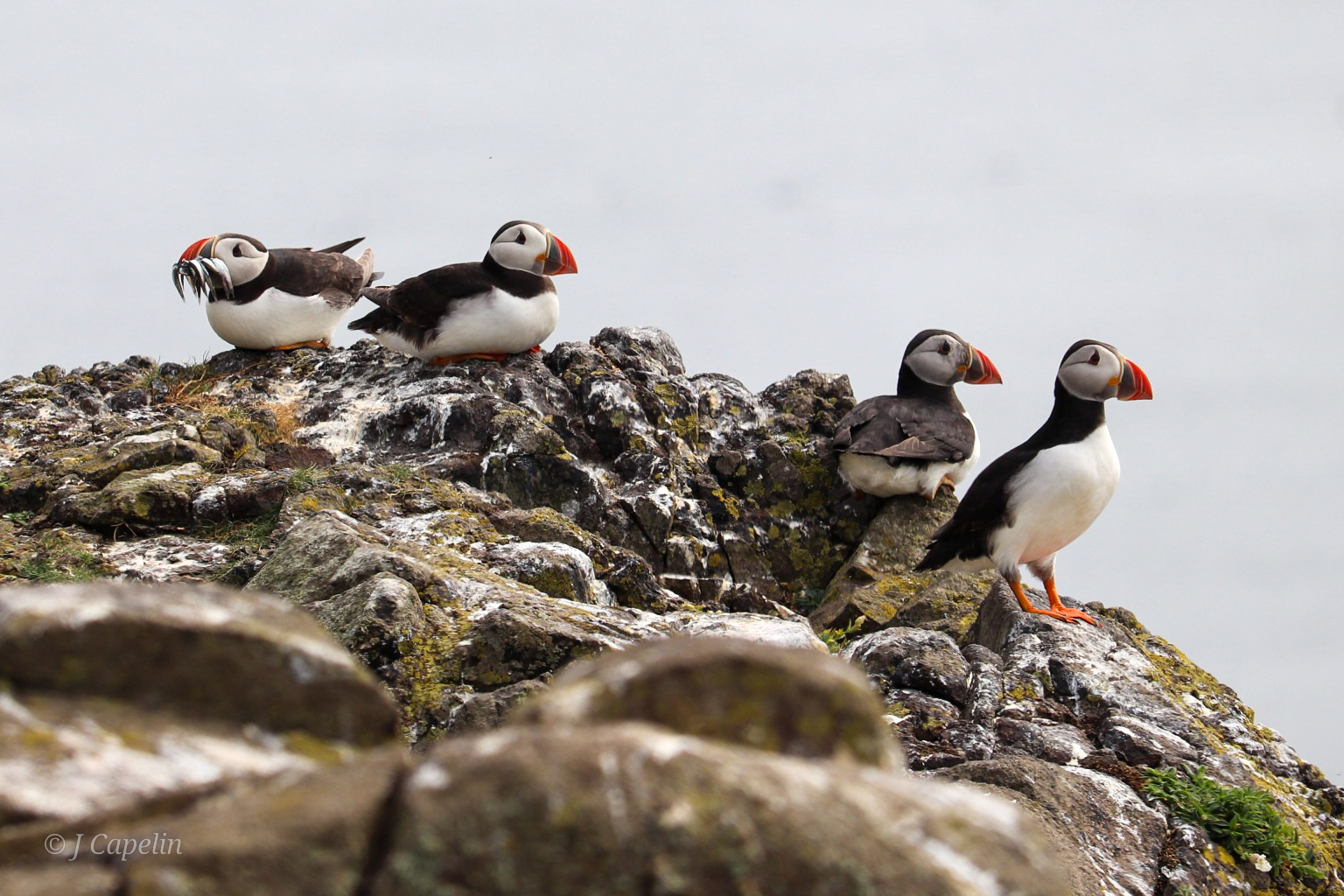
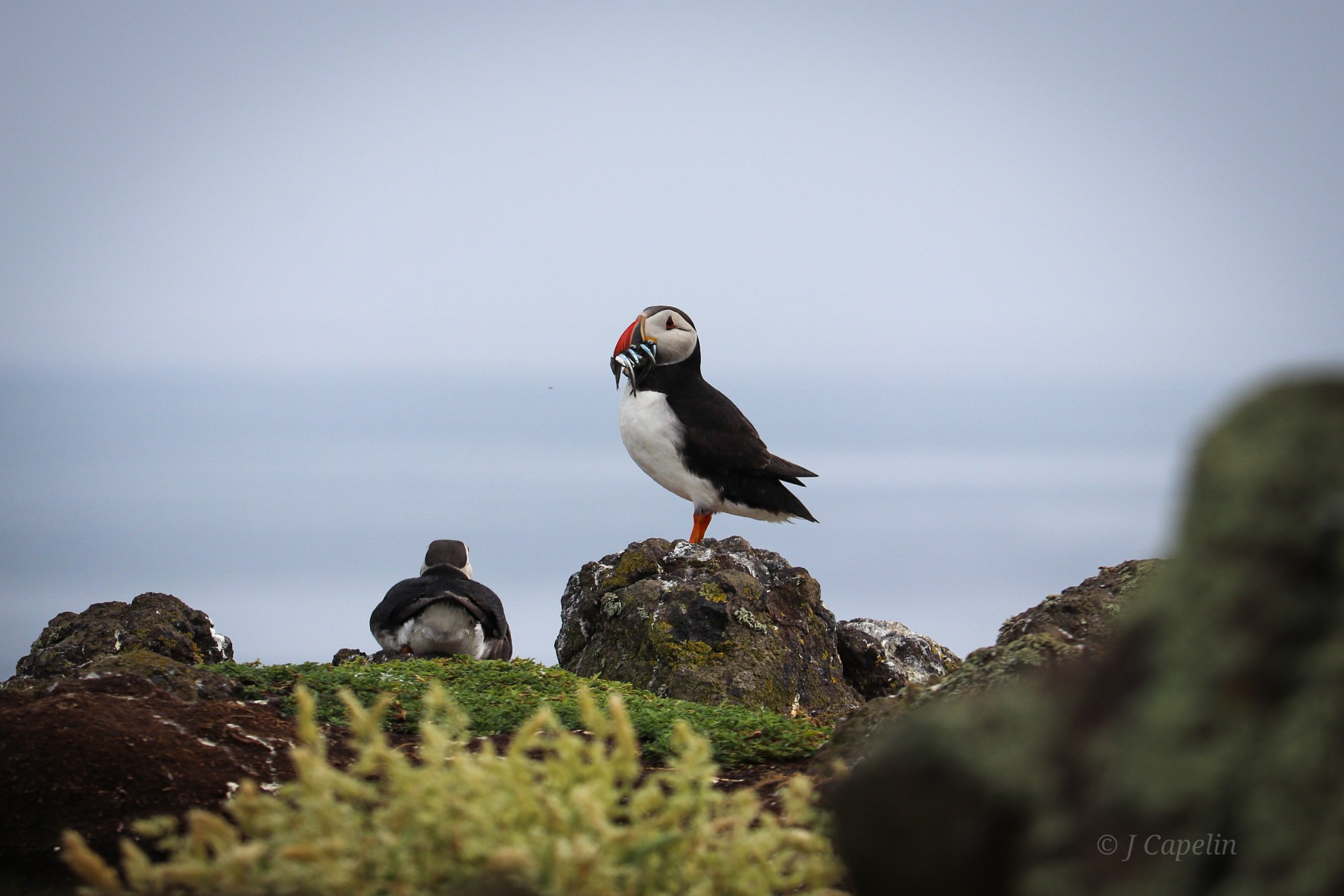
The spectacular cliffs of Bishop Cove were alive with birds, the grand white pillars holding the island up out of the crystal water below. We followed the path down to a cove known as Alterstanes, where we got some nice Puffin close ups. Then we looped back along the lower boardwalk, ‘Holyman’s Road’ along a vast, rocky coastline, to the south point of the island.
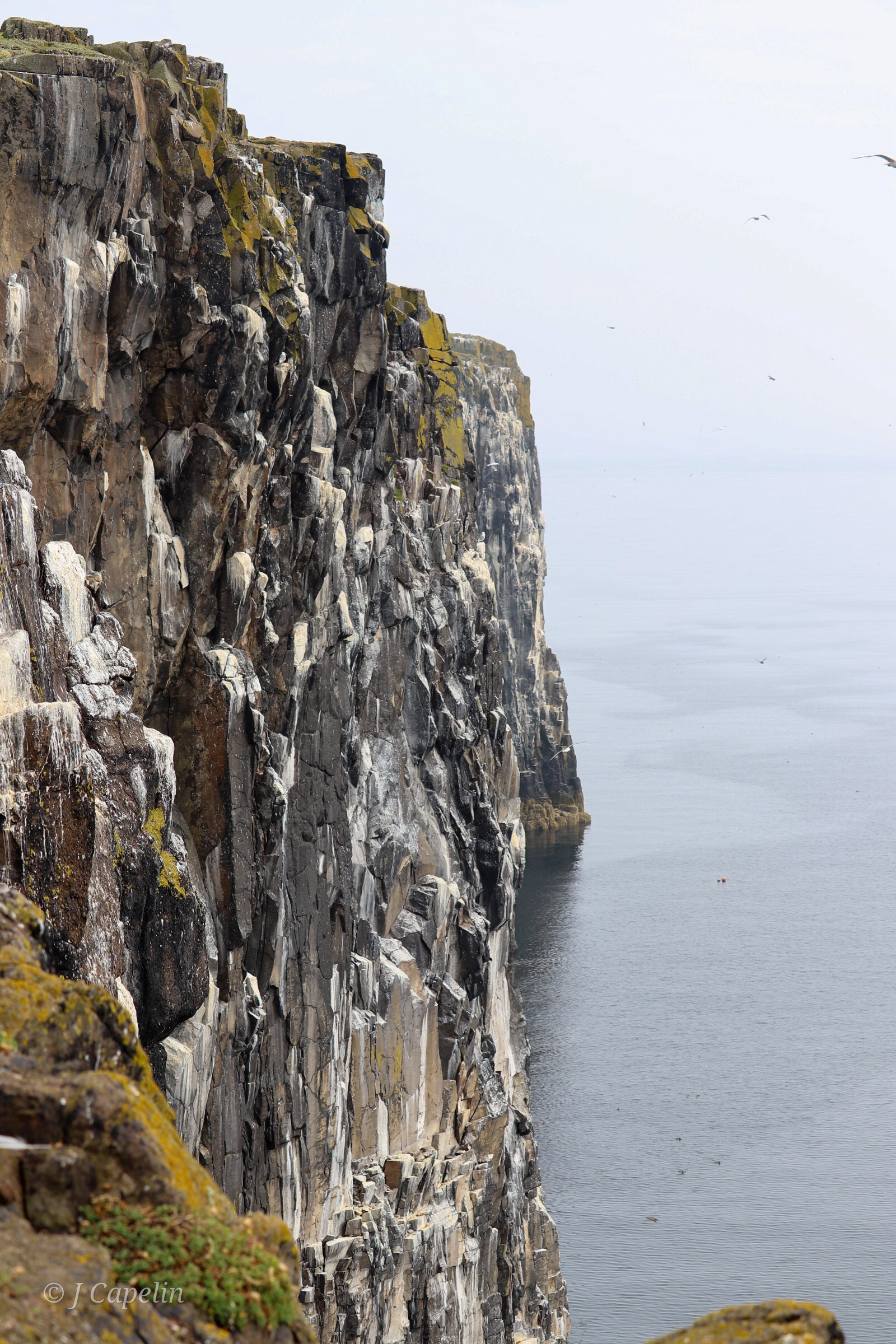
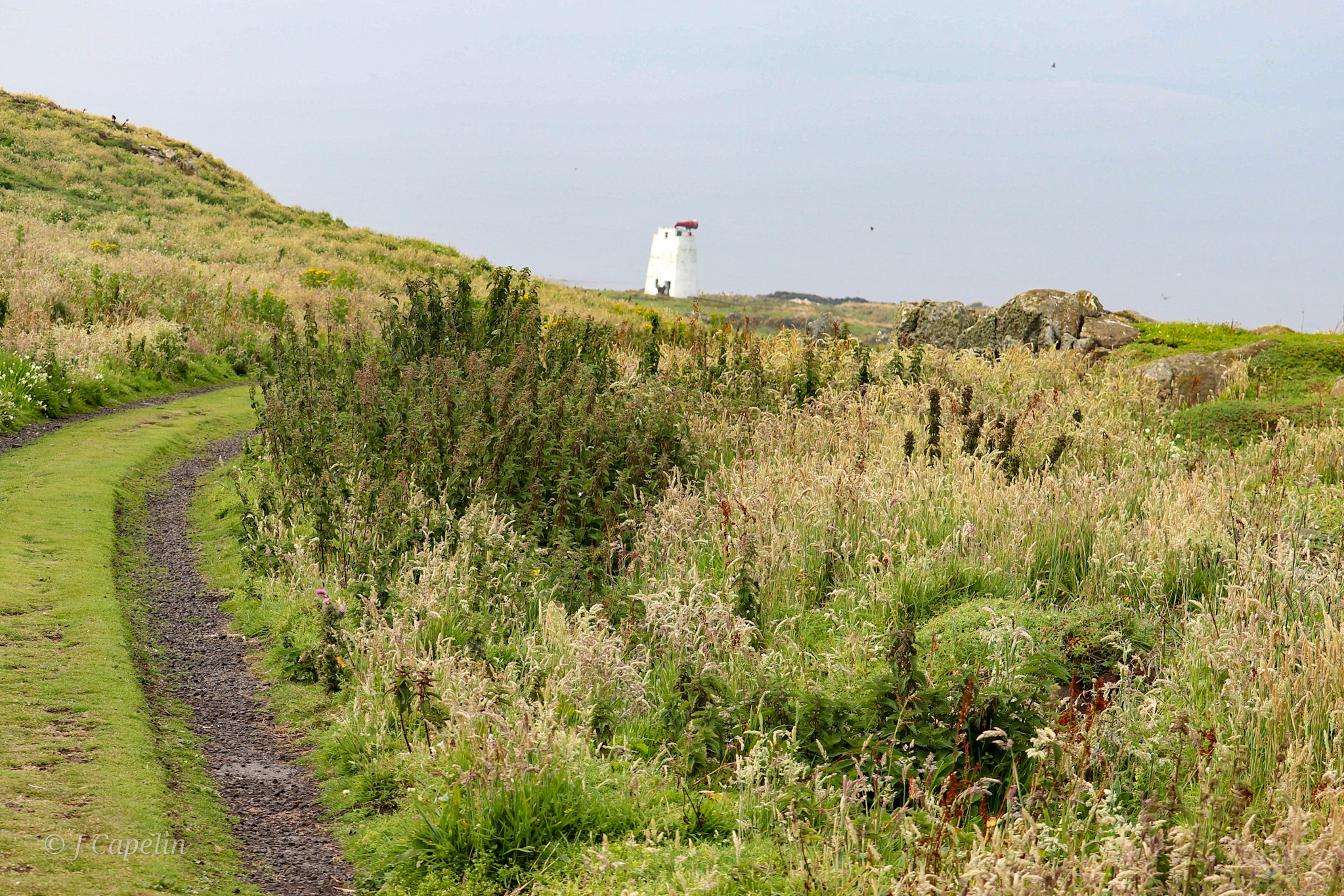
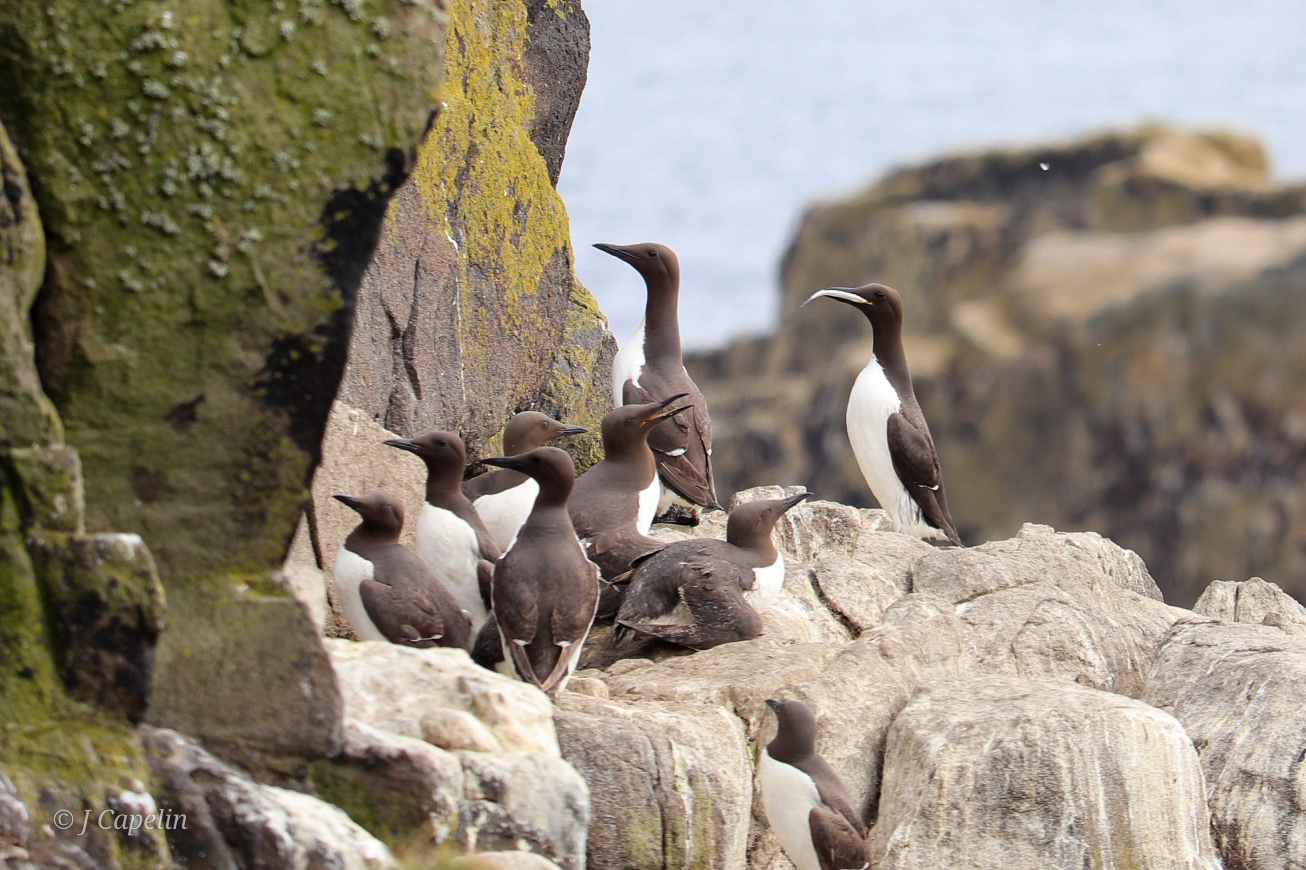
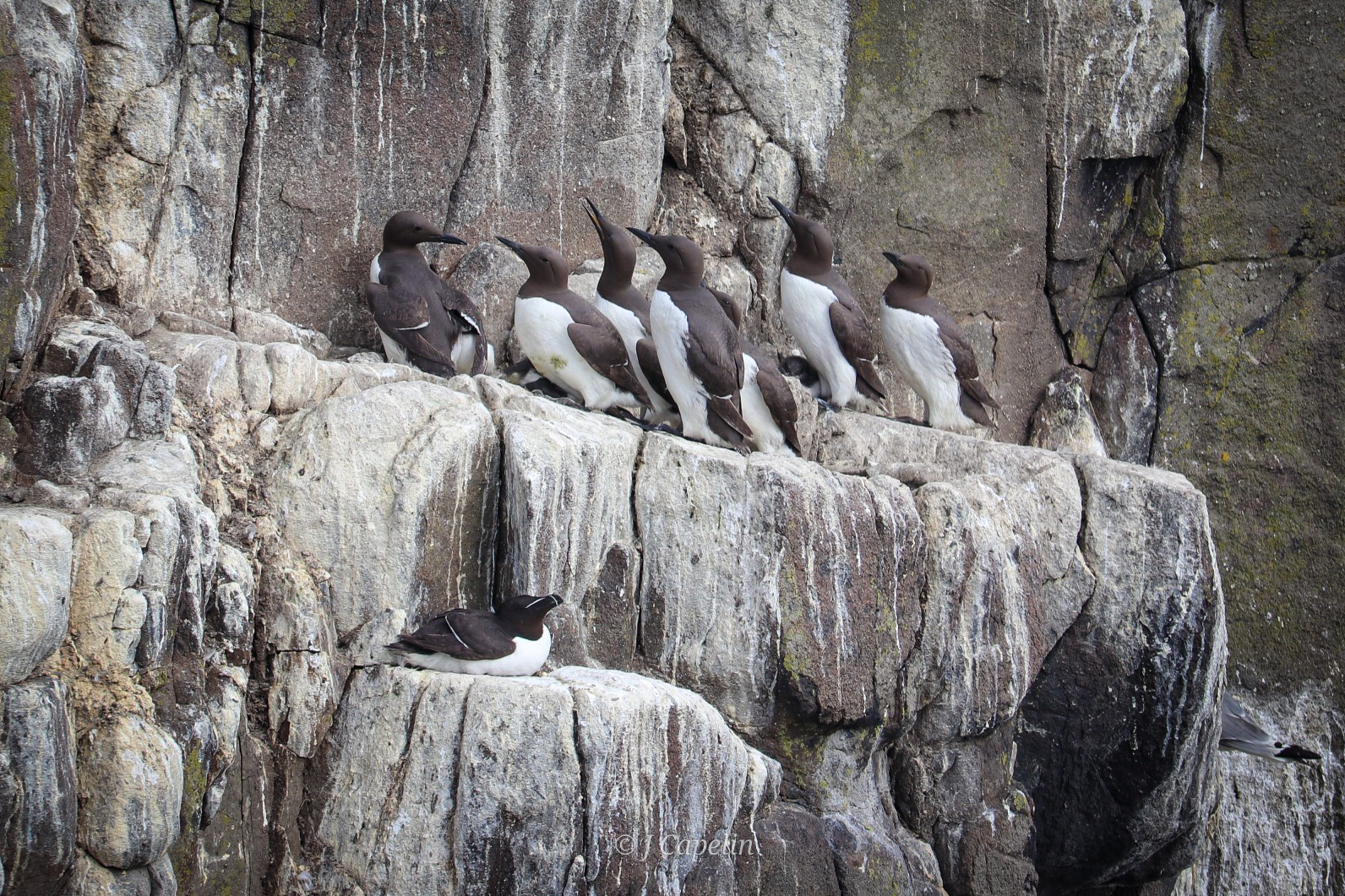
The high cliffs around the South Horn were teeming with Kitiwakes, Shags, and Guillemots and Razorbills, nicknamed the Penguins of the North. A North Sea wind began to gust in, bringing dark clouds, so I donned my jacket and crouched on the rocks, watching as Puffins flew in from the sea, fish spilling from the edges of their beaks.
It had started to rain by the time we got back on the boat and departed back to Dunbar. On the journey back, I could swear I saw something big and grey breach the water – a dolphin or a whale – but no one else noticed. Moments after, the boat was stopped so we could watch a large number of Gannets diving. The captain was telling us that sometimes Minke Whales could be spotted amongst diving birds, as they feed on the same fish, and just as we began to pull away, there it was again – a Minke Whale! It breached two more times, and this time everyone saw! It was a magical moment to end a perfect day, and with the driving rain setting in, I was happy to get back to the cosy accommodation in Edinburgh and look through my photos.     
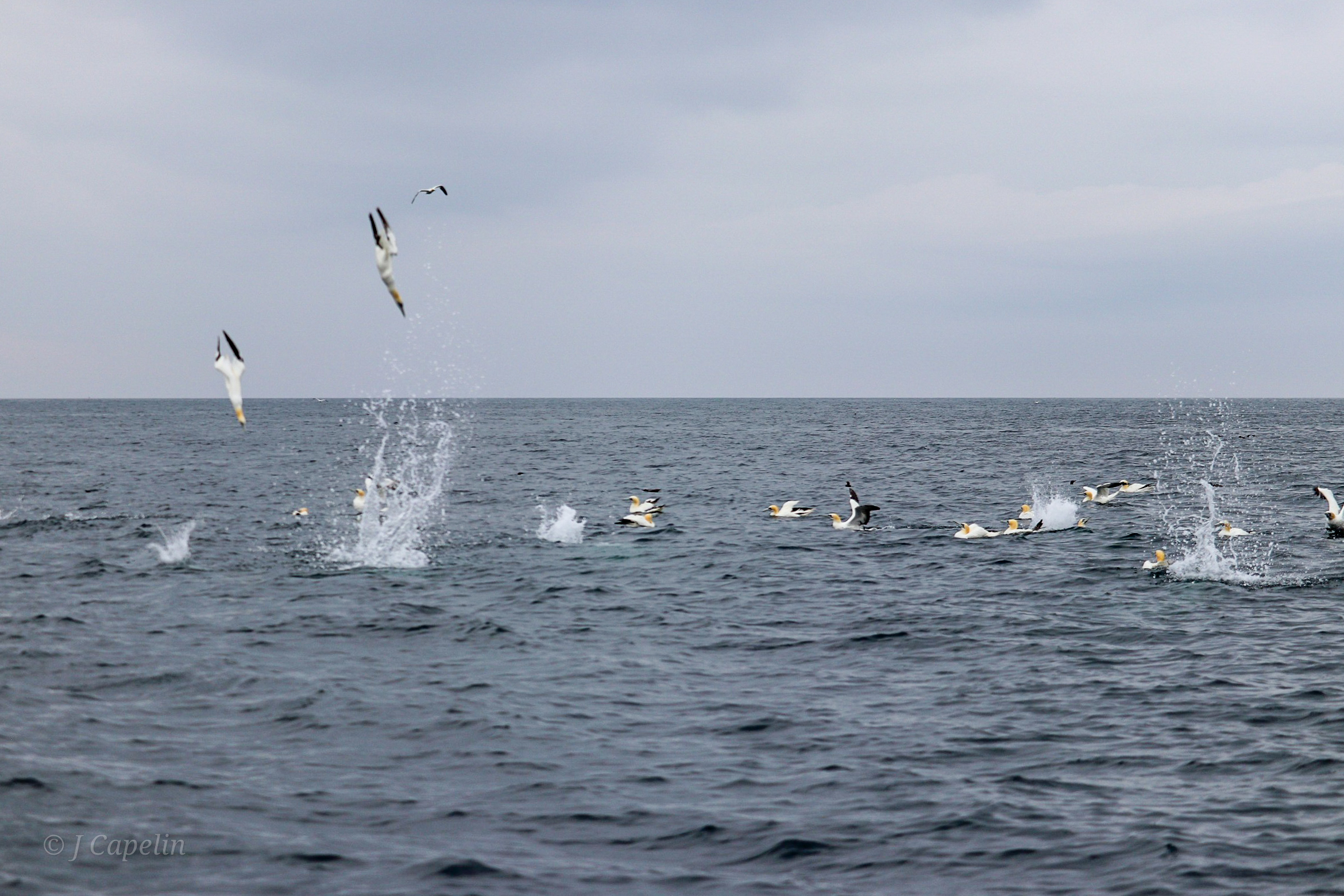
Diving Gannets

Sláinte, Dublin! 🍀

All you need for a couple of days in Ireland’s capital in March!

6–9 minutes

March is a popular time to visit Dublin, with St. Patrick’s Day drawing crowds from all over the world, but if you avoid March 17th and the Paddy’s Day weekend, you can score some pretty cheap deals and still witness the city in all its Paddy’s Day glory.

Packing Essentials:

  • A comfy jumper or two
  • Layers (with very changeable weather and central heating & pub fire places, you’ll be glad to be able to add or remove a layer on the go!)
  • Comfortable, waterproof shoes (don’t slip on Dublin’s old cobbled streets!)
  • Waterproof jacket (for when the drizzle kicks in!)
  • Sunglasses (March is spring time, and when the sun comes out it means business!)
  • Daytime backpack (to carry your haul of miniature whiskey bottles!)

Lunch & Shopping

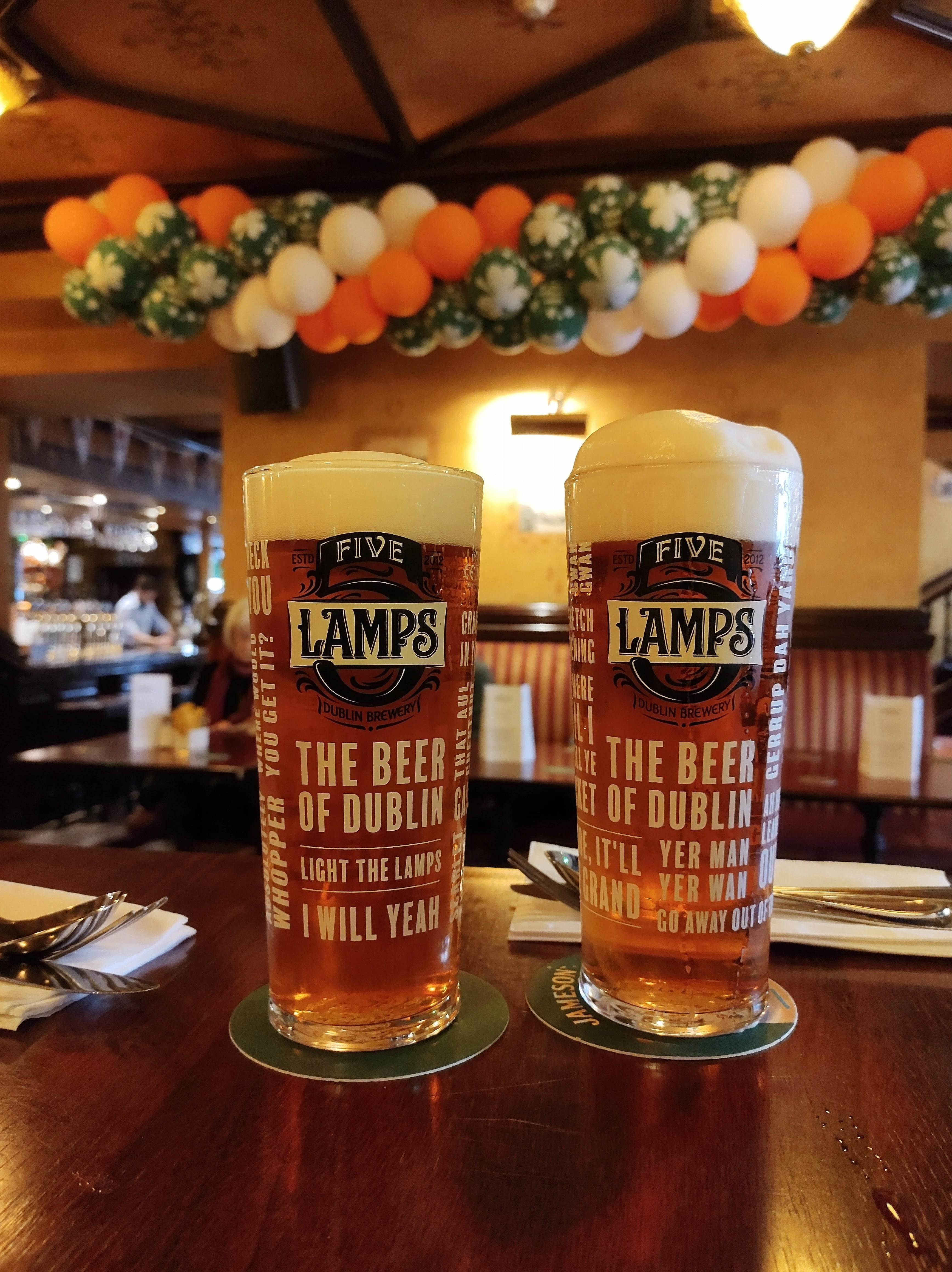
The little Aer Lingus plane with its shamrock on the tail landed in Dublin just in time for lunch. A crowded bus took us from the airport into the city, where we alighted close to Temple Bar. We went in the first pub we saw – The Duke on Duke Street, and ordered the special – traditional lamb stew served with rye bread. It would be rude not to celebrate our arrival with a local Dublin brew, so a pint of Five Lamps ale was enjoyed beneath the St. Patrick’s Day decorations.

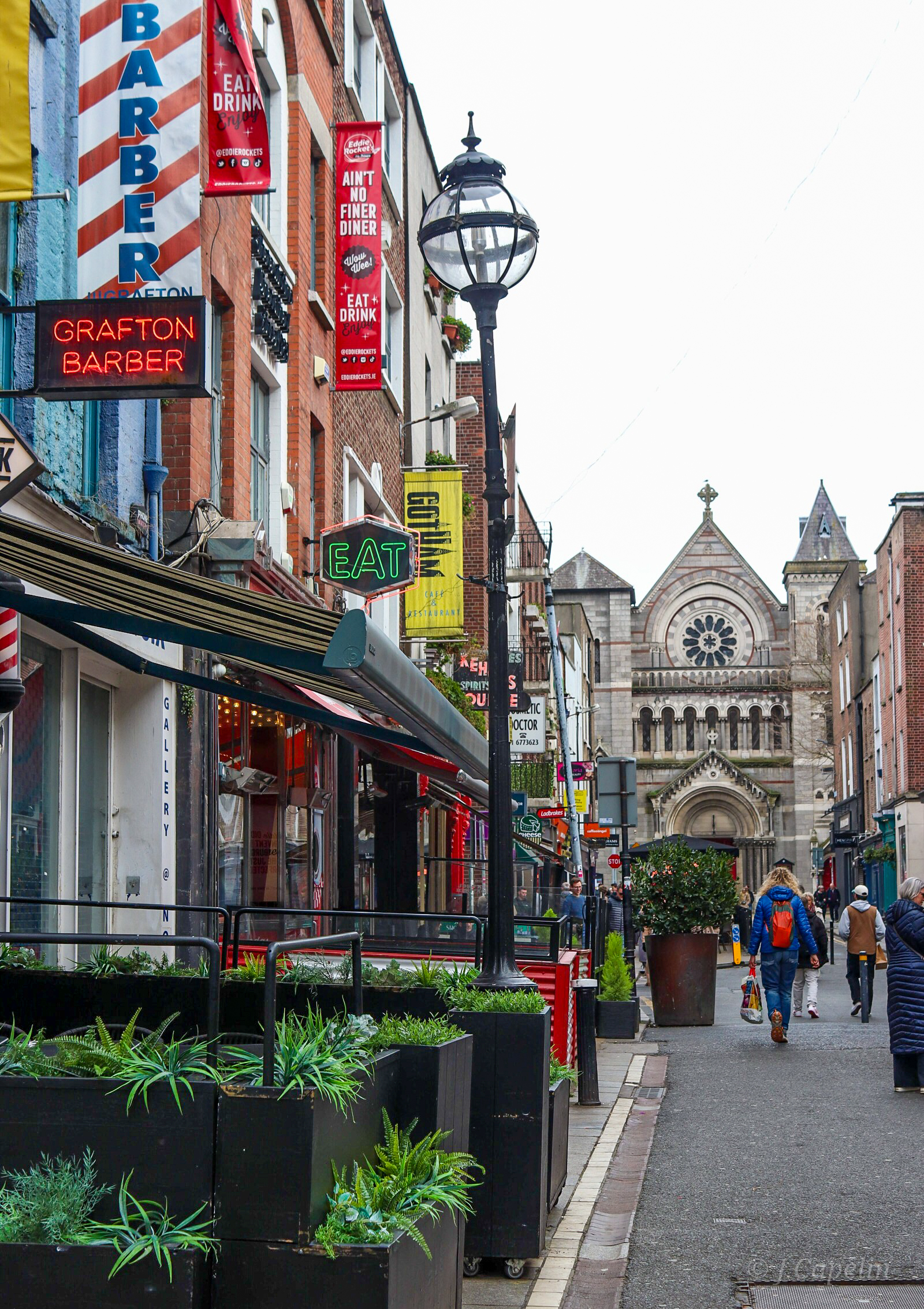
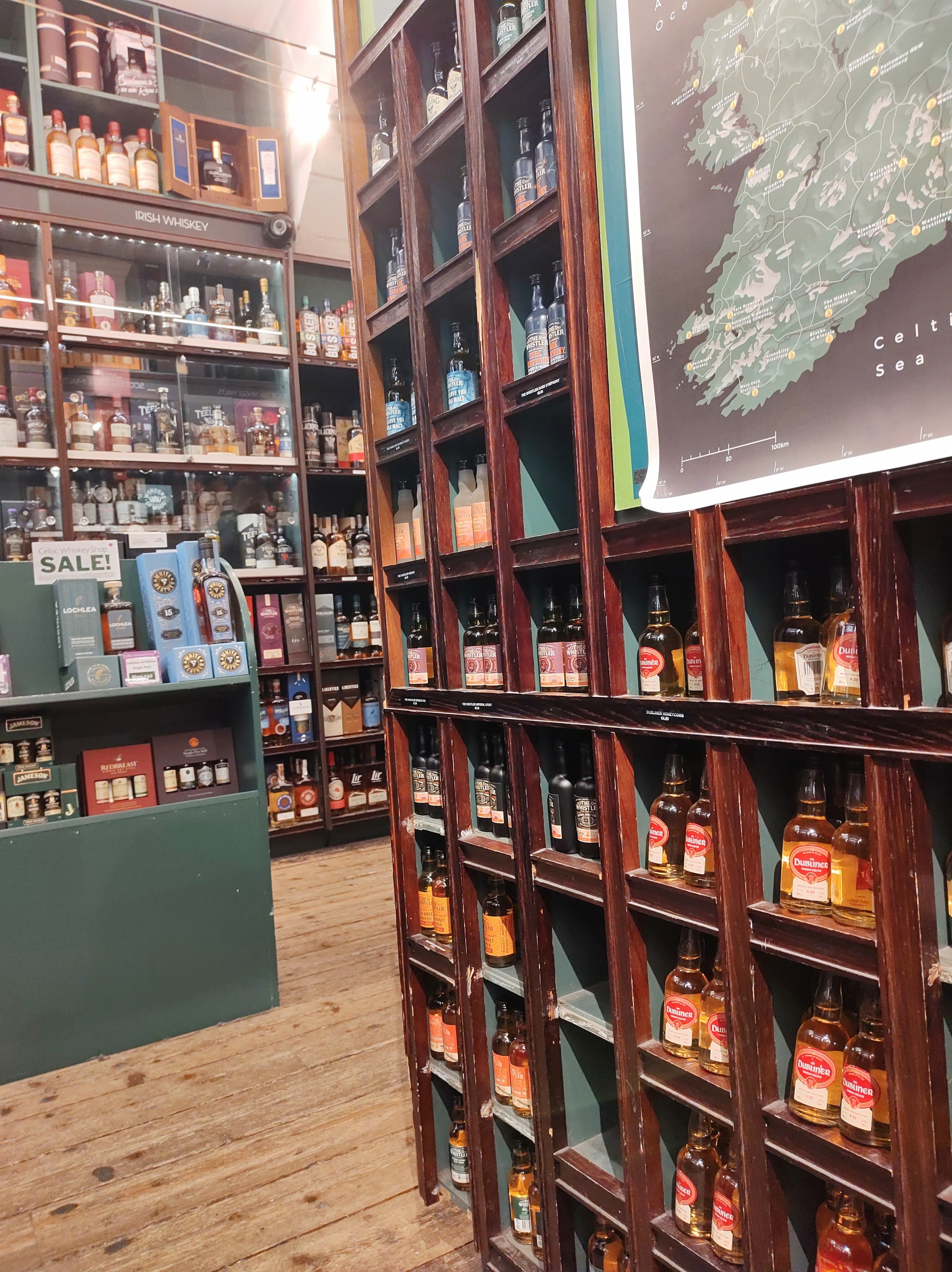
Duke Street leads out onto Grafton Street, Dublin’s pedestrianised shopping hub, where you can find your favourite international stores lining the bustling brick paving. Street artists and buskers fill the atmosphere, while the side streets lead off to vibrant bars, restaurants, and interesting venues including St. Anne’s Church of Ireland. We found a whiskey shop offering free tasters!
Where to Stay

I can highly recommend Staycity Aparthotel for comfort and convenience and reasonable prices. The hotel is walking distance from a multitude of pubs, restaurants and shops, and just across the river from Temple Bar. The studio rooms have self-catering facilities, perfect if you want to save some pennies on meals!

The Guinness Storehouse

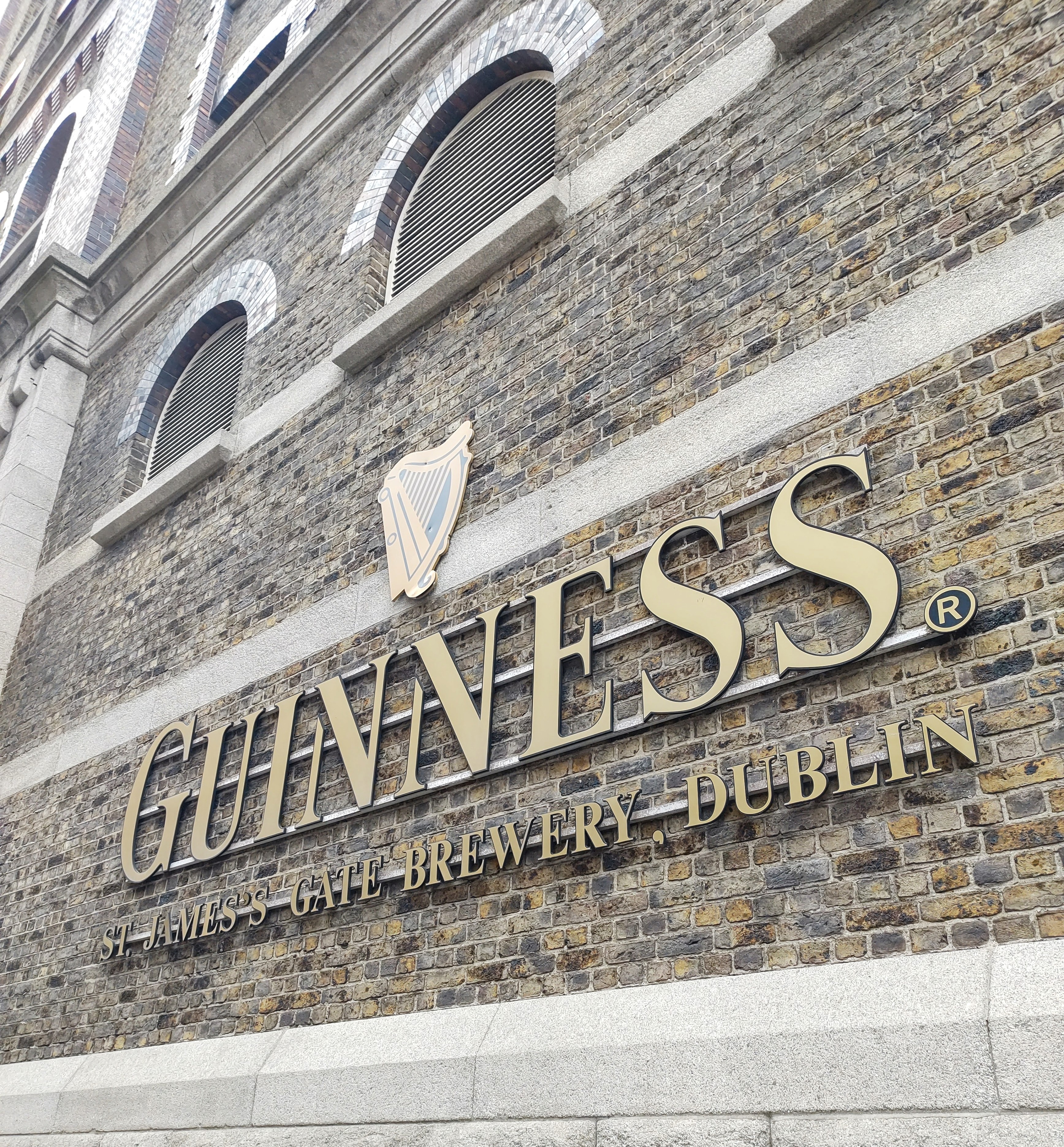
Now we’re getting into the real reason you’re all here… let’s face it, everyone wants to know, does Guinness really taste better in Dublin? The Guinness Storehouse sees 1.5 million visitors per year, so it is definitely necessary to book ahead, and be prepared for crowds.

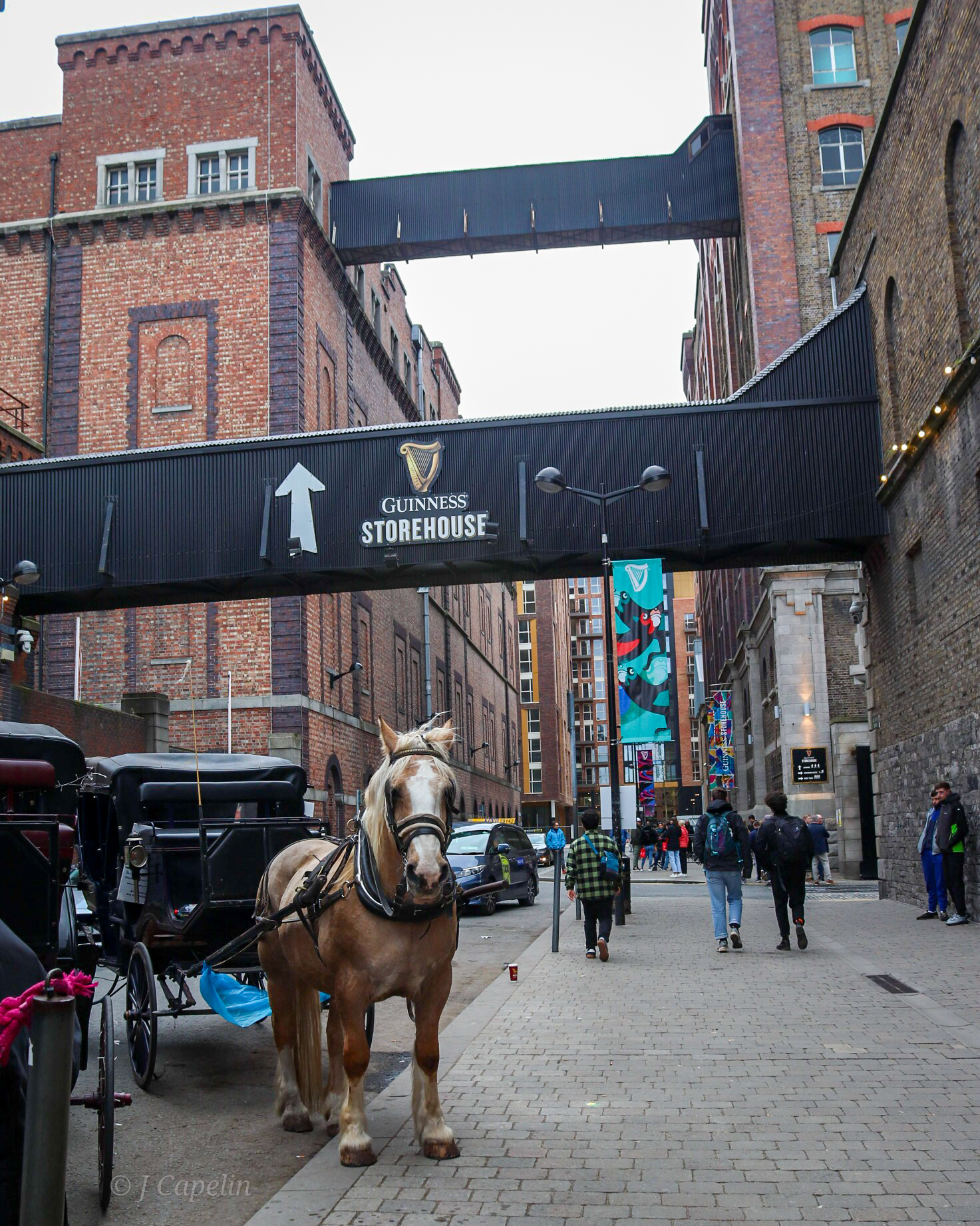
The walk to St. James’s Gate was interesting in itself, through narrow streets, lined with brick factory walls, second and third level walkways criss-crossing above us. It was like walking back in time through the Industrial Revolution. Little horses and jaunting cars stood in a line outside the Guinness Storehouse entrance, enticing tourists for a ride – €50 for half an hour!

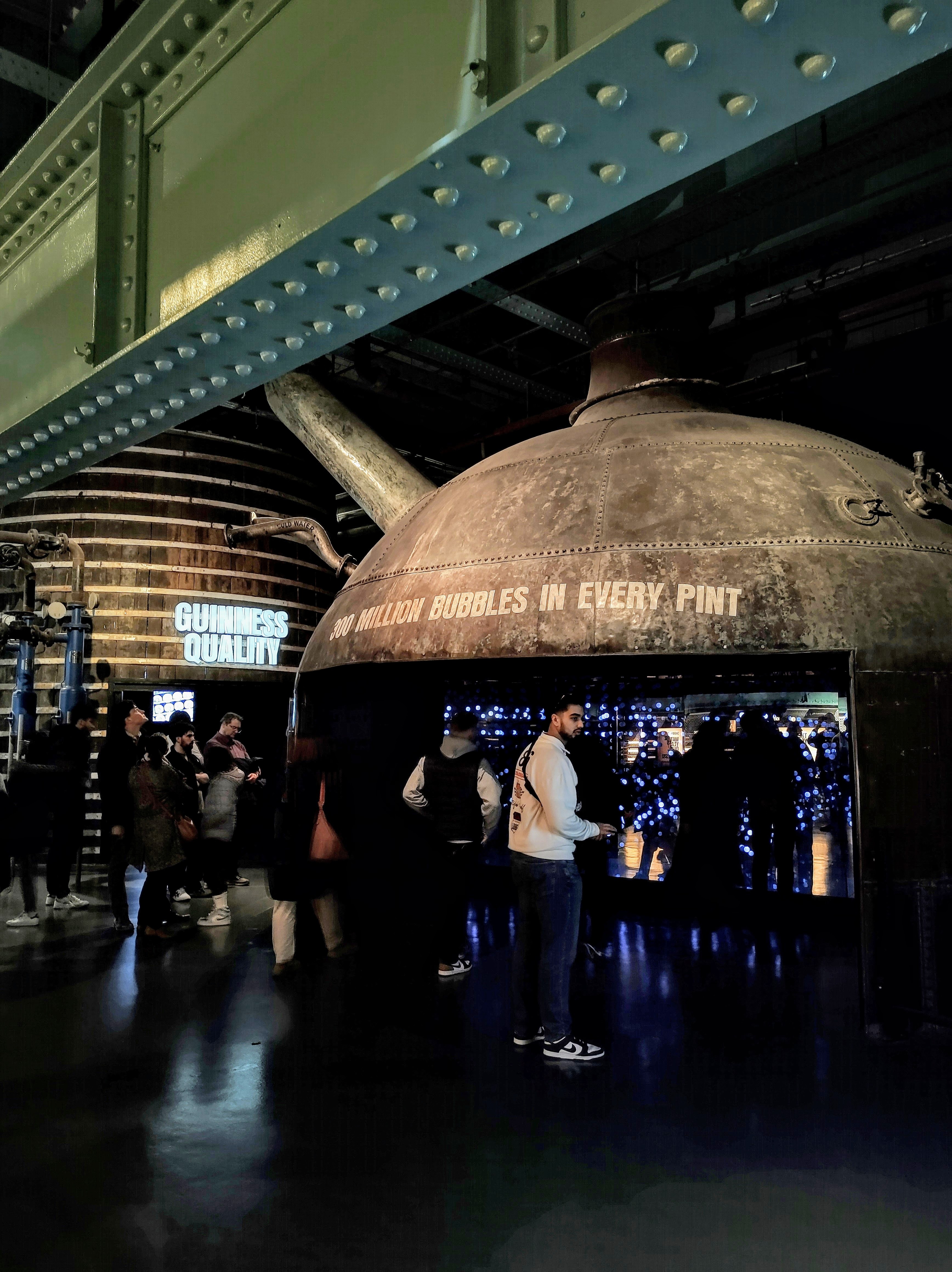
Inside the Guinness Storehouse, levels and levels of escalators zigzag up an endless hollow building. We followed the line up to the first level of the sensory immersive museum, where we were funnelled through the early stages of beer production – growing the barley, extracting the finest spring water, etc. I found it artistic and sensory, though I struggled to take in all the information with the tide of humans flowing at a constant rate. There were things to open and touch and smell, replicas and giant mash-tuns you could walk into. Beyond this section, the Storehouse got a little more relaxed; the crowds dispersed a little as you could choose an experience, see the advertising history, or go to one of the restaurants on the fifth floor. As for me, I chose the Tasting Experience.

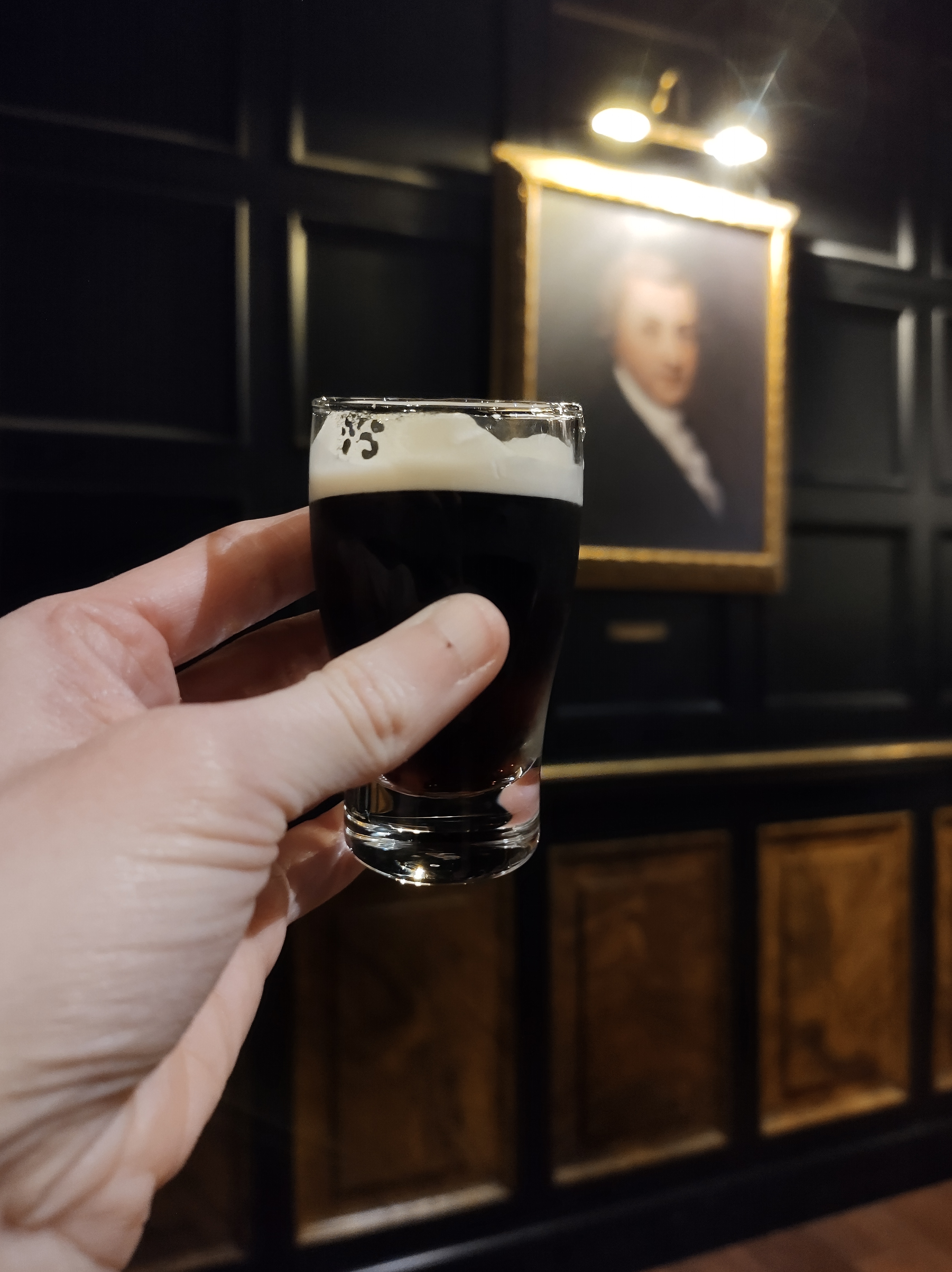
We waited in line for a few minutes, until the door opened and we were welcomed through a tunnel of mood sound and lighting and what I could only describe as the smell of vape flavours! The tunnel opened into a very bright white room with four matching white tubes coming out of the floor, steam rising from each of them. It felt very Willy Wonka! The four tubes represented four different flavours of Guinness ingredients. Into the next room, which resembled the foyer of a Royal abode, and we stood amongst bust statues and oil portraits to down a very tiny glass of Guinness. Sláinte!

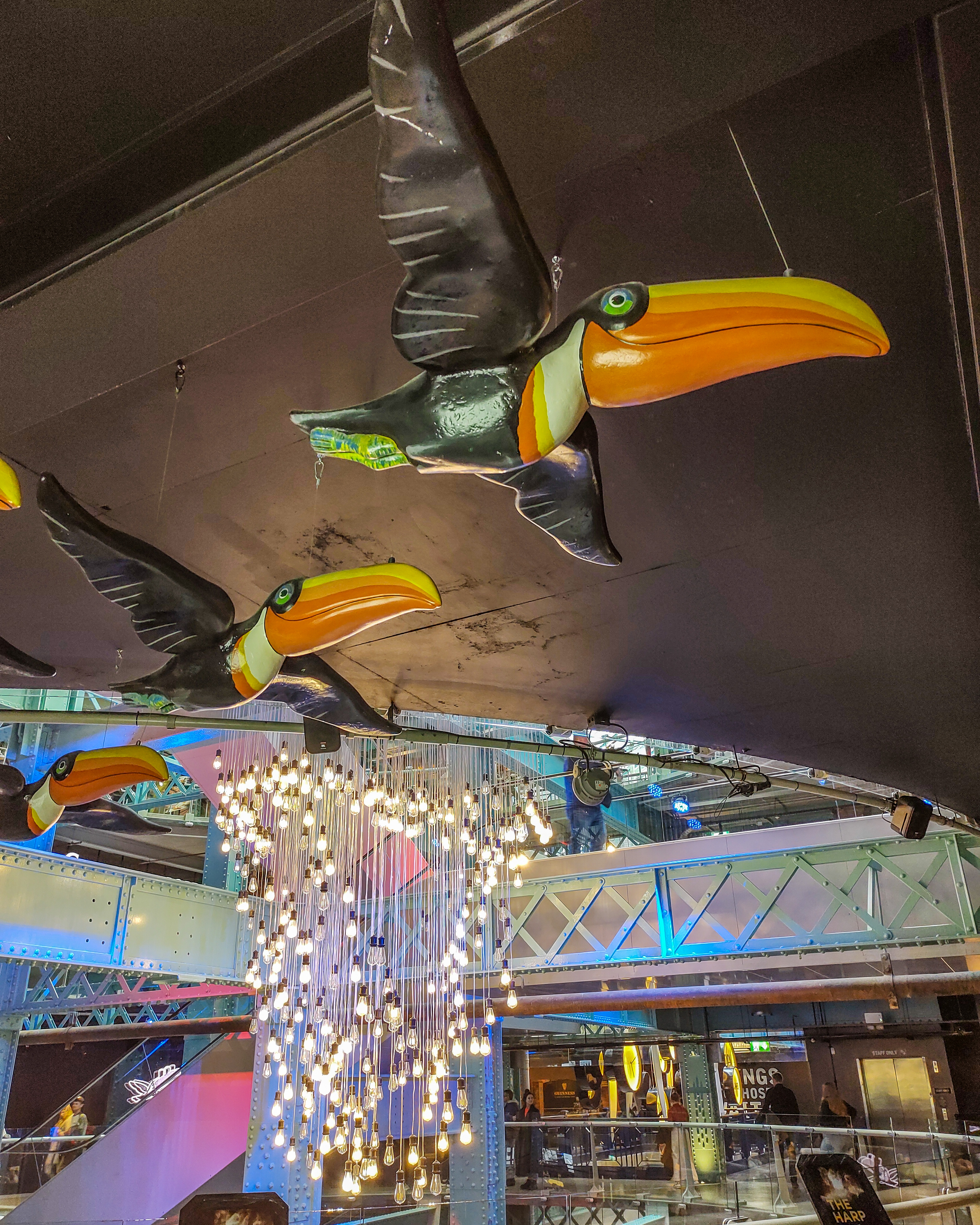
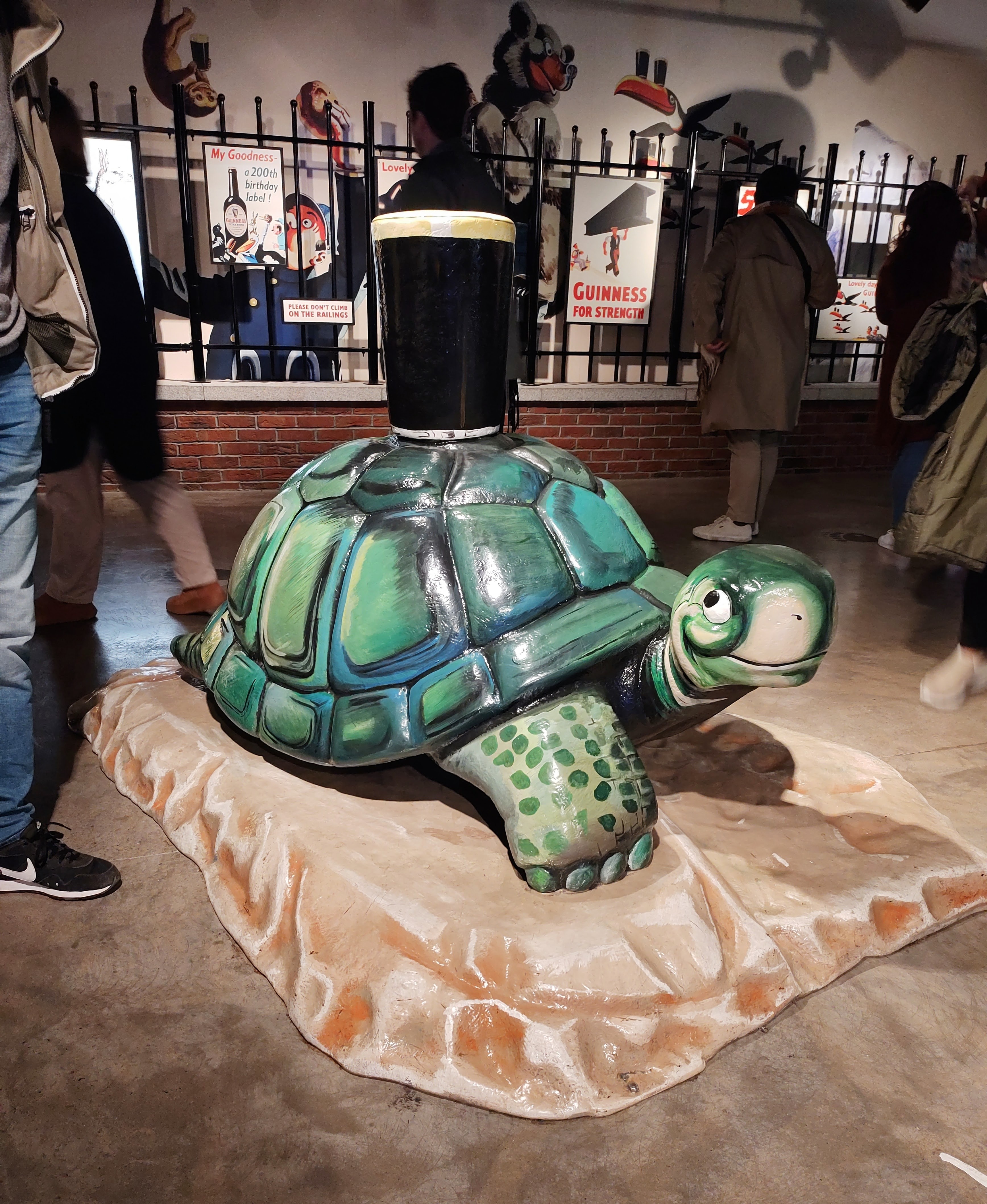
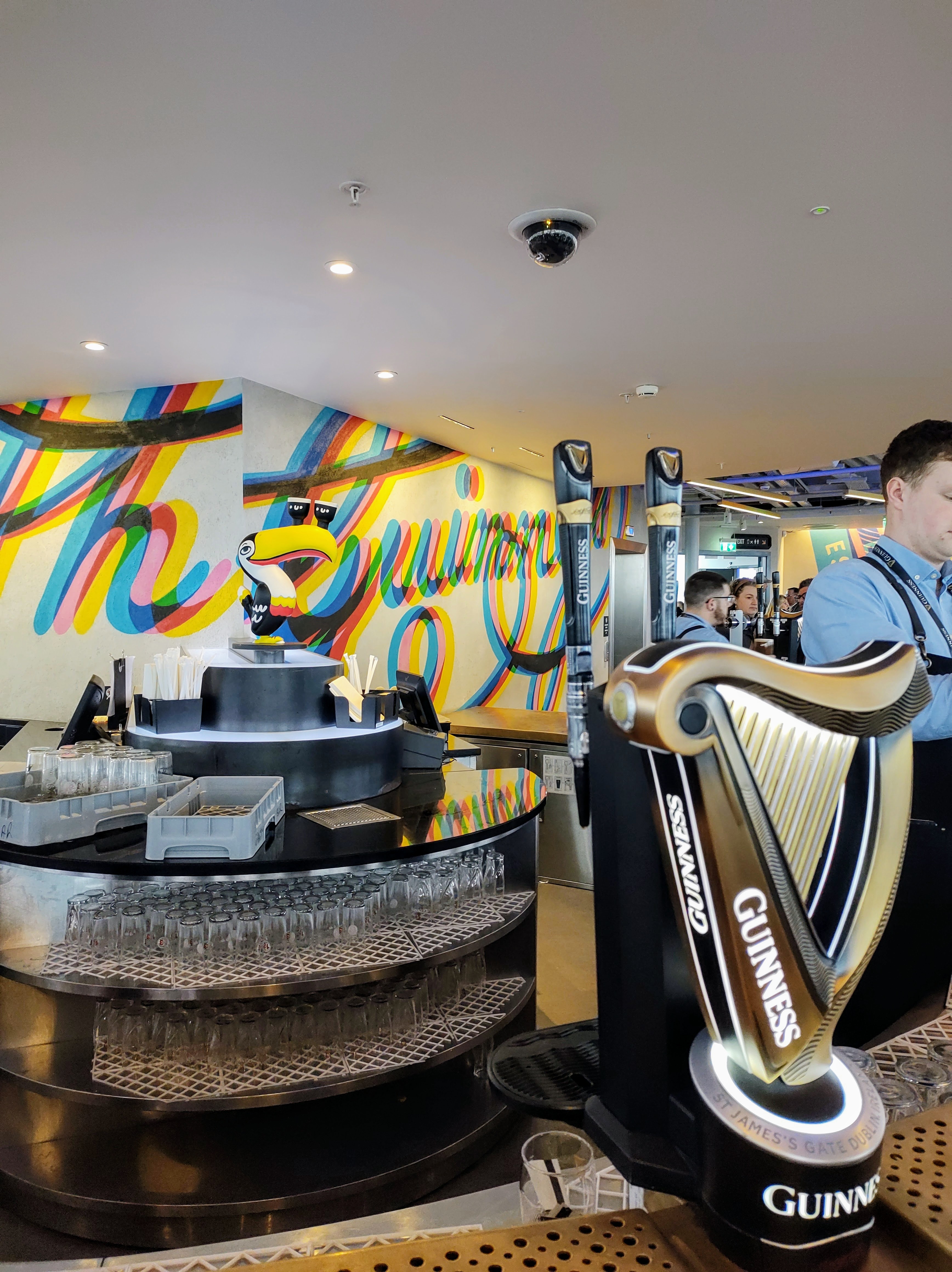
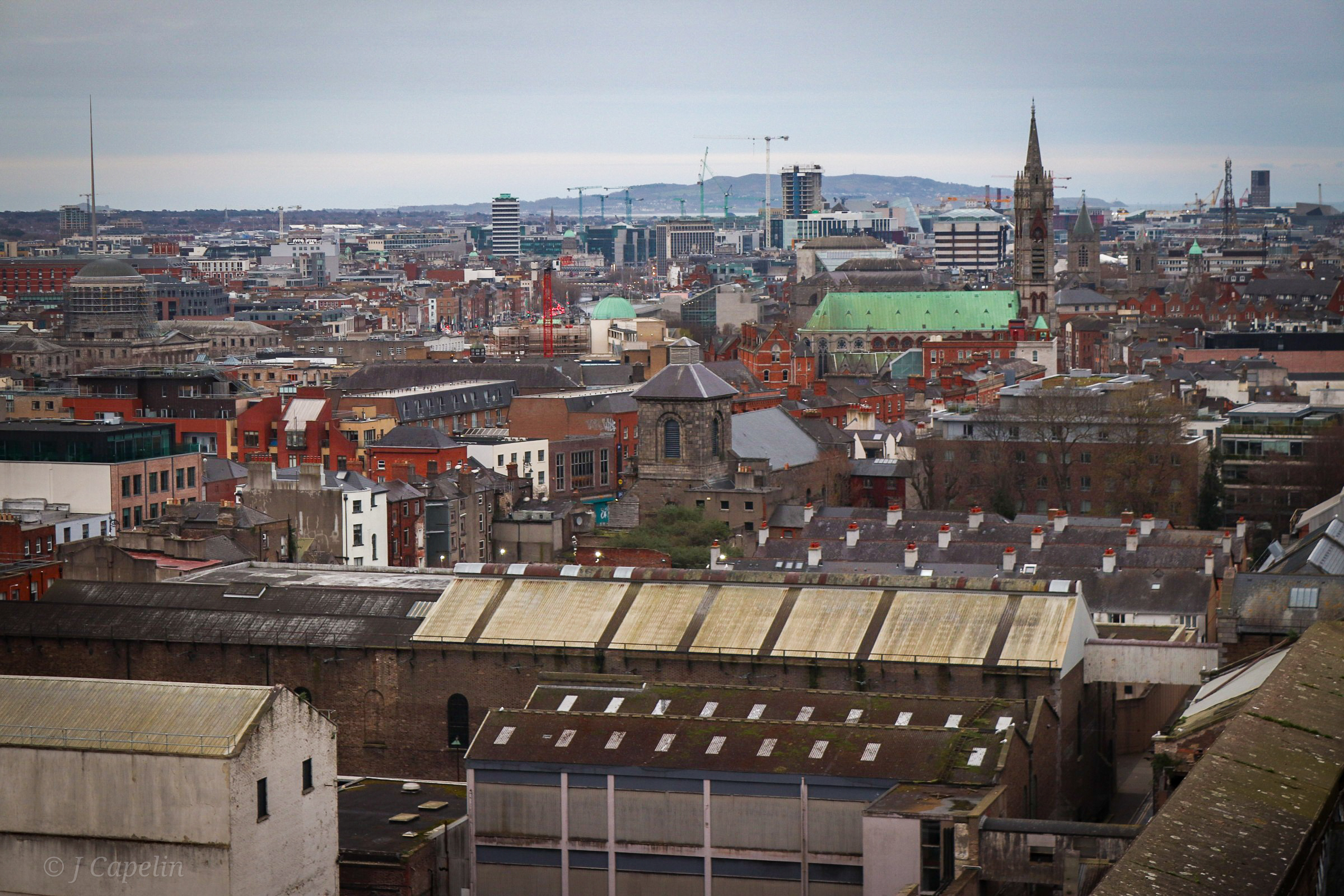
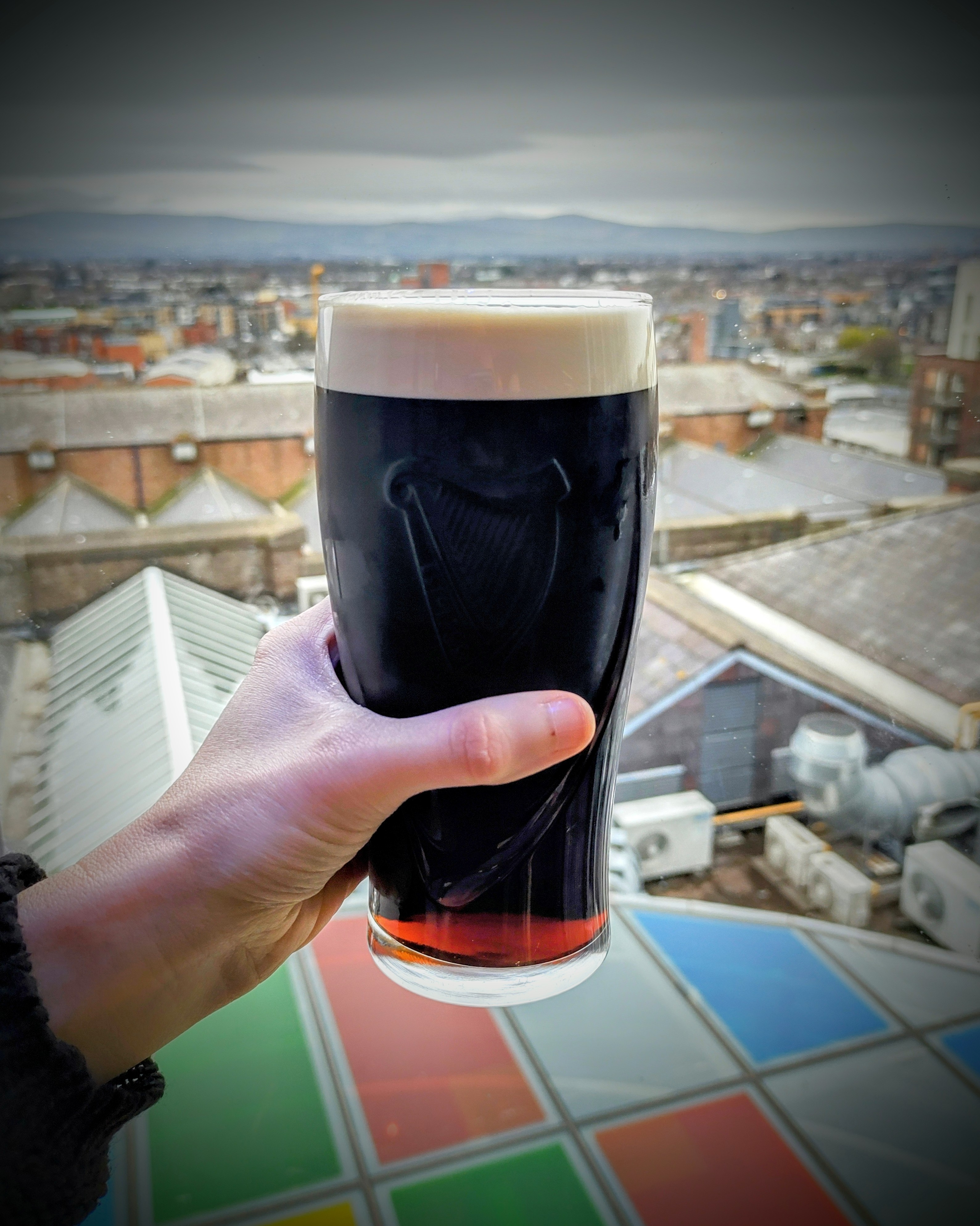
A walk through the interesting history of advertising, with the famous Irish harp, a flock of toucans, a seal, a kangaroo, a whistling oyster and a cycling fish, it was time to make our way to the roof for a beer. The Gravity Bar boasts that it is 300 pints of Guinness tall, and it would take 2.5 million pints of Guinness to fill it! It is designed to look like a giant head of Guinness sitting atop the Storehouse, and offers 360° views of Dublin. This is where you come to taste your complimentary, perfect-pour pint of Guinness and find out if Dublin does it best. (The answer is obvious!)

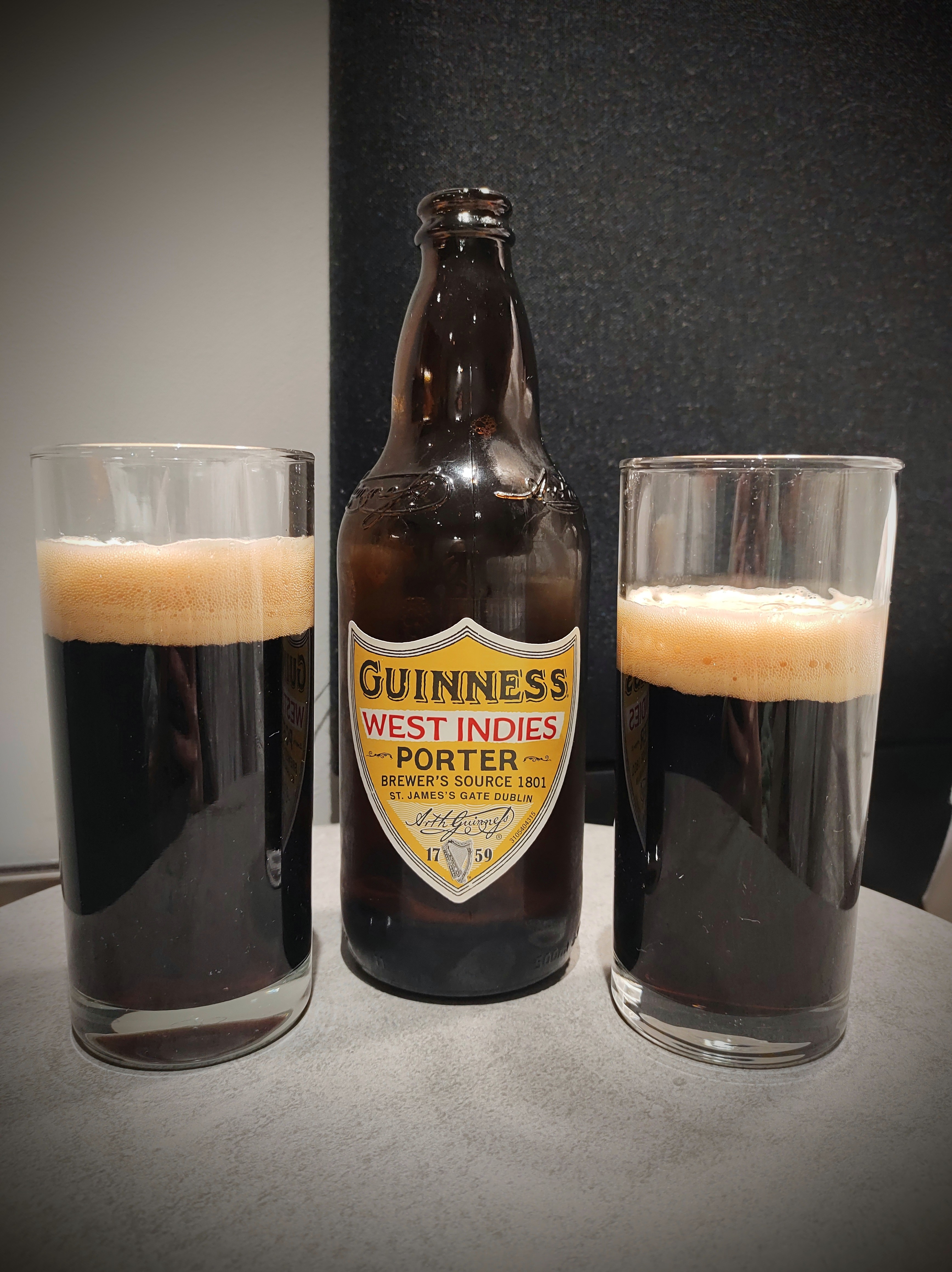
It’s difficult to leave the Guinness Storehouse without visiting the enormous gift shop. I came away with a bottle of Porter, which turned out to be my favourite Guinness drink, and I wish I’d bought more than one!

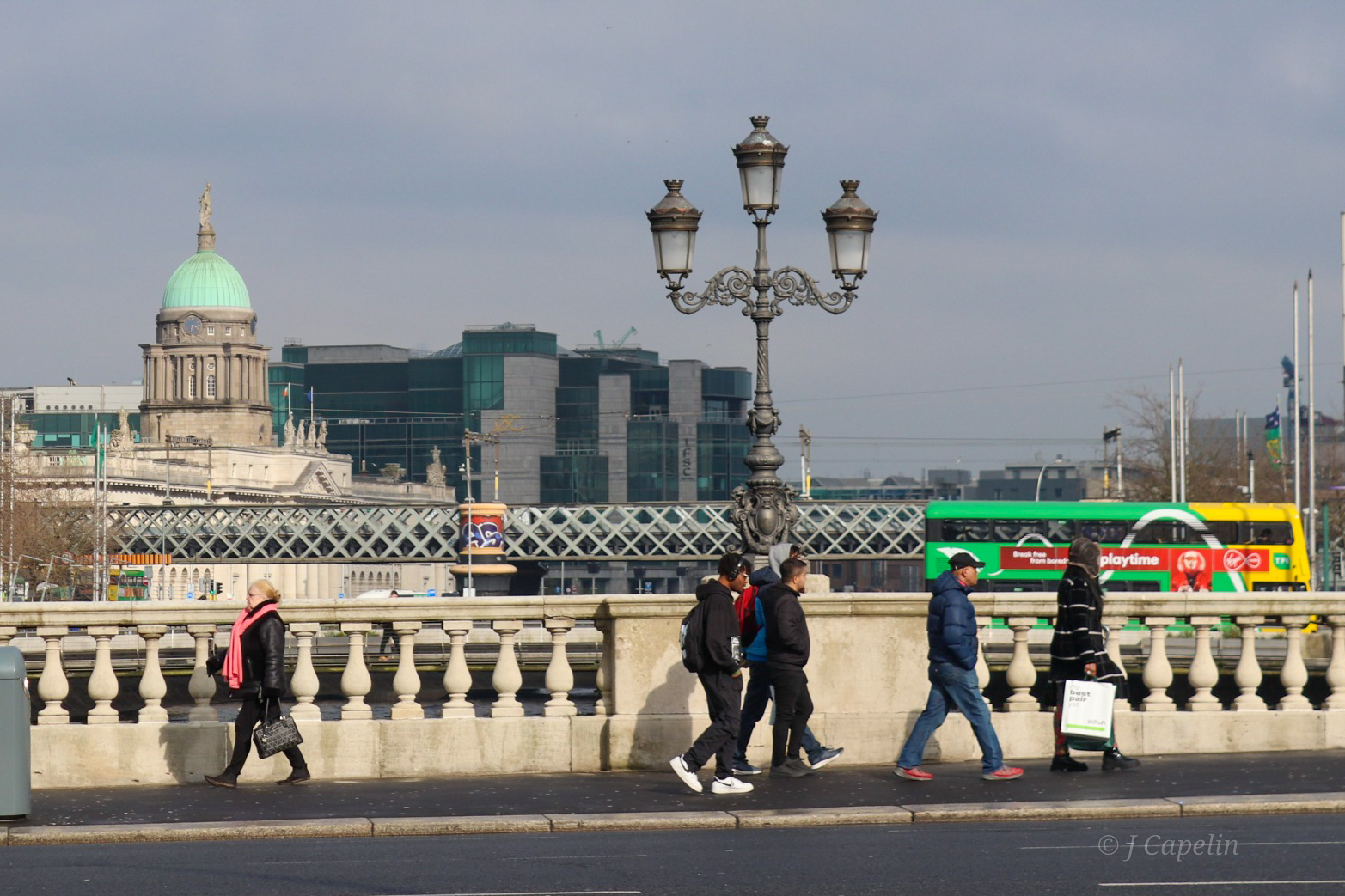
Arran Quay

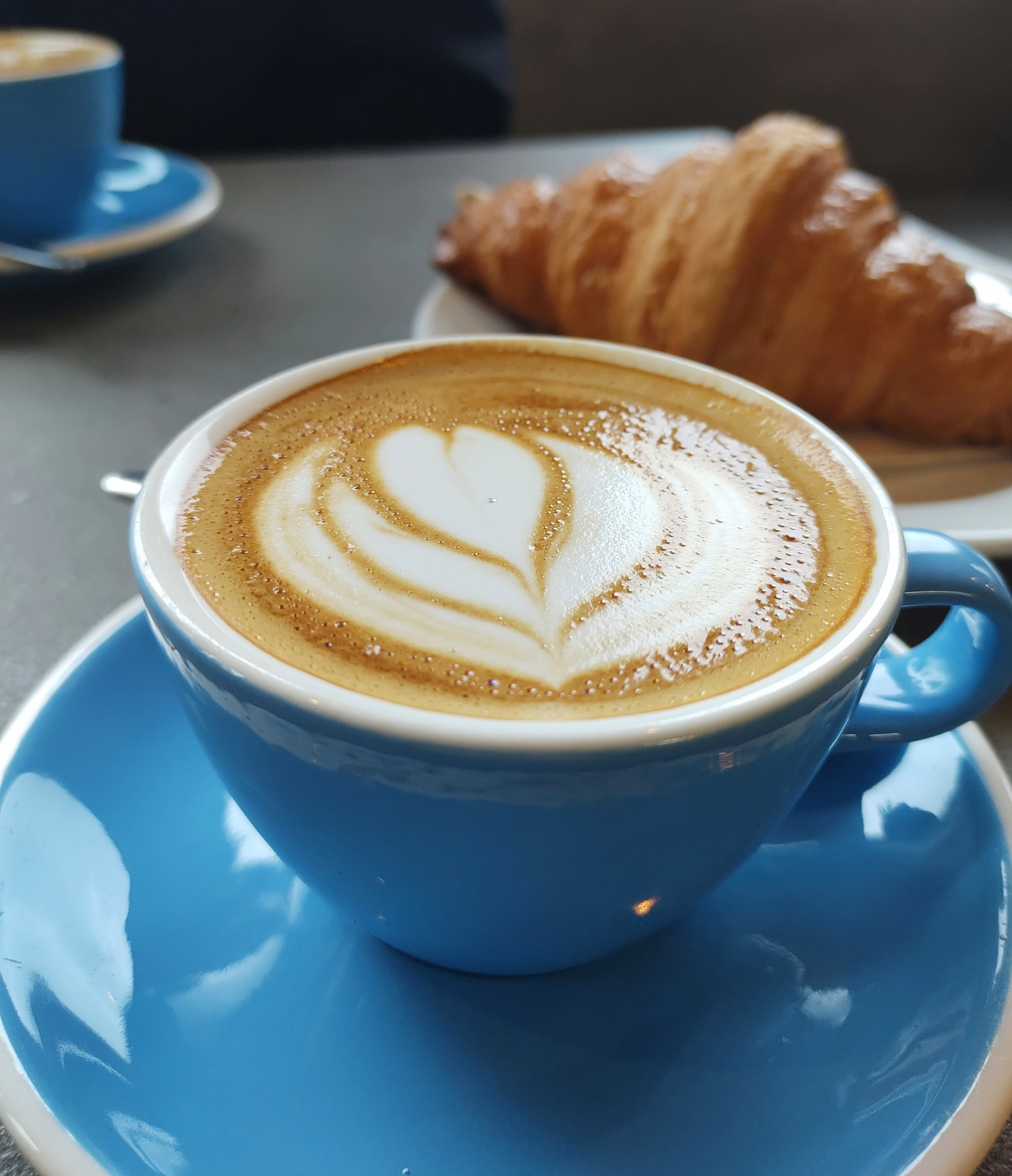
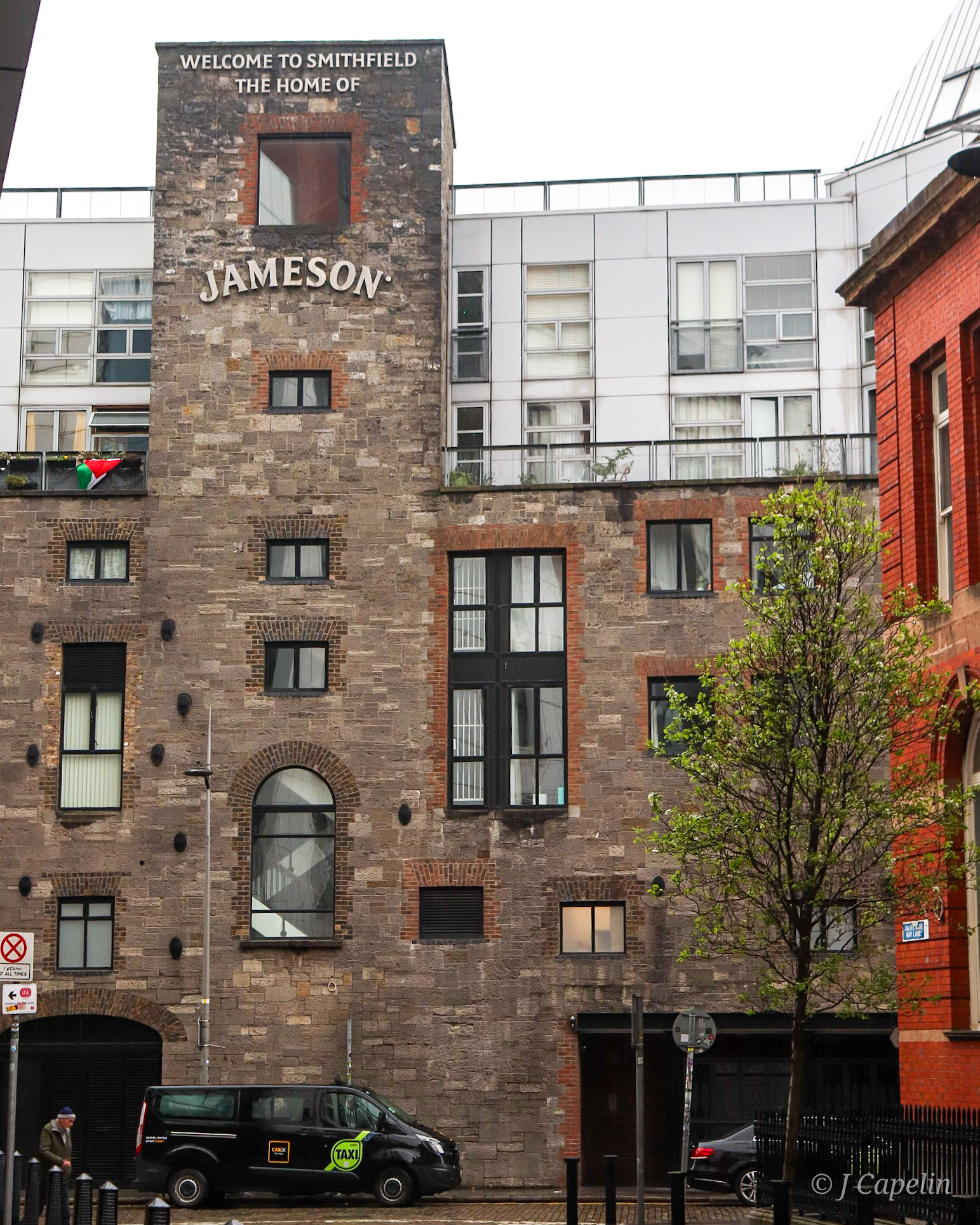
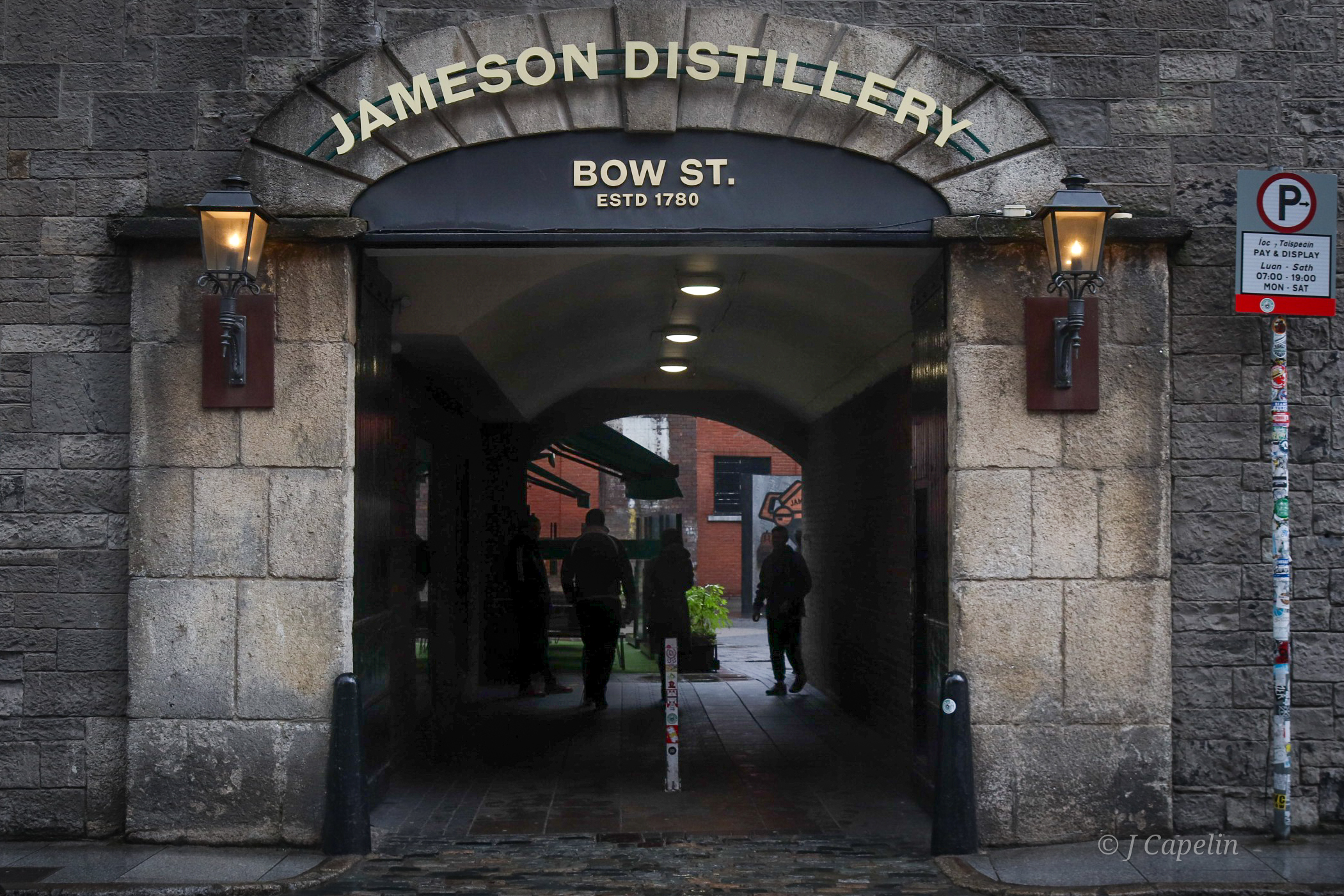
It’s not all about Guinness in Dublin. Coffee has popped off in the city and there are a number of excellent artisan cafes. My favourite was Copper & Straw in Arran Quay. Overlooking the 1800s flagstone quay on the river, we sat and enjoyed perfect barista-made coffee and a freshly baked croissant. This is literally around the corner from the Jameson Whiskey Distillery, where you can take a tour or just go check out the old factory building.

Dublin Castle

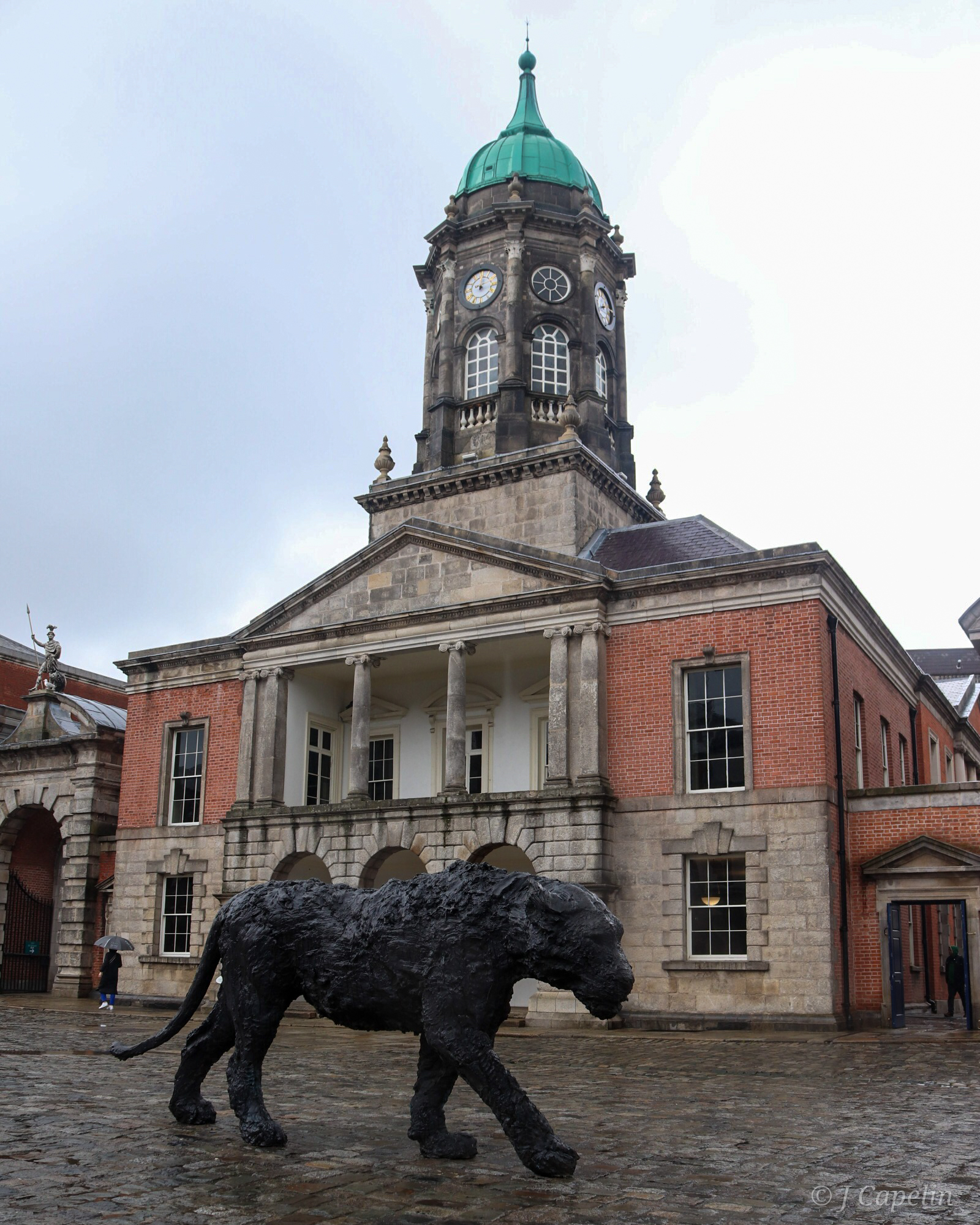
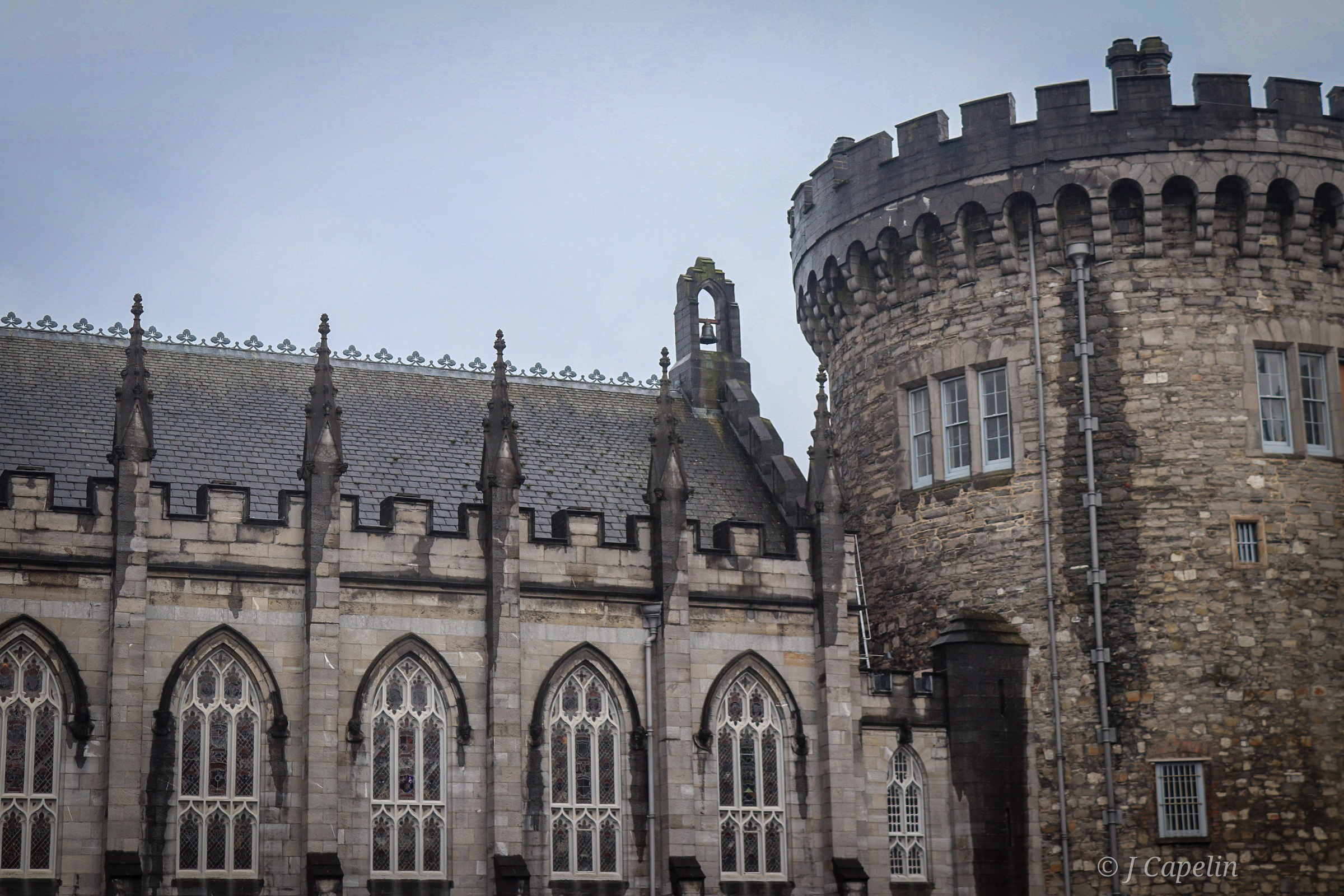
The castle in Dublin’s city centre is a little different to castles around the UK. It is hidden in the city rather than sitting guard on top of a hill, and its buildings are a mash-up of many different historical eras. The latter is because parts of the castle kept getting destroyed, and therefore there is only one original medieval turret remaining. Interestingly, Bram Stoker, the author of Dracula worked at Dublin Castle in the 1870s, and his first, lesser known publication was based on his time there. But it is thought that his time at the gothic castle also influenced his telling of Dracula.

National Museum of Ireland – Kildare Street

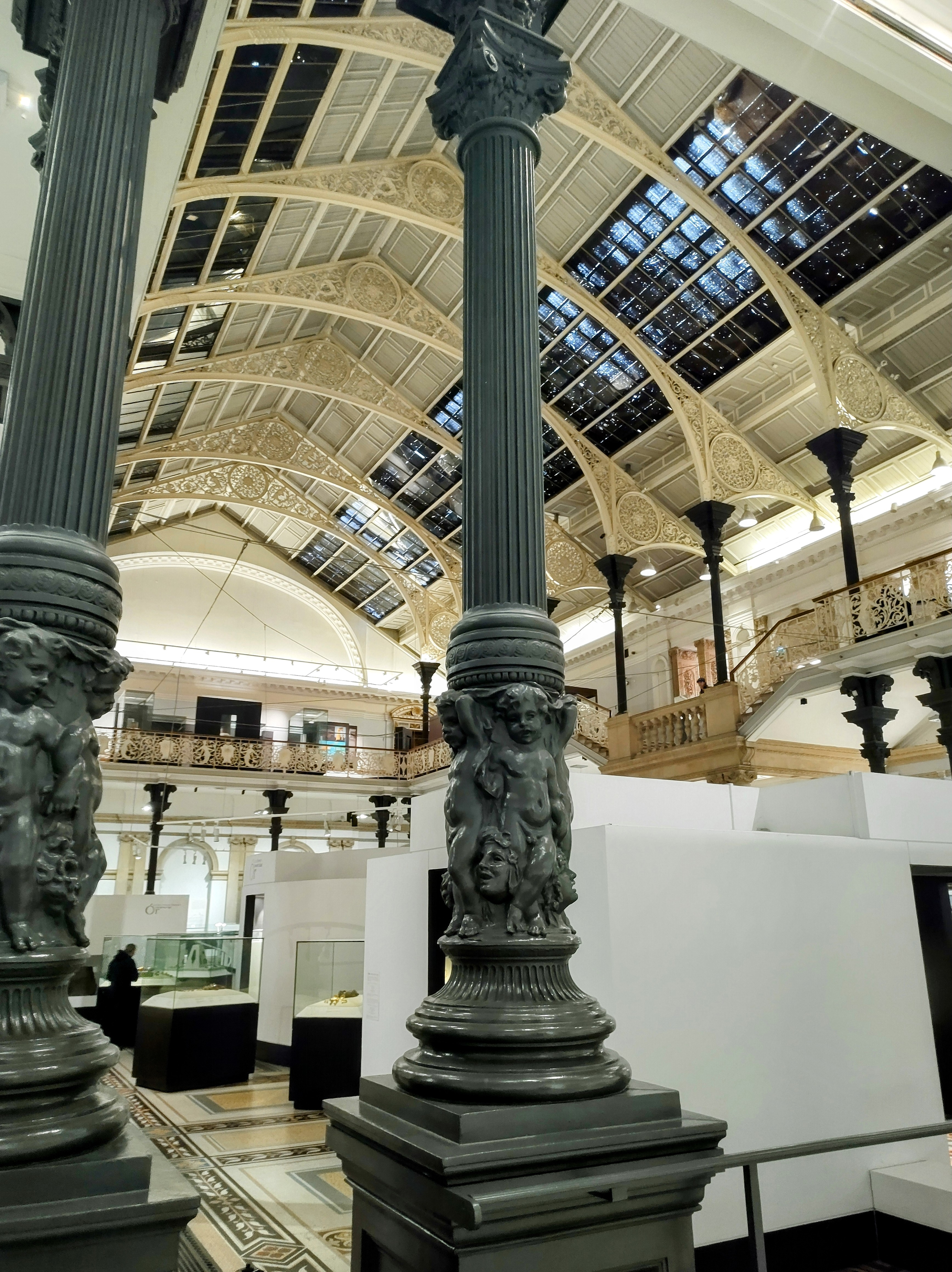
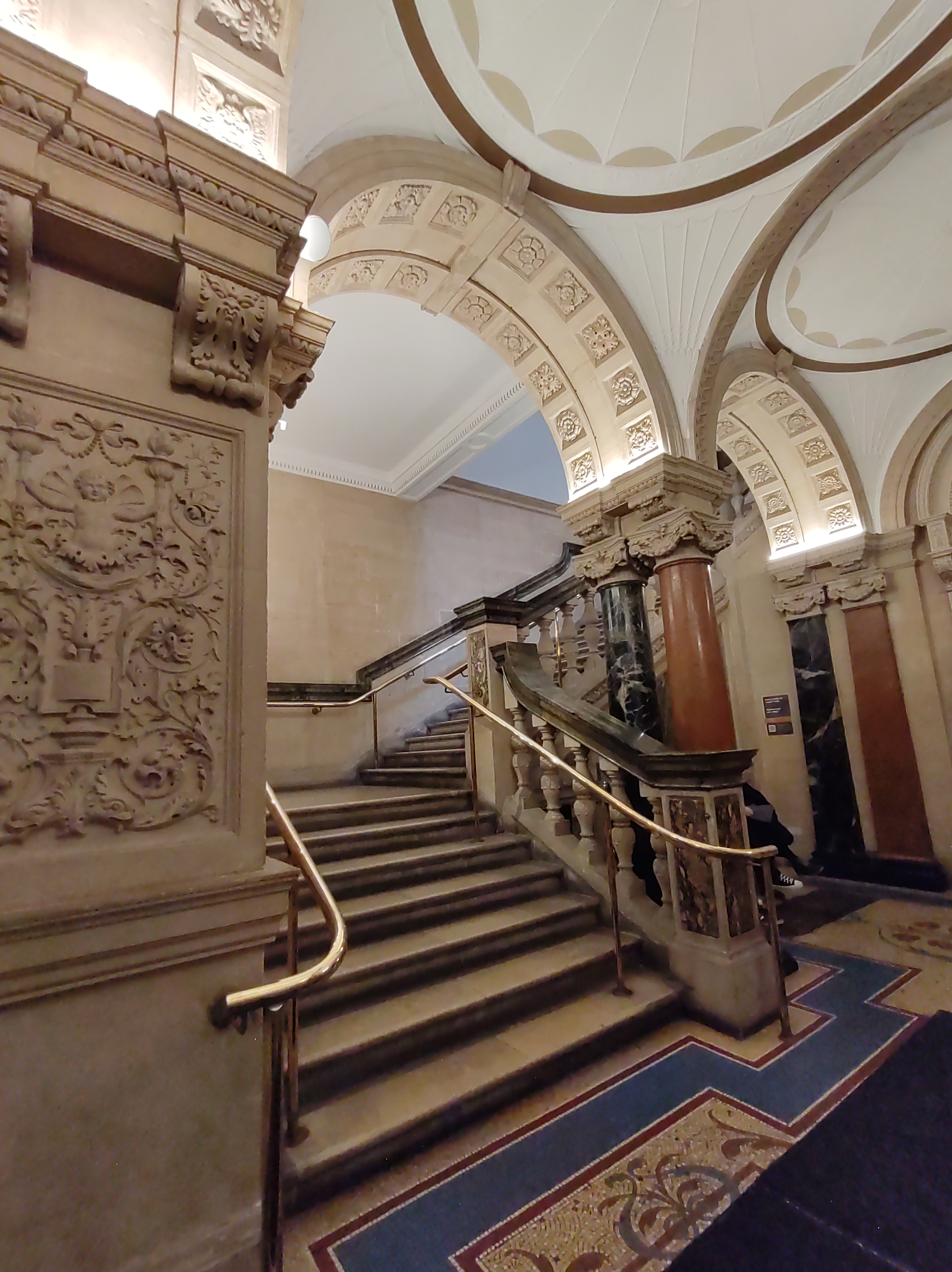
The National Museum on Kildare Street is free to roam around at your own pace. Set inside a grand Victorian Palladian building, this particular museum focuses on Irish archaeology through the ages. From gold hoards found in swamps, to graphic artefacts from medieval Catholic Ireland, there was even a Viking exhibition while I was there.

Temple Bar

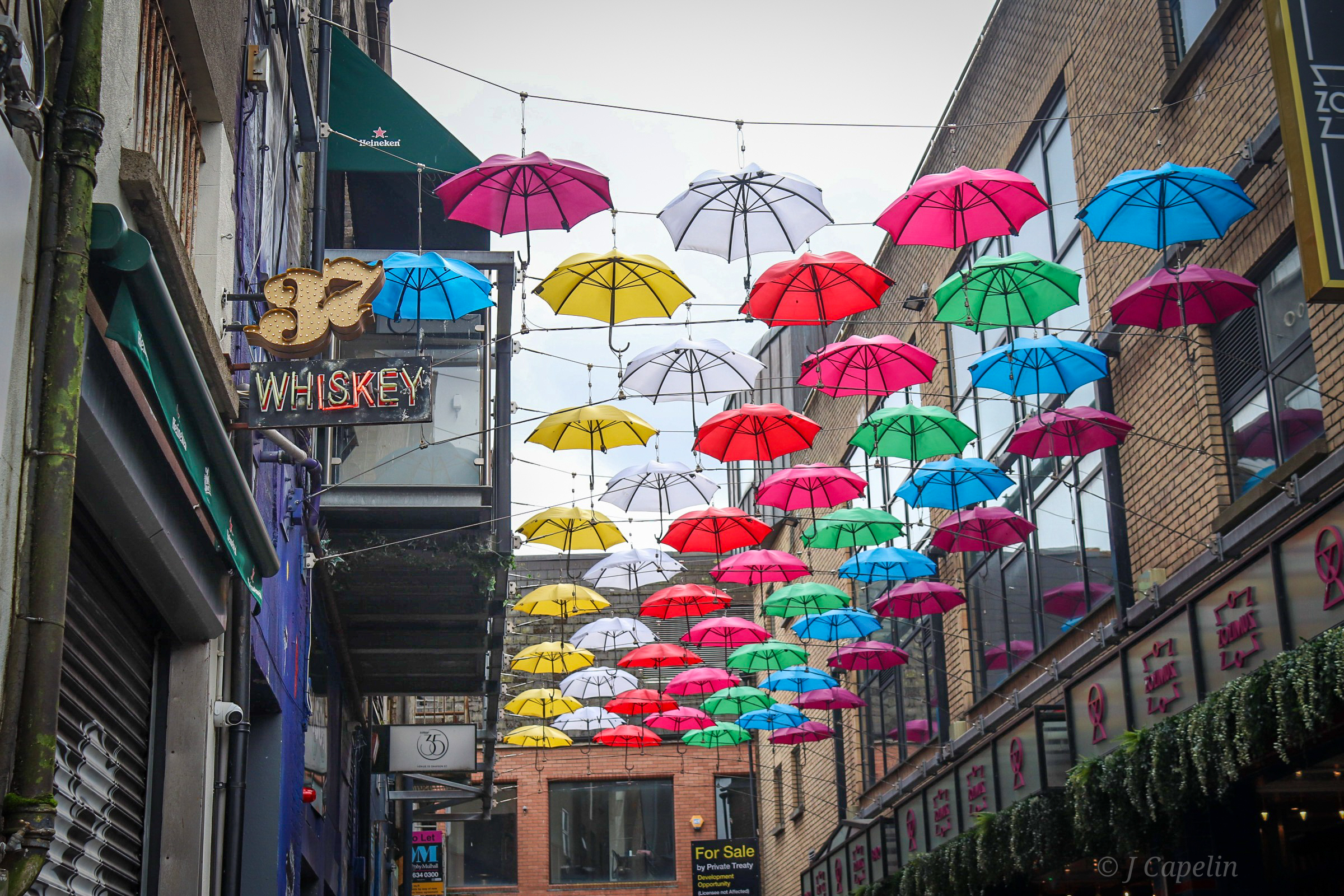
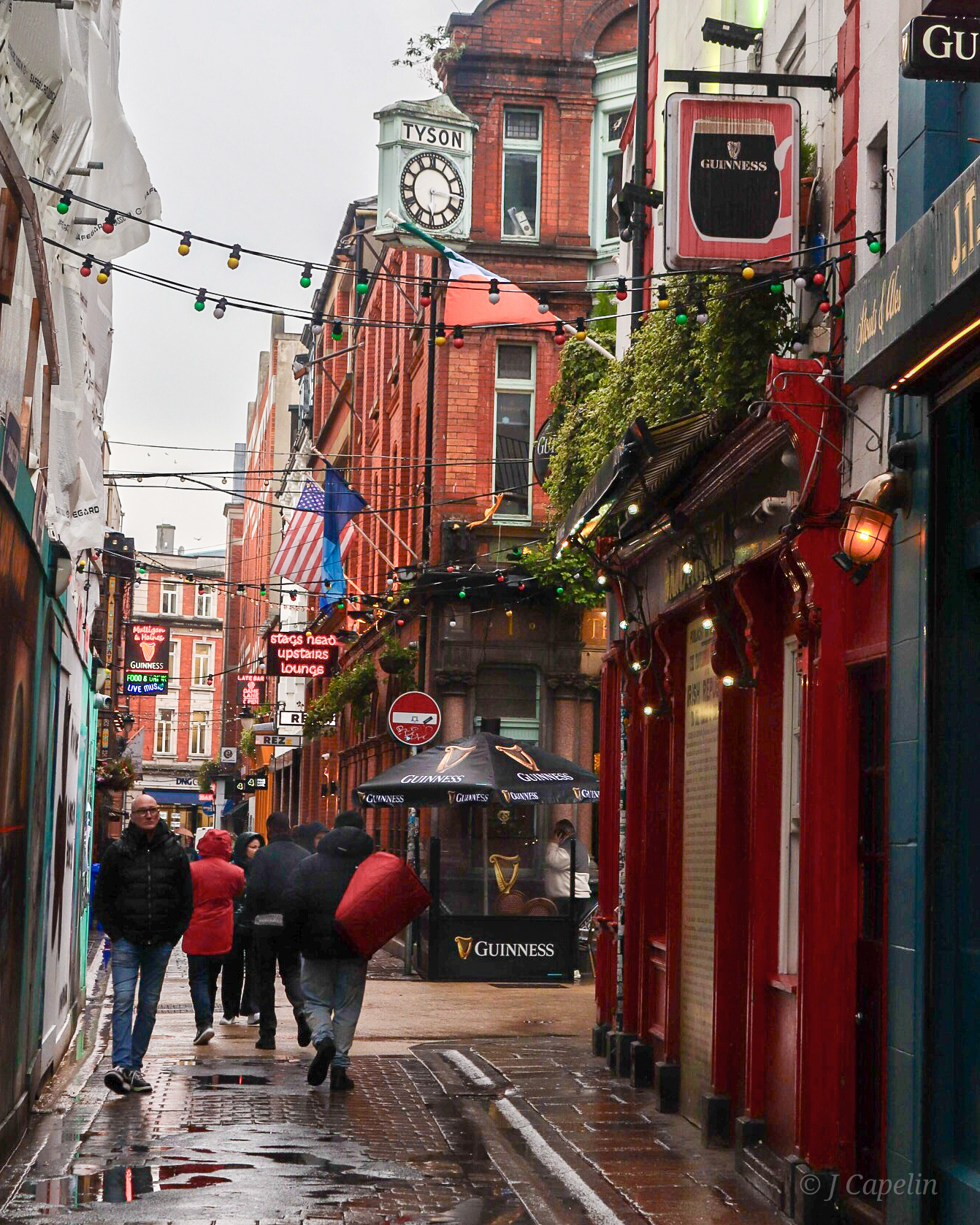
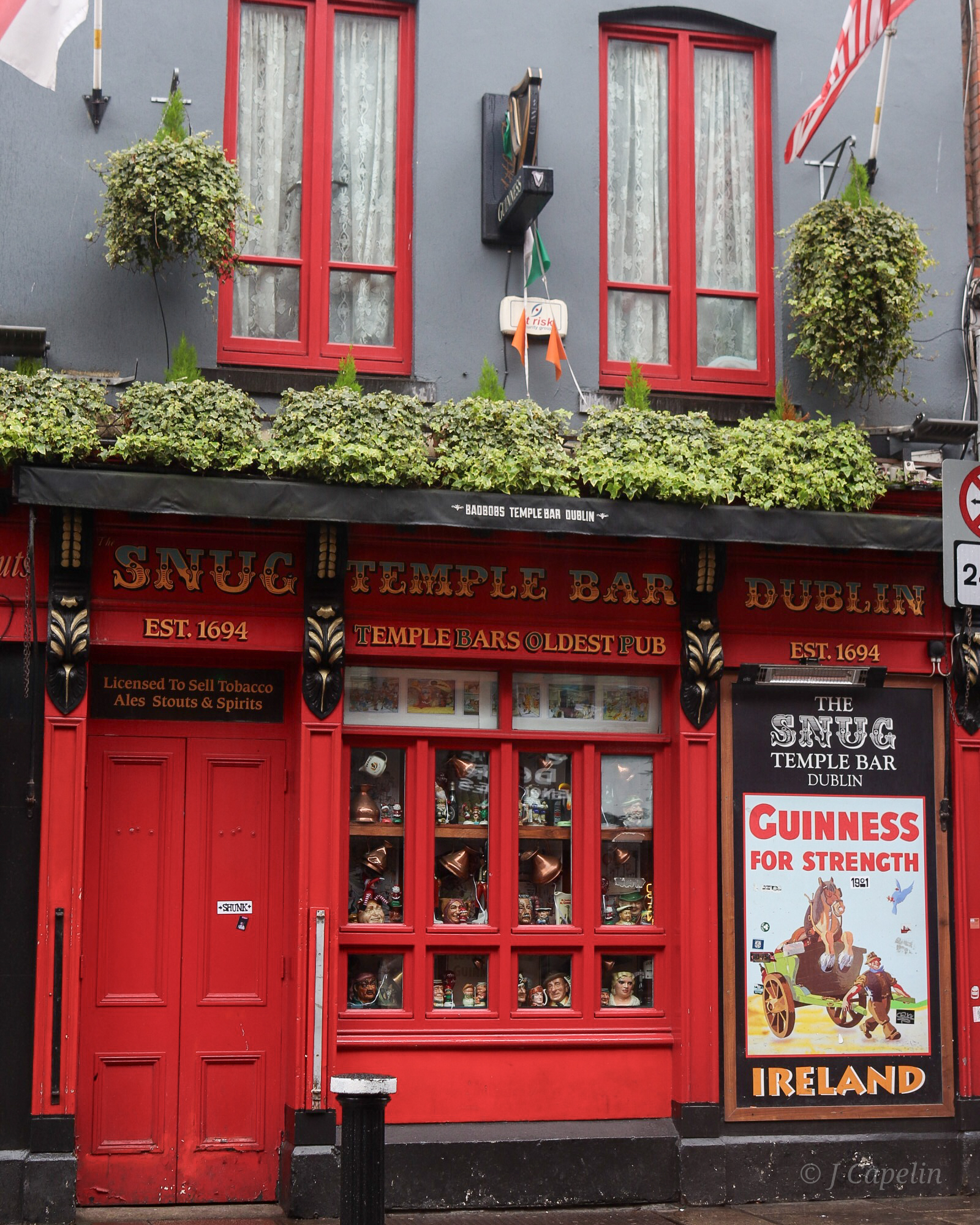
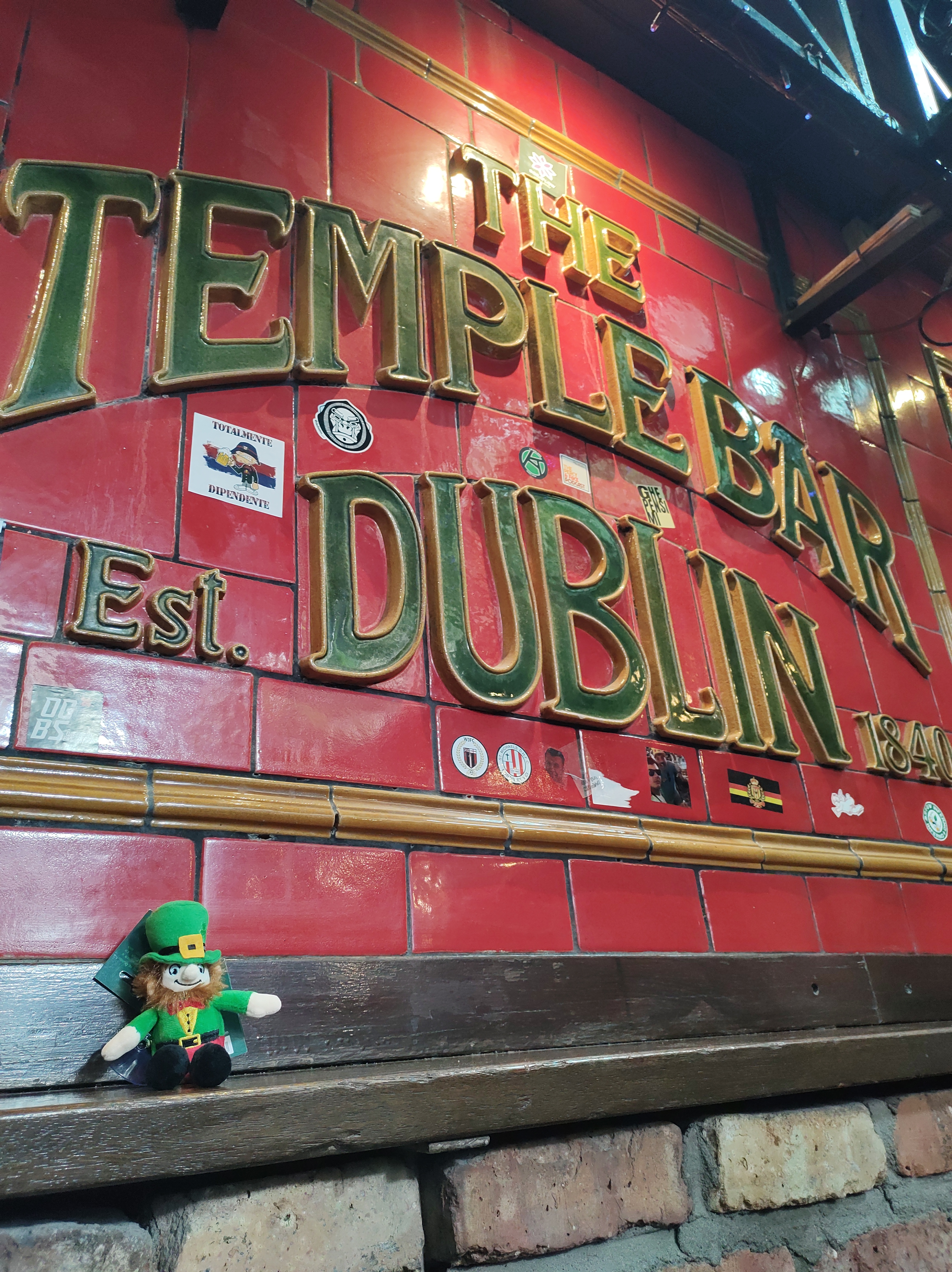
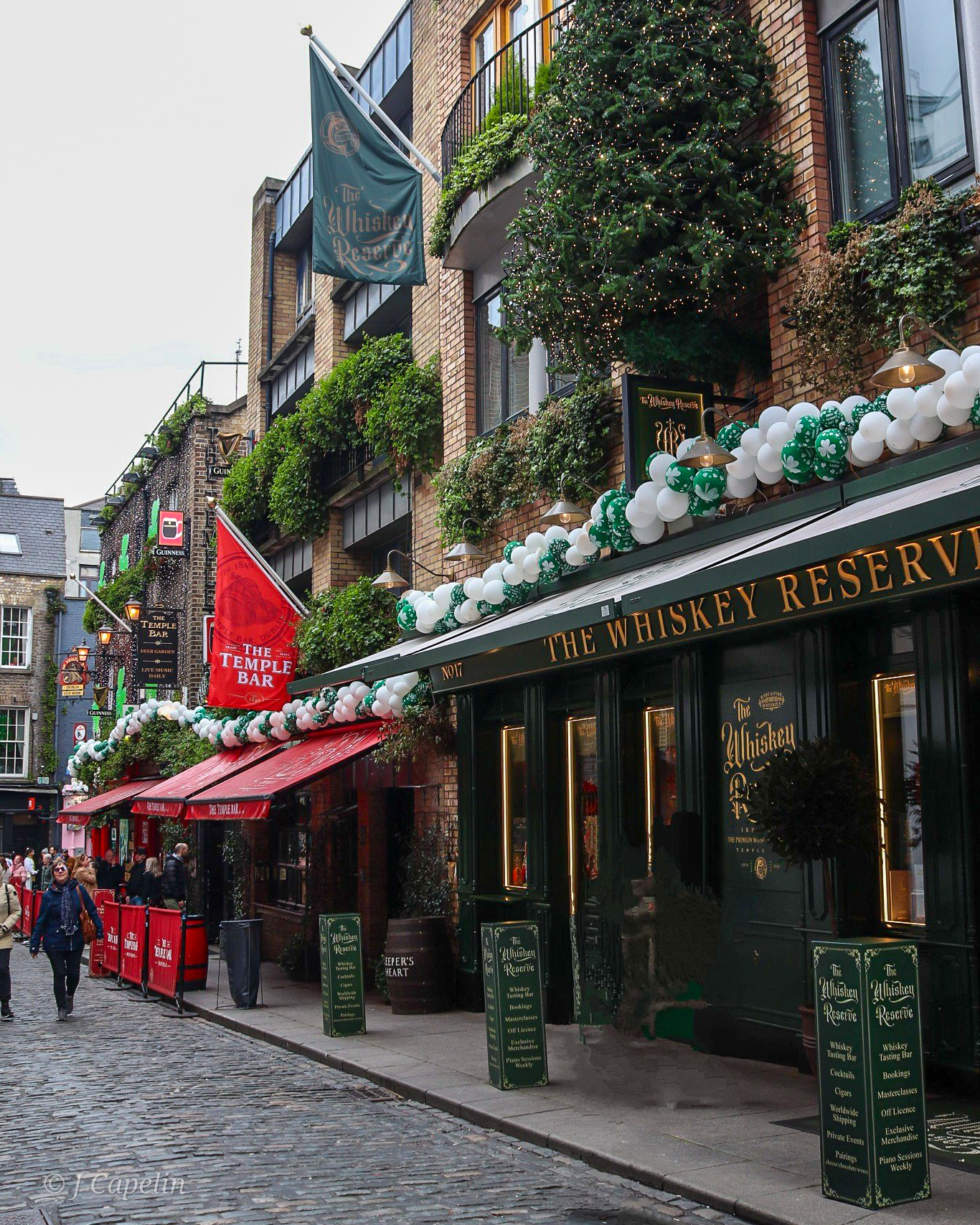
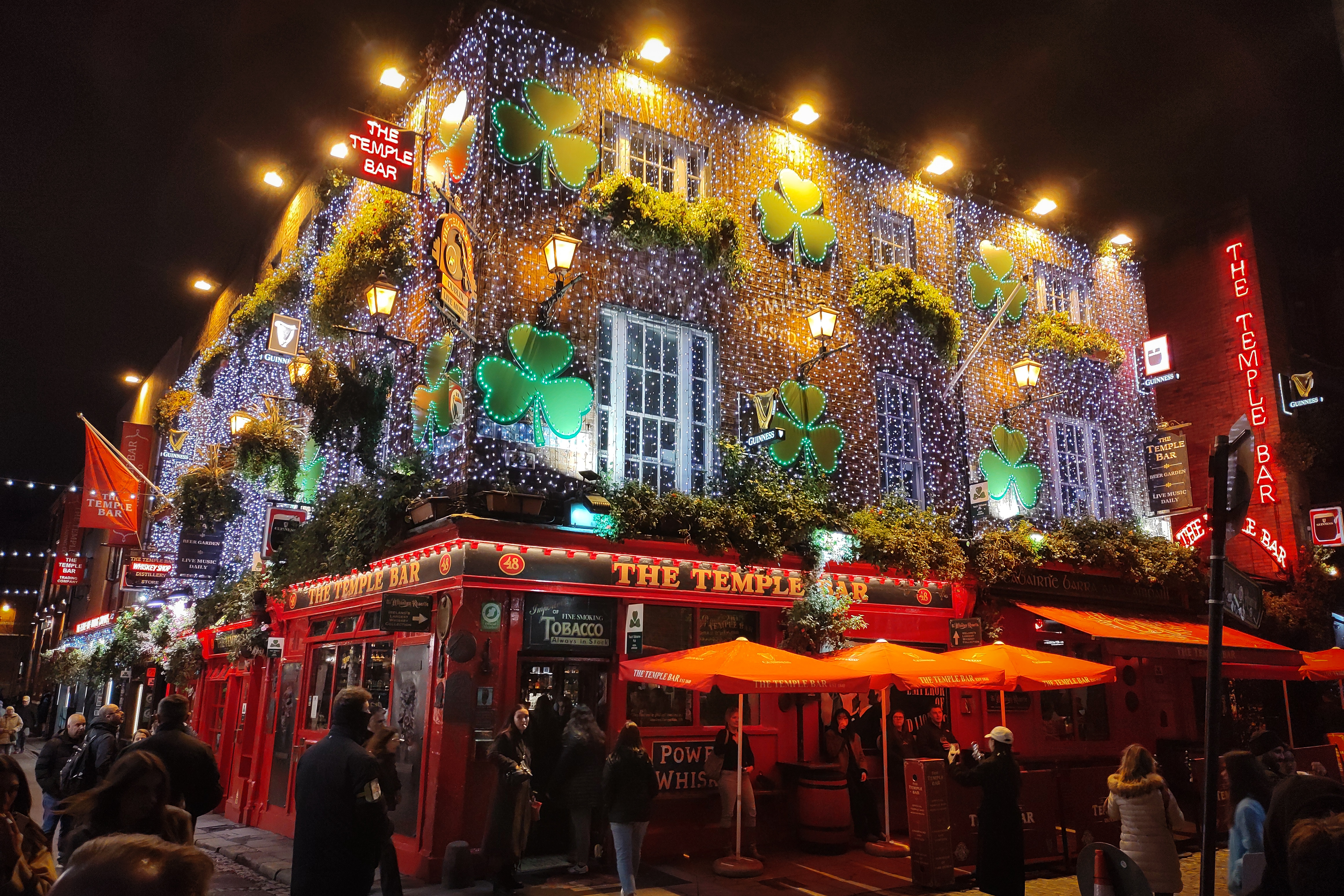
We paused for lunch at KC Peaches – a Dublin chain of fresh food eateries, before walking back through the old town to Temple Bar. Temple Bar is a bustling, riverside neighbourhood, famous for its ‘good craic’, traditional pubs and array of live folk music. These pedestrianised streets can become very crowded, especially at beer-drinking o’clock, which – it comes as no surprise – is all day! Through alleyways lined with neon ‘Guinness’ signs, and down curving cobbled streets, past old pubs and the famous statue of Molly Malone and on to the very popular Temple Bar Pub. Probably the most touristic pub in Ireland, The Temple Bar Pub was smothered in massive shamrocks, and had a loud yet inviting ruckus blaring out of it! We went inside and found some empty bar stools next to some giant green Celtic God heads. A man was playing guitar and singing classic sing-alongs in the small bar, and we sat with a Guinness and soaked up the atmosphere.

Ireland’s Oldest Pub

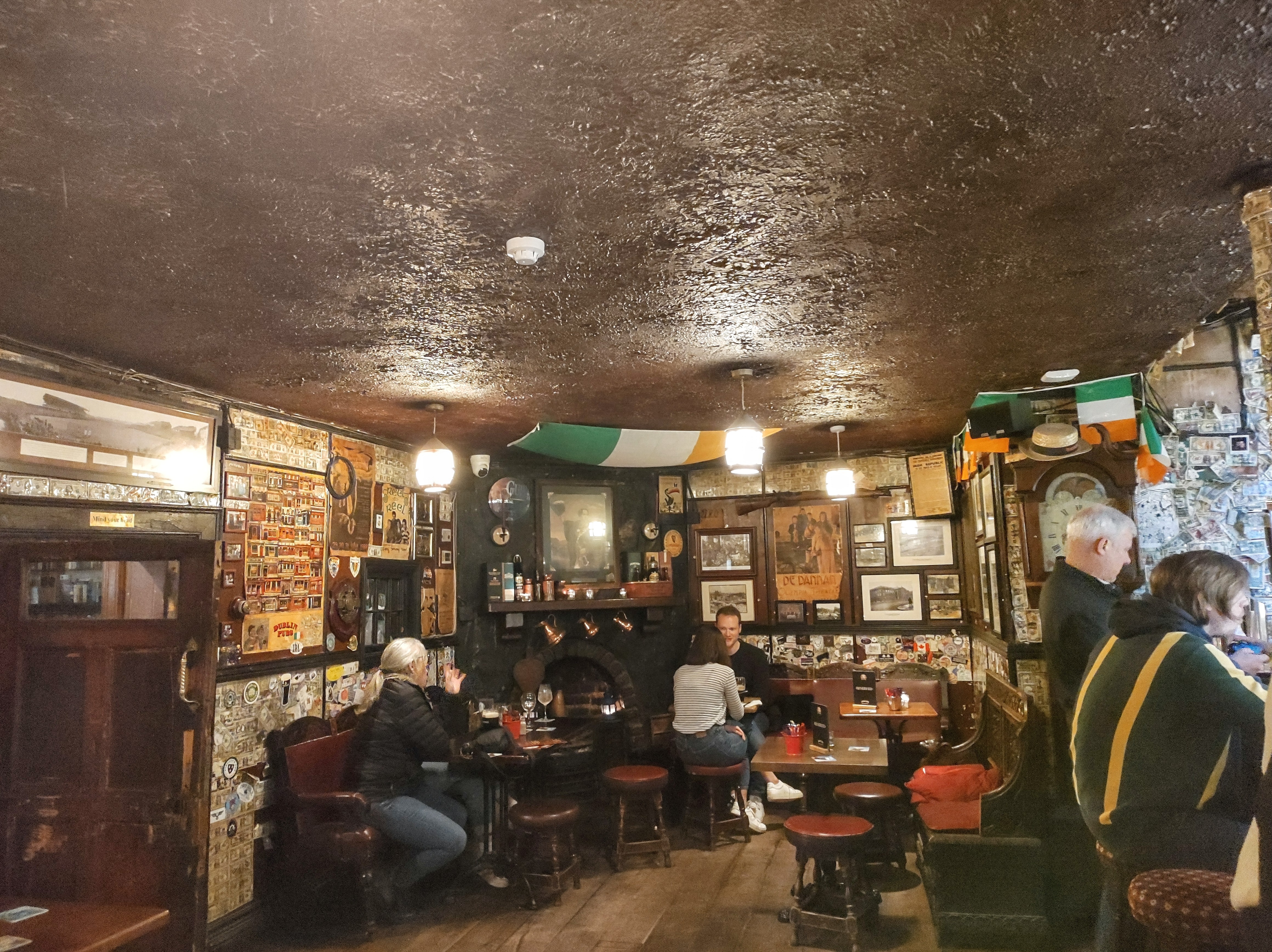
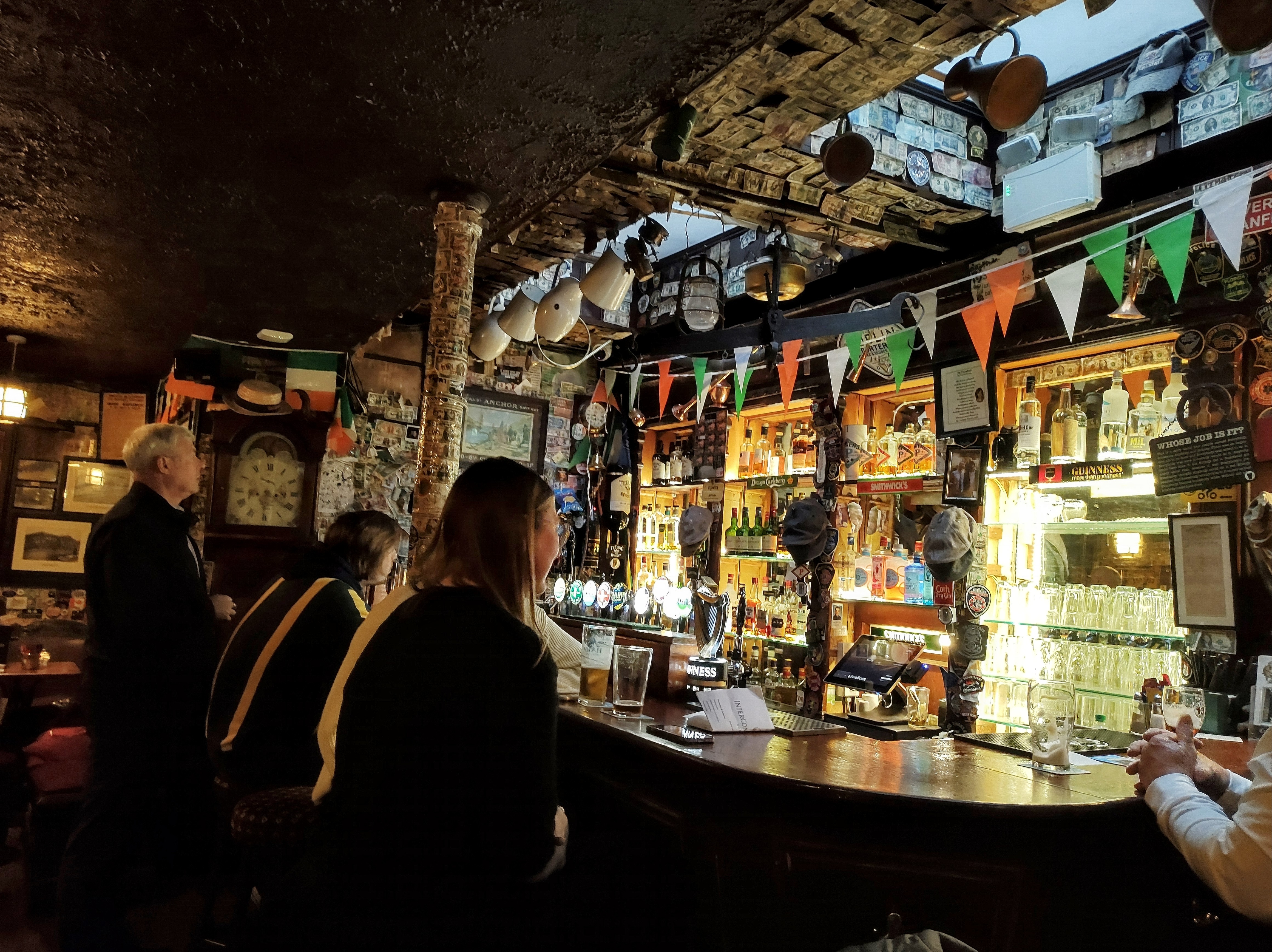
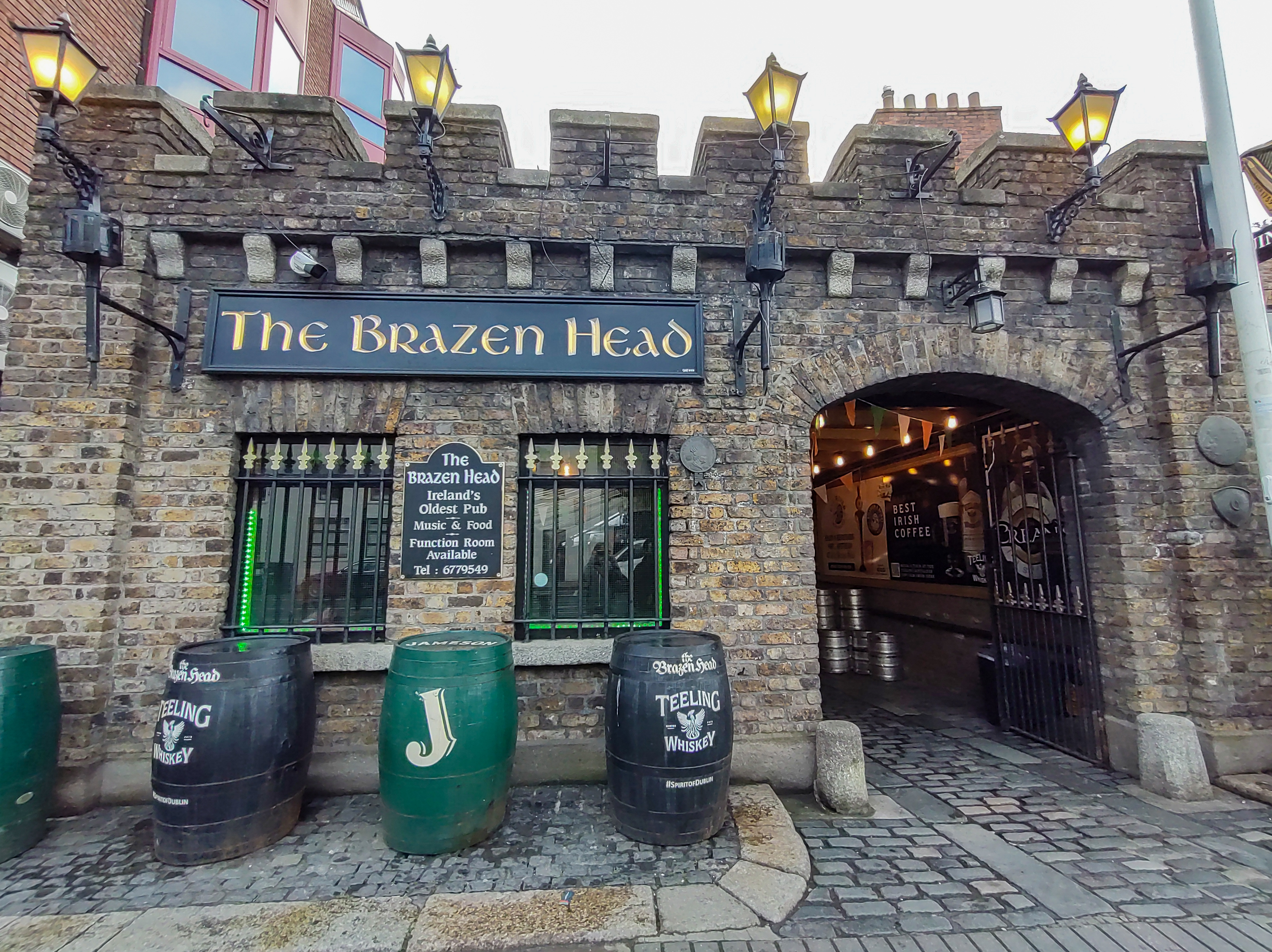
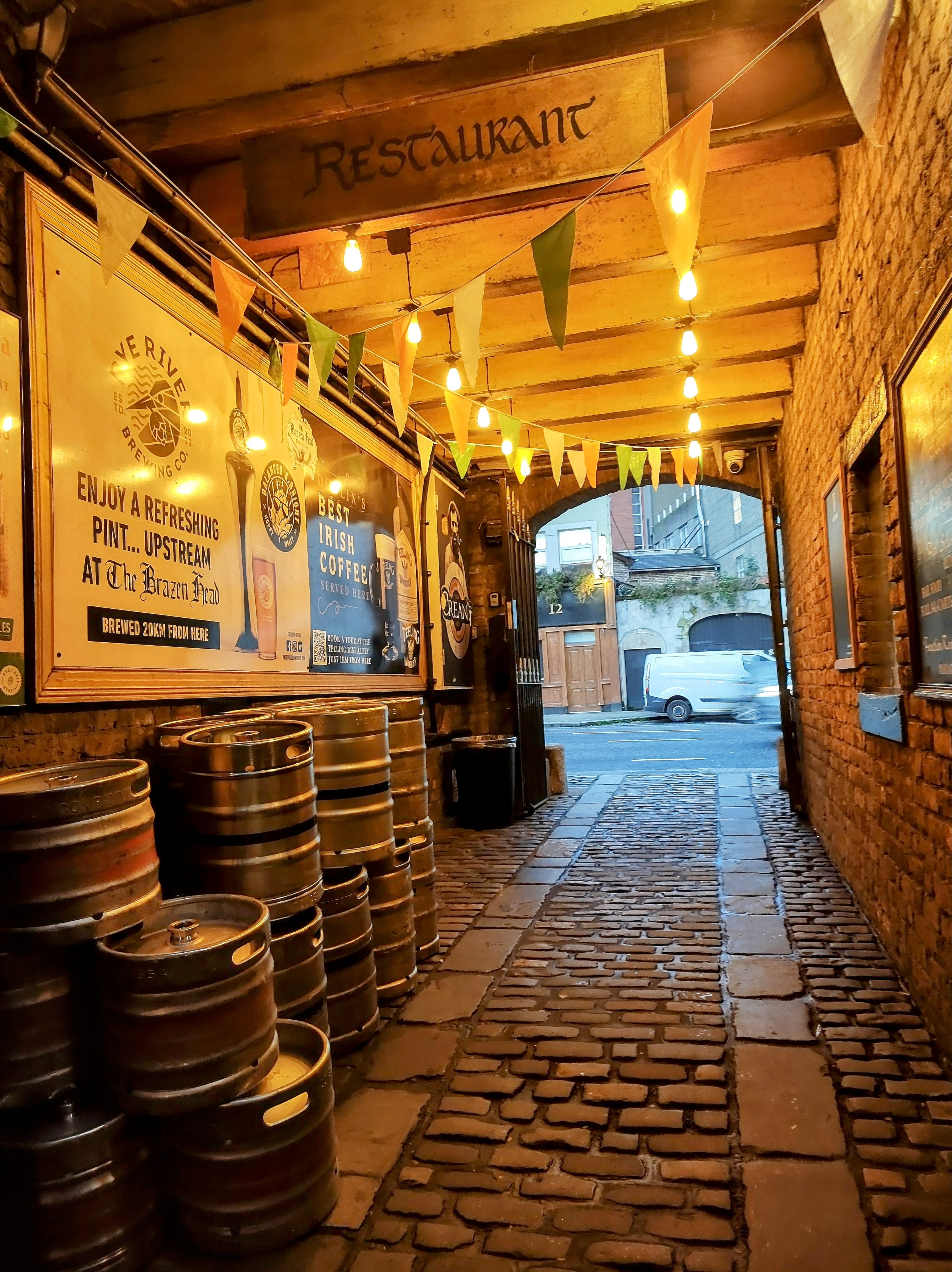
The Brazen Head, est. 1198, is undoubtedly old and very atmospheric. We were early and lucky enough to get a table inside for dinner, and the food was traditional and impeccable. It isn’t cheap, but for the full atmosphere it was worth it. Timber beams hold up the small, dark inn, with a fireplace in the wall, and a tiny, ancient bar with every beer and whiskey you can imagine behind it. The walls are smothered in foreign money, photos, signatures and memories, and if you manage to get in later in the evening, they promise live music every night.

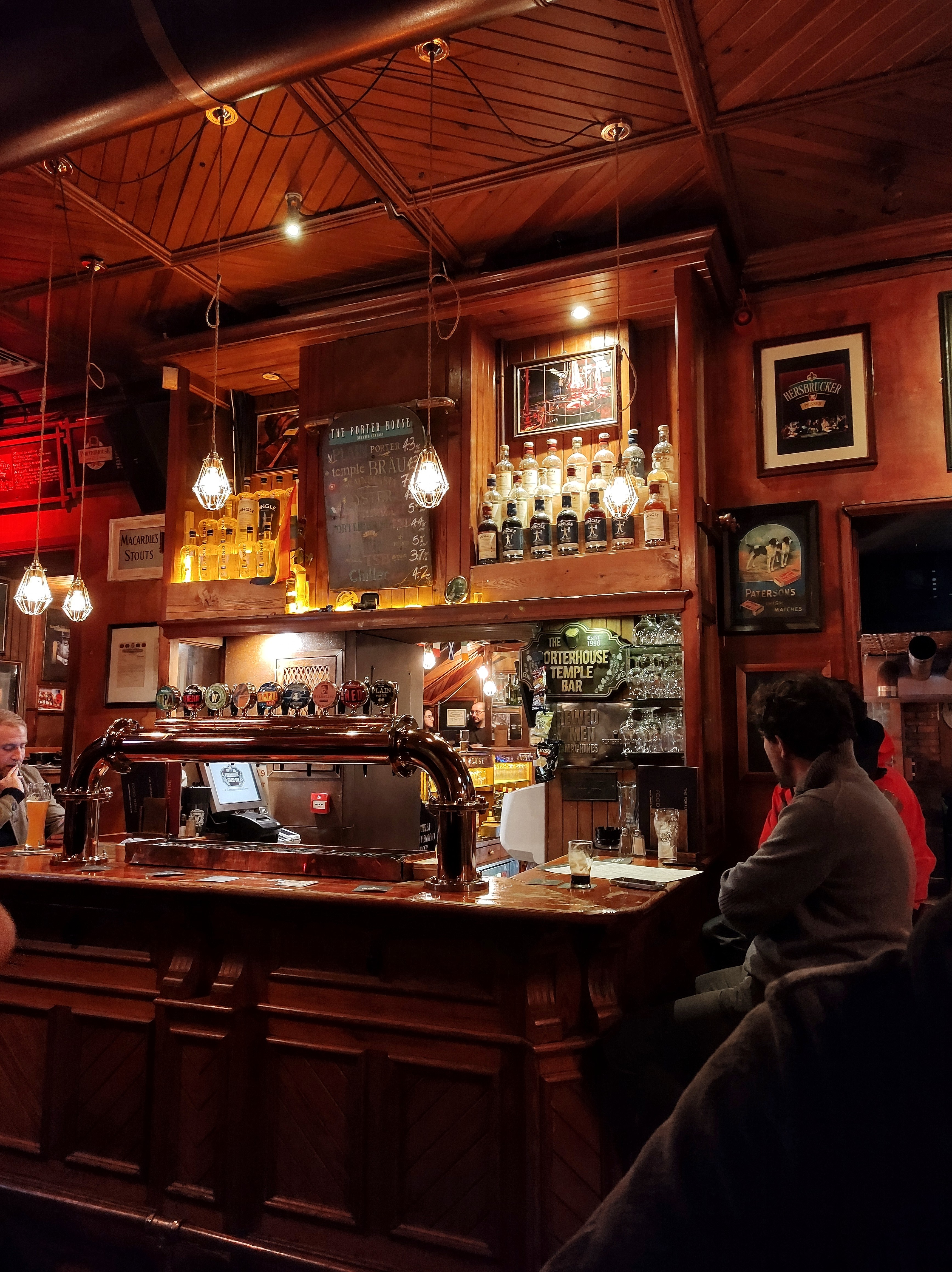
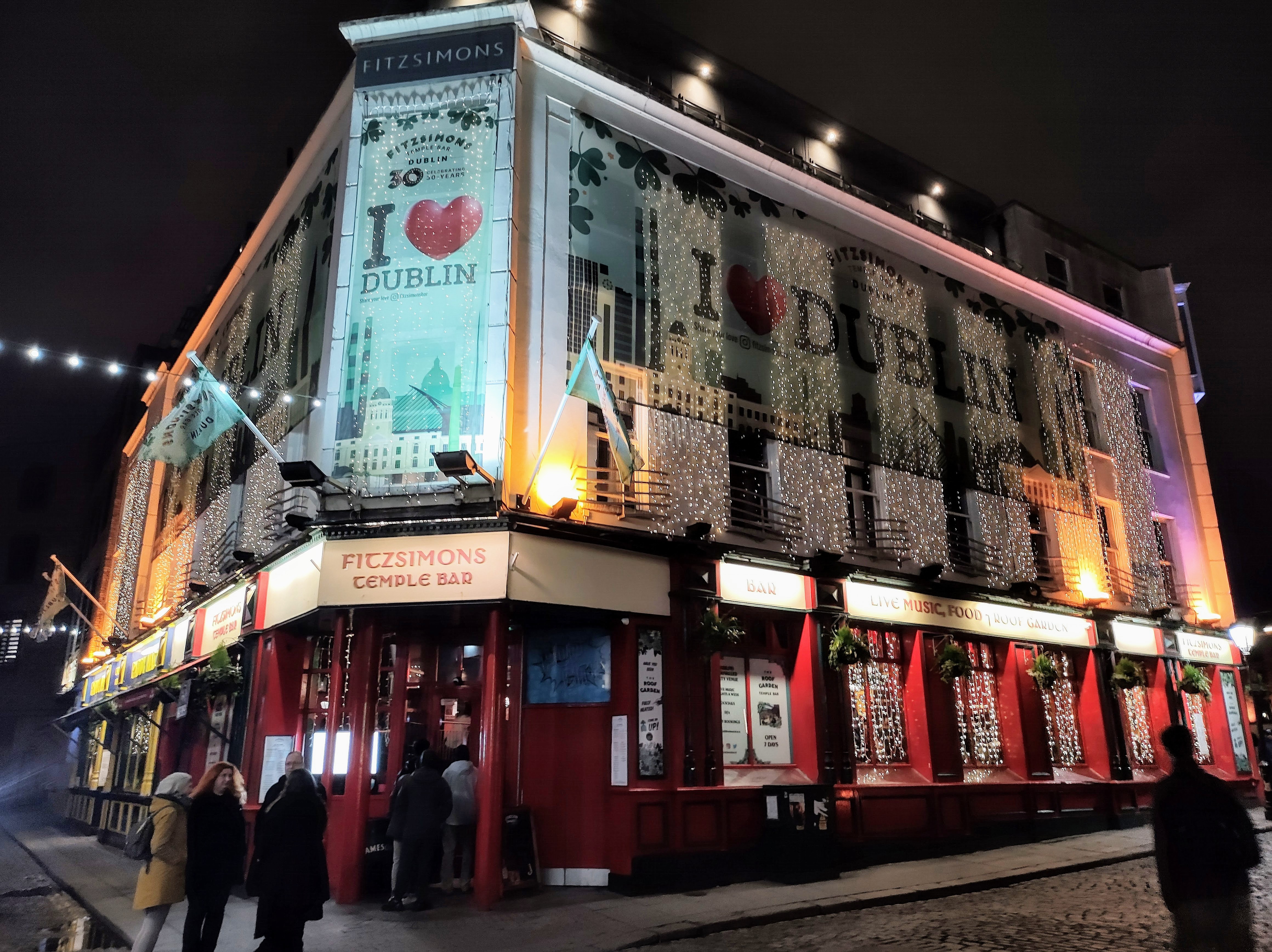
A short walk back to Temple Bar to continue our walking tour of pubs! We stopped in The Porterhouse Brew Pub, a tap room for their own range of beers and ales, where a Fiddle Trio were jamming at a table in the window! Next we followed the sound of live music into Fitzsimons Pub, world famous for its non-stop entertainment! We sat along the bar and enjoyed proper folk music with Irish bagpipes. The night was topped off with a sip of Distillery Edition Jameson’s – because “when in Rome.”

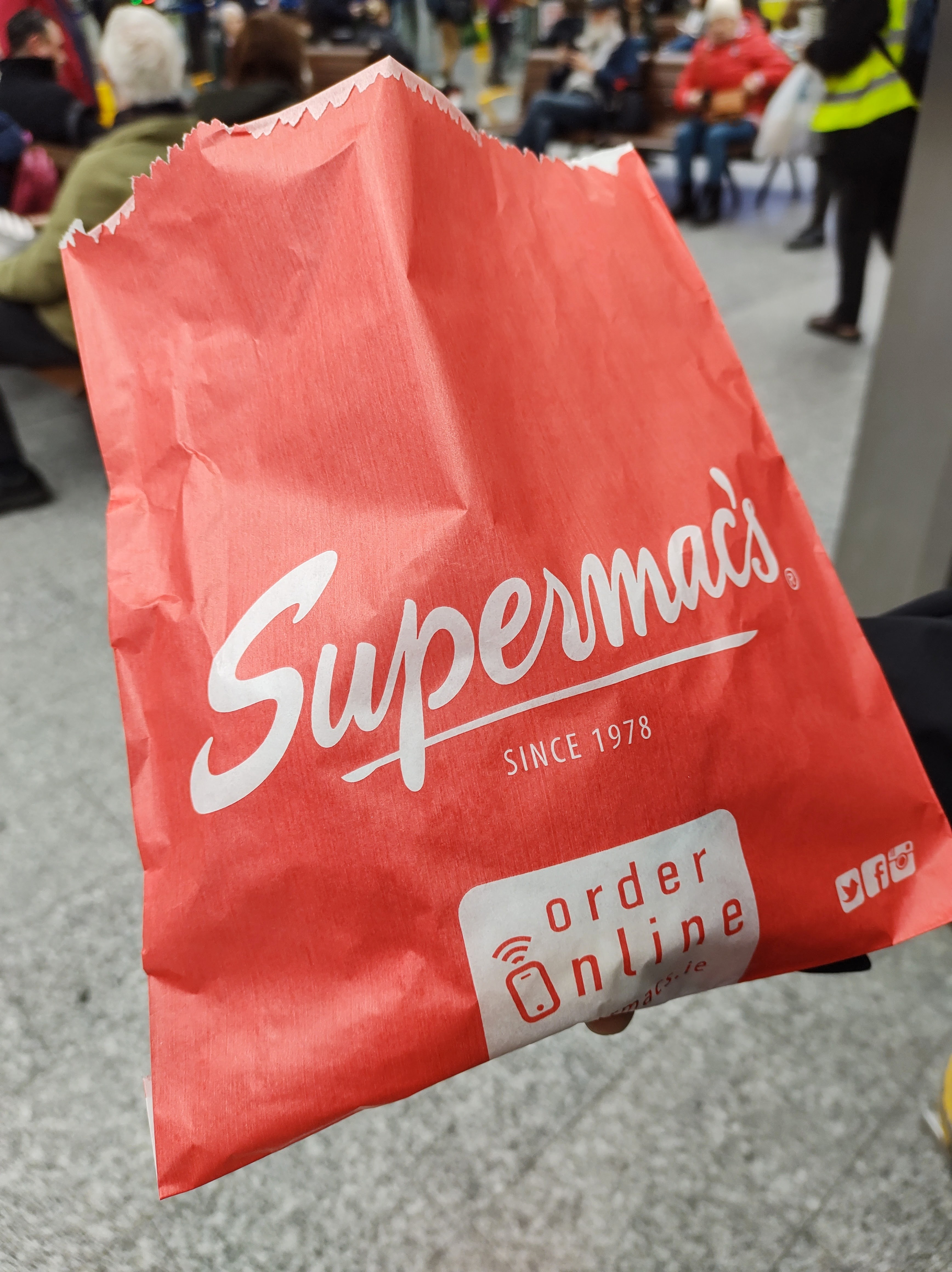
A good way to conquer the day after the night before is to try out Supermac’s – Ireland’s own competitor for McDonalds. We found one at Dublin Heuston Train Station and it hit the spot.