Leaving Queensland’s Bruce Highway north of Tully, between endless banana plantations, and veering left into farming territory, we headed along the narrow road towards The Misty Mountains. Banana trees whizzed by the windows on either side, while the mountains rose ever closer before us, their looming clouds crawling black across their peaks. Eventually, we joined the Palmerston Highway west, where the road climbed and twisted through rainforest and waterfalls, until we levelled out onto a rolling, green plateau.
Millaa Millaa Falls Circuit
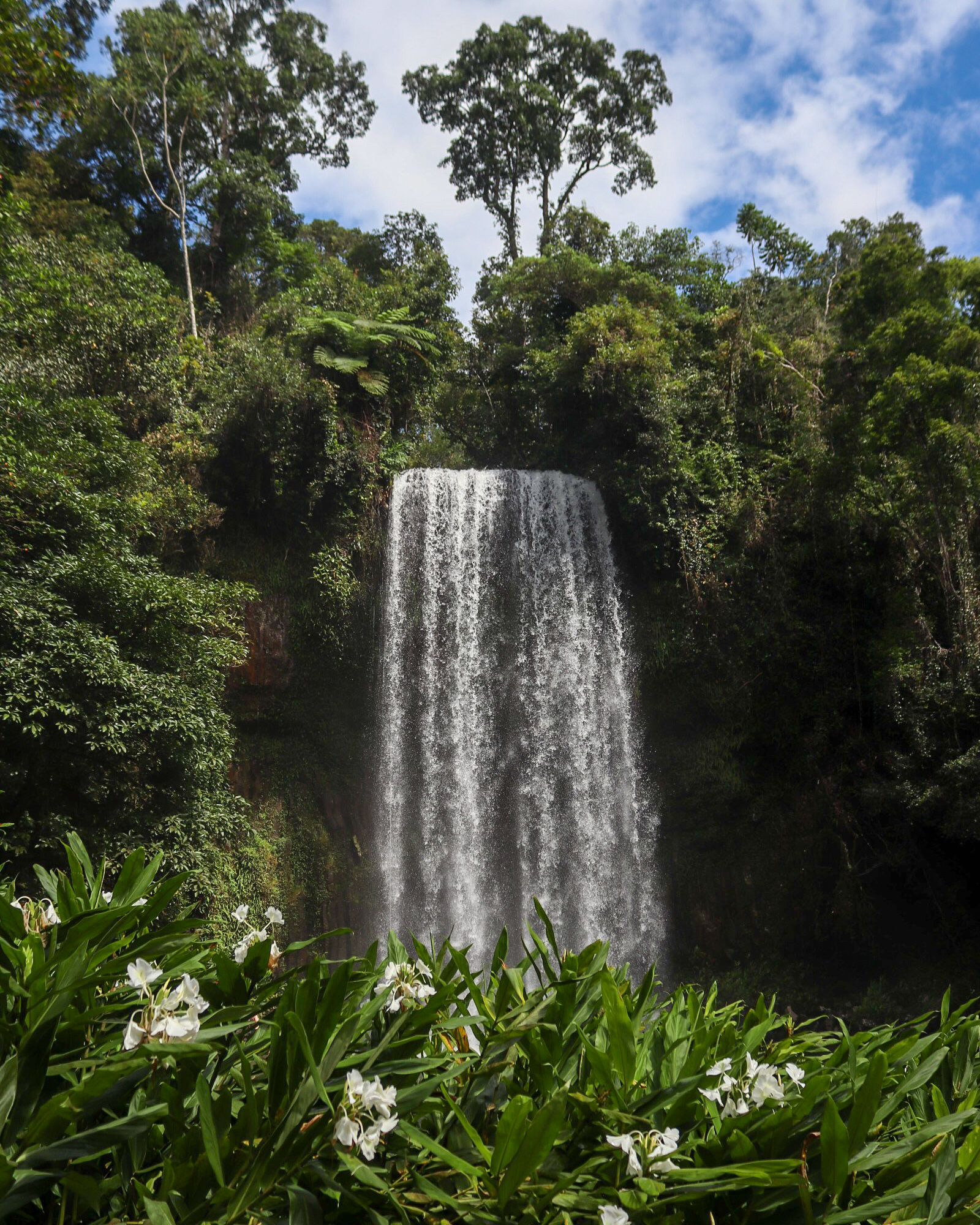
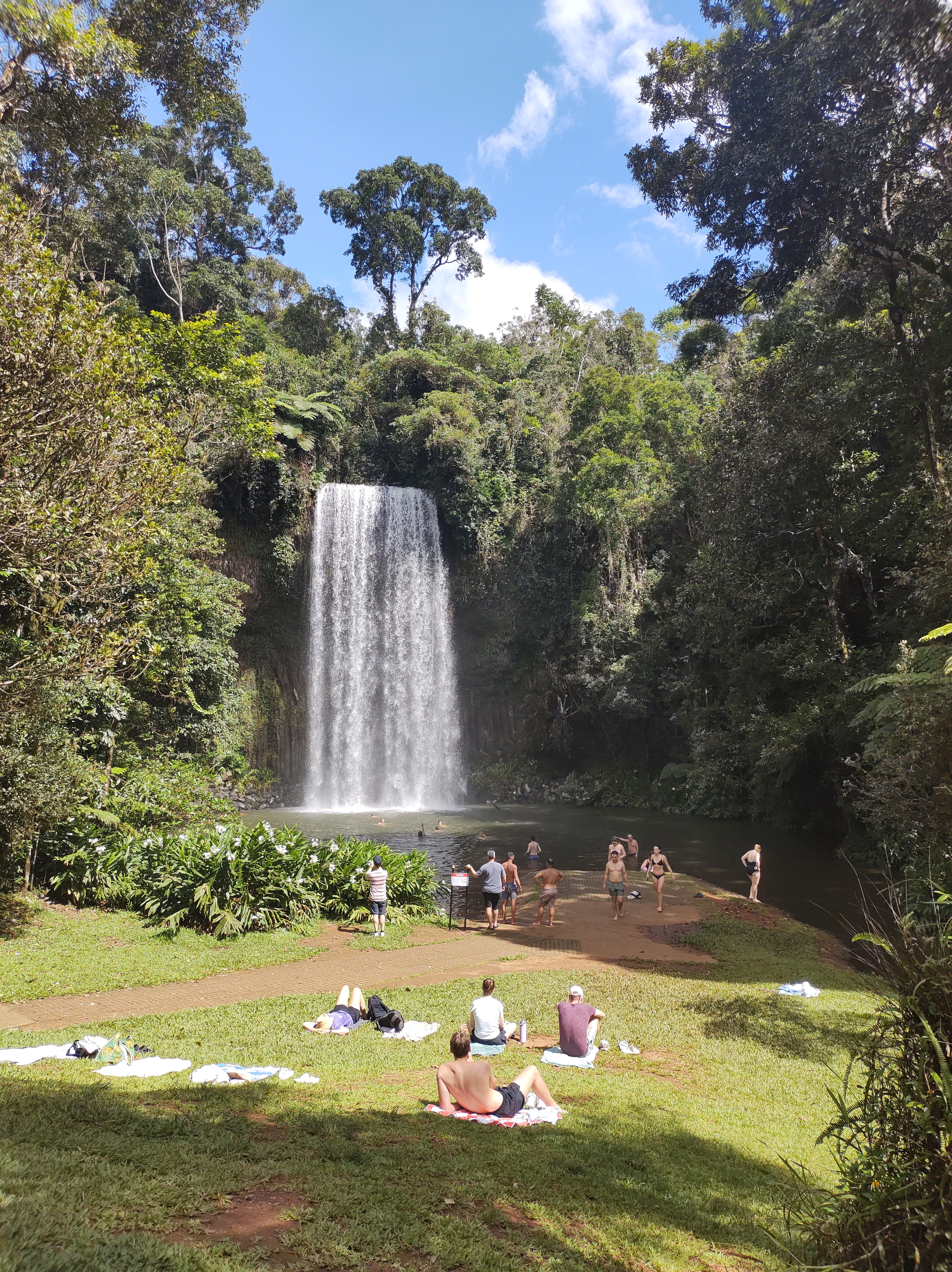
A 17km scenic drive just off the Palmerston highway took us to three waterfalls. Firstly, Millaa Millaa Falls, the most famous for swimming, sunbathing and picnicking.
Over hills and through farmland, with rolling views that reminded me of the English countryside, we drove to the next waterfall. The Zillie Falls viewpoint from the top of the waterfall was quite overgrown, with no clear path down, so I couldn’t tell you how big it was, but it sounded impressive!
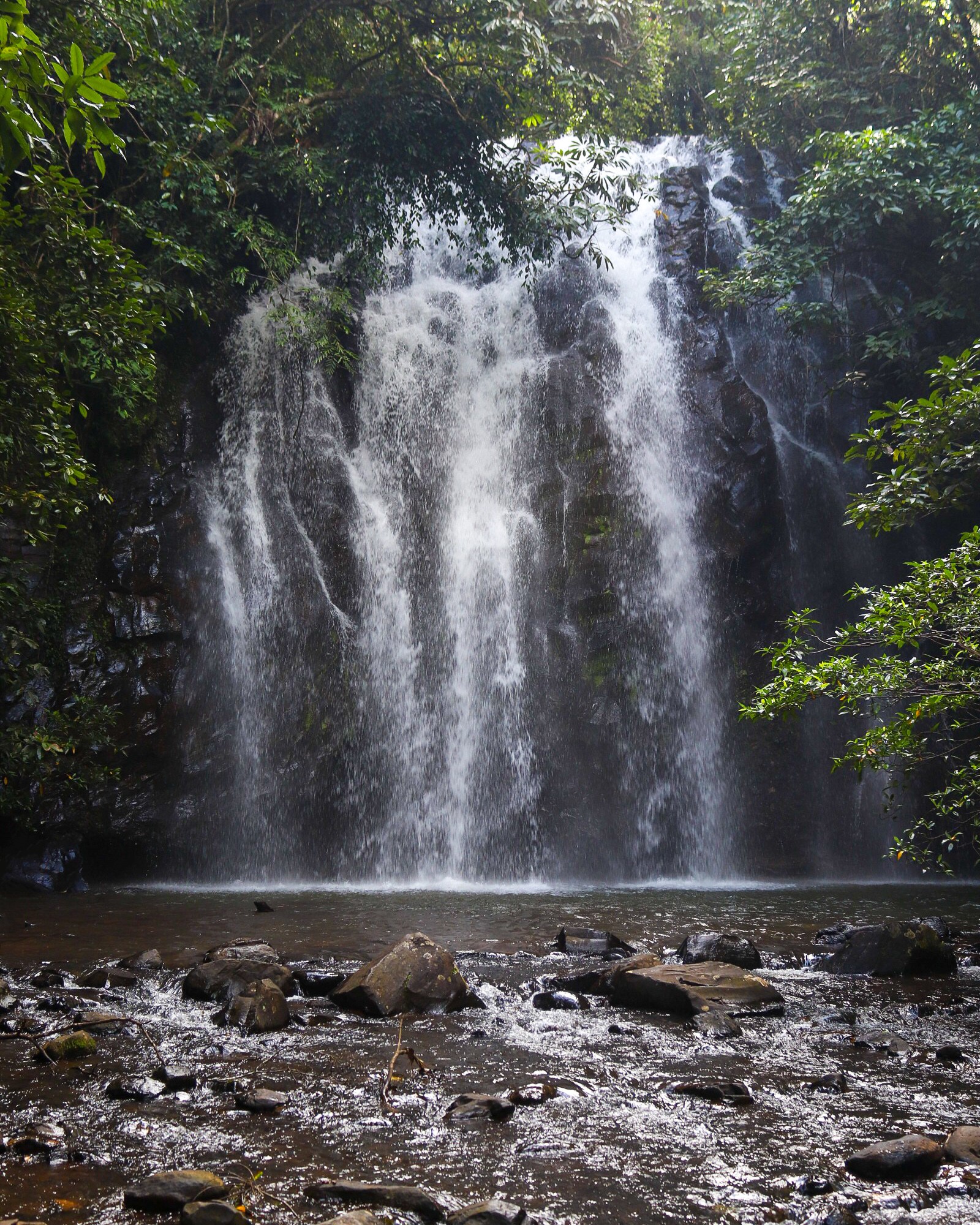
Thirdly, Ellinjaa Falls, where we descended on foot through ancient rainforest. The path met the dark, rocky creek, and plenty of people were swimming and crossing the rocks for photo opportunities, while the waterfall rushed on the backdrop.
Crater Lakes National Park
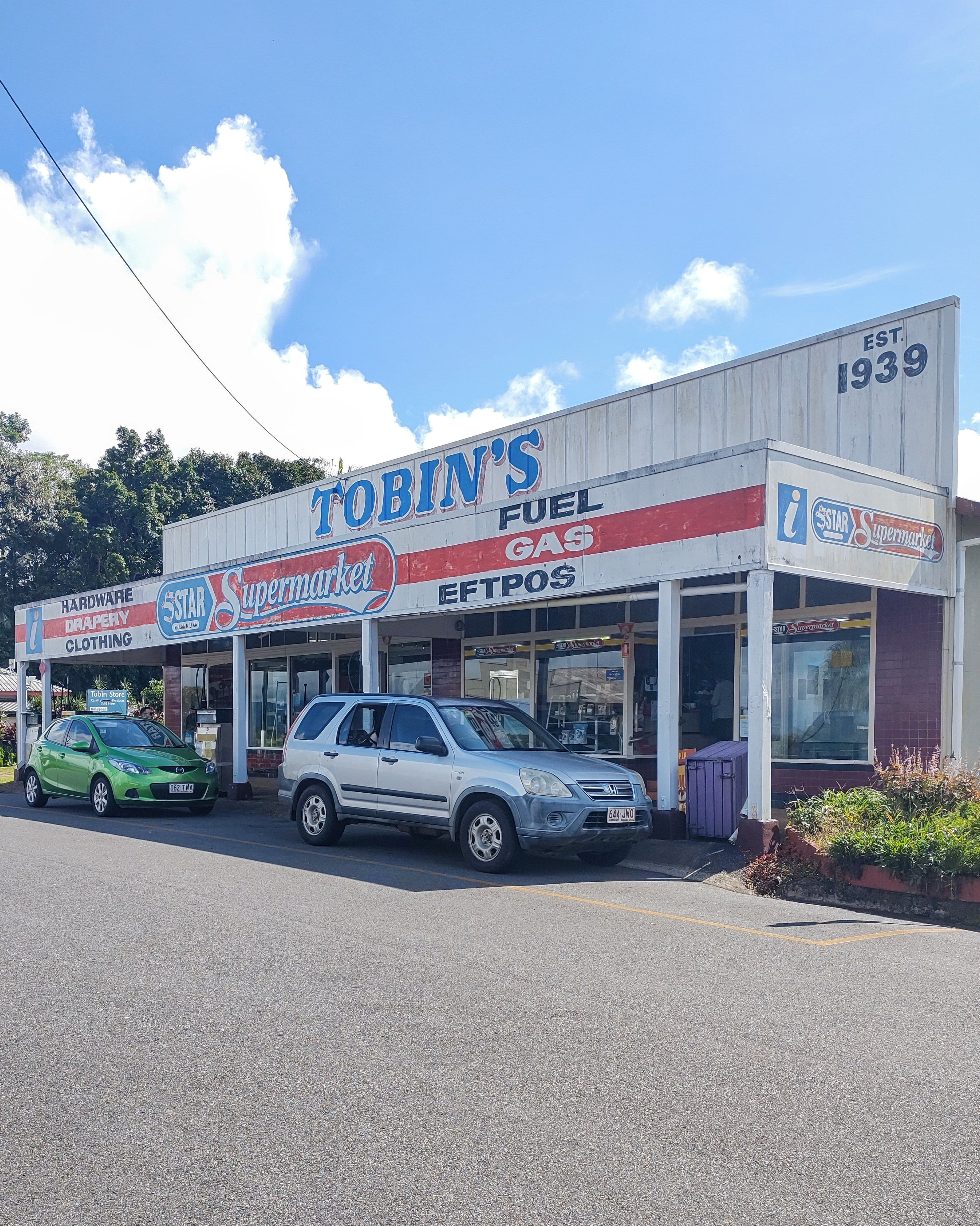
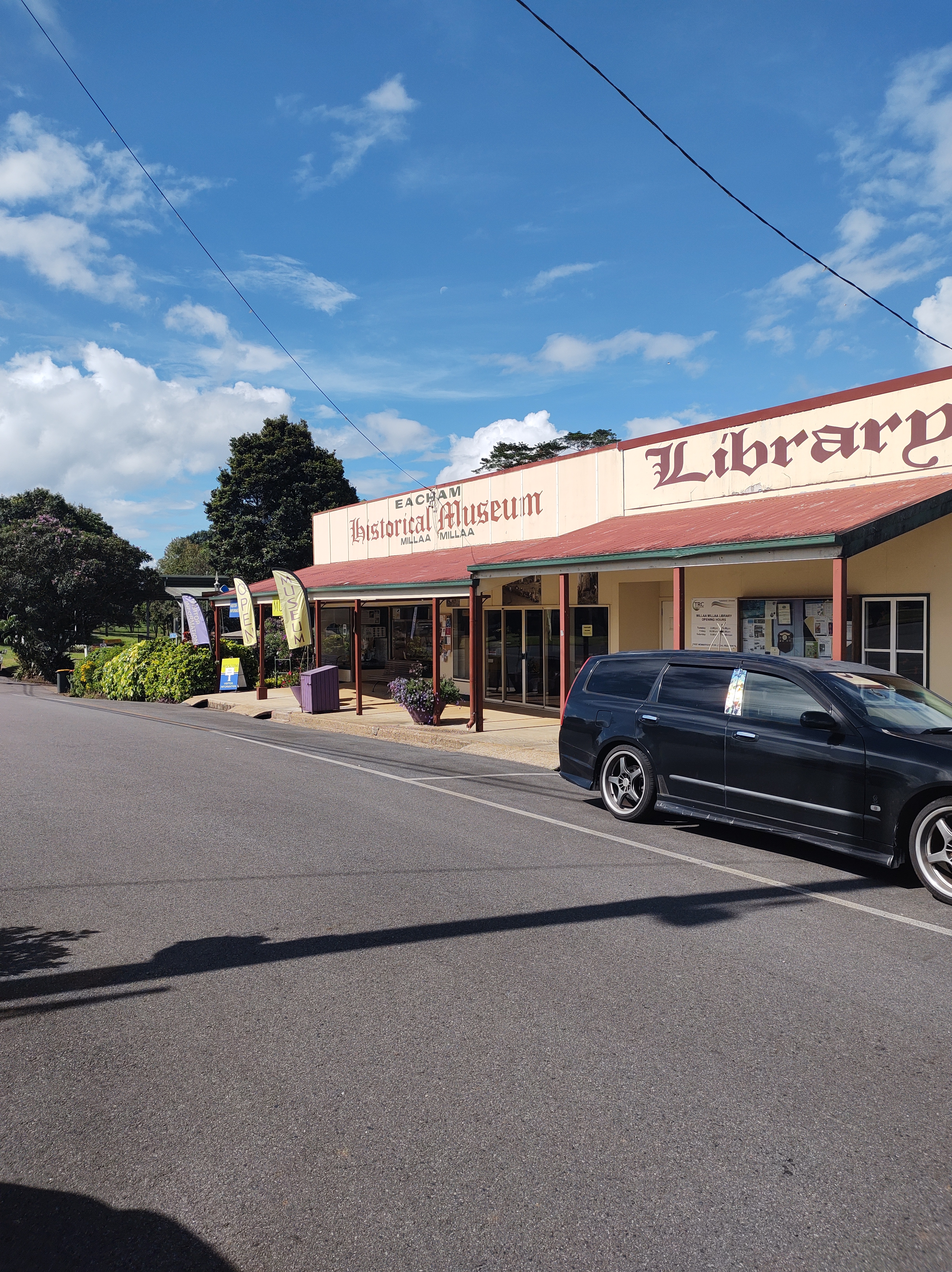
After stopping for fuel in the old village of Millaa Millaa, we drove north, through Malanda, towards Eacham and our accommodation on the edge of Crater Lakes National Park. Down a long, unsealed driveway through the trees, we arrived at Chambers Wildlife Rainforest Lodges. Big wooden huts on stilts stood nestled in the rainforest, with open decks perfect for wildlife spotting. Inside, we had a kitchen, living space, and a cosy ensuite bedroom at the back.
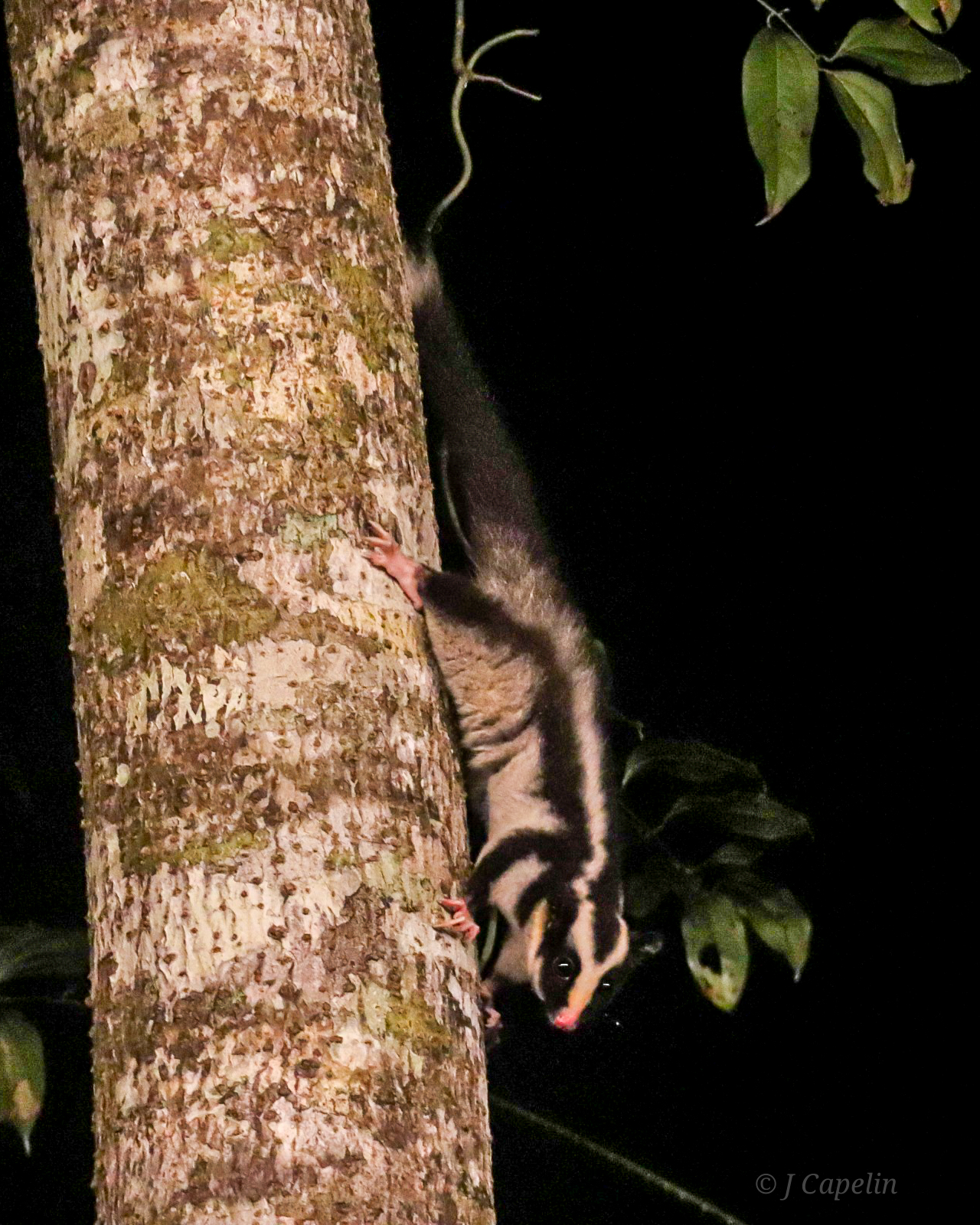
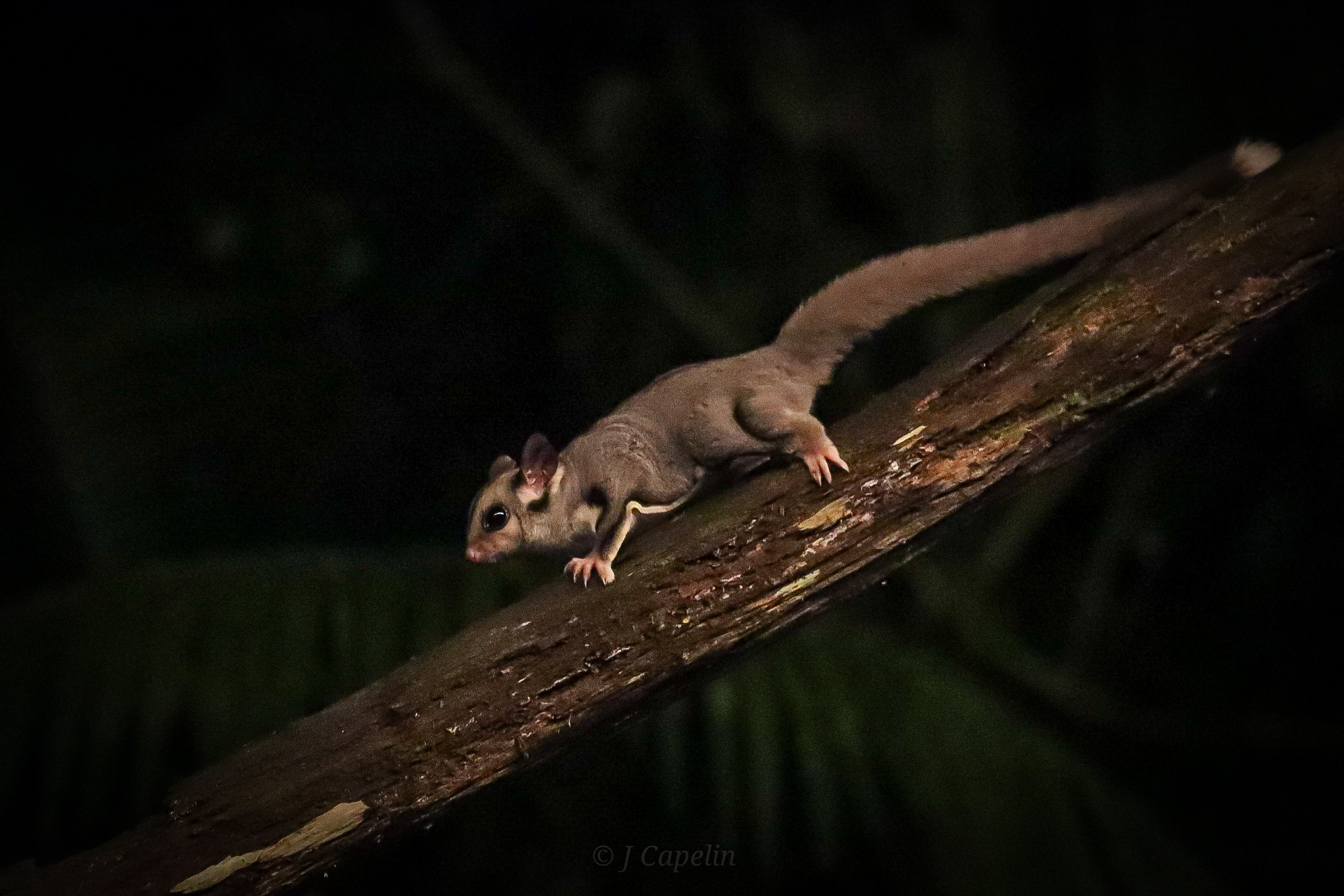
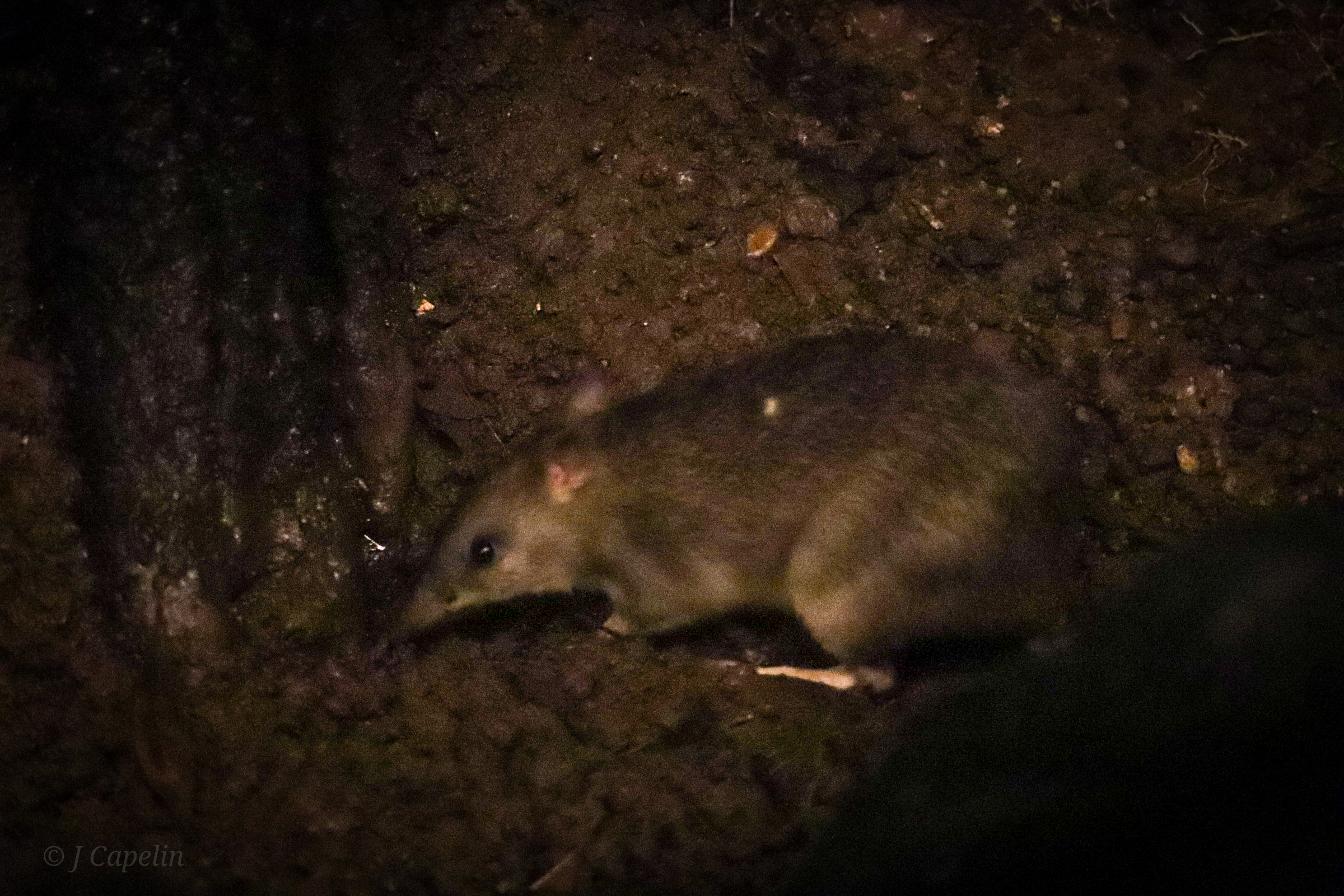
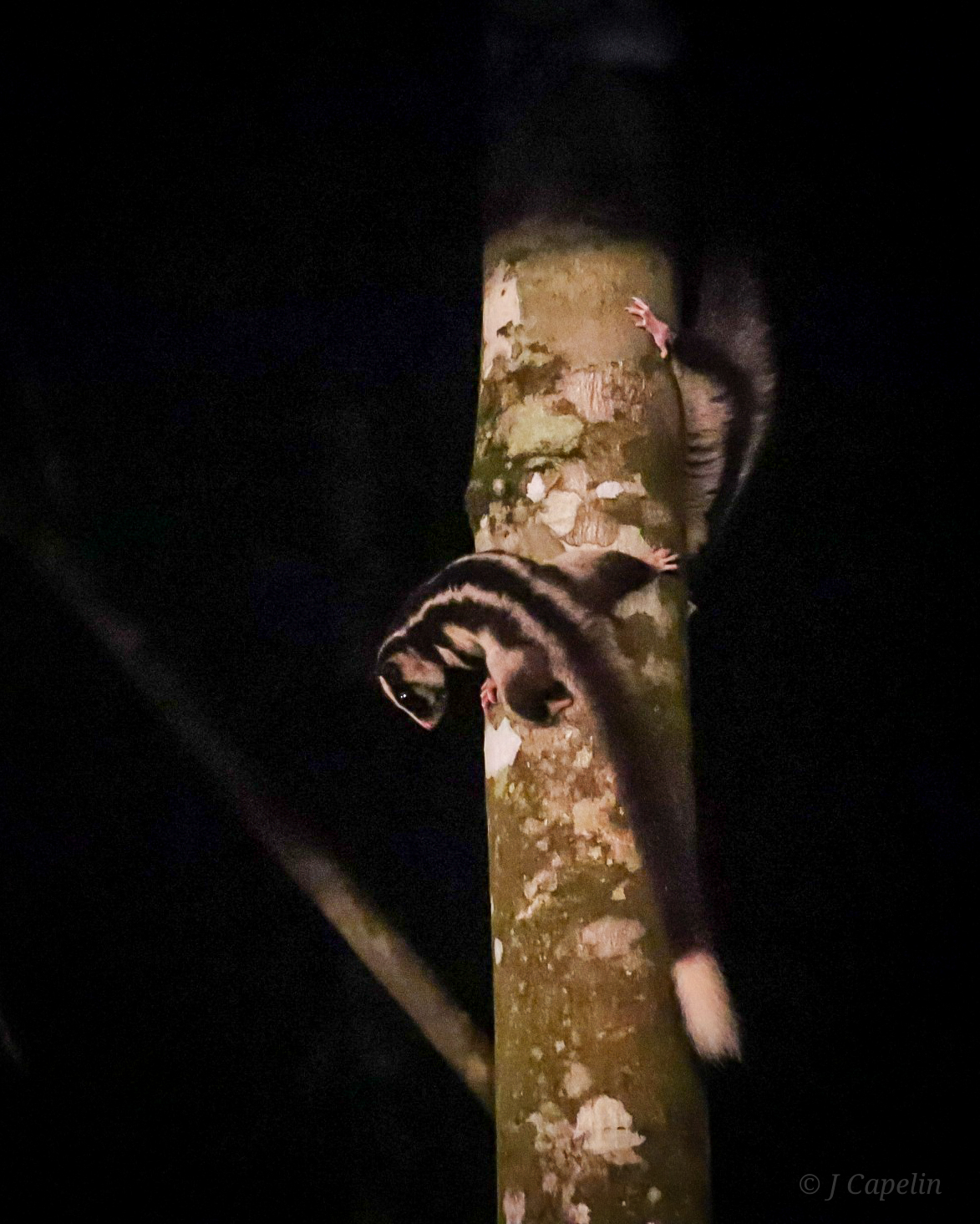
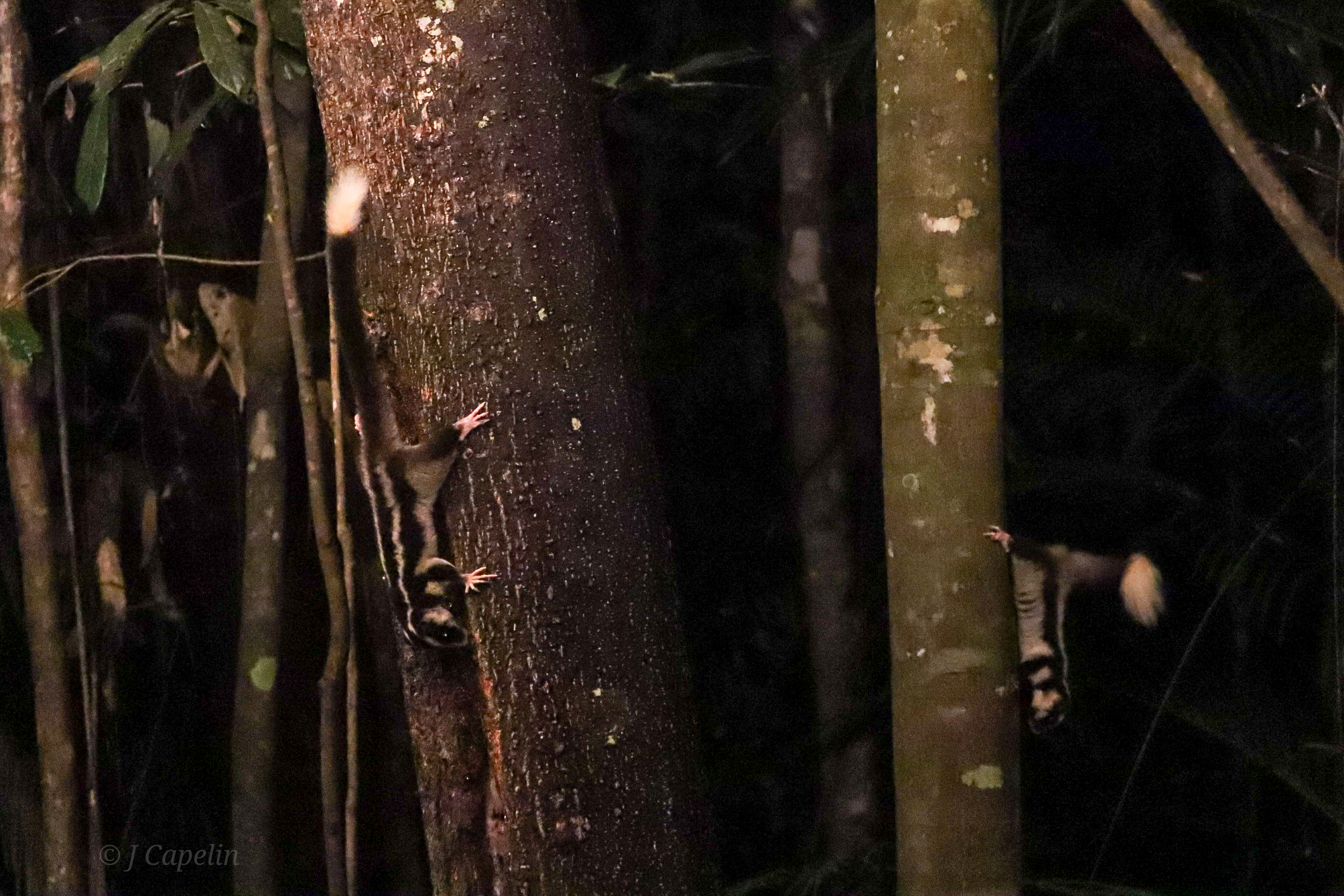
When nightfall landed, we made our way to the retreat’s viewing deck; my favourite thing about the accommodation. A little wooden hut (like an old bus shelter with rows of benches inside) sat on the edge of the rainforest, with a soft, amber light shining into the trees. Most nights shortly after sunset, one of the staff members would put some natural sweet nectar concoction on the nearby trees to entice the local wildlife. We sat there, silent and still, among other guests, until we heard a gentle rustling in the canopy above us. Then, out of the shadows, quiet and cautious, a Striped Possum appeared on the tree trunk, staring back at us! Everyone froze, and the possum went about its business. More rustling from above, and a pale shape glided past like a small ghost, landing wide-eyed and sprawled on the branch – a Krefft’s Glider, better known as a Sugar Glider! Once the tree-dwellers left, a Long-Nosed Bandicoot came snuffling around the base of the tree, while an Amethystine Python waited keenly on the neighbouring tree trunk…
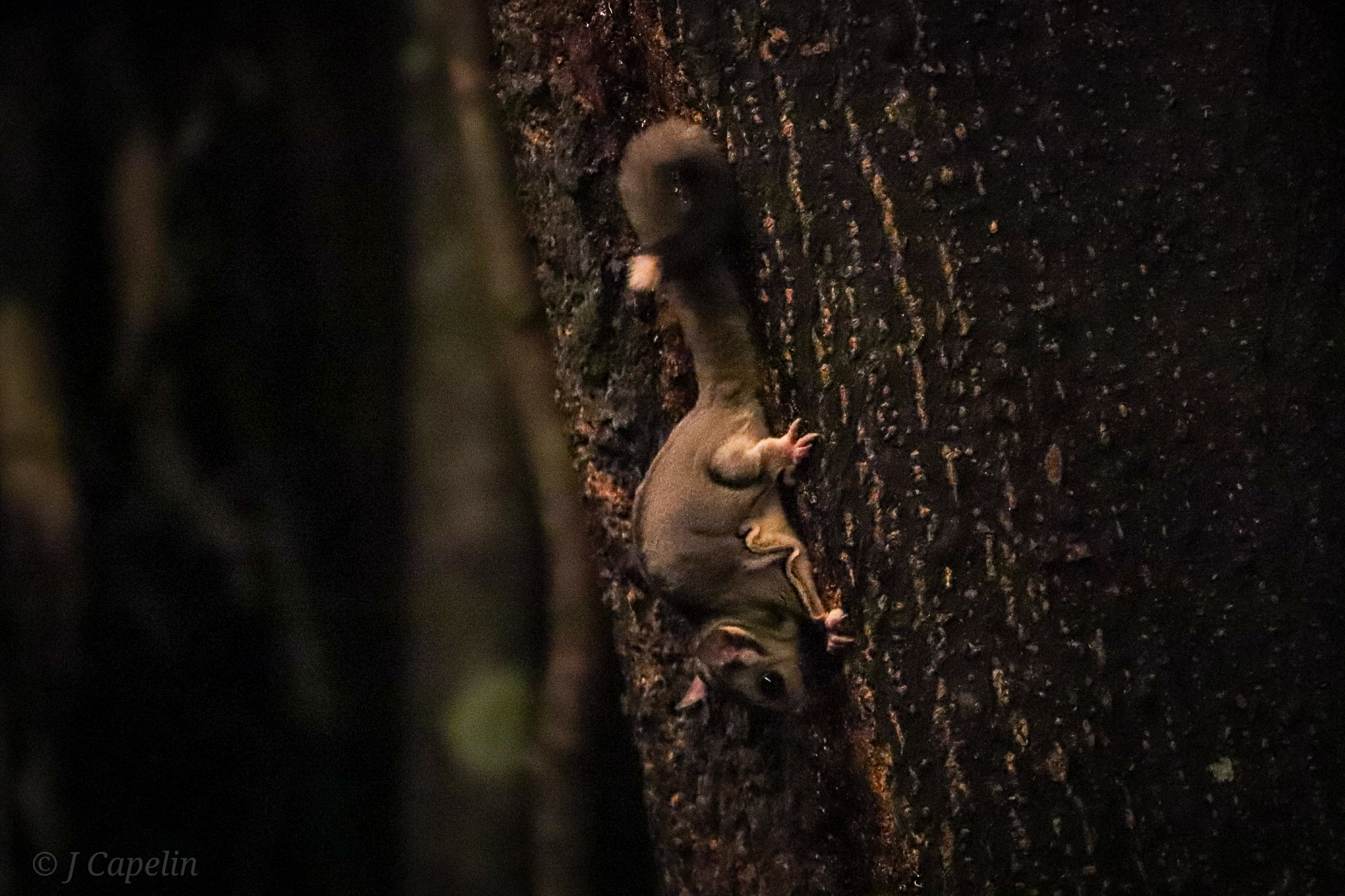
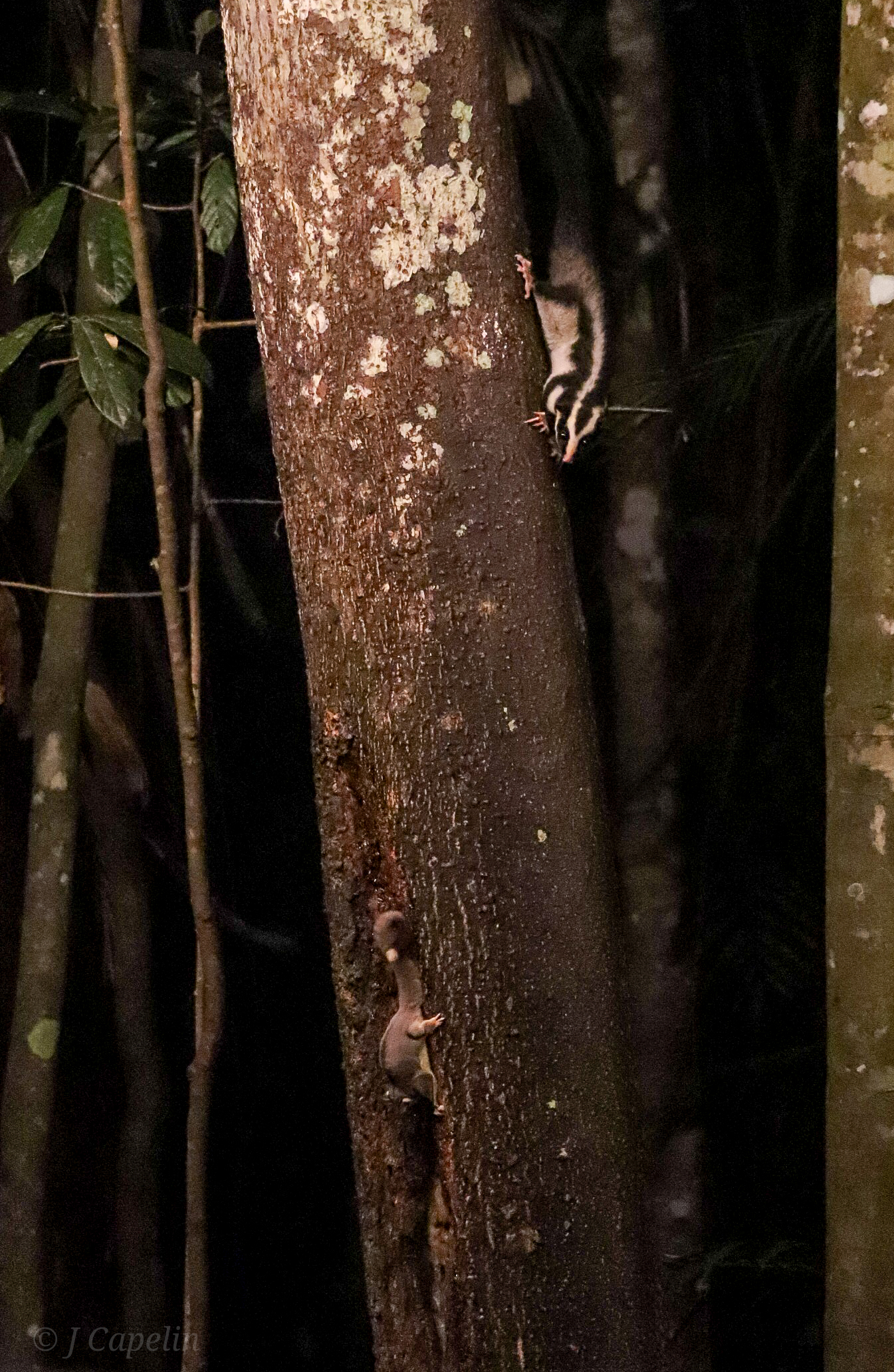
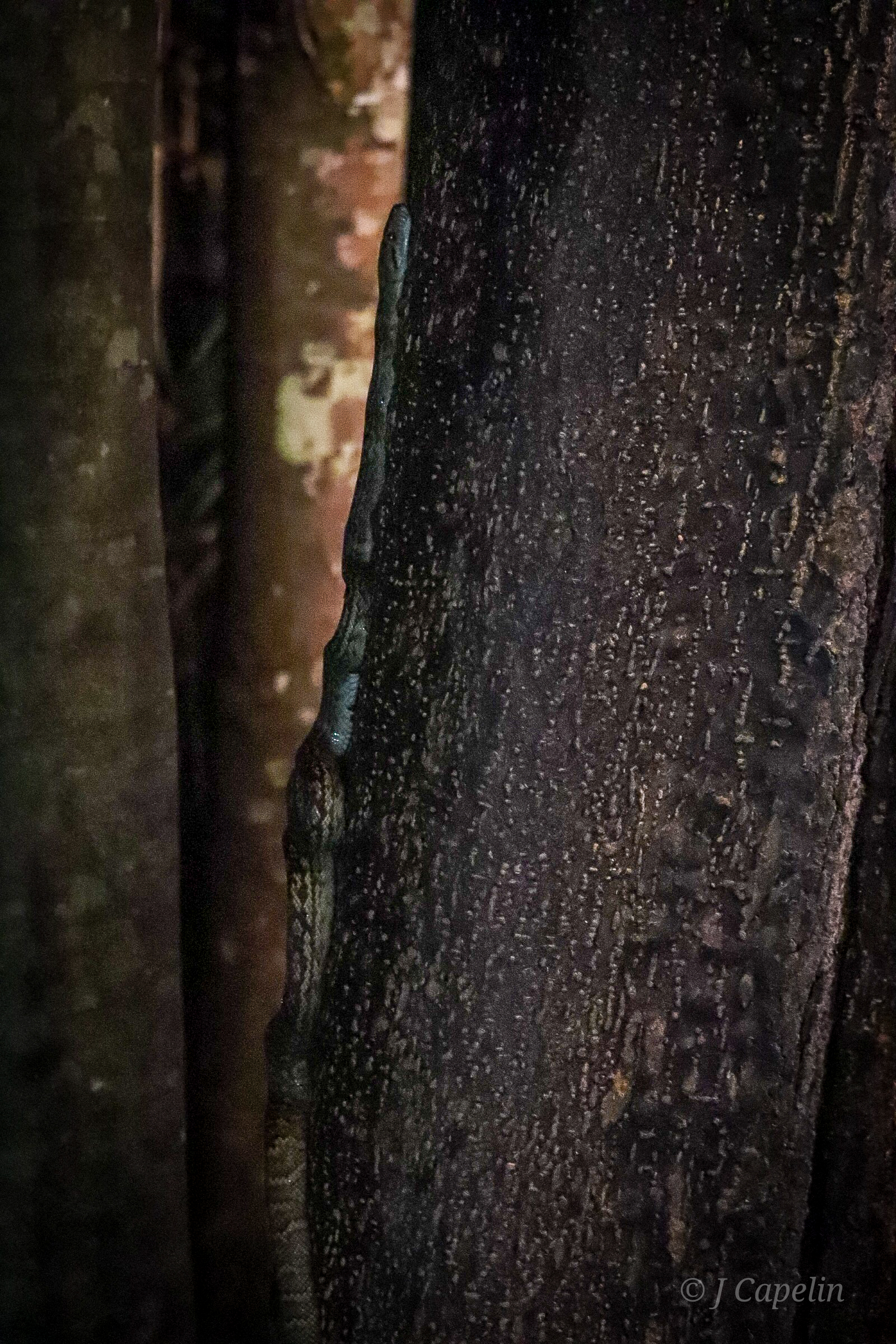
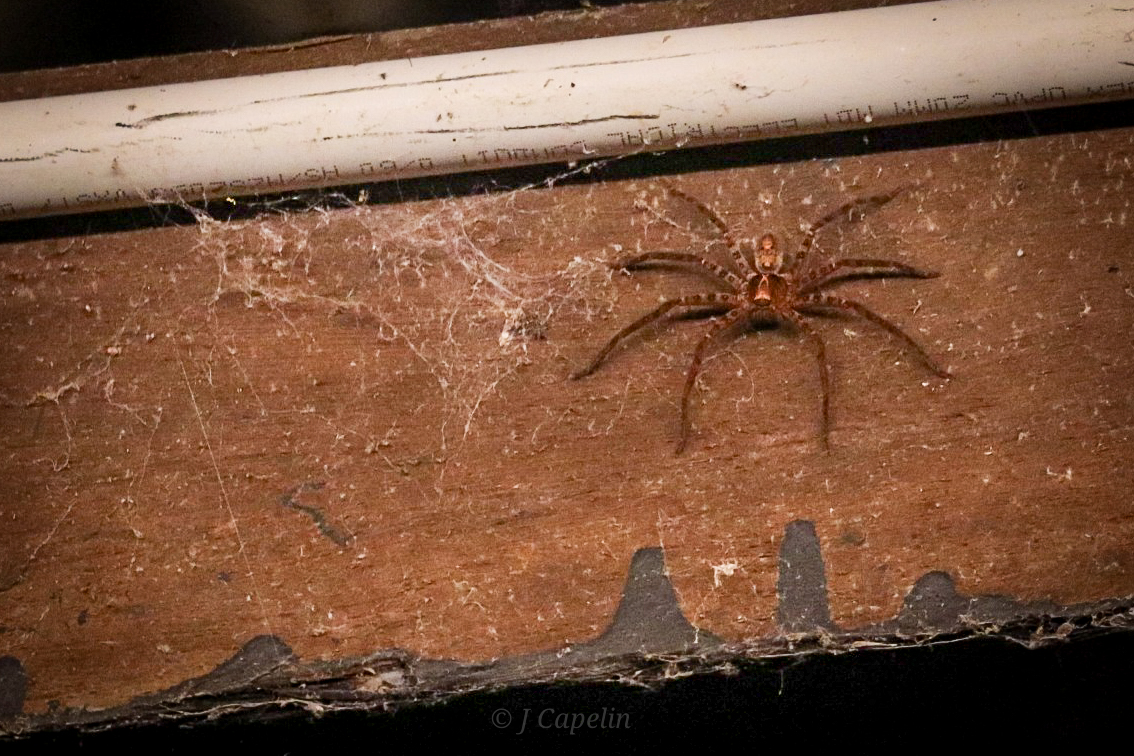
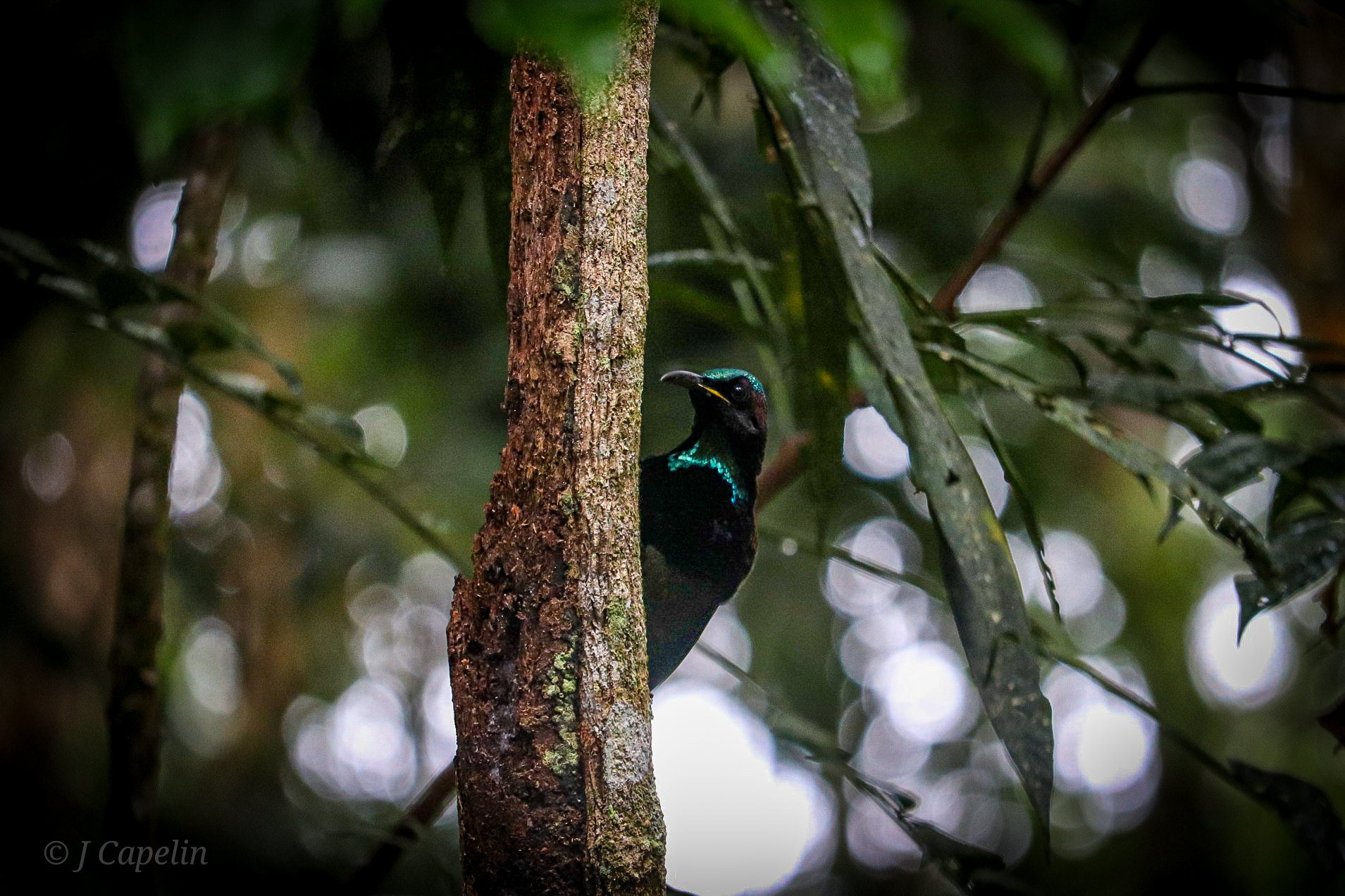
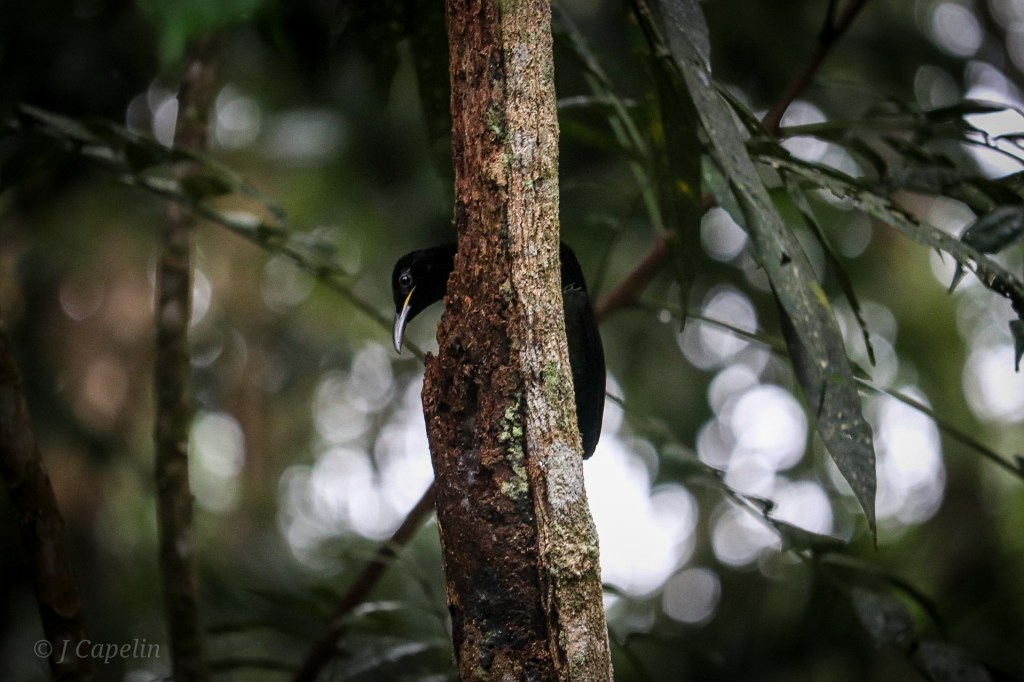
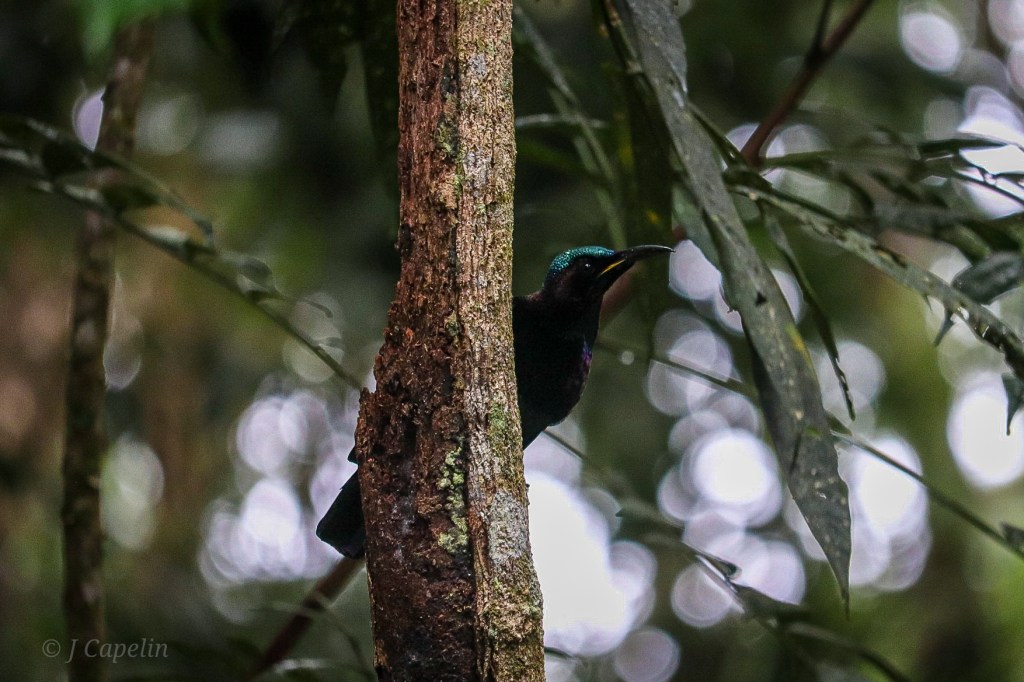
Waking up to a sound collage of bellbirds and whipbirds echoing through the patter of rain in the trees, I spent the morning on the deck, as Rifle Birds, Catbirds and Lewin’s Honey Eaters came to steal some of my apple.
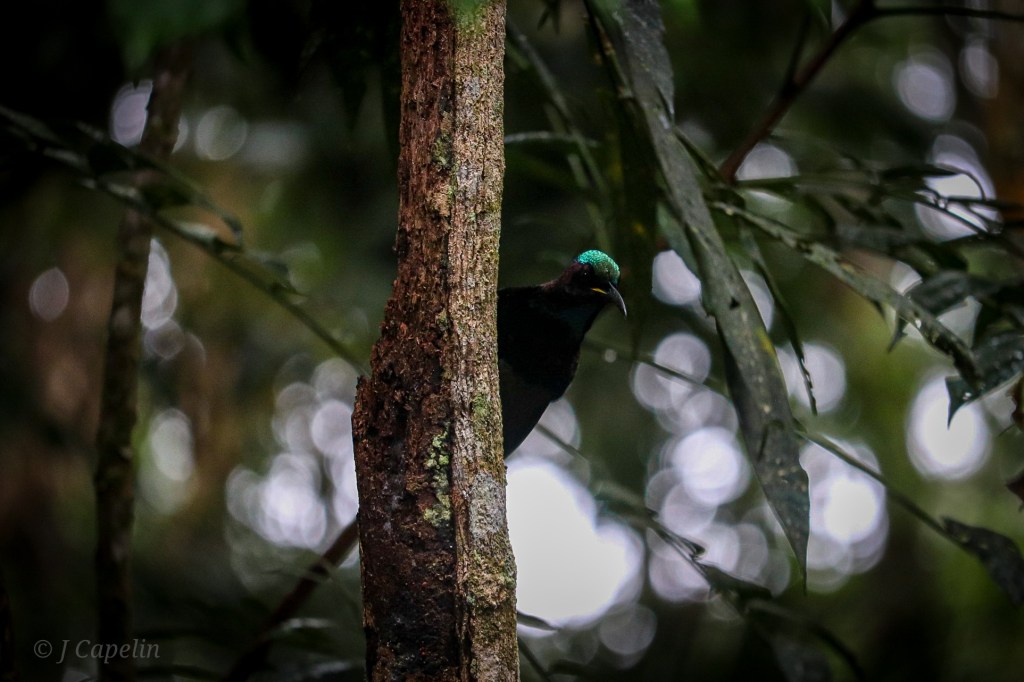
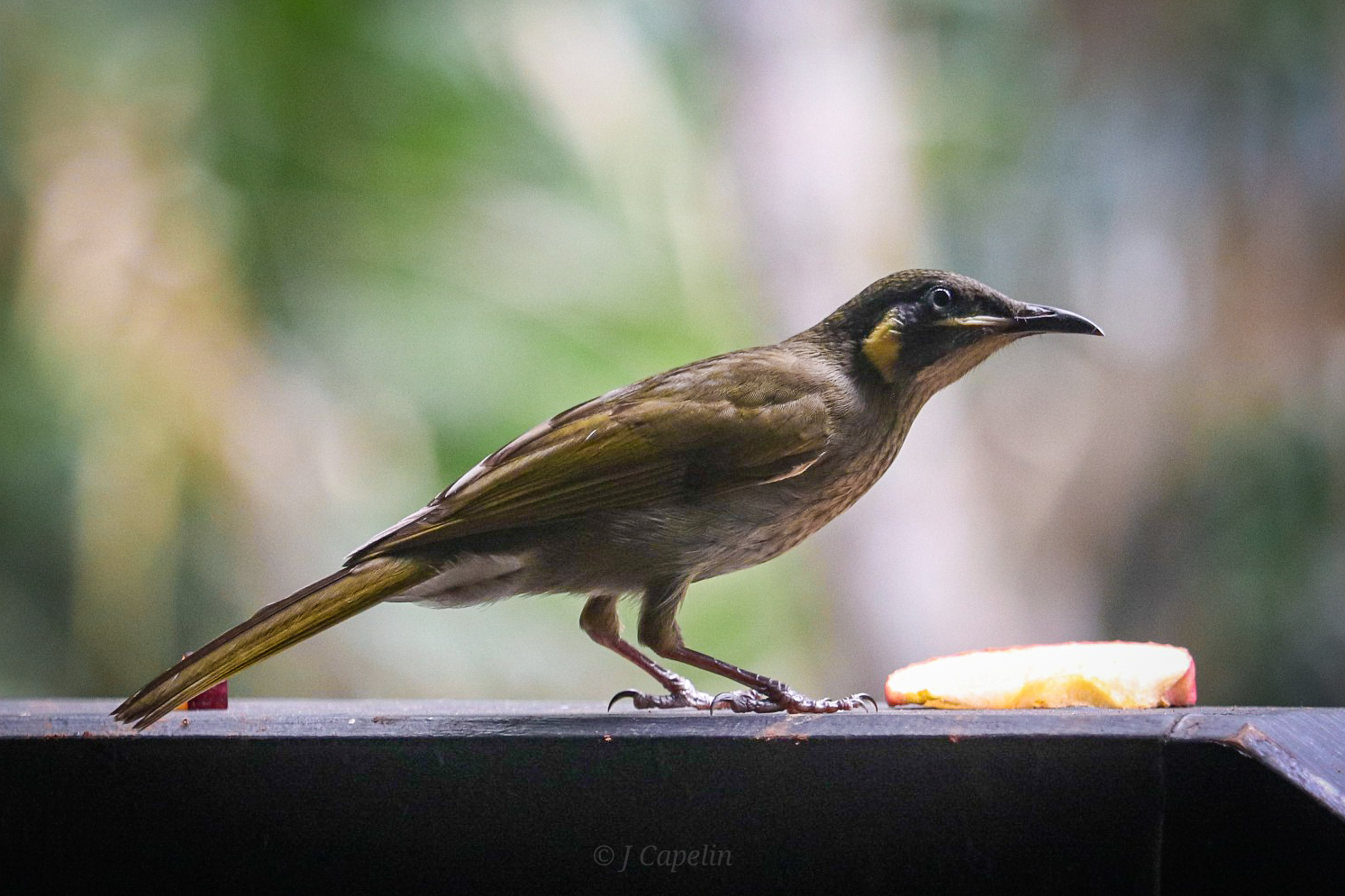
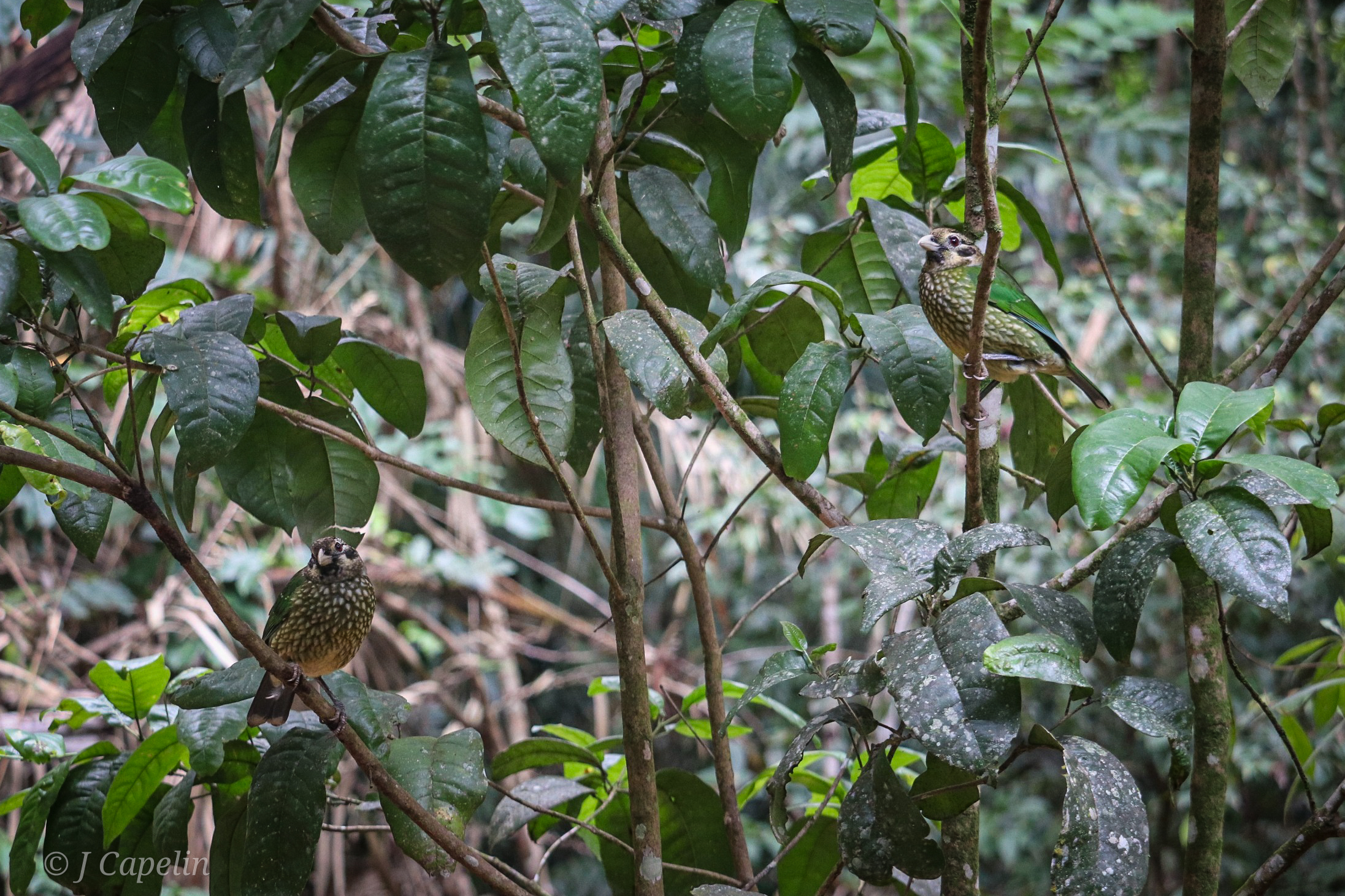
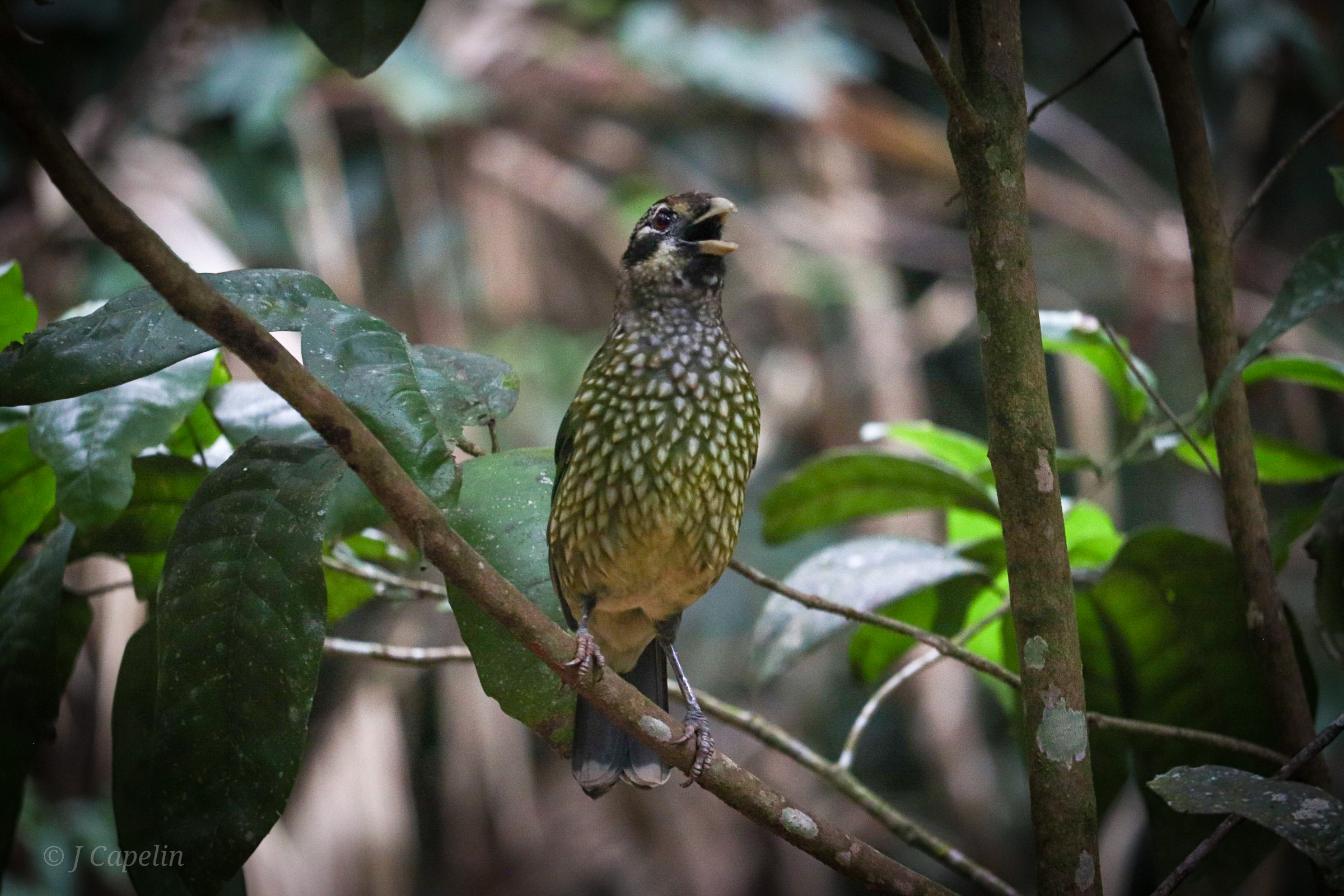
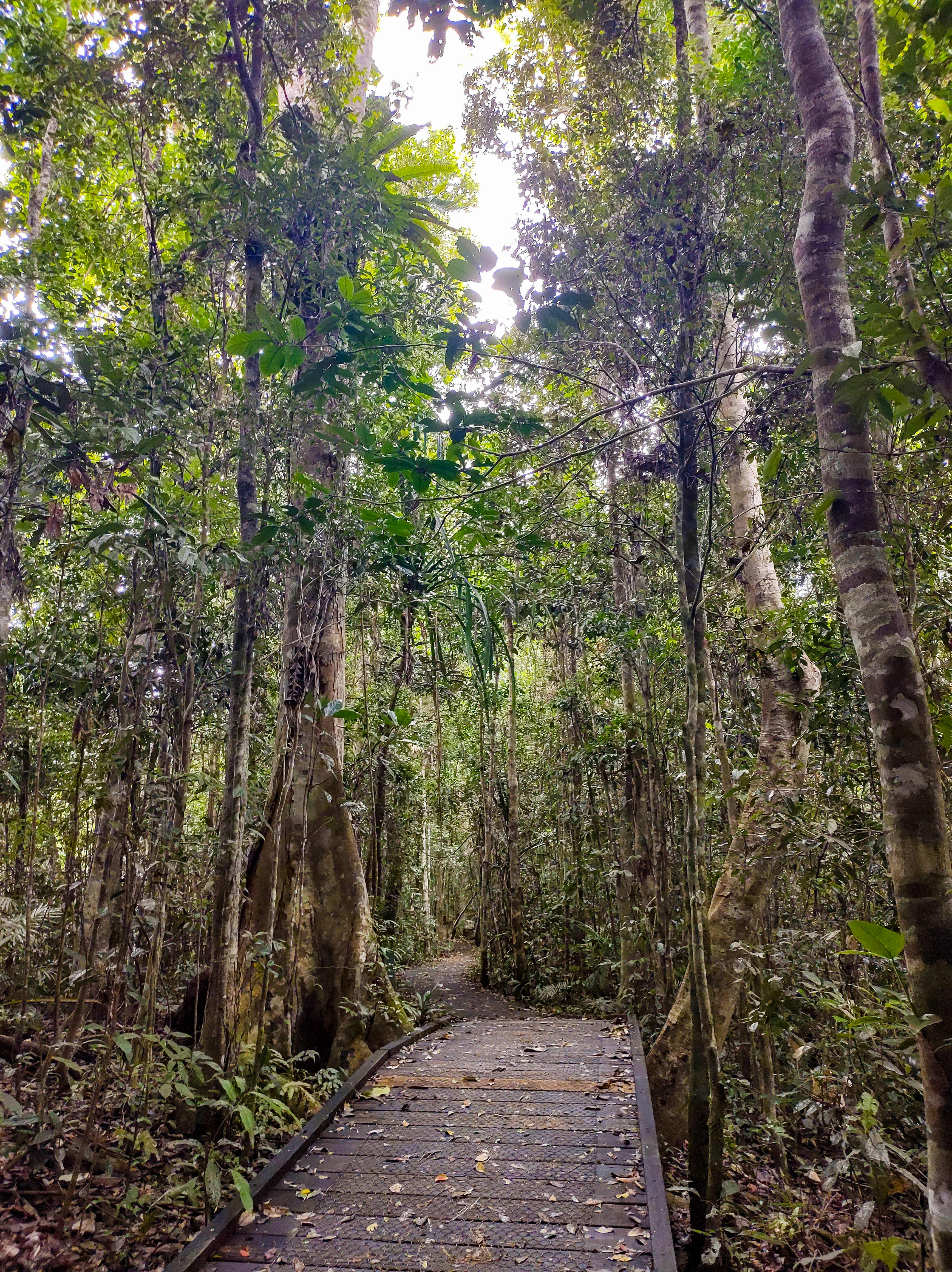
From the Rainforest Lodges, there was a walking circuit along the border of Crater Lakes National Park, which led down to the creek where platypus live, and through the dense rainforest. We only managed half the walk before the leeches found their way onto our socks!
Yungaburra
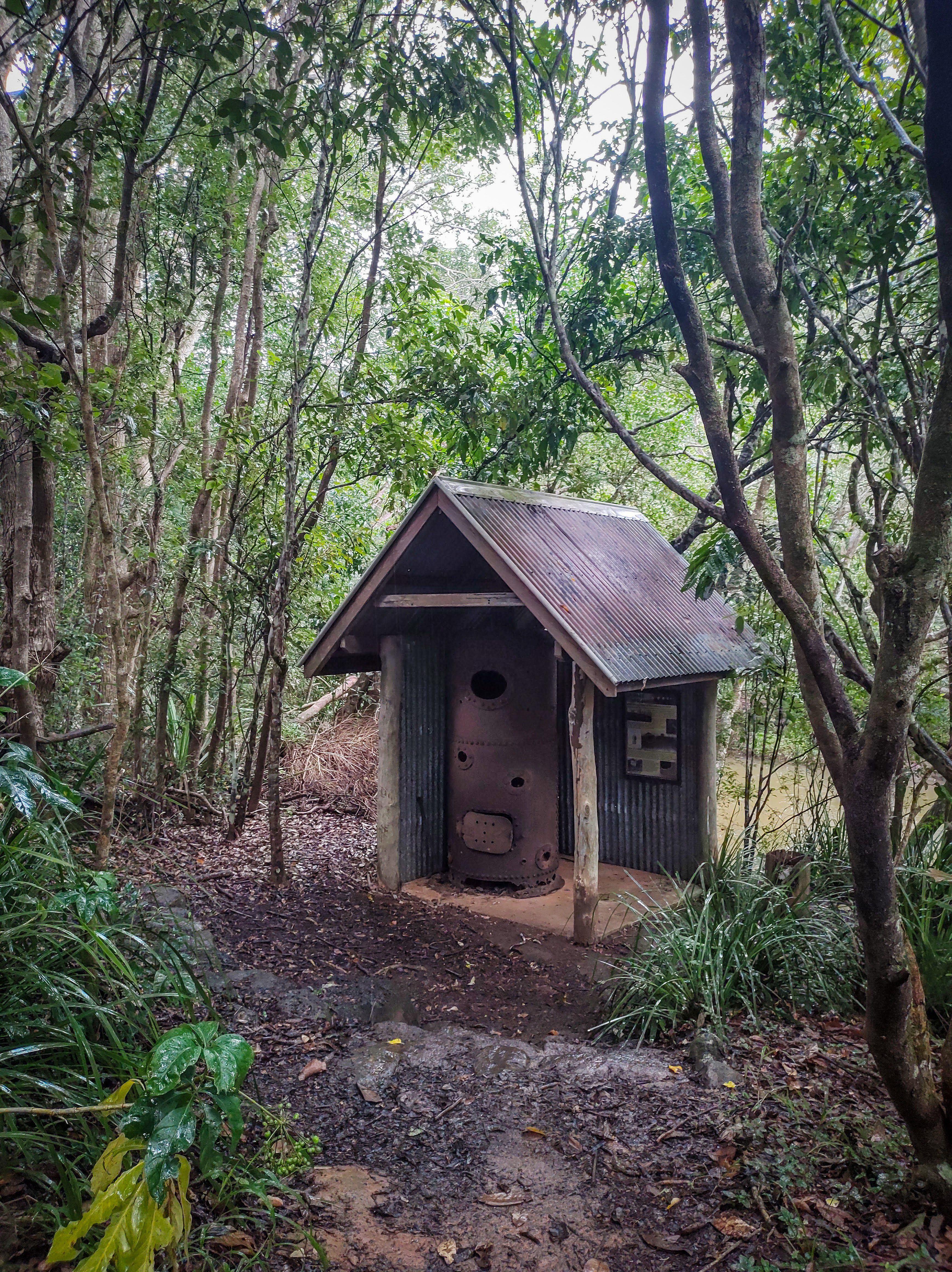
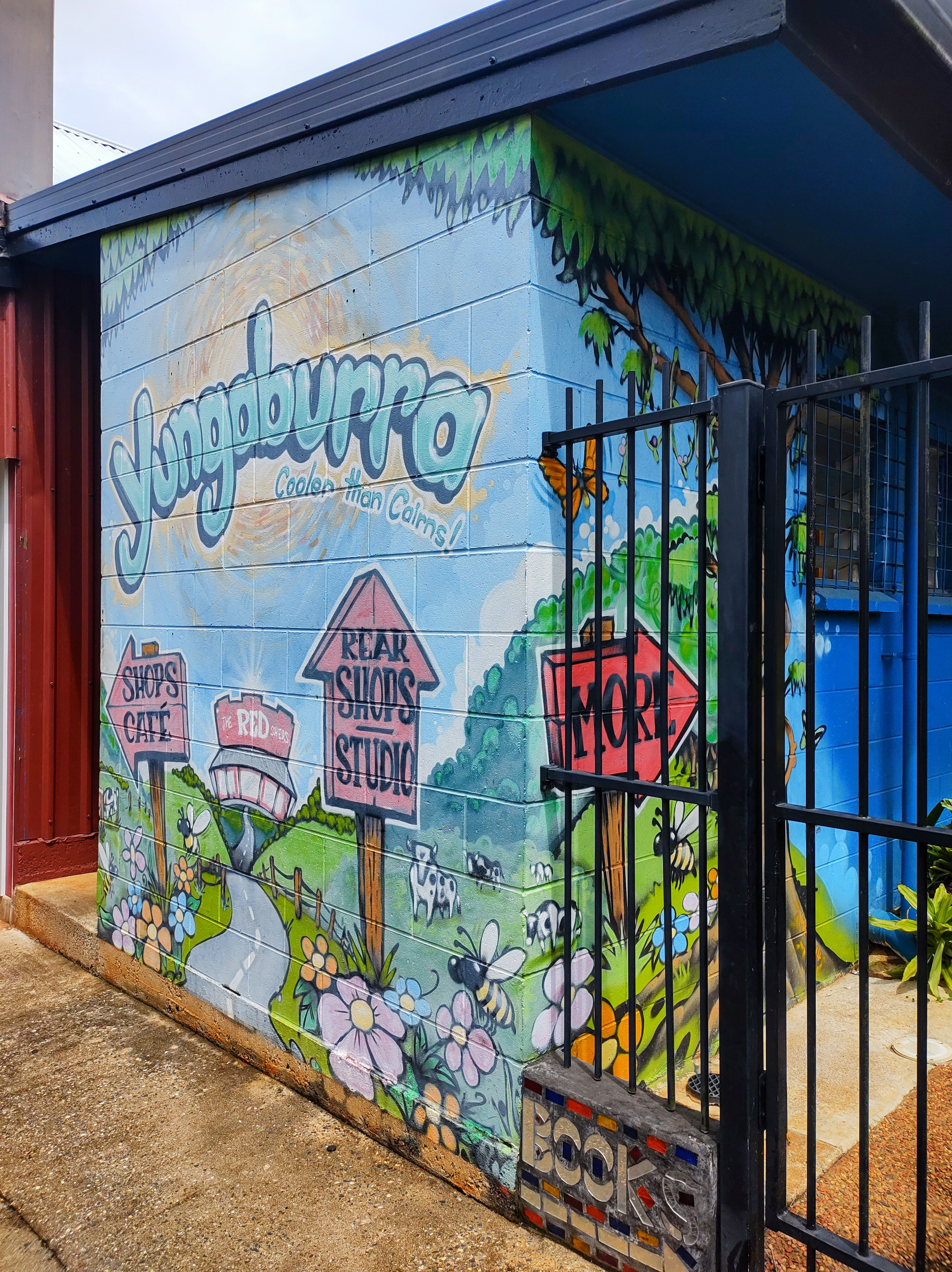
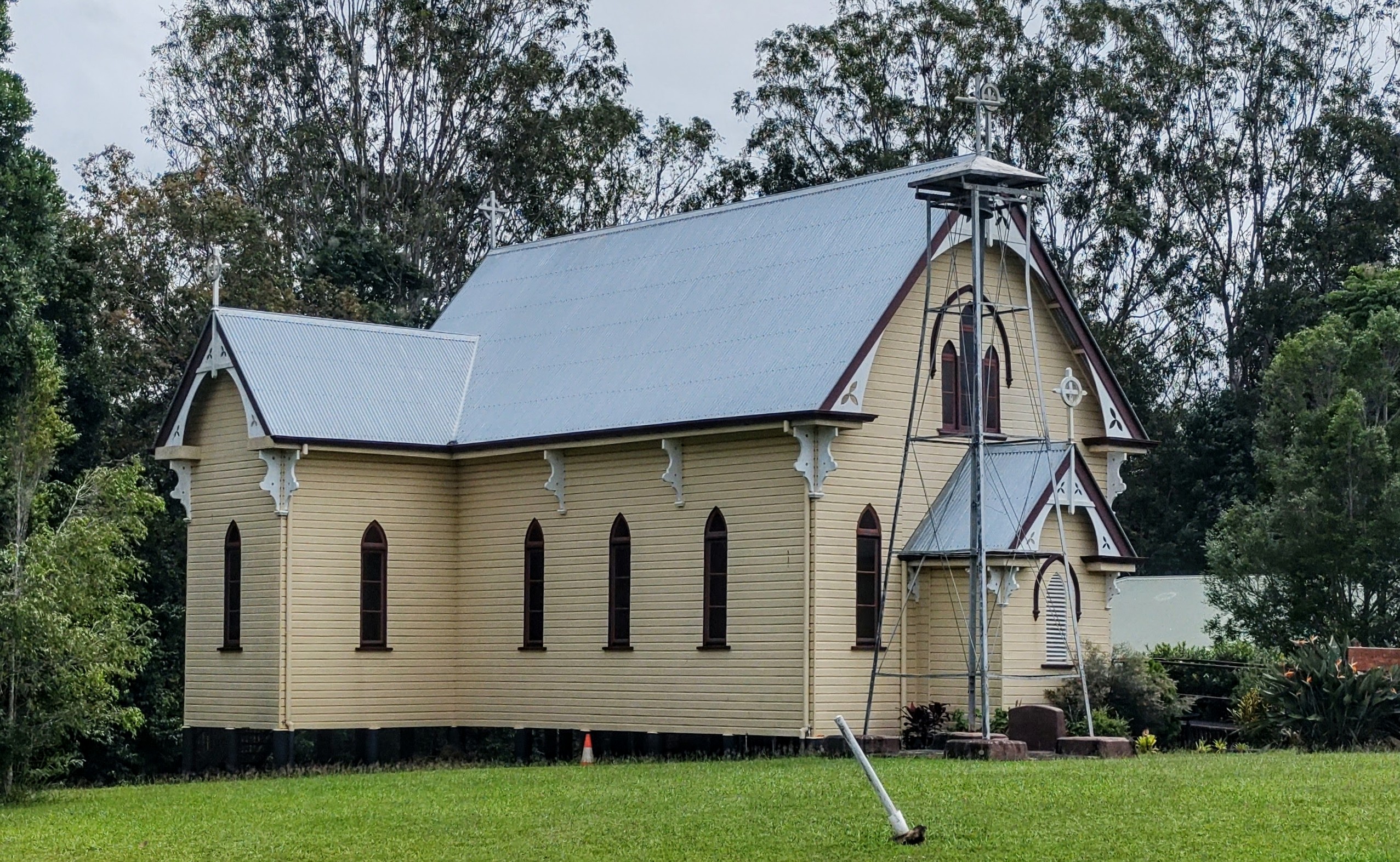
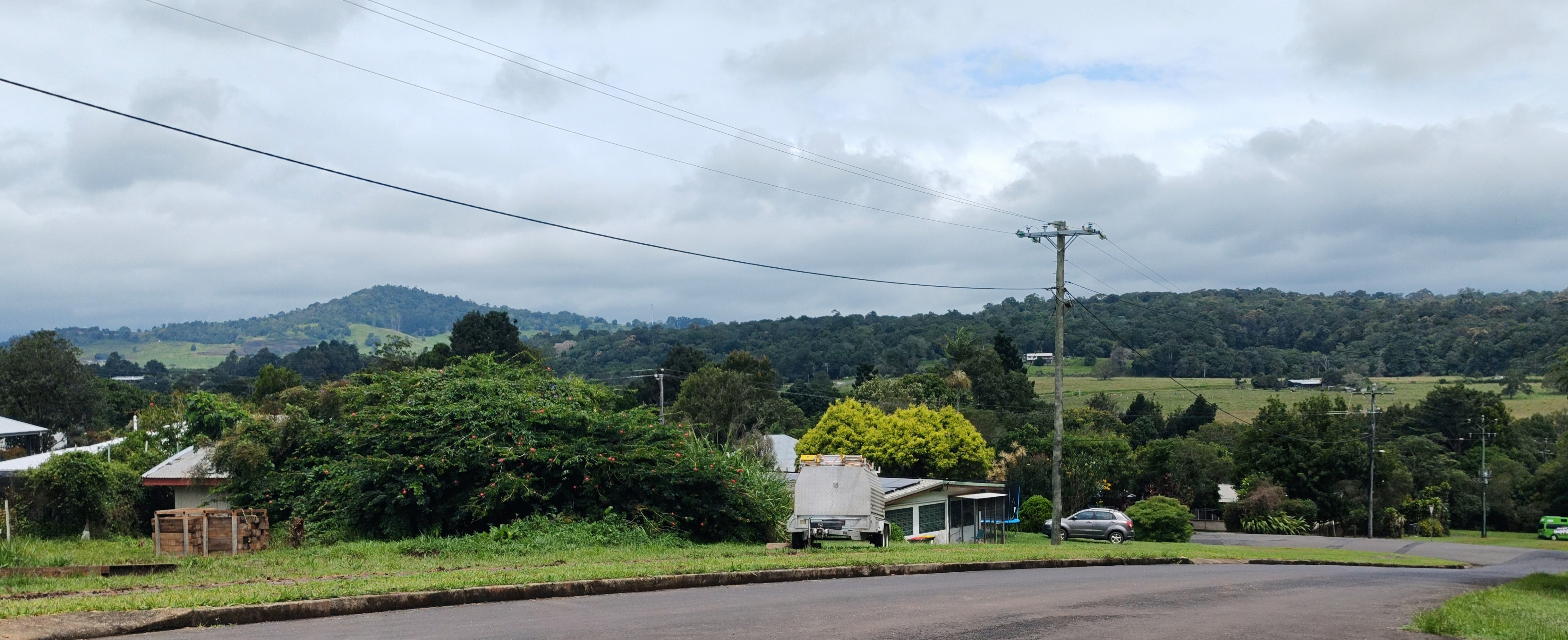
The tranquil little village of Yungaburra is known as the heart of the Tablelands, with its heritage late 1800s – early 1900s shopfronts and churches. We spent a serene, rainy morning walking along Peterson Creek, which runs along the edge of the village, through a pocket of native Mabi rainforest; an endangered ecosystem that can only be found in the Atherton Tablelands. Keeping our eyes peeled for the illusive platypus as the rain gently tattooed the surface the of the water, while birds watched us from between the leaves.
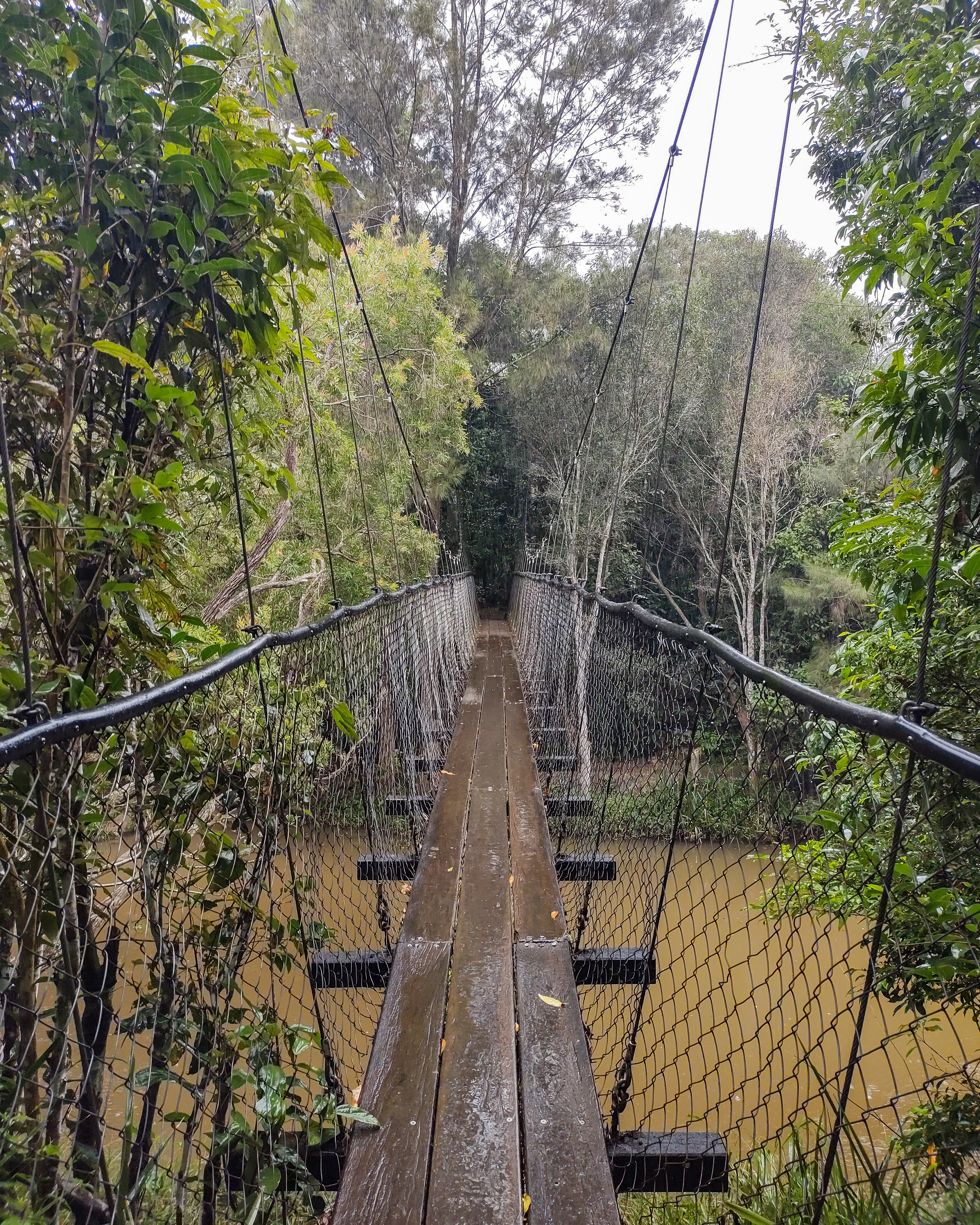
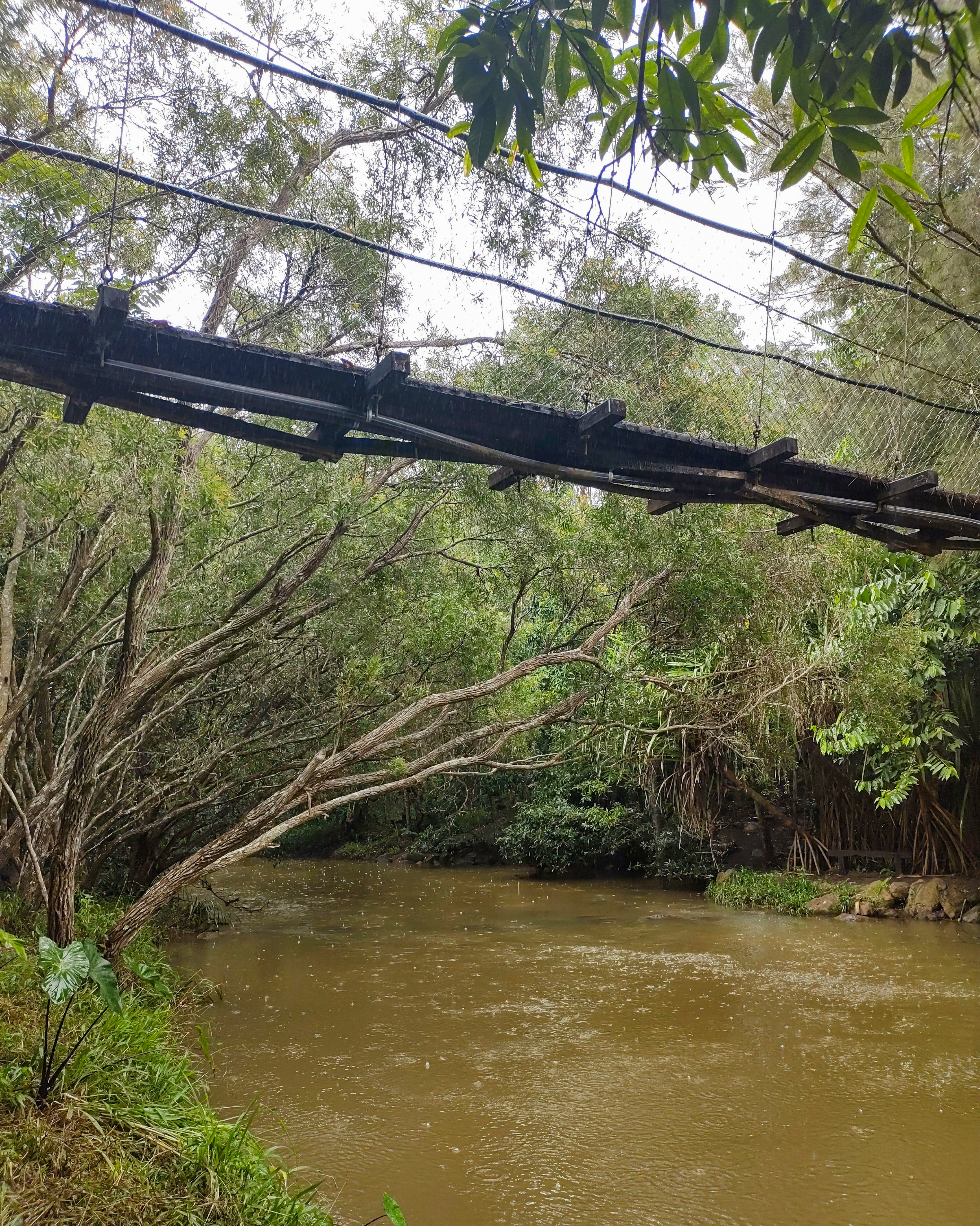
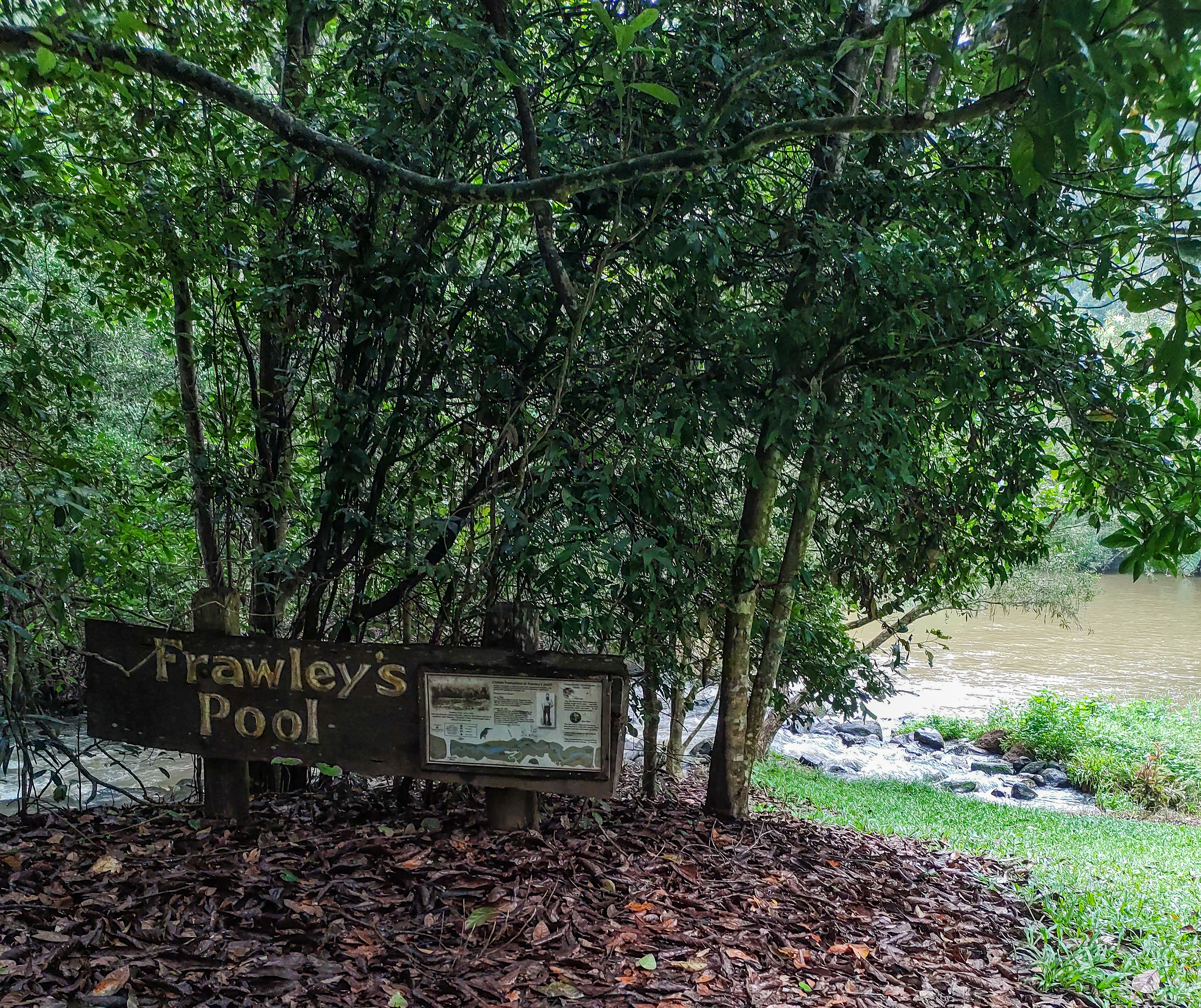
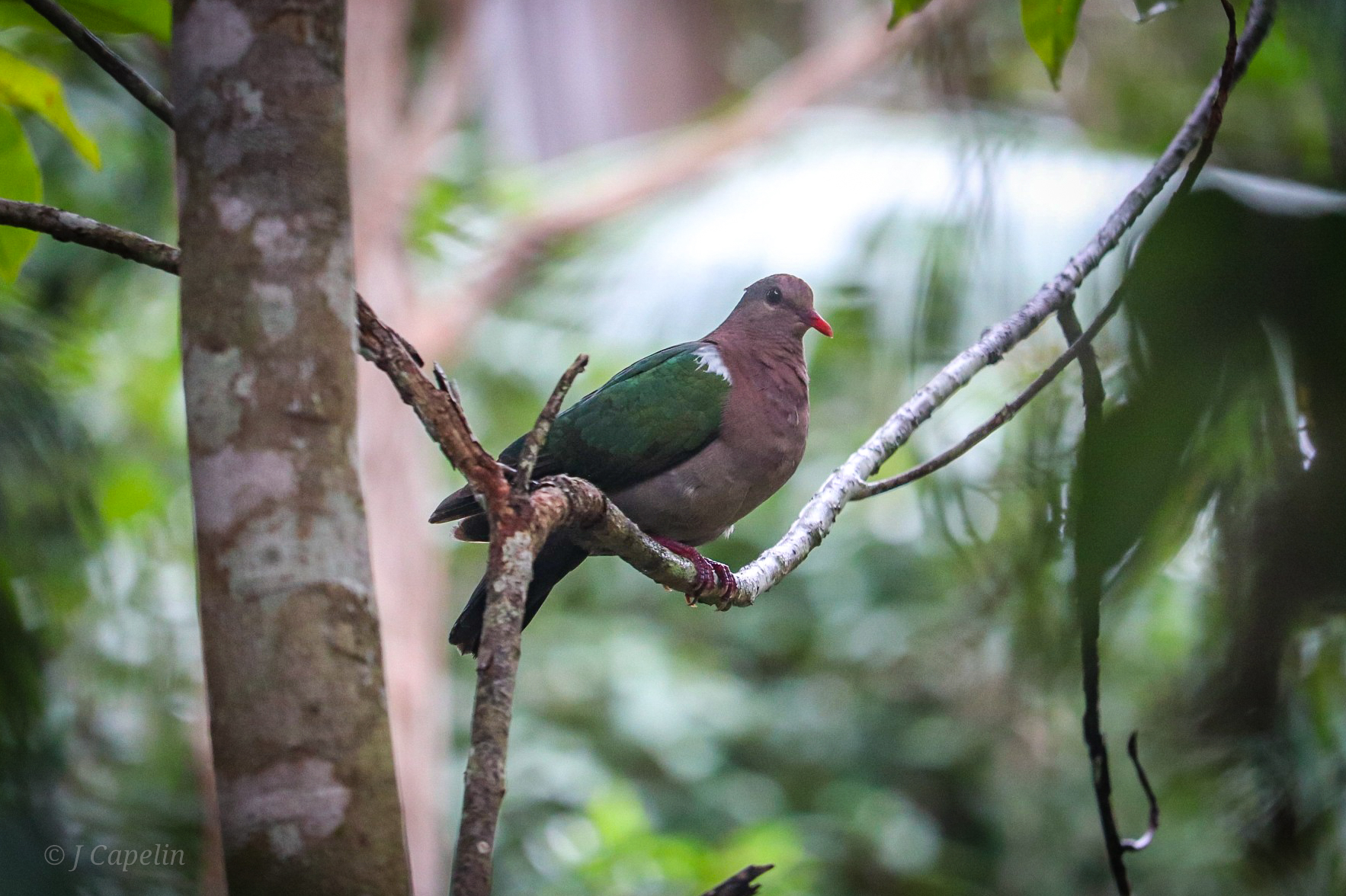
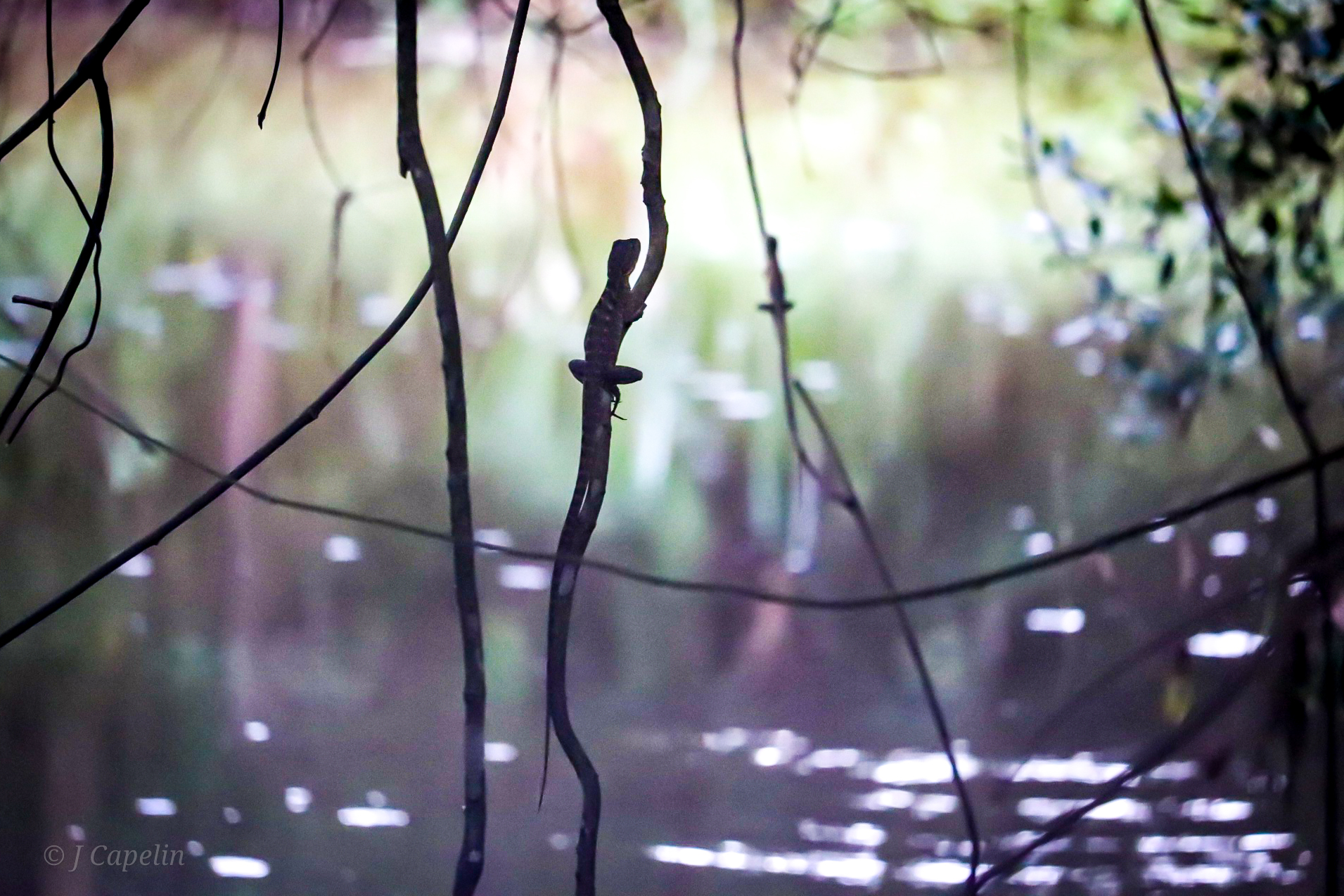
There is a platypus viewing platform further downstream, which takes you under the road bridge for a closer glimpse at the water, but we weren’t lucky there either. There were baby water dragons dangling from tree vines over the creek here, which I’ve never seen before!
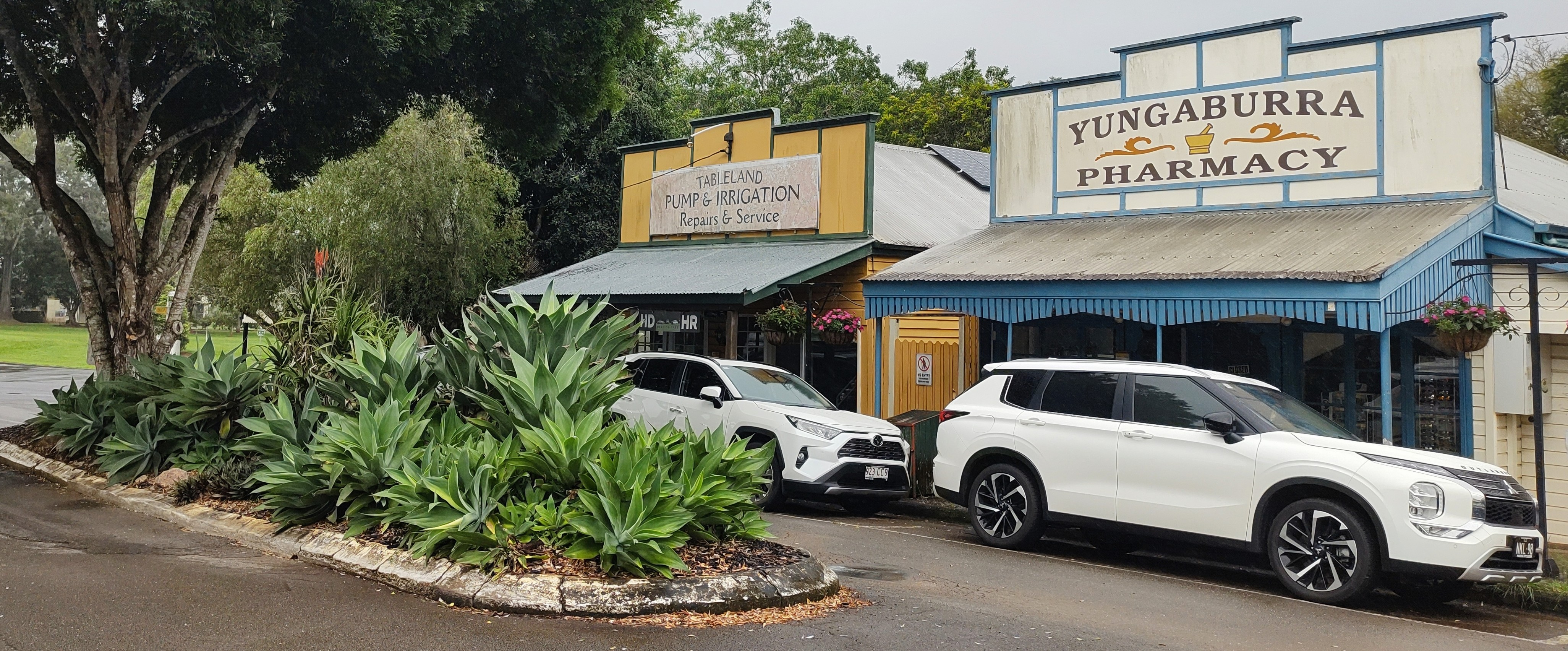
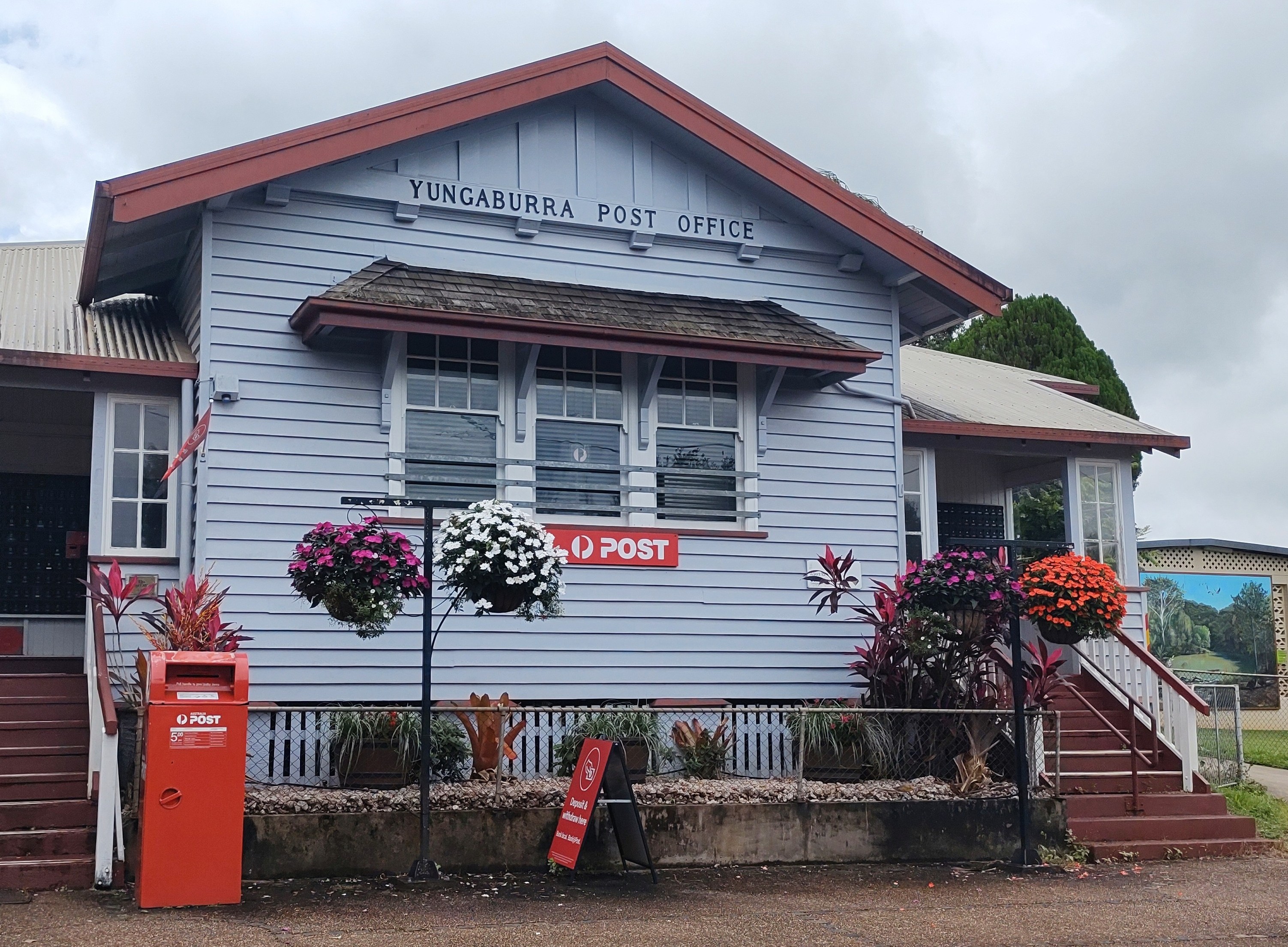
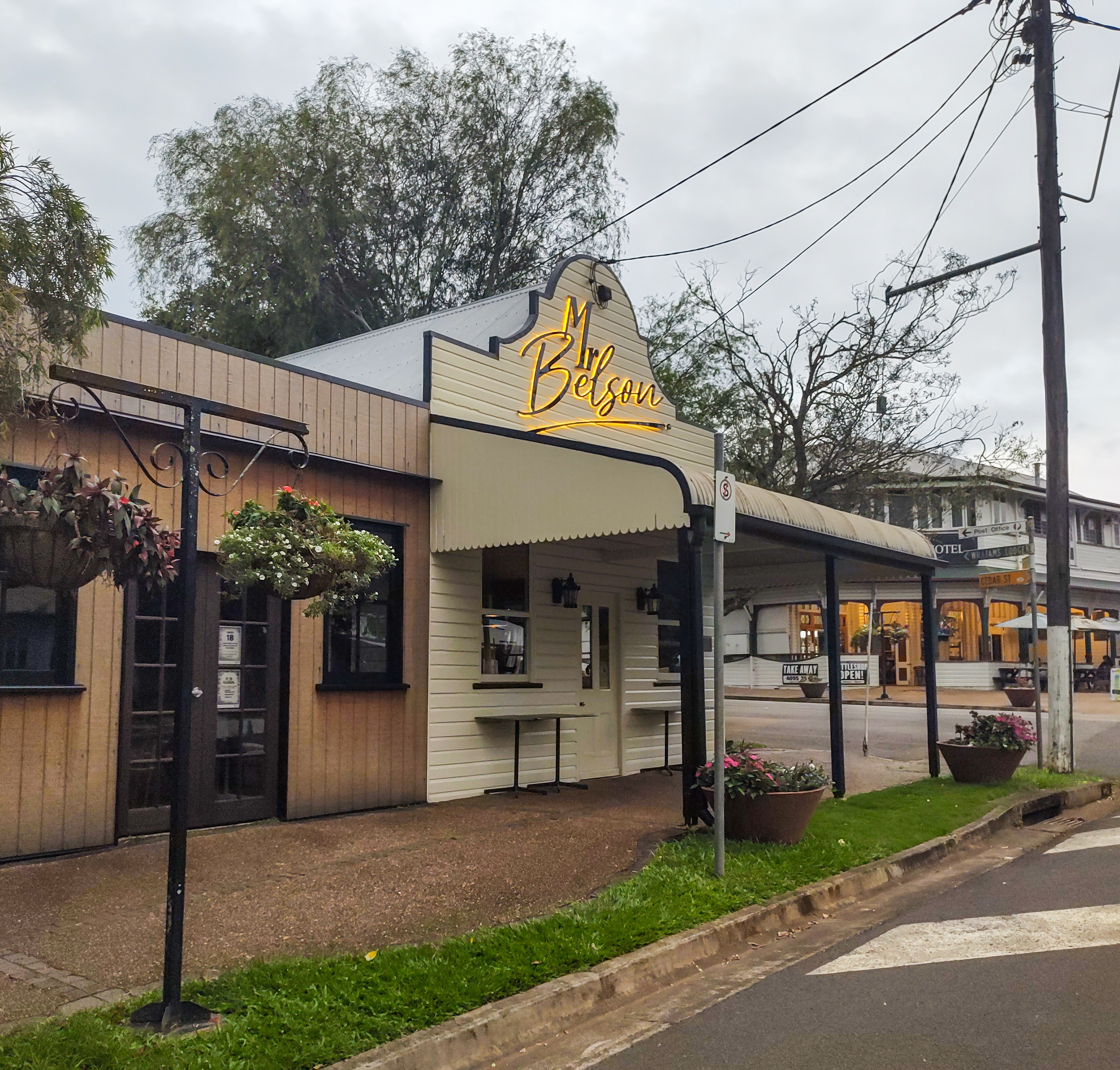
The streets of Yungaburra village were lined with flower-filled hanging baskets and native plants, bringing so much colour to the grey weather, and attracting big Ulyses Butterflies with their bright azure wings. Little boutique shops welcomed us in for a mosey, with local art on display and handcrafted things, and while the dark sky continued to drizzle outside, we enjoyed a cosy brunch in the café on the corner – ‘Mr. Belson,’ which was originally the old bank, built in 1912 by Arthur Herbert Belson.
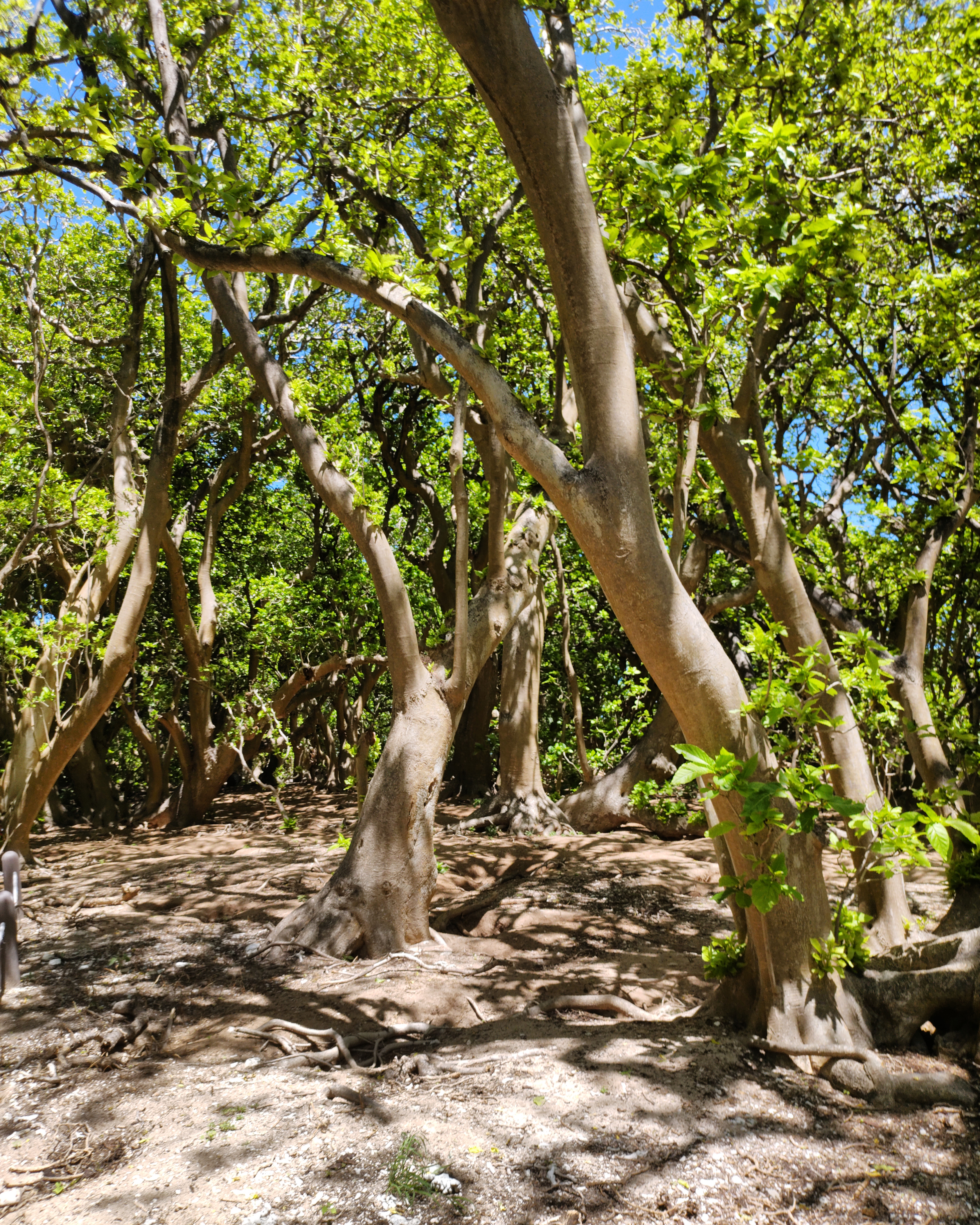
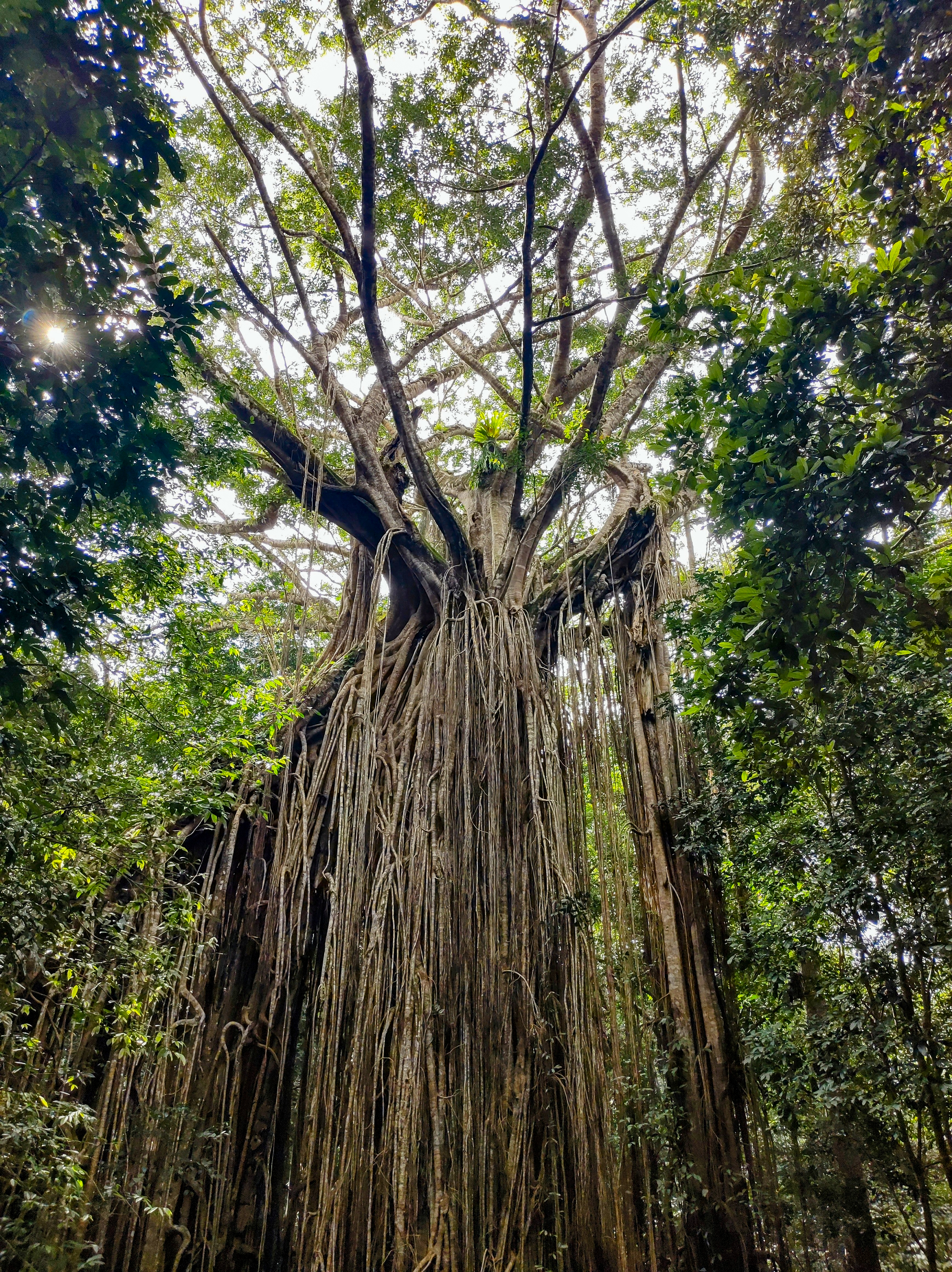
A short drive from Yungaburra village, we found the Curtain Fig Tree. This is just one spectacular example of Australia’s fig trees, which are huge, natural sculptures of the rainforest.
Malanda
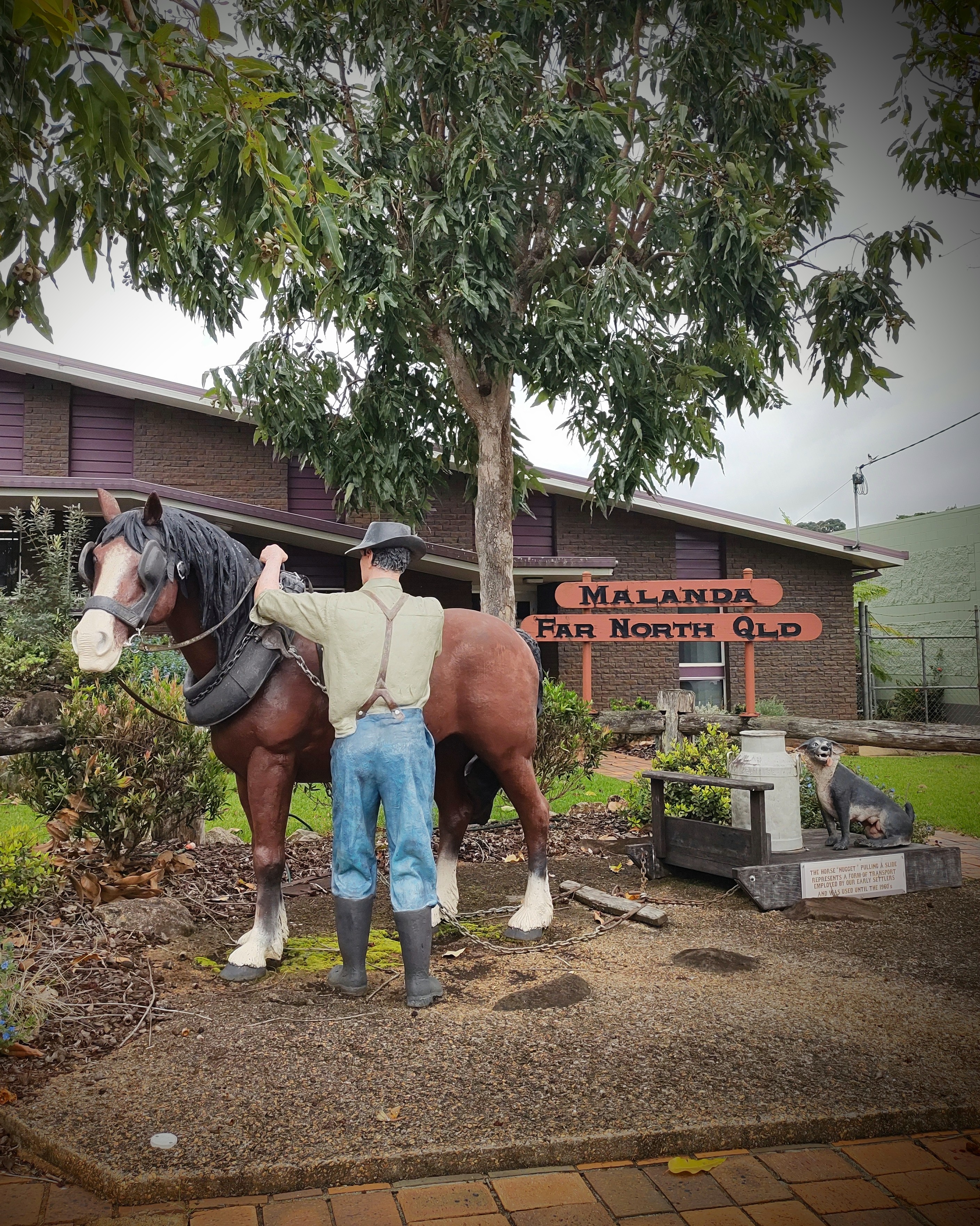
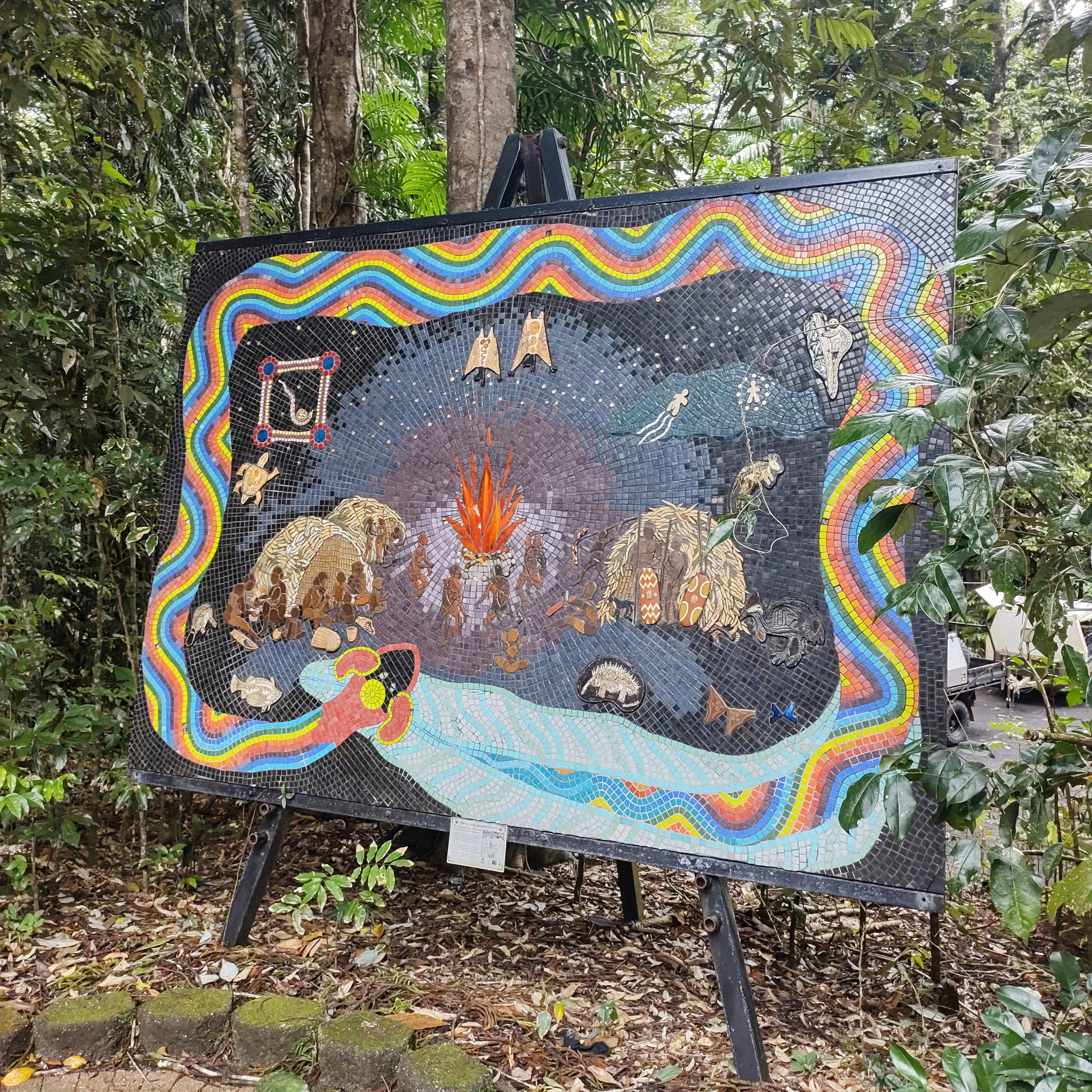
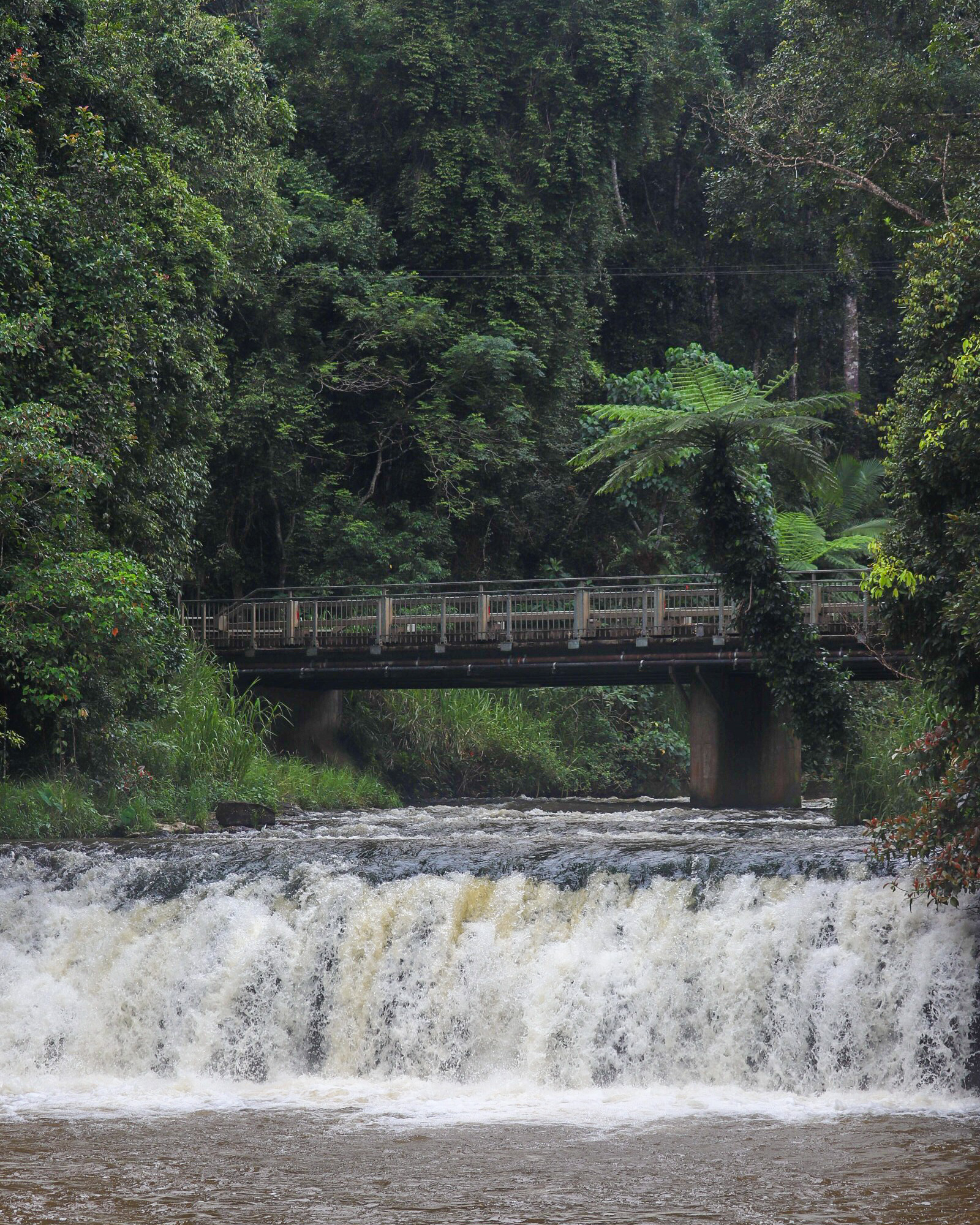
This sleepy little town steeped in natural history and dairy farming, is surrounded by lush rainforest. Malanda Falls pours through the forest, which has local indigenous heritage, and so much wildlife, including the Lumholtz Tree Kangaroo.
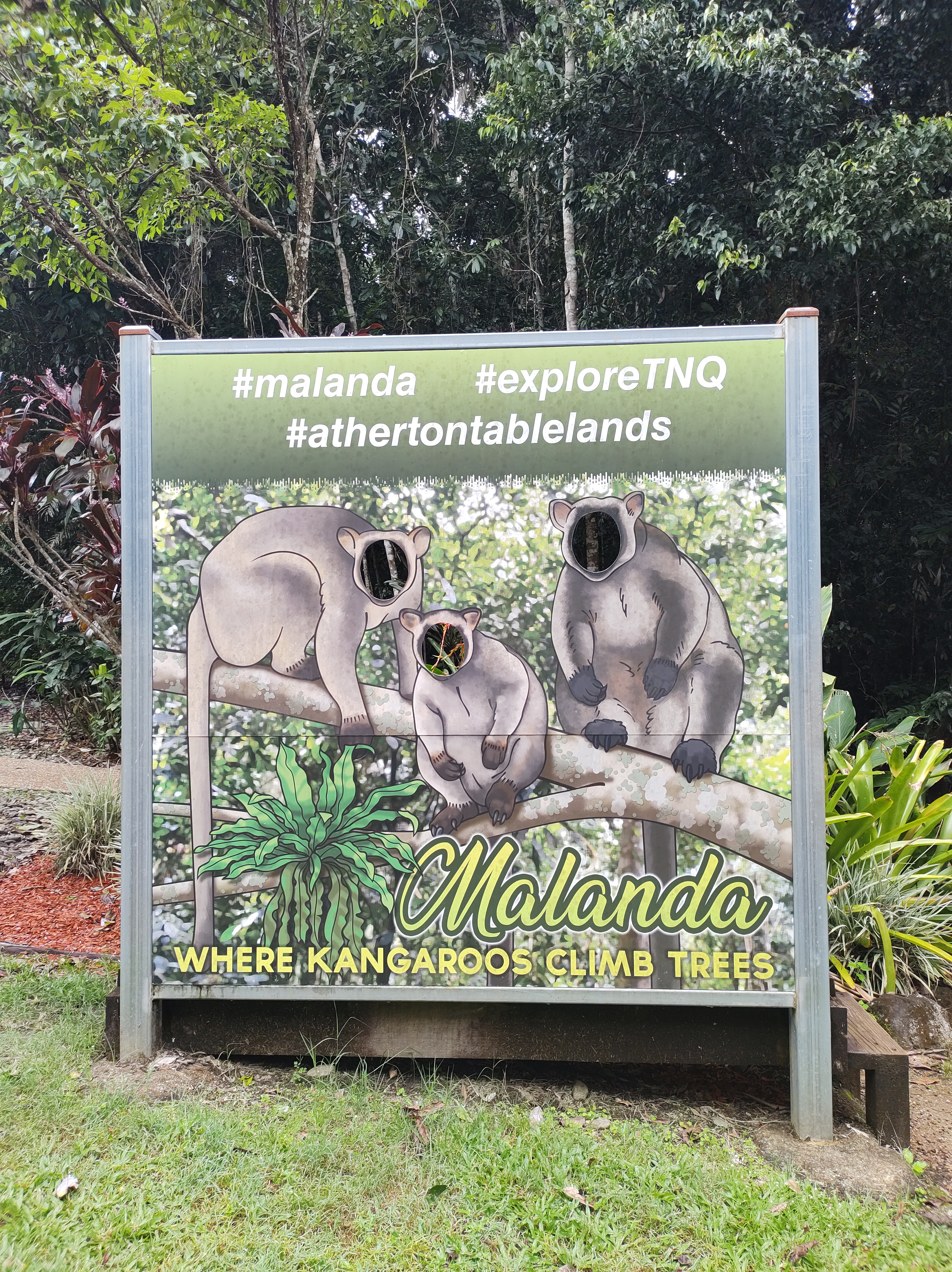
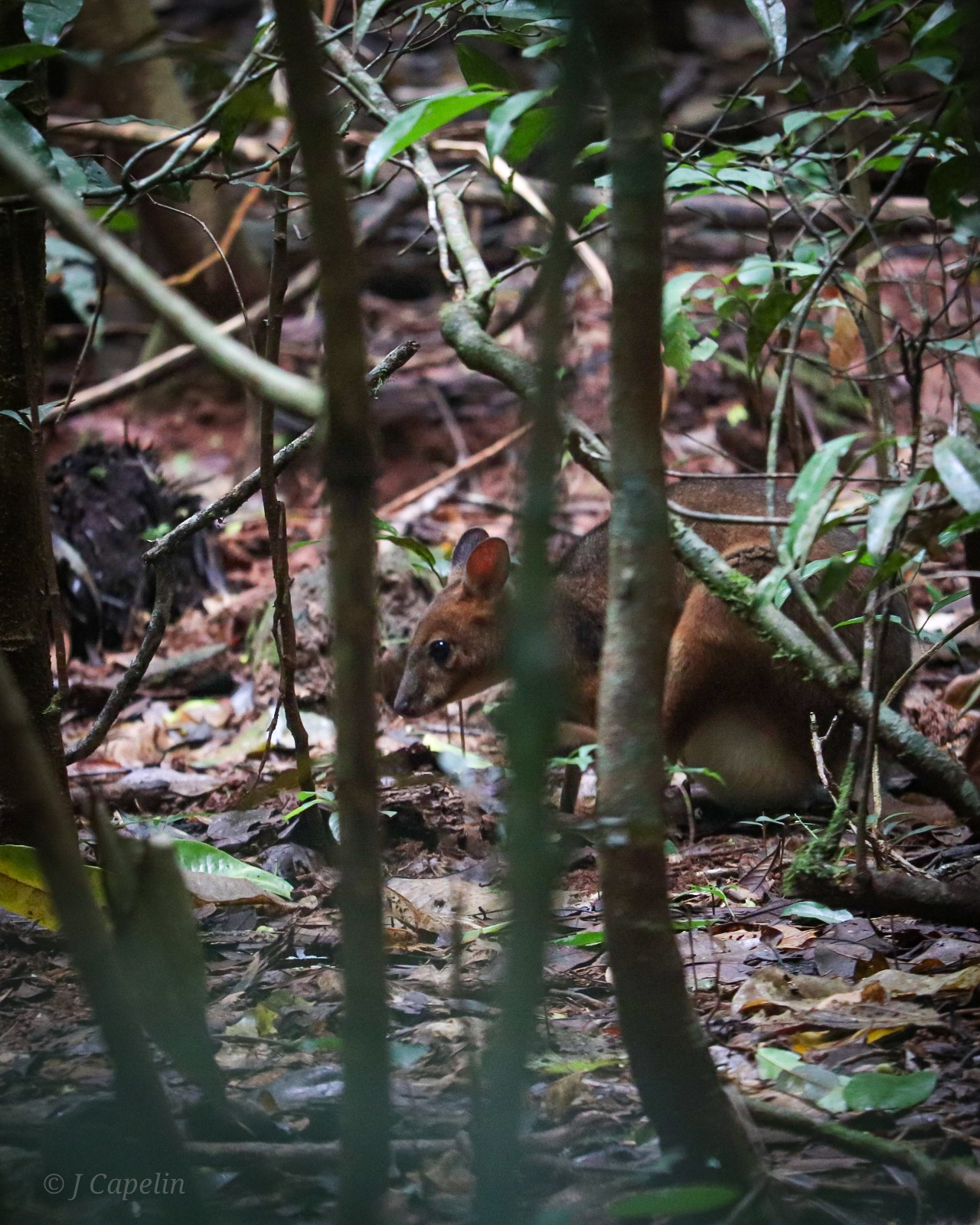
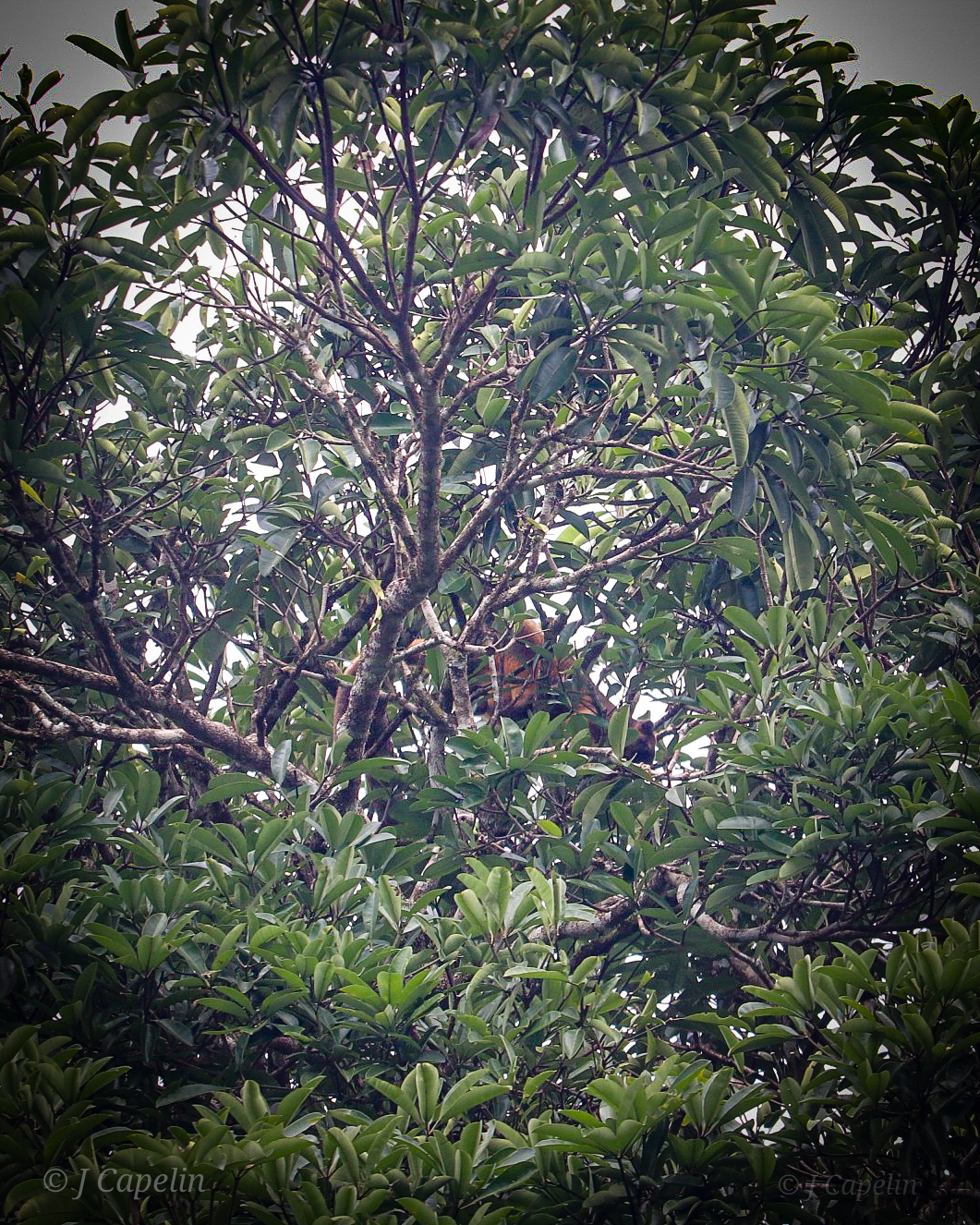
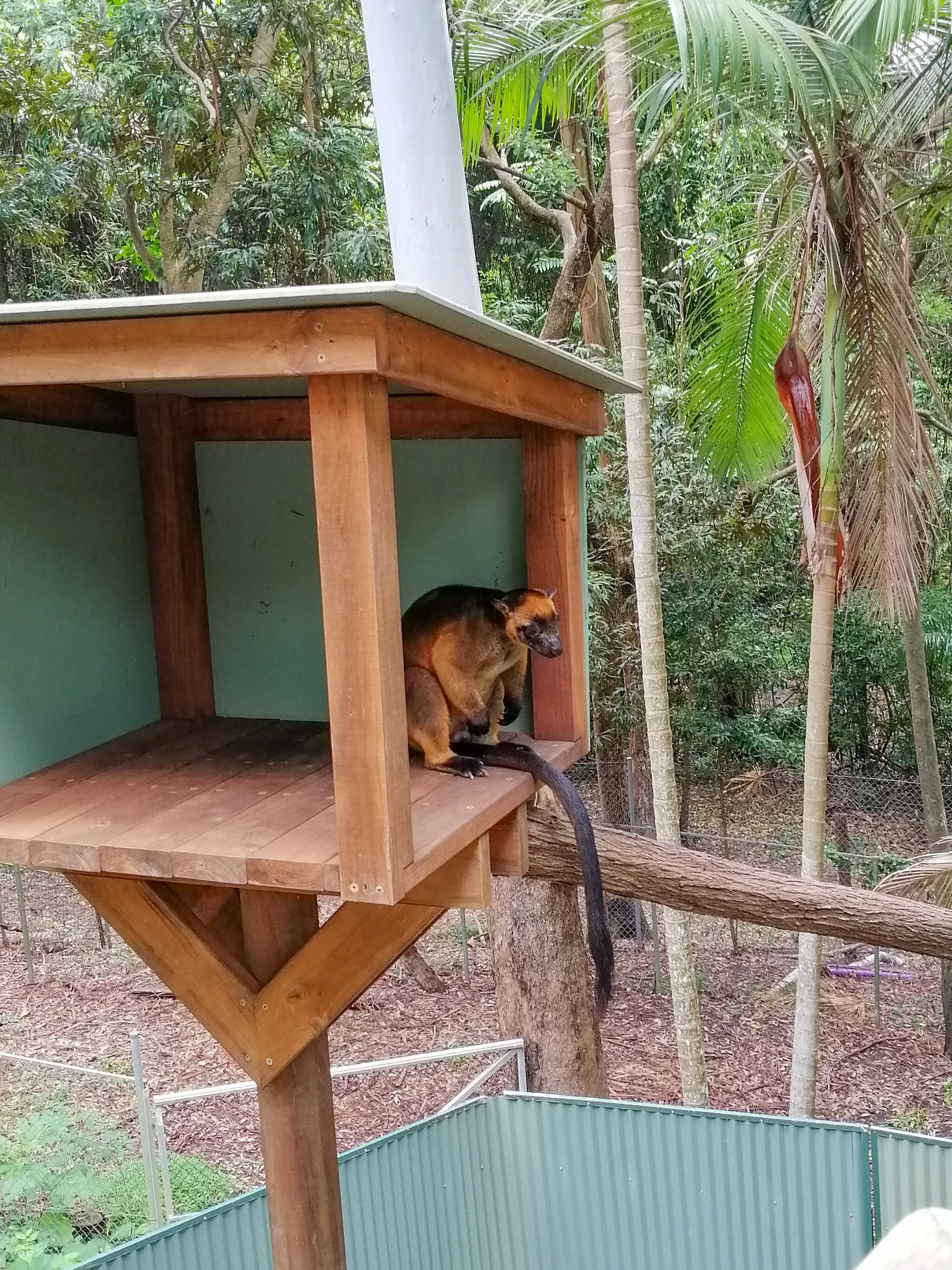
We followed the rainforest trail along the creek and through the trees, glimpsing catbirds and pademelons, but it was difficult to spot anything directly above us in the dense, high canopy. It wasn’t until we got back to the carpark on the other side of the road, we saw a group of people staring up at the edge of the rainforest. Low and behold, well hidden in the branches at the very top of a tree was a Lumholtz Tree Kangaroo!
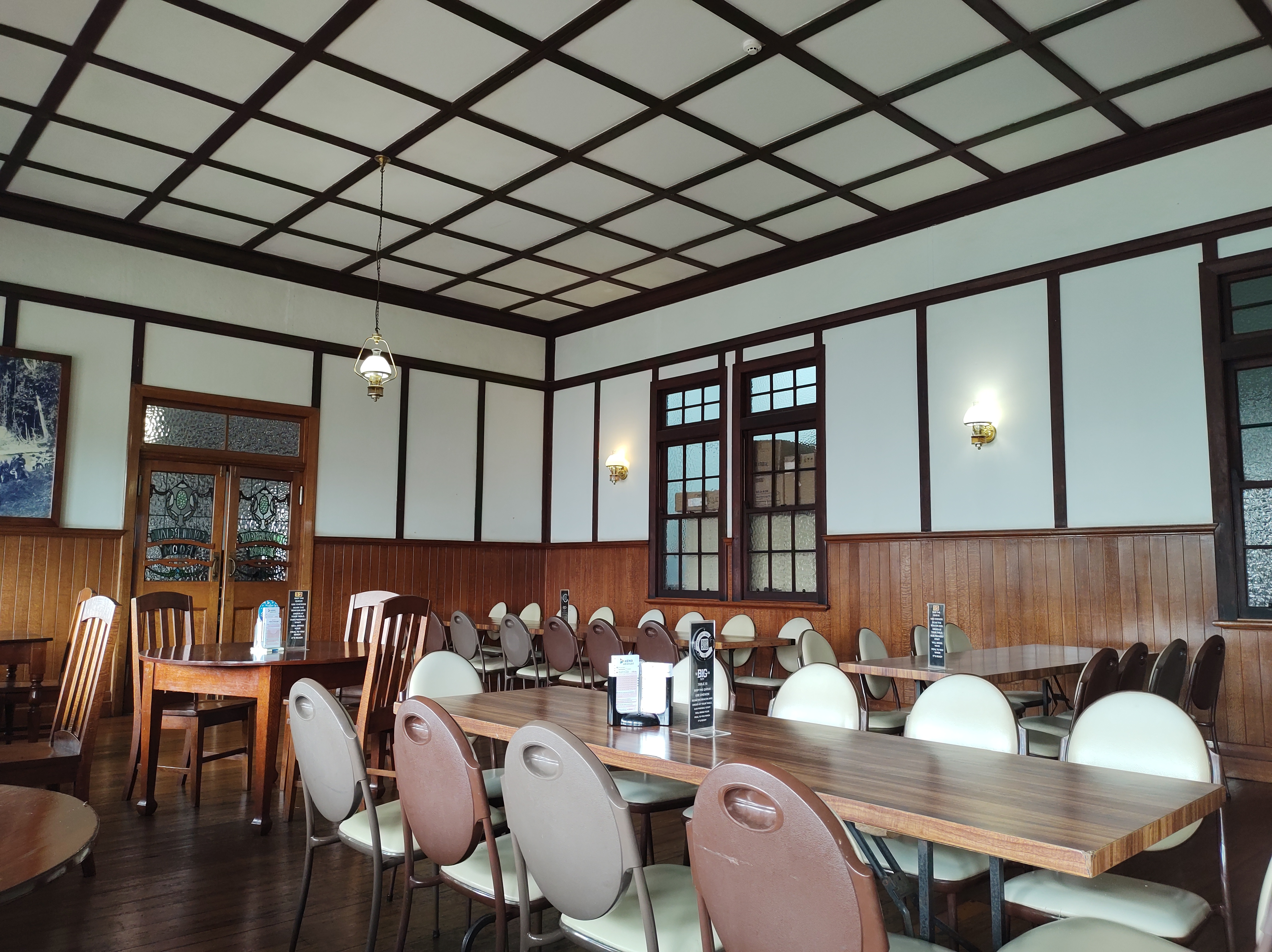
Back in the town, we enjoyed a classic pub lunch in The Big Pub – Australia’s largest wooden hotel, built in 1911 in just six months! The pub is still under the management of the original family, and maintains its original design.
Lake Eacham
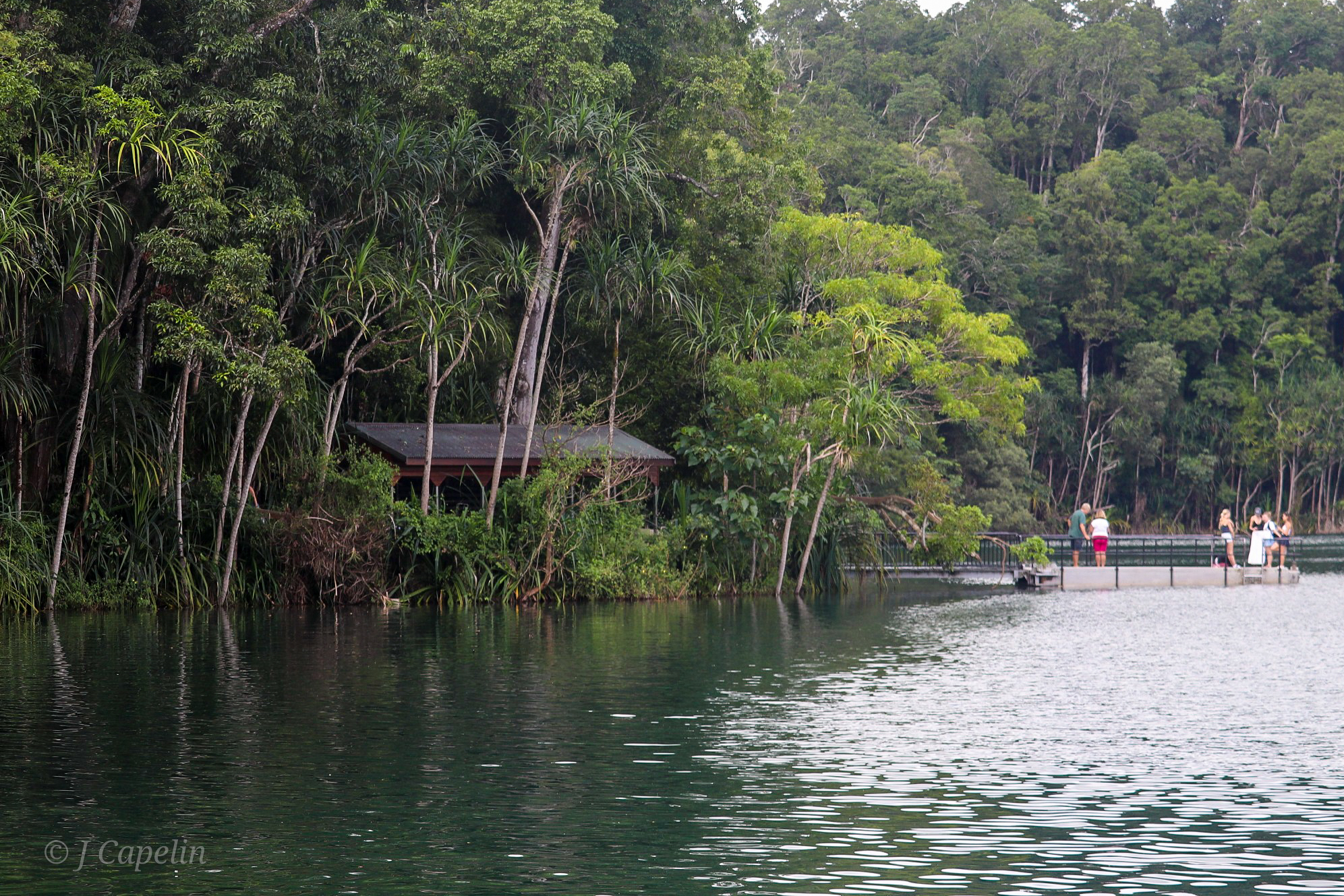
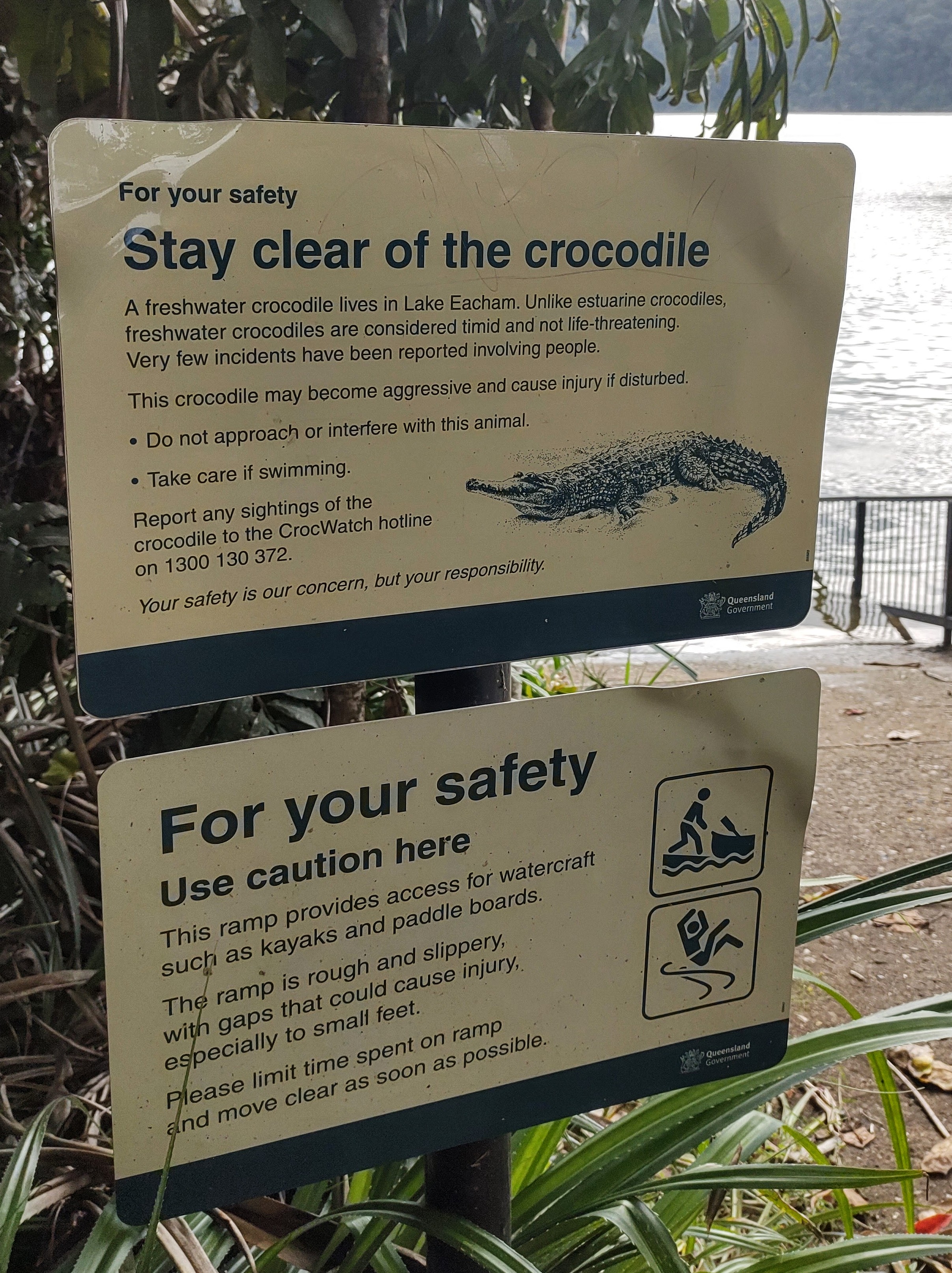
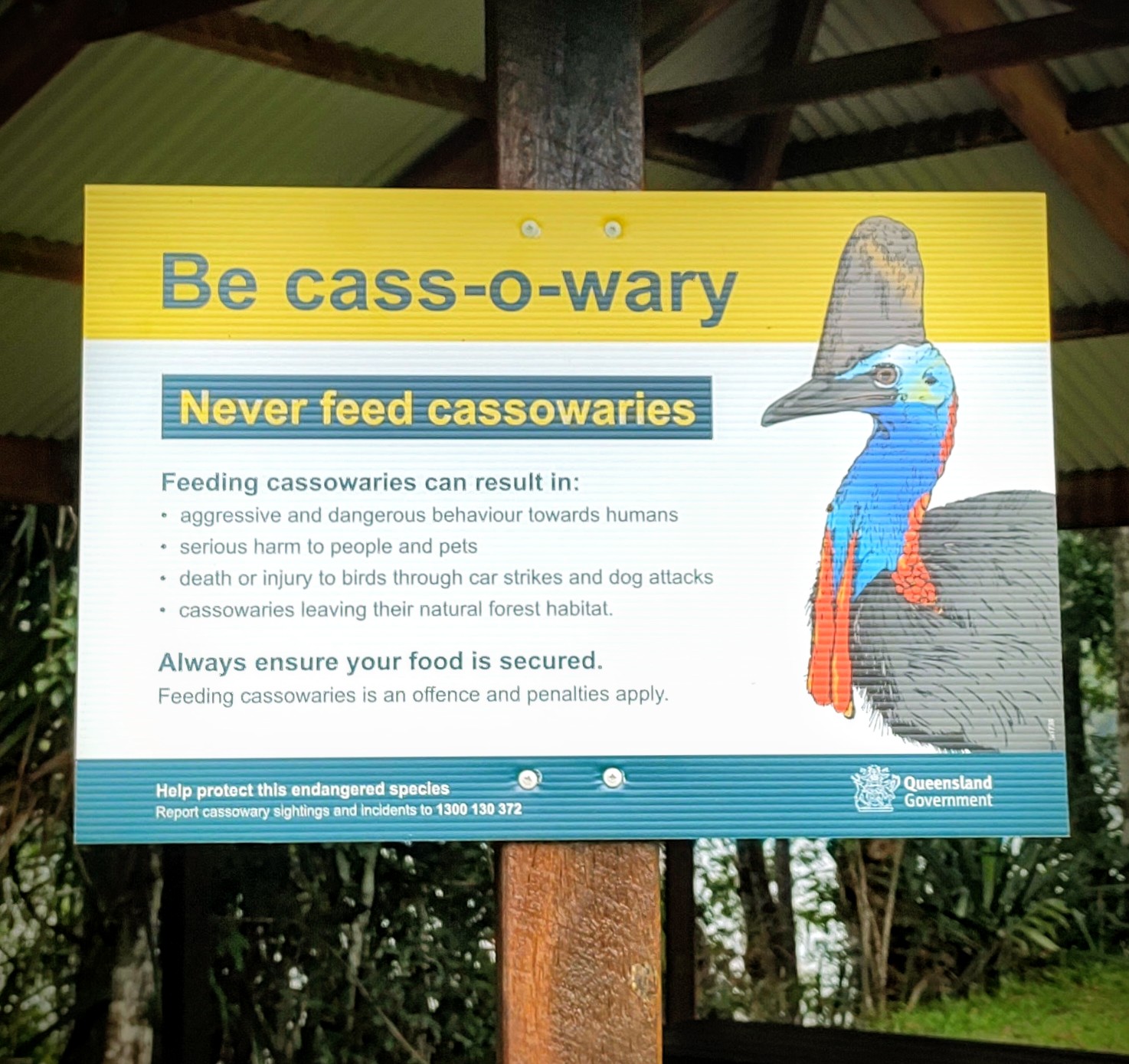
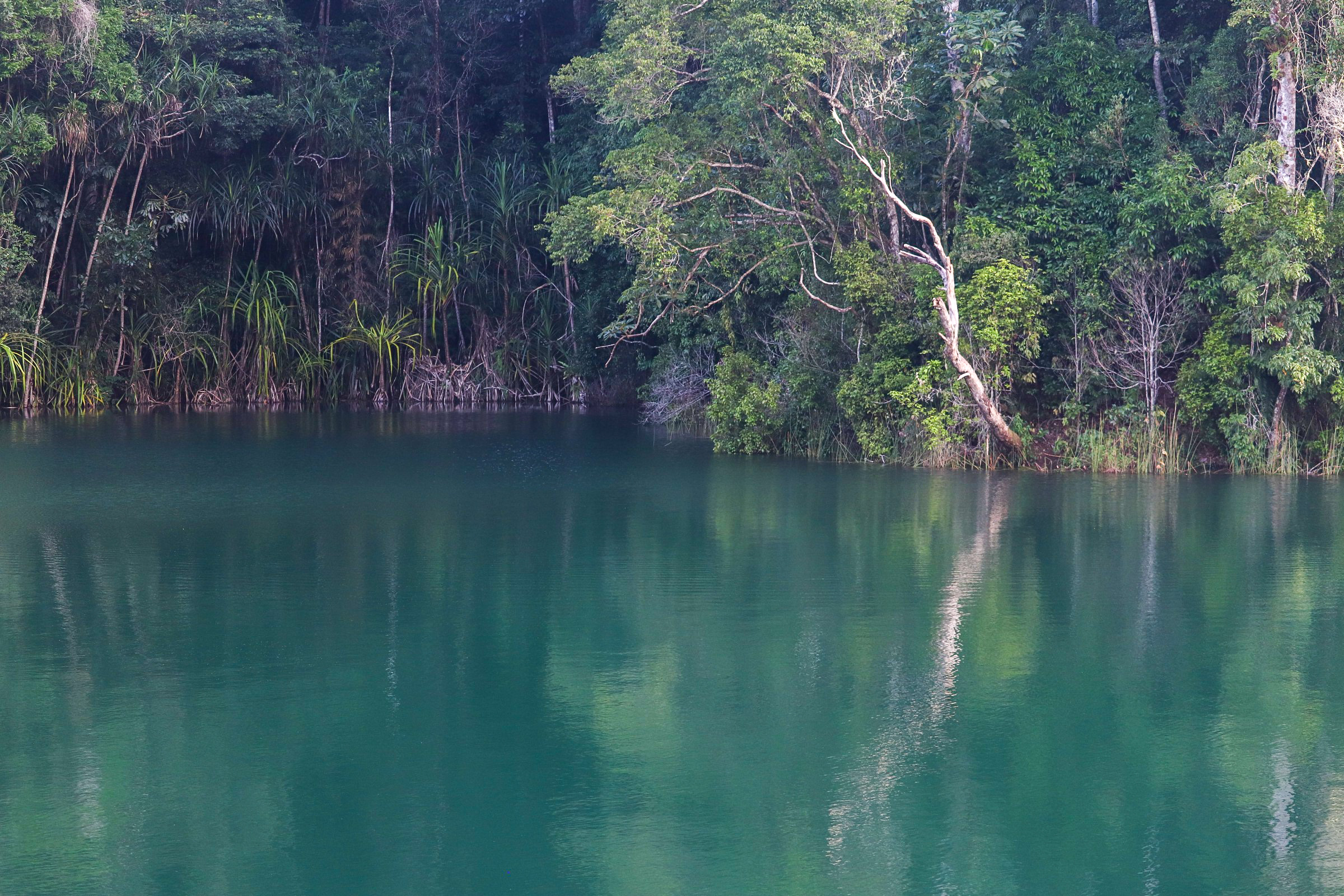
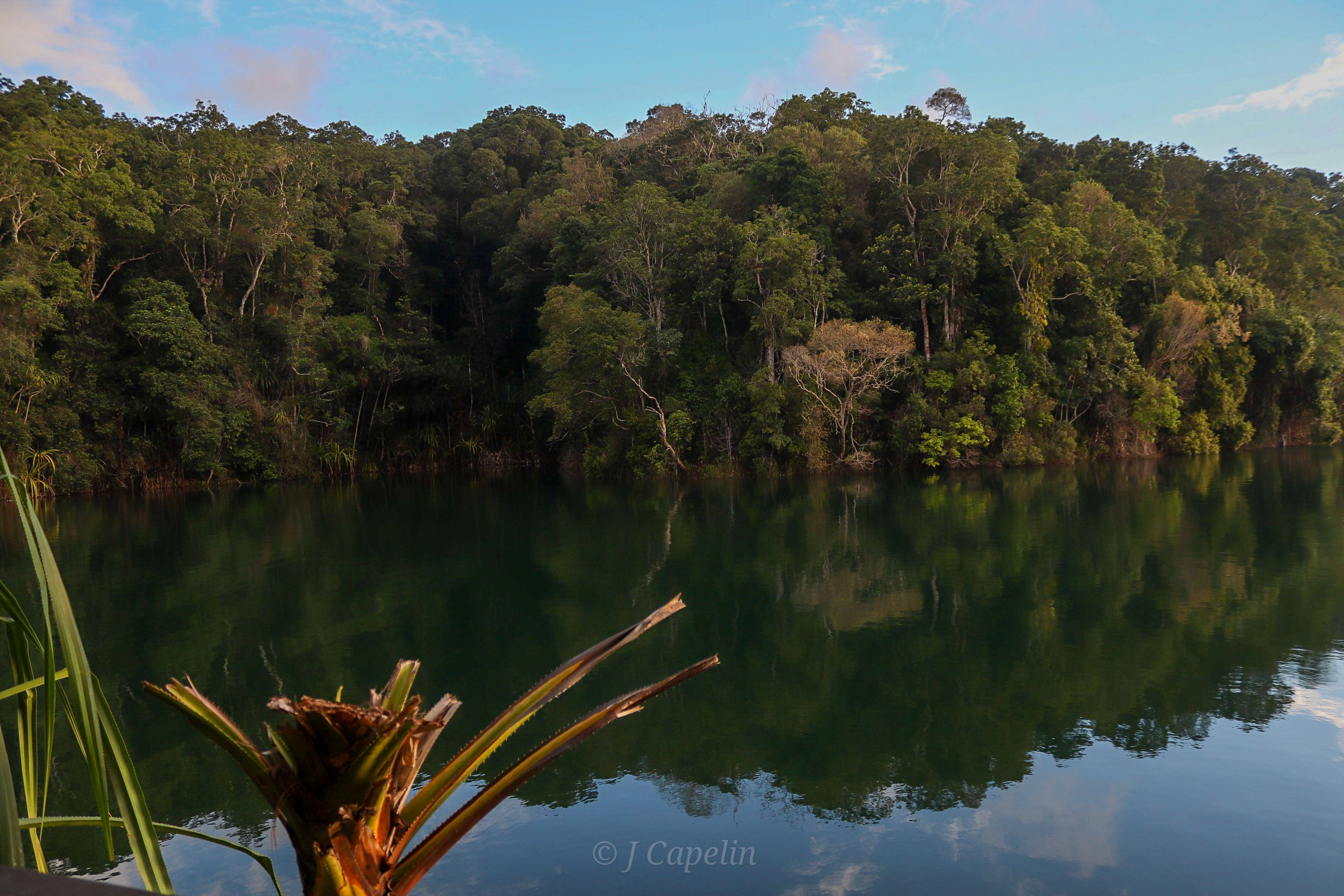
In the heart of the Crater Lakes National Park lies Lake Eacham, a beautiful ecosystem formed by volcanic activity, surrounded by rainforest and shared by humans and wildlife. The picnic area on the lakefront was busy in the morning. It was overcast, but the sun kept peeping through, and the air was warm. Children played in the water, swimming and launching kayaks and paddleboards, despite the large sign warning of the resident crocodile!
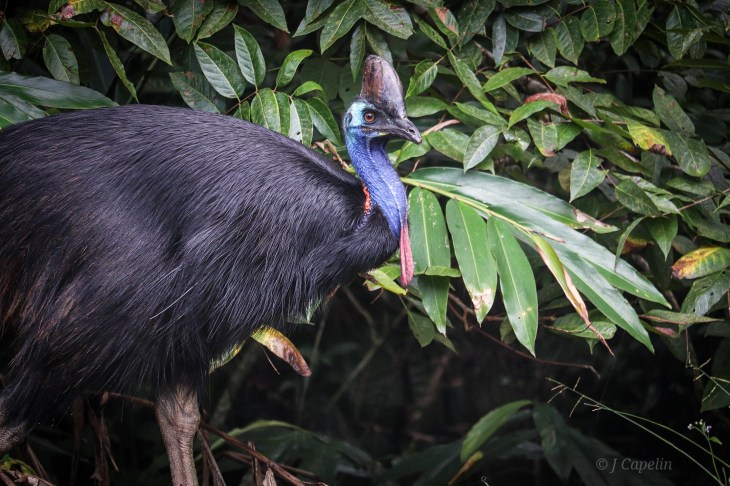
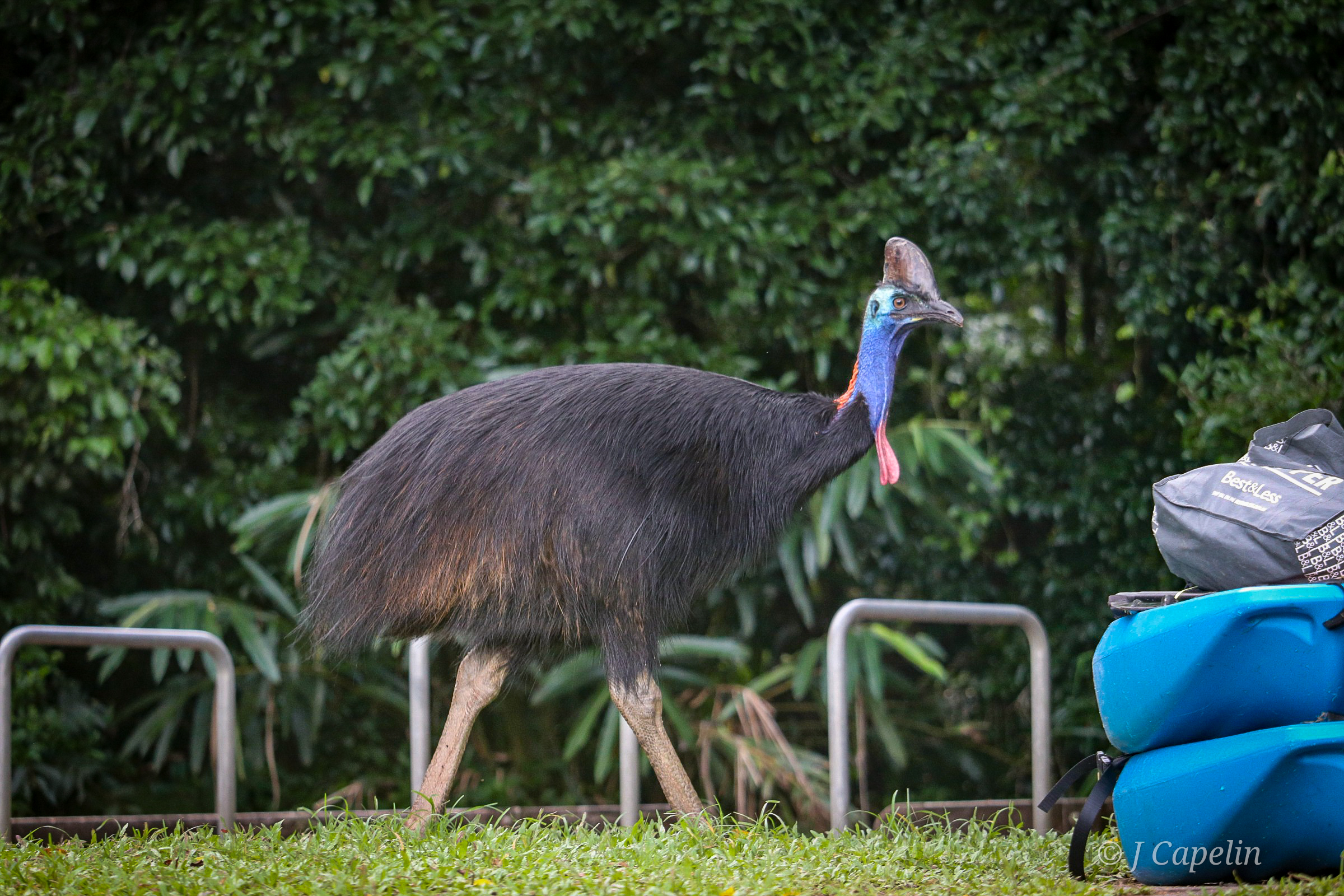
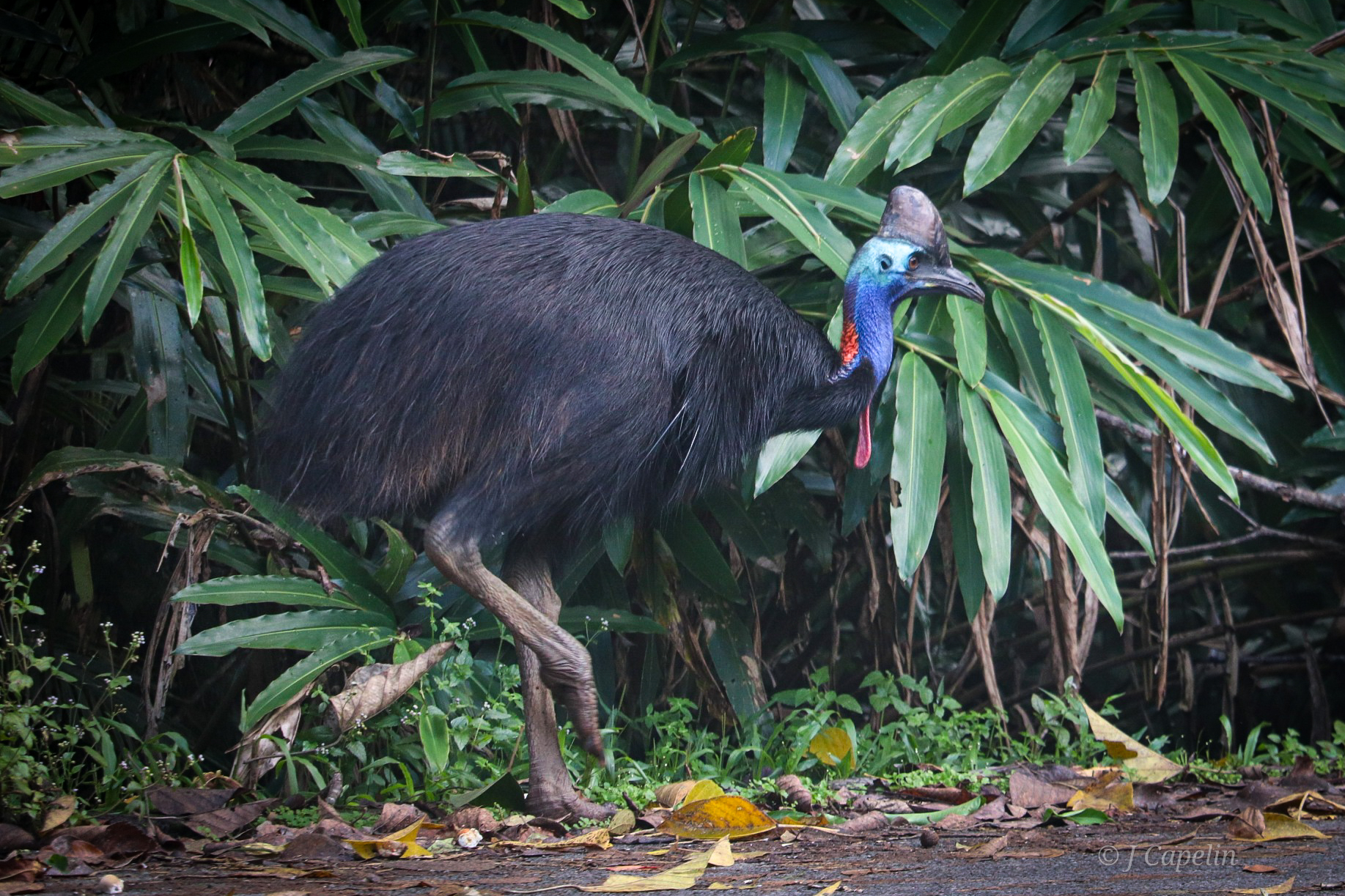
Families prepared breakfast picnics on the grass, with fruit and pastries and coffee flasks, when suddenly I heard a child yell, “Cassowary!” I whipped around, and there was the giant bird, plodding into the grass area, pausing to peruse the picnics on display. It was interesting to see how everyone reacted, and quite evident that these were mostly locals and not tourists. Those who could moved away to a safe distance, while the others who didn’t have time simply stayed still and calm until the Cassowary moved on. The whole park went quiet, everyone just watching until the Cassowary slowly plodded away. I waited until it was on the other side of the carpark before I took a picture with my zoom lens. Even then, when it turned and looked directly at me, I knew it was time to disappear!
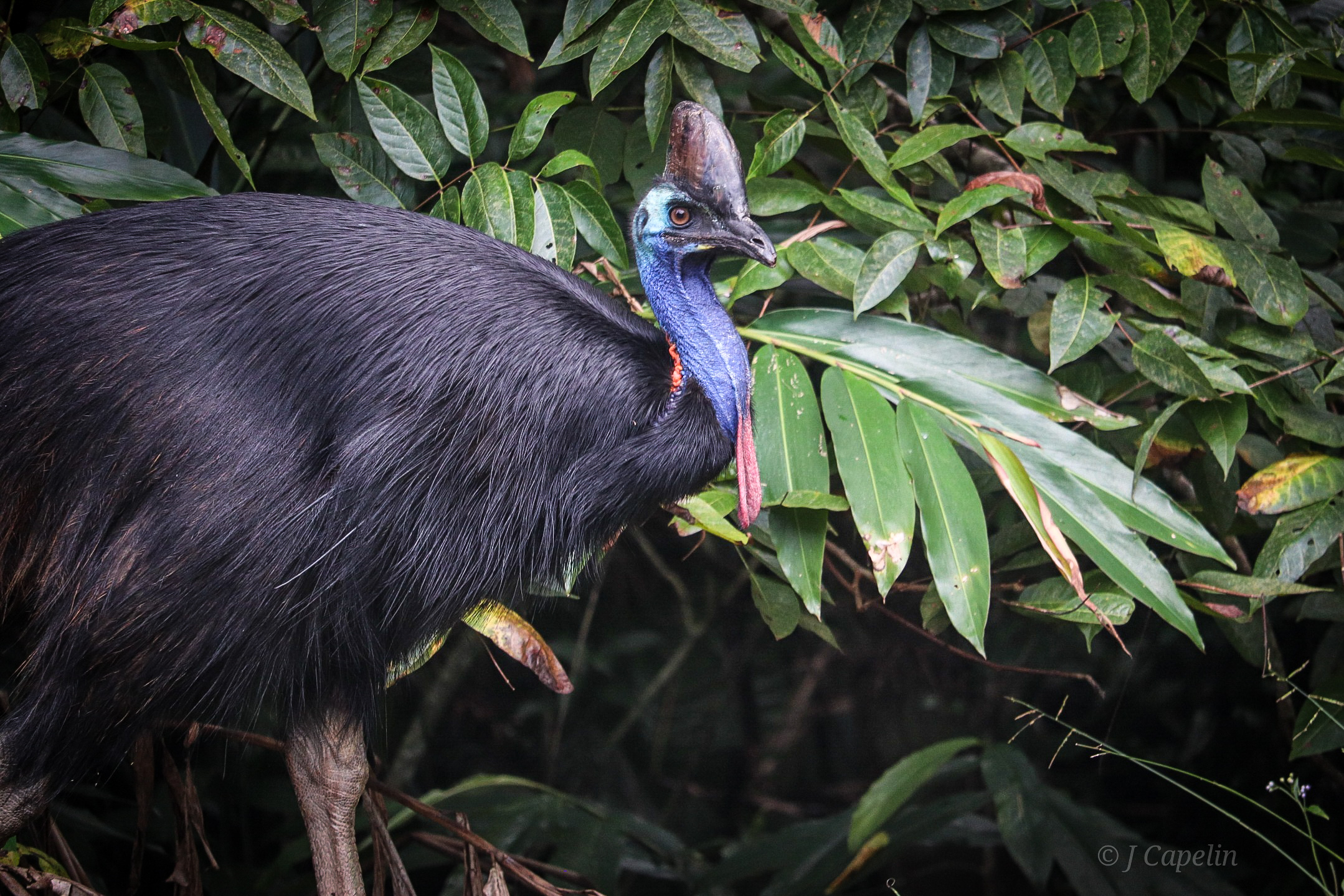
Southern Cassowaries can grow to 6ft tall and are Australia’s largest bird by mass; the second largest in the world after the ostrich. Emus can be just as tall, but weigh considerably less. Cassowaries are endangered and declining, therefore are rare to see, being confined to a very small area of Far North East Queensland. They need a very specific habitat and don’t mix well with humans. Though they can be curious, especially around food, they can quickly become skittish and territorial, with the capacity to fatally harm with those long talons and powerful legs.
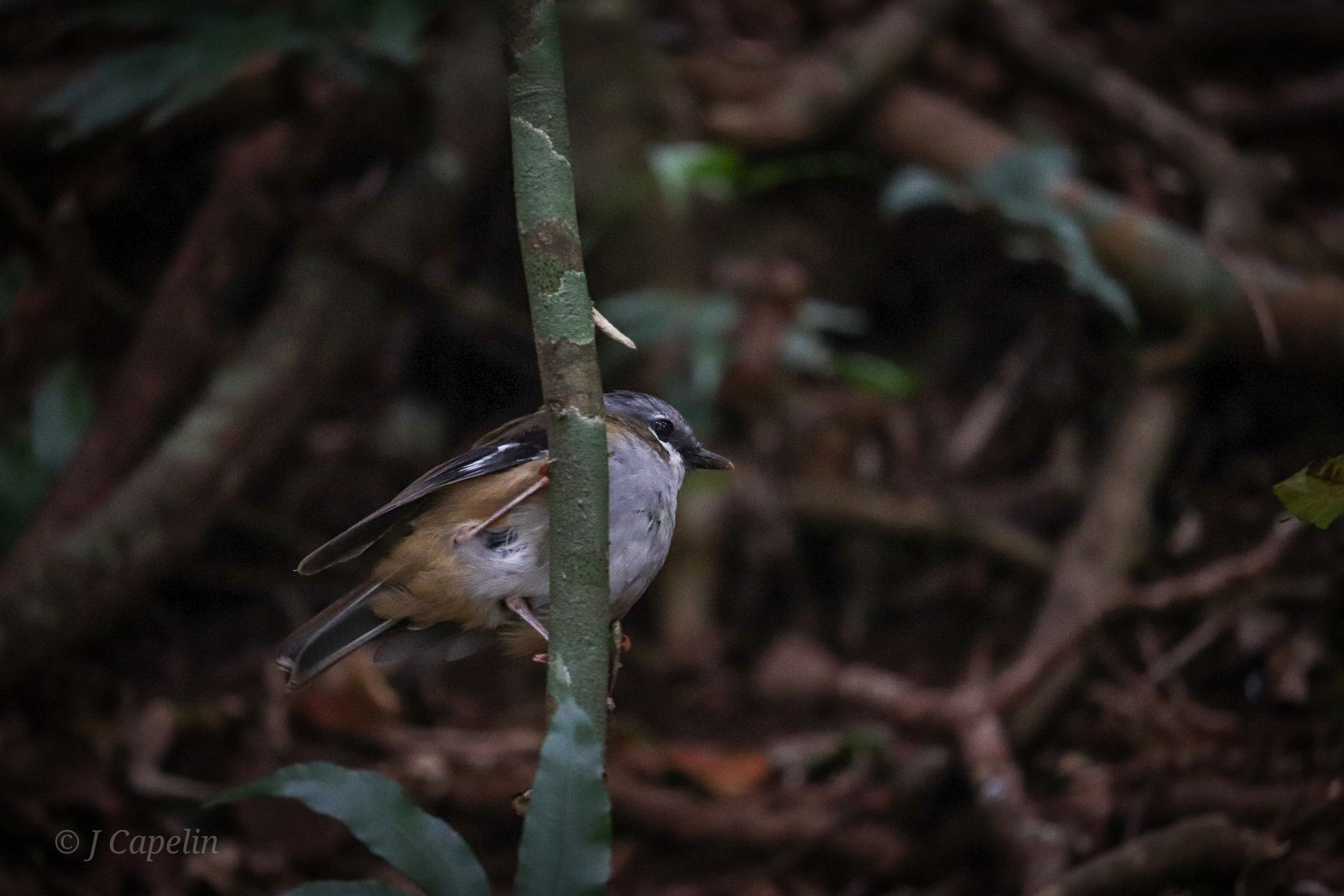
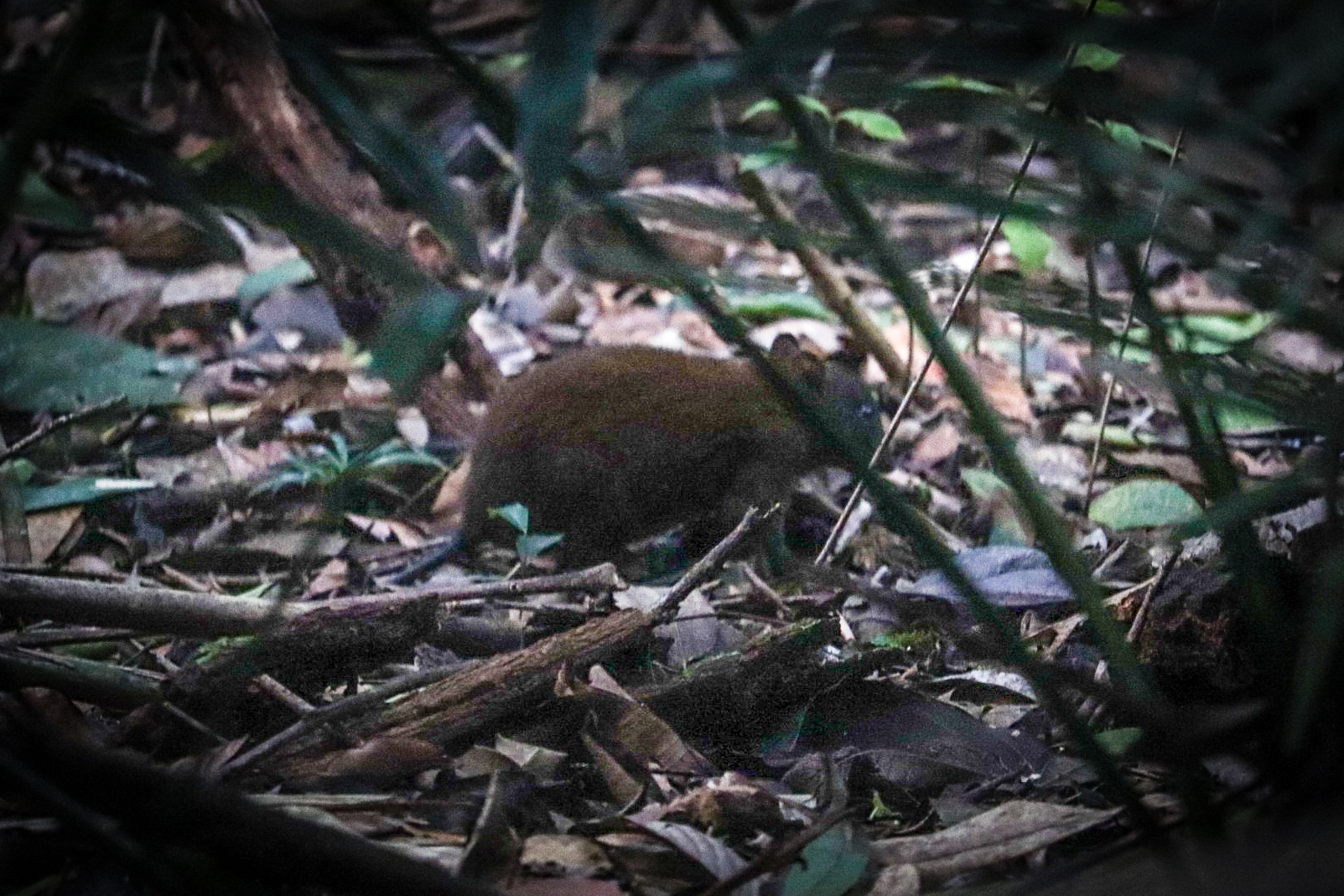
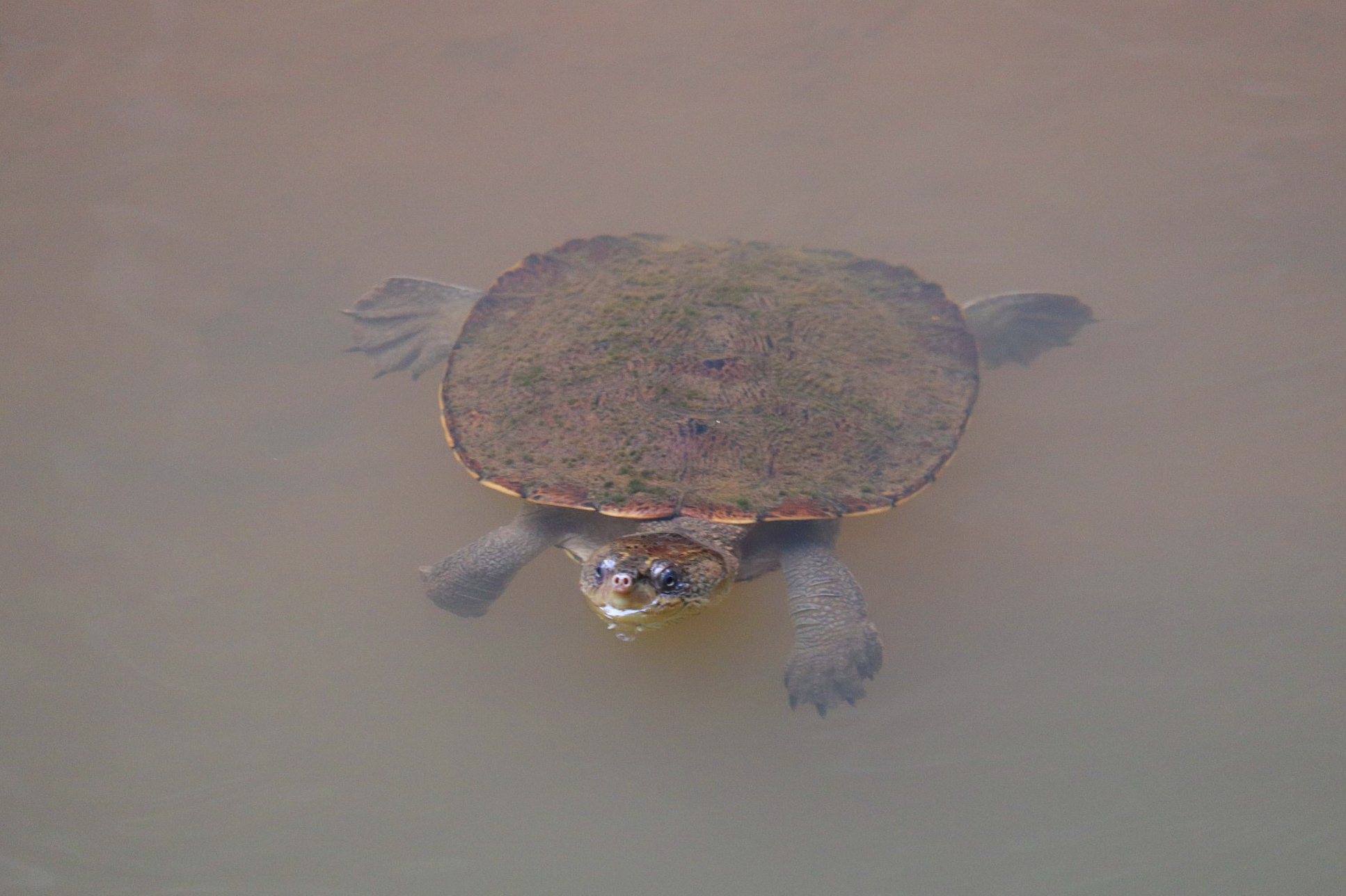
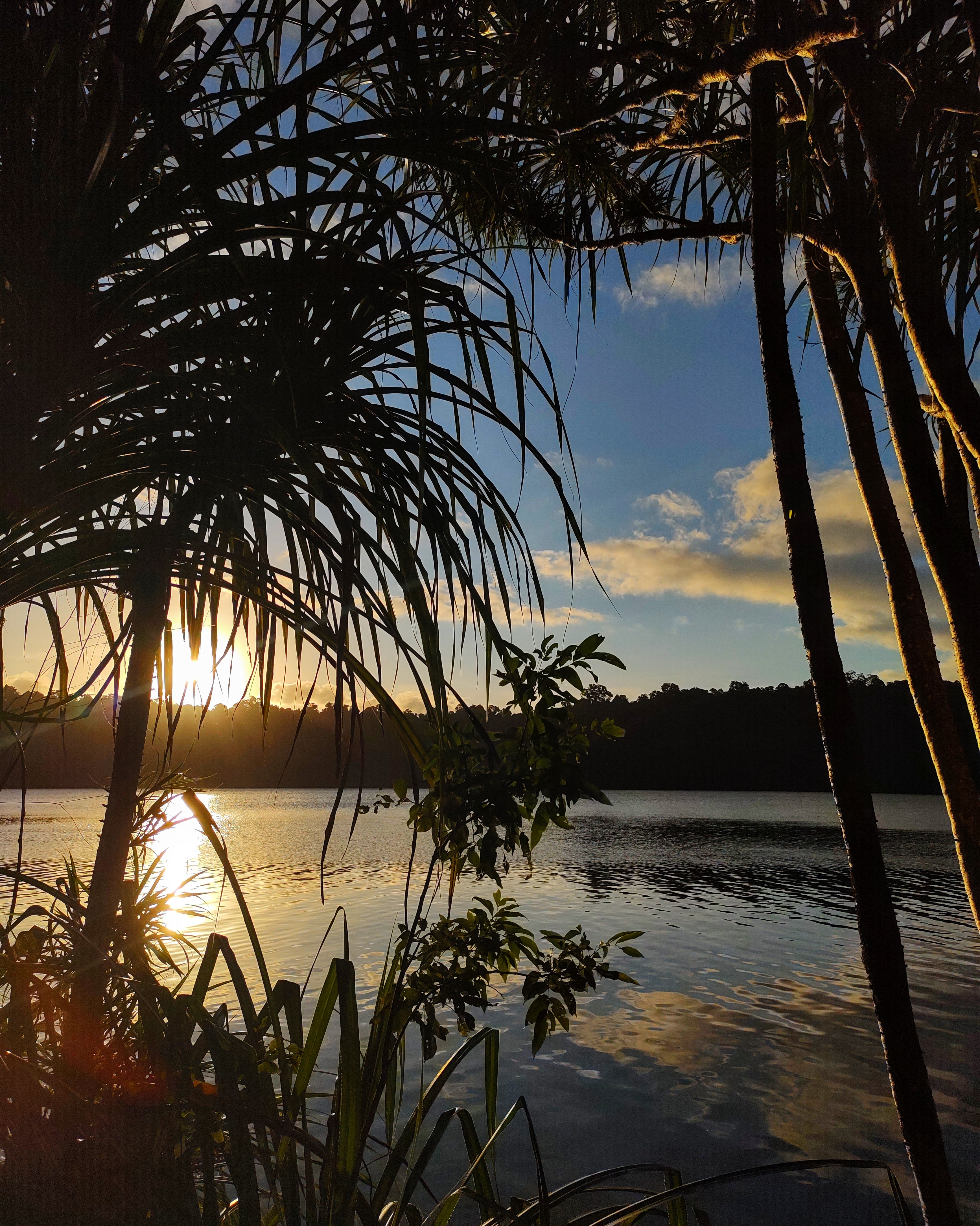
Later in the evening, we walked the Lake Eacham Circuit; a beautiful, relaxing walk, which took around an hour, circling the volcanic lake through the rainforest. The evening sun began to sink lower in the sky beneath the clouds, pouring gold over the trees and the ripples on the water. A little Grey-headed Robin followed us through the woods, and I saw a tiny Musky Rat-Kangaroo hop into the bushes, which is only found in this pocket of North East Queensland. Cormorants and turtles surfaced in the shallows, while people jumped into the lake and enjoyed a sunset swim.
Atherton
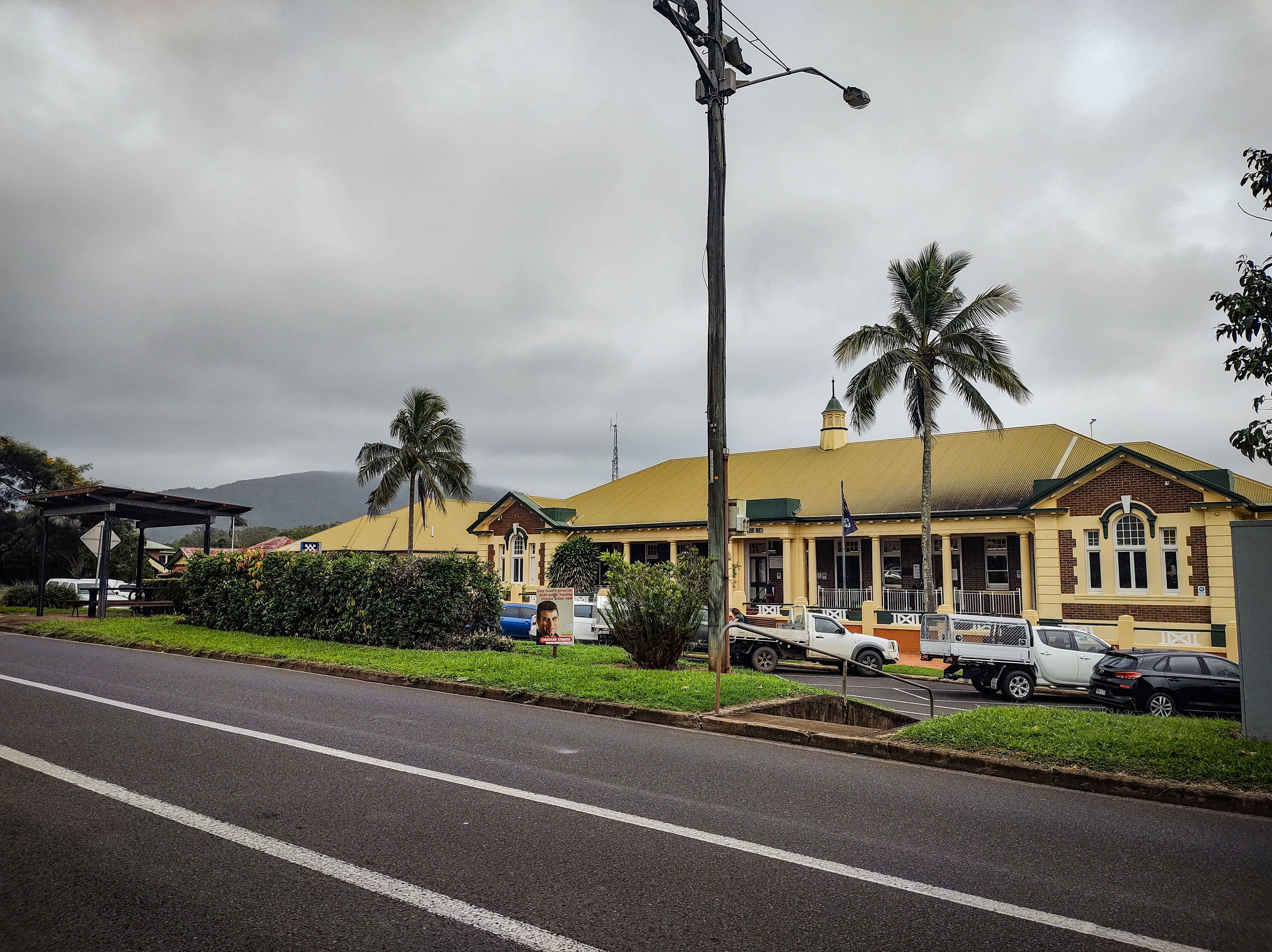
The morning we left the Tablelands was dark and moody again; drizzle smudging the windows slightly while the windscreen wipers screeched. We went through Atherton – the main town in the region, with an agricultural history making it a prime location for backpackers looking for farm work. The town’s main street stood strong with colonial and art deco buildings lining the road. Hostels and pubs advertised their lodgings and lunch specials, and there seemed to be plenty of cafes and banks, and even a shopping centre. It is said to have a vibrant culture with an abundance of community arts and sports, while the surrounding land is prolific with crops such as sugar cane, mangoes, coffee, peanuts, tea, corn, macadamia nuts, avocados, berries, and there are also cattle and dairy farms. Here we left the gloomy highland skies behind us, along with the enchanting rainforests and their mythical animals, and we continued into the North to our next destination…
If you enjoyed this blog, please like & share, & consider making a one-off donation and ‘Buy Me A Coffee.’ Click the link below!
https://www.buymeacoffee.com/jaimiescapers
Thank you for reading! Here are some other blogs you may have missed.