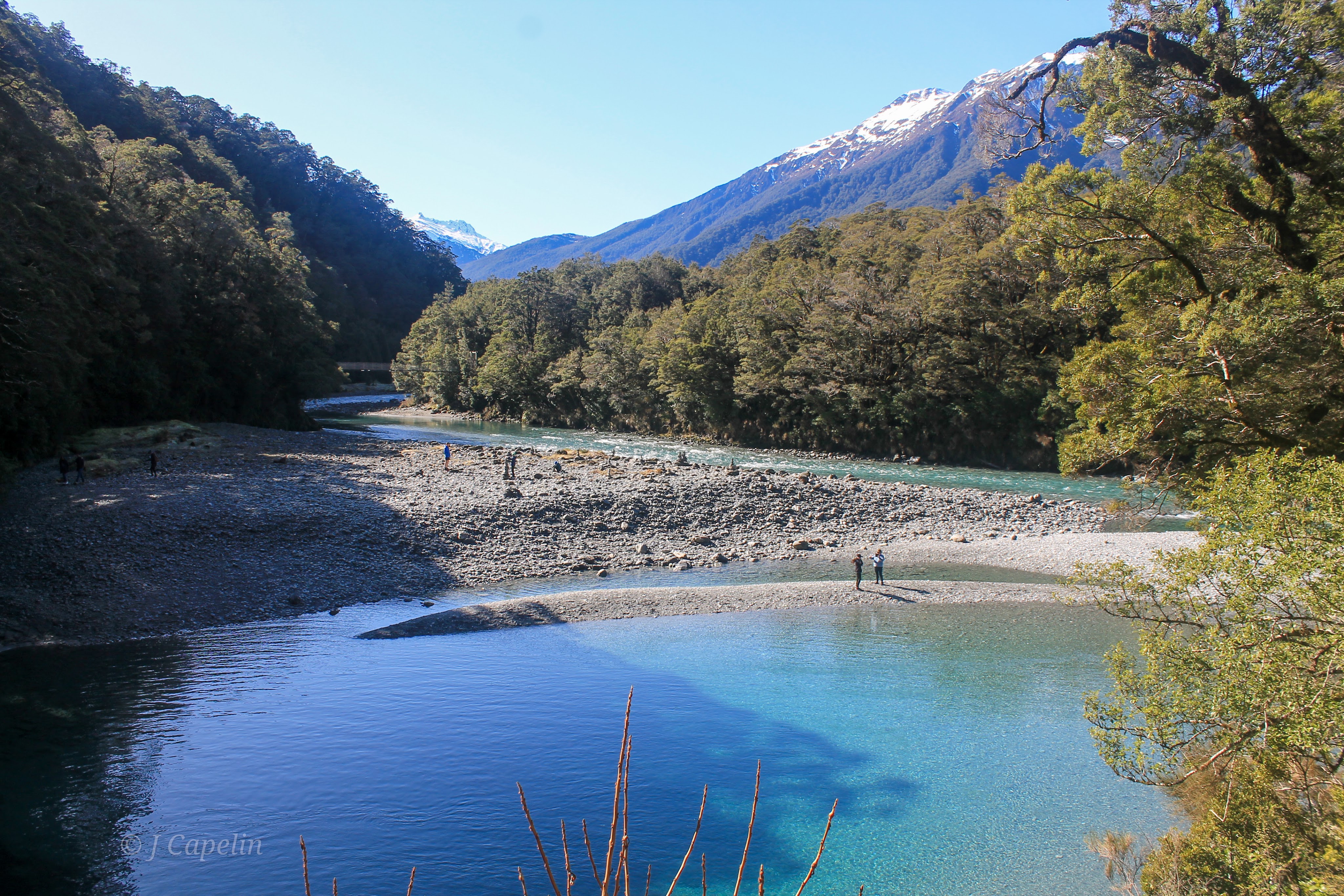
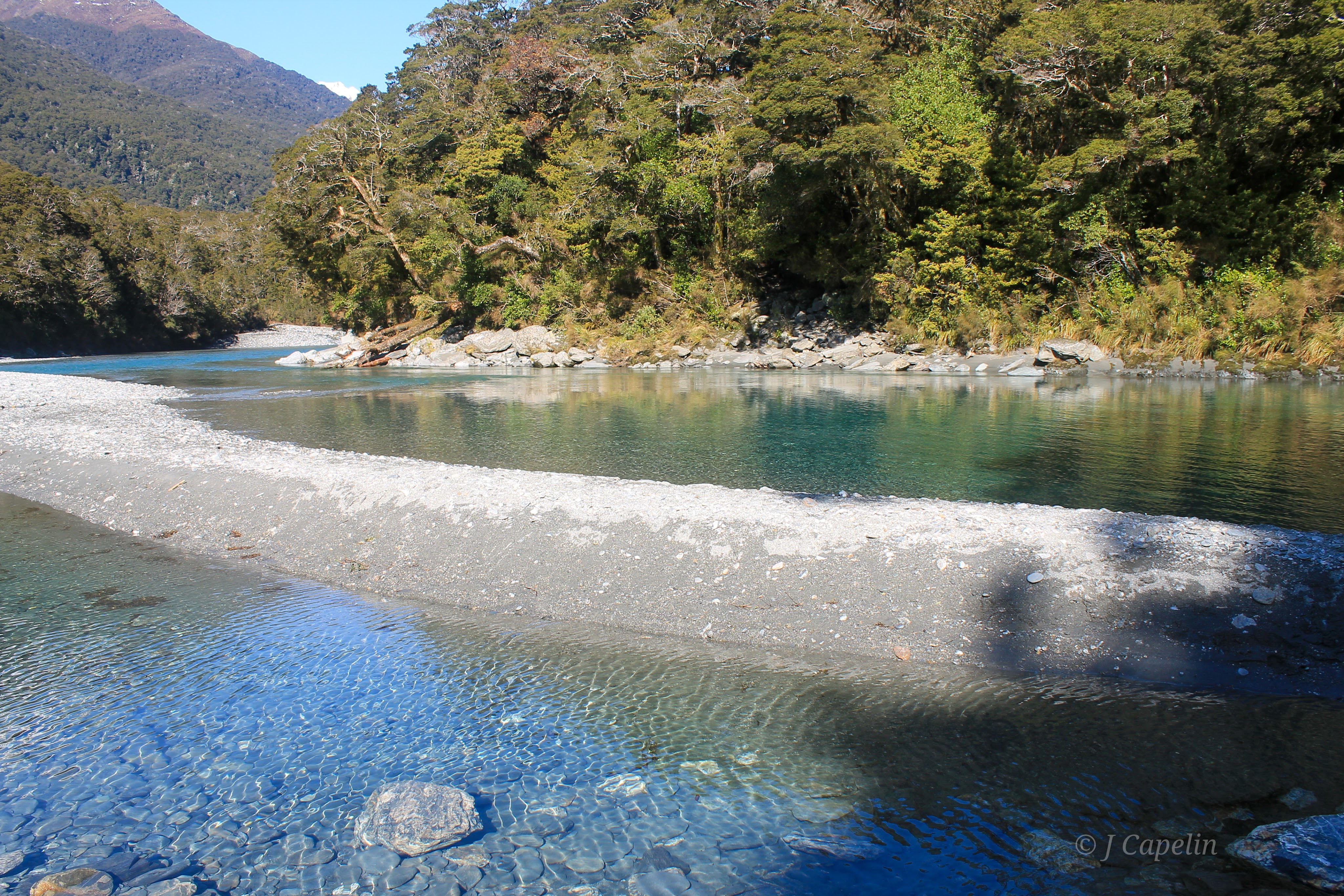
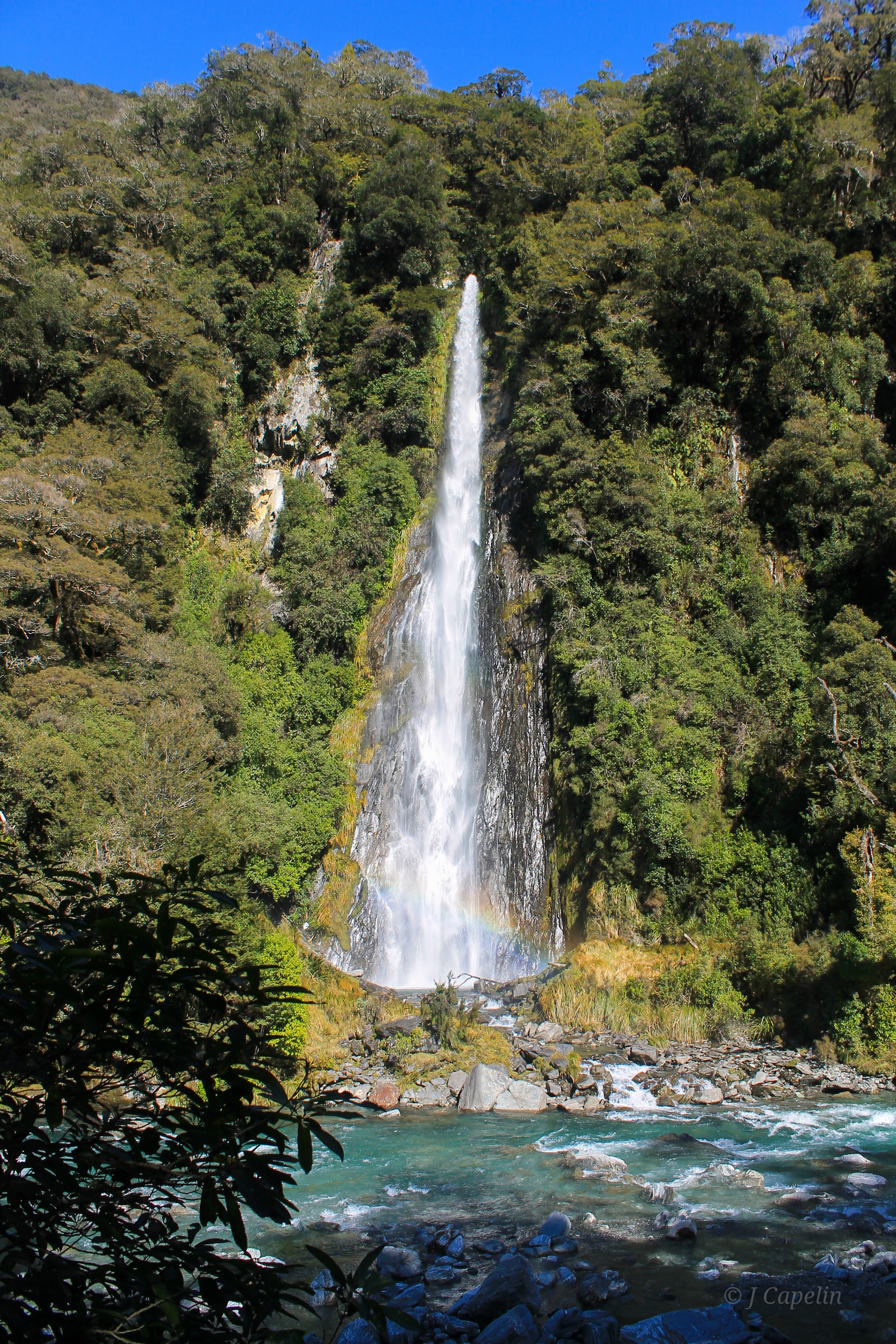
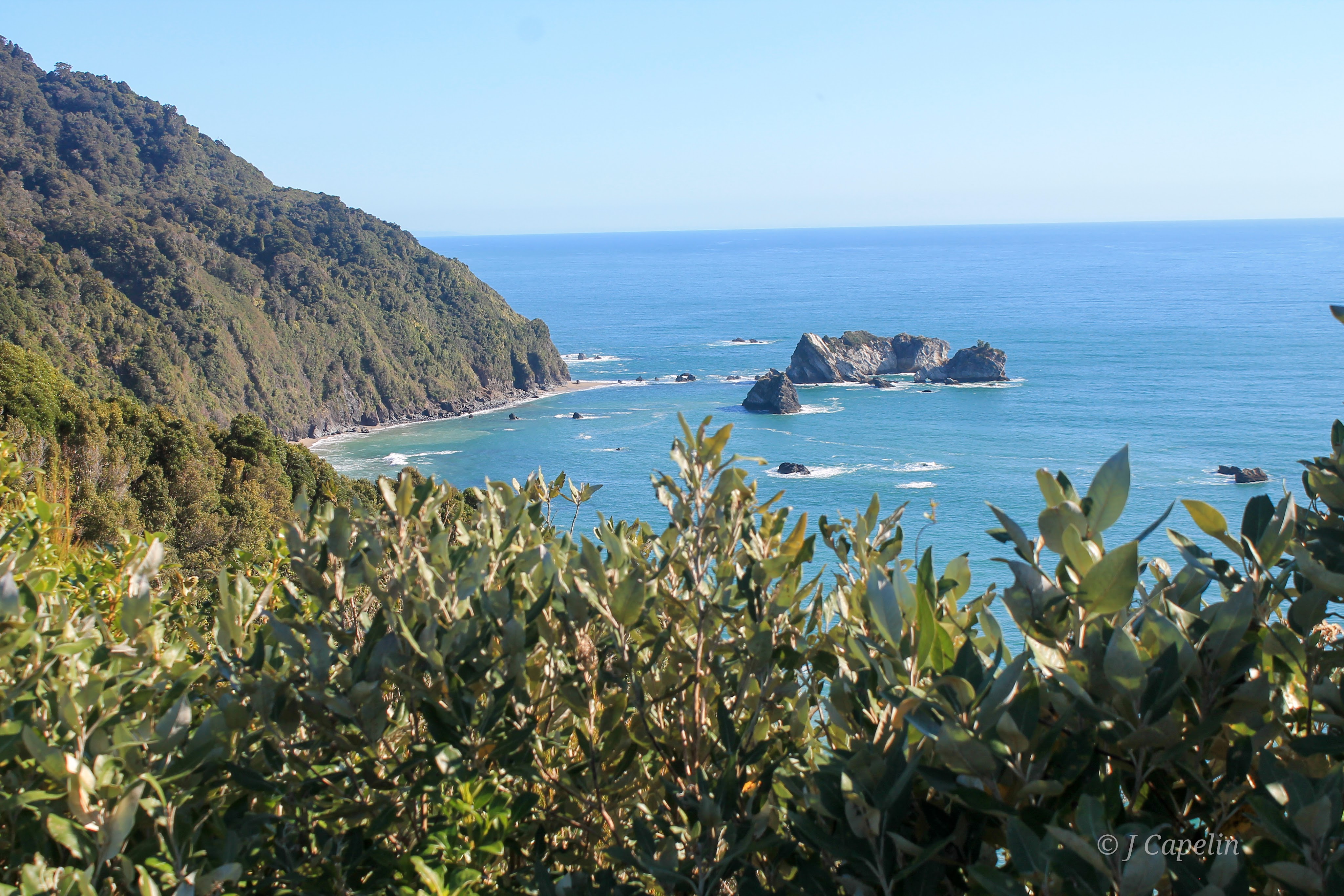
Patagonia | Dipping a Toe in Chelenko

15–23 minutes

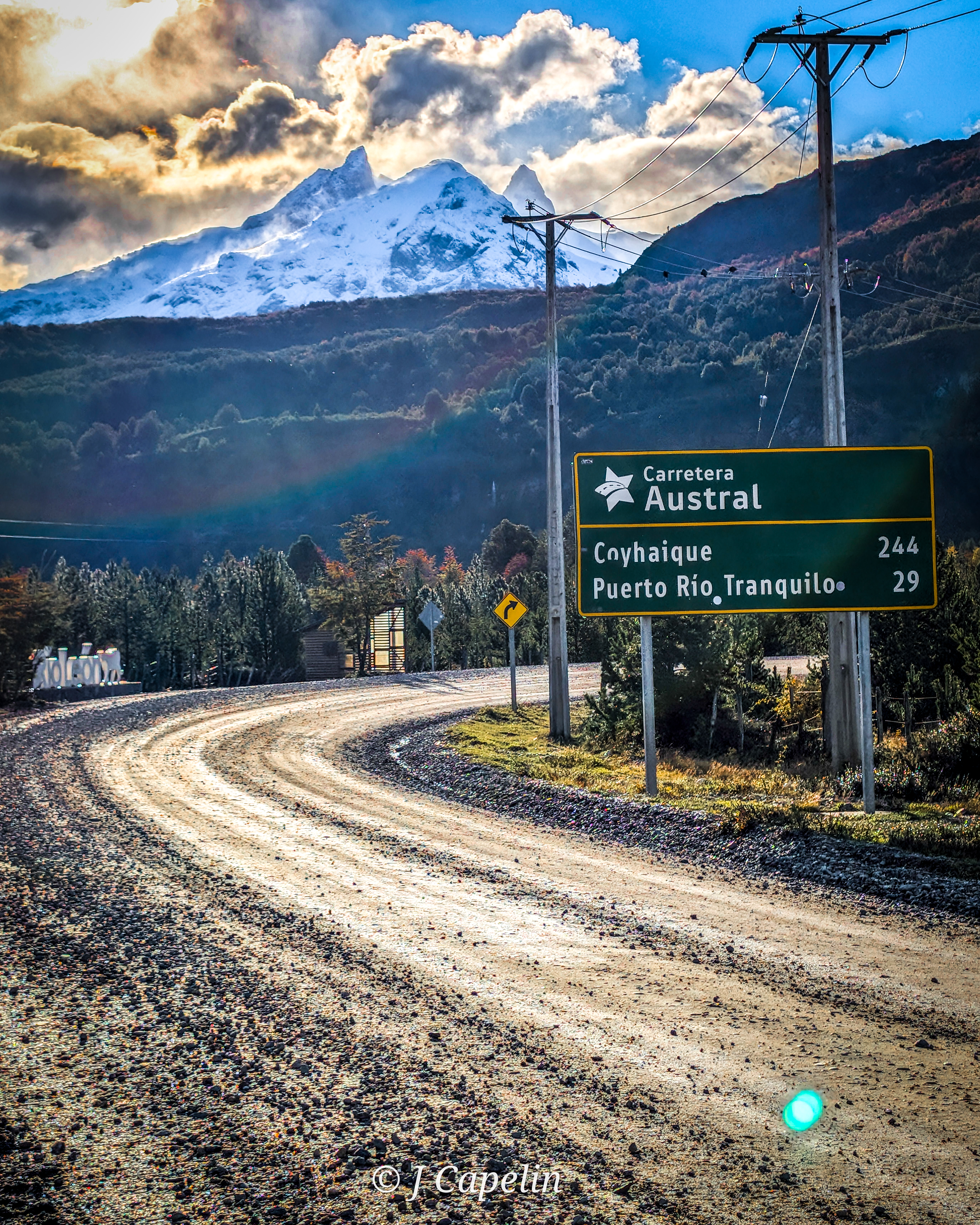
Dust clouds billow behind the car, pursuing us and clinging to the rain soaked rear window. Another corner of mud and loose gravel, and another minor slide out as the tyres lose their traction. We haven’t seen another car for a while, does anyone else know about this “famous” highway? Carretera Austral – the great Southern Highway, seemingly to Nowhere. If Nowhere consists of weather-veiled mountains of extraordinary scale; aquamarine lakes that stretch beyond the borders of the country, and a 1,240km highway (half of which is unpaved) that stops at a dead end in the middle of this vast, dramatic landscape, then this is Nowhere.

But there is something in the atmosphere here, even through the immense grey of rain and fog, I can feel it: ancient magic in the air. And when the mist moves in great curls, you think a section of sky will be revealed, and instead a mountain peers down, then you know you are Somewhere.
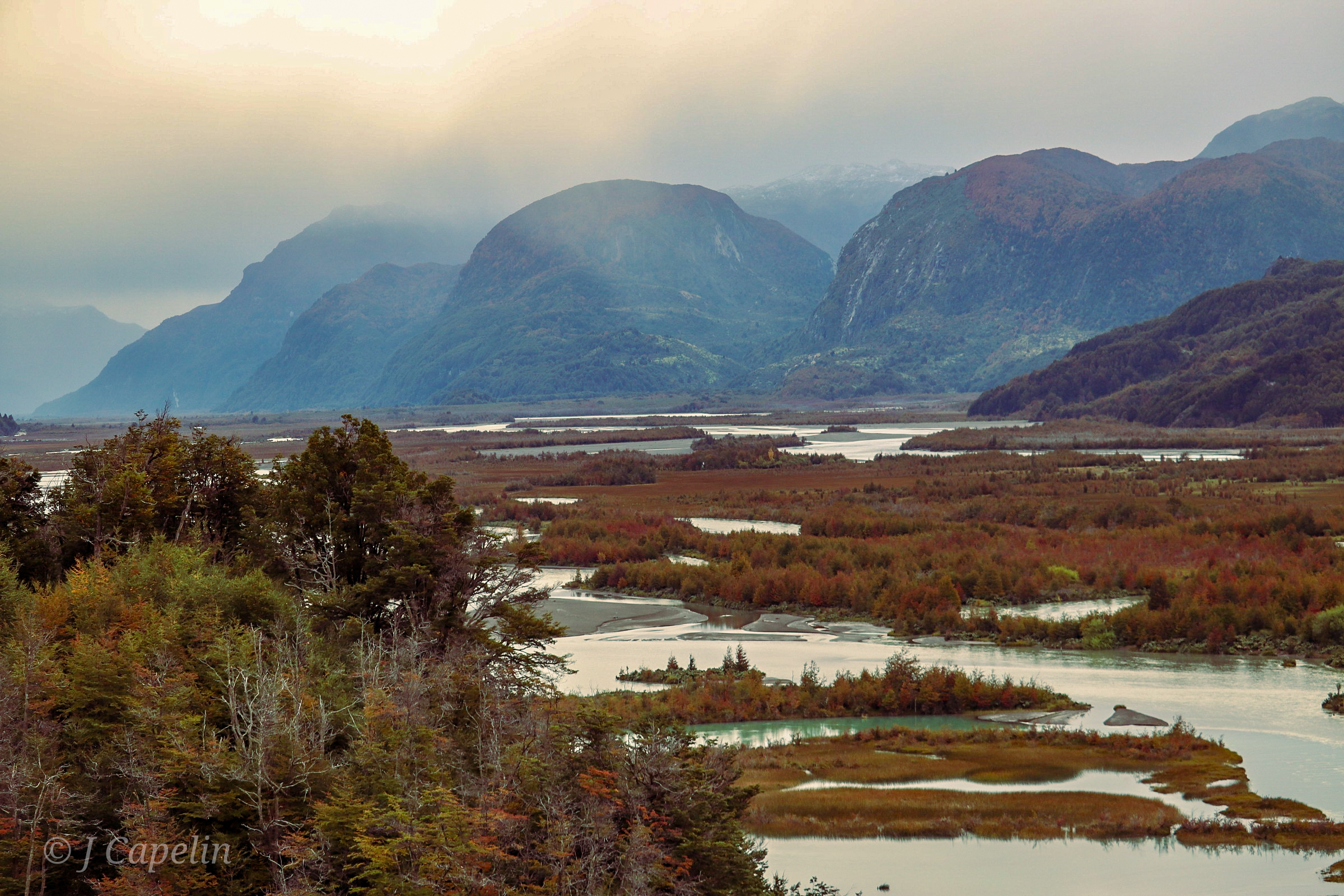
My journey begins in Coyhaique, the biggest city along Chile’s Carretera Austral, and the closest city to Balmaceda airport. Two cars full of brothers-in-law and their partners, my partner, and me.

Car Hire in Balmaceda (click for more)

Balmaceda is a tiny, remote village with a tiny but significant airport. There are several hire car kiosks operating at Balmaceda airport, which you can book online prior to arrival. https://aeropuertodebalmaceda.cl/servicios/?lang=en

The smoky air of Winter’s approach fills my lungs in Coyhaique. The small wooden buildings with pitched rooftops make it feel much less like a city, and more like a small town, with the colours of the surrounding mountains visible from any angle. We seek coffee and lunch in a beautiful cafe, where the sun breaks the cloud and warms my back through a cheerful little window, before heading to a supermarket for essentials.
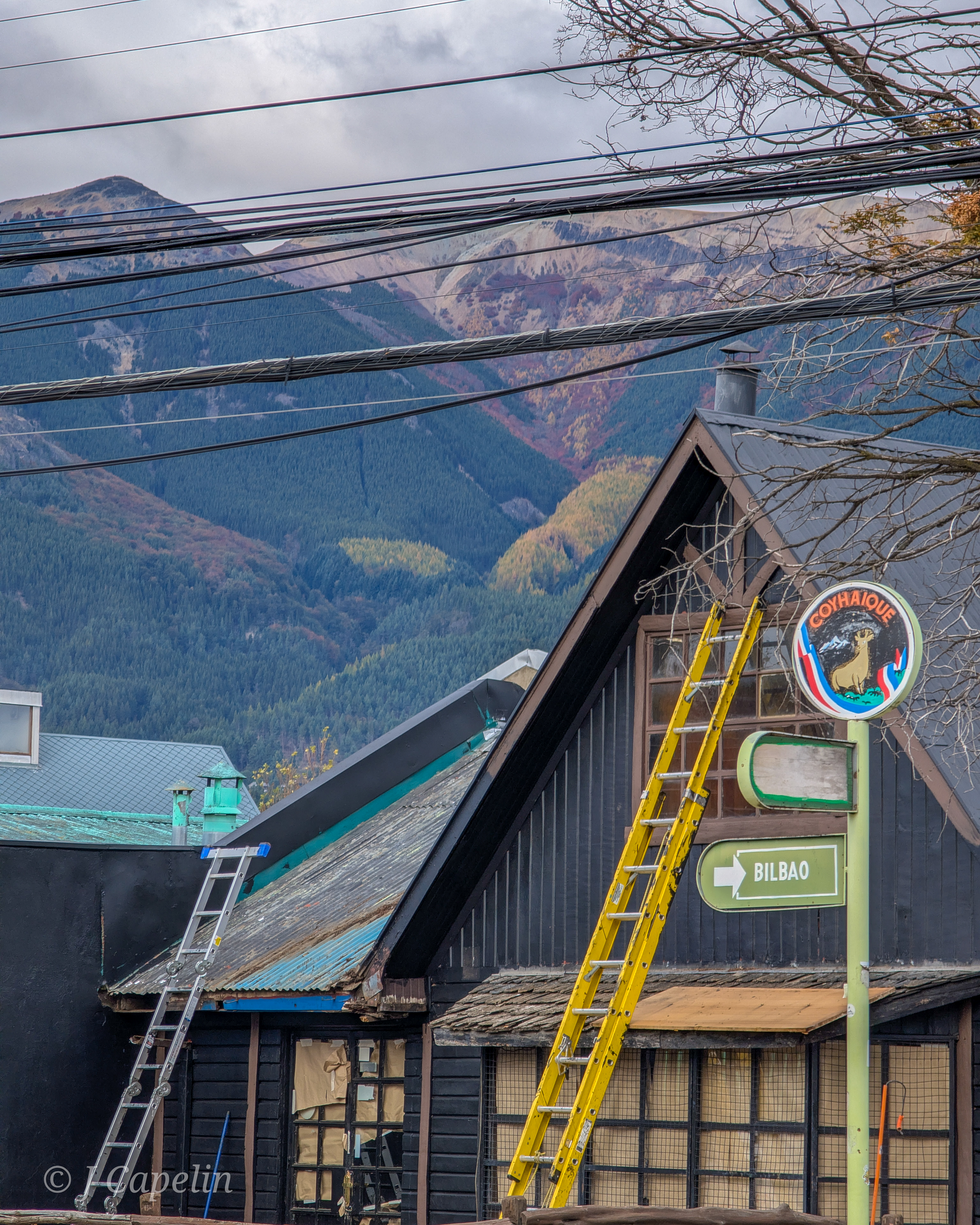
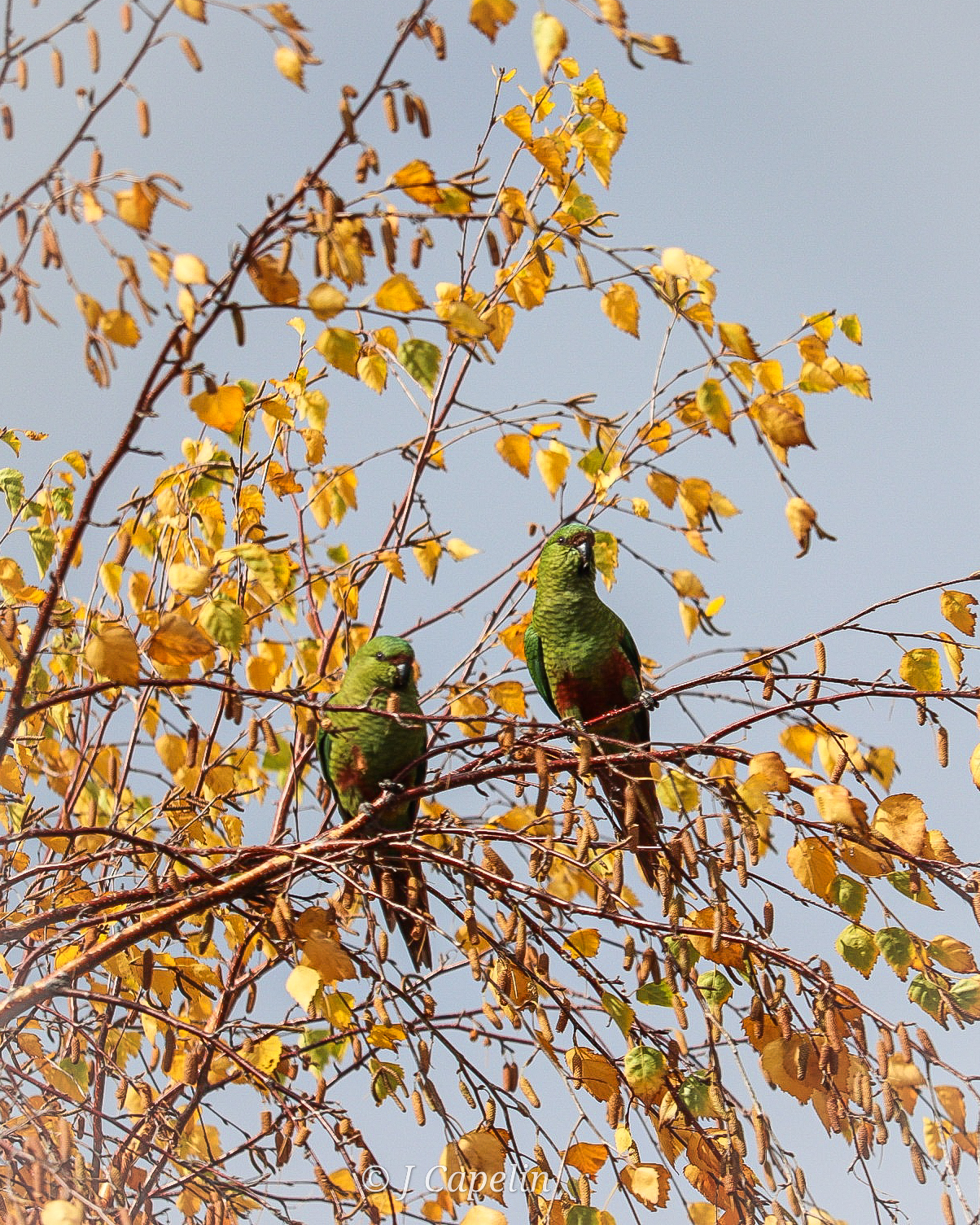
Coyhaique Essentials

We follow Route 7 south along the Carretera Austral, eagles and the odd condor soaring alongside the dark mountains in the distance. The dramatic landscape seems to get closer, sloping forests of vibrant fiery shades, and a brilliant blue river that snakes and tumbles alongside the highway. Past the tiny town of Villa Cerro Castillo, the road winds through a dramatic valley, when suddenly, the road surface ceases to exist! Rumbling off the smooth asphalt onto dirt and gravel, this isn’t the end of the highway. No, this is just the beginning.

Carretera Austral

Due to the nature of the landscape, the Carretera Austral is a constant work in progress. At least 50% of the 1,240km highway is unpaved. The sheer length of the route, mixed with its remote position, and seasonal storms, means that there isn’t any point trying to pave the southern half, as it will need redoing before it even gets finished! Workers re-level and patch up the gravel highway in sections all year round, so you will always find roadworks somewhere along the way.
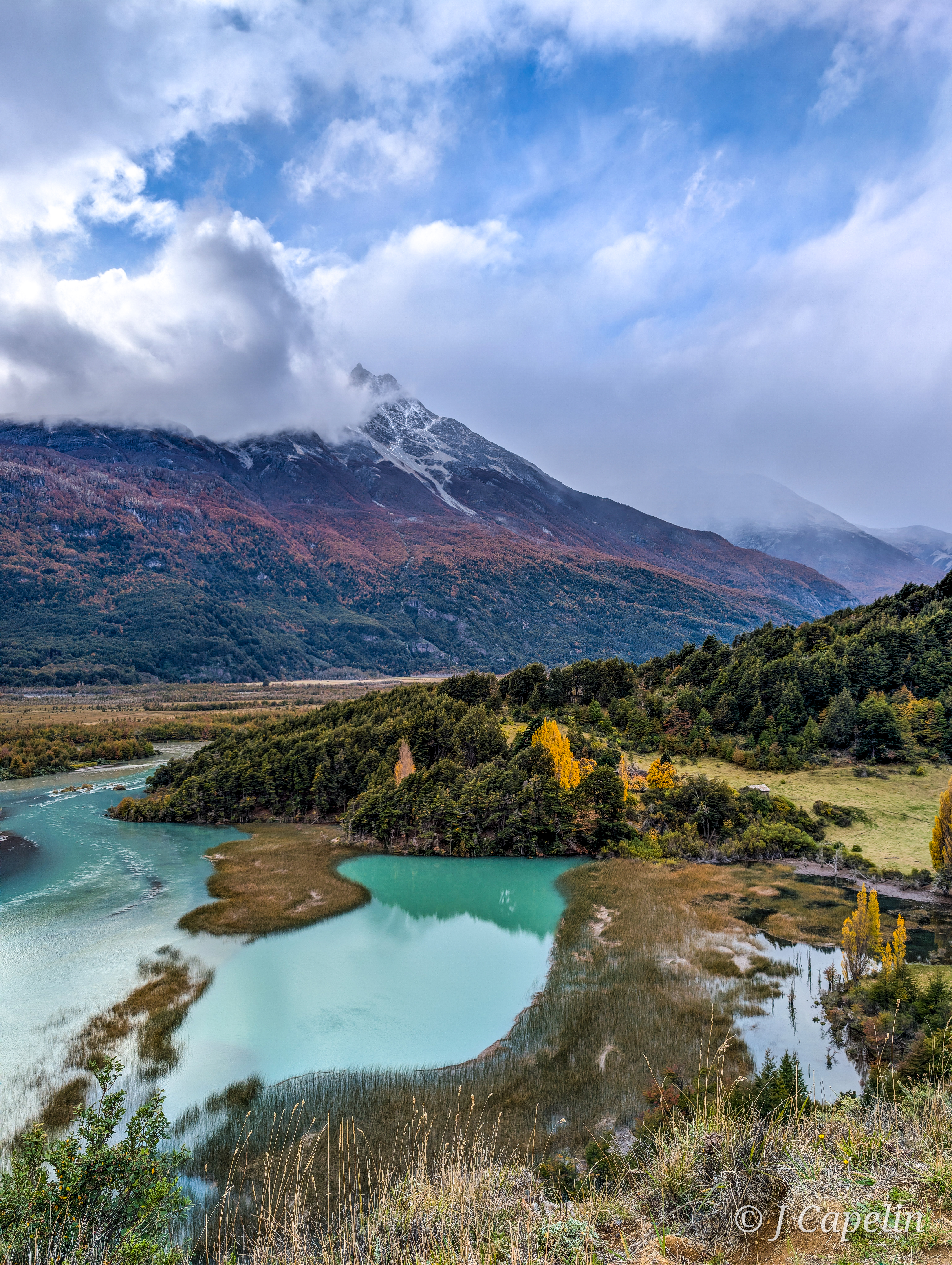
Rain smudges the windscreen with hues of grey, not a view in sight, just an endless gravel road blurred at the edges. No one speaks for tiredness and concentration. There was much discussion in the planning stages of this Chile trip, whether or not we should go to Patagonia. Of course, everyone wanted to, it was just a matter of time and money, as it would be a short side quest to the main trip. We knew it was coming into the down season; that the weather might be awful, and a lot of places would be closed. We also knew we’d only have time to visit one part. So if we couldn’t do Patagonia ‘whole-heartedly,’ should we do it at all?

Best Seasons for Travelling

High Season: Dec – Feb (Summer)
Pros: Mild temperatures, better weather, vibrant colours, active wildlife
Cons: Trails and attractions get very busy, high demand pushes prices up, it can be very windy

Shoulder Seasons: Oct – Nov (Spring) & Mar-Apr (Autumn)
Pros: Spring flowers or autumn colours, less crowded, cheaper
Cons: Unreliable weather, some tours may not operate, some businesses are closed

Down Season: May – September (Winter)
Winter in Patagonia is known for its freezing temperatures, wet weather, and lack of daylight hours. While it is peak ski season, travelling can be treacherous and you can expect flight cancellations and impassable roads. Many people who live in Patagonia leave during winter to escape the dark, isolating conditions. That said, winter is the best time of year to see marine life. If you travel to Patagonia during winter, be aware there are limited options as most places close, and be prepared with supplies and safety kits. Choose an accessible base with flexibility in case travel plans get cancelled.

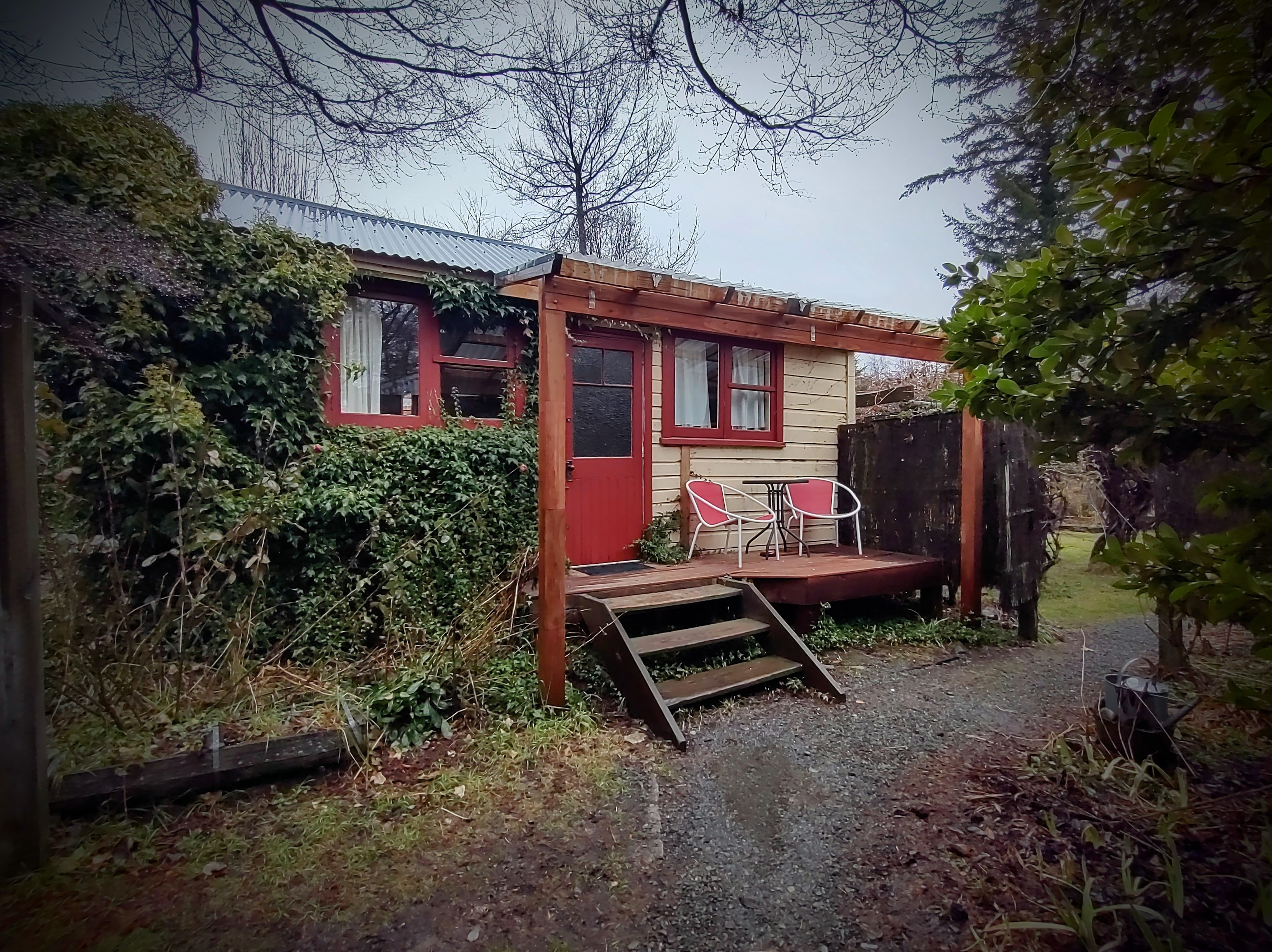
Night has fallen, somewhere between the clouded mountains and the rain, without anyone noticing. We finally pull in to our destination – Chelenko Lodge – private cabins on the General Carrera lakefront, about 20 minutes outside of Puerto Rio Tranquilo. We are all grateful for the warm, comfortable beds!

The Giants of Chelenko

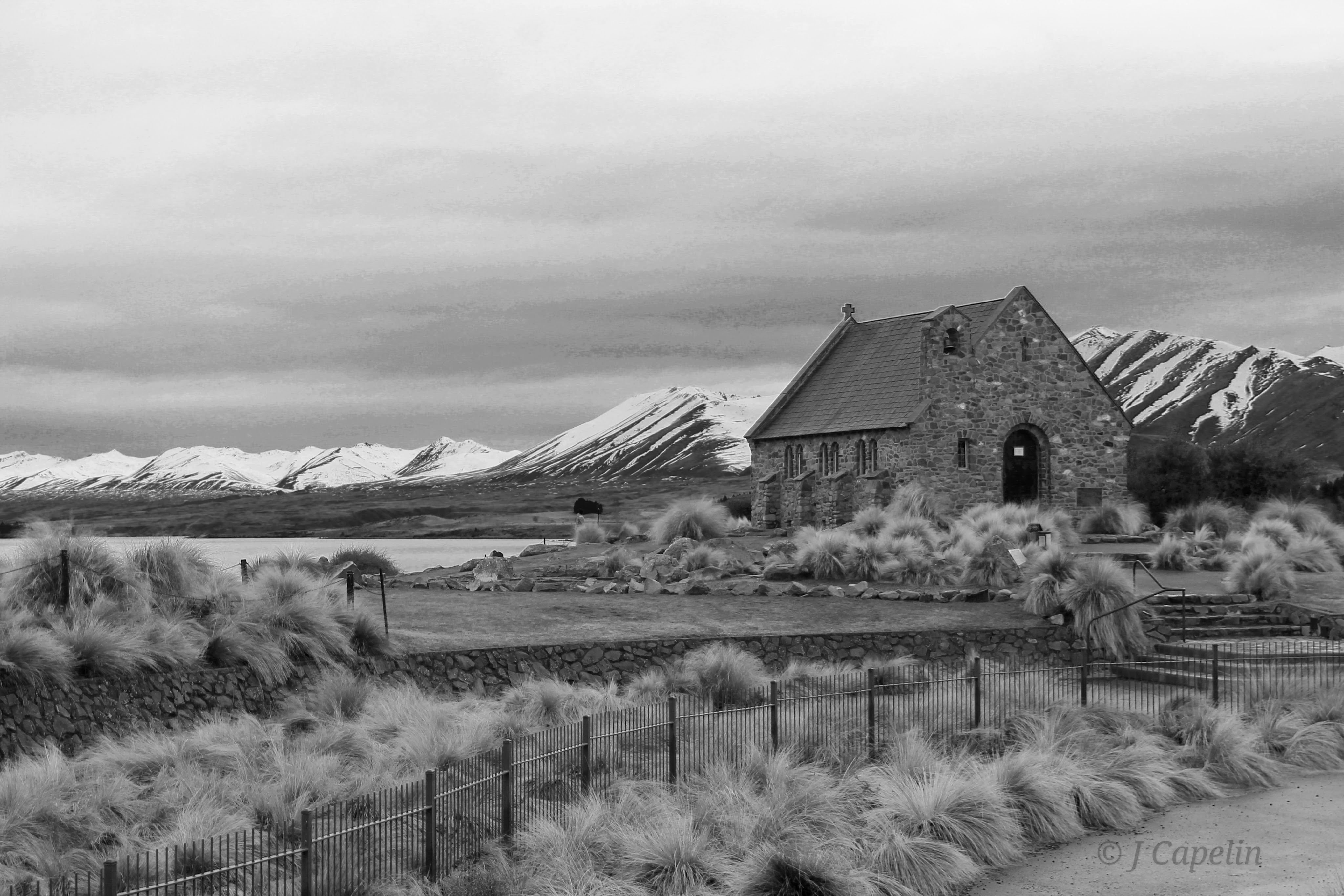
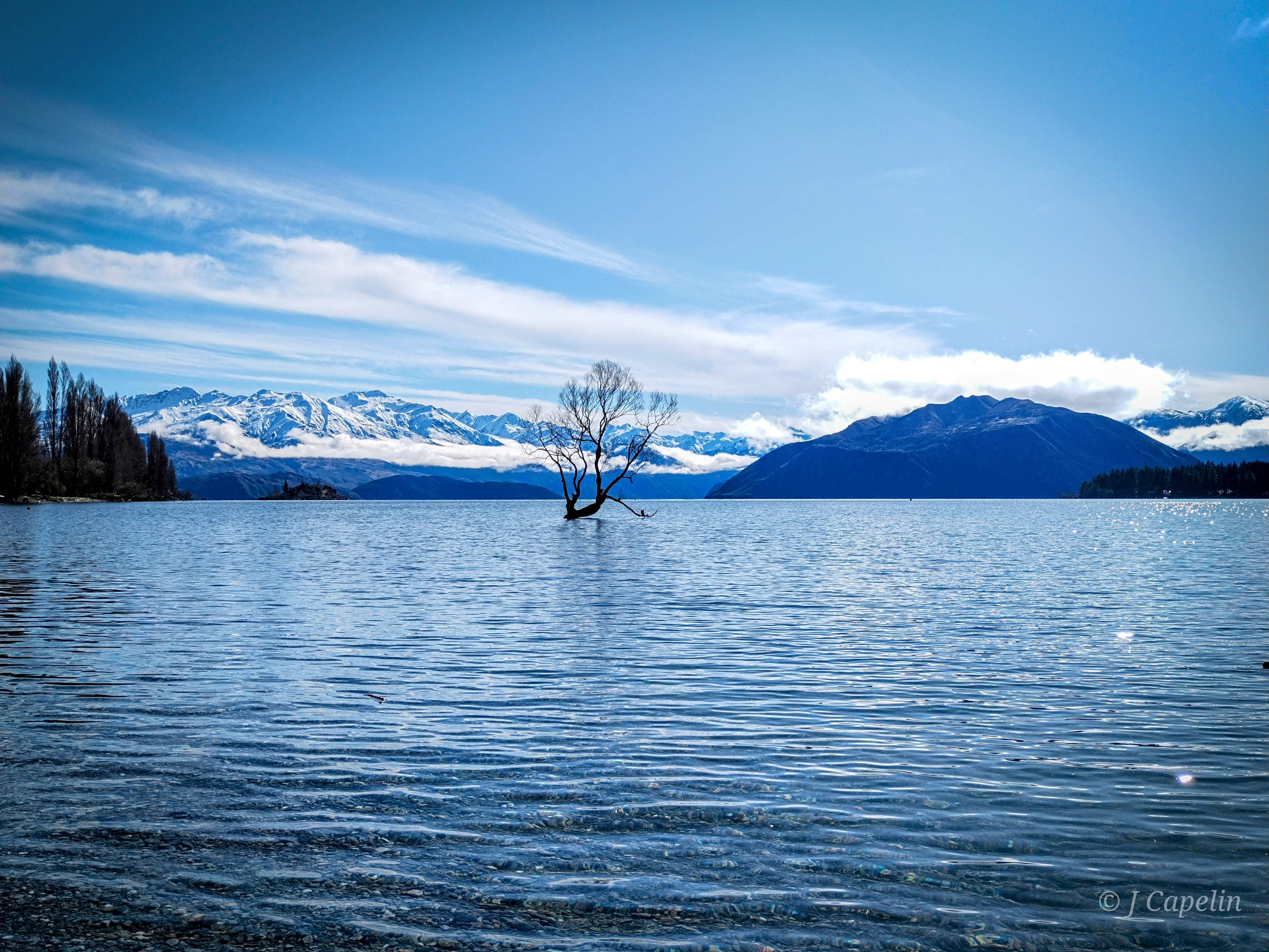
‘Chelenko’ is the indigenous name of General Carrera Lake and means “turbulent waters.” It comes from the Aonikenk Tehuelche people native to southern Patagonia. These very people are the reason Patagonia has its name today. In 1520, Portuguese explorer, Ferdinand Magellan encountered the Tehuelche people for the first time, and was surprised by their height. Standing around 6ft tall, while the average European at the time was around 5ft 3, Magellan described them as giants, originally naming them ‘Patagones’ after a fictional monster, ‘Pathagón’ from a popular Spanish novel at the time, Amadís of Gaul.

Sadly, European colonisation devastated these indigenous groups, and their populations declined, assimilated and were displaced.

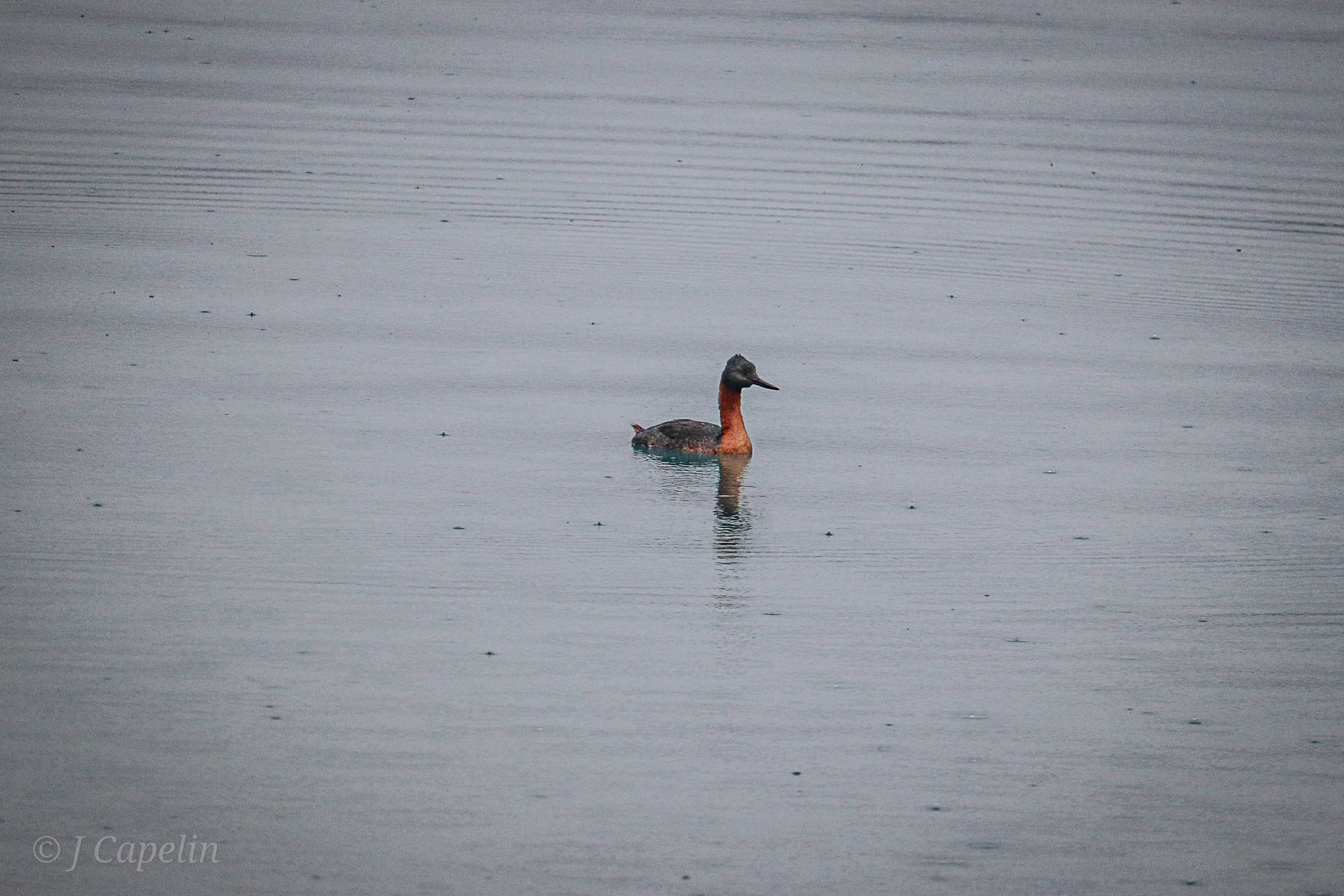
Morning arrives just as night fell – slow and discreet. The little town of Puerto Rio Tranquilo doesn’t awaken until later in the day, and there are no sights to be seen in this persistent rain cloud, so the morning is spent in our cosy cabin, drinking instant coffee, wrapped in a pile of duvet, watching a Huala bird dive for fish in the rain-tattooed lake.
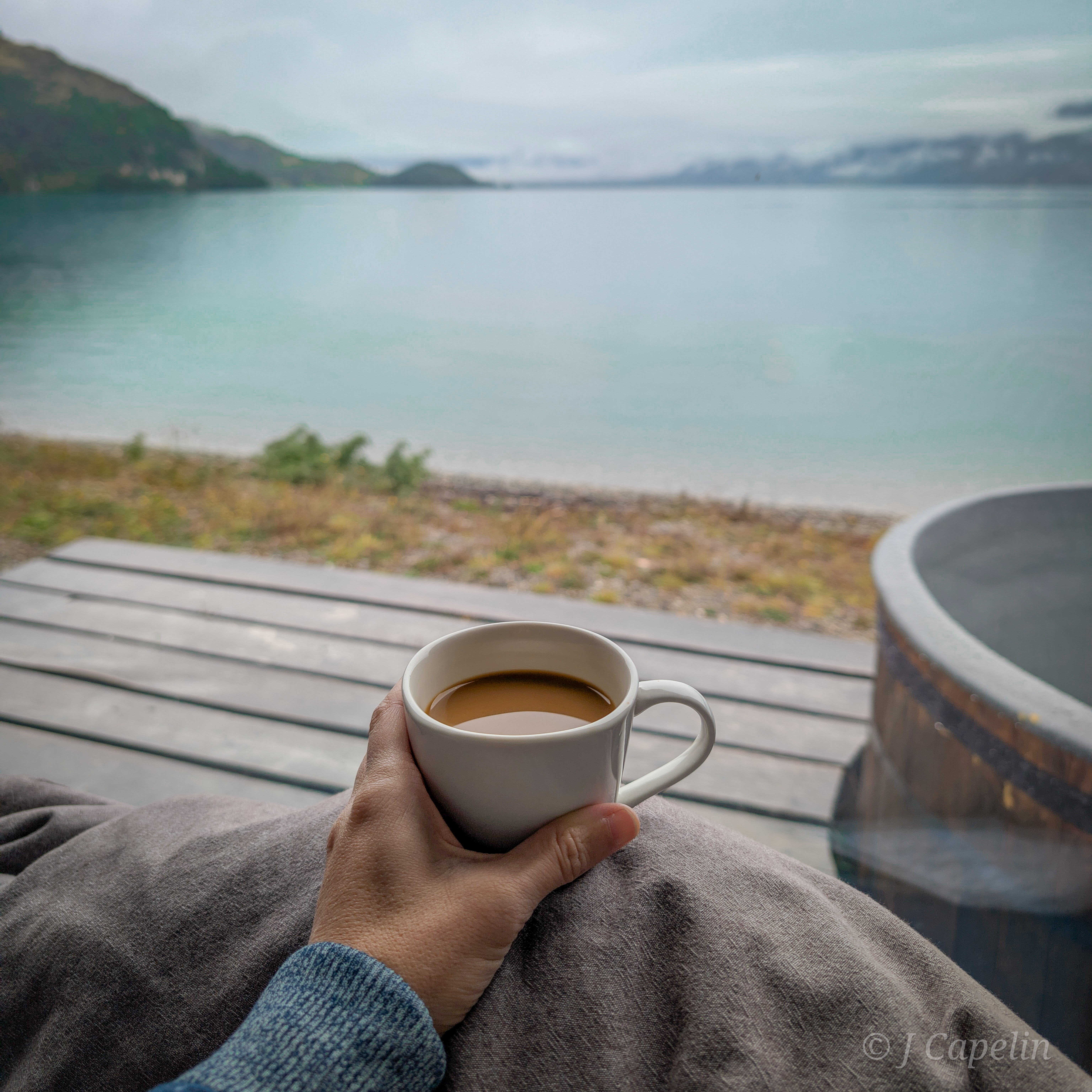
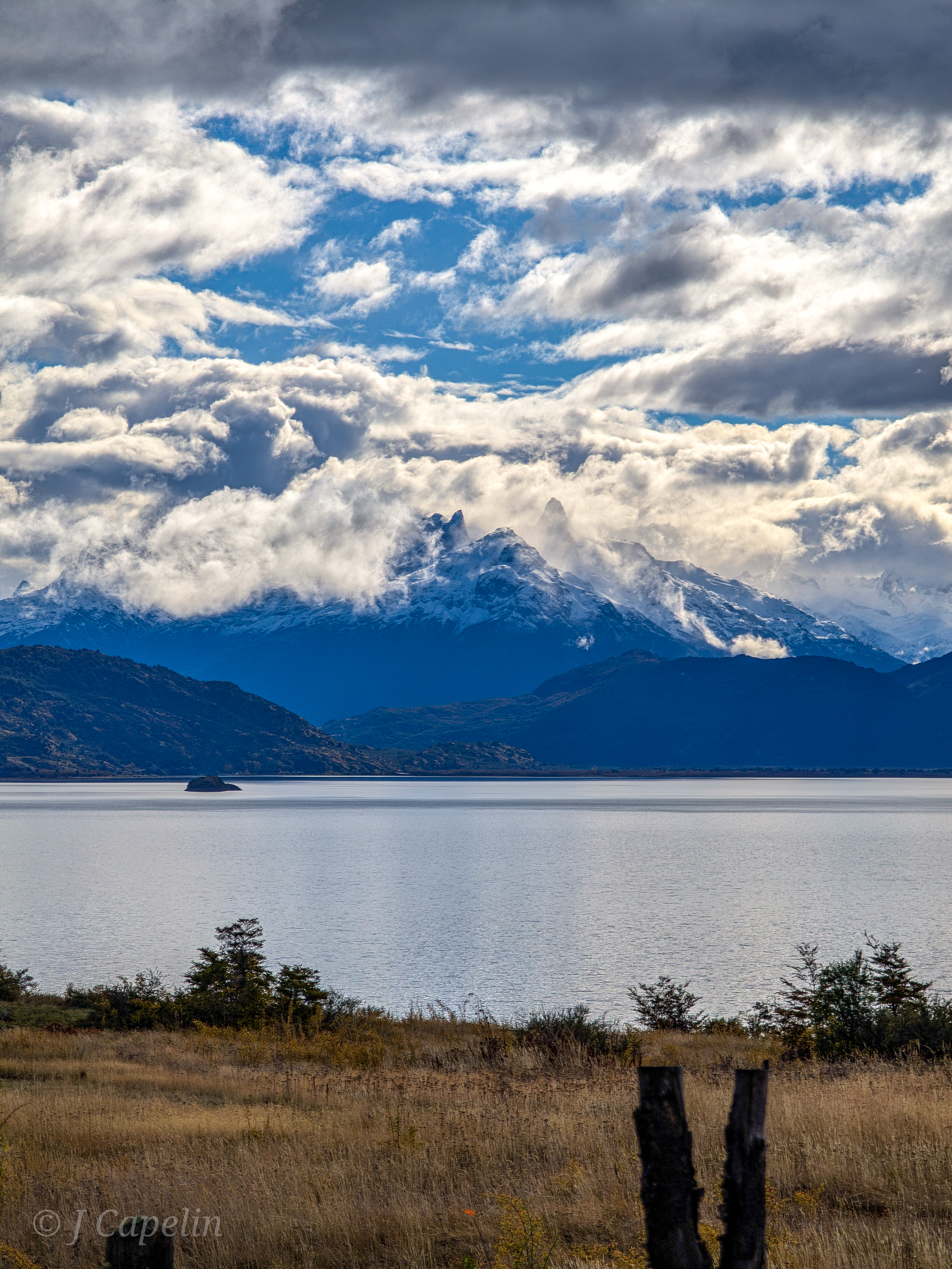
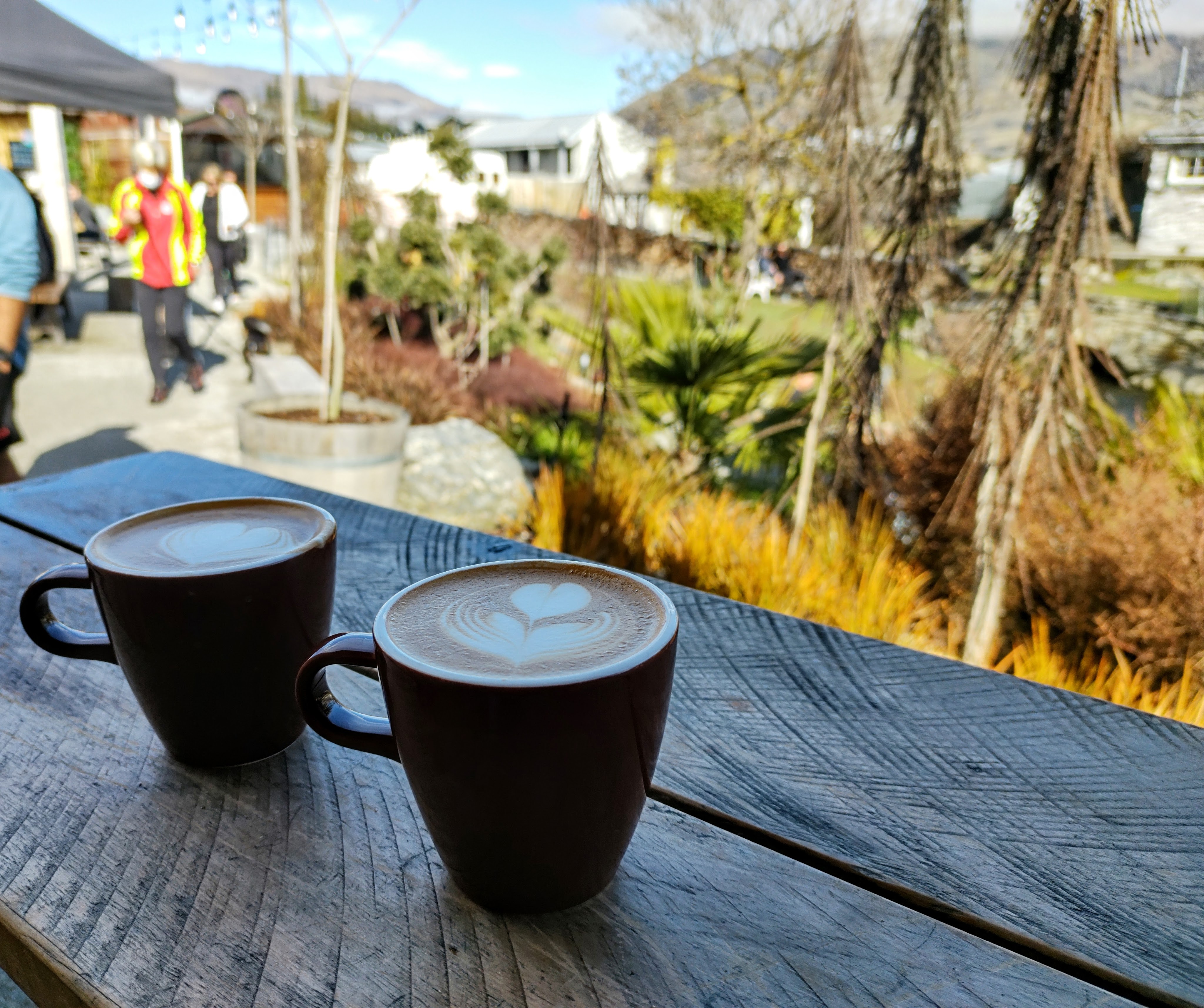
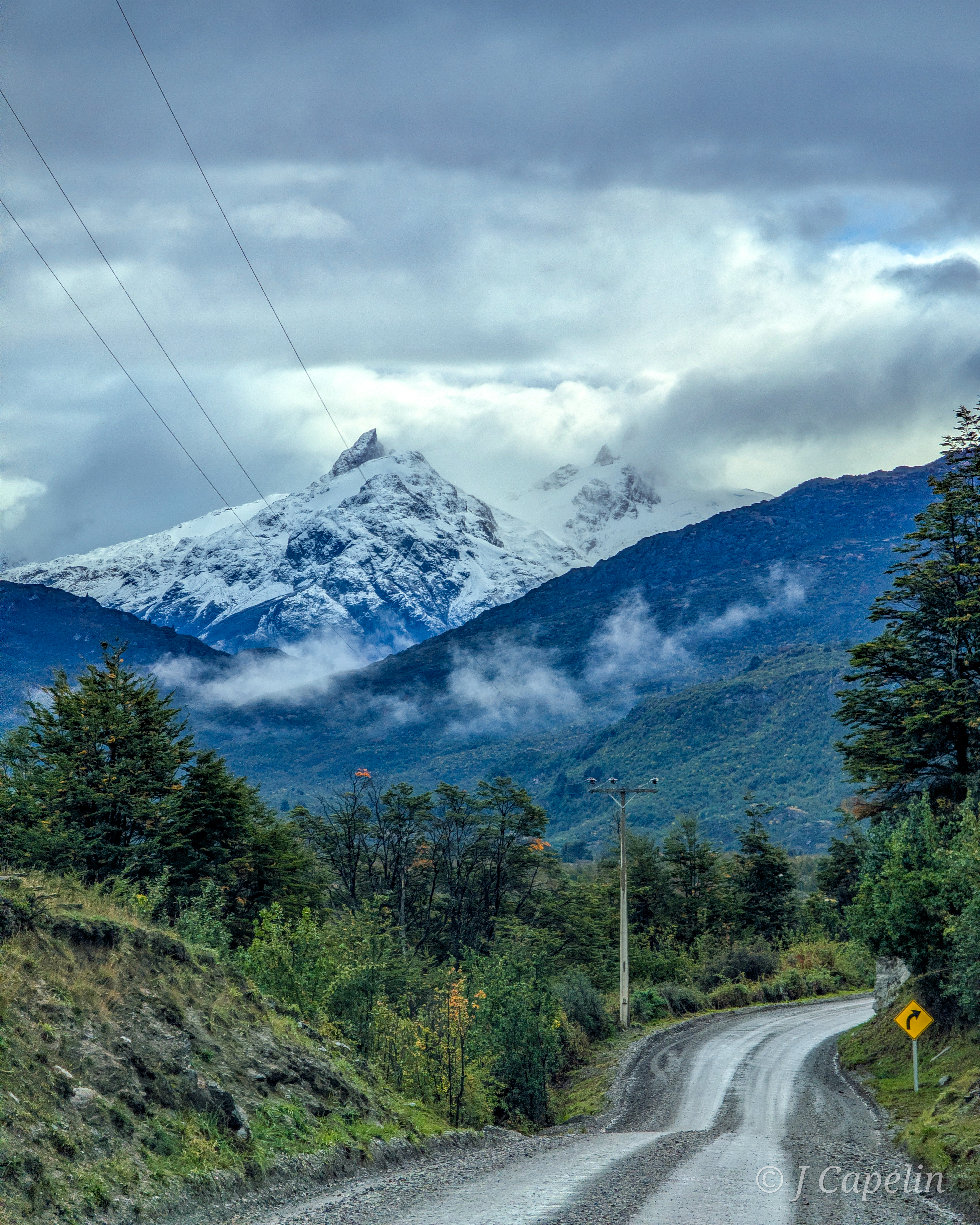
The light doesn’t improve as we approach midday, but Café La Estación – one of the cafes in town – is now open, and we enjoy another hot drink by their wood burner before trying our luck and venturing out for a drive. The stubborn cloud breaks as we leave Puerto Rio Tranquilo and the sky cracks open at the horizon ahead. A line of snowy mountains shines through the burst seam, the road shimmering with wet reflection. With a boost of enthusiasm, we follow the sky south.
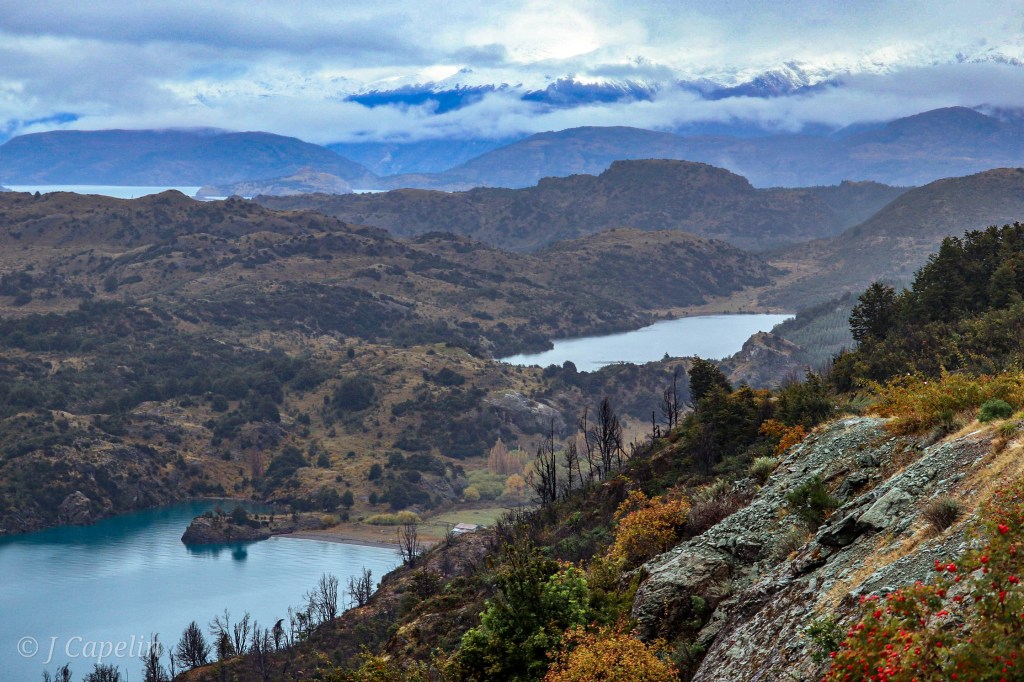
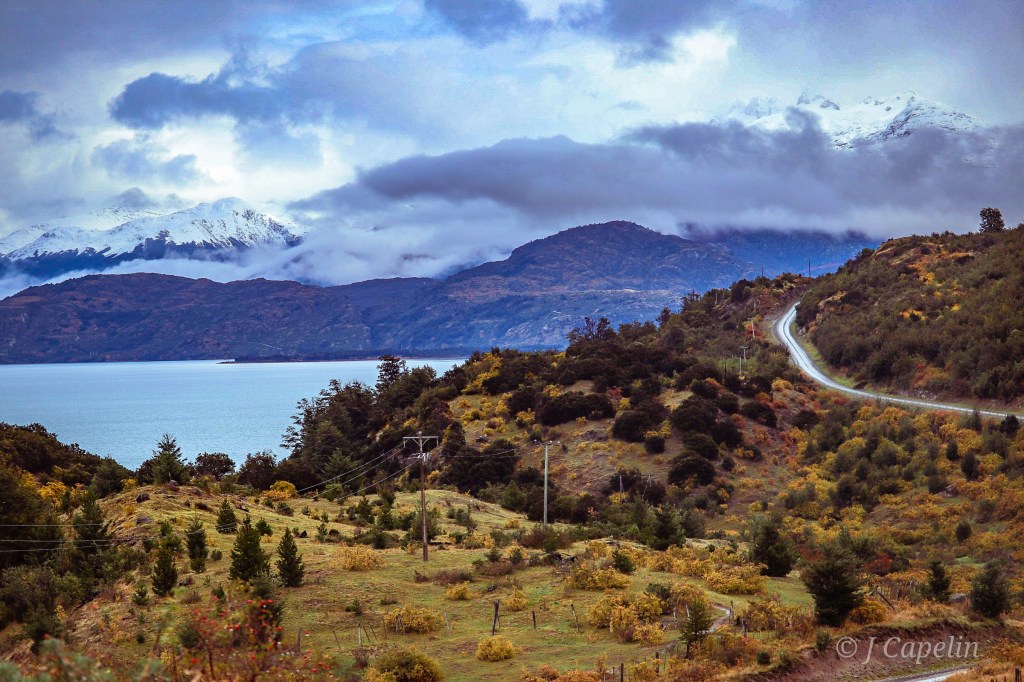
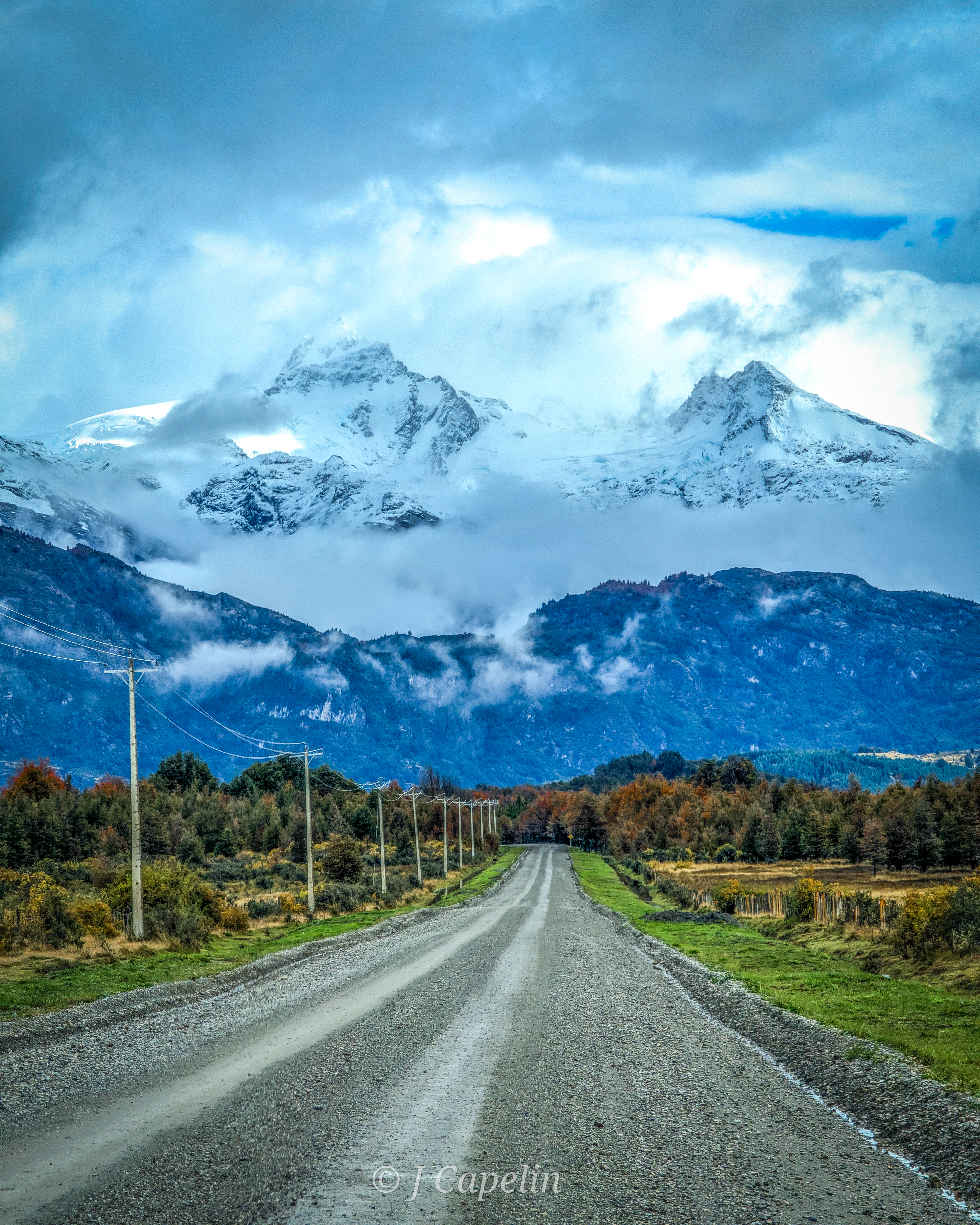
The dirt highway winds and stretches before us, pines and colourful Beech trees either side; cows, goats and horses munching leaves on the verge. The clouds drift, opening windows of sky and snow peaks, gradually clearing to reveal tremendous panoramas around each bend.
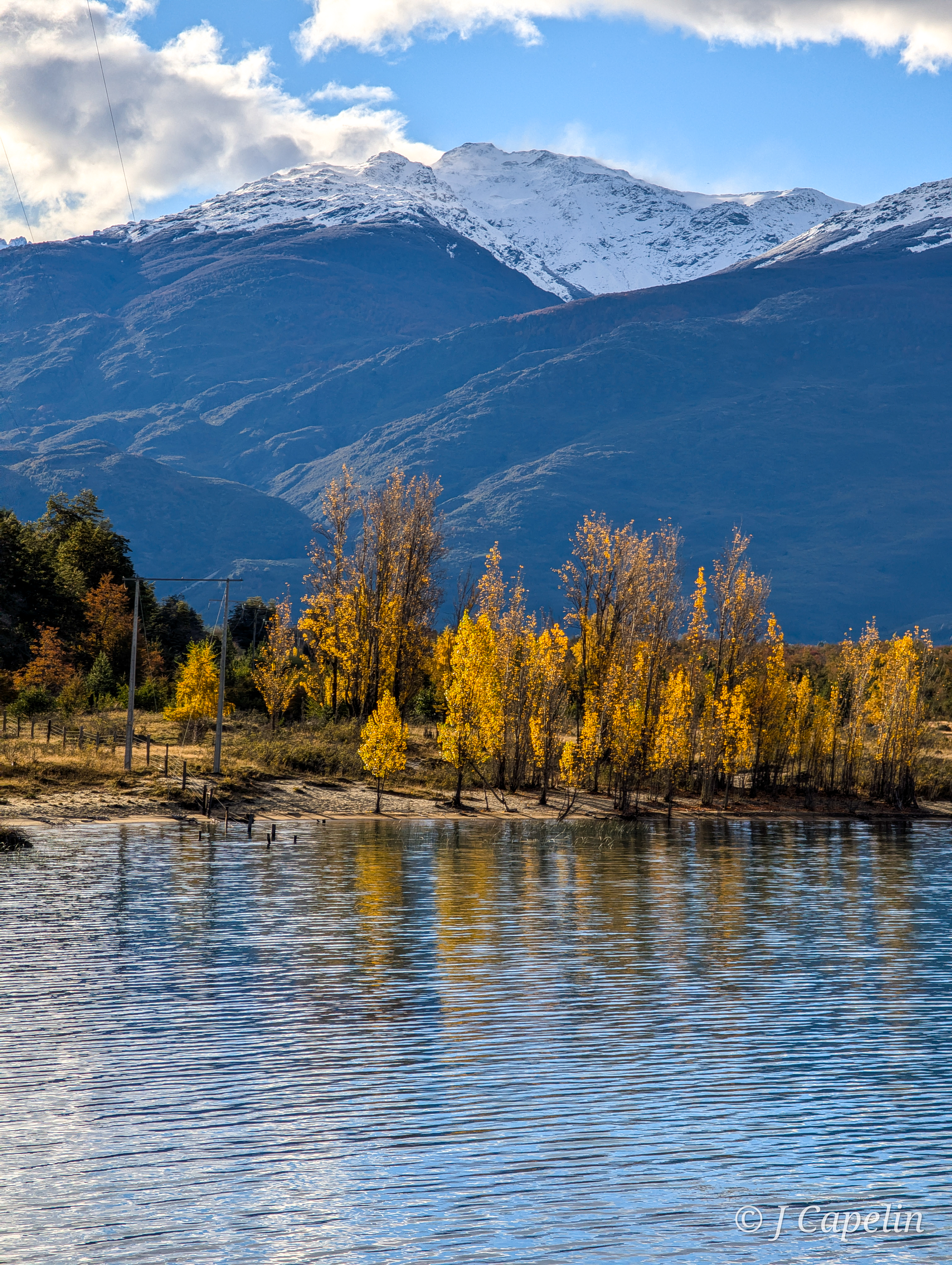
We come around the lake’s edge, crossing a river and weaving around inlets where little boats are moored in pebbly bays lined with poplars. It all looks strangely familiar, and I have to remind myself I’m not in the Southern Lakes of New Zealand!
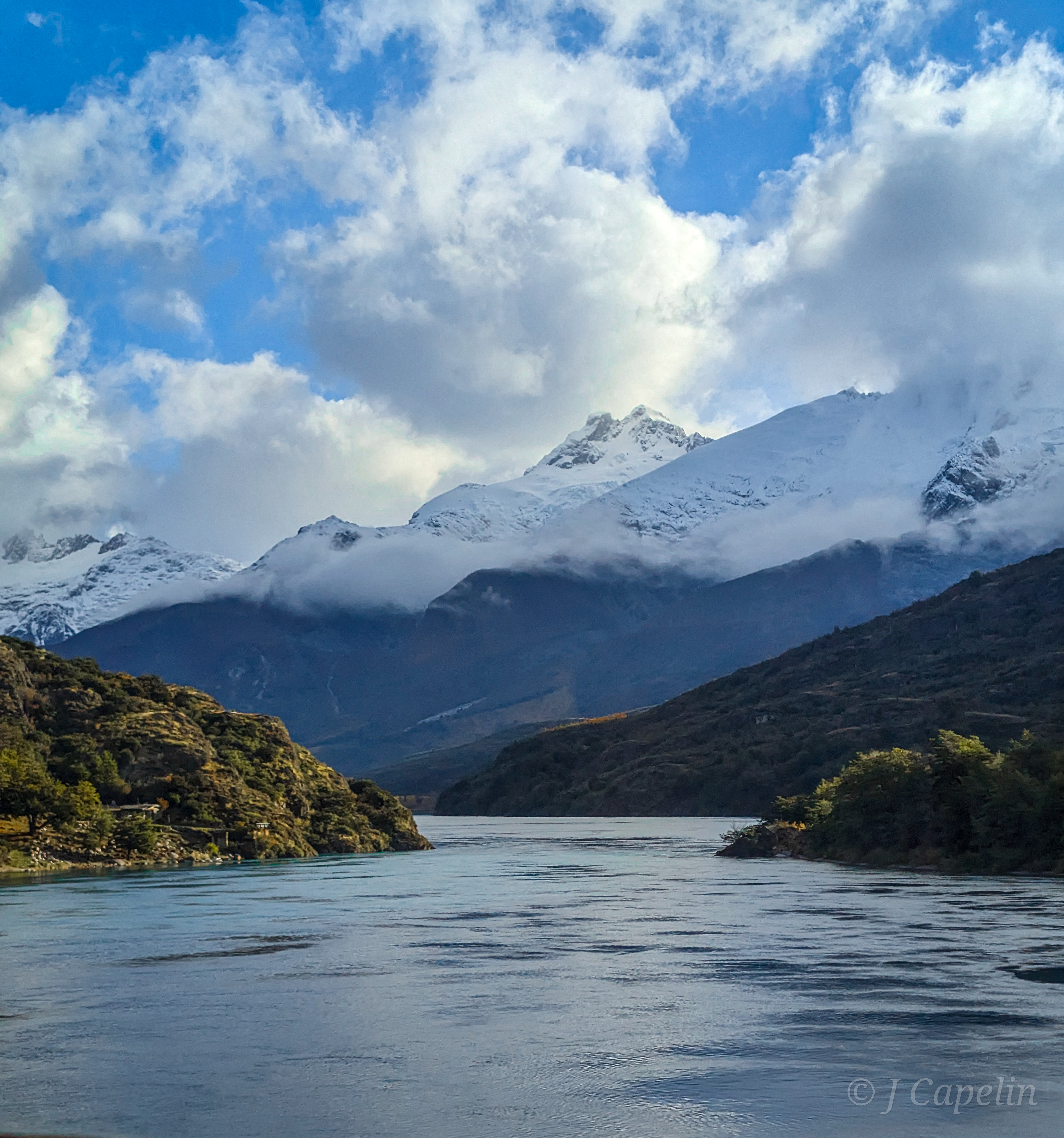
Rounding a corner, we come to a little red suspension bridge, as if someone has stuck a Golden Gate Bridge miniature out here. It crosses the turquoise cascades where Lake Bertrand and General Carrera meet. Between two steep headlands, Lake Bertrand stretches beyond, reflecting an enormous mountainscape, layered white with glaciers – the edge of the Northern Patagonian Ice Field.
The Patagonian Ice Fields

Once upon a time, around 21,000 years ago, Patagonia was covered by one giant ice field, like Antarctica. Nowadays, there are three smaller remnants in the high altitudes of the Patagonian Andes; the Northern Ice Field, the Southern Ice Field, and the Cordillera Darwin Ice Field at the very bottom of the continent. These three ice fields are still the largest area of ice in the Southern Hemisphere outside of Antarctica, and if they melt, the sea level will rise 15mm all around the world!

We arrive at a fork in the road, where the Carretera Austral leads up a steep ledge to El Mirador Tres Lagos – view of the three lakes.
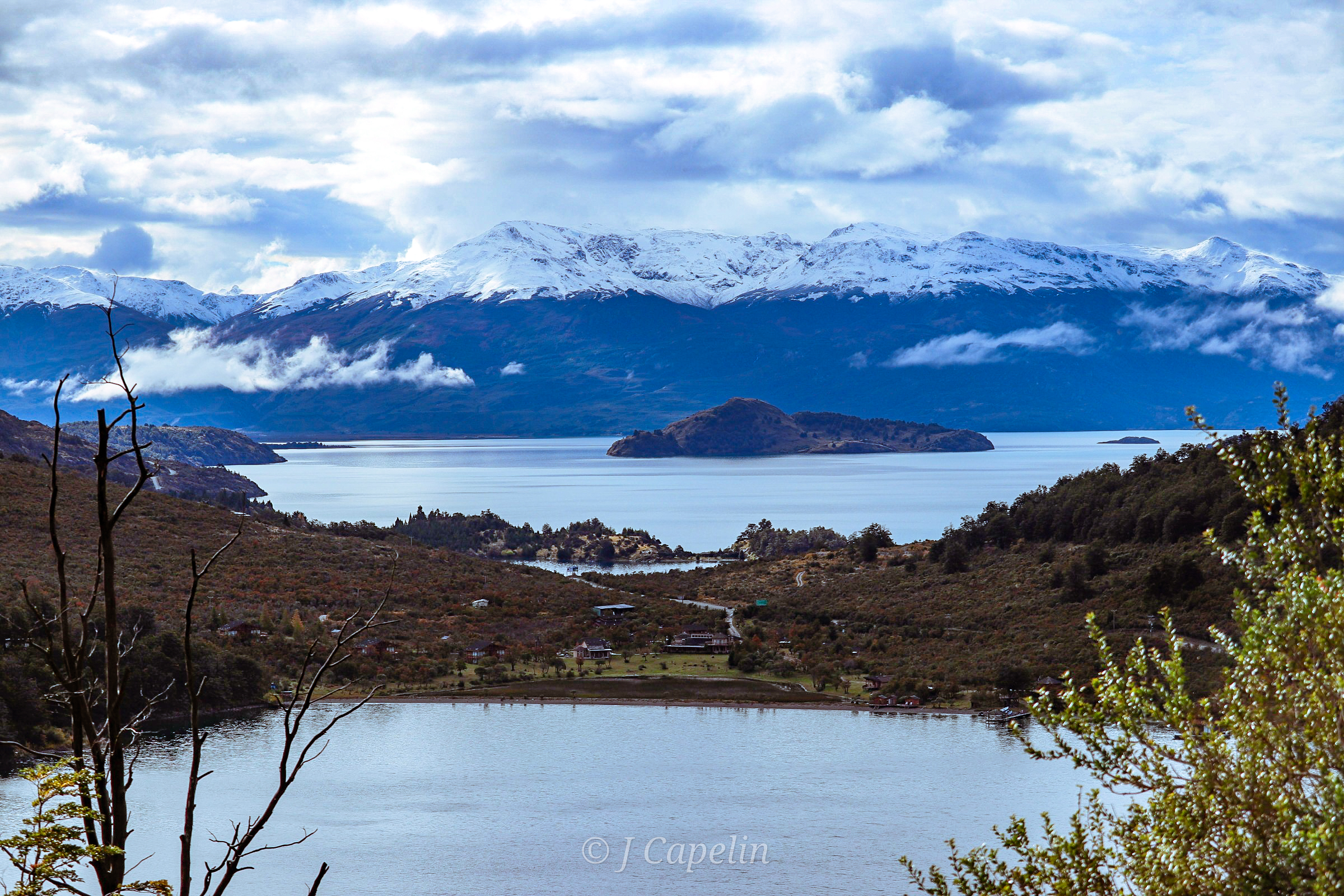
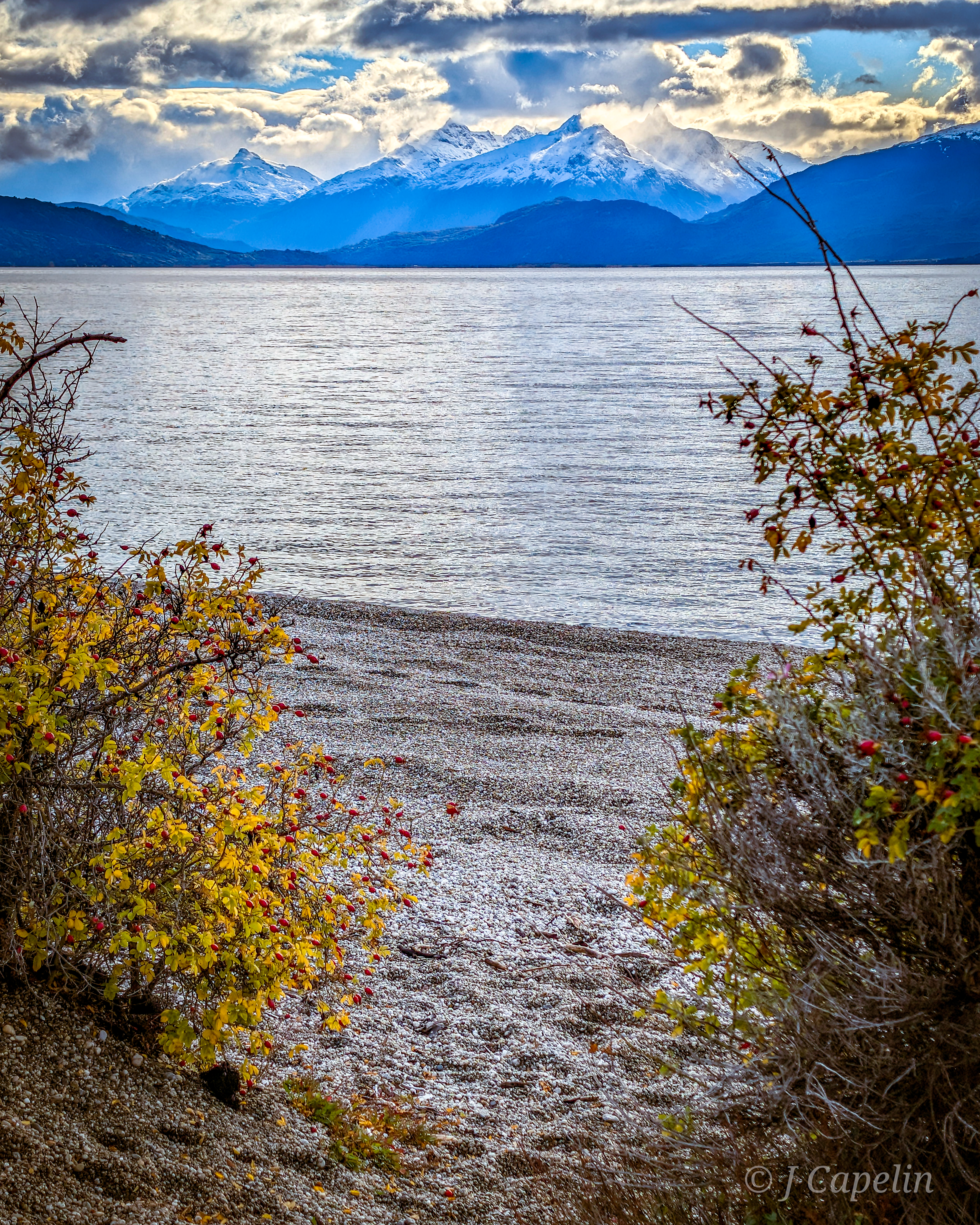
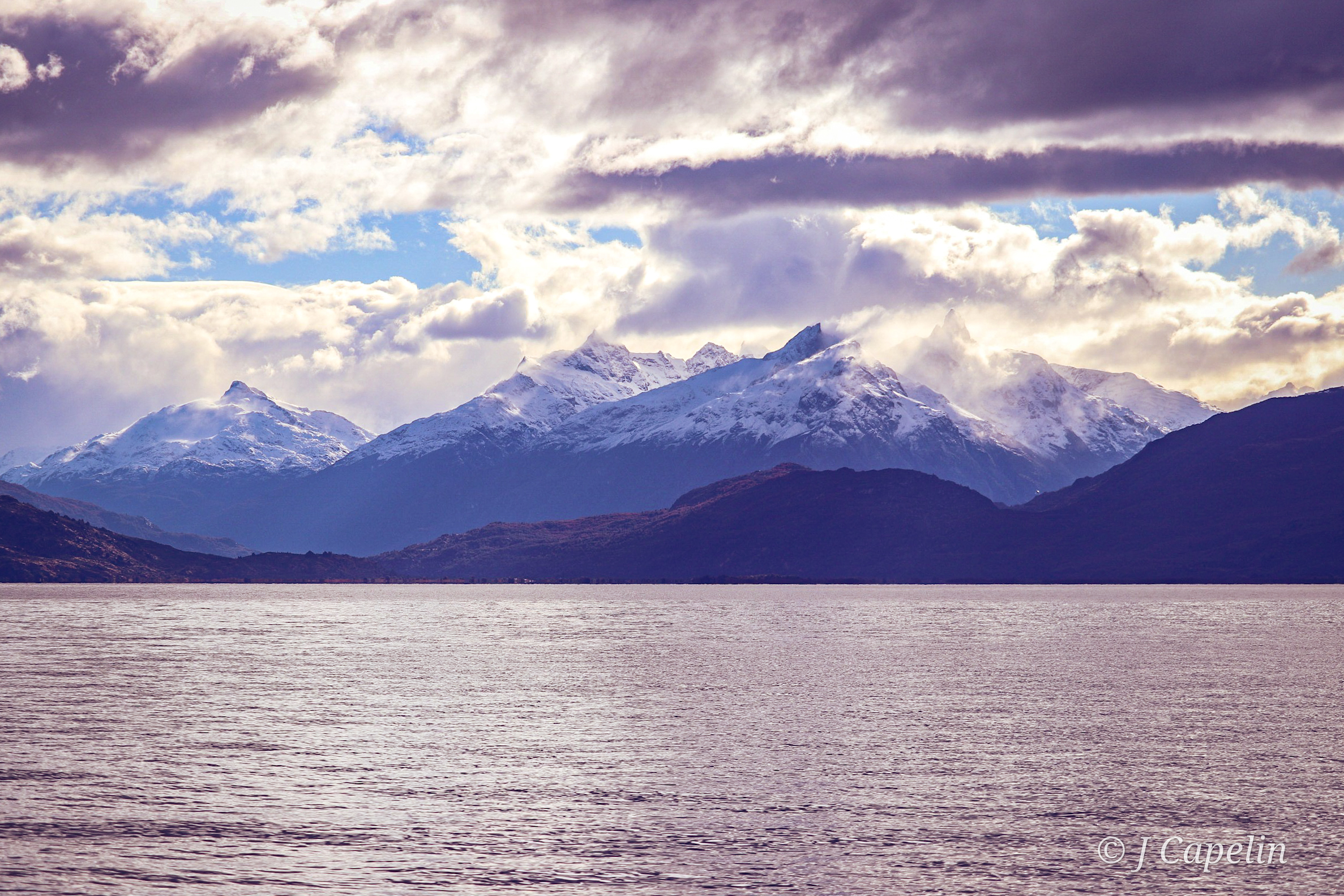
At the fork, we head along Route 265 around the southern side of Lago General Carrera, through the pretty little commune of Puerto Guadal, where dogs and chickens chase each other in the quiet residential streets. A little way out of the town is the spectacular Cascada El Maqui – a waterfall, which you can see from the road cascading down the hillside, and a short drive onwards is Playa Larga. This beautiful lakeside beach provides impressive mountain views and water so clear it could be textured glass. We see someone coming out of the freezing water in their swim shorts, and we are not inspired to copy!
Lago General Carrera

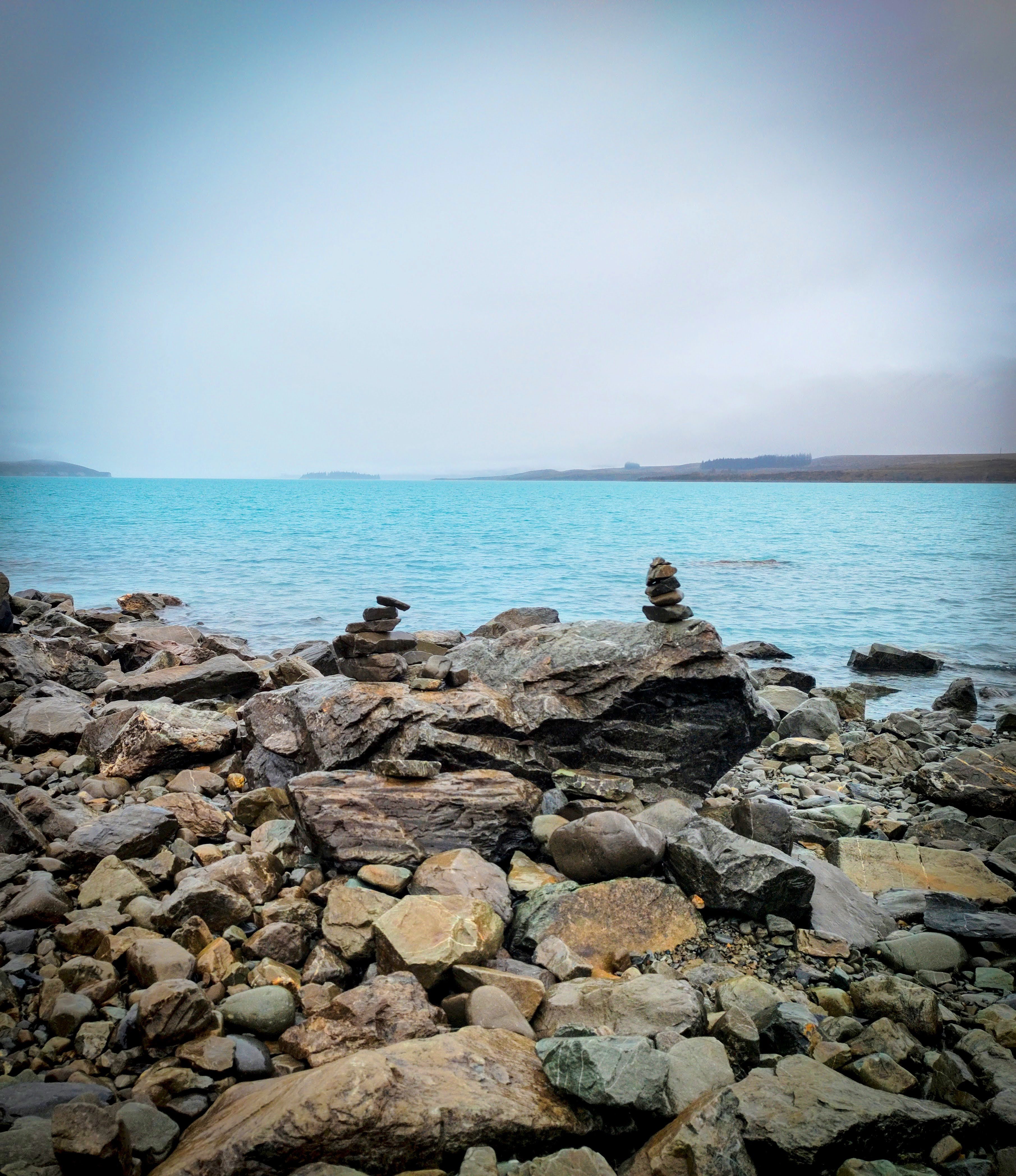
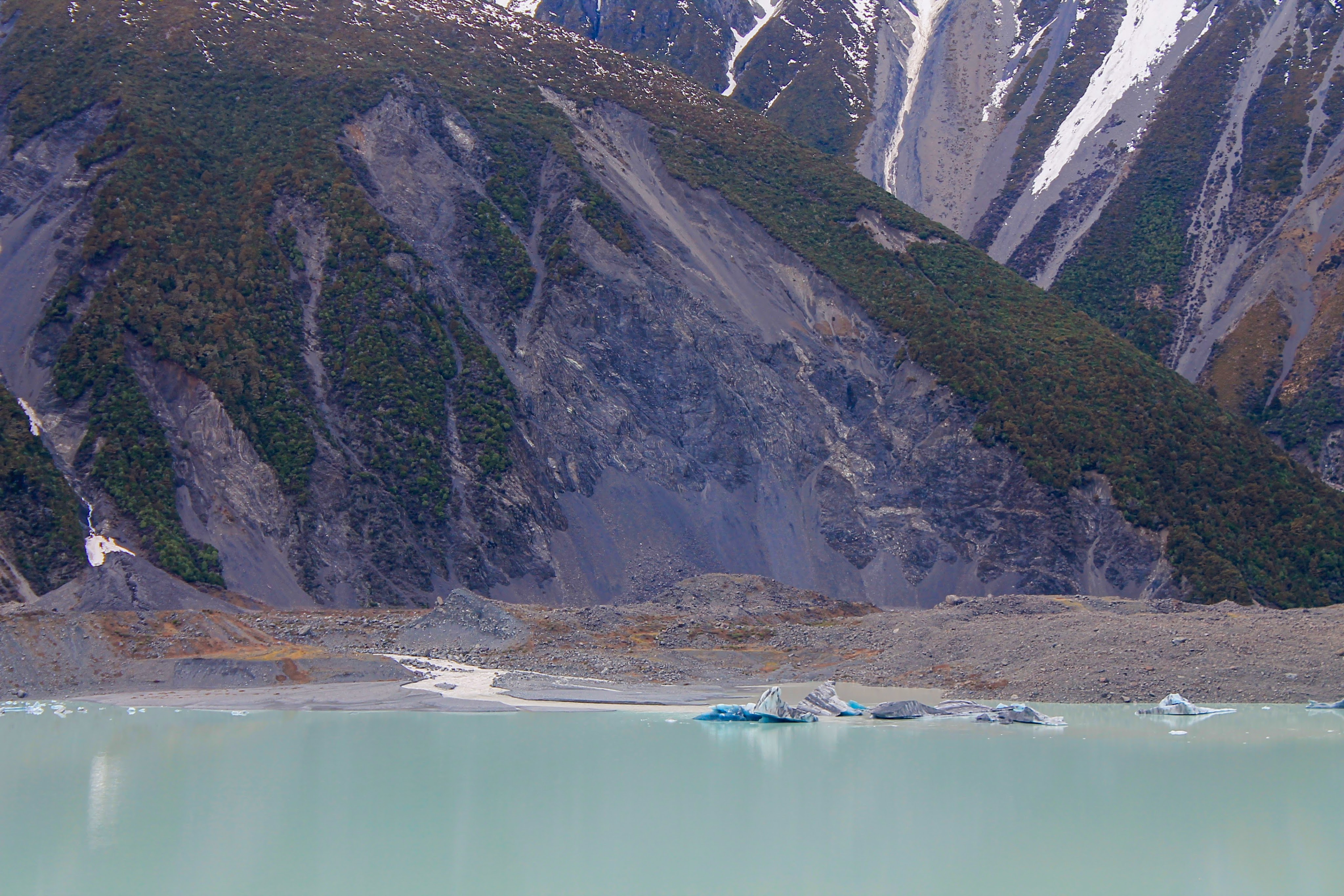
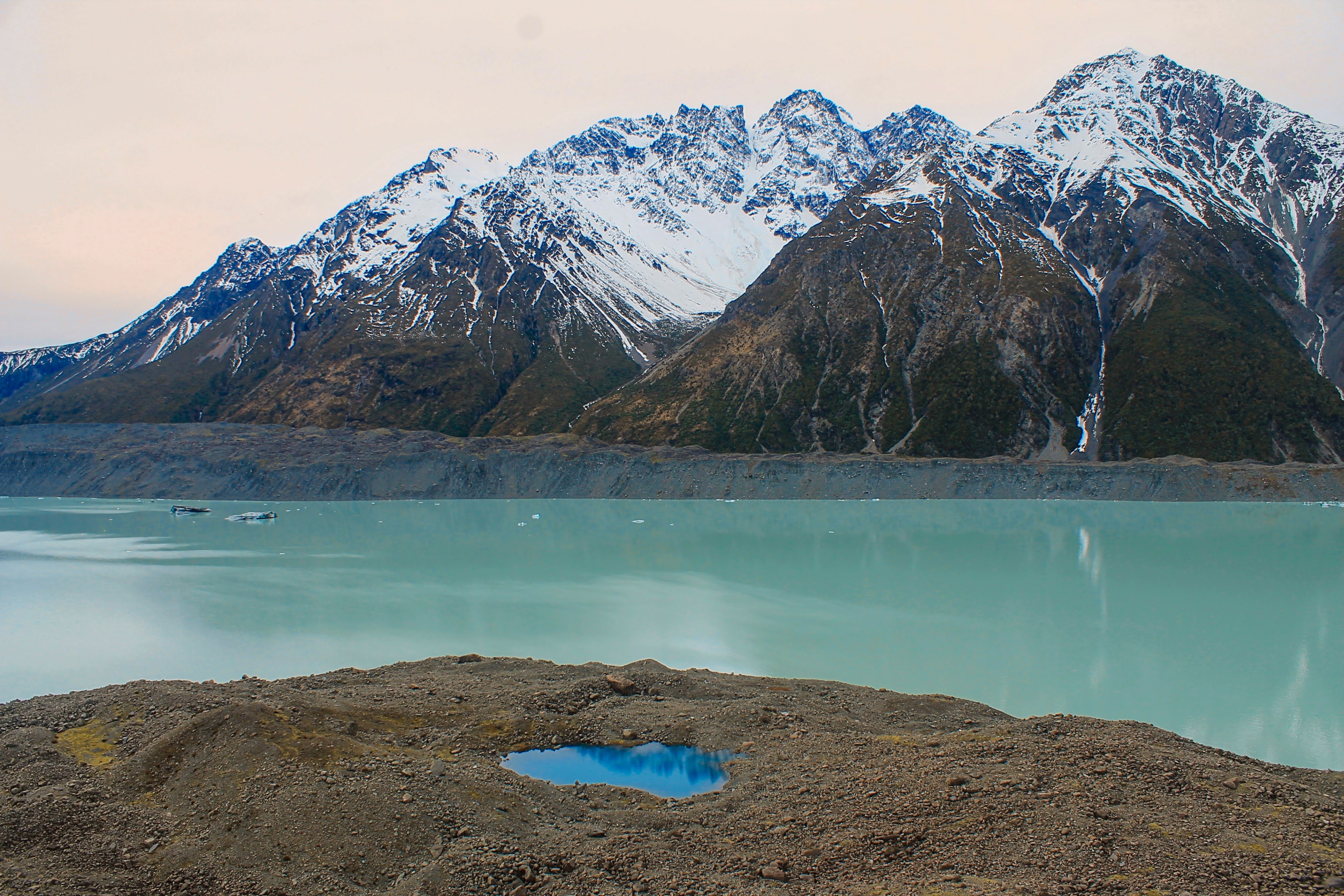
Yes, this is still General Carrera Lake, or ‘Chelenko.’ Playa Larga is a 67km drive around the lake from Puerto Rio Tranquilo, and is still only on the western tip, so we’re essentially dipping a toe in the massive region. General Carrera is both Chile’s and Argentina’s largest lake, with an area of 1,850km². The border of the two countries runs through the middle of the lake, meaning it has two official names: Lago Buenos Aires in Argentinian, and Lago General Carrera in Chilean. It would take approximately 12 hours without stopping to drive around the entire lake.

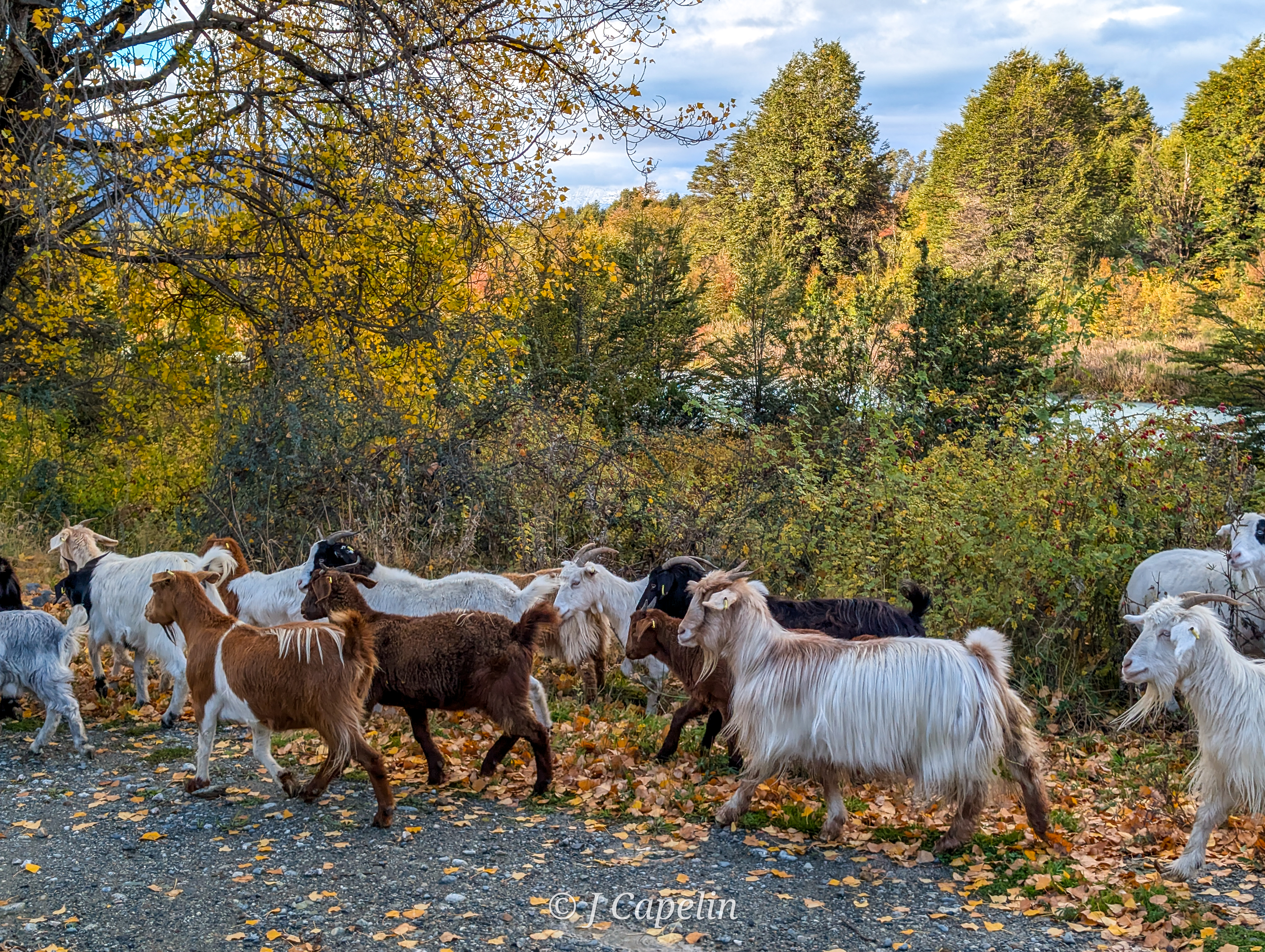
The drive back brings yet more perspectives, and with the late afternoon sun now shining, there are new shapes and colours in the landscape. A herd of goats decide to guide us slowly along part of the track.
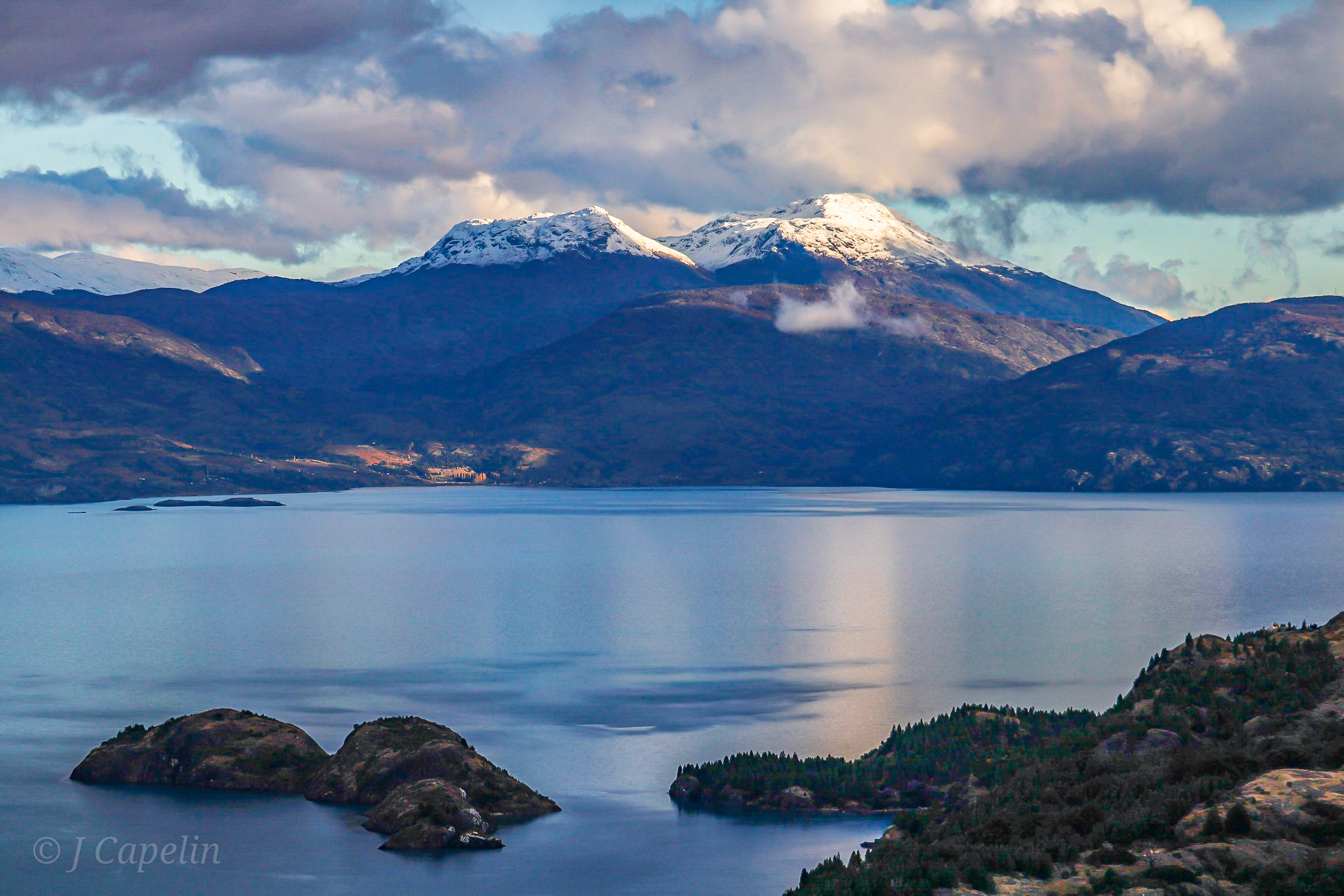
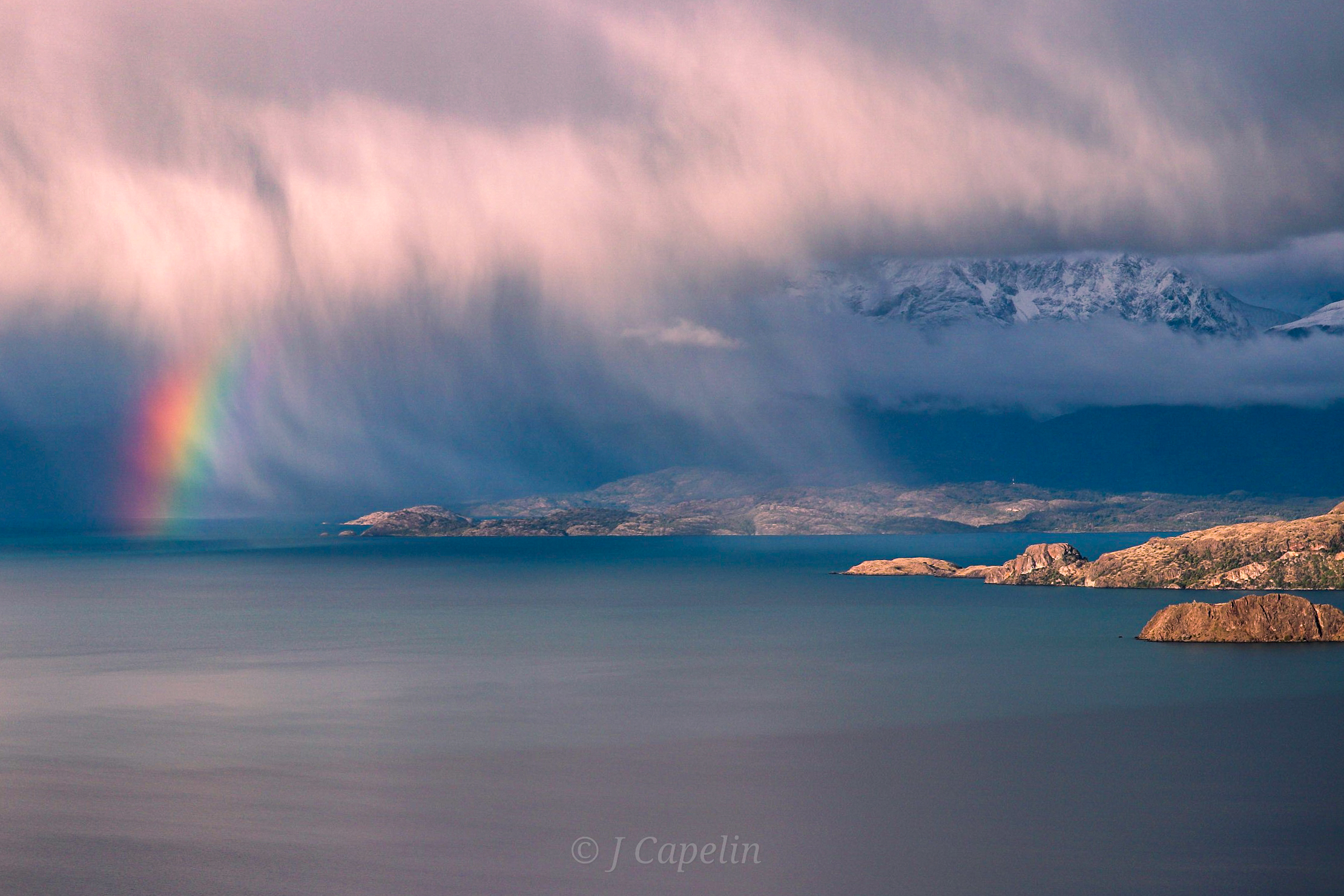
As we turn around the next corner, a new view appears before us where mist had lingered earlier. Little sun-brushed islands pebble-dash the flat lake; a great swooshing cloud over them indicating rain. In shadow beyond, a line of snowcapped mountains peer out from the cloud, and to the left, one of the brightest rainbows I’ve ever seen pours from the cloud into the lake.
As we draw closer to Puerto Rio Tranquilo, a tiny flash of black in the roadside grasses makes us slow down. A black Gato Güiña (or Kodkod in English) pauses to look at us, before slinking across the road and disappearing into the bushes in a flash!

Gato Güiña

Gato Güiñas or Kodkods are the smallest species of wild cat in the Americas. Typically they have leopard-print-like fur, but there is a rare melanistic phenotype that is black, and these are known to inhabit this particular part of Patagonia south of Puerto Rio Tranquilo. They are smaller than domestic cats, with small heads and long bodies, and in my opinion move like a ferret.
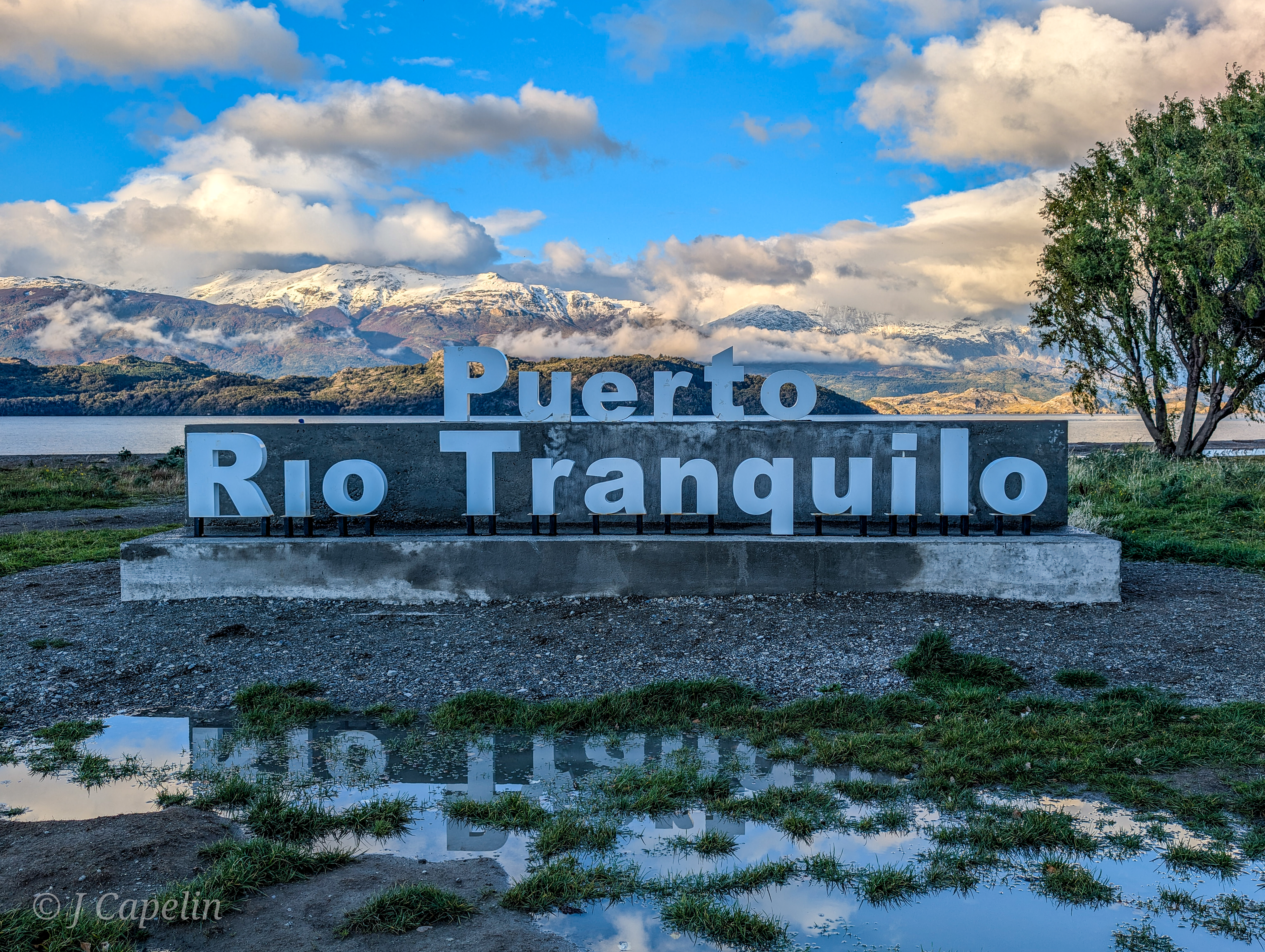
Puerto Rio Tranquilo

The pretty little town on the lakefront is a tourist hub during the summer months, but this time of year it operates just enough to get by. It seems very quiet, but for the dogs that welcome us with tail wags every time we walk down the street. After all, it wouldn’t be a true Chilean town without a pack of friendly dogs.
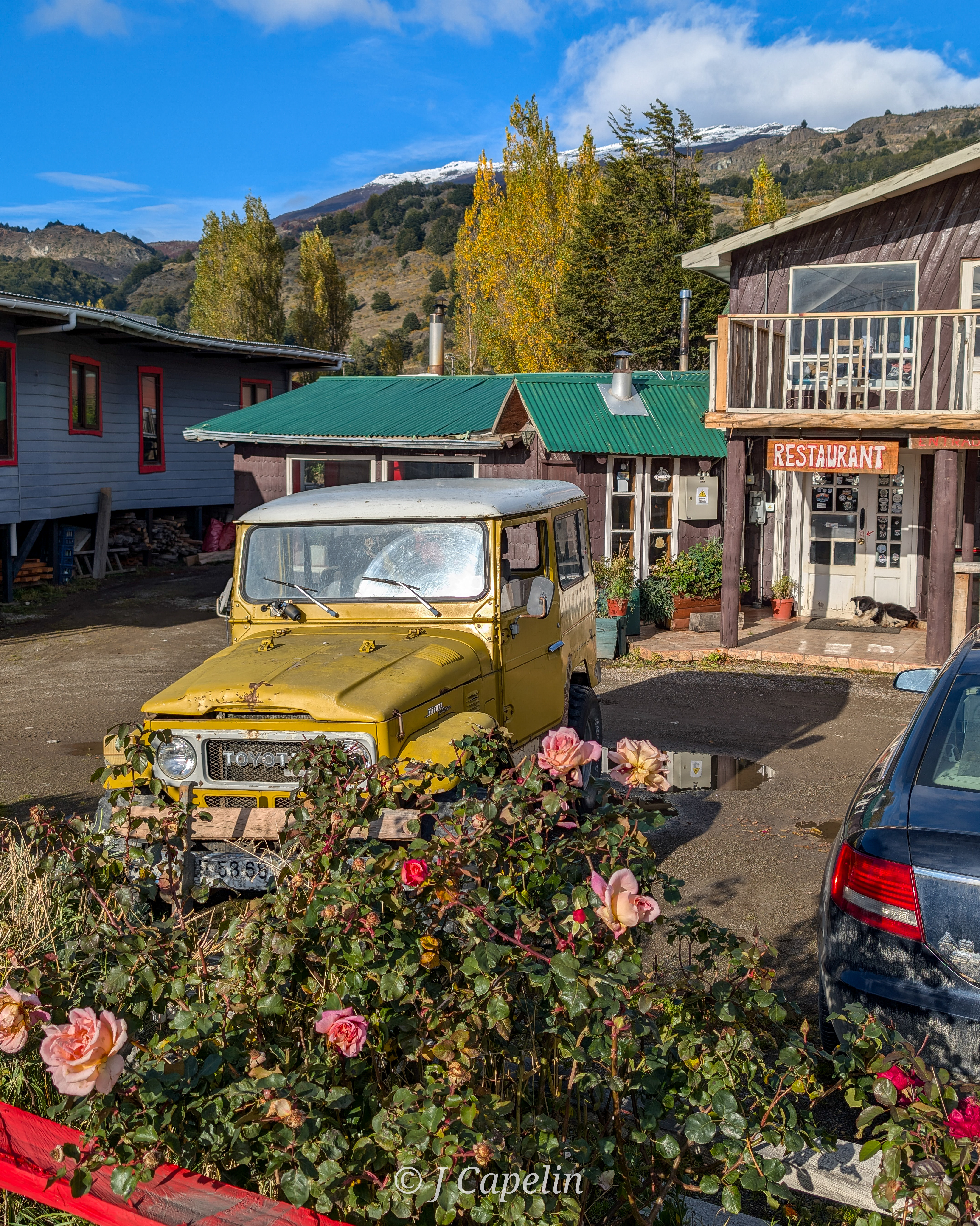
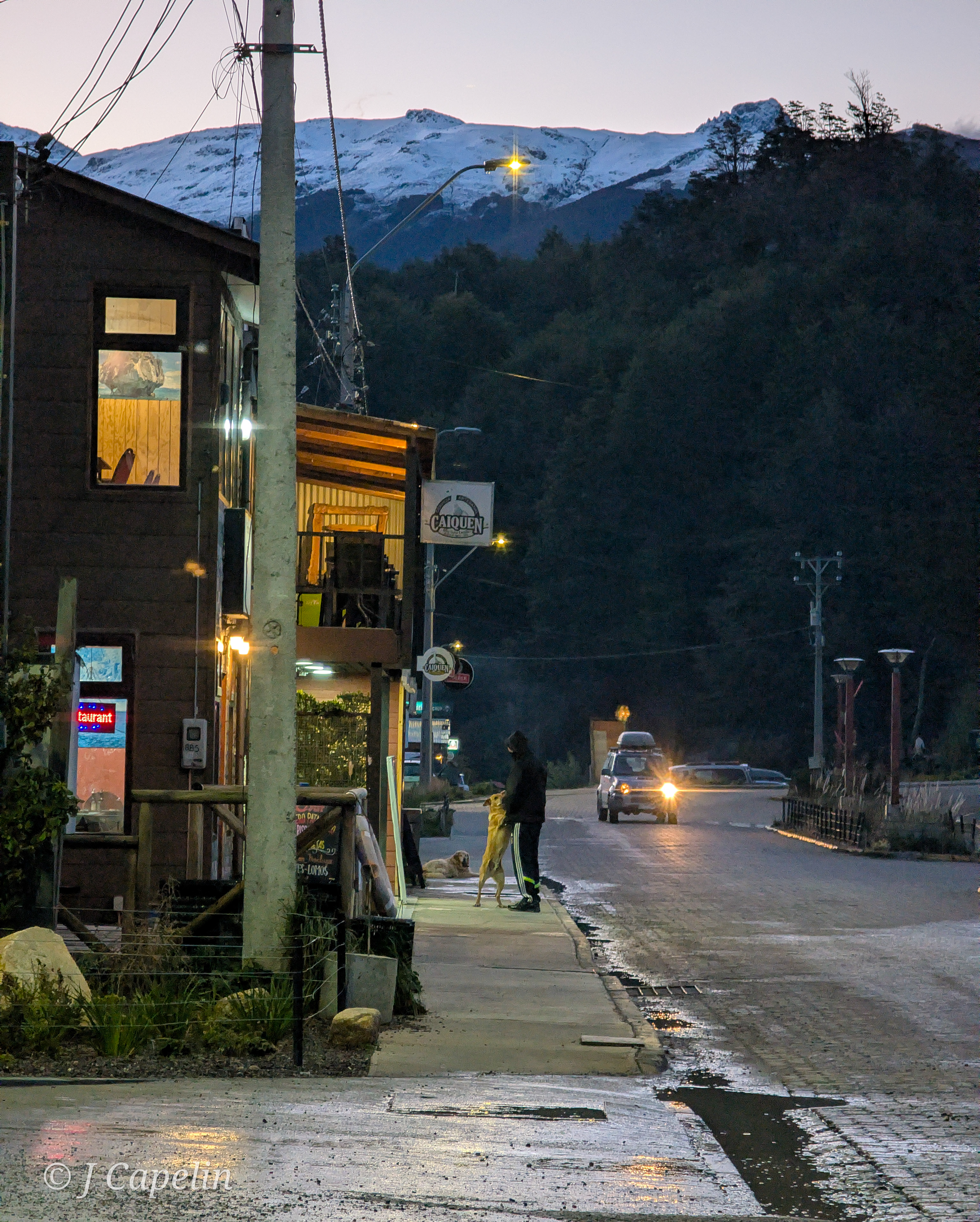
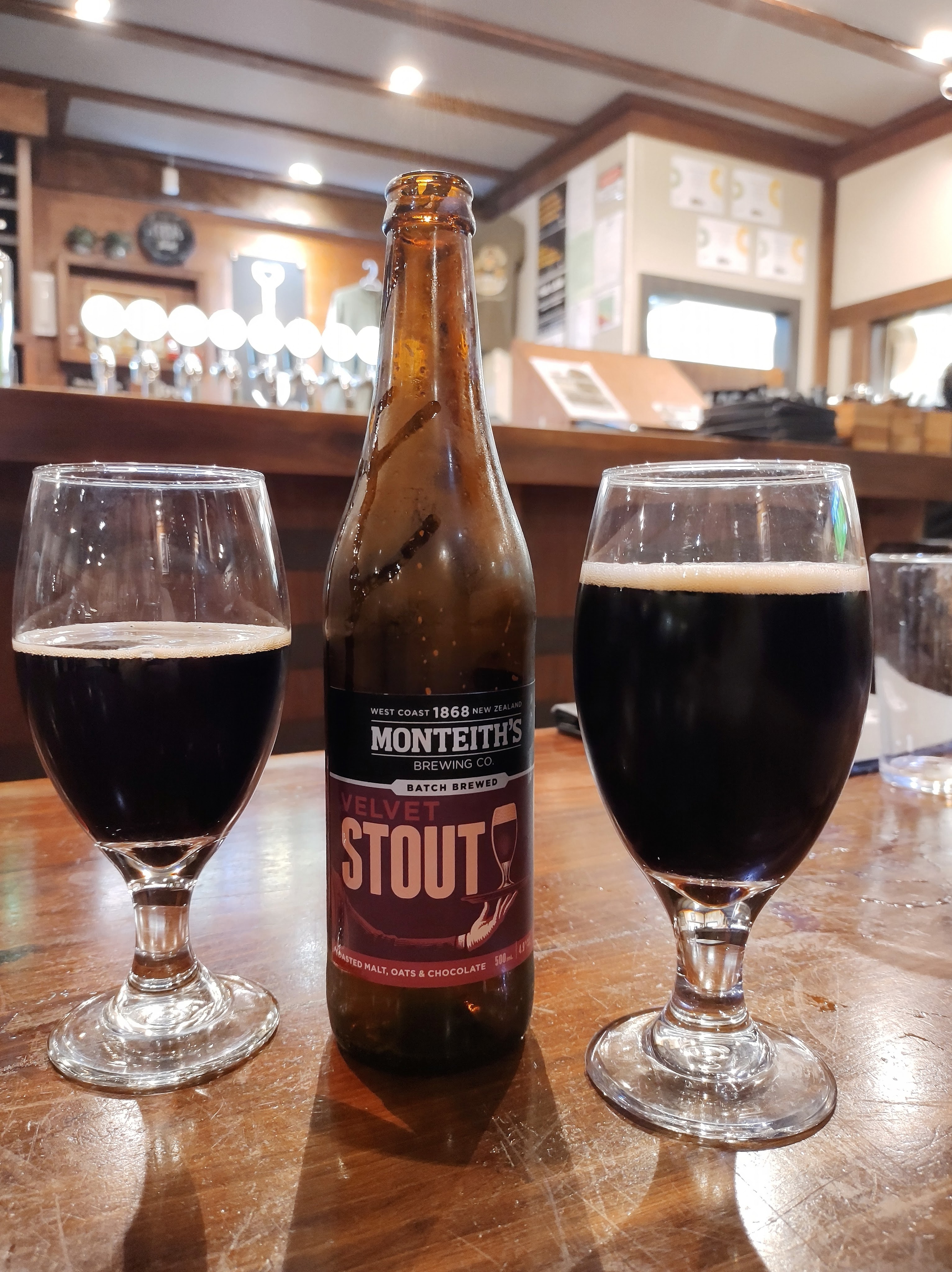
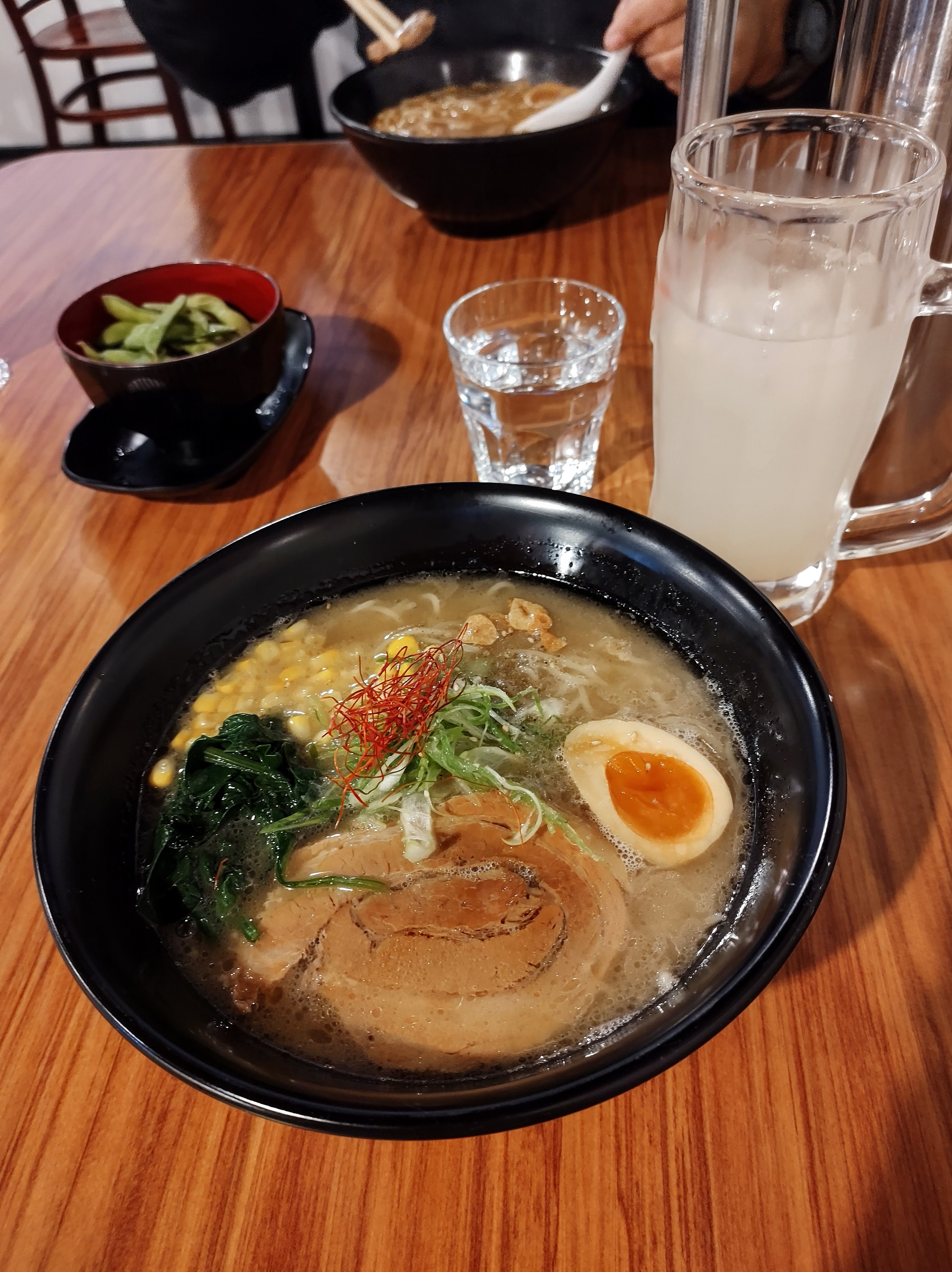
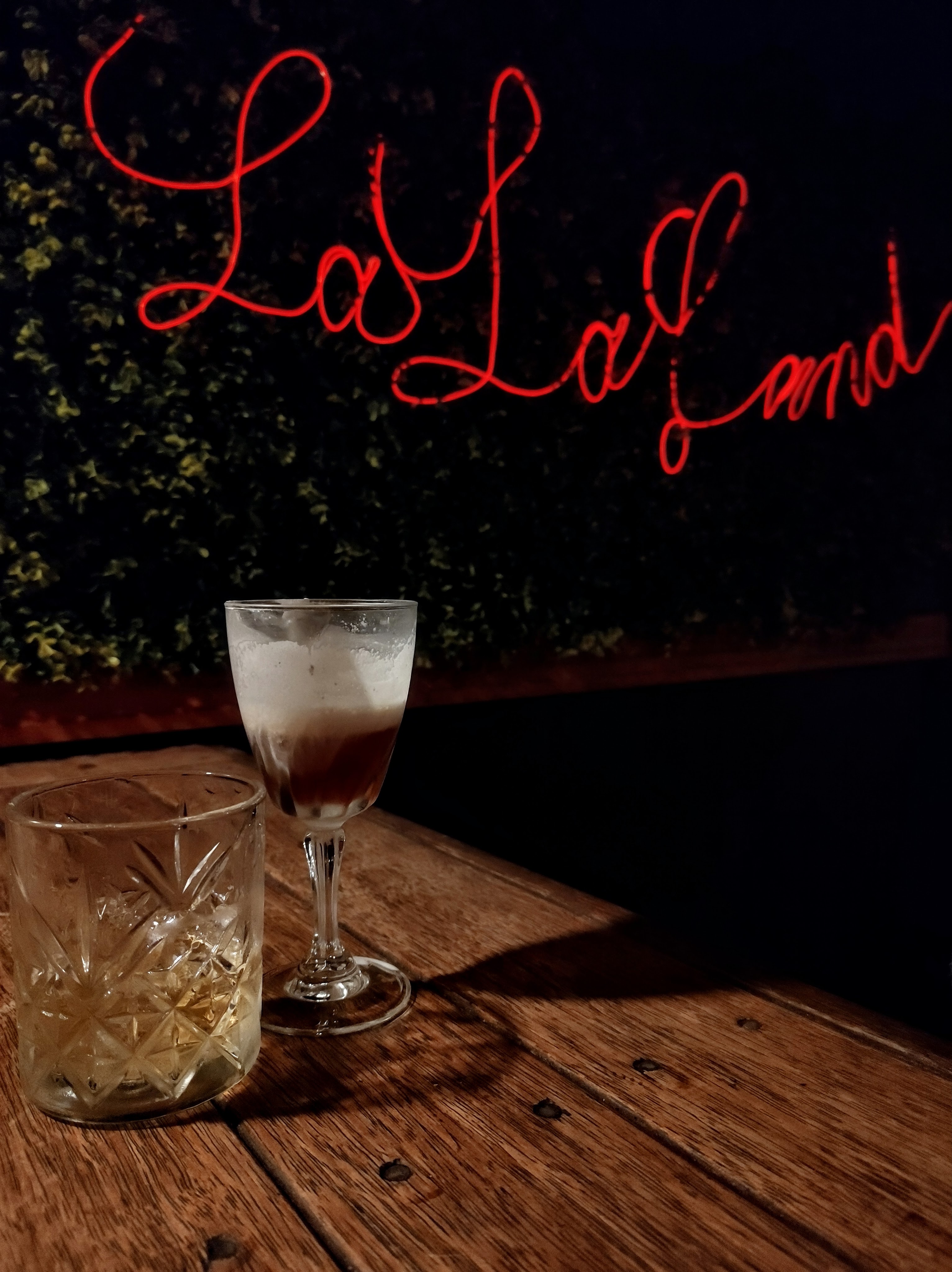
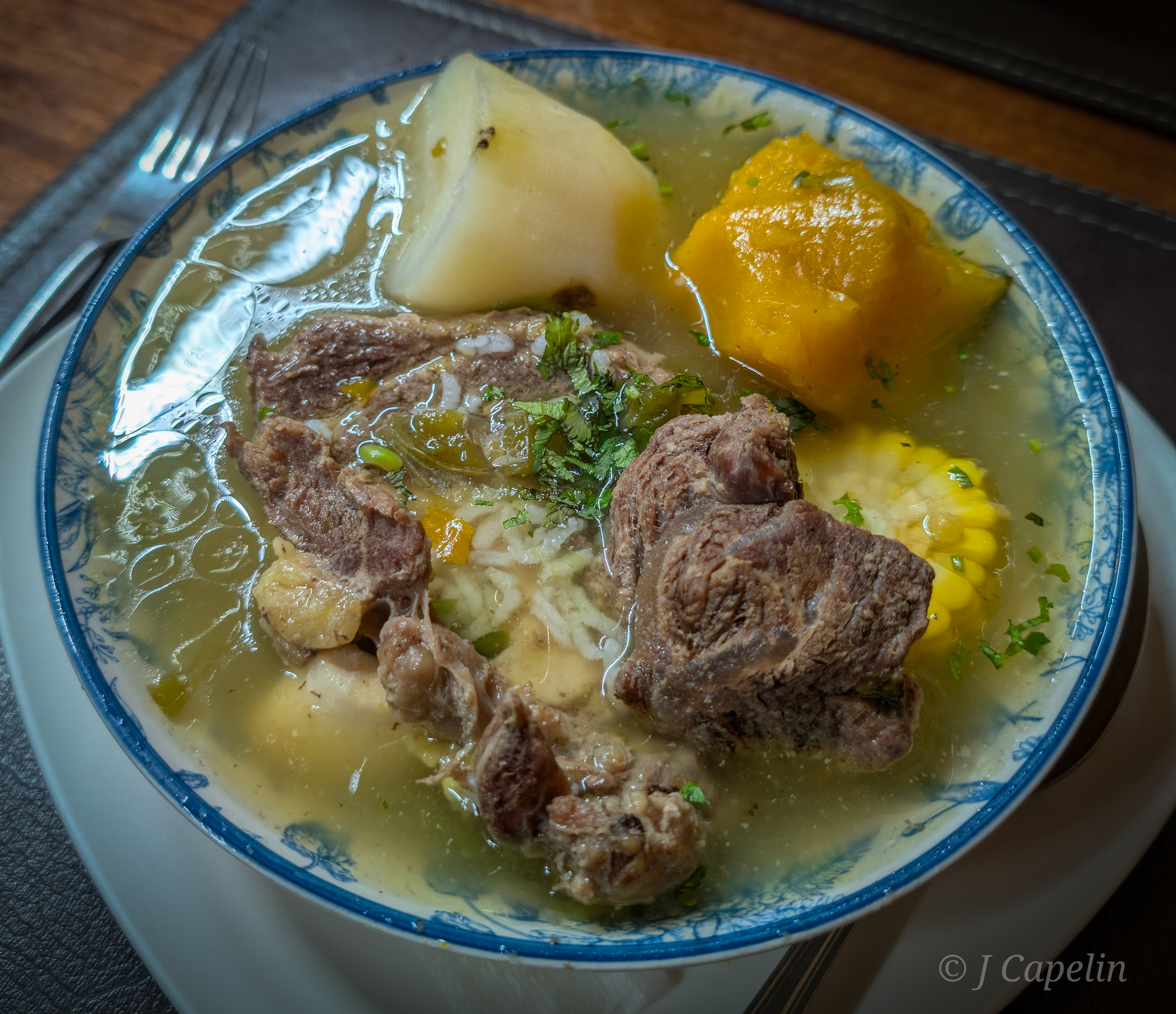
We enjoy dinner at Restaurante Turístico Pia, which is actually bustling, but quiet enough that we can walk in without booking. Here I get to try a popular local dish – Cazuela Vacuno – a kind of soupy stew with a joint of beef in it, chunky vegetables and rice; homey, tasty, and perfect for the cold weather. The waitress also recommends the Patagonian Pisco Sour, a take on Chile’s signature cocktail, with the addition of a sweet, purple syrup from Calafate berries, which grow in Patagonia.
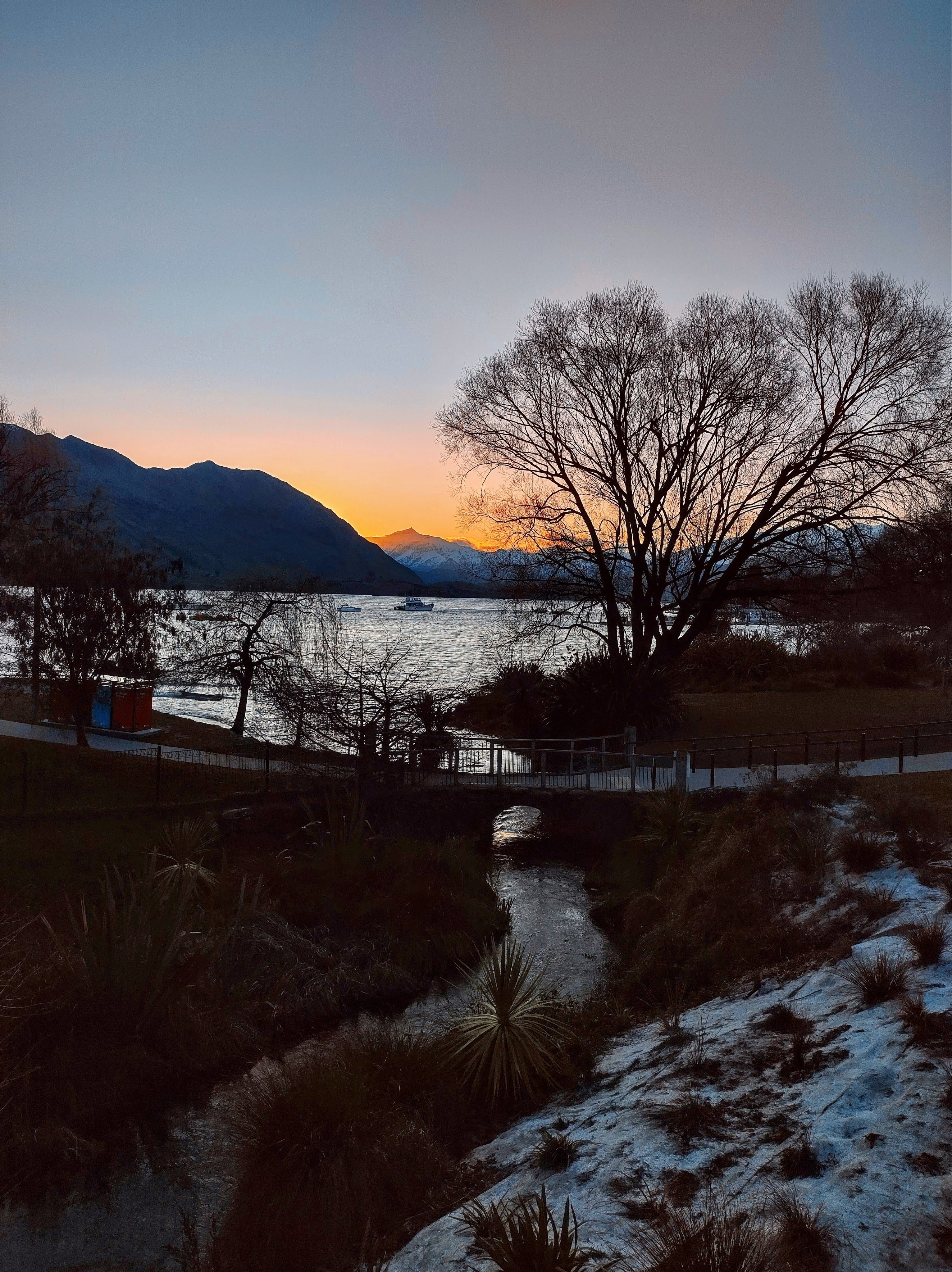
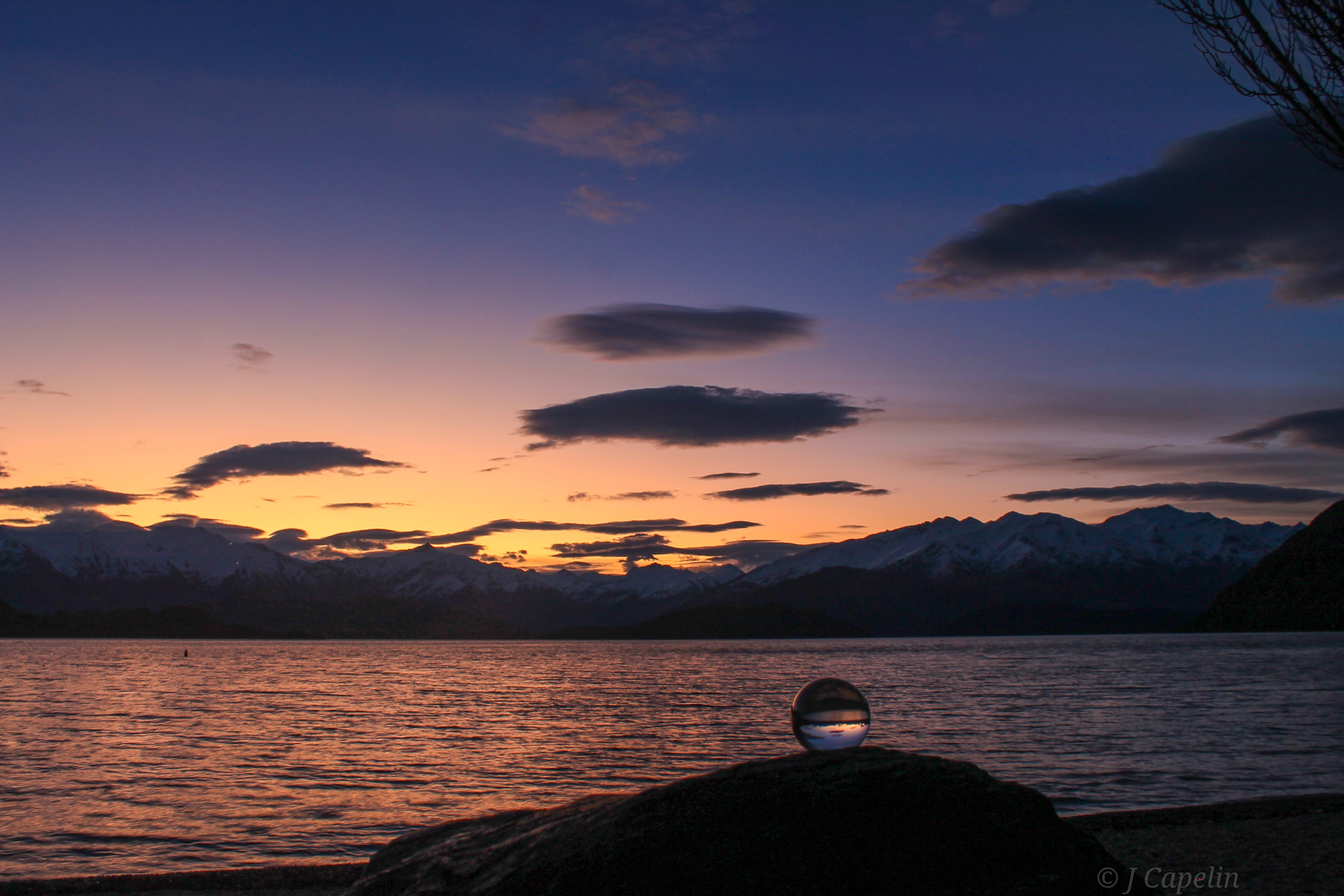
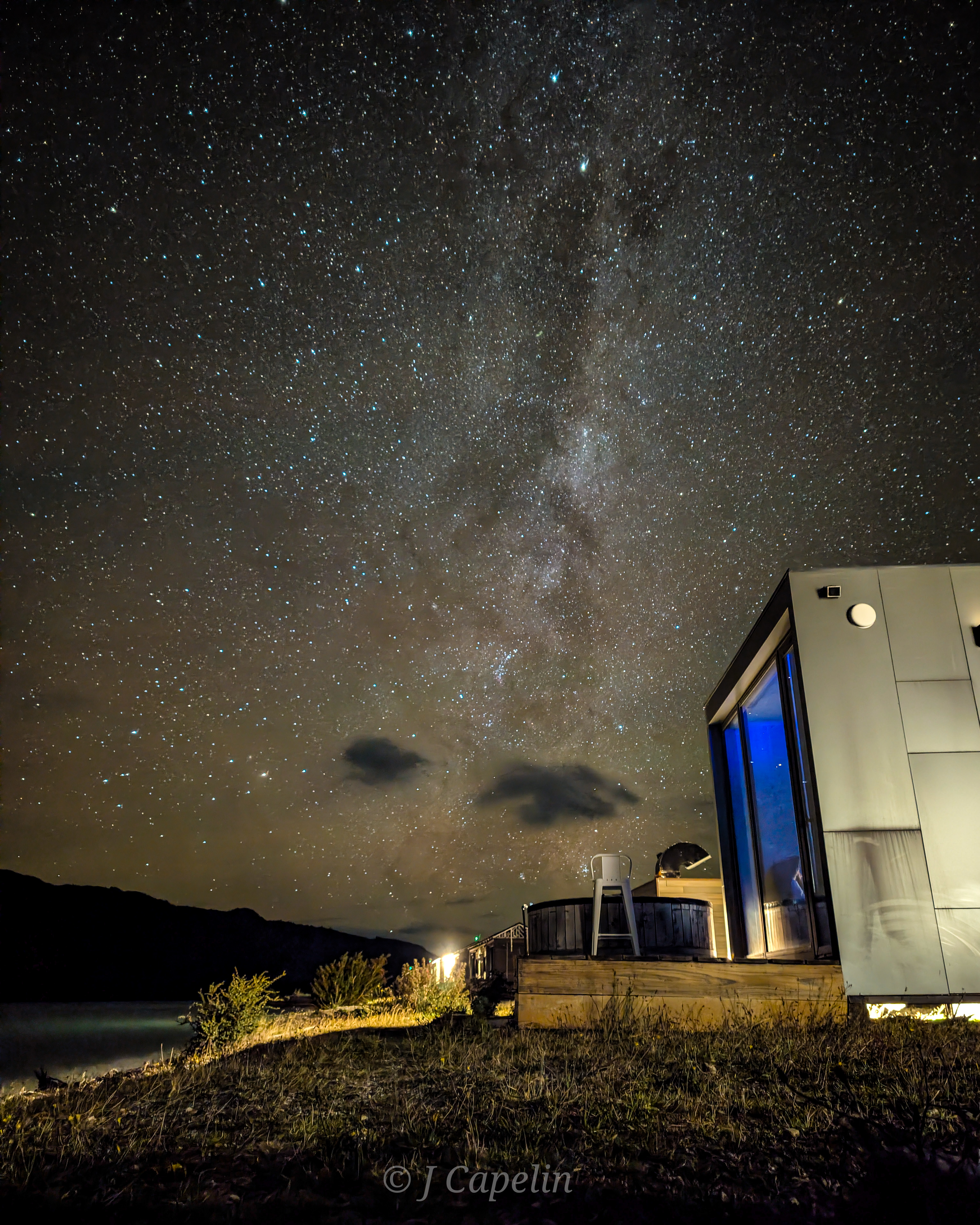
When we arrive back at Chelenko Lodge, the Milky Way is streaking the sky like a bright trail of glitter. Shooting stars flash beyond the silhouetted mountains as the lake gently laps the pebbles.
The Marble Caves

Morning arrives, calm and promising after a clear, freezing night. The mountain snowline has crept lower, and we are in for a glistening wintery day.
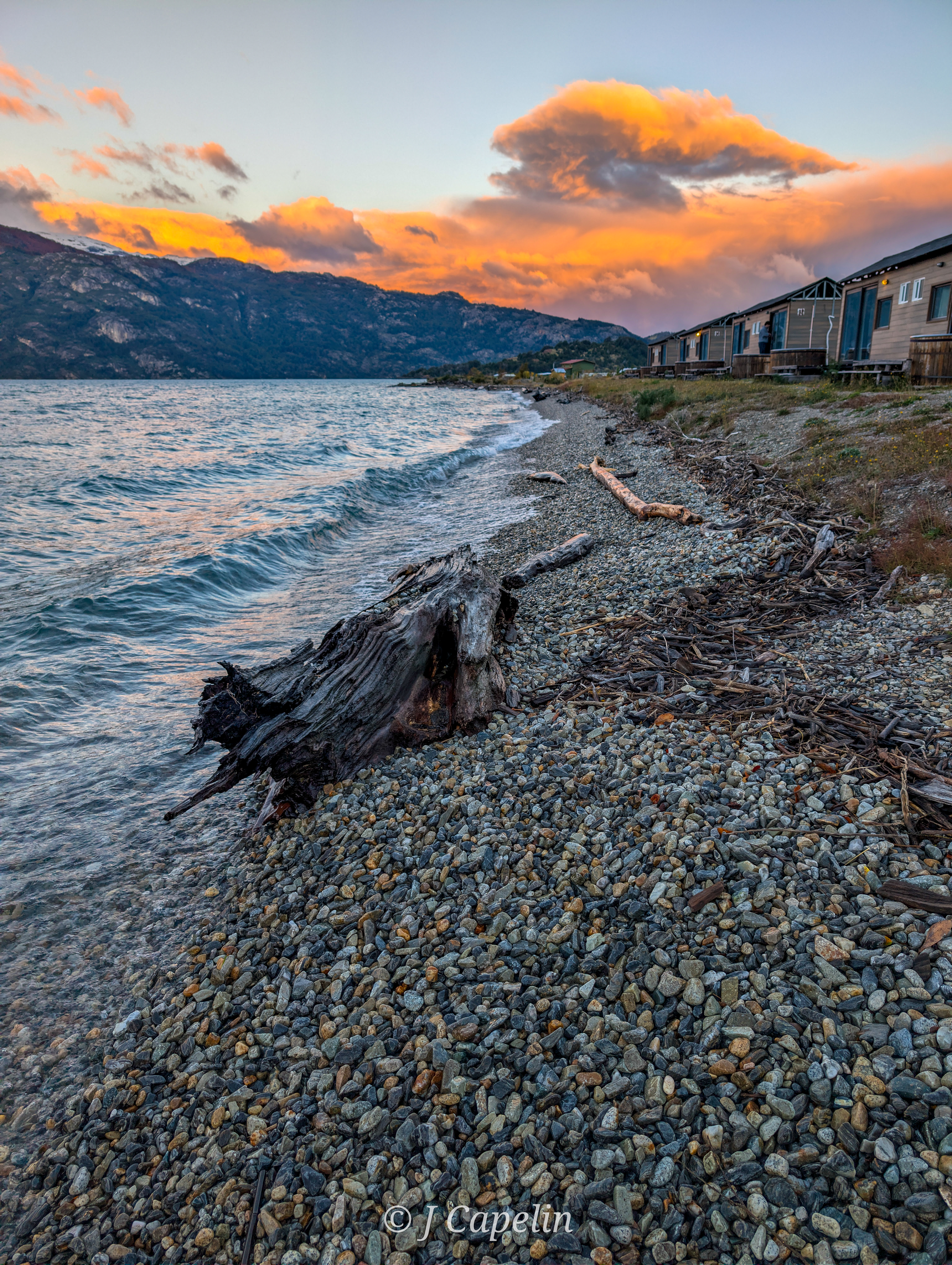
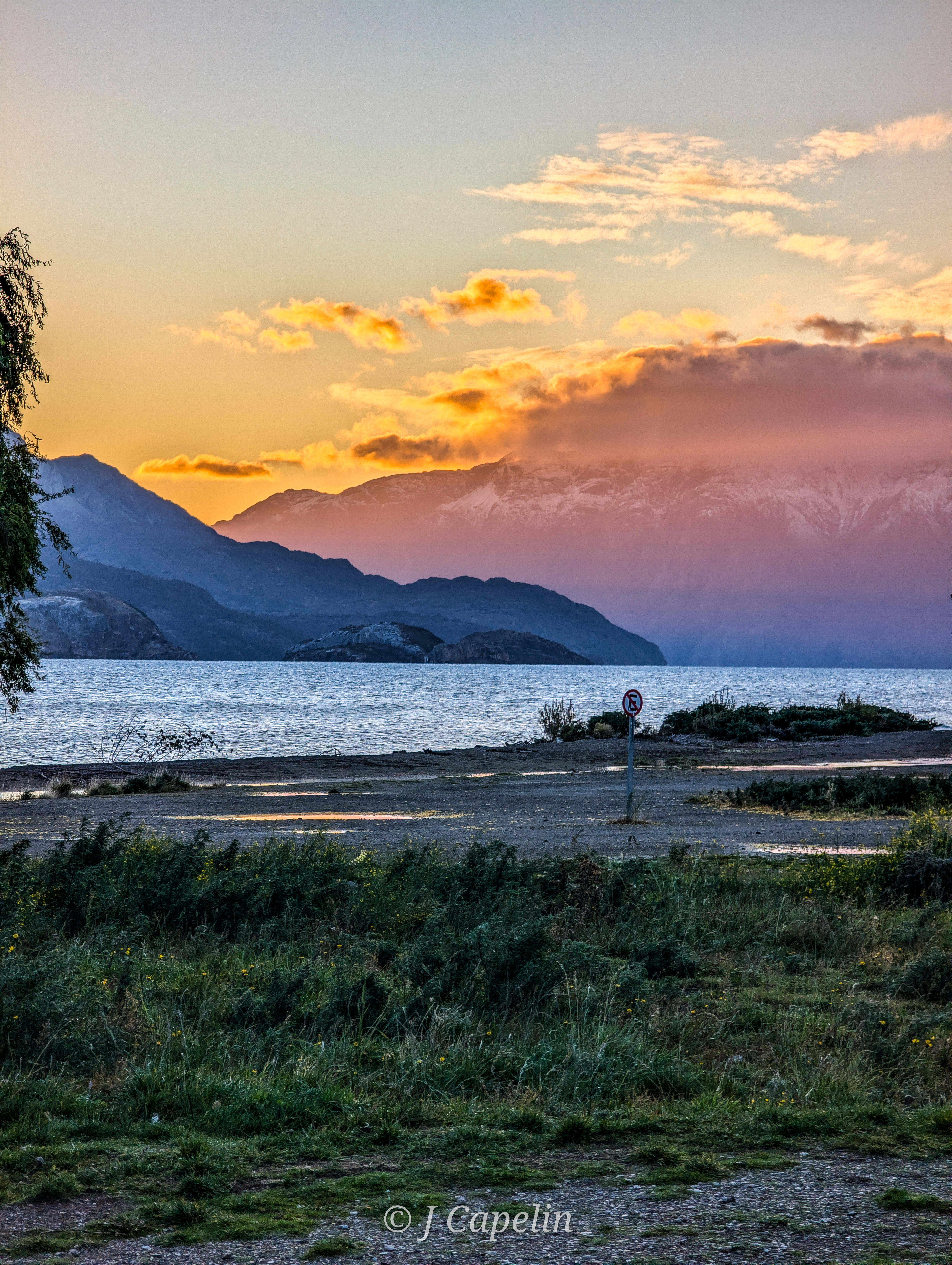
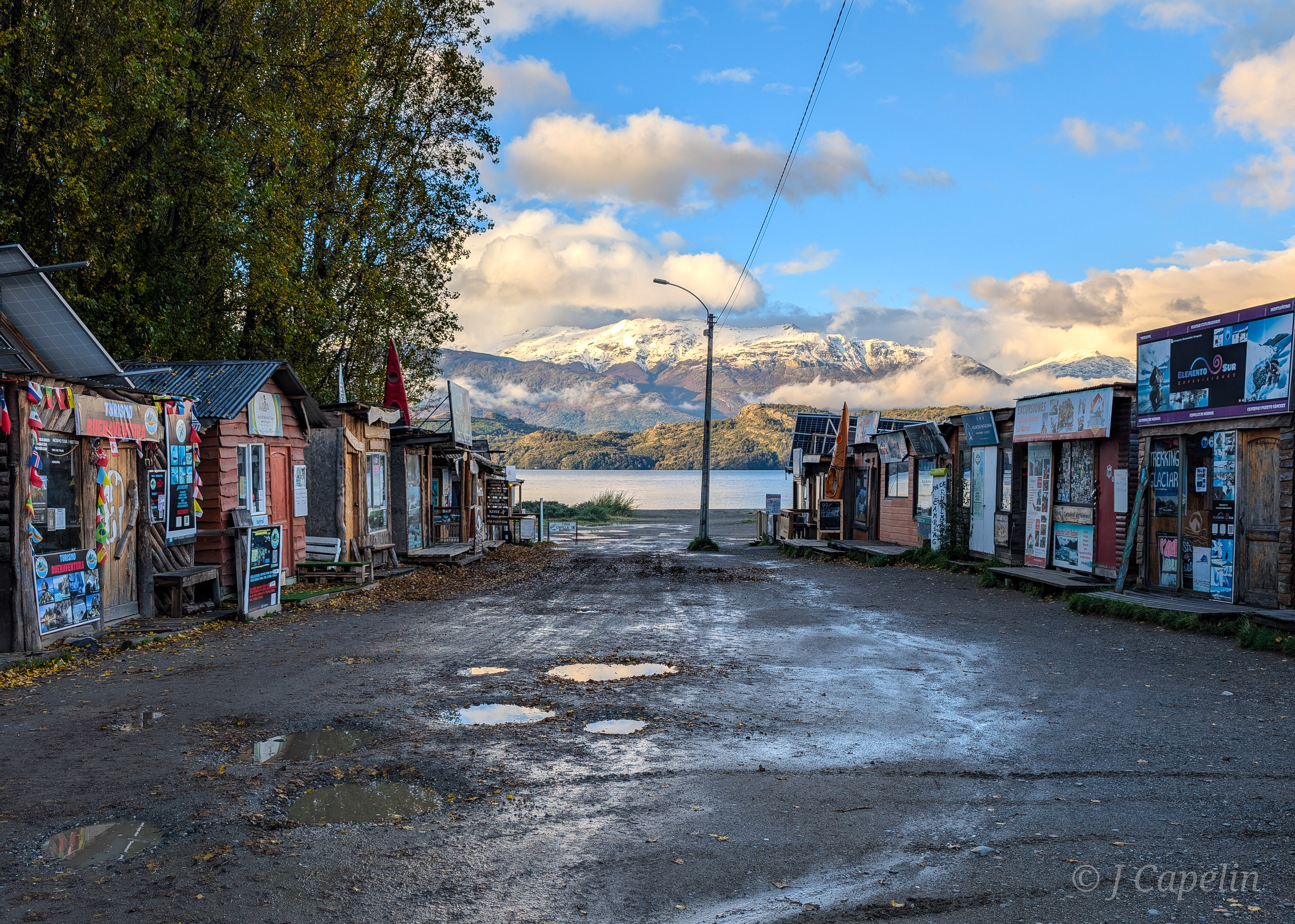
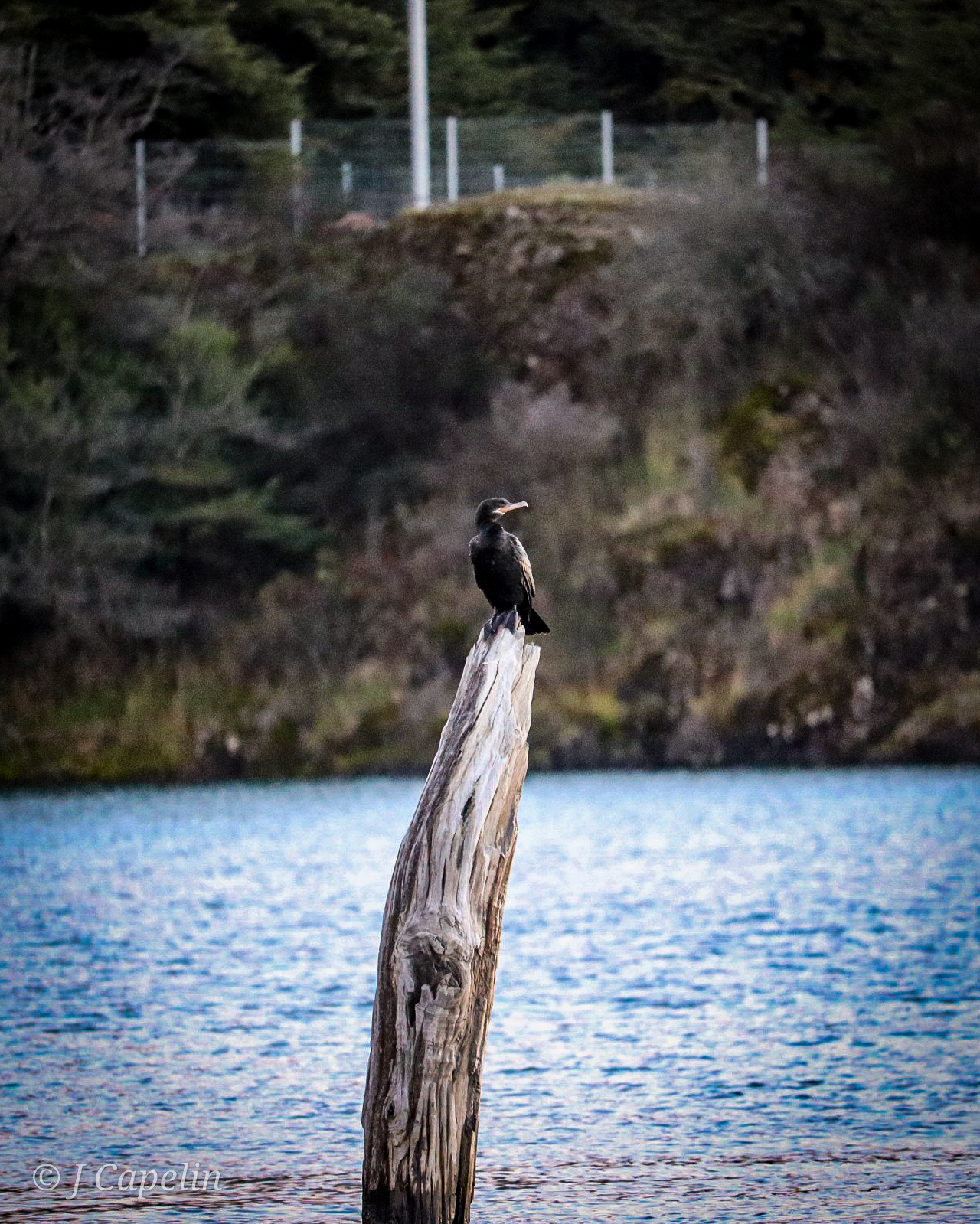
A gorgeous orange sky preludes the sunrise as we make our way to town for our prebooked boat tour. We meet the tour guide, Carolina at the cabins by the lake, and sign our lives away, before donning lifejackets and climbing aboard a little 11 seater power boat, captained by Felipe. It’s a freezing, crystal clear morning on General Carrera Lake, and a ‘Yeco,’ (Neotropic Cormorant) sits on a post watching us as we steer out of the pretty harbour.
Zooming across Chile’s largest lake, the sun rising between snowy peaks into a clean, blue sky, we eventually come to our first caves along the shoreline.
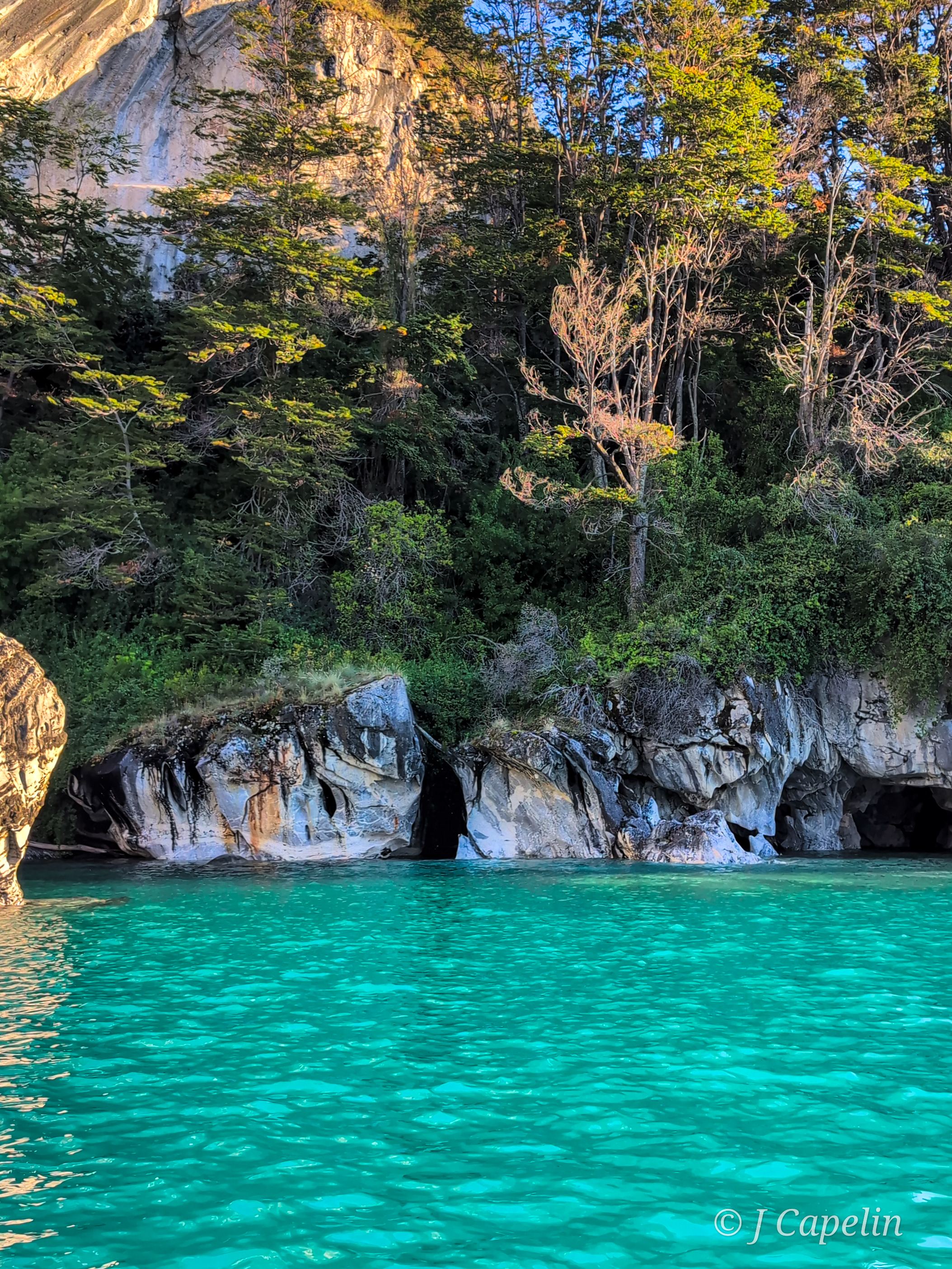
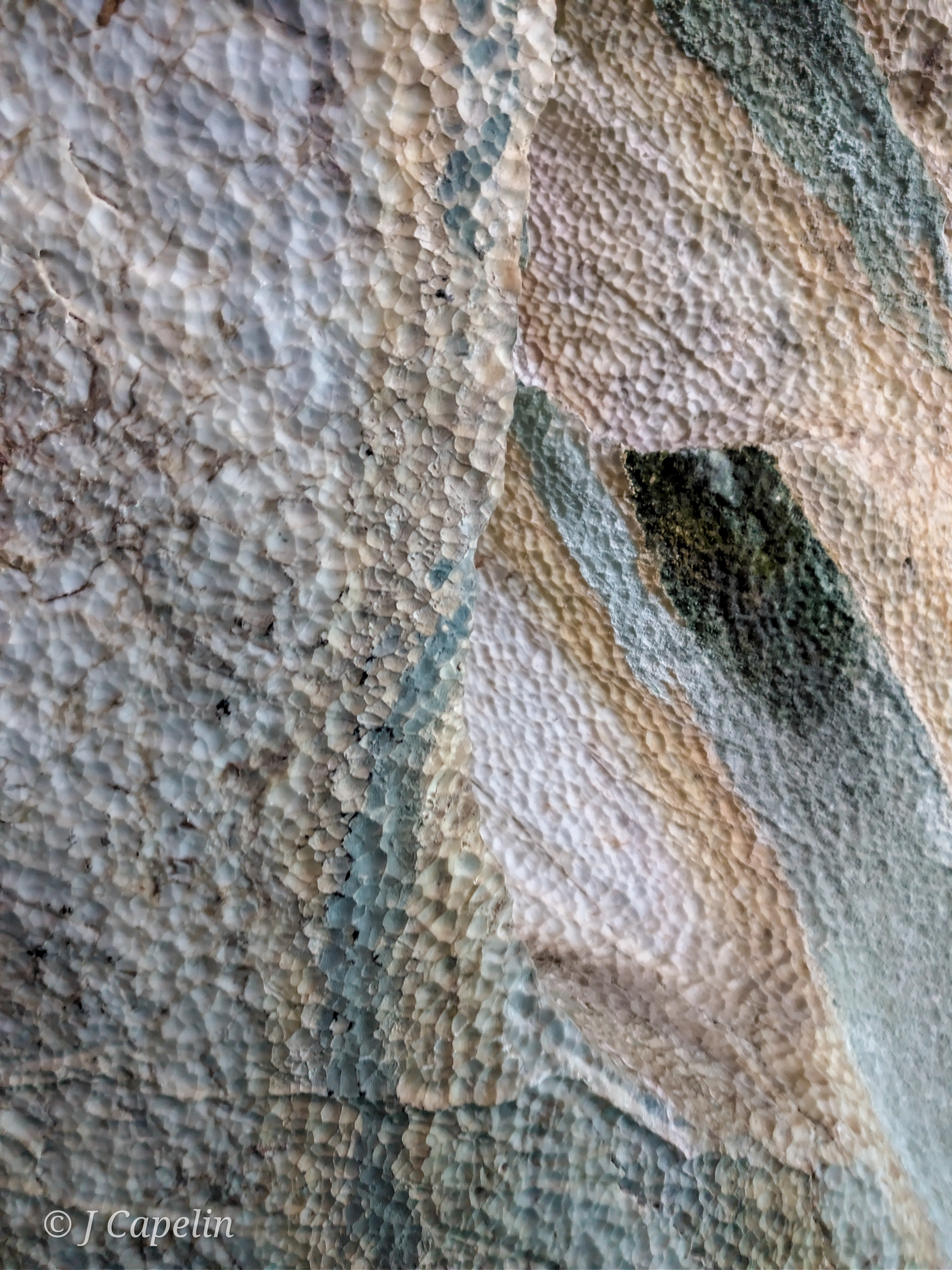
Felipe navigates the boat expertly into a few of the bigger caves, allowing us to touch the marble ceiling in one of them. The glacial water looks like Powerade, its milky turquoise sheen enhanced by the white marble below the surface.
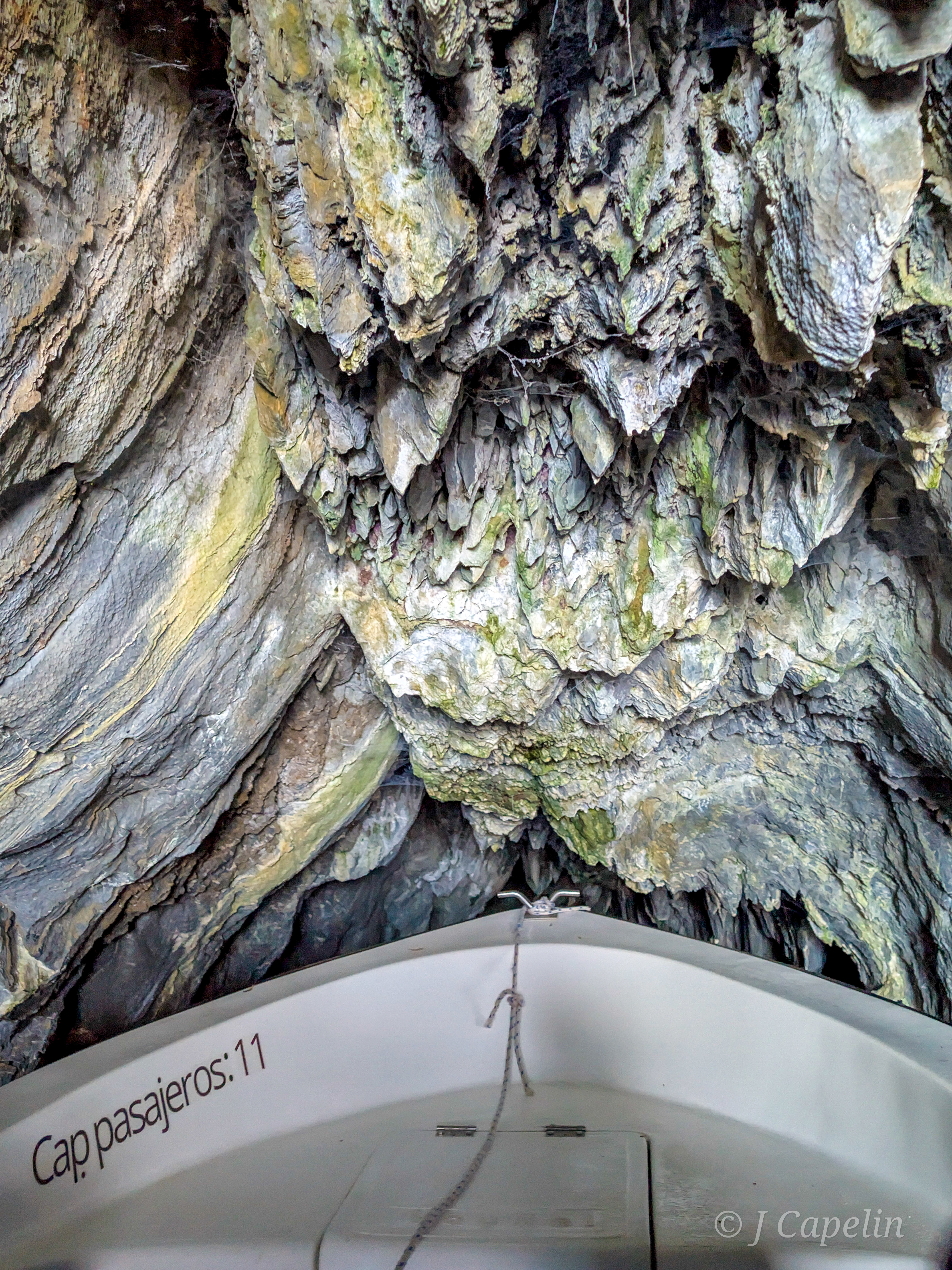
Little windows eroded into the marble walls over thousands of years cast sunlight into the caves, leaving little drops of gold on the water in its wake.
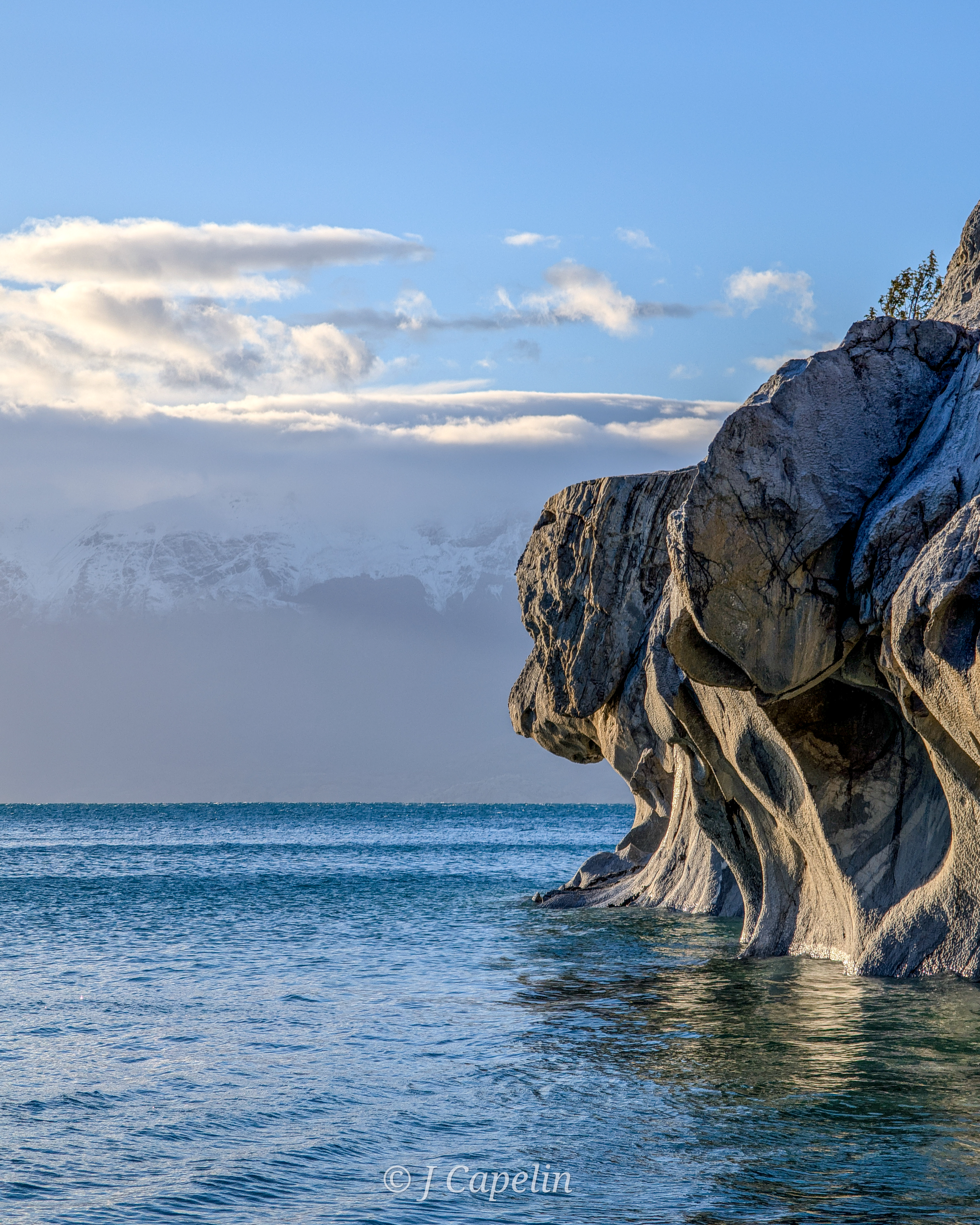
Can you see the marble dog staring at the lake?

As we skirt the coastline a little Fire-Crowned hummingbird zips over, hovers above the boat and darts to and fro to look at each of us! Carolina calls it a Pica, short for ‘Picaflor’ and the moment feels like magic.
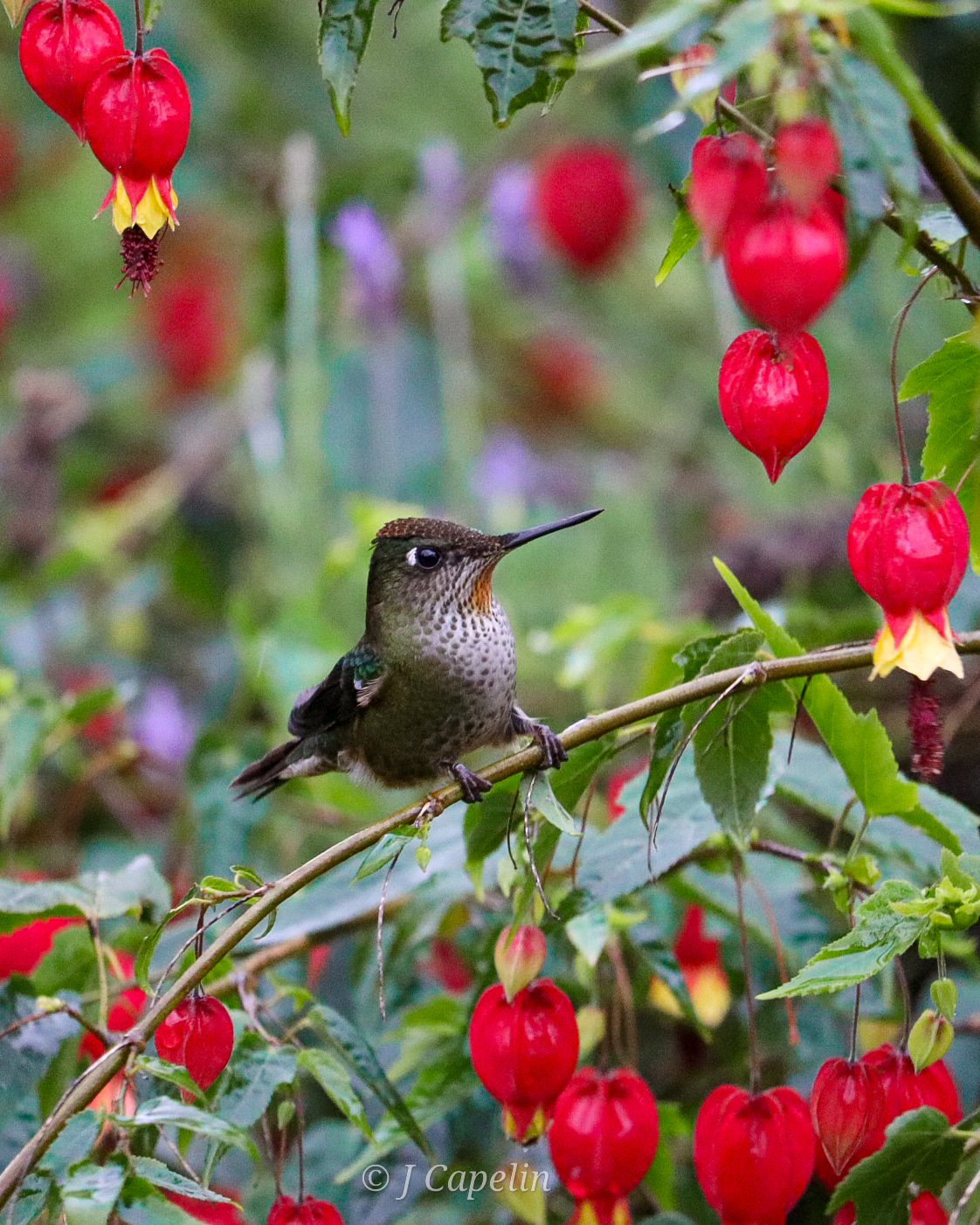
Fire-Crowned Hummingbird – photograph taken near Puerto Varas, at the top of Patagonia.

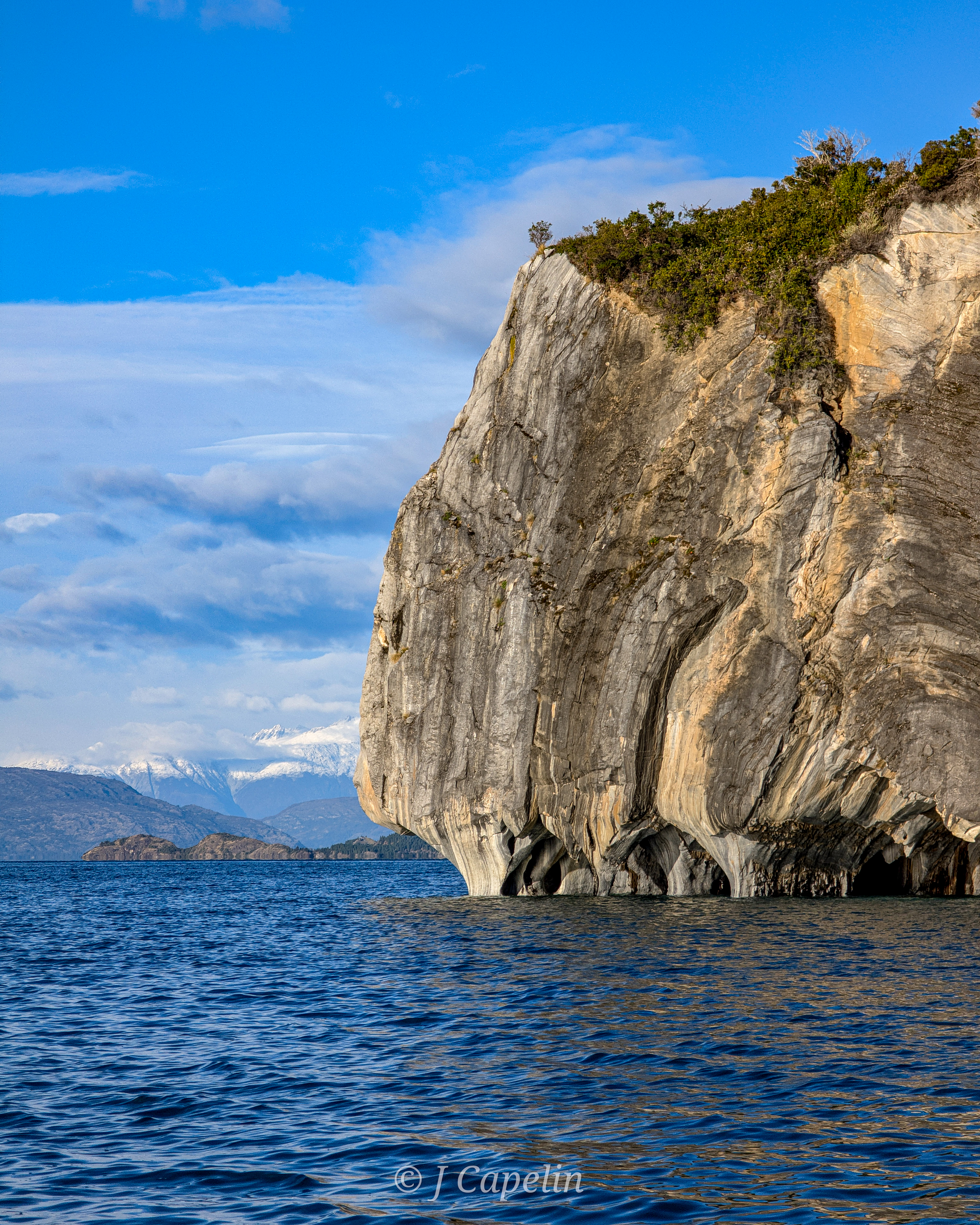
Making our way to the famous Marble Cathedral and Chapel standing like a beacon in the lake, Felipe revs up the engine and takes us for a fast, panoramic spin around the formations. The sun popping in and out of marble windows, and the wind in our hair, it is stunning.
History of The Marble Caves

Formed over the last 15,000 years, the marble caves are the result of the ever changing climate. The marble cliffs themselves were formed millions of years ago, when the limestone deposits in the region were subject to underground heat and high pressure, compressing them into Calcium Carbonate Marble. Then, when the ice fields shrunk, and ancient glaciers melted into General Carrera Lake, this giant marble peninsula was suddenly standing in this glacial water. This ‘turbulent water,’ as the name Chelenko suggests, has since been eroding beautiful smooth holes in the marble, giving them unique swirling textures that you really have to see to behold.

The adrenaline pumping, we continue to zoom far out into the lake at high speed, much further than they usually go on this tour. Because it is the quiet season, we are the only boat on the water, so with no time or space constraints, we are able to experience something unique. Carolina points in the direction of the Argentinian border, stating that it would take another 4 hours at this top speed to reach Argentina!
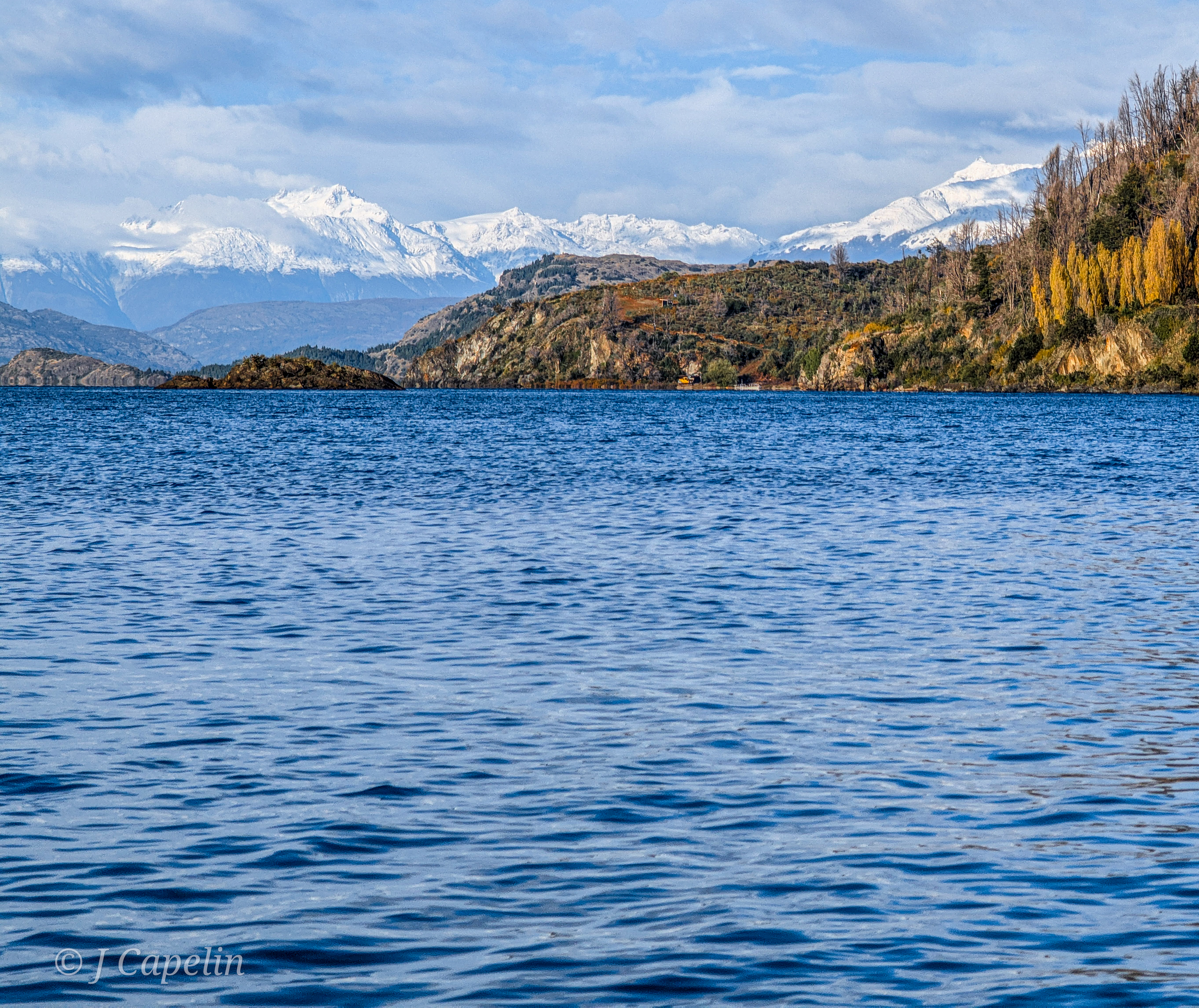
The way back to the harbour is fast and rough, heading straight into the wind and the waves. We brace ourselves, making our bodies as small as possible on our seats, as the little boat bumps and slams across the water, finally bringing us back to the serene harbour.
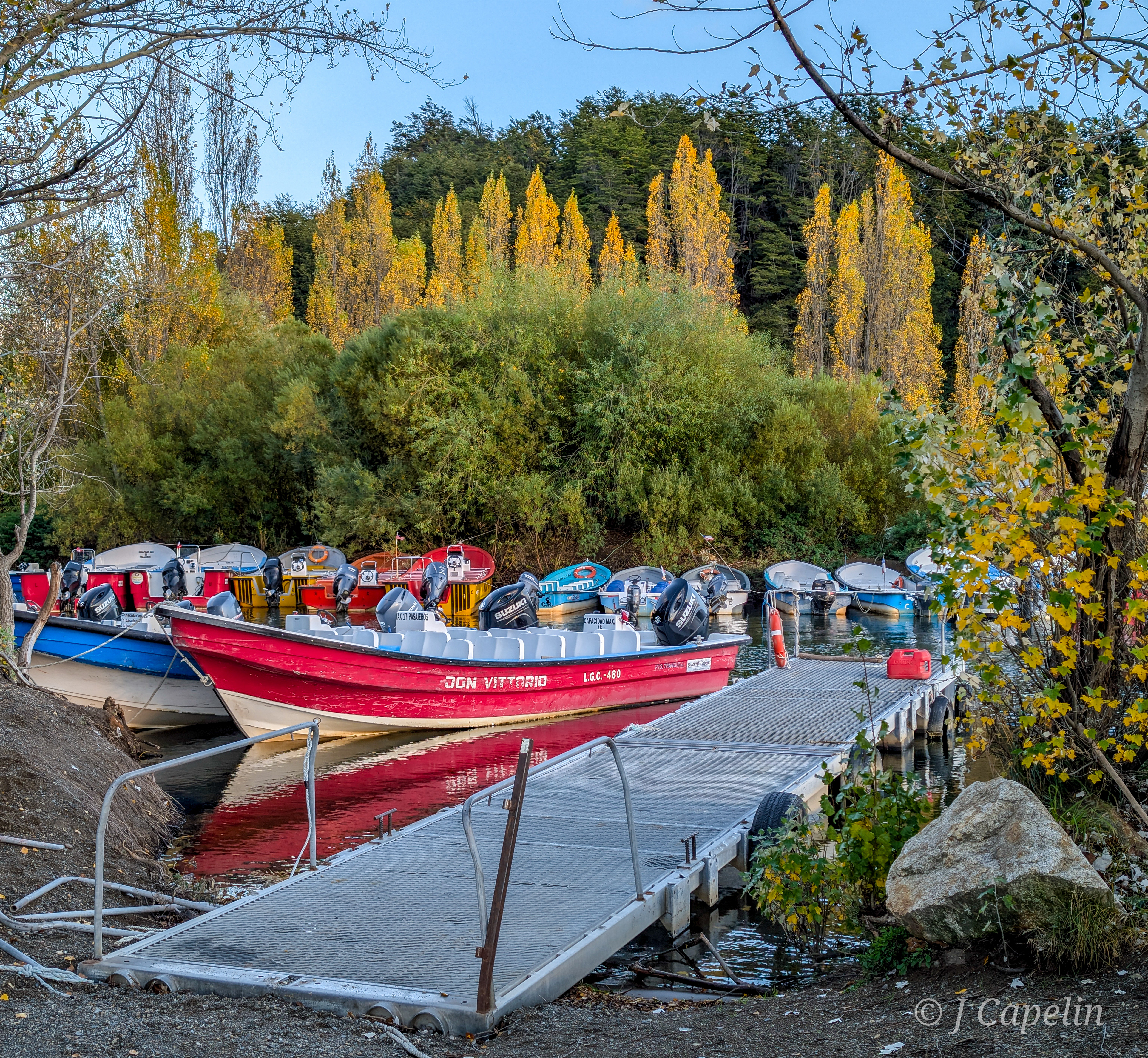
Marble Cave Tours

This boat tour was with Aoni Expediciones – https://www.aoniexpediciones.cl/en
There are also kayak tours, which take a little longer and some fitness is required – some of my group did the kayak tour on the rainy morning. They said it was freezing cold, but the rain didn’t take away from the experience because they spent more time kayaking inside the caves and through tunnels, and that it was an unforgettable experience. Either way, if you are in Chilean Patagonia, you MUST see the Marble Caves!

I didn’t personally dip a toe in Chelenko, but one of us did fall out of a kayak, so I think that counts!

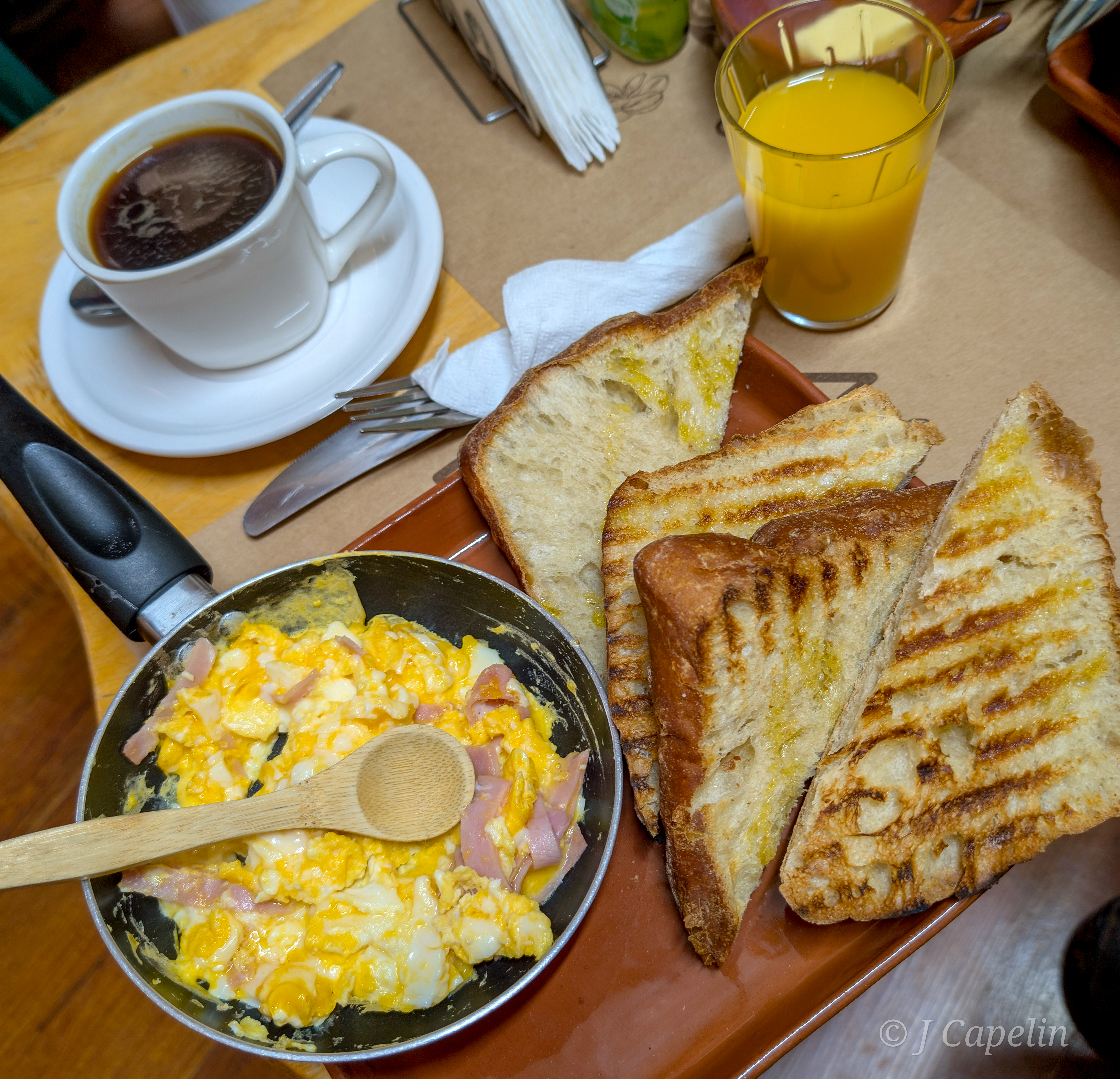
A hot coffee and brunch is essential after a morning on the water, so we meet the rest of our group in our favourite little cafe to thaw out, before hitting the Carretera Austral for a scenic drive to our next destination…
Villa Cerro Castillo

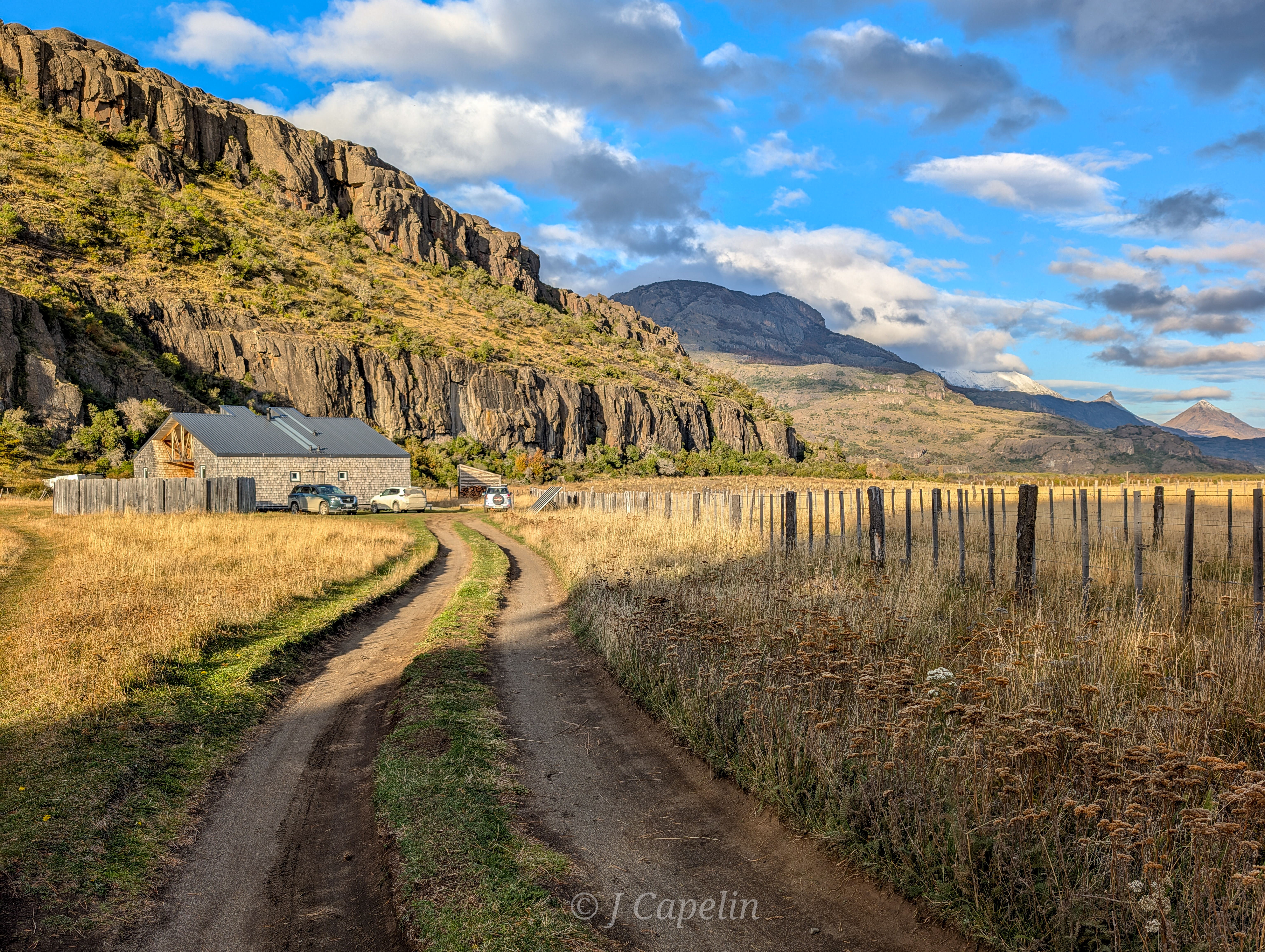
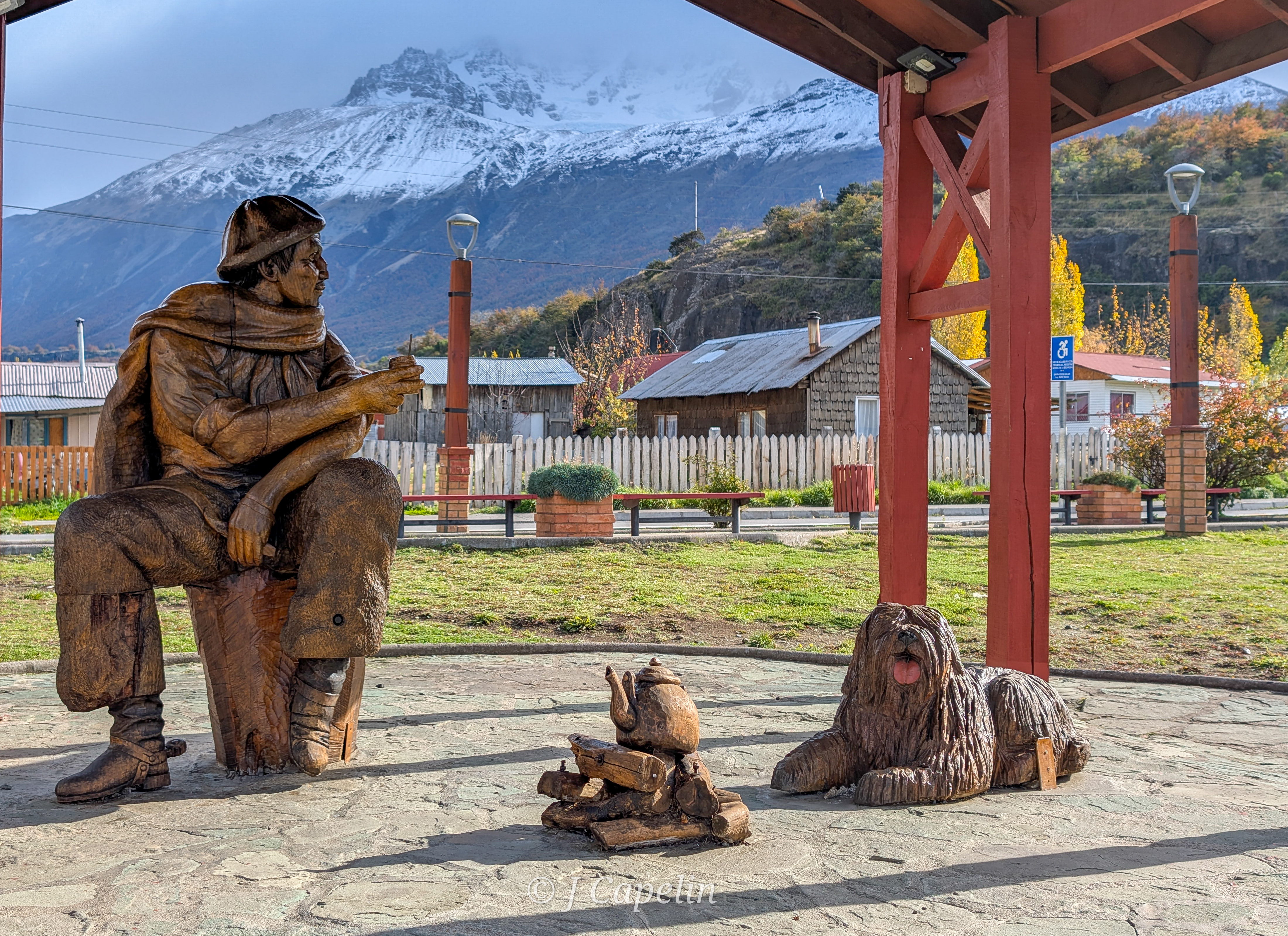
Back up Route 7 we go for 2 and a half hours, finally arriving at Villa Cerro Castillo. Pulling into our massive lodge on the river plains of Río Ibáñez, the surroundings take my breath away. It feels different up here; drier, and more like the old Andean country where you’d imagine wild Guanacos roaming the grasslands, and men wearing ponchos!
The village itself has a couple of blocks of tiny wooden houses, a primary school, and a number of small, independent stores, which open on alternating days of the week. That said, it seems that deliveries come scarcely, as there is a lack of fresh goods. We scrounge up some ingredients for dinner, happy to support some local business.

Places to Eat

While a few of the restaurants in Villa Cerro Castillo are closed for winter, there are a couple that stay open:
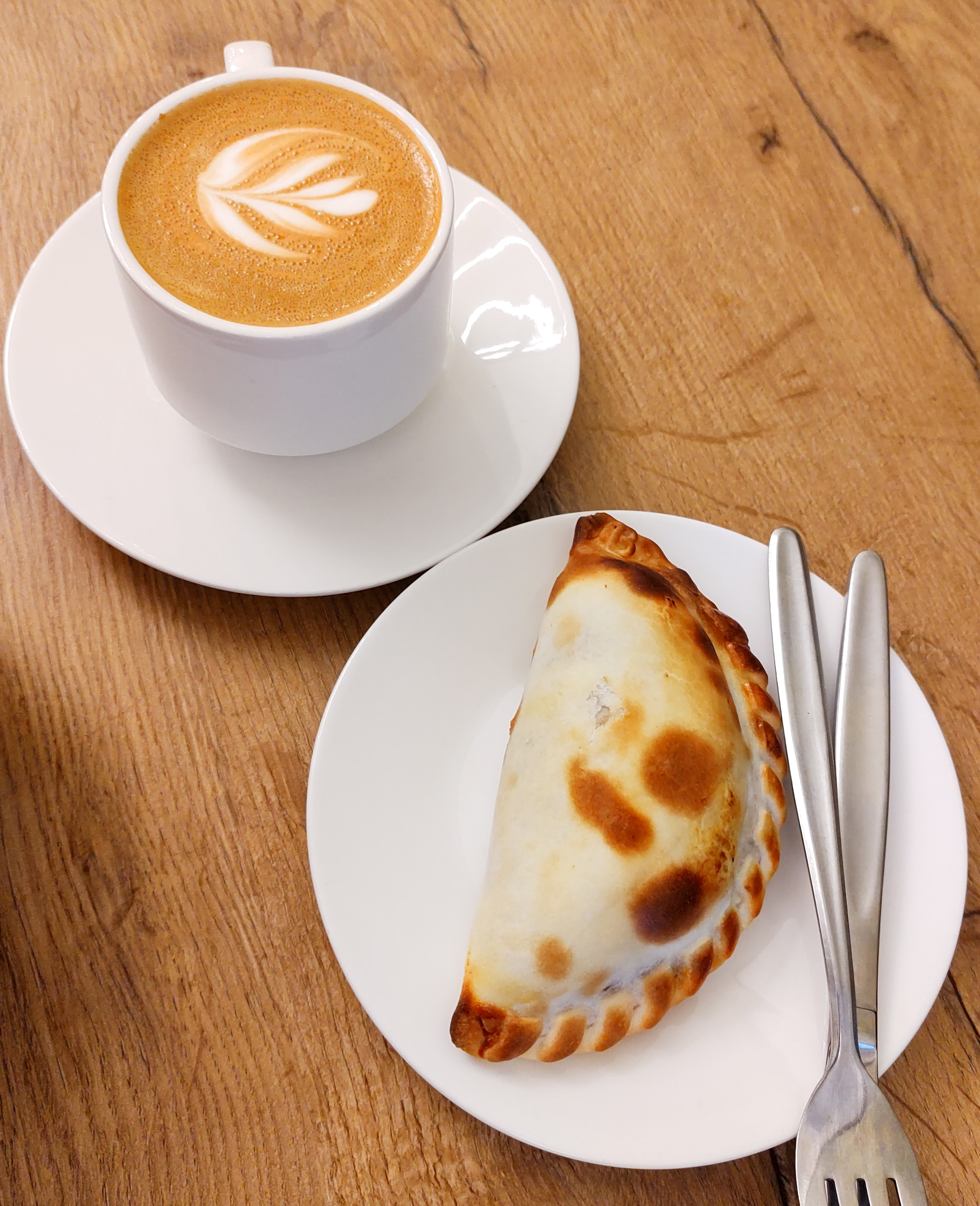
‘Restaurant y Cafe Campesino El Castillo’ is known for pizzas, empanadas, and Tres Leches cake.
‘El Arbolito’ is an artisan gift shop with self-serve coffee and homemade cakes.
‘Restaurante Villarrica’ is famous for their giant Chilean sandwiches, range of steaks, generous serves of fries, and they have an extensive drinks menu.
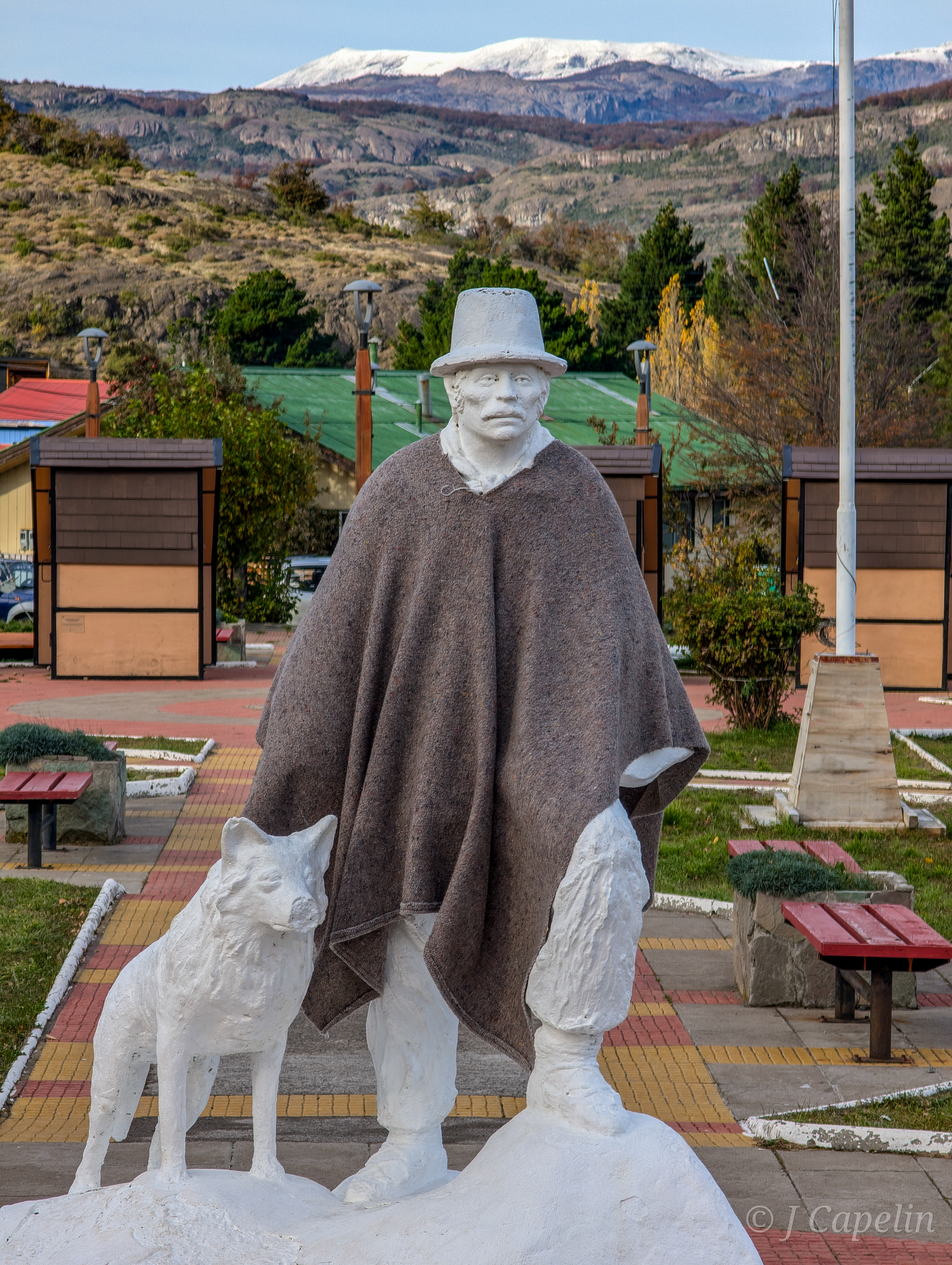
On the village green the local dogs congregate, rushing over to see what we’ve bought, while a group of chickens peck about in the grass.
The village is overlooked by an impressive mountain peak of the same name. Cerro Castillo’s jagged turrets pierce the sky, glaciers hanging from its ridges, and hidden from view near the top is a vibrant glacial lagoon.
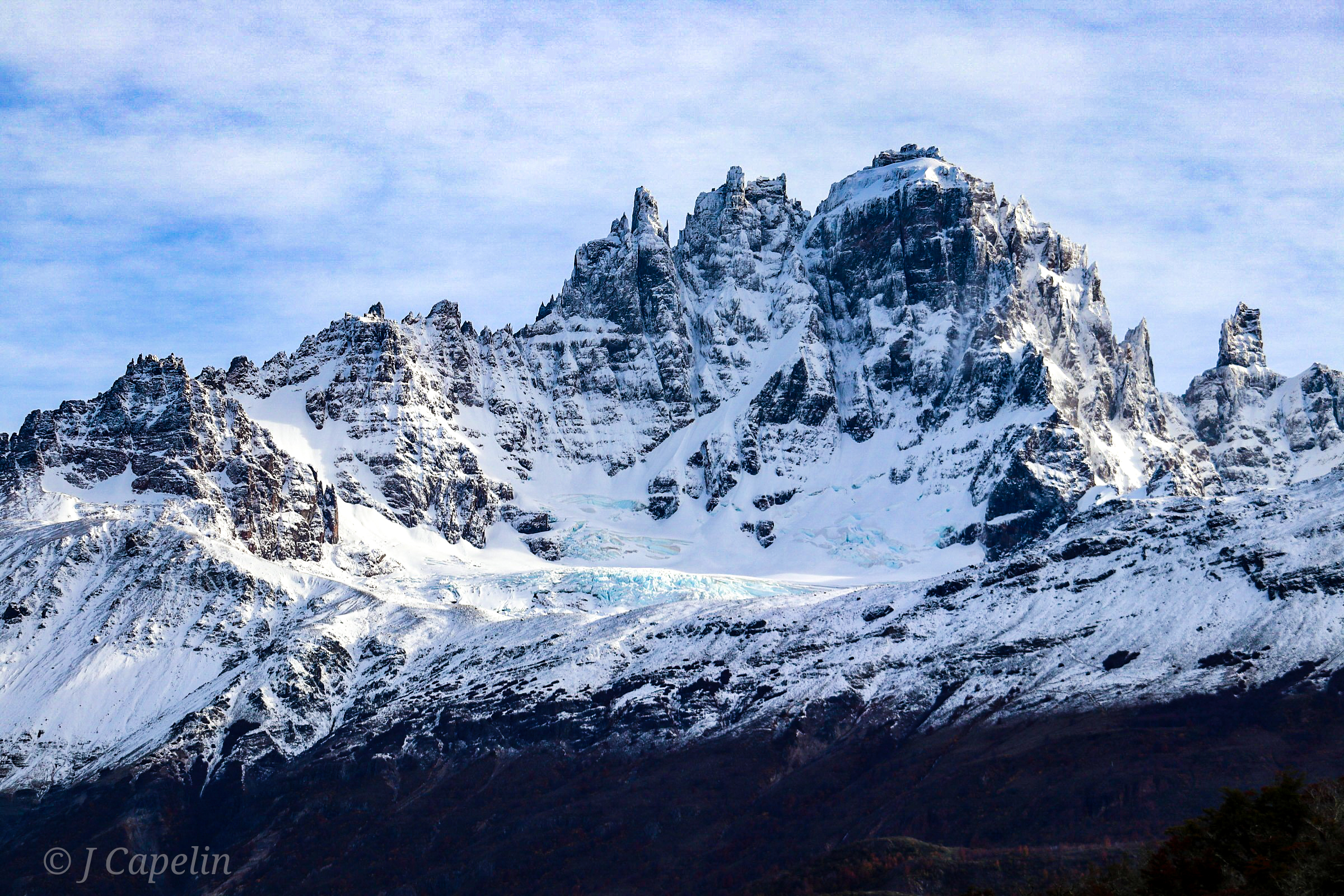
Cerro Castillo National Park

Cerro Castillo peak is the centre-piece to this national park, which is a popular spot for hiking in the summer months. The day hike to the blue lagoon on Cerro Castillo is notoriously steep and has a high difficulty rating; it is recommended to hire a guide. The multi-day hike crosses the national park, taking 3 to 5 days, and requires all the necessary back country gear, including safety devices. There are also national park fees, which must be paid before you go.

Thick snow has already covered the top half of Cerro Castillo peak, and so we scratch the day hike to the blue lagoon from our itinerary, realising that we can’t access enough information, due to having very limited internet, and the tourist information centre is close for the season. So we find a much smaller, safer hike for 7 fairly tired people with no phone service!
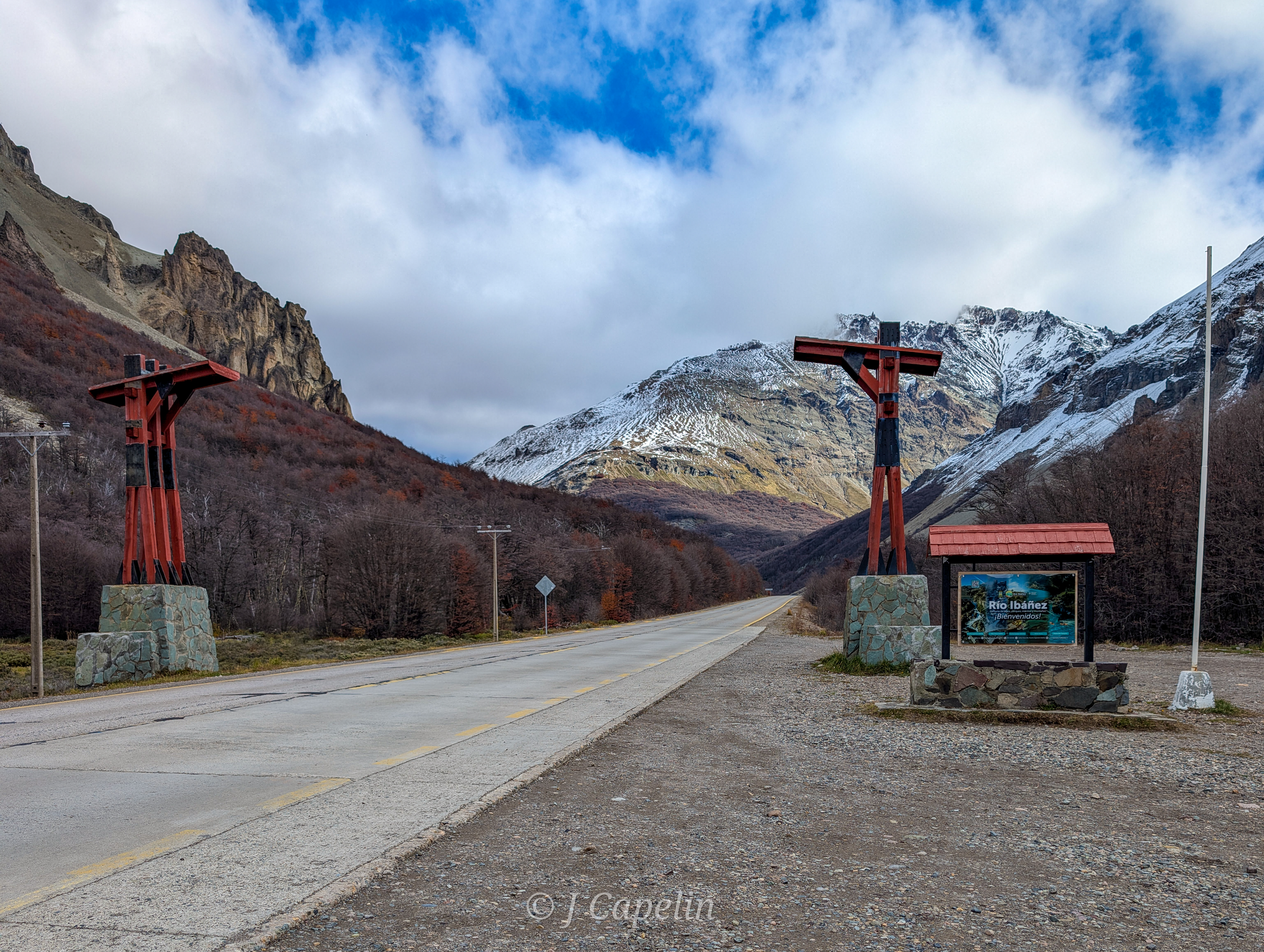
Arco Comuna Río Ibáñez

We drive about 40 mins northbound along the Carretera Austral, arriving at Laguna Chiguay. Nestled in between mountains and woodland in all its autumnal glory, the lagoon is currently dry; the rains are due to start around May.

The path leads up the hillside through a twisting forest, tufts of moss on all the spindly tree trunks, and mushrooms litter the floor like tiny fairy houses. At the top of the loop, a little platform looks over the valley, colourful trees layer the hillsides, with snowy ridges beyond.
We descend into a wooded campsite, which is closed for the season, much like everything else. It feels eerily quiet, with only the gentle rush of the wind in the trees. I half expect a witch to appear in the window of one of the empty wooden cabins.

At the end of the trail we spot two massive birds on the ground, brown and white with beards! We stay still and quiet, expecting them to fly off, but they are completely unphased by us! They are Southern Caracaras – a kind of falcon.
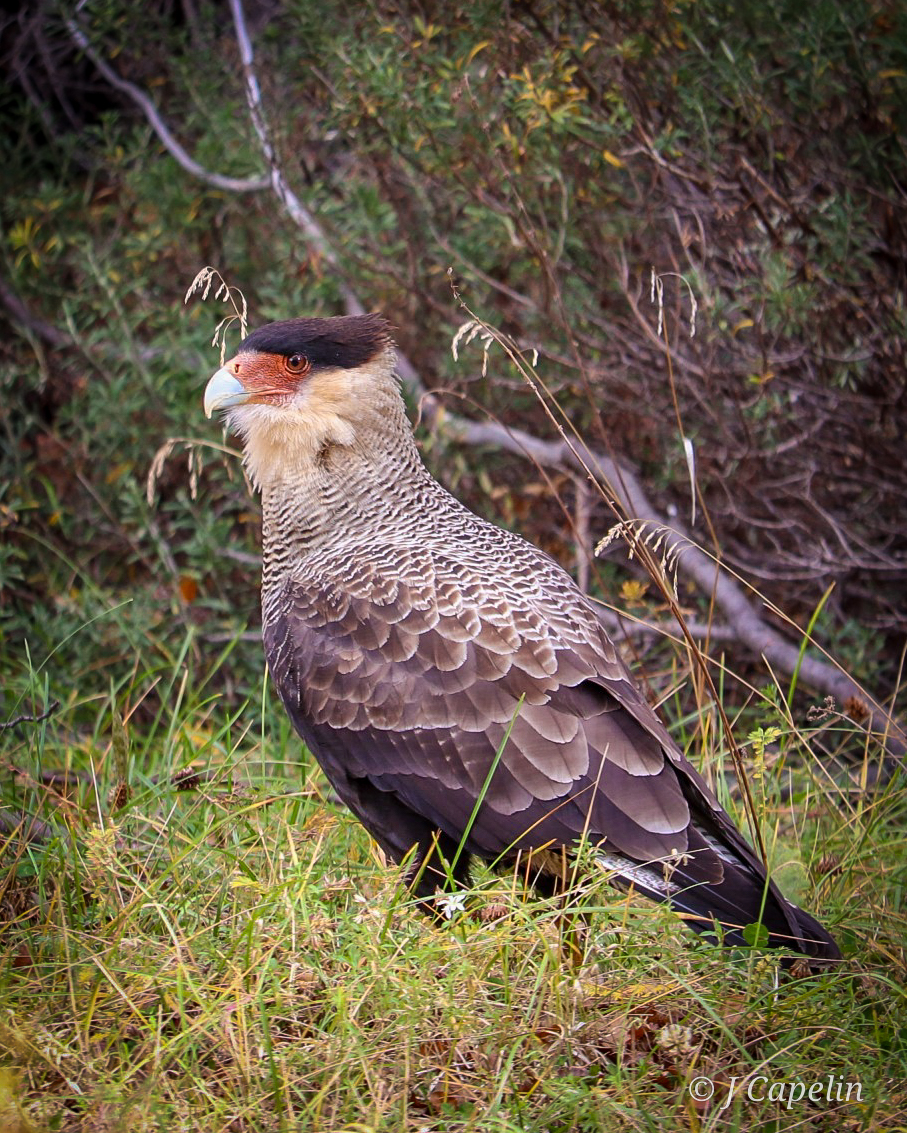
On the drive back, we stop at the edge of the beautiful Rio Blanco, hoping to catch a glimpse of the native deer, ‘Huemules.’
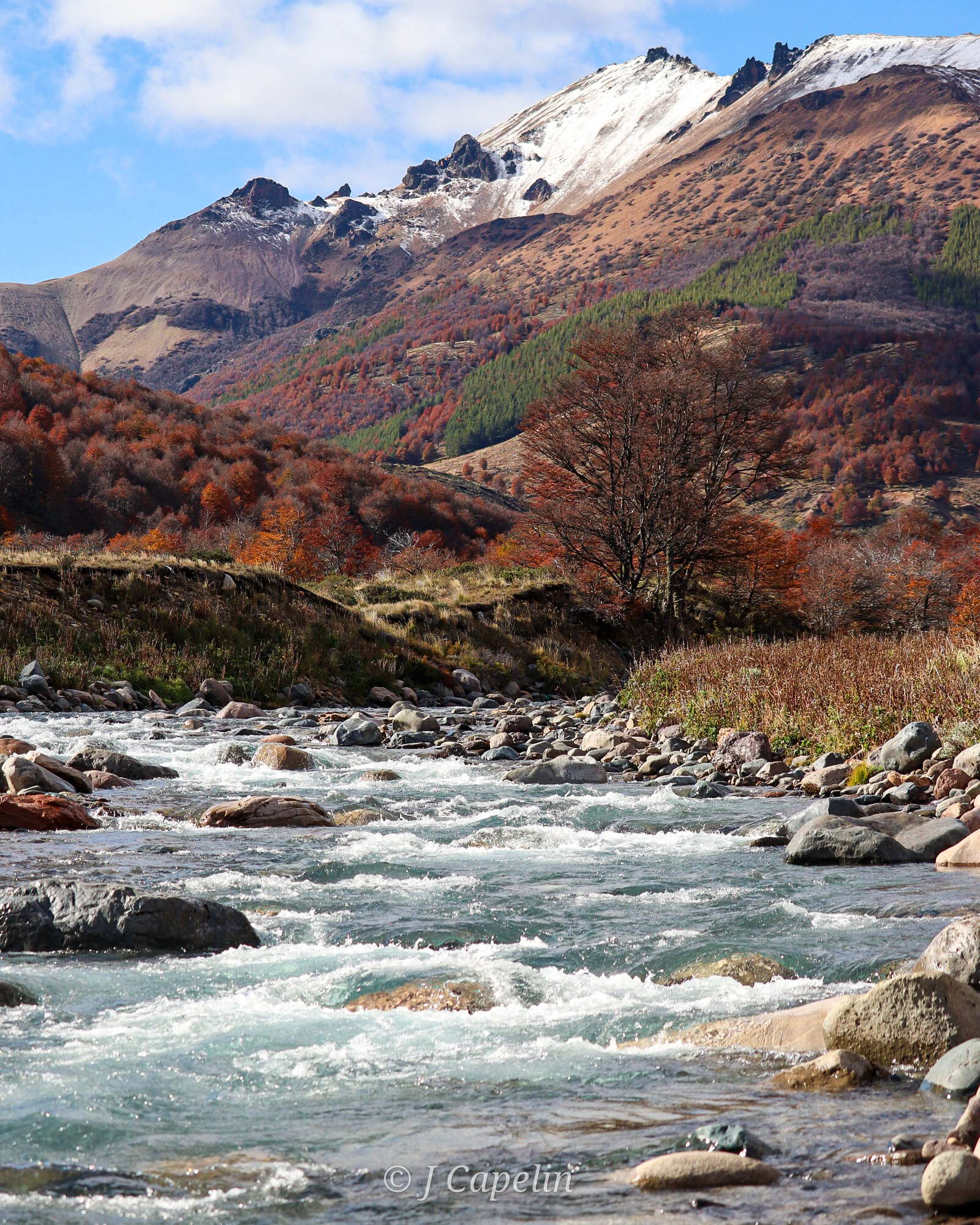
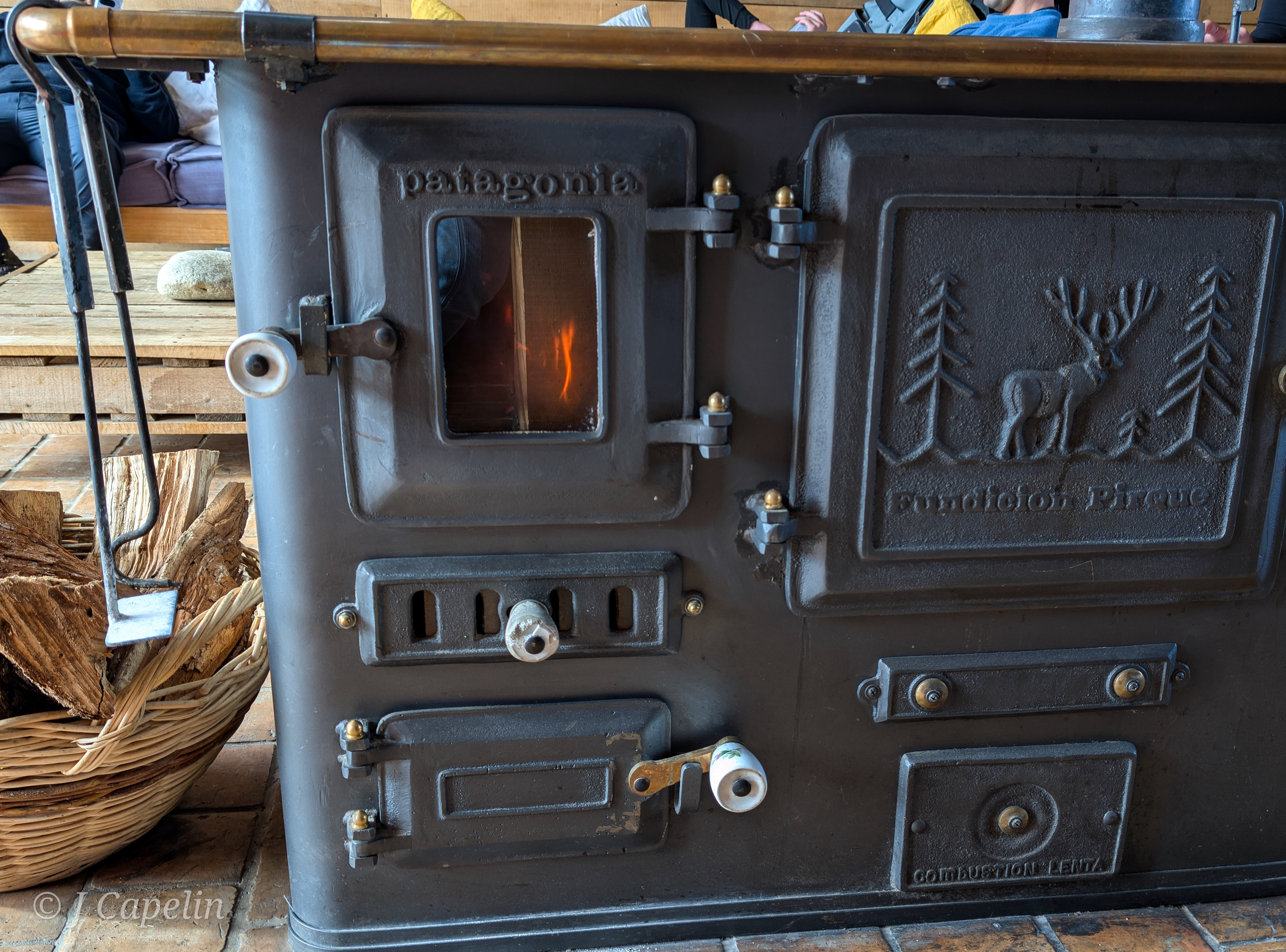
Our mornings in Villa Cerro Castillo are slow and chilly, sitting by the aga fire with the sun pouring over the landscape outside the window. We play fetch with a resident dog, and watch eagles and condors circling high above the grasslands.
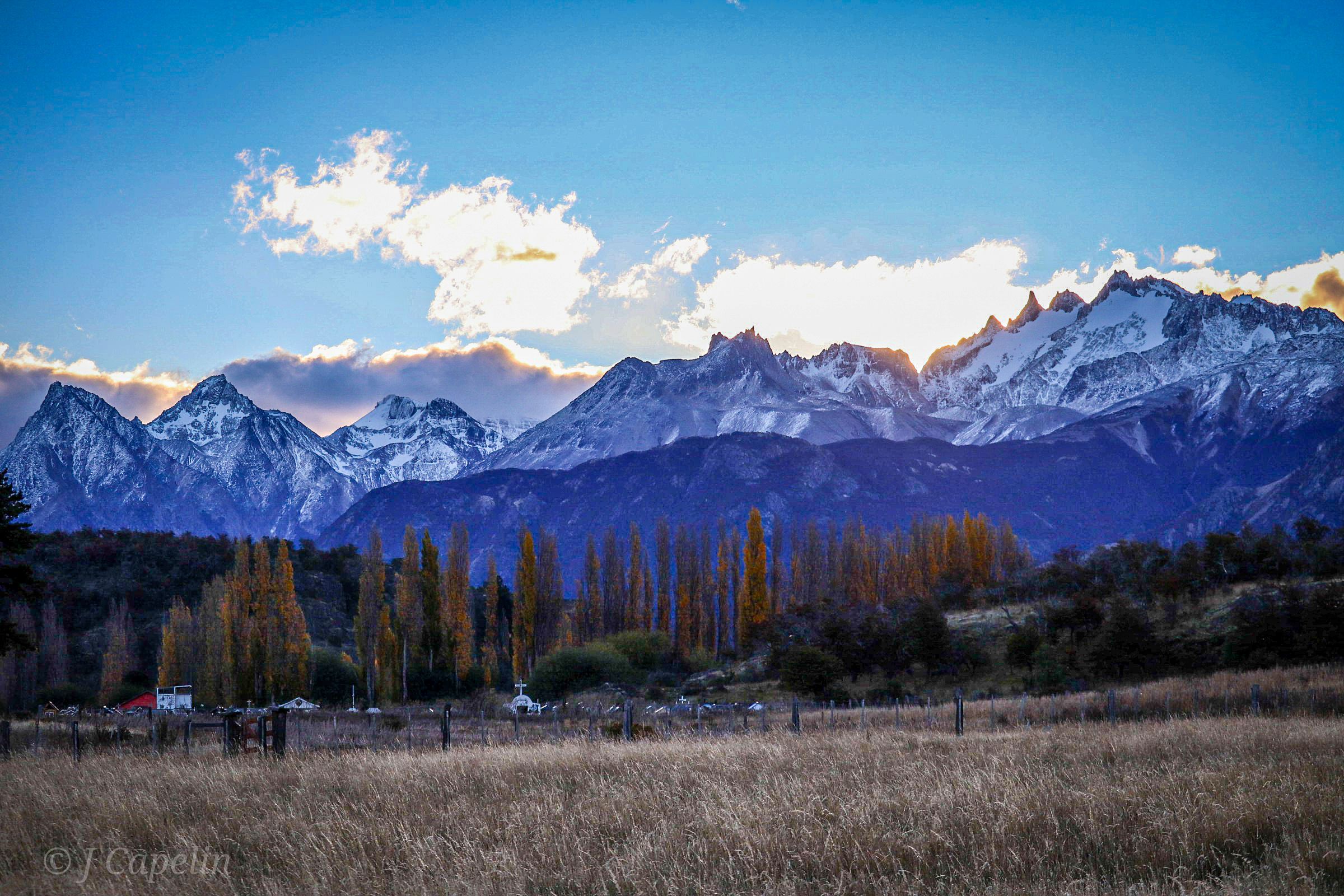
View from our lodge

We visit a little gift shop in the village called El Arbolito, which sells cakes and gifts and all kinds of locally made trinkets, many sporting the red handprint, or the symbol of two Guanacos, (native animals similar to llamas.)
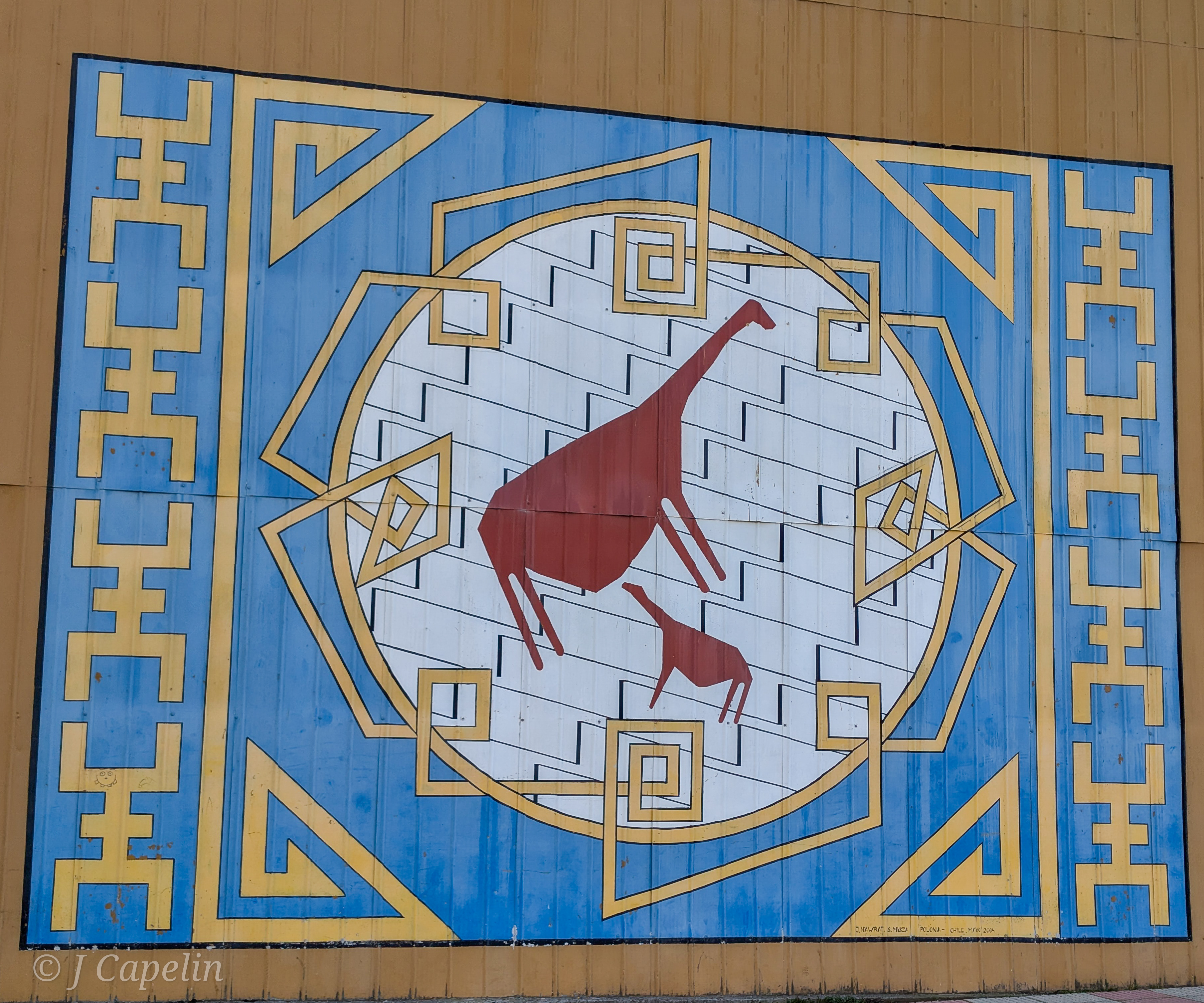
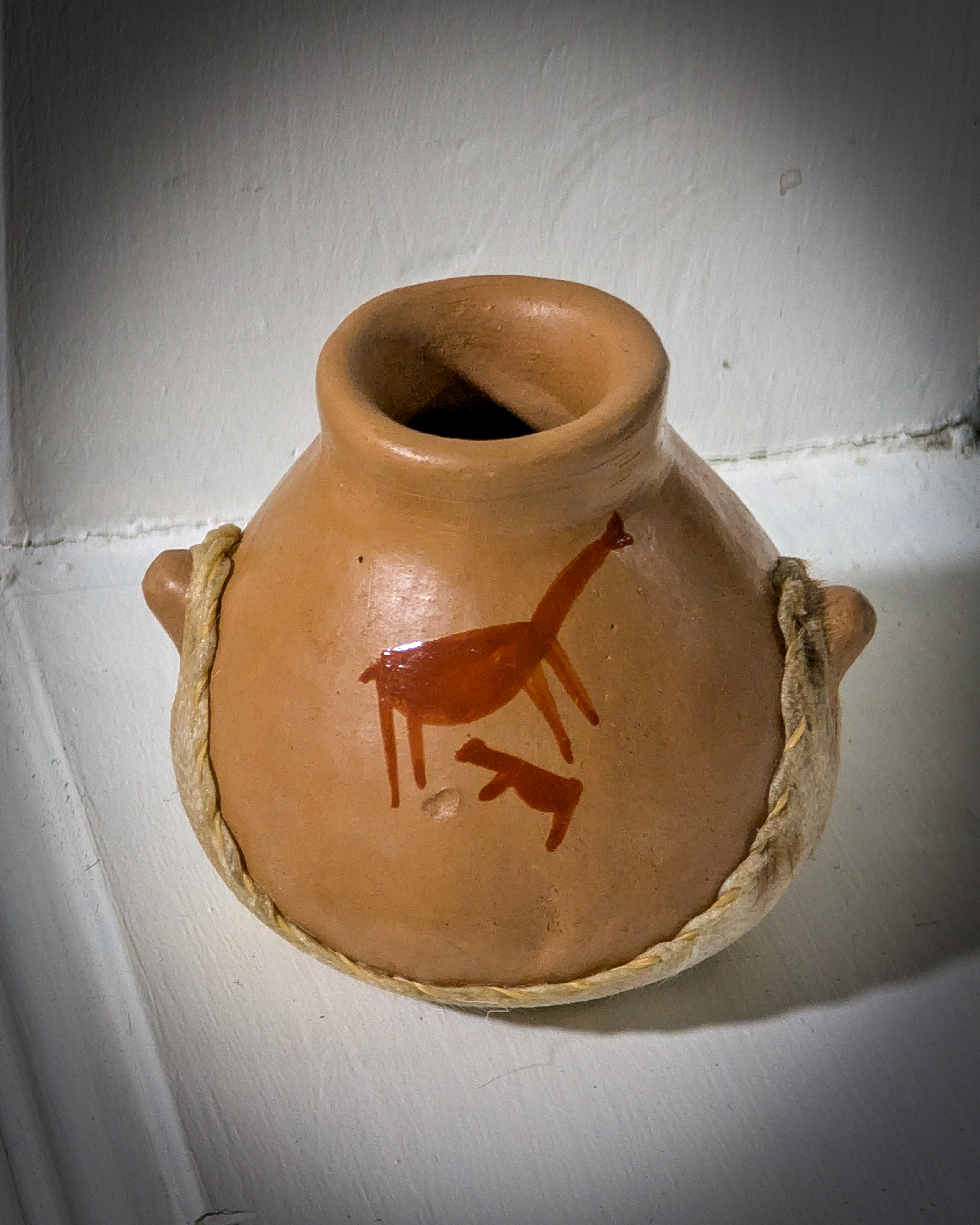
The Ancient Symbols

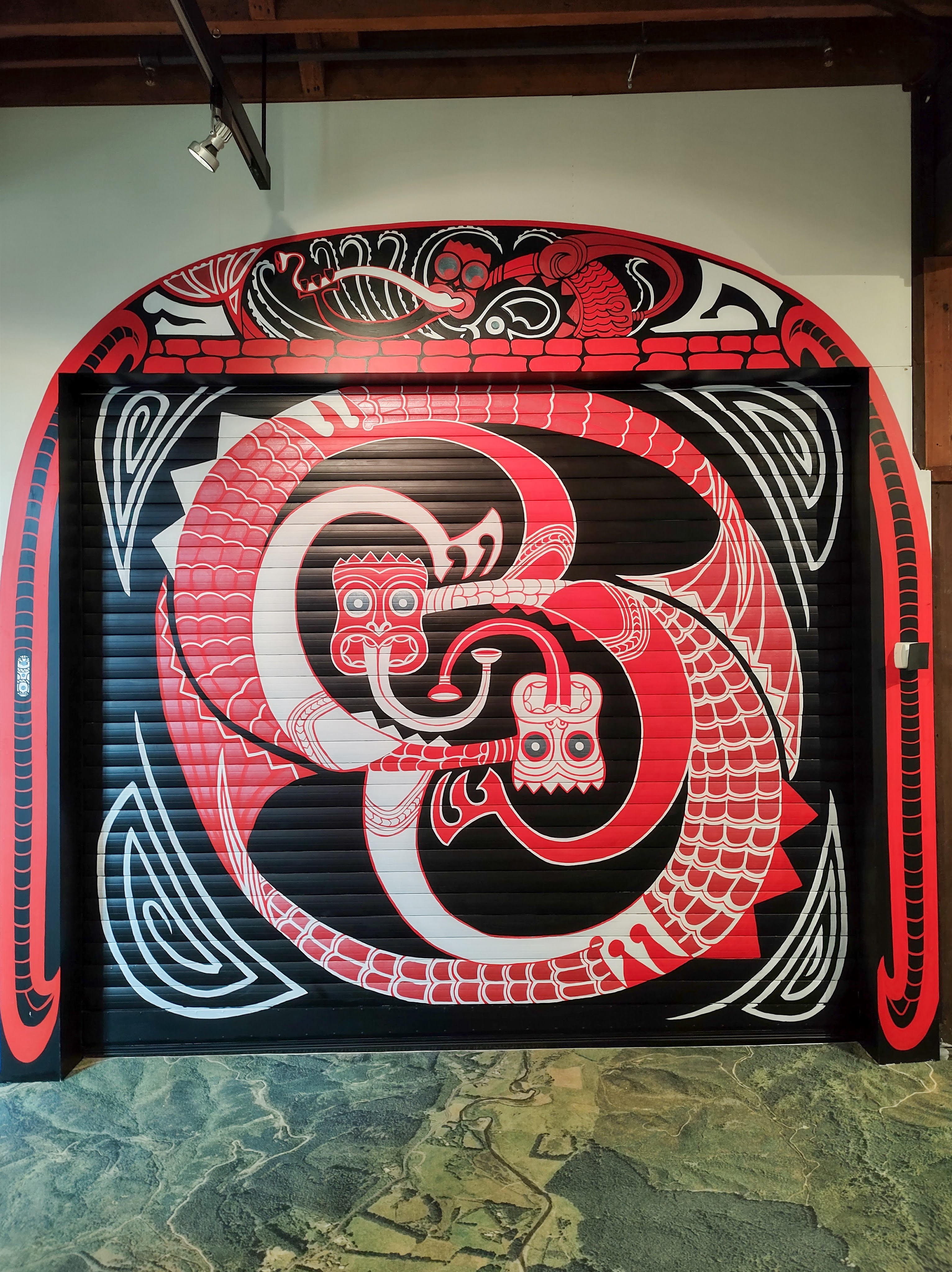
Just outside of Cerro Castillo is an archeological site called ‘Paredón de las Manos’, or ‘The Wall of Hands.’ This natural rock wall is covered in 3,000 year old red paintings made by the ancient Tehuelche people. The most prominent paintings are hand prints, with a few noted outlines of Guanacos and hunters. There is a modern day mural in the village by the school, featuring two Guanacos in the Tehuelche style. The symbol represents the hope for prosperity, as the presence of the native animal was very important to successful survival.

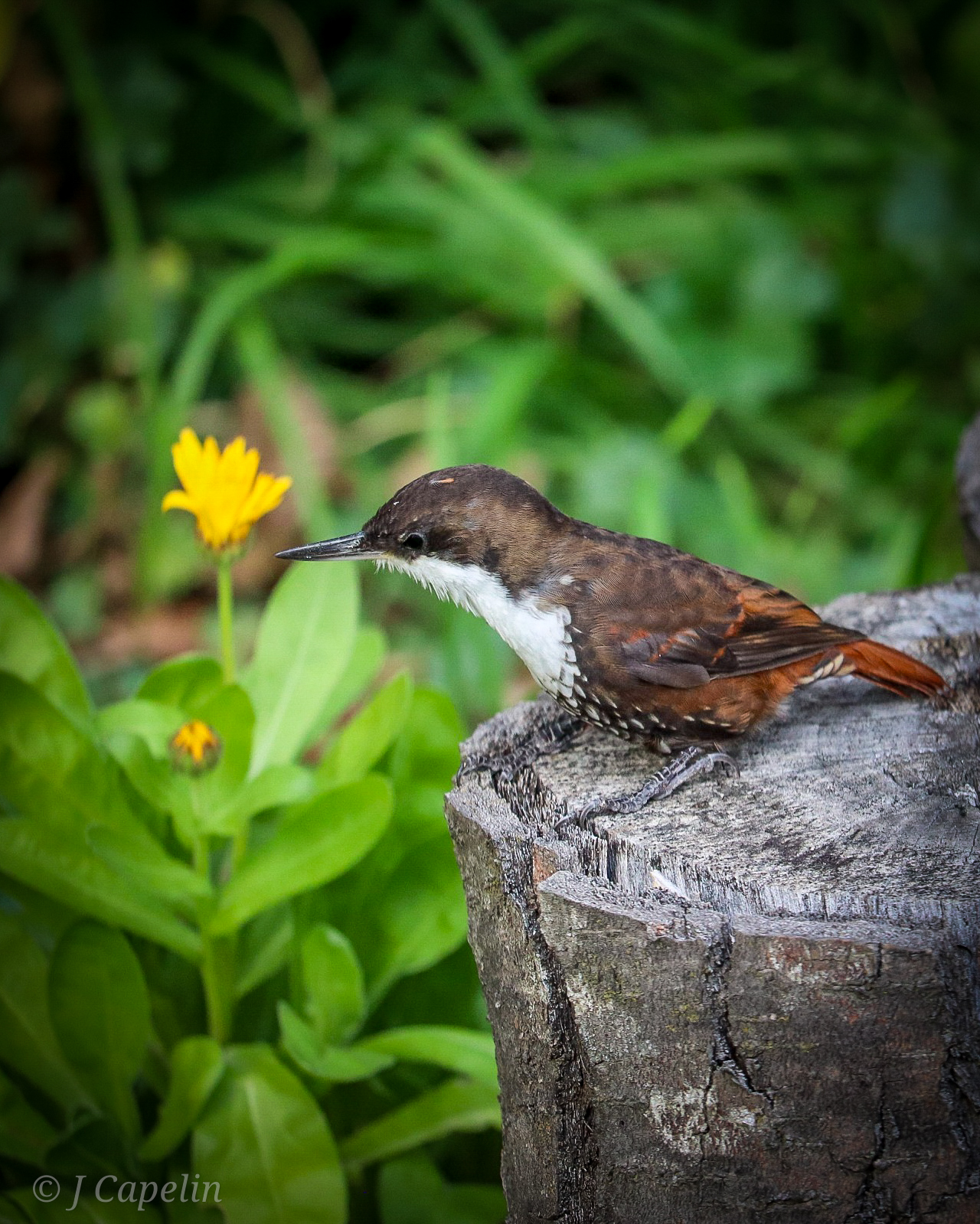
Resident dogs lay in the sun outside, some of them trotting over for an opportune head-scratch. Little birds flit between the plants, while a ginger cat watches, wide eyed and ready to pounce. (Spoiler: the birds are much too fast for the cat!)
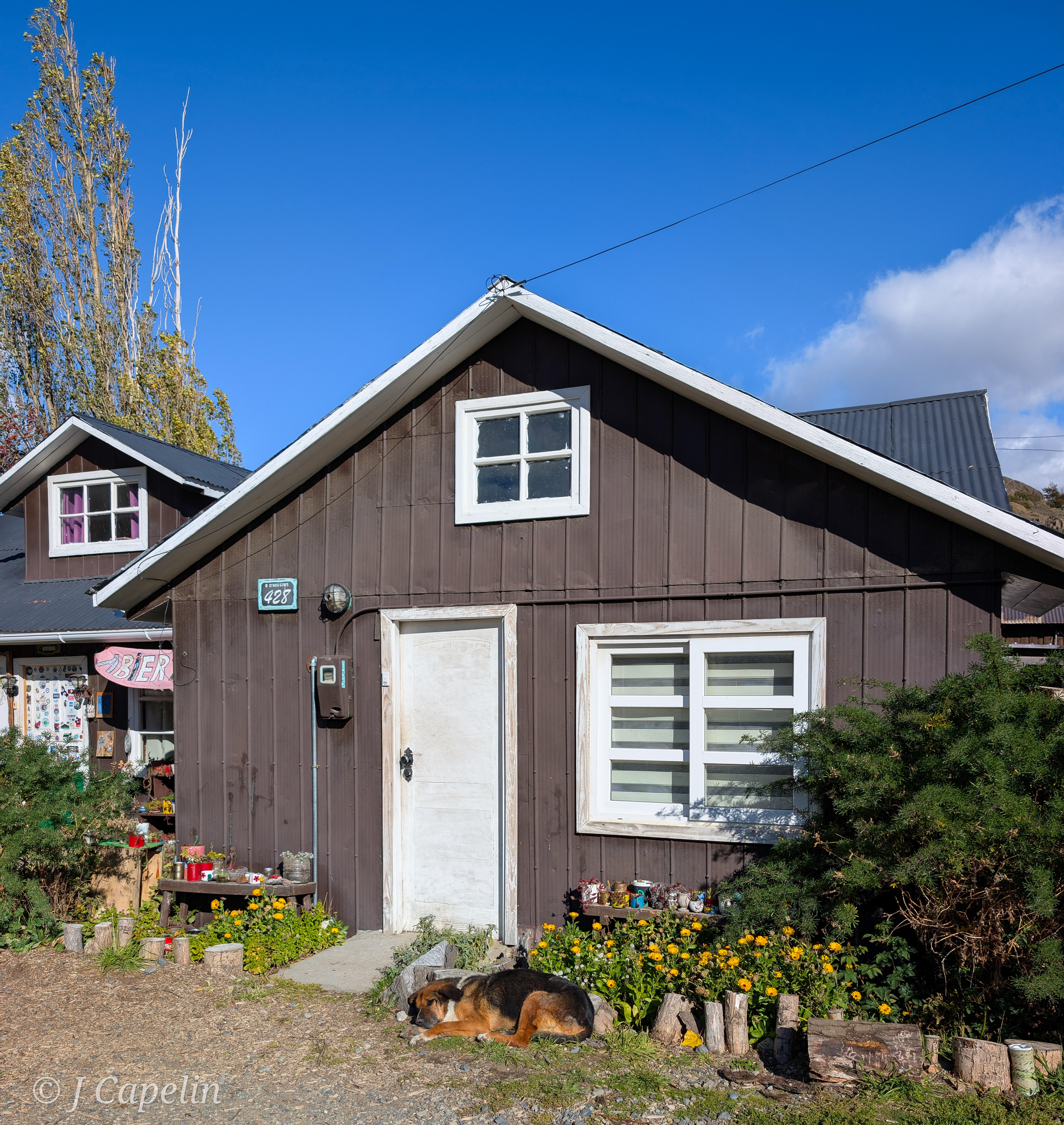
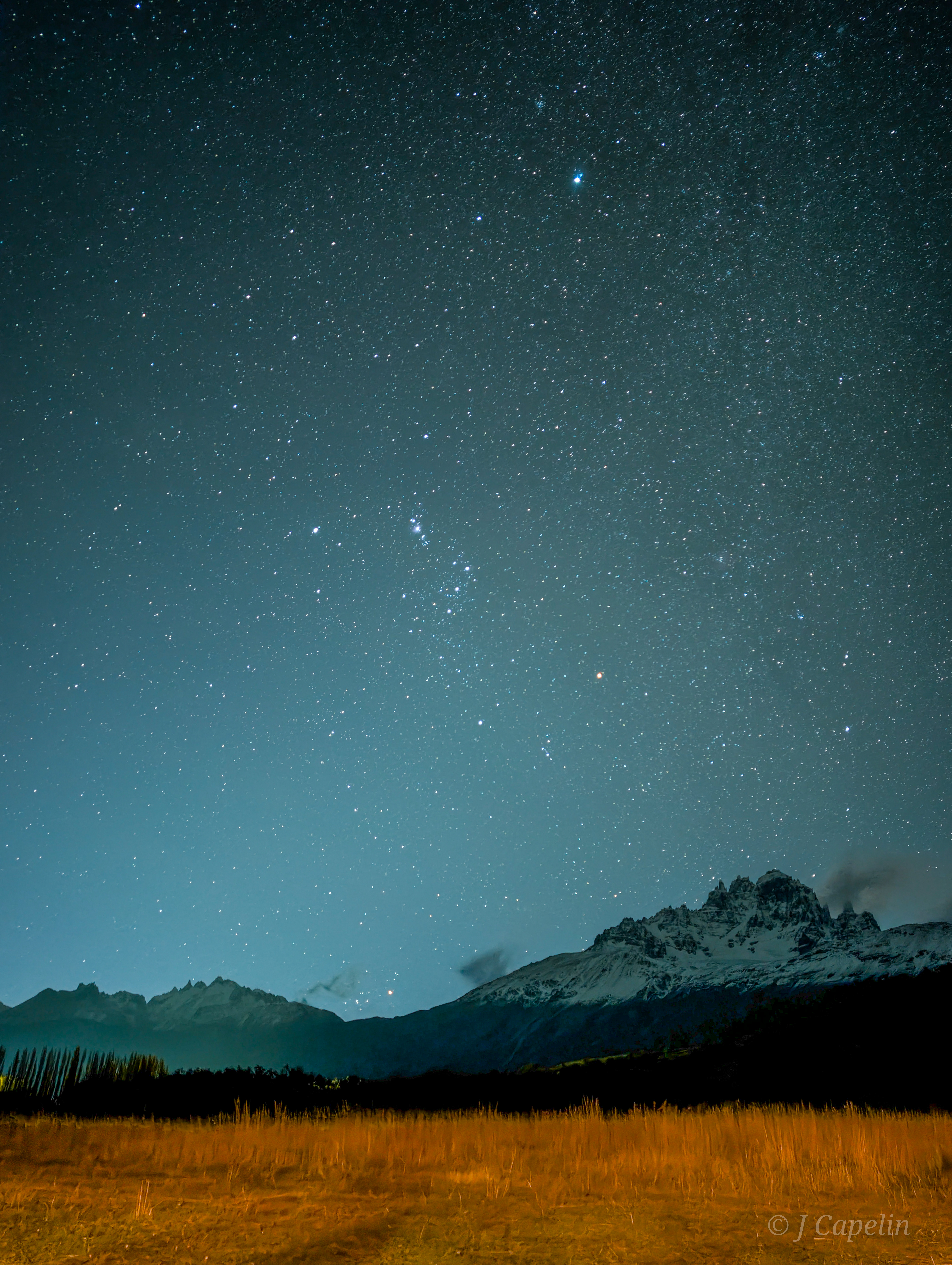
In the evening we build a fire in the lodge’s firepit area, and sit beneath these impressive mountains, watching the stars and wondering if we are in turn being watched from the shadows by some wild cat.
In the end, we could hold out for a social-media-perfect holiday, spending a fortune on ticking off items in a crowd of tourists in the peak season. Or we could go now, while we’re all here together, and just experience it in all its wild reality. It’s always Patagonia, and it’s always impressive, no matter what time of year you go.

Thank you for being here, readers! If you enjoyed this blog, please like and share, or buy me a coffee!

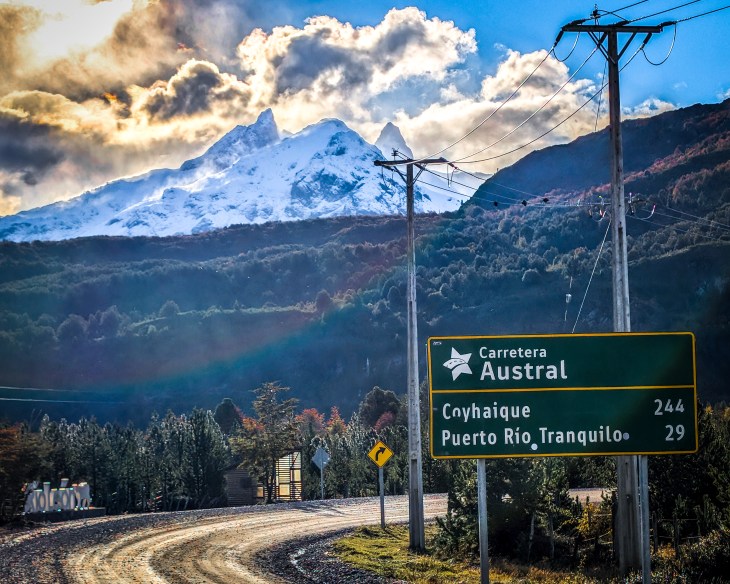
Up Next….

Exploring Australia ~ Atherton Tablelands

7–10 minutes

Leaving Queensland’s Bruce Highway north of Tully, between endless banana plantations, and veering left into farming territory, we headed along the narrow road towards The Misty Mountains. Banana trees whizzed by the windows on either side, while the mountains rose ever closer before us, their looming clouds crawling black across their peaks. Eventually, we joined the Palmerston Highway west, where the road climbed and twisted through rainforest and waterfalls, until we levelled out onto a rolling, green plateau.

Millaa Millaa Falls Circuit

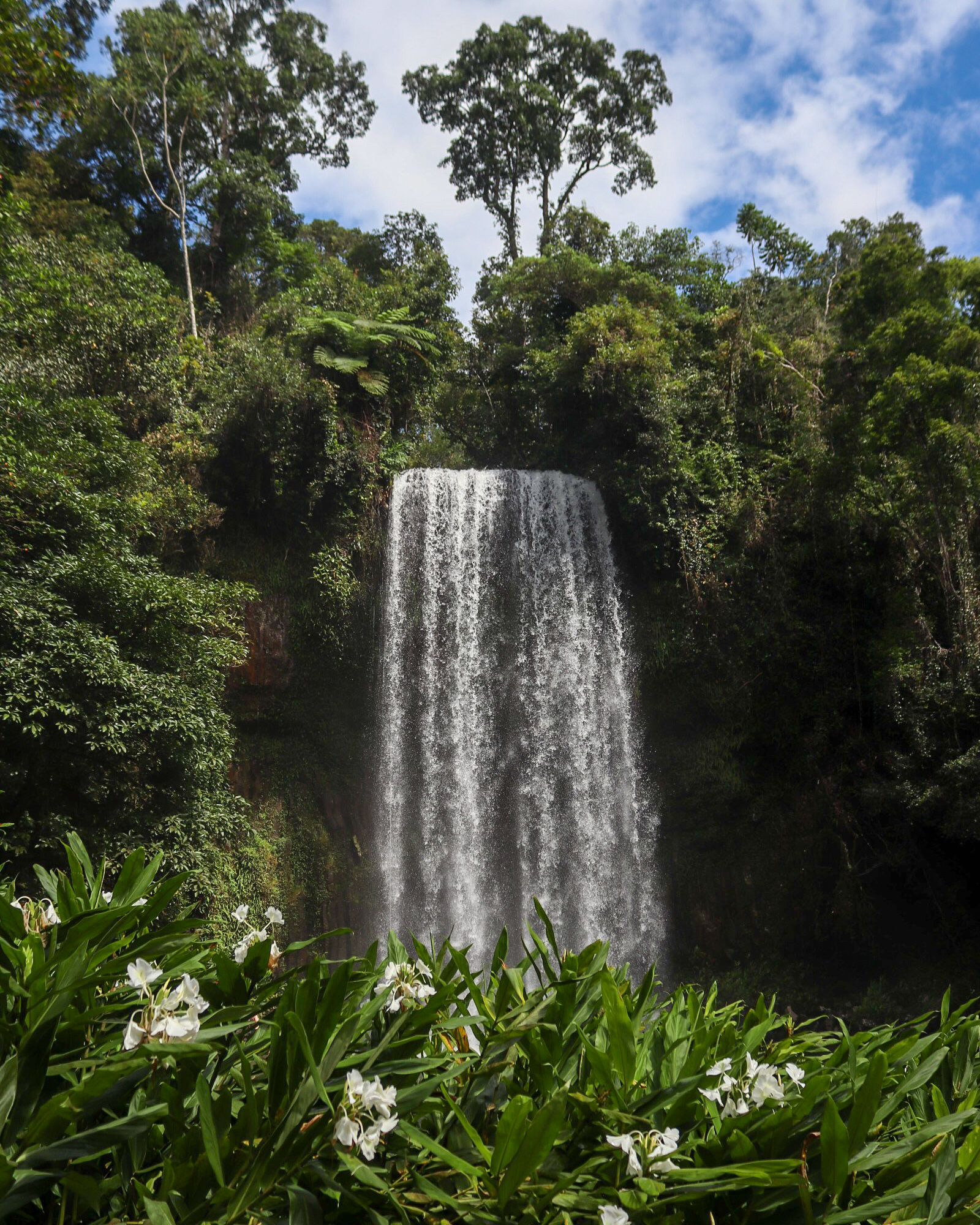
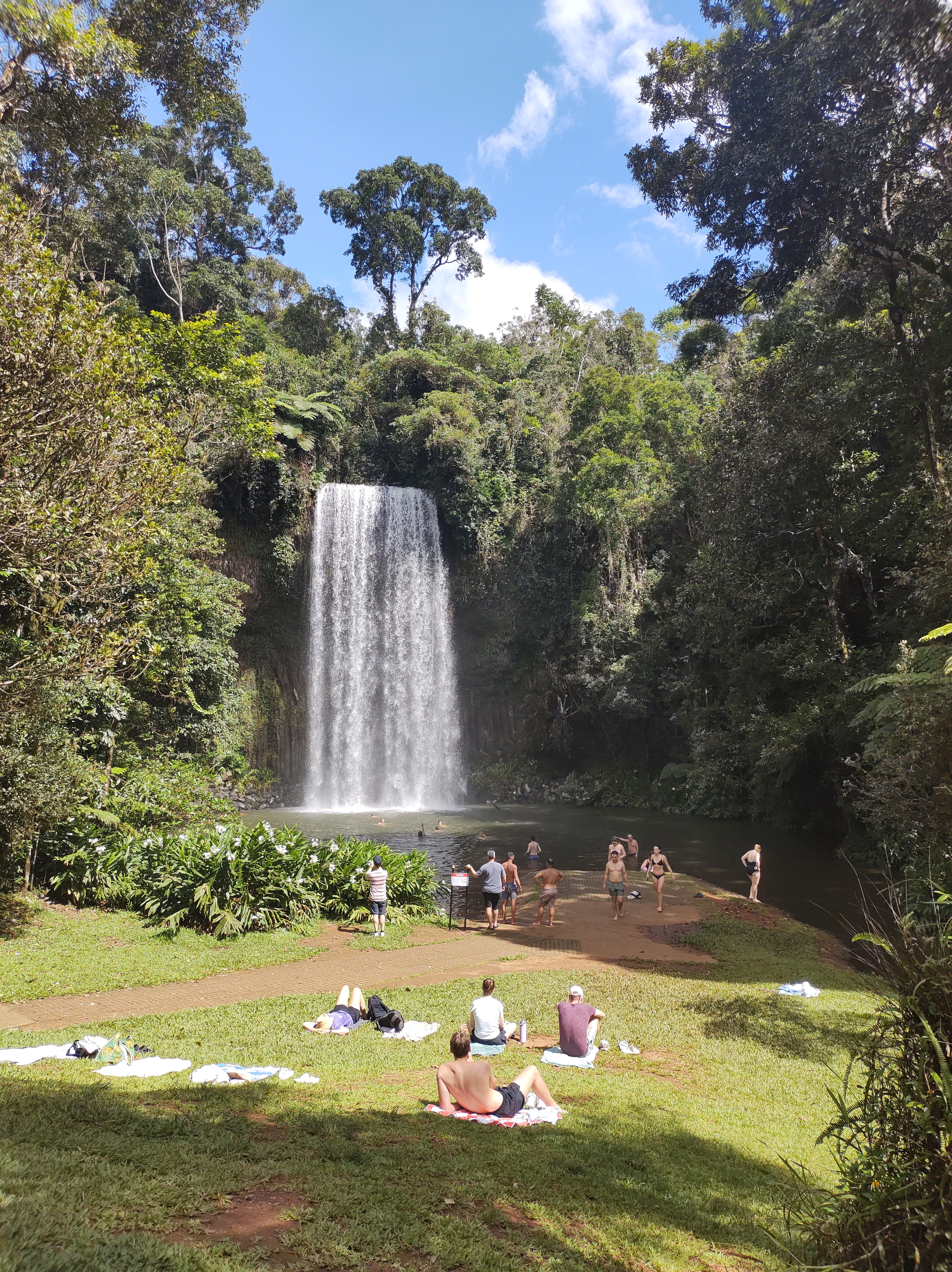
A 17km scenic drive just off the Palmerston highway took us to three waterfalls. Firstly, Millaa Millaa Falls, the most famous for swimming, sunbathing and picnicking.

Over hills and through farmland, with rolling views that reminded me of the English countryside, we drove to the next waterfall. The Zillie Falls viewpoint from the top of the waterfall was quite overgrown, with no clear path down, so I couldn’t tell you how big it was, but it sounded impressive!
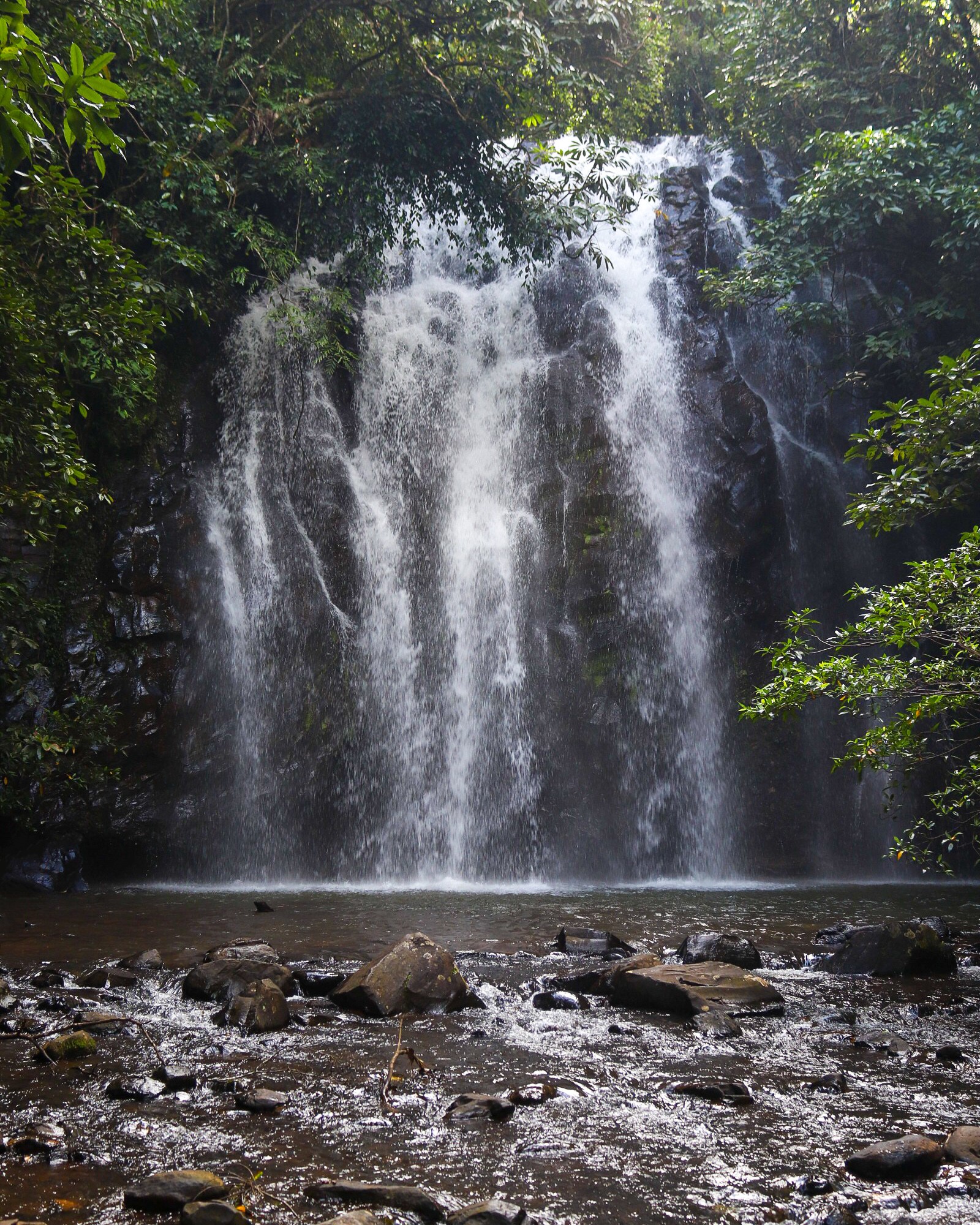
Thirdly, Ellinjaa Falls, where we descended on foot through ancient rainforest. The path met the dark, rocky creek, and plenty of people were swimming and crossing the rocks for photo opportunities, while the waterfall rushed on the backdrop.

Crater Lakes National Park

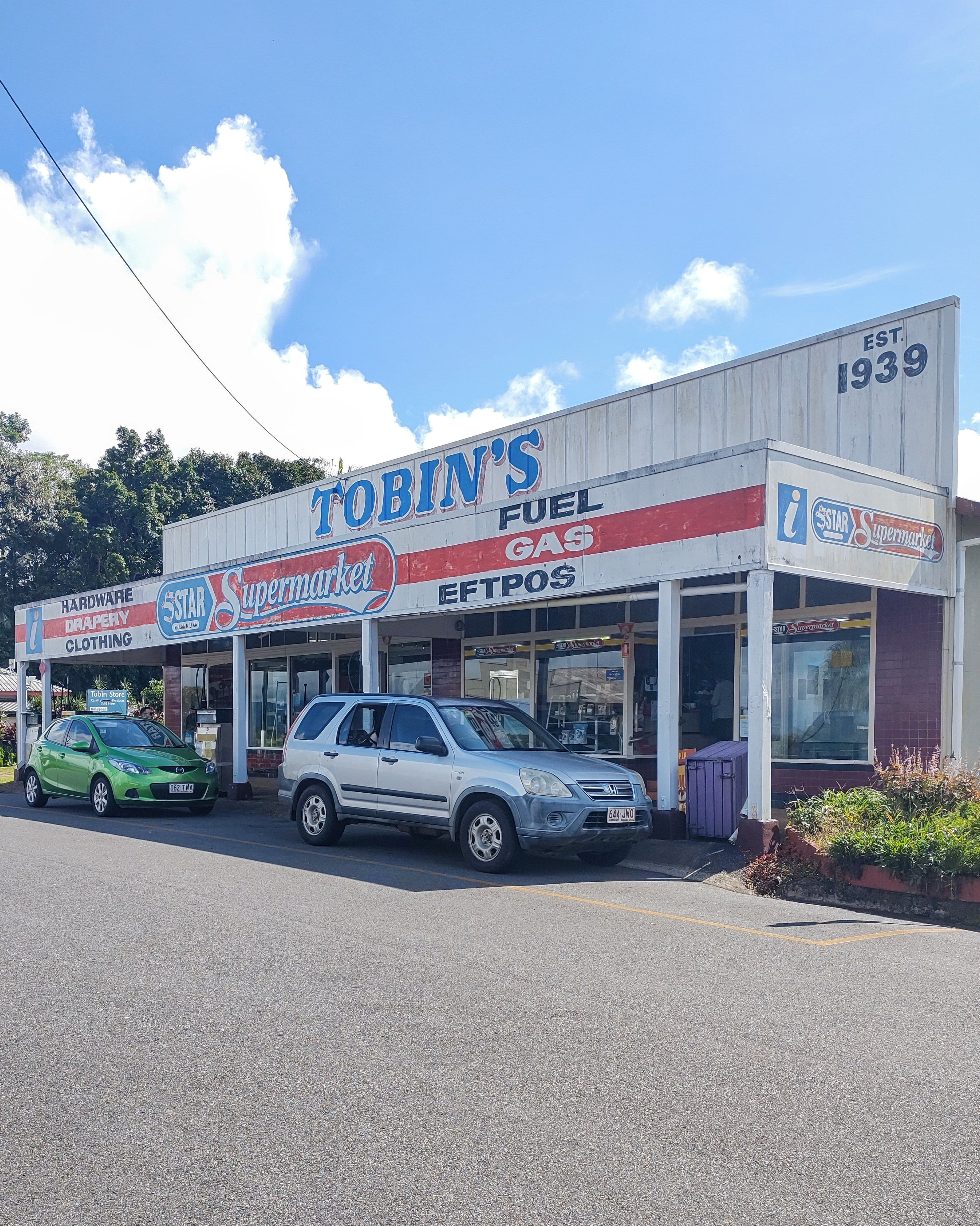
After stopping for fuel in the old village of Millaa Millaa, we drove north, through Malanda, towards Eacham and our accommodation on the edge of Crater Lakes National Park. Down a long, unsealed driveway through the trees, we arrived at Chambers Wildlife Rainforest Lodges. Big wooden huts on stilts stood nestled in the rainforest, with open decks perfect for wildlife spotting. Inside, we had a kitchen, living space, and a cosy ensuite bedroom at the back.

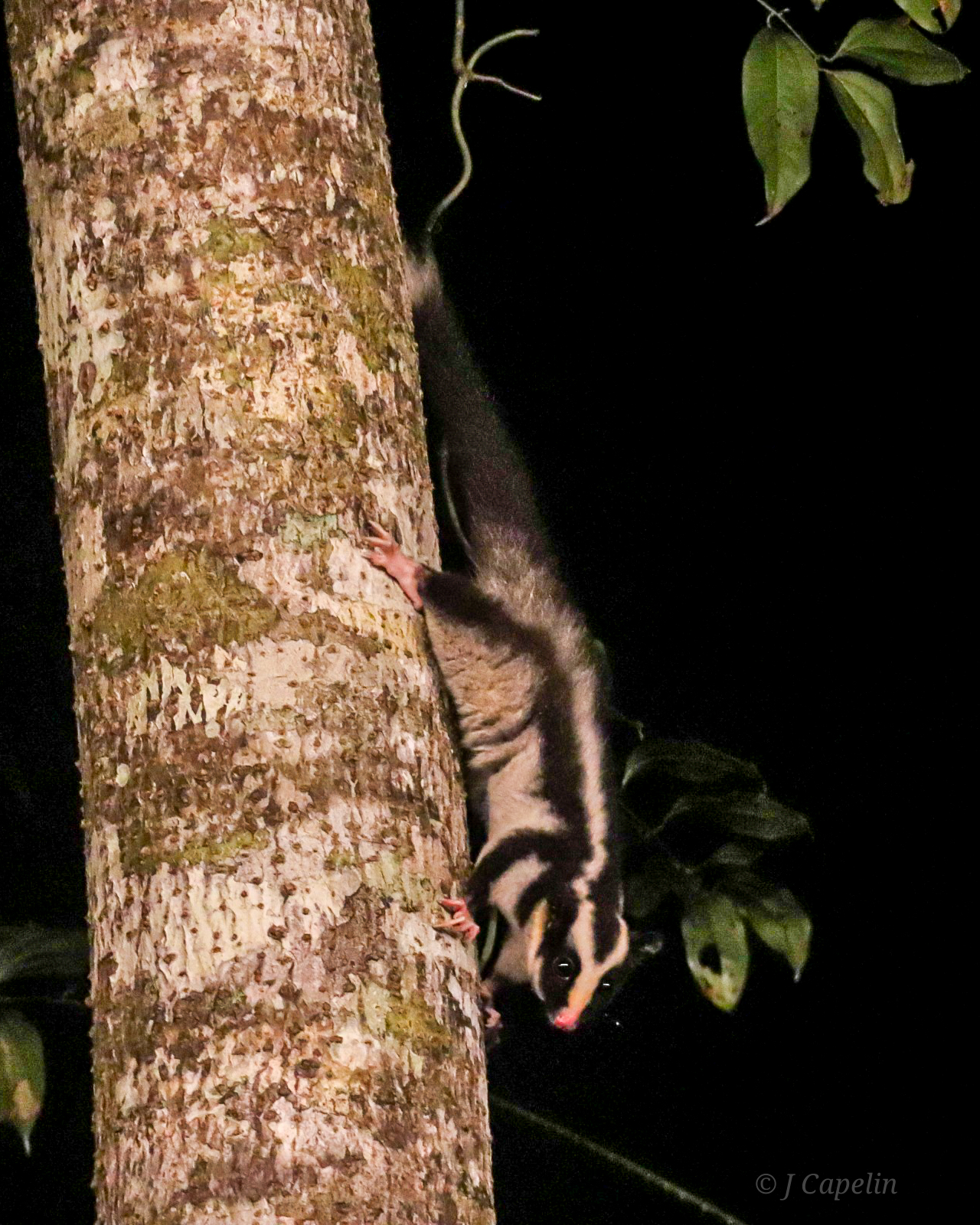
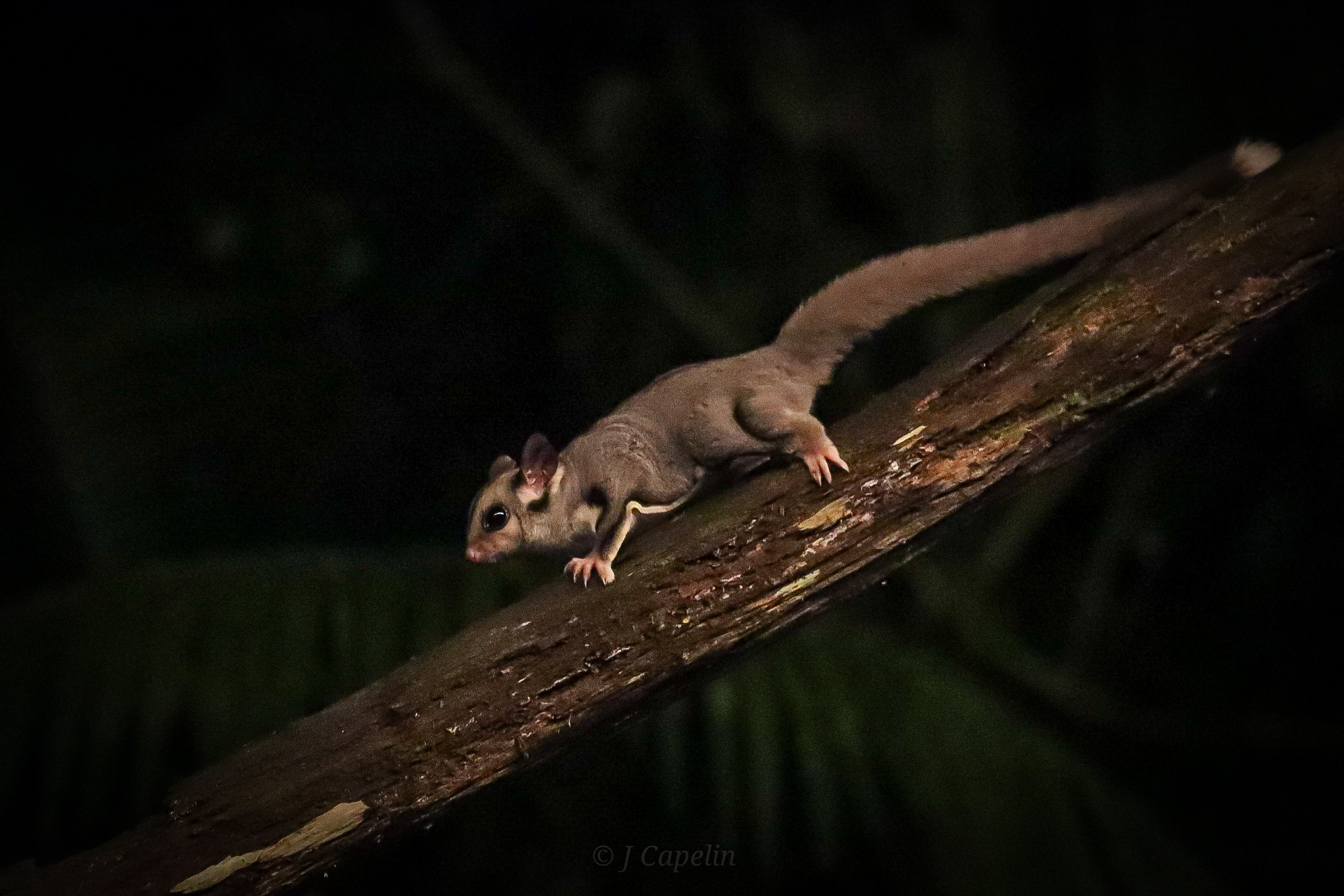
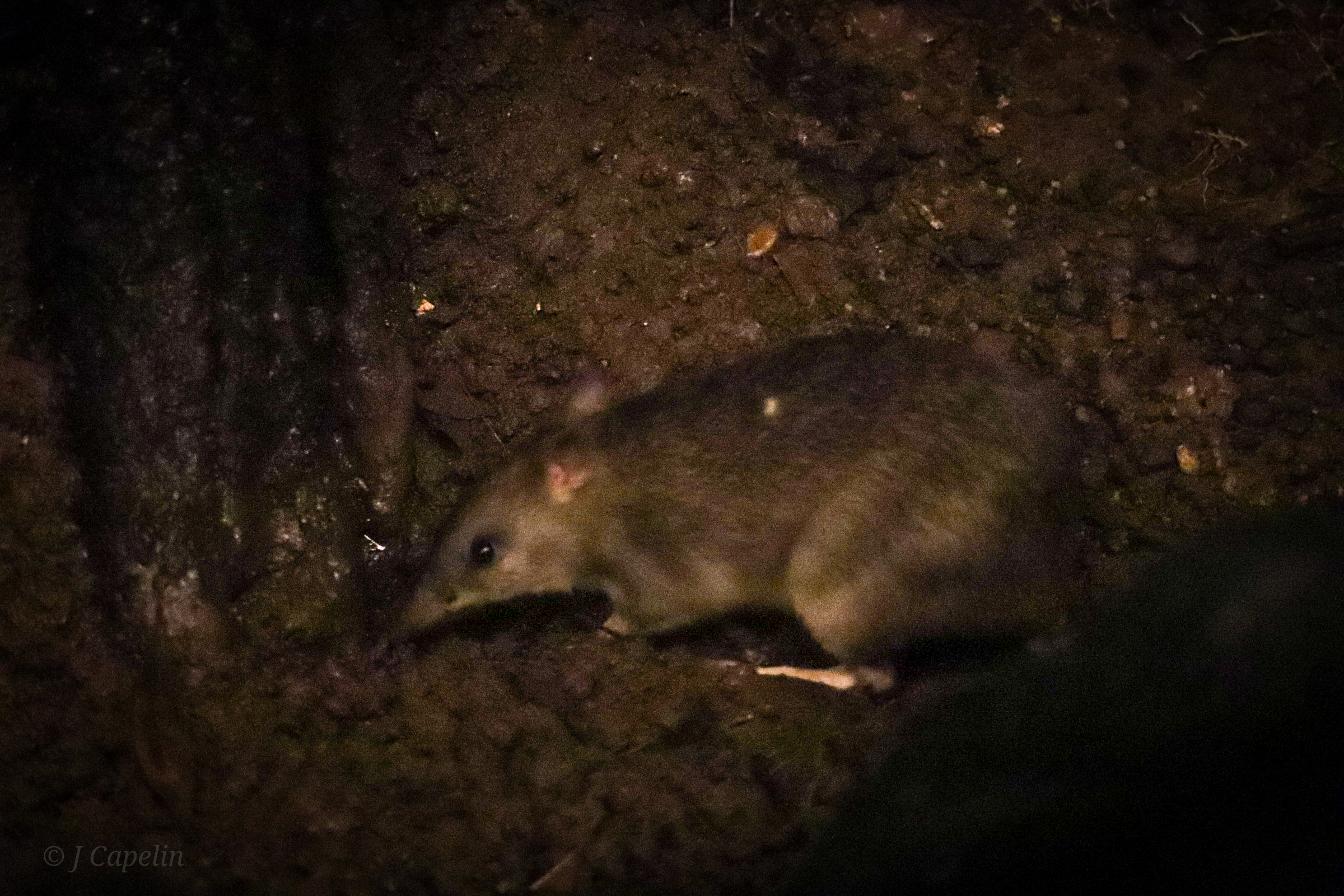
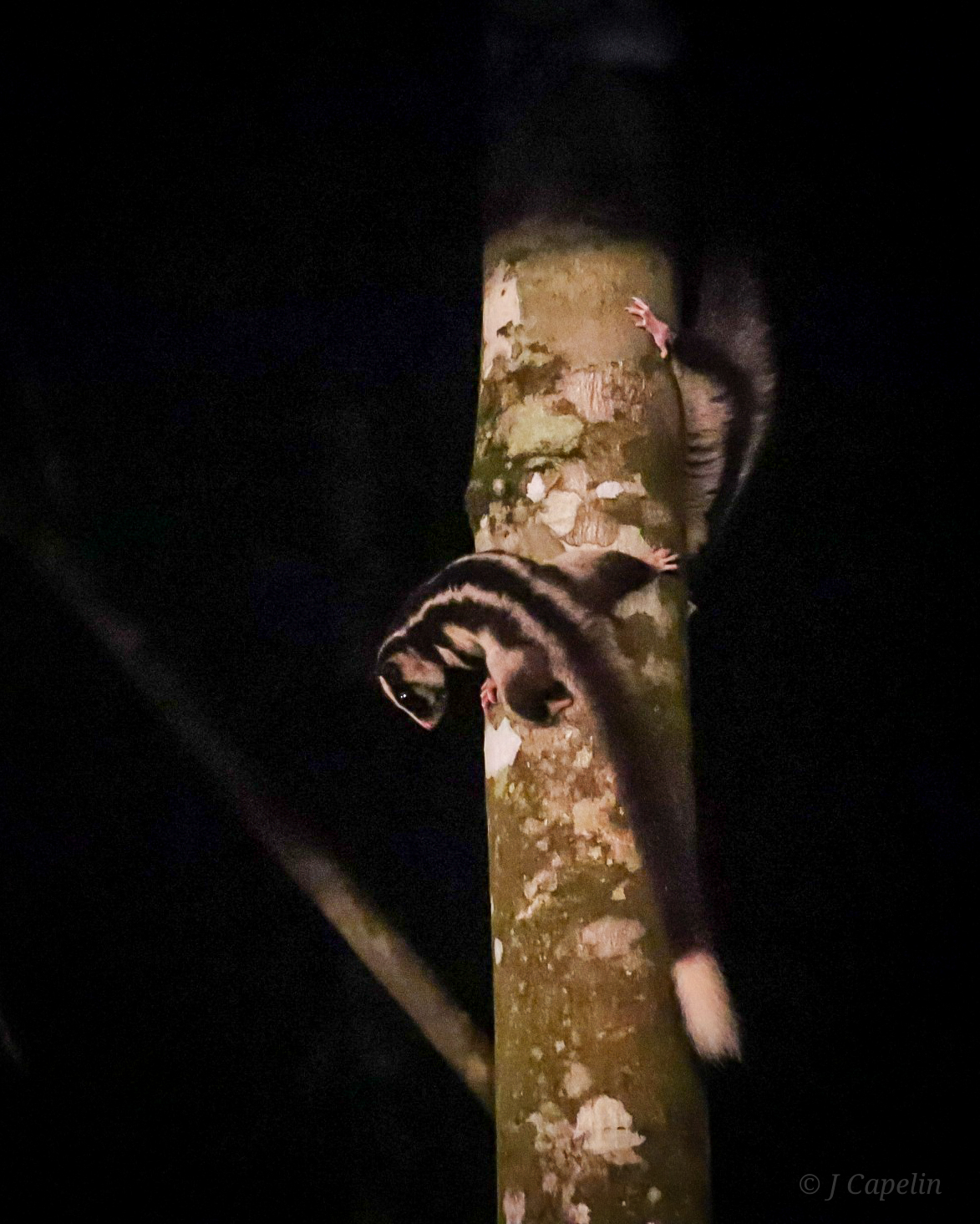
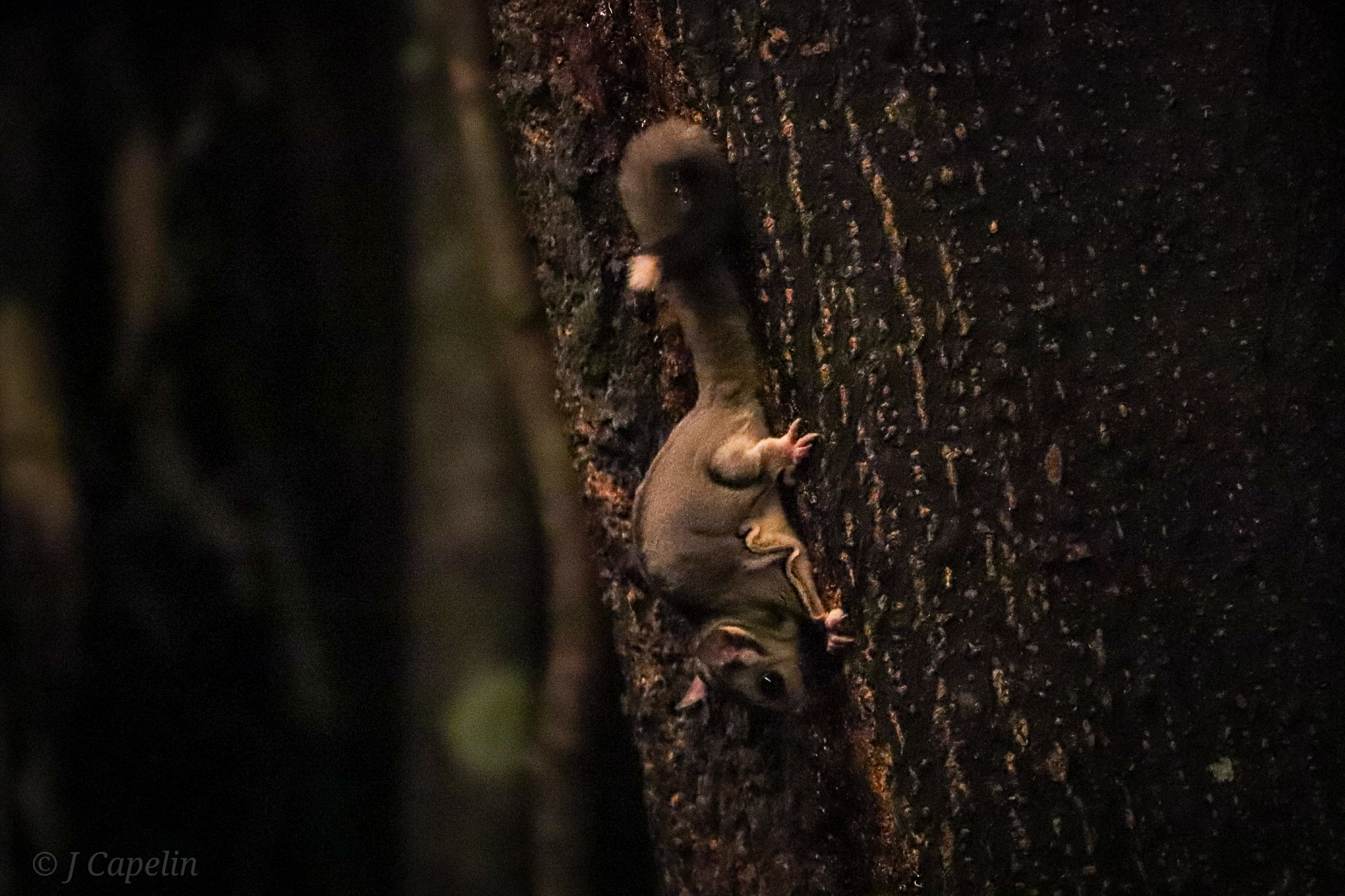
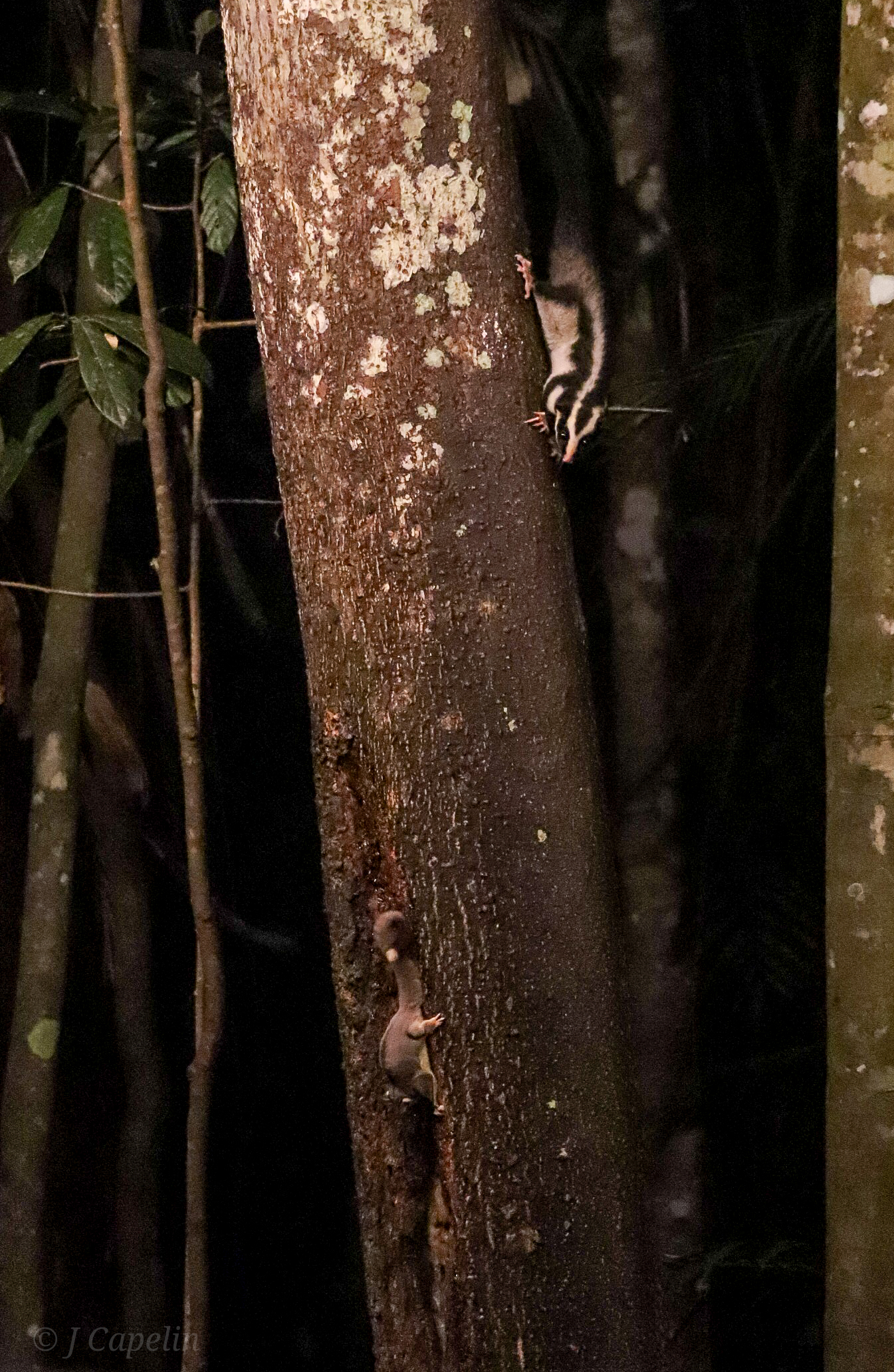
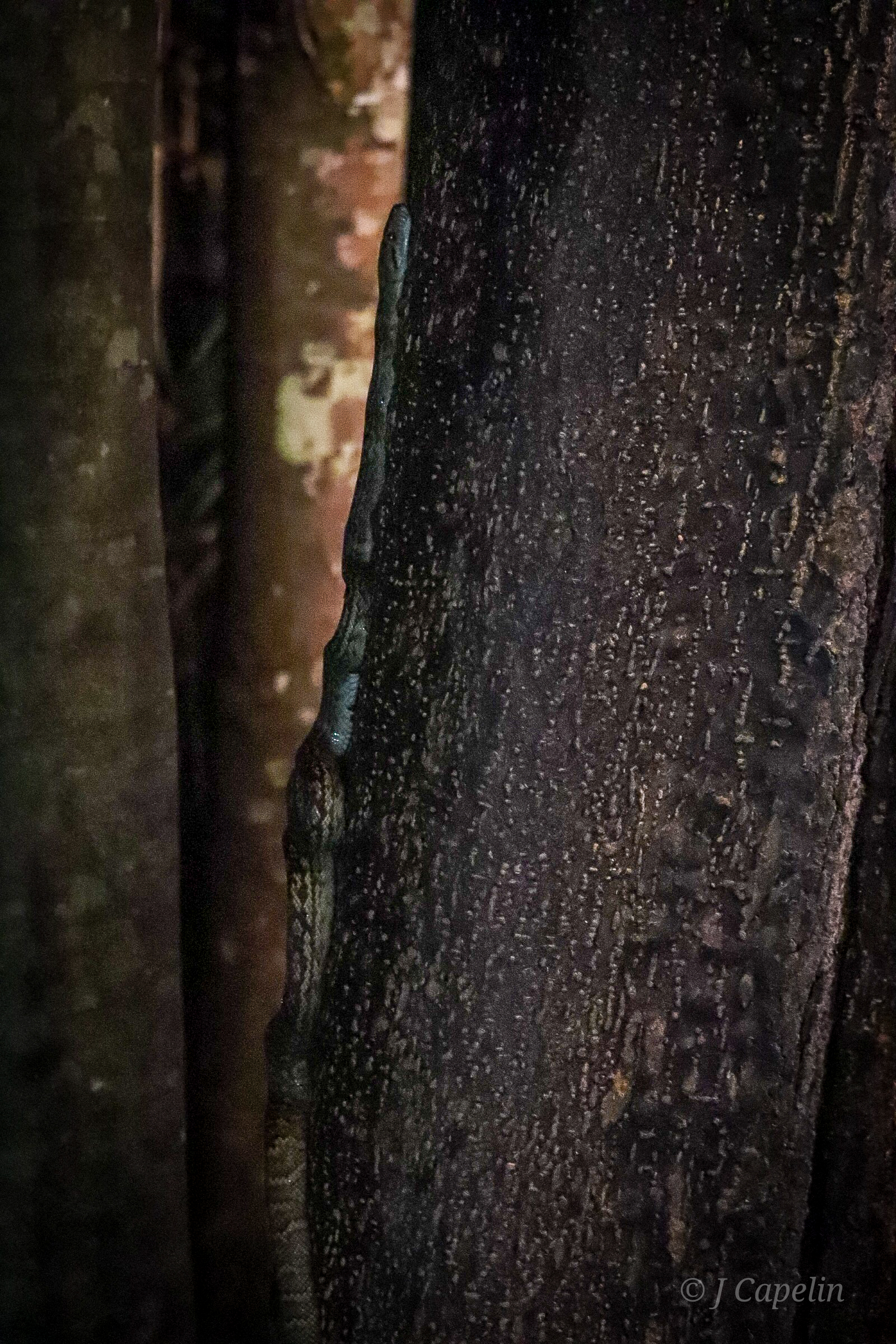
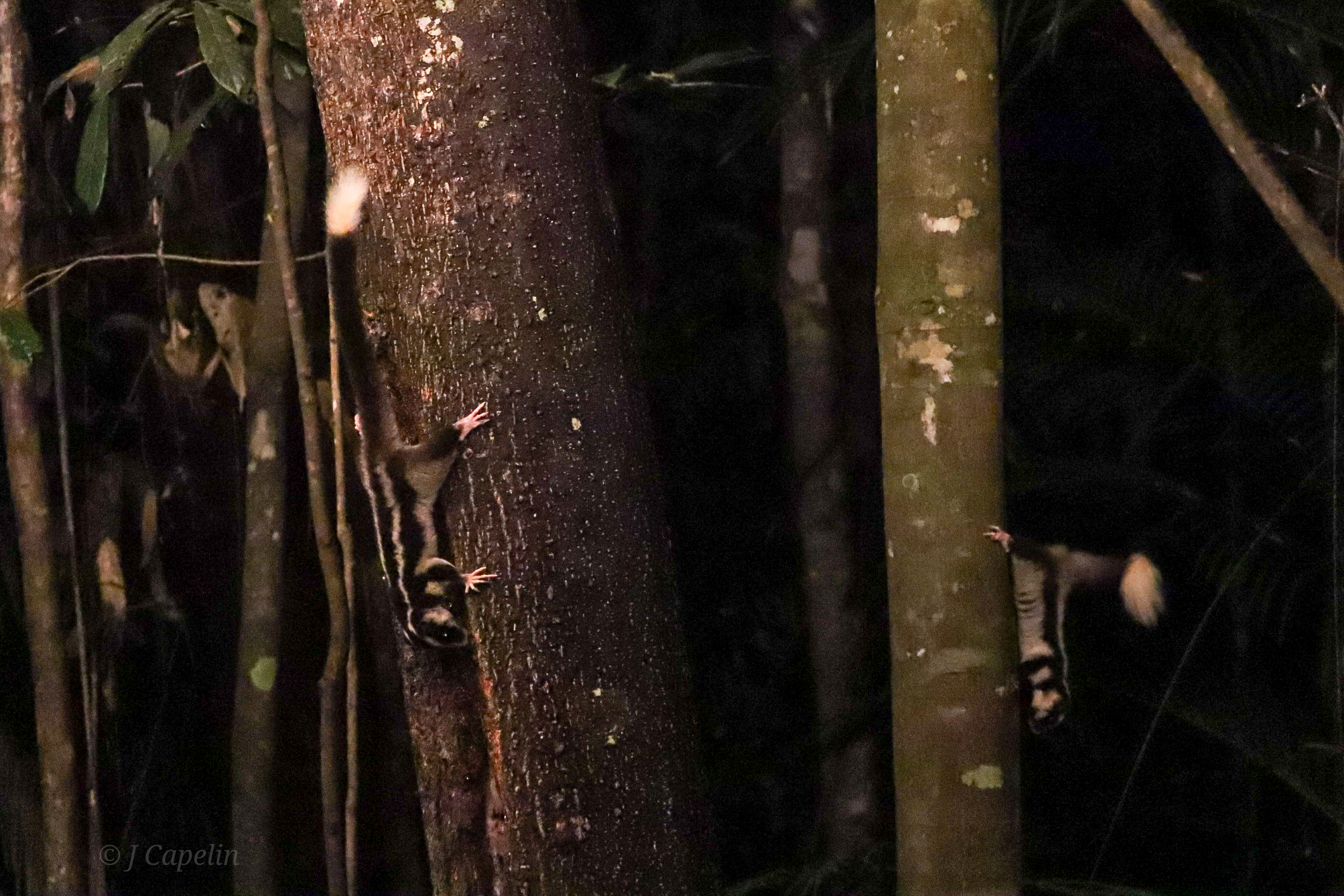
When nightfall landed, we made our way to the retreat’s viewing deck; my favourite thing about the accommodation. A little wooden hut (like an old bus shelter with rows of benches inside) sat on the edge of the rainforest, with a soft, amber light shining into the trees. Most nights shortly after sunset, one of the staff members would put some natural sweet nectar concoction on the nearby trees to entice the local wildlife. We sat there, silent and still, among other guests, until we heard a gentle rustling in the canopy above us. Then, out of the shadows, quiet and cautious, a Striped Possum appeared on the tree trunk, staring back at us! Everyone froze, and the possum went about its business. More rustling from above, and a pale shape glided past like a small ghost, landing wide-eyed and sprawled on the branch – a Krefft’s Glider, better known as a Sugar Glider! Once the tree-dwellers left, a Long-Nosed Bandicoot came snuffling around the base of the tree, while an Amethystine Python waited keenly on the neighbouring tree trunk…
Striped Possum
Krefft’s Glider (Sugar Glider)
Long Nosed Bandicoot

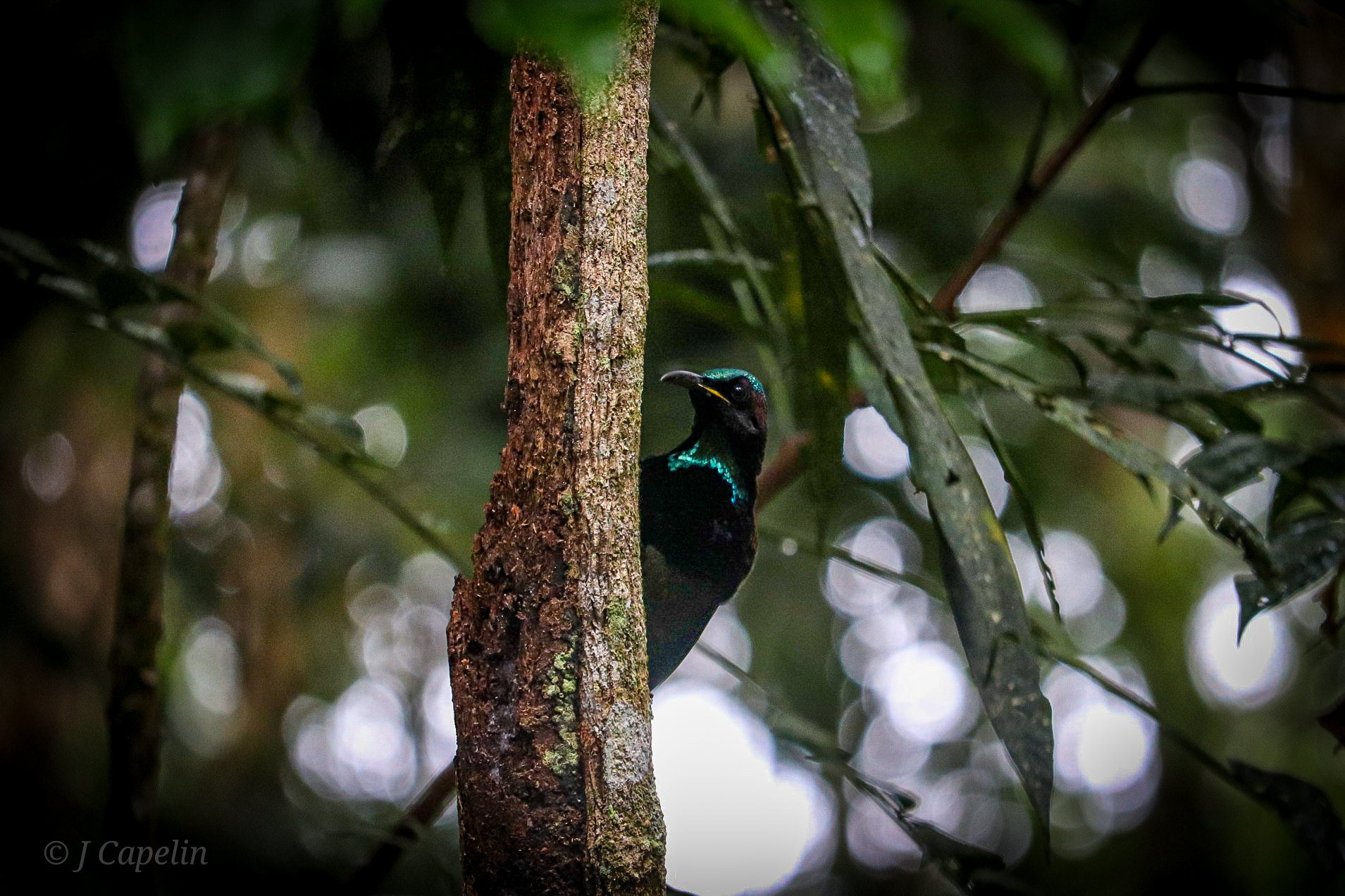
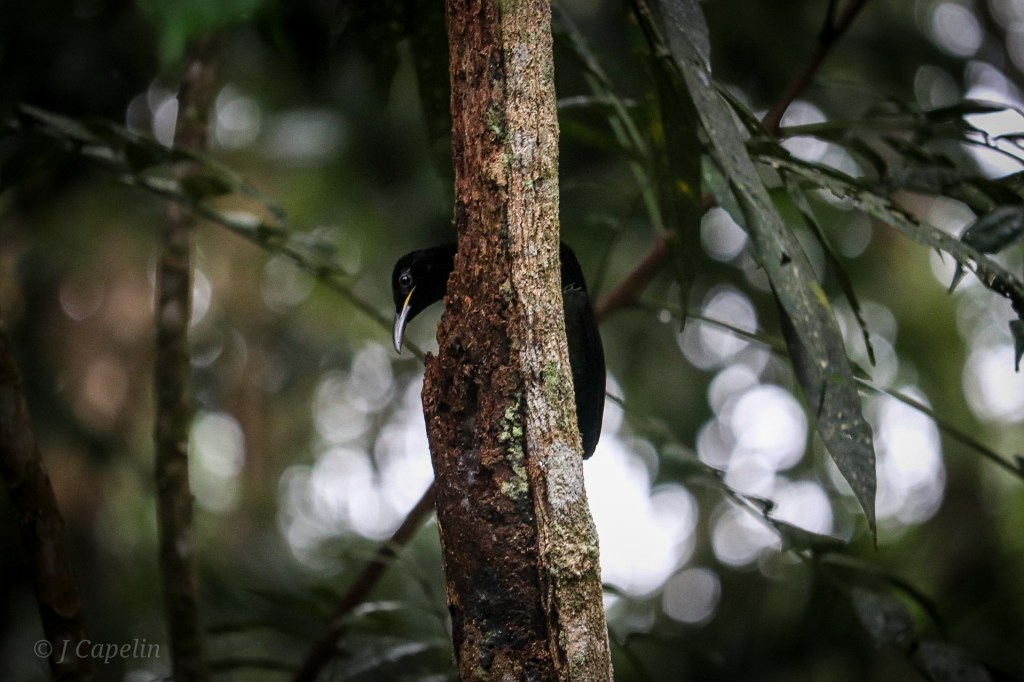
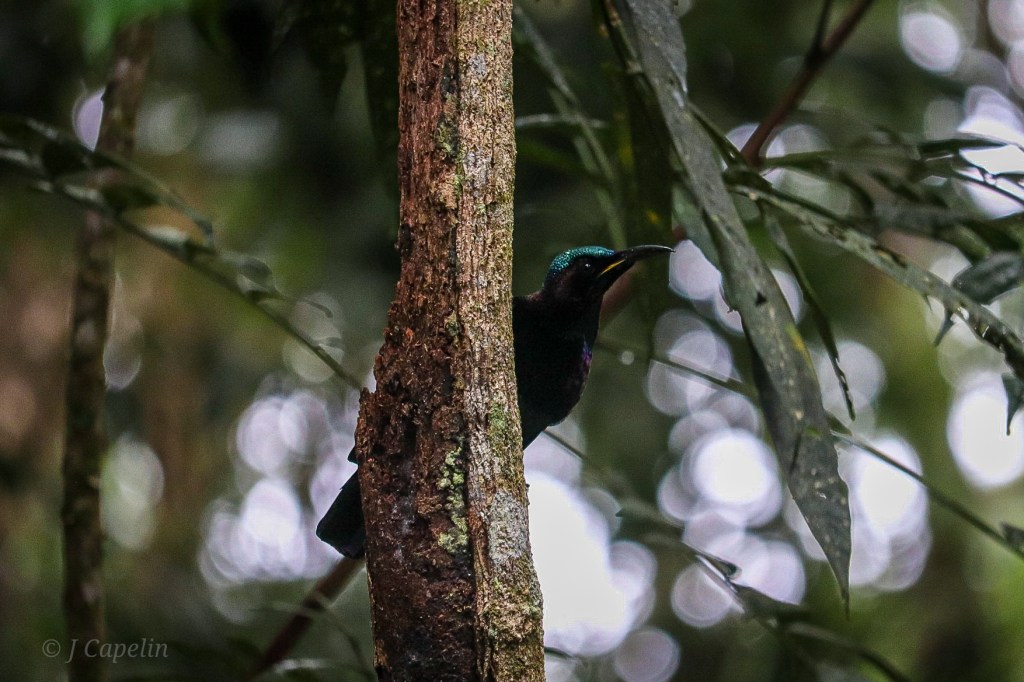
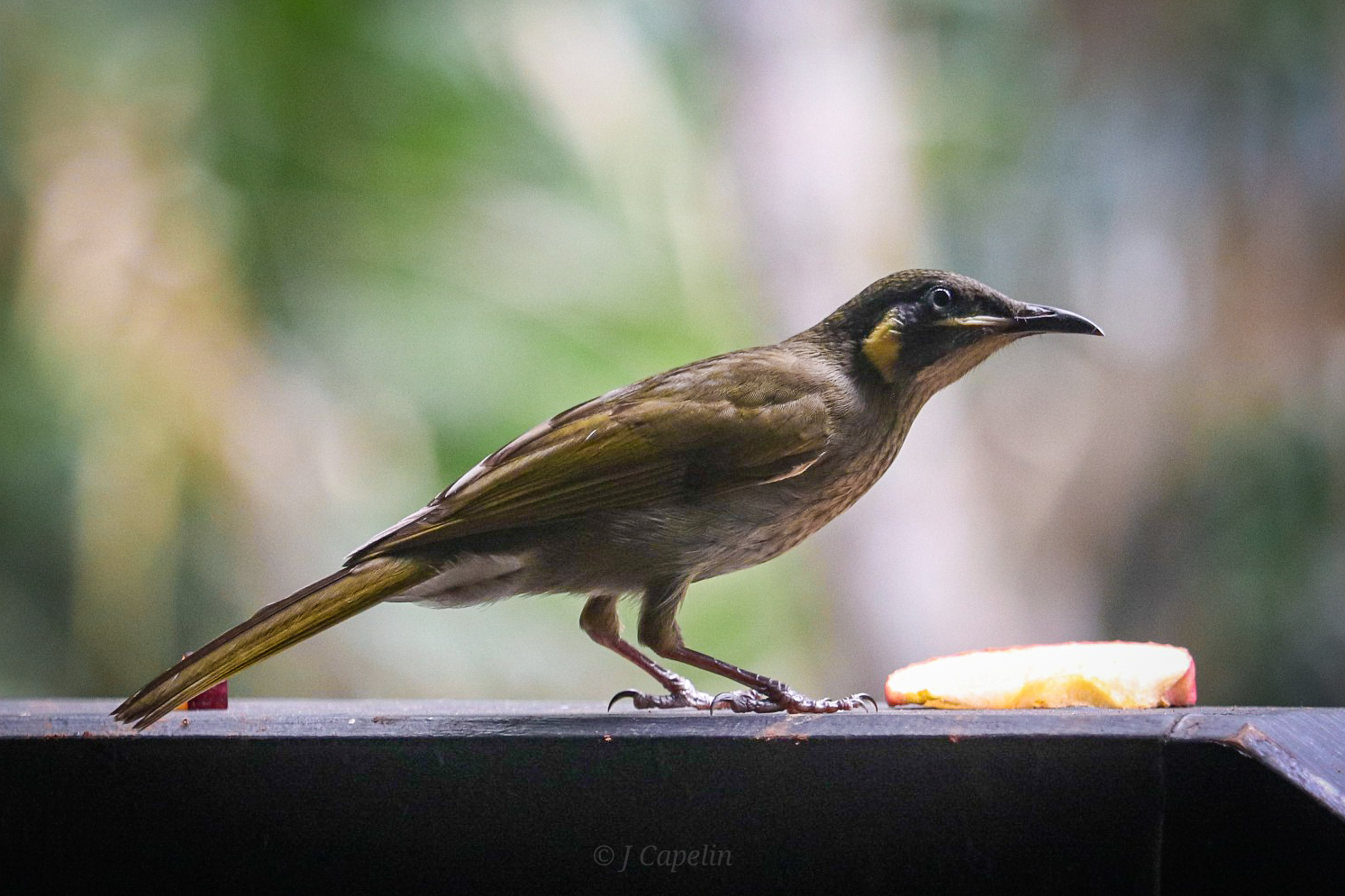
Waking up to a sound collage of bellbirds and whipbirds echoing through the patter of rain in the trees, I spent the morning on the deck, as Rifle Birds, Catbirds and Lewin’s Honey Eaters came to steal some of my apple.

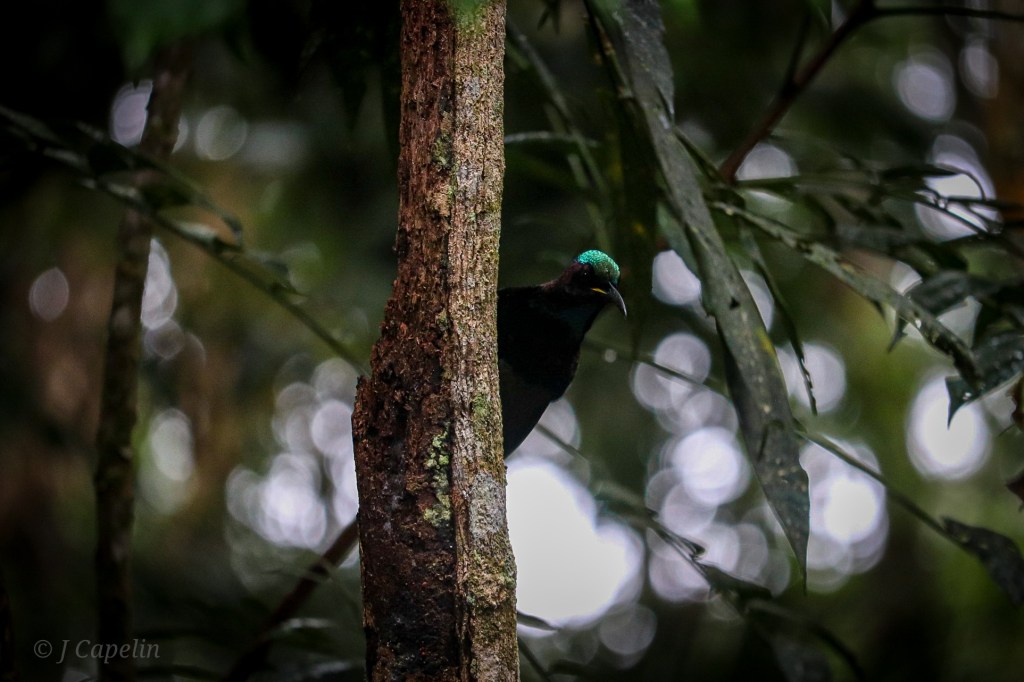
The many angles of the Victoria’s Riflebird
Lewin’s Honey Eater
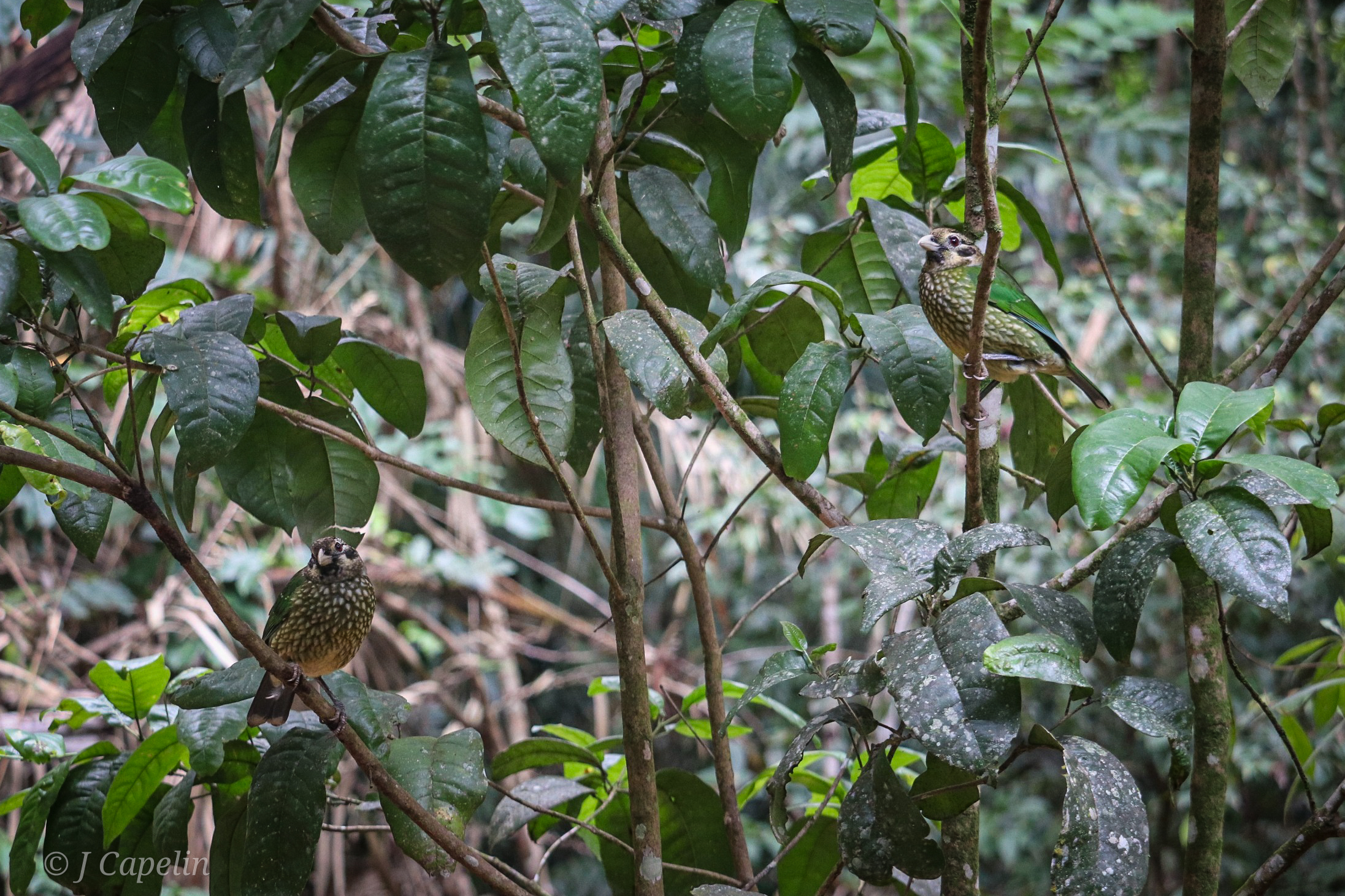
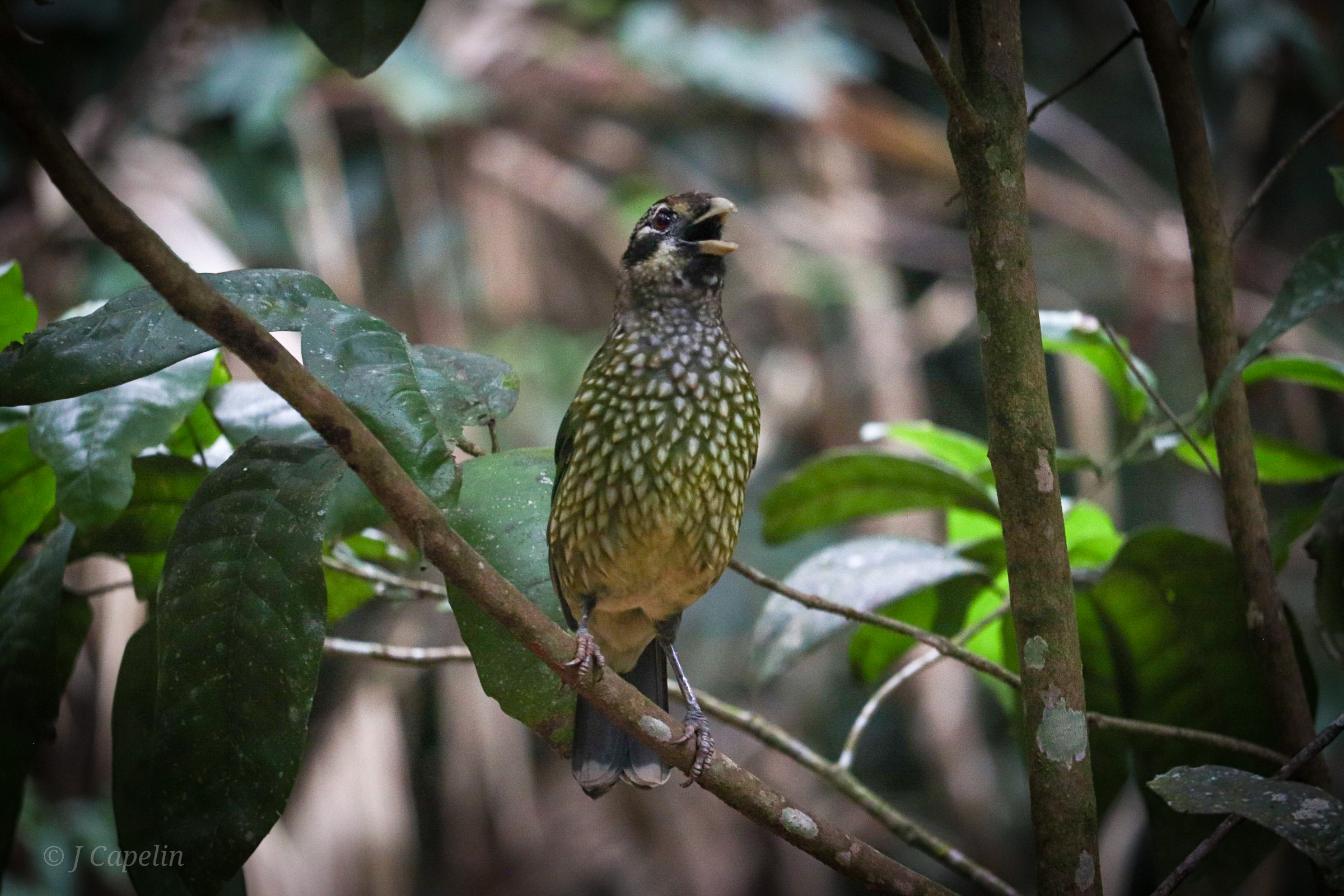
A pair of Green Catbirds
Have you ever heard a Green Catbird’s cry?

From the Rainforest Lodges, there was a walking circuit along the border of Crater Lakes National Park, which led down to the creek where platypus live, and through the dense rainforest. We only managed half the walk before the leeches found their way onto our socks!

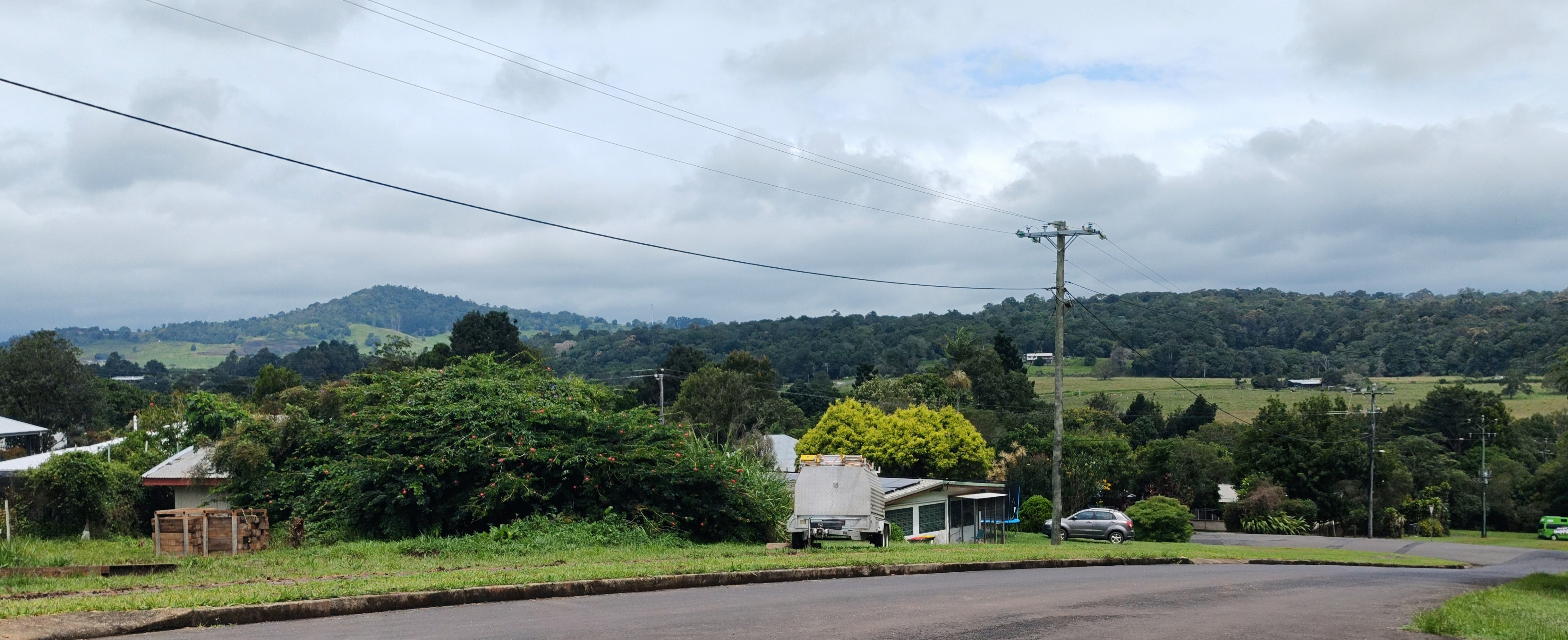
Yungaburra

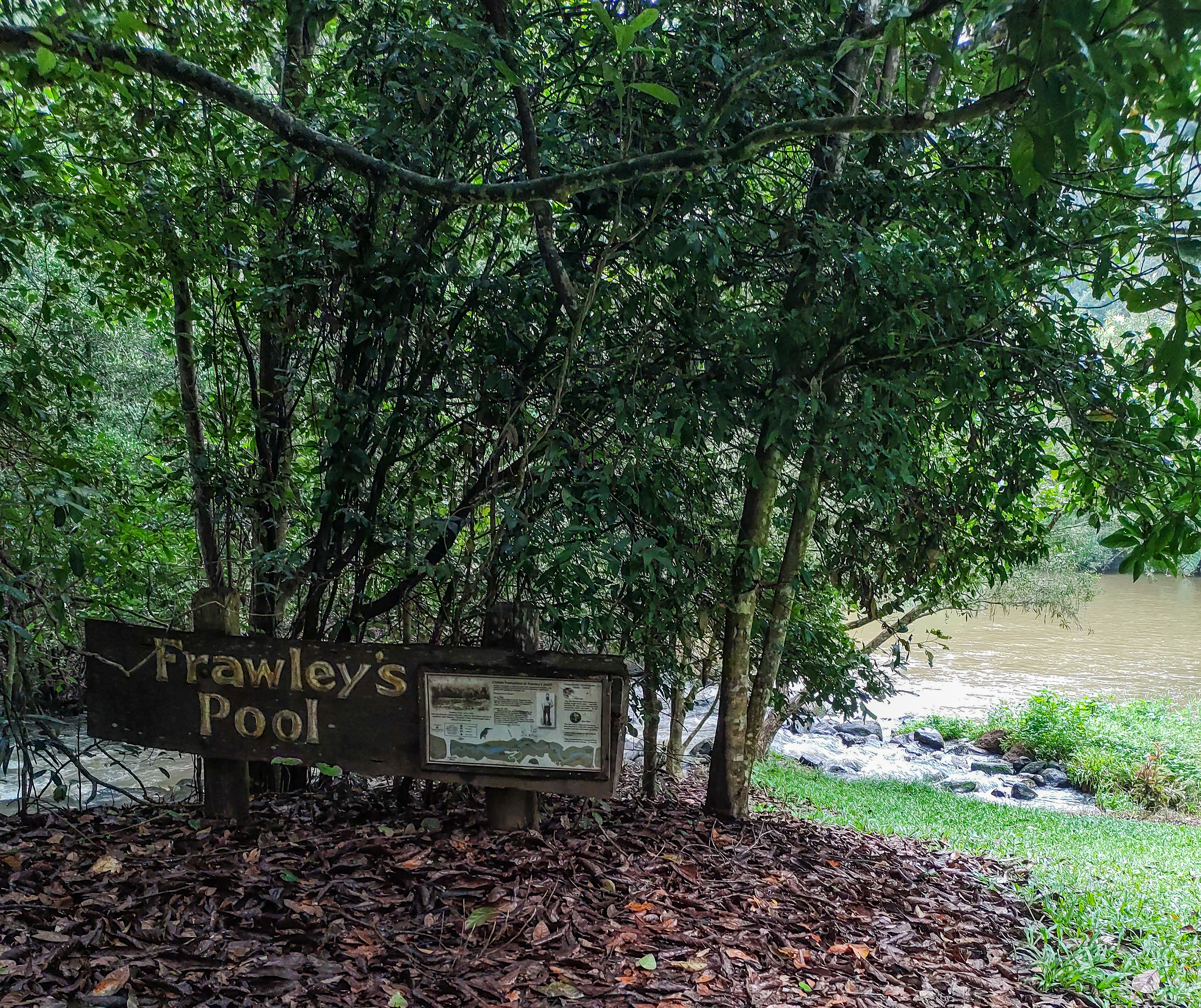
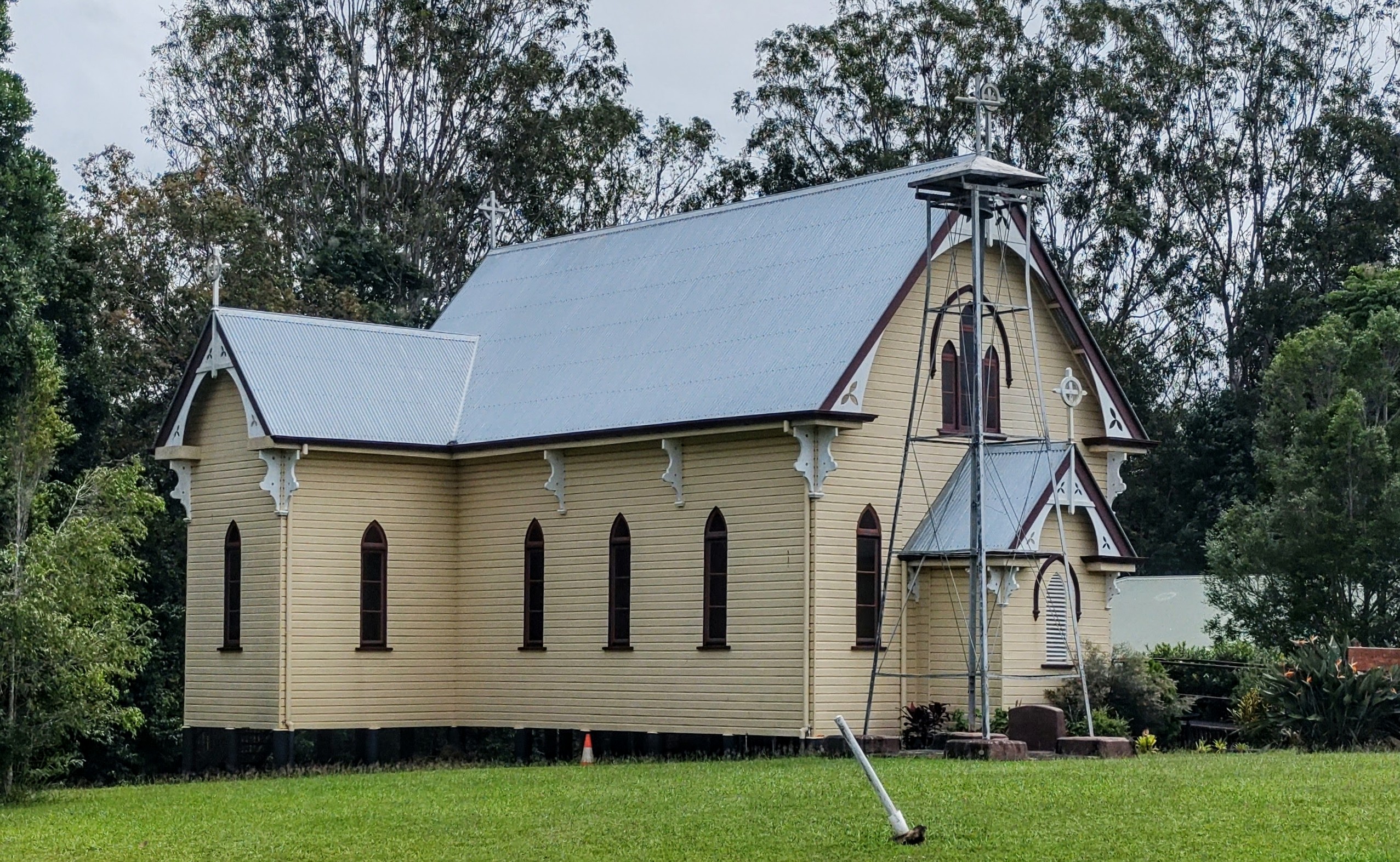
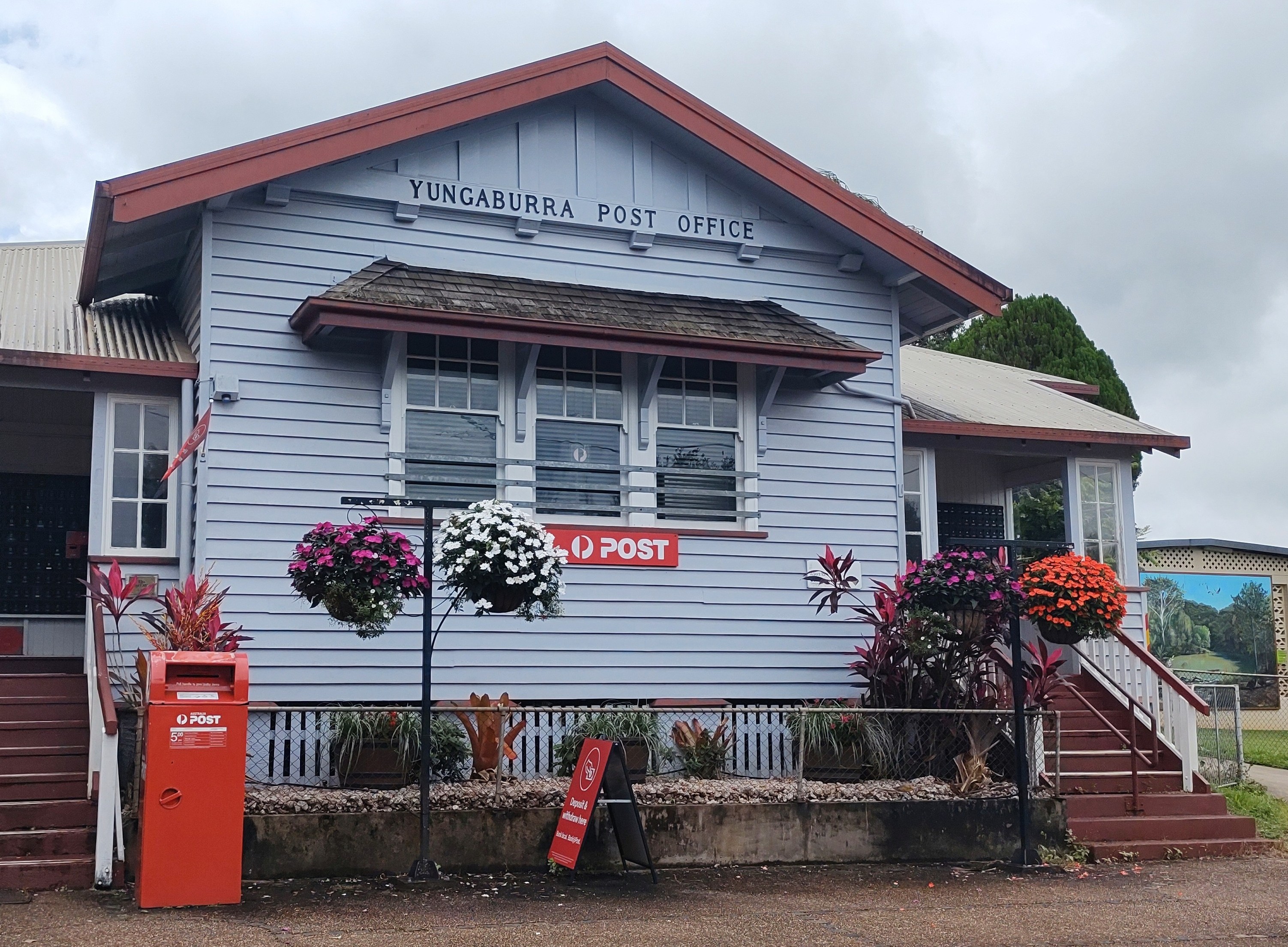
The tranquil little village of Yungaburra is known as the heart of the Tablelands, with its heritage late 1800s – early 1900s shopfronts and churches. We spent a serene, rainy morning walking along Peterson Creek, which runs along the edge of the village, through a pocket of native Mabi rainforest; an endangered ecosystem that can only be found in the Atherton Tablelands. Keeping our eyes peeled for the illusive platypus as the rain gently tattooed the surface the of the water, while birds watched us from between the leaves.

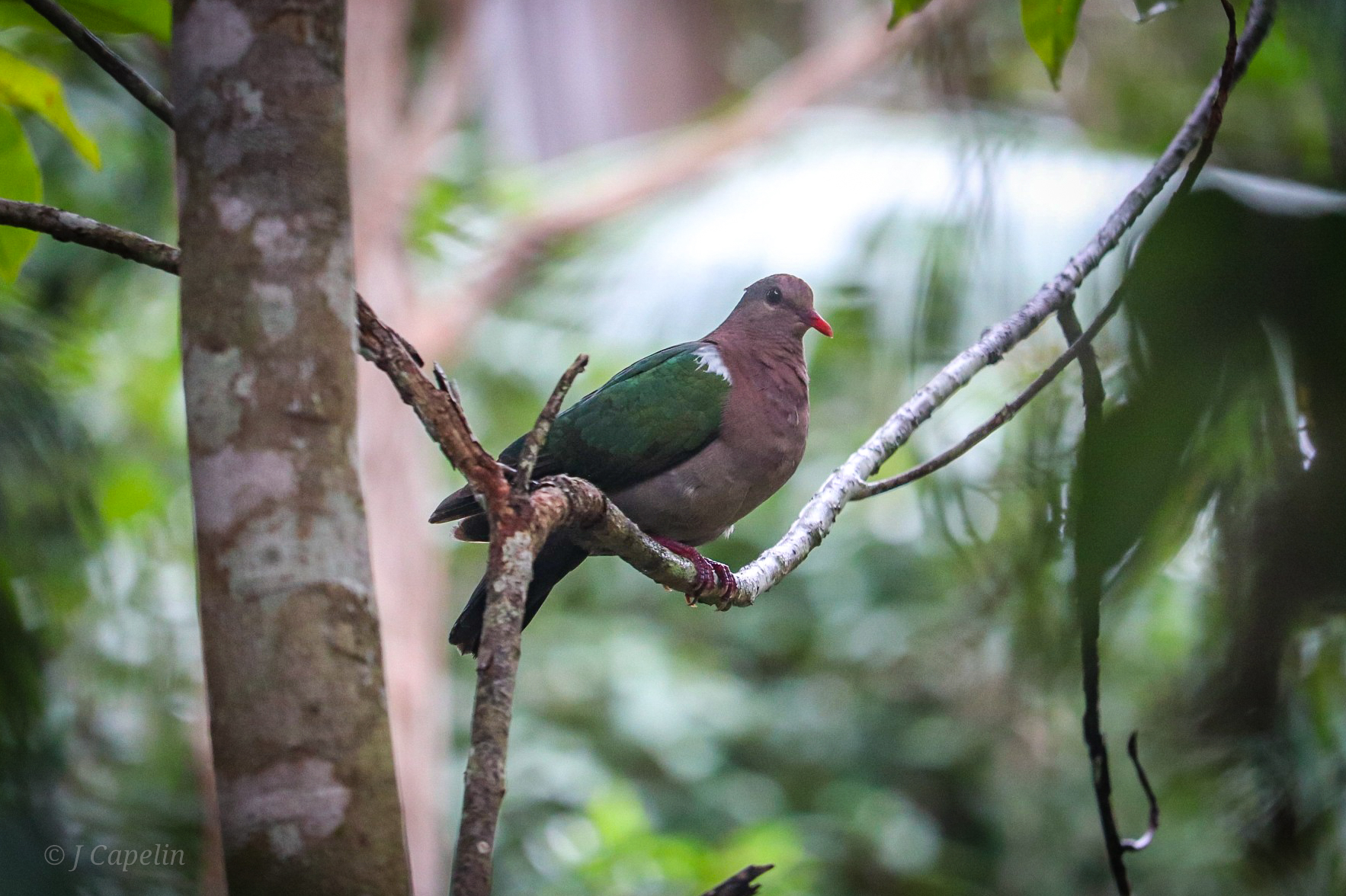
Emerald Dove

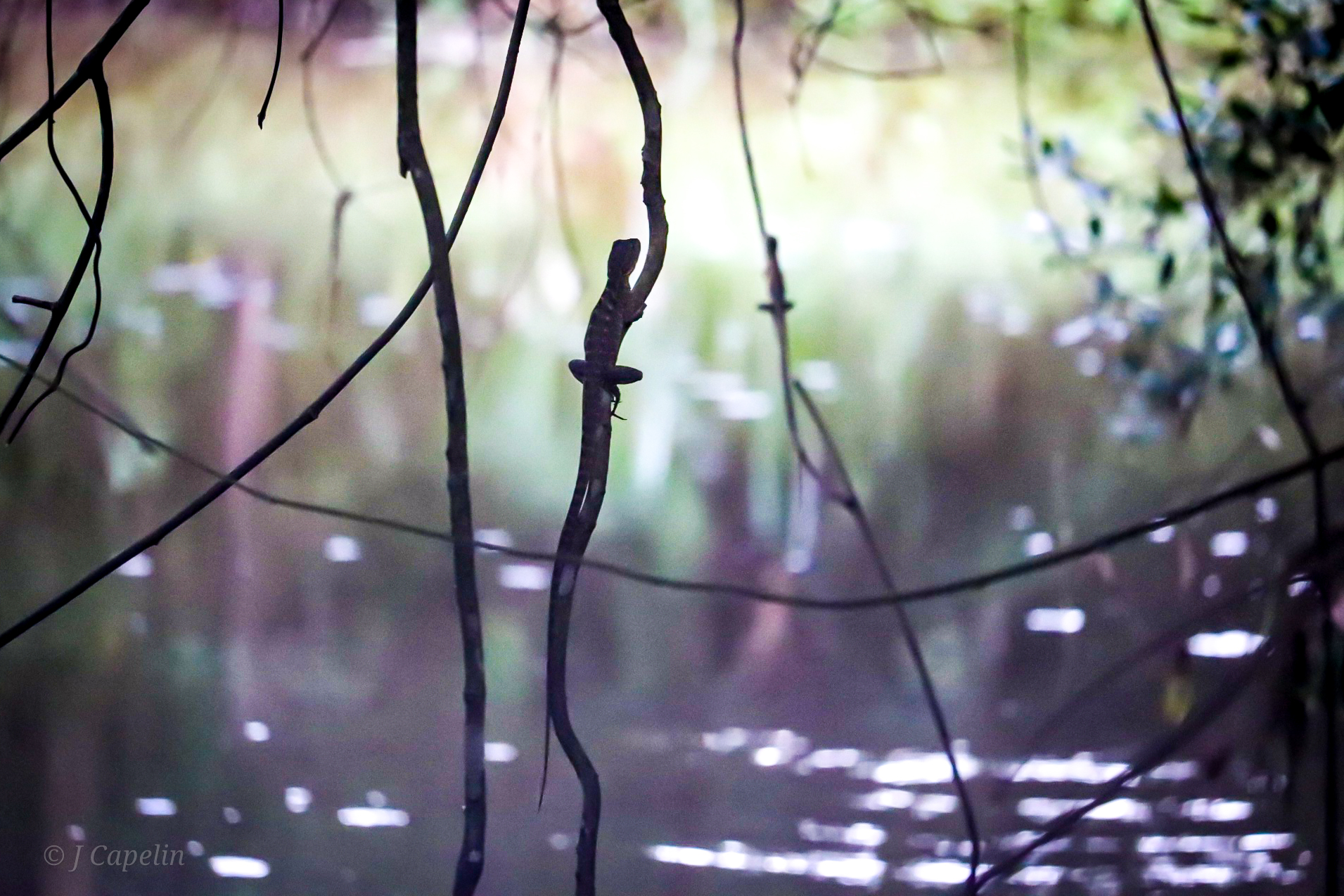
There is a platypus viewing platform further downstream, which takes you under the road bridge for a closer glimpse at the water, but we weren’t lucky there either. There were baby water dragons dangling from tree vines over the creek here, which I’ve never seen before!
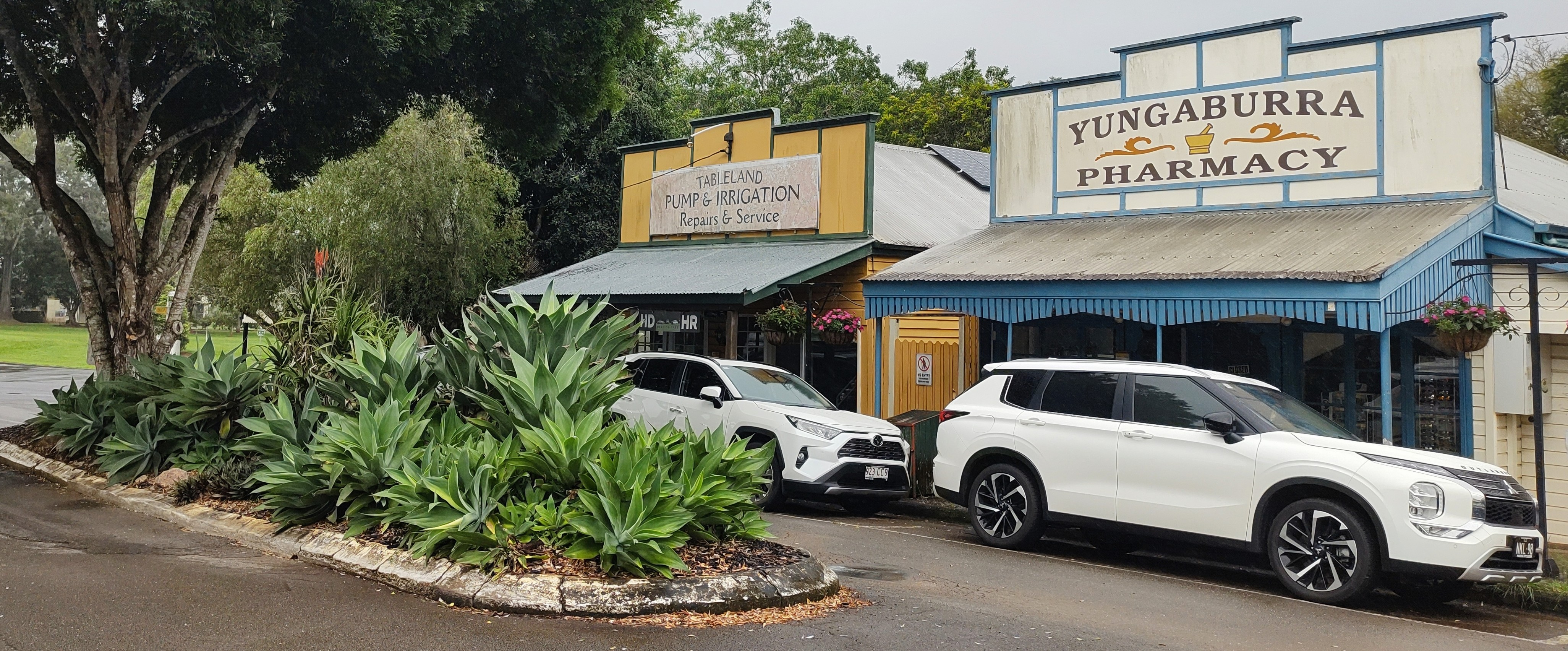
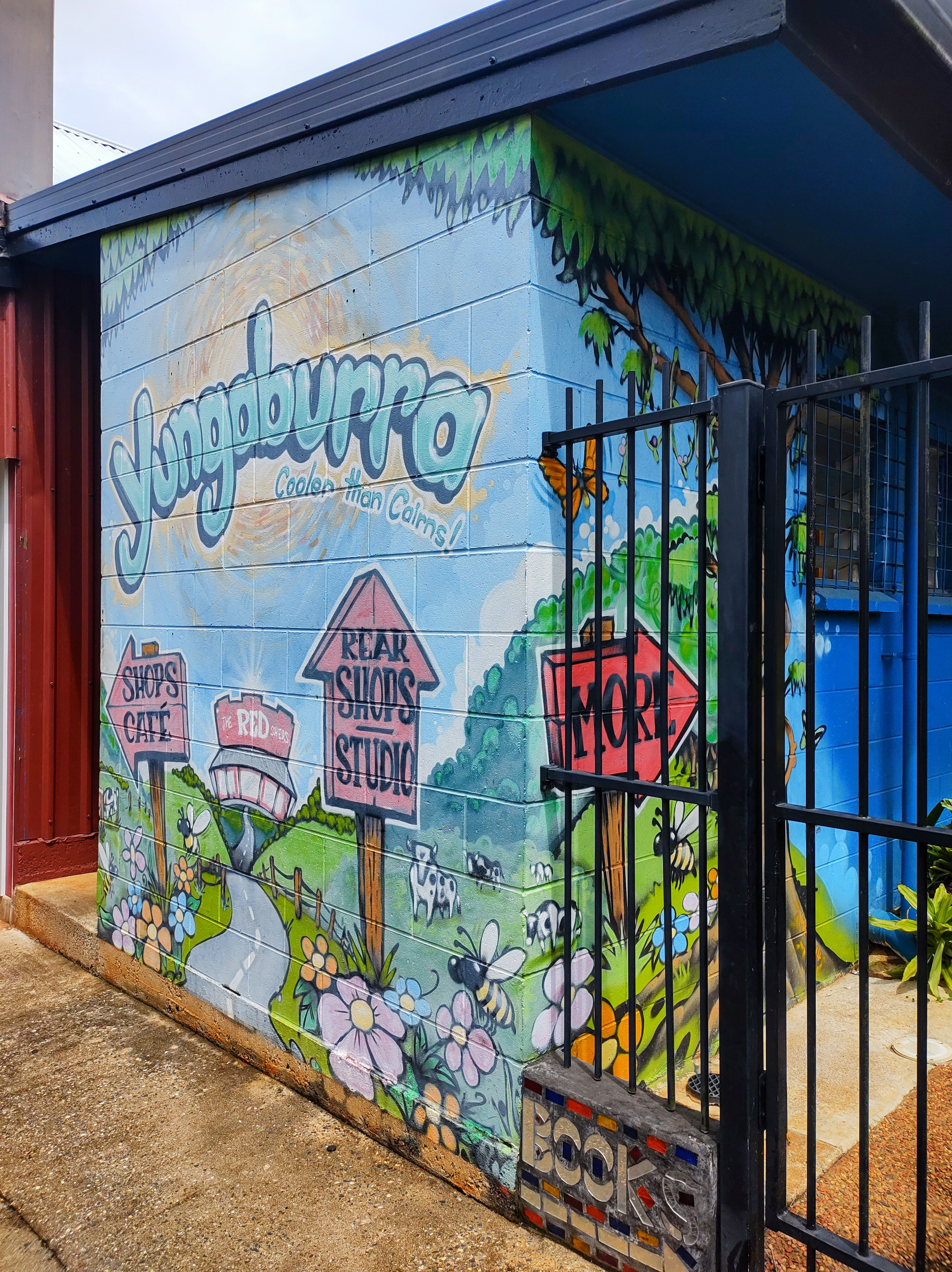
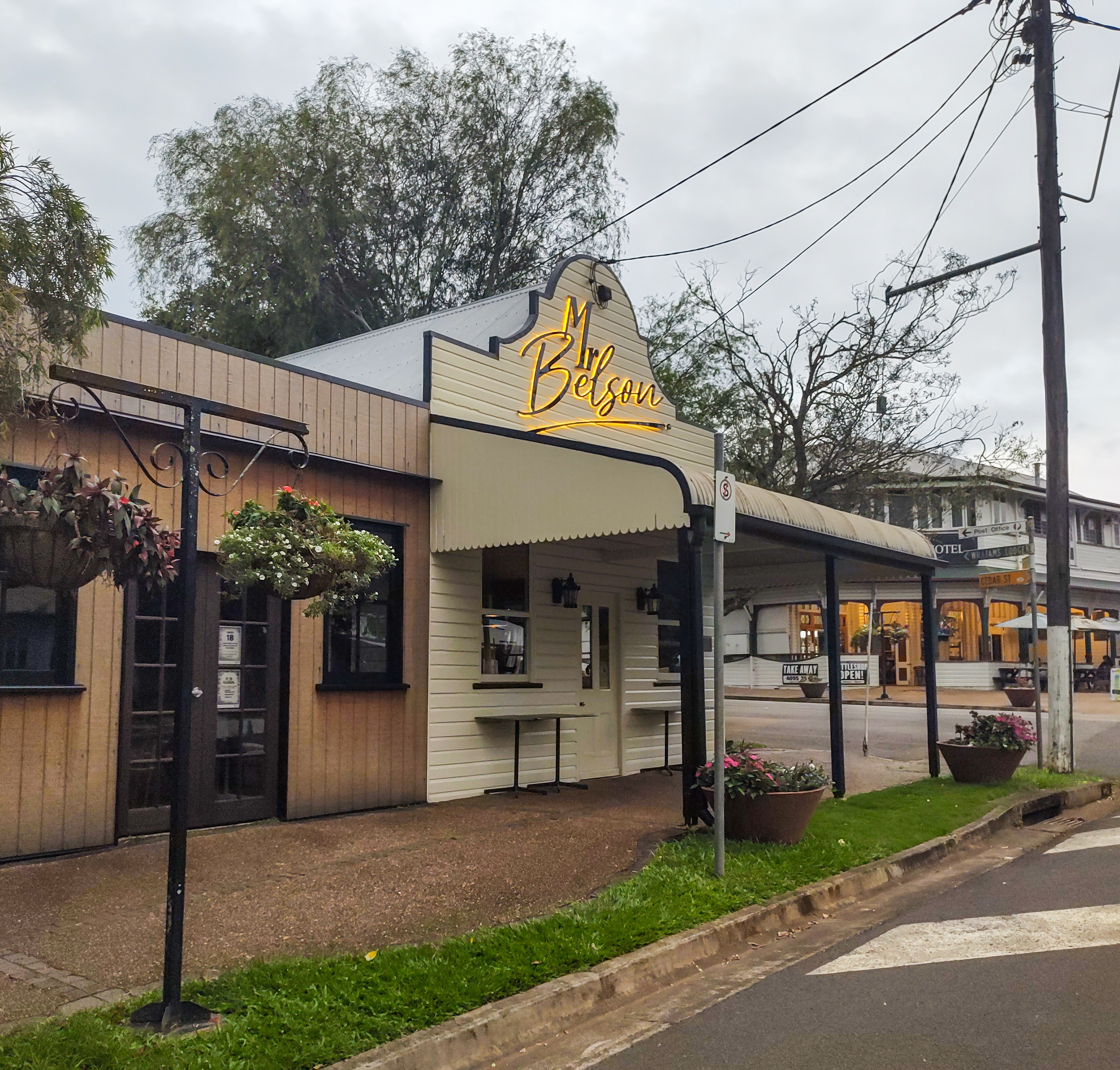
The streets of Yungaburra village were lined with flower-filled hanging baskets and native plants, bringing so much colour to the grey weather, and attracting big Ulyses Butterflies with their bright azure wings. Little boutique shops welcomed us in for a mosey, with local art on display and handcrafted things, and while the dark sky continued to drizzle outside, we enjoyed a cosy brunch in the café on the corner – ‘Mr. Belson,’ which was originally the old bank, built in 1912 by Arthur Herbert Belson.

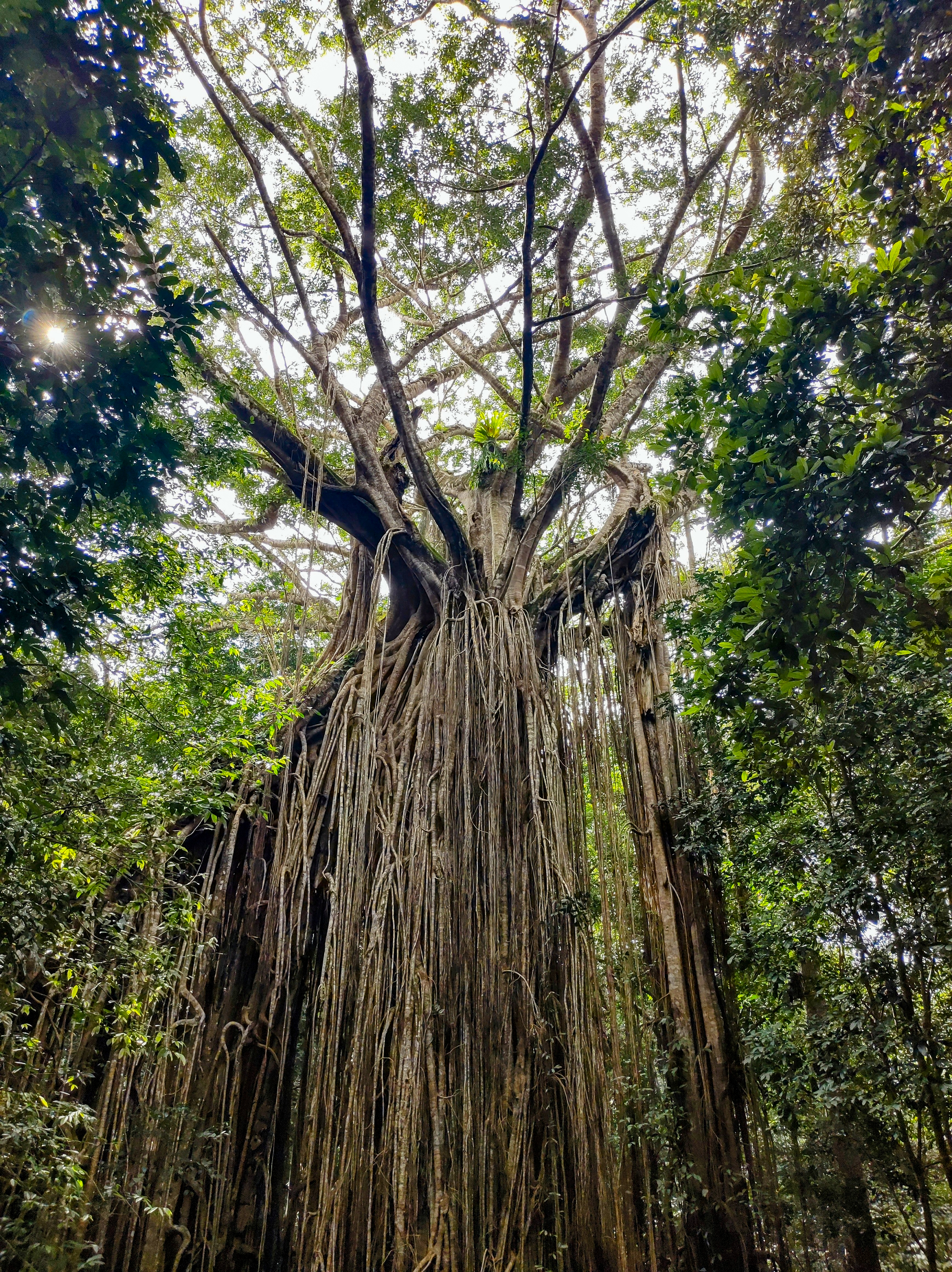
A short drive from Yungaburra village, we found the Curtain Fig Tree. This is just one spectacular example of Australia’s fig trees, which are huge, natural sculptures of the rainforest.

Malanda

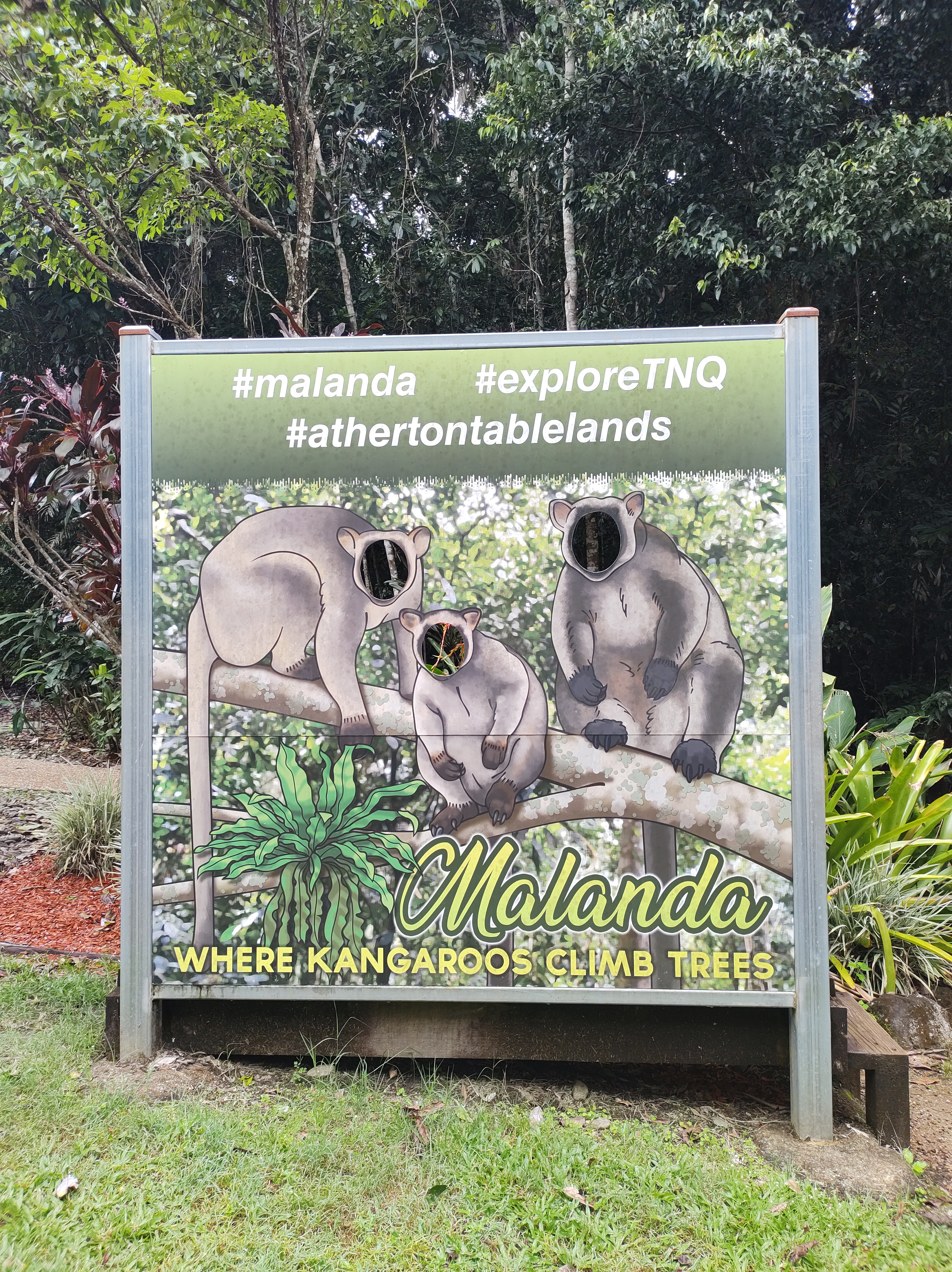
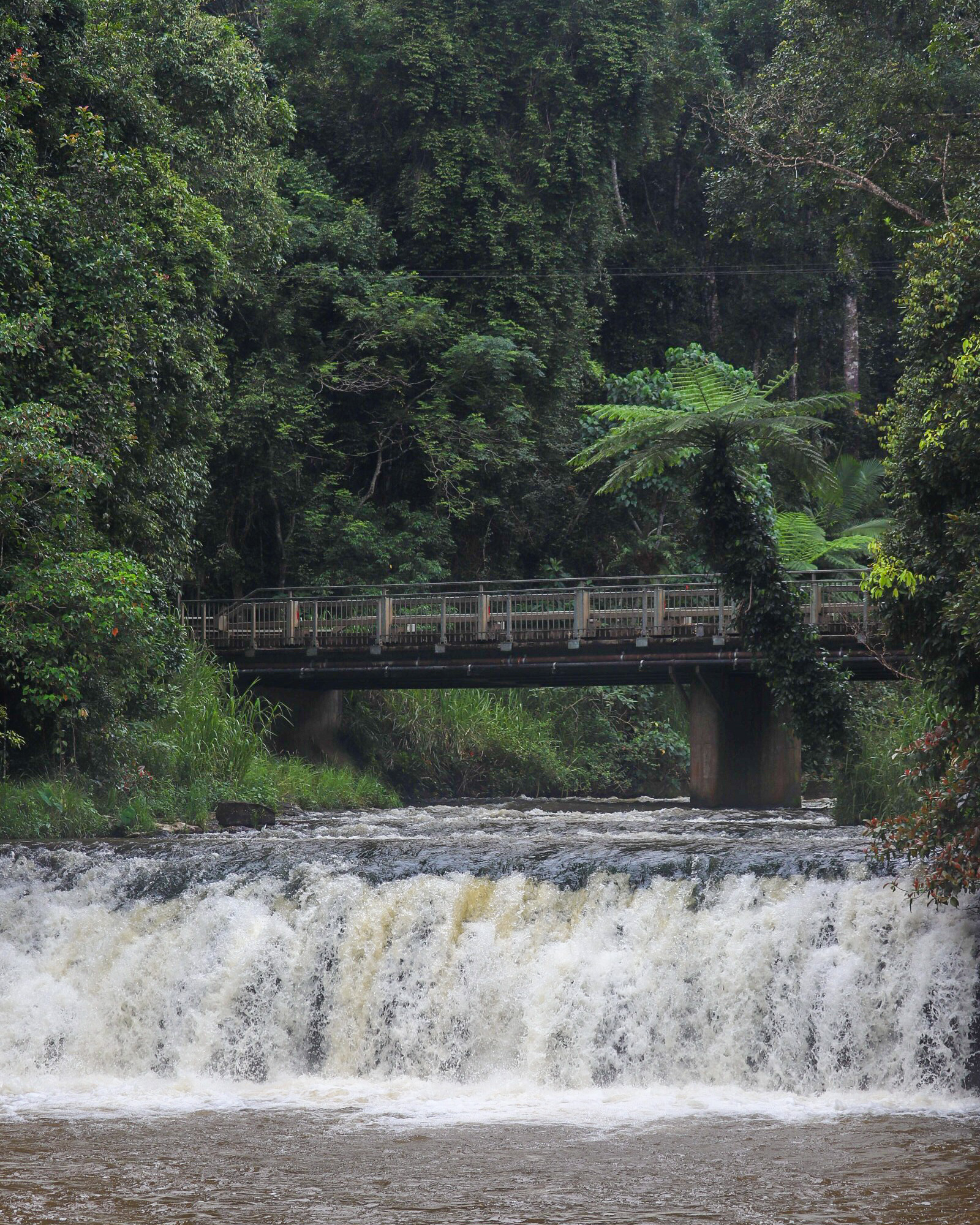
This sleepy little town steeped in natural history and dairy farming, is surrounded by lush rainforest. Malanda Falls pours through the forest, which has local indigenous heritage, and so much wildlife, including the Lumholtz Tree Kangaroo.

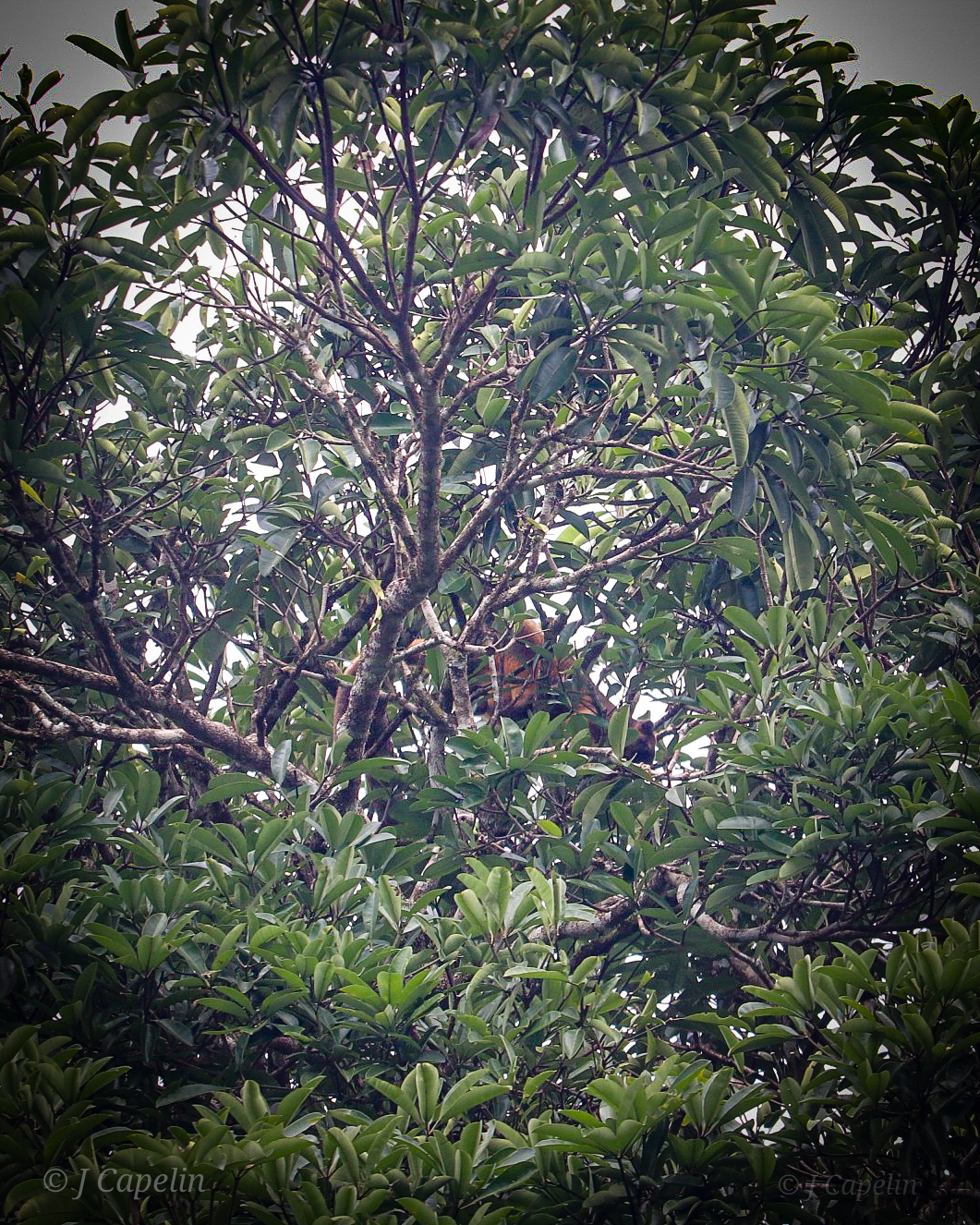
We followed the rainforest trail along the creek and through the trees, glimpsing catbirds and pademelons, but it was difficult to spot anything directly above us in the dense, high canopy. It wasn’t until we got back to the carpark on the other side of the road, we saw a group of people staring up at the edge of the rainforest. Low and behold, well hidden in the branches at the very top of a tree was a Lumholtz Tree Kangaroo!
Can you make out the Tree Kangaroo’s head facing to the right, and the tail hanging down through the branches to the left?
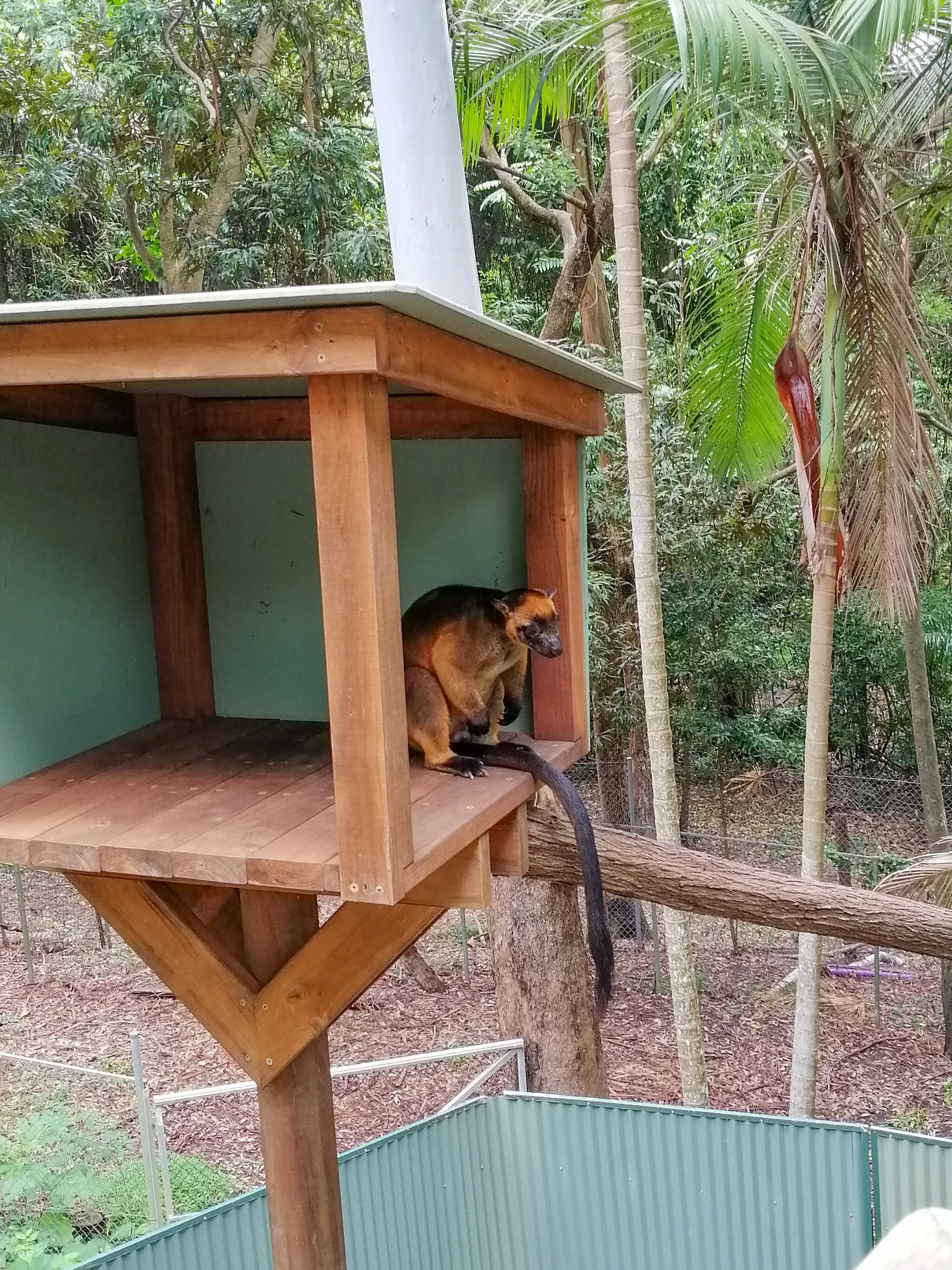
Here is a clearer photo of one I saw at Currumbin Wildlife Sanctuary a few years ago.

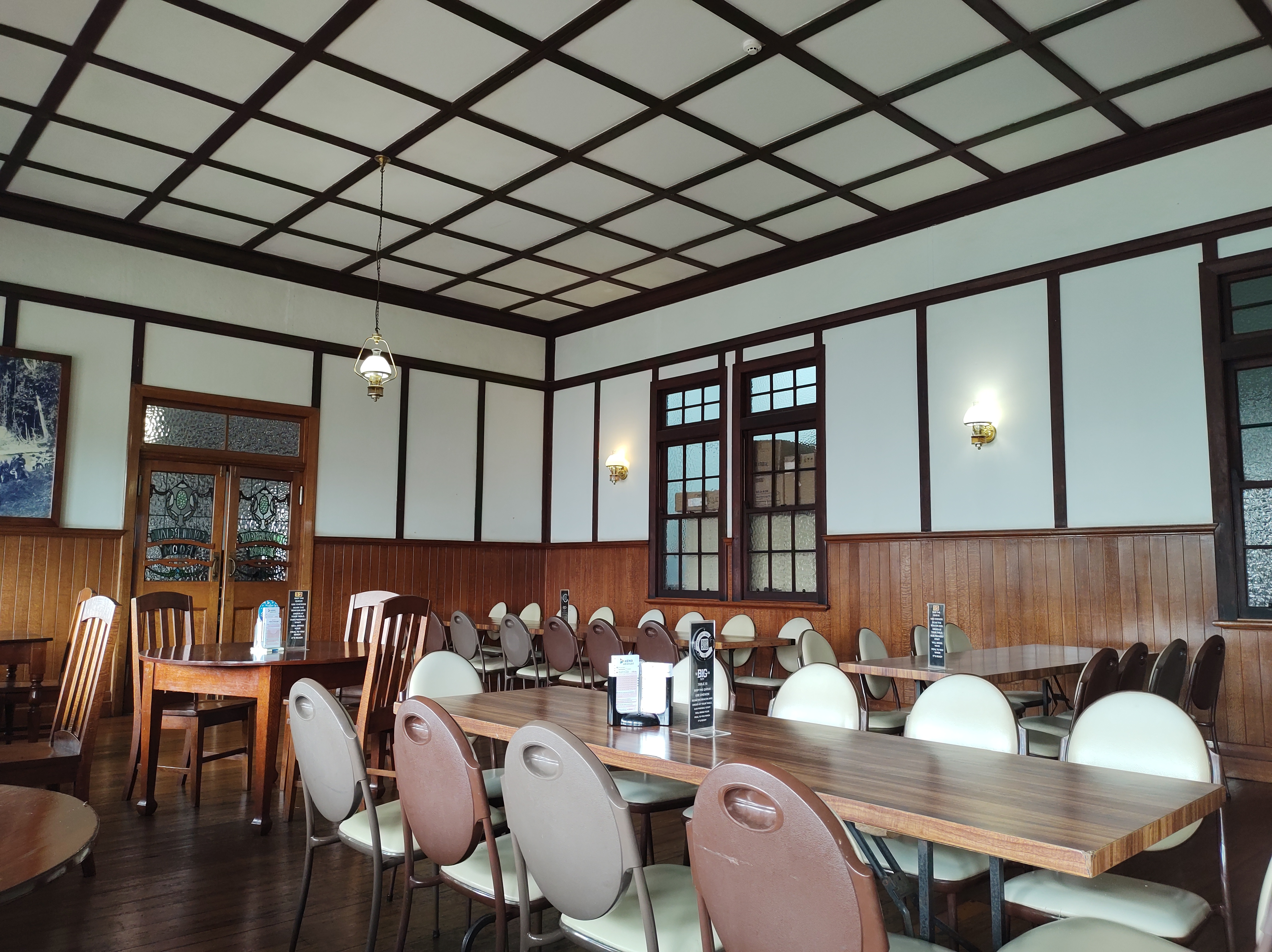
Back in the town, we enjoyed a classic pub lunch in The Big Pub – Australia’s largest wooden hotel, built in 1911 in just six months! The pub is still under the management of the original family, and maintains its original design.

Lake Eacham

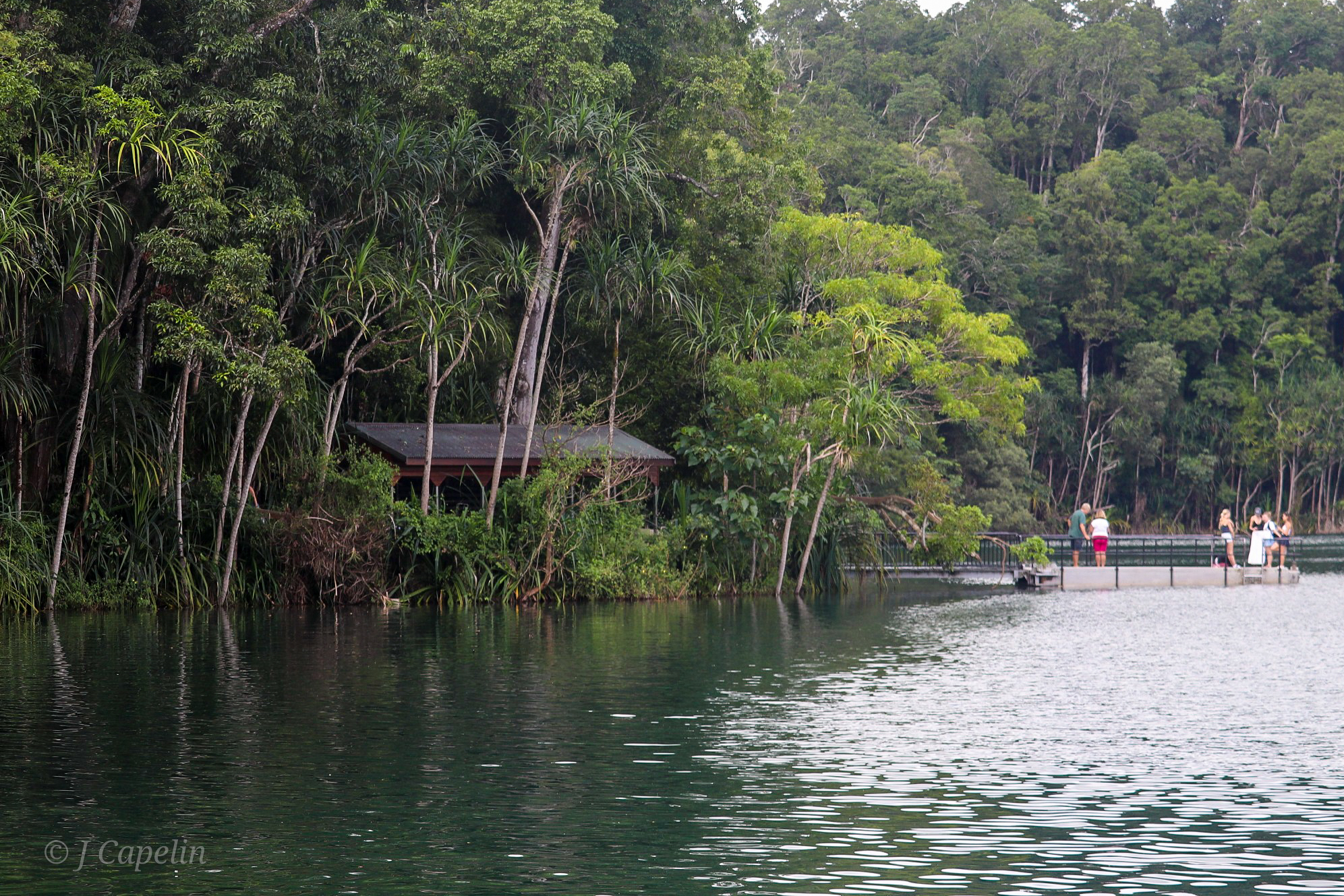
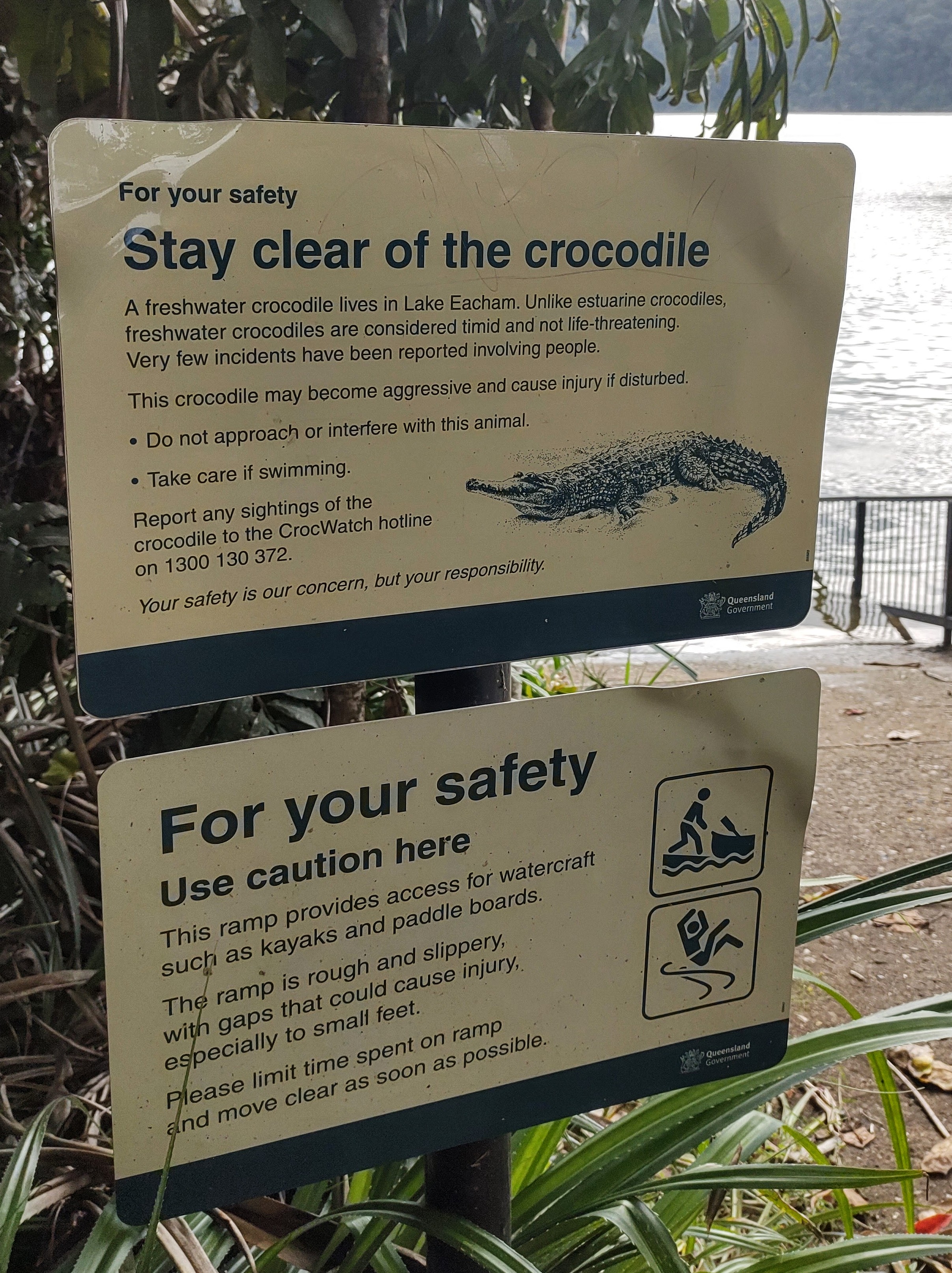
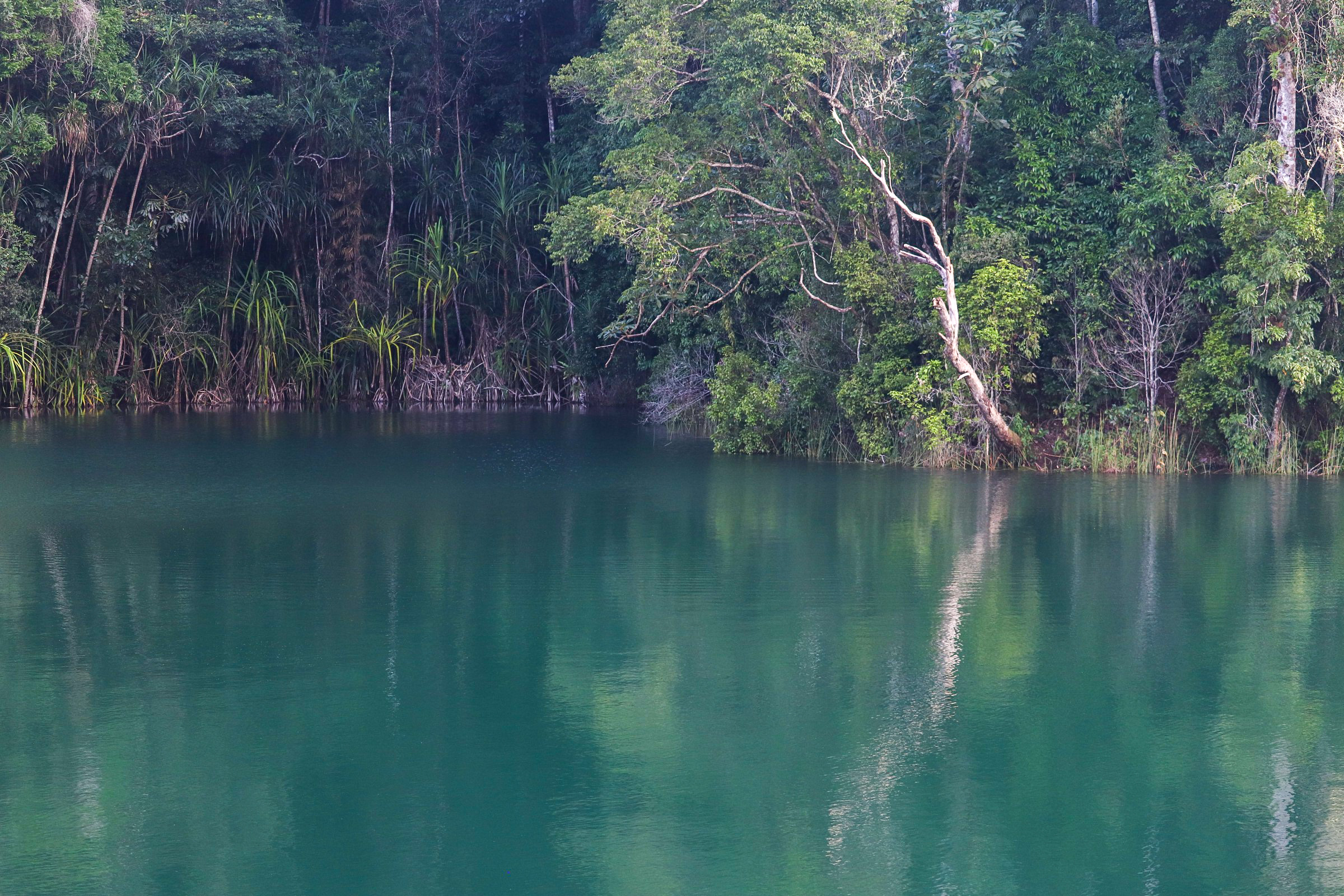
In the heart of the Crater Lakes National Park lies Lake Eacham, a beautiful ecosystem formed by volcanic activity, surrounded by rainforest and shared by humans and wildlife. The picnic area on the lakefront was busy in the morning. It was overcast, but the sun kept peeping through, and the air was warm. Children played in the water, swimming and launching kayaks and paddleboards, despite the large sign warning of the resident crocodile!

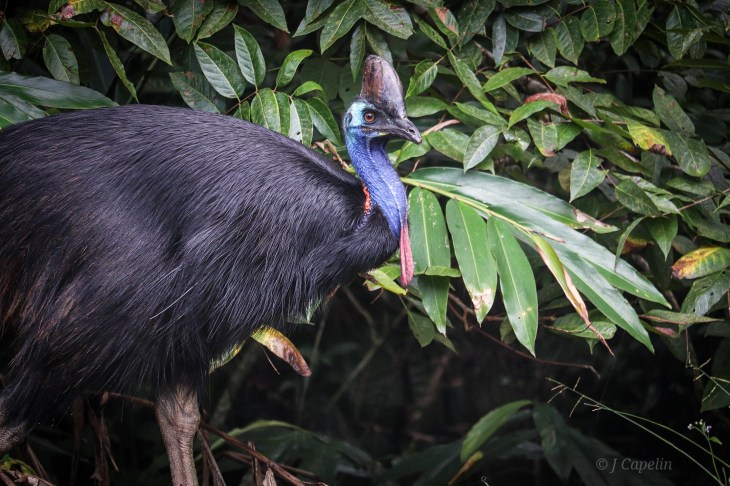
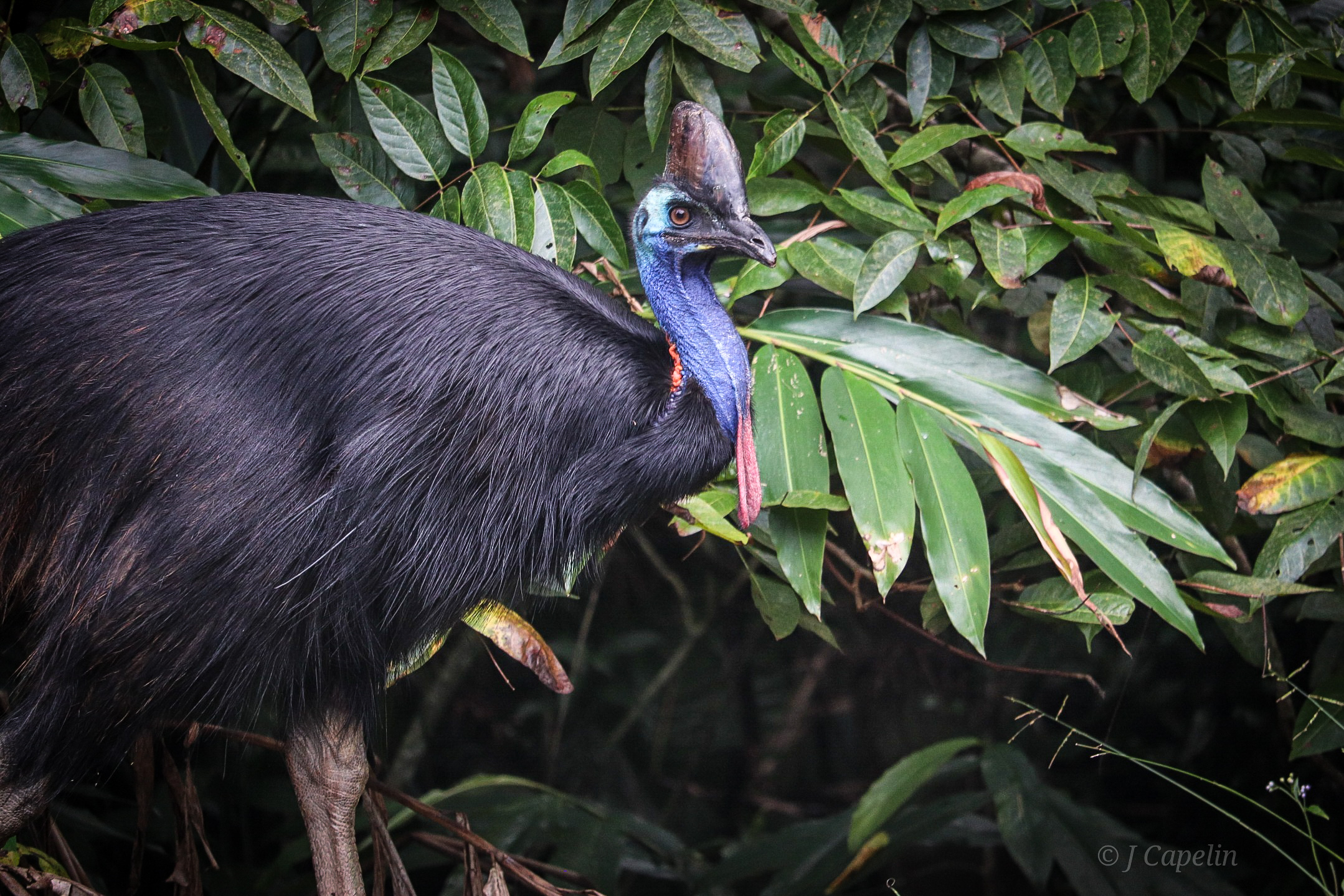
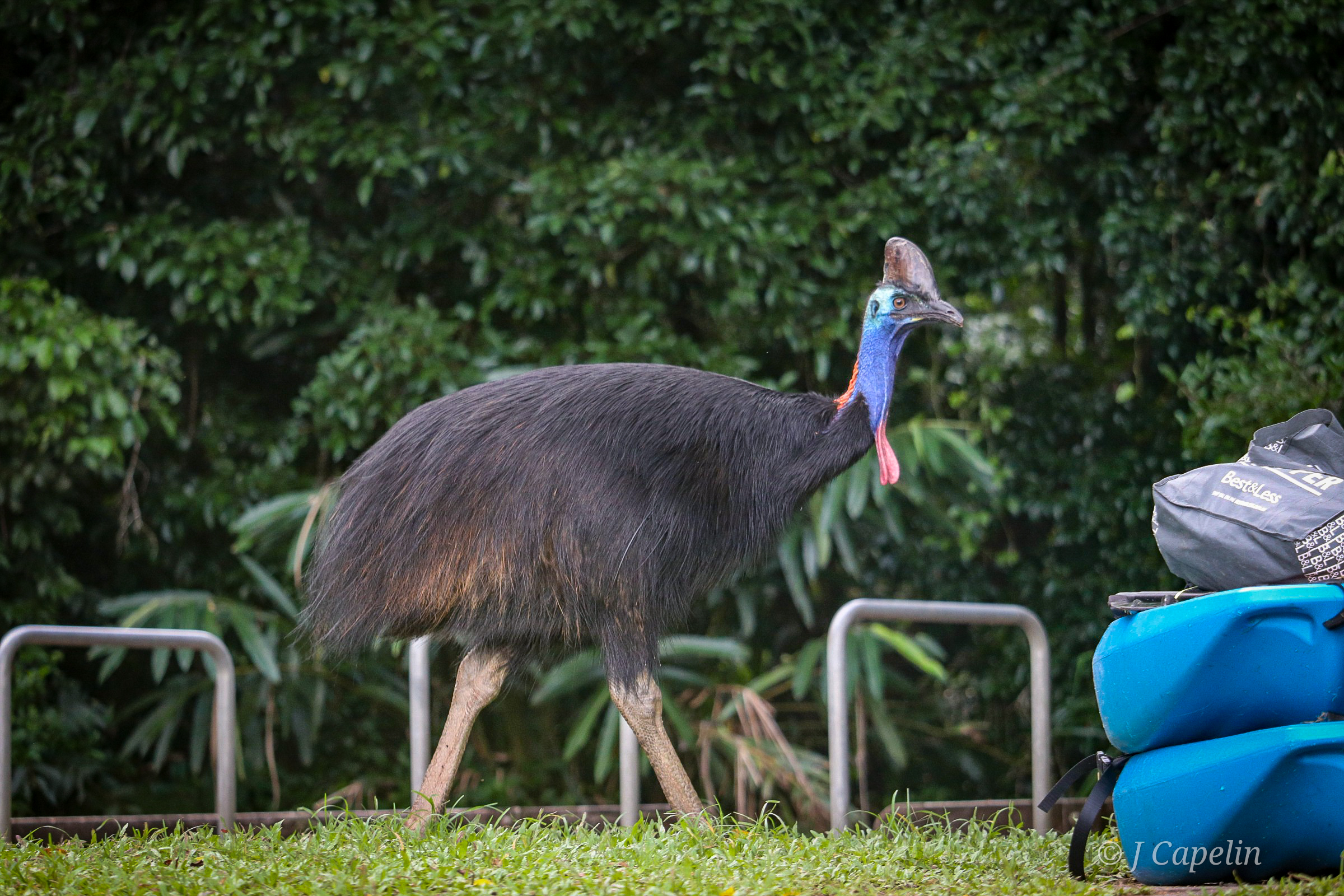
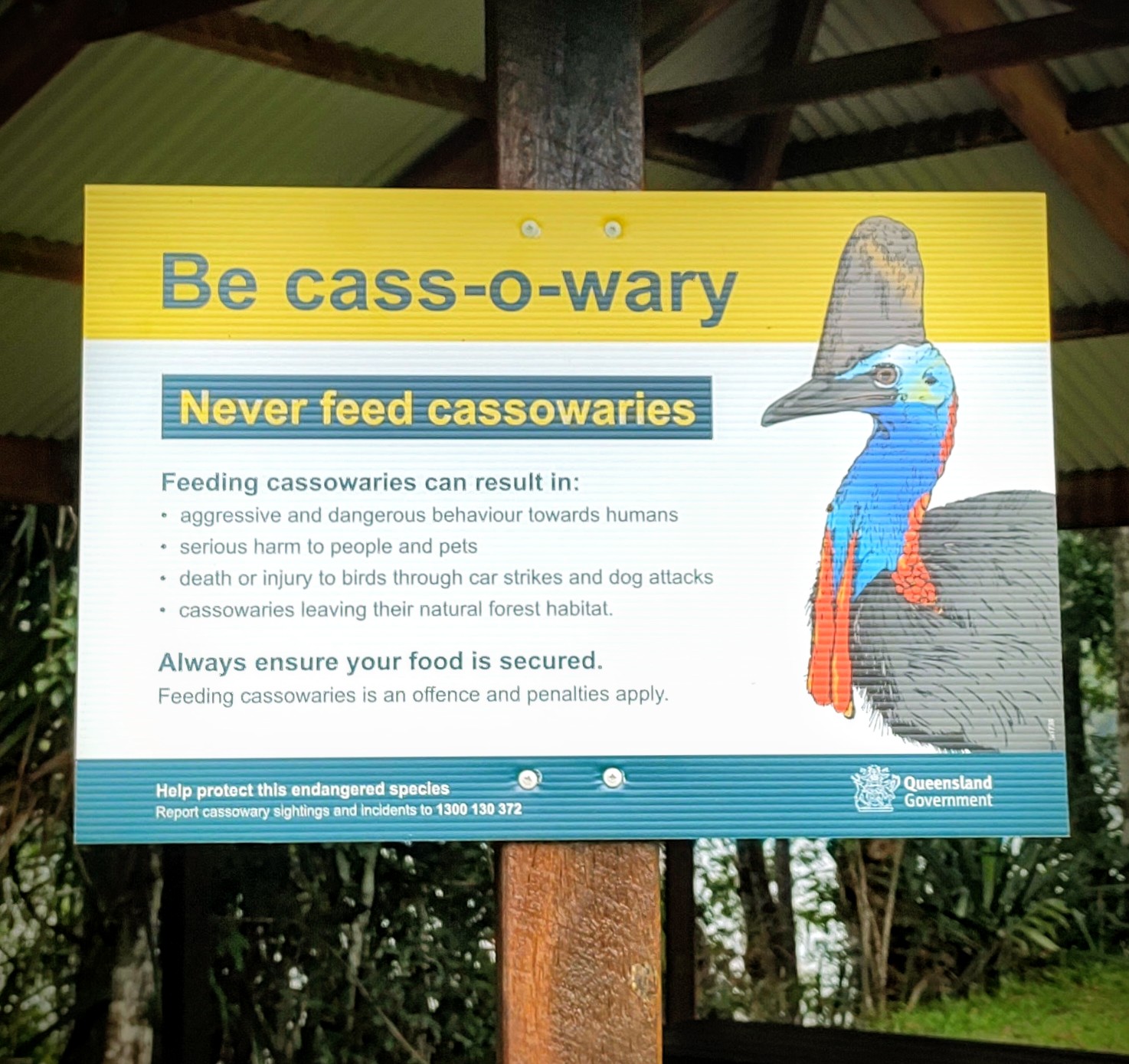
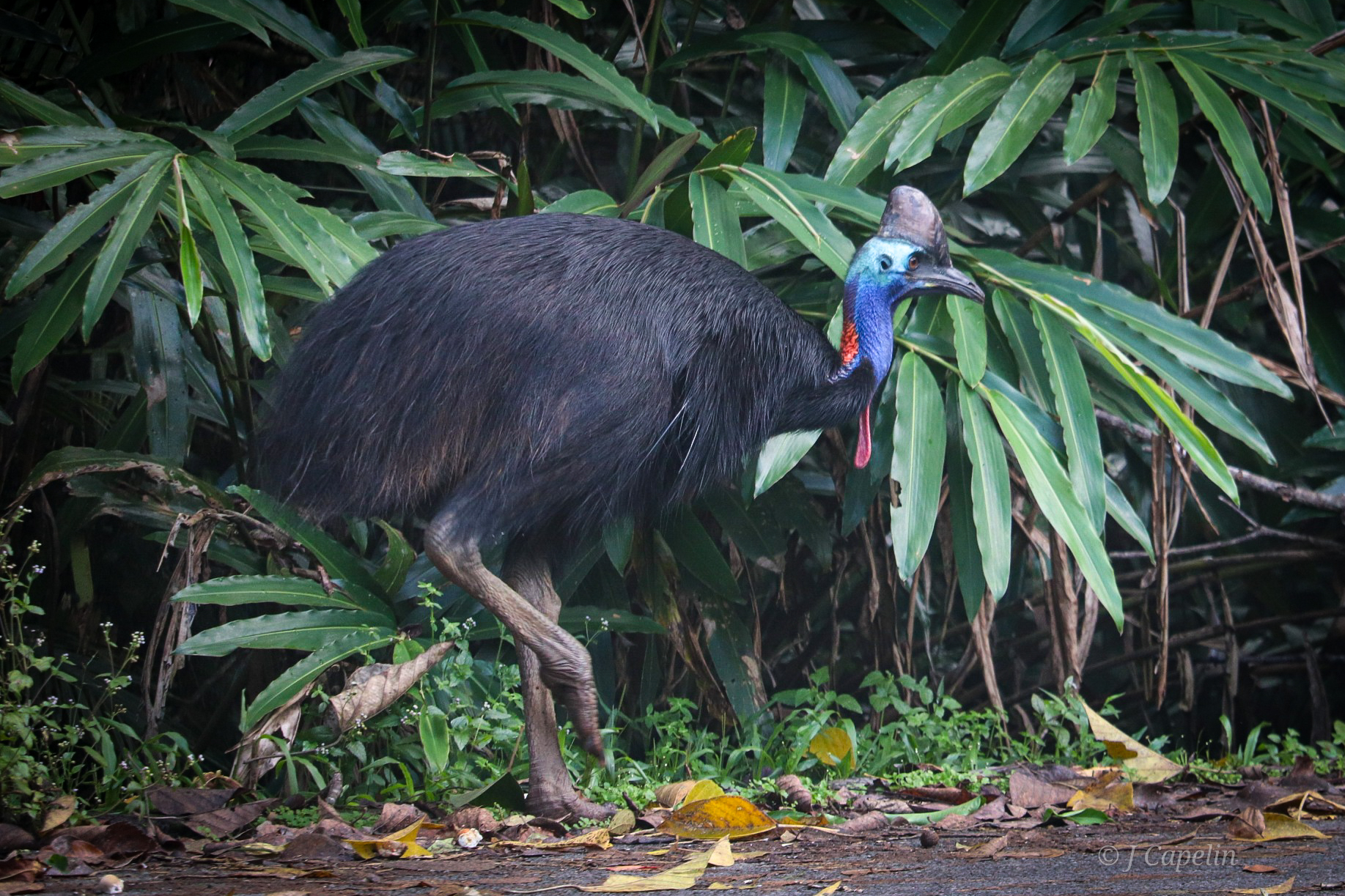
Families prepared breakfast picnics on the grass, with fruit and pastries and coffee flasks, when suddenly I heard a child yell, “Cassowary!” I whipped around, and there was the giant bird, plodding into the grass area, pausing to peruse the picnics on display. It was interesting to see how everyone reacted, and quite evident that these were mostly locals and not tourists. Those who could moved away to a safe distance, while the others who didn’t have time simply stayed still and calm until the Cassowary moved on. The whole park went quiet, everyone just watching until the Cassowary slowly plodded away. I waited until it was on the other side of the carpark before I took a picture with my zoom lens. Even then, when it turned and looked directly at me, I knew it was time to disappear!

Southern Cassowary

Southern Cassowaries can grow to 6ft tall and are Australia’s largest bird by mass; the second largest in the world after the ostrich. Emus can be just as tall, but weigh considerably less. Cassowaries are endangered and declining, therefore are rare to see, being confined to a very small area of Far North East Queensland. They need a very specific habitat and don’t mix well with humans. Though they can be curious, especially around food, they can quickly become skittish and territorial, with the capacity to fatally harm with those long talons and powerful legs.

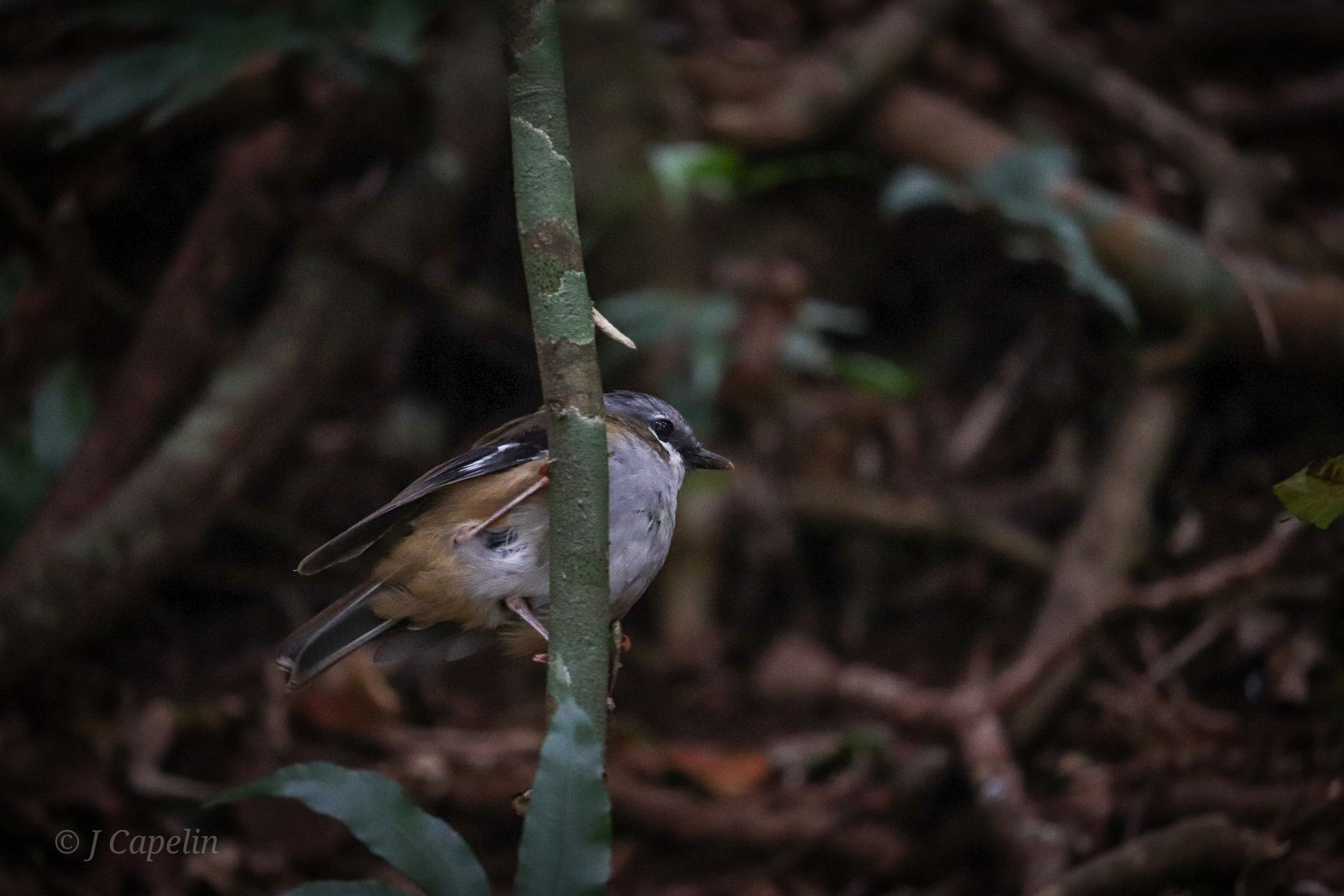
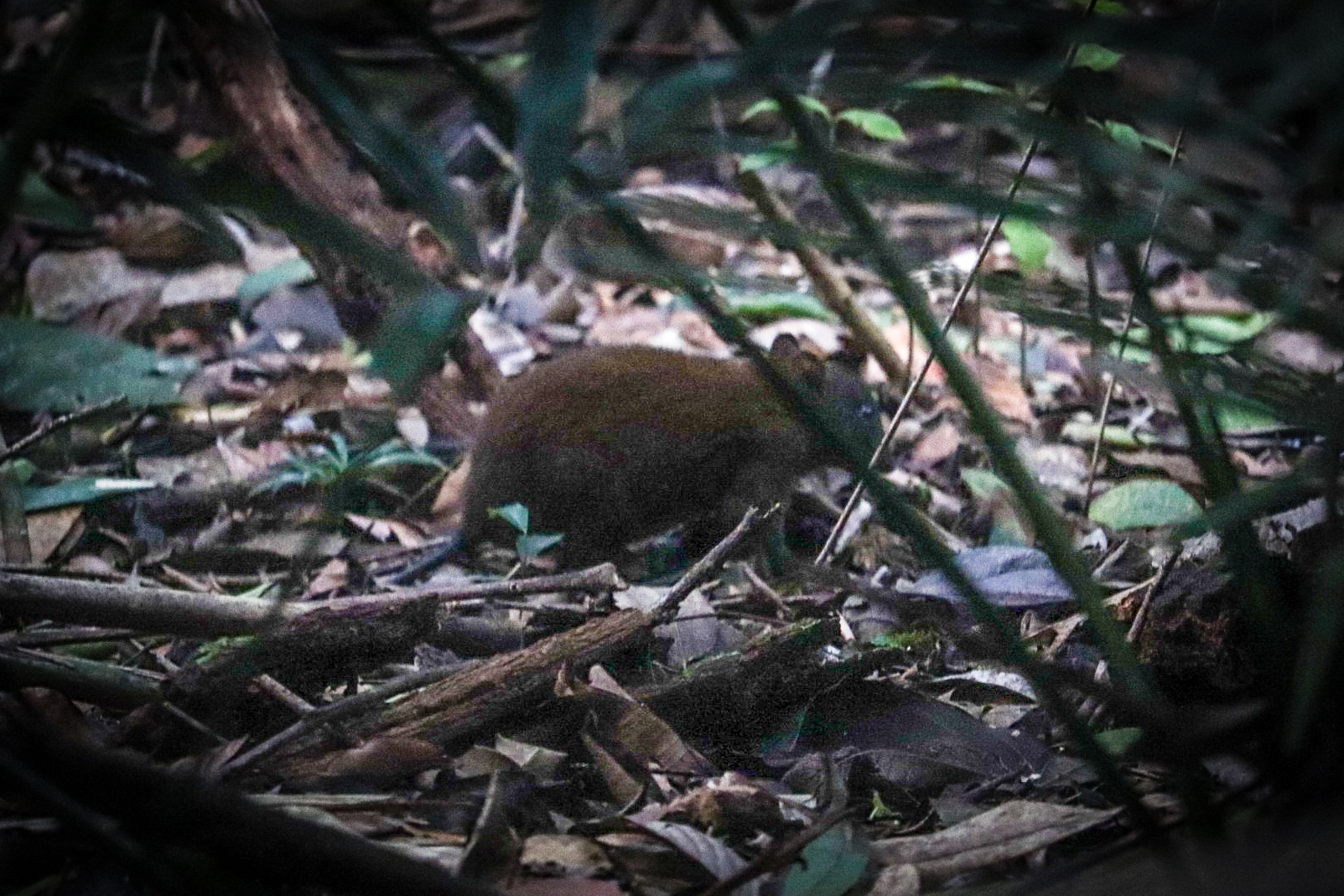
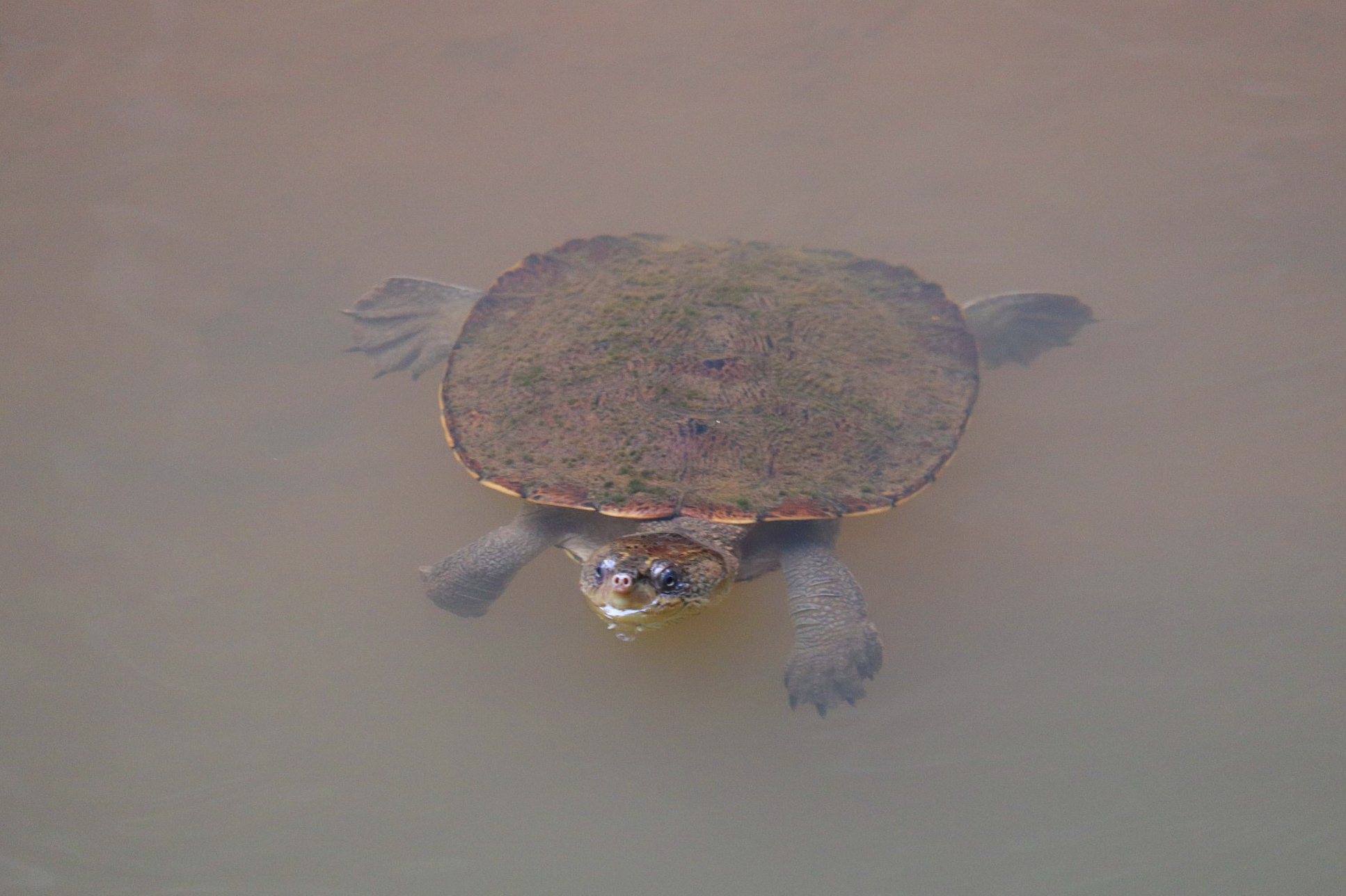
Later in the evening, we walked the Lake Eacham Circuit; a beautiful, relaxing walk, which took around an hour, circling the volcanic lake through the rainforest. The evening sun began to sink lower in the sky beneath the clouds, pouring gold over the trees and the ripples on the water. A little Grey-headed Robin followed us through the woods, and I saw a tiny Musky Rat-Kangaroo hop into the bushes, which is only found in this pocket of North East Queensland. Cormorants and turtles surfaced in the shallows, while people jumped into the lake and enjoyed a sunset swim.

A Grey-headed Robin
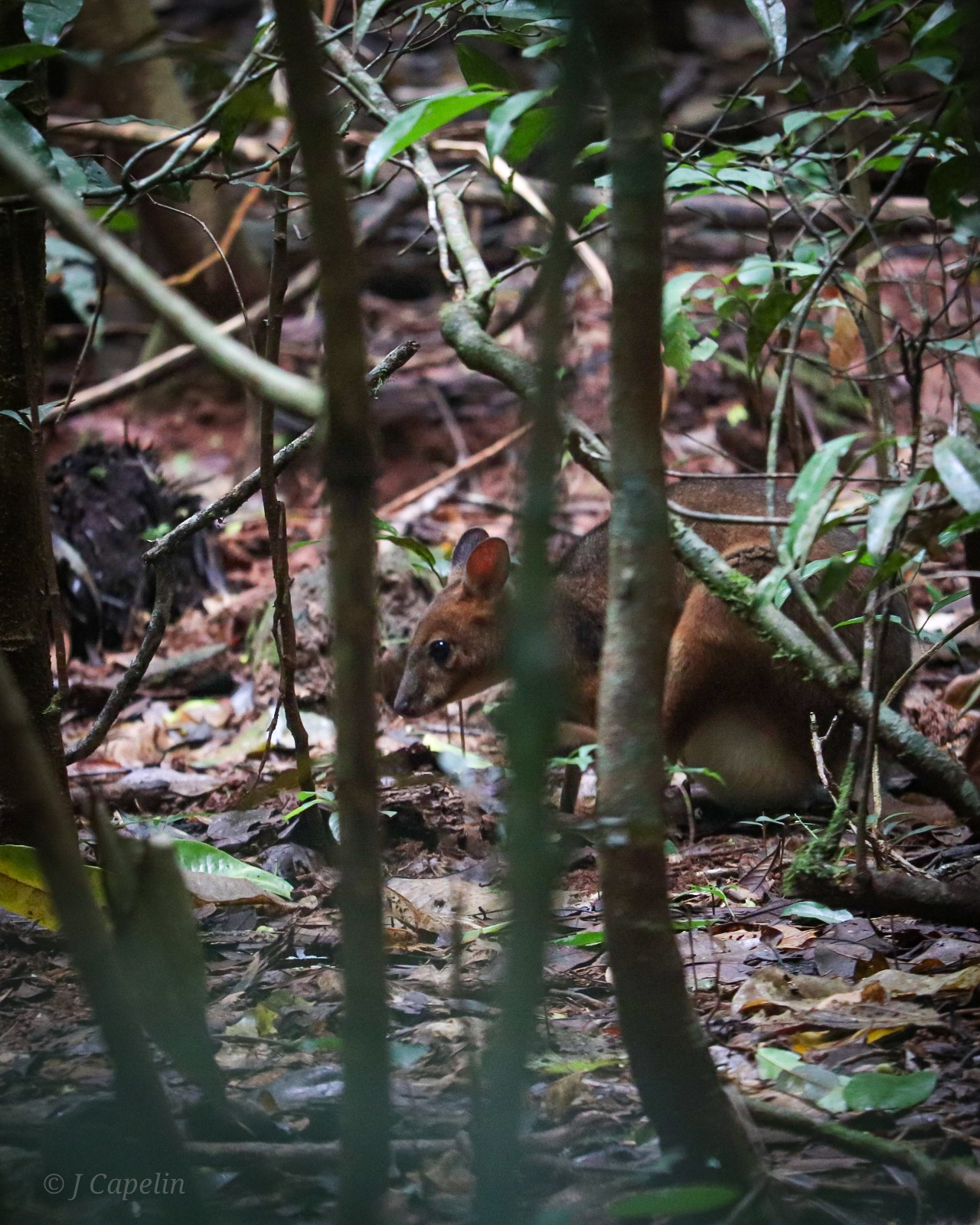
A blurry glimpse of a Musky Rat-Kangaroo

Atherton

The morning we left the Tablelands was dark and moody again; drizzle smudging the windows slightly while the windscreen wipers screeched. We went through Atherton – the main town in the region, with an agricultural history making it a prime location for backpackers looking for farm work. The town’s main street stood strong with colonial and art deco buildings lining the road. Hostels and pubs advertised their lodgings and lunch specials, and there seemed to be plenty of cafes and banks, and even a shopping centre. It is said to have a vibrant culture with an abundance of community arts and sports, while the surrounding land is prolific with crops such as sugar cane, mangoes, coffee, peanuts, tea, corn, macadamia nuts, avocados, berries, and there are also cattle and dairy farms. Here we left the gloomy highland skies behind us, along with the enchanting rainforests and their mythical animals, and we continued into the North to our next destination…

Atherton

If you enjoyed this blog, please like & share, & consider making a one-off donation and ‘Buy Me A Coffee.’ Click the link below!

https://www.buymeacoffee.com/jaimiescapers

Thank you for reading! Here are some other blogs you may have missed.

The Black Snow Globe

14–22 minutes

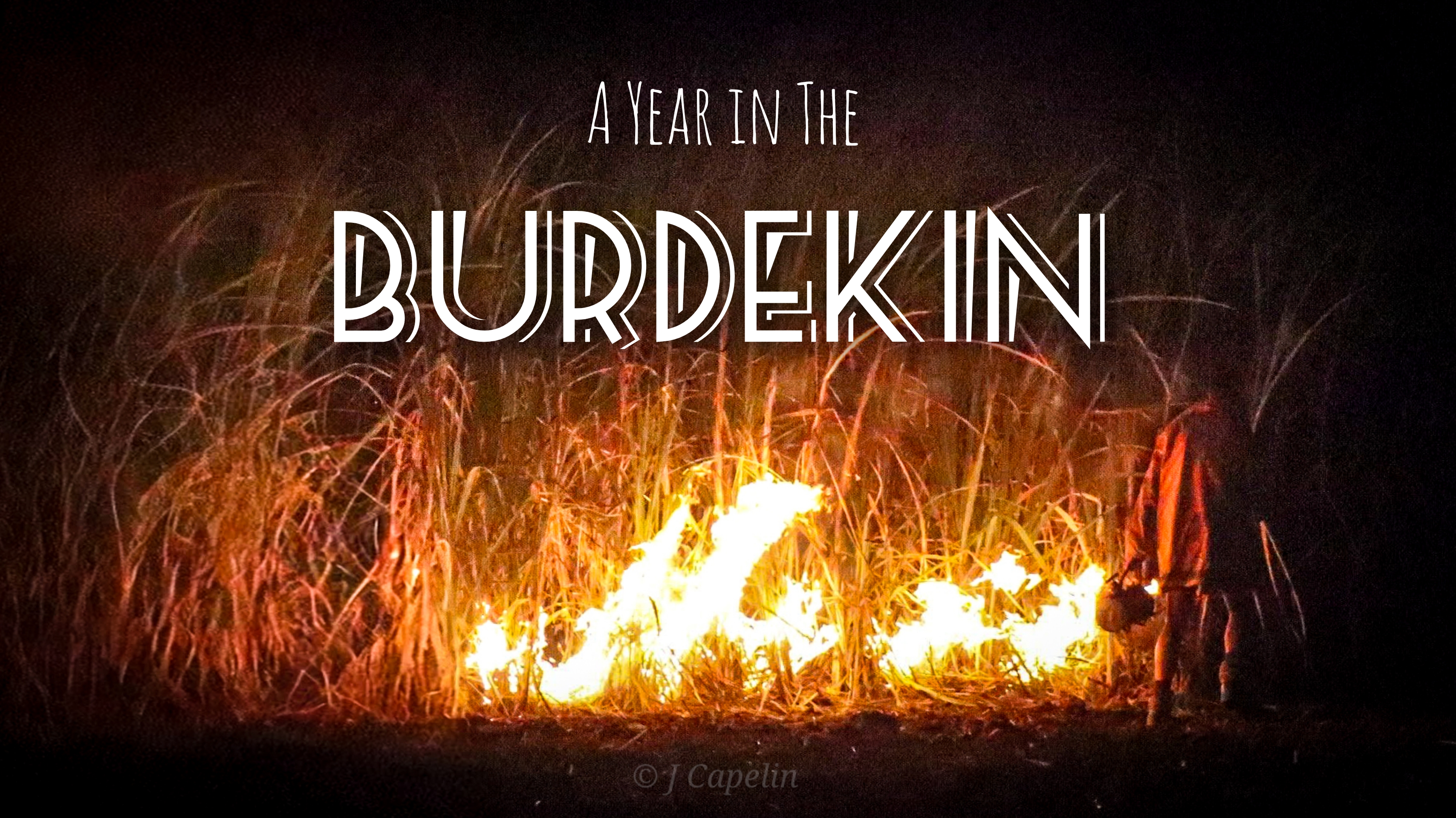
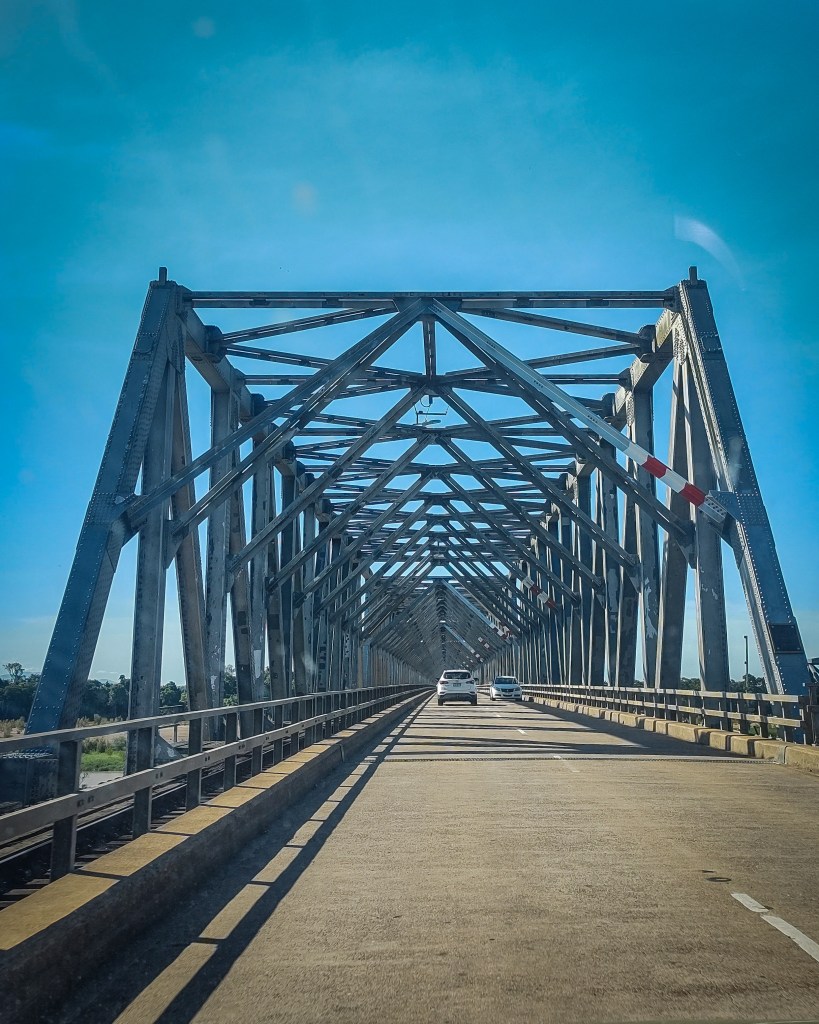
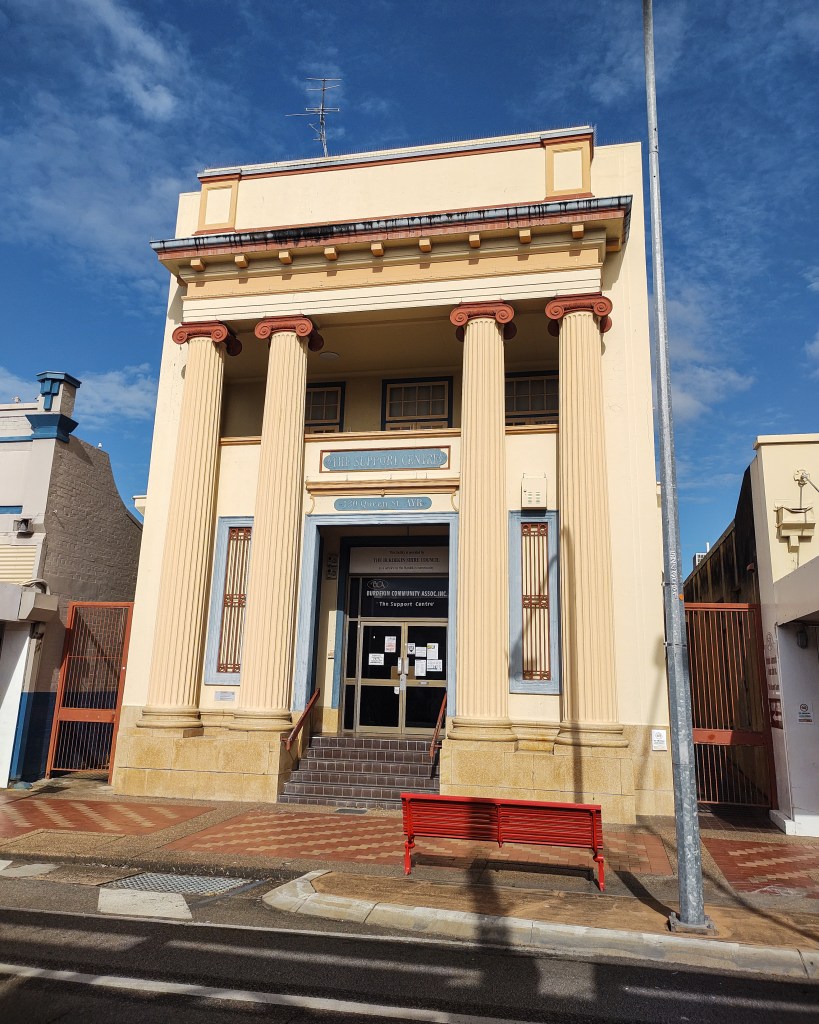
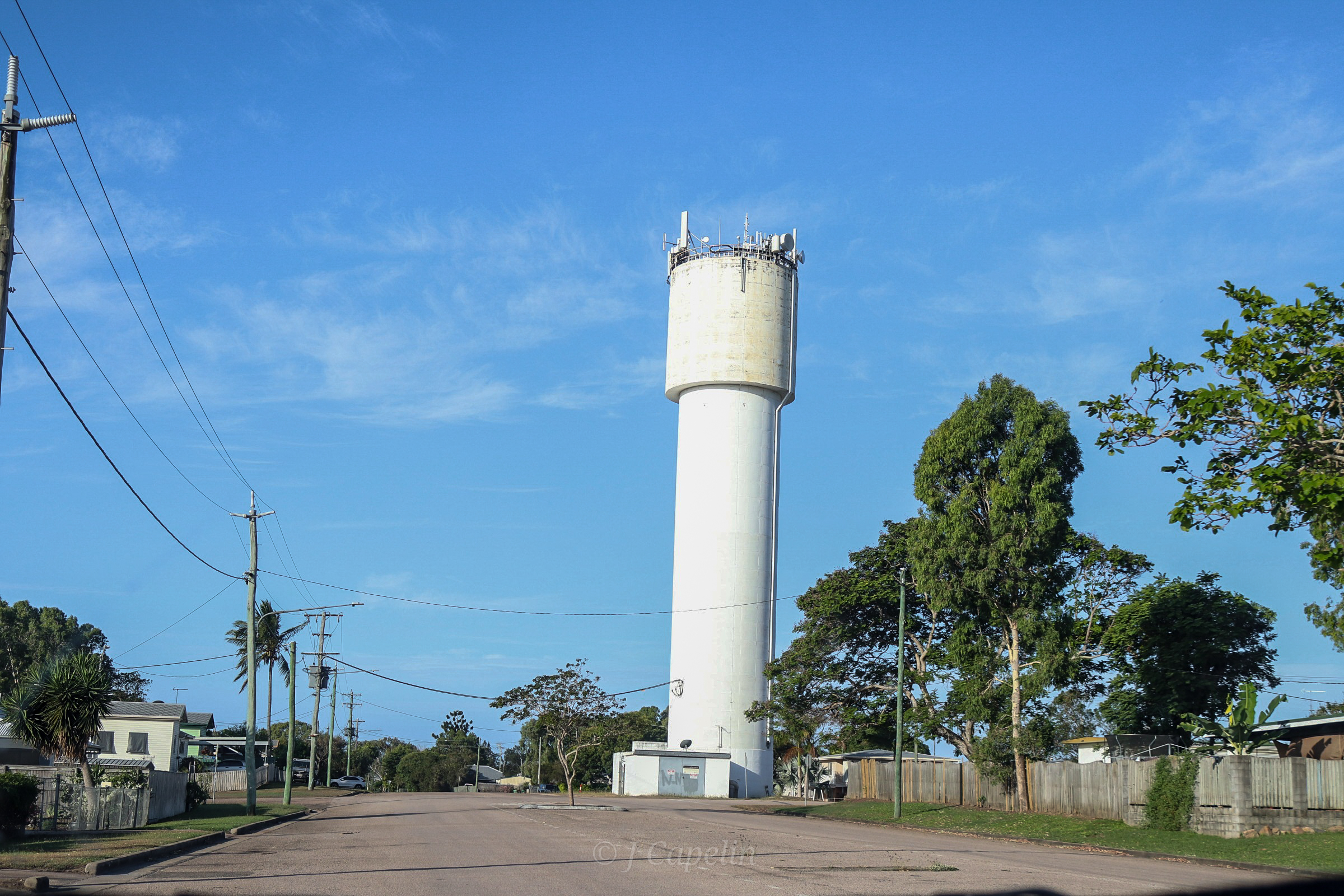
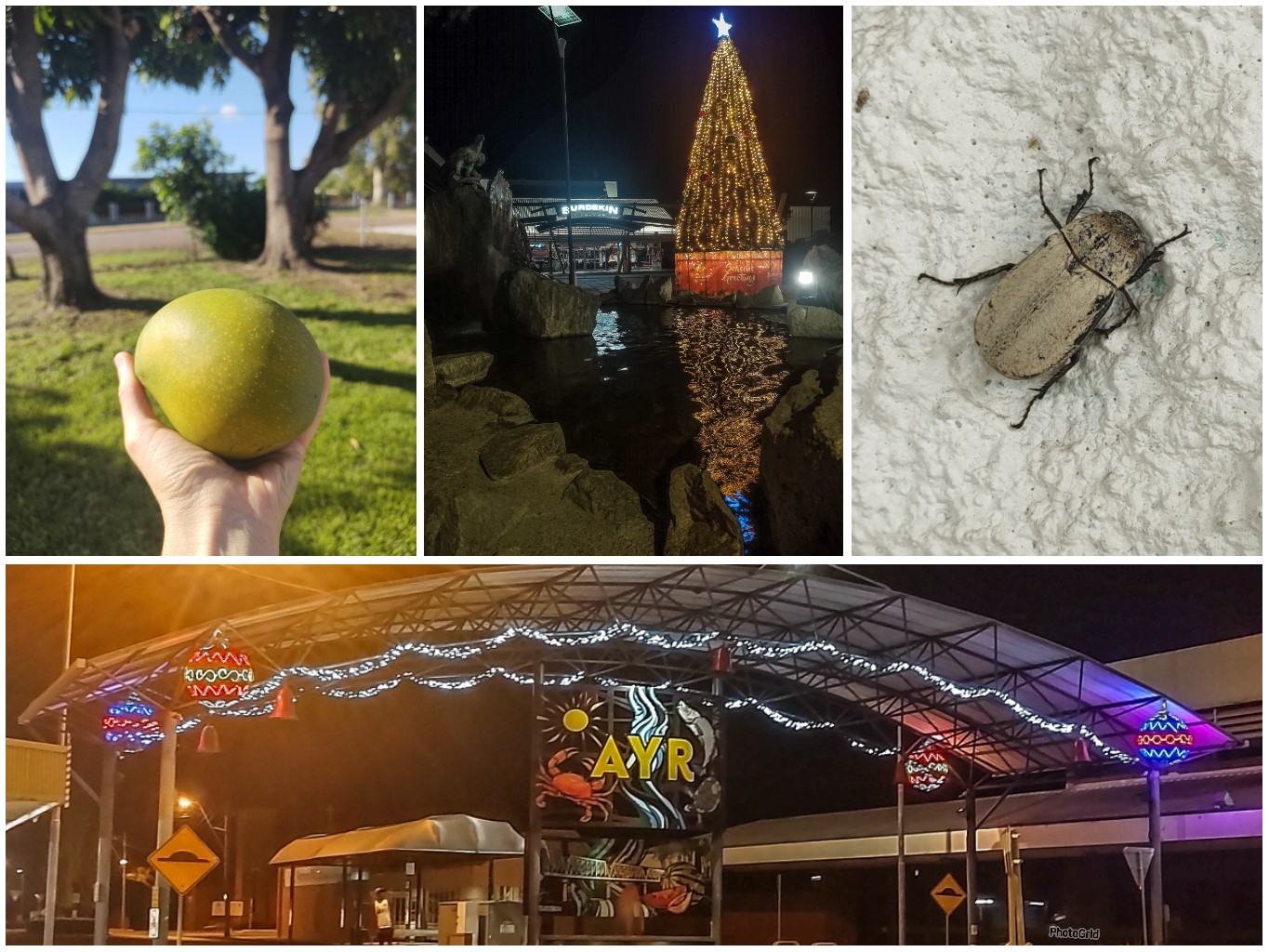
A two day drive – brown, grassy plains and eucalyptus trees reeling past the car windows. The same image repeated, over and over. At the end of day two, we reach the landmark we’ve been looking for – the ‘Silver Link’ Burdekin bridge. This road-rail link carries us over the near-dry, sandy bed of the Burdekin River, and we finally reach Ayr, our home to be, driving through the town centre for the first time in the hot, January sun. The old town clock on the roundabout tells us we’ve made good time, as we pass the terrace of art deco era buildings, cream with faded blue trims, flaking with heat & age.

Ayr has a population of between 8 and 10,000 over a space of about 29 square kms, and outside of that are mostly sugar cane farms, some cattle, mango orchards, and other crops. The next major stops are Townsville, 88km north, and Bowen 116km south on the edge of the Whitsundays. There are many tiny farming communities dotted around the Burdekin Shire, covering over 5000 square kms in North Queensland’s dry tropics, all for which Ayr is the main hub.

My thermometer under the porch reads 50°c, and the blistering sun scorches the grass. It’s Australia Day, which we don’t celebrate, but boredom drags us to the Queens Hotel in town, where I witness my first Cane Toad race. Cane Toads are an introduced toxic pest, which North Queenslanders have learnt to live with by using them as entertainment! Toads with silly names like ‘Frogzilla’ and ‘Donald Jump’ are released into the centre of a big target drawn on the floor, and the first one to leave the target wins, as punters place their bets. These toads are not particularly cooperative, and we spend a good five minutes watching them sit there, not moving!

While my partner gets stuck into his new teaching job, which brought us here, the days drift by slowly and monotonously for me and I quickly realise that finding work here is about who you know, not what you know. There are a few cafés, but most of them are run by small family teams, or hire kids from the high school, who are much cheaper to employ than a seasoned barista such as myself. Everyone says, ‘There’ll be more when the wet season’s over, that’s when the town really comes to life.’ Opportunities may be easier to come by in the industrial trades, but I hear that even the sugar mills can be cliquey, despite the fact they’re always advertising for work. The locals seem friendly and welcoming, they love their Burdekin and they want you to love it too, but it’s not easy to break past their pleasantry façade and become a trusted member of the community – there are people who have lived here for decades who are still considered outsiders.

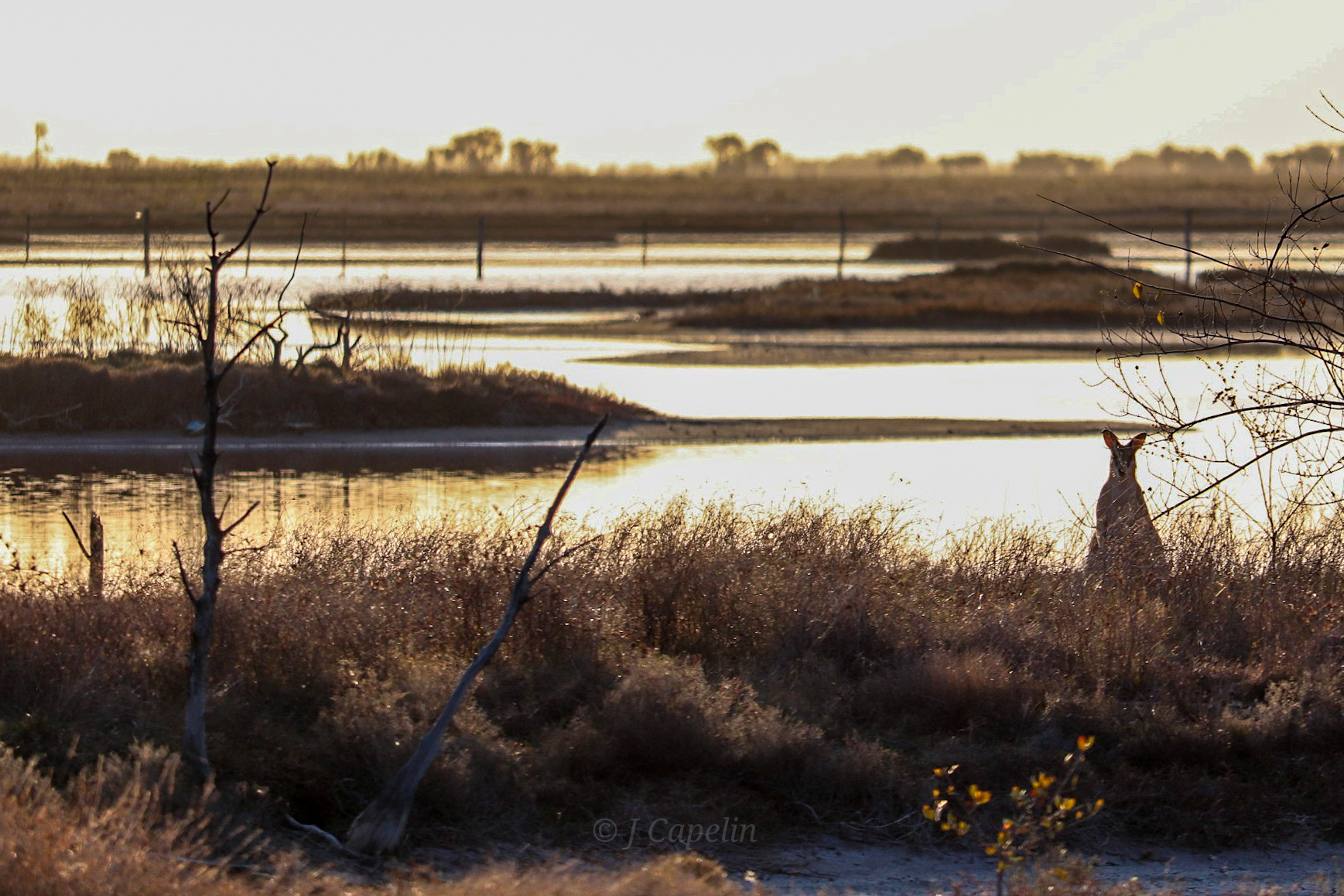
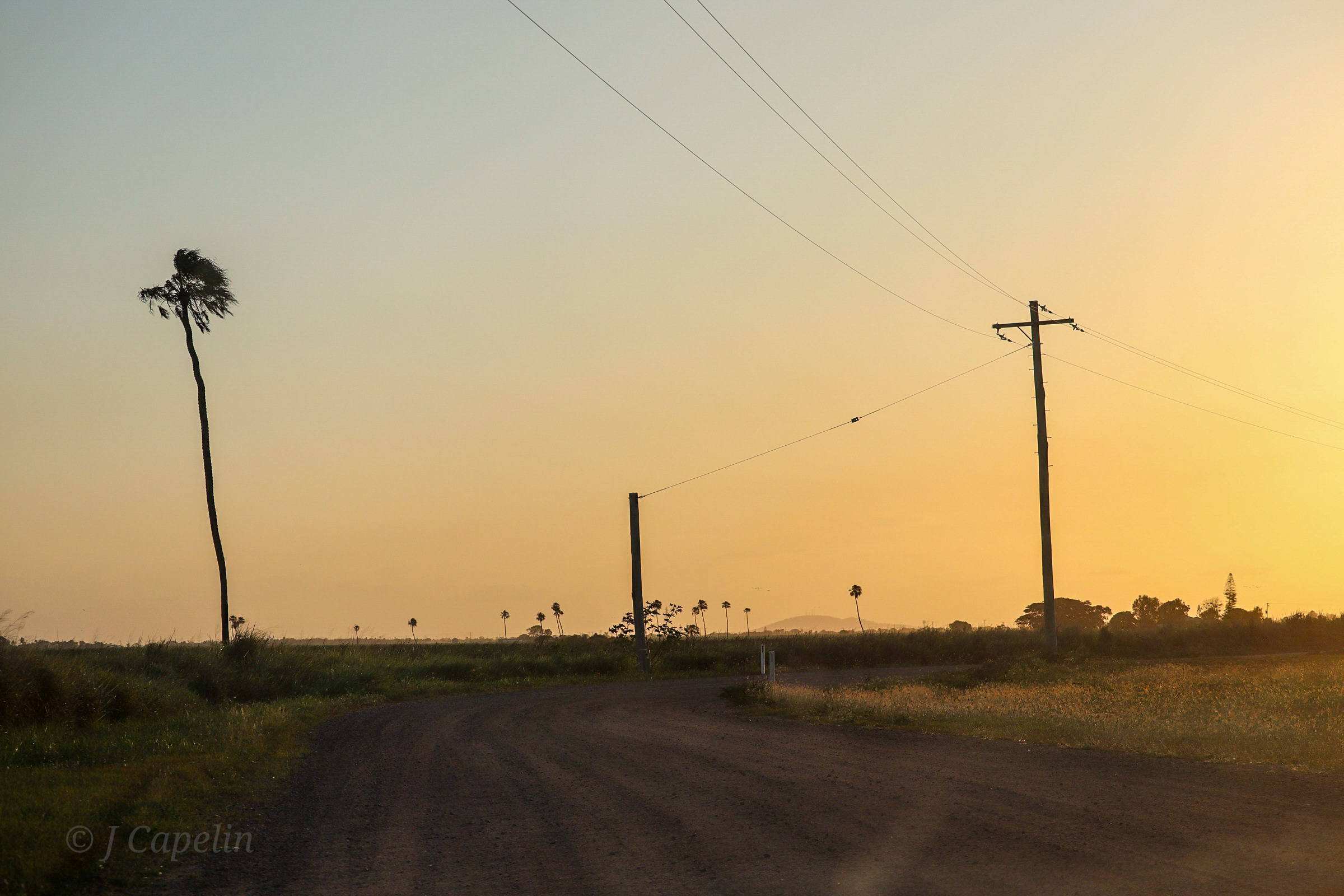
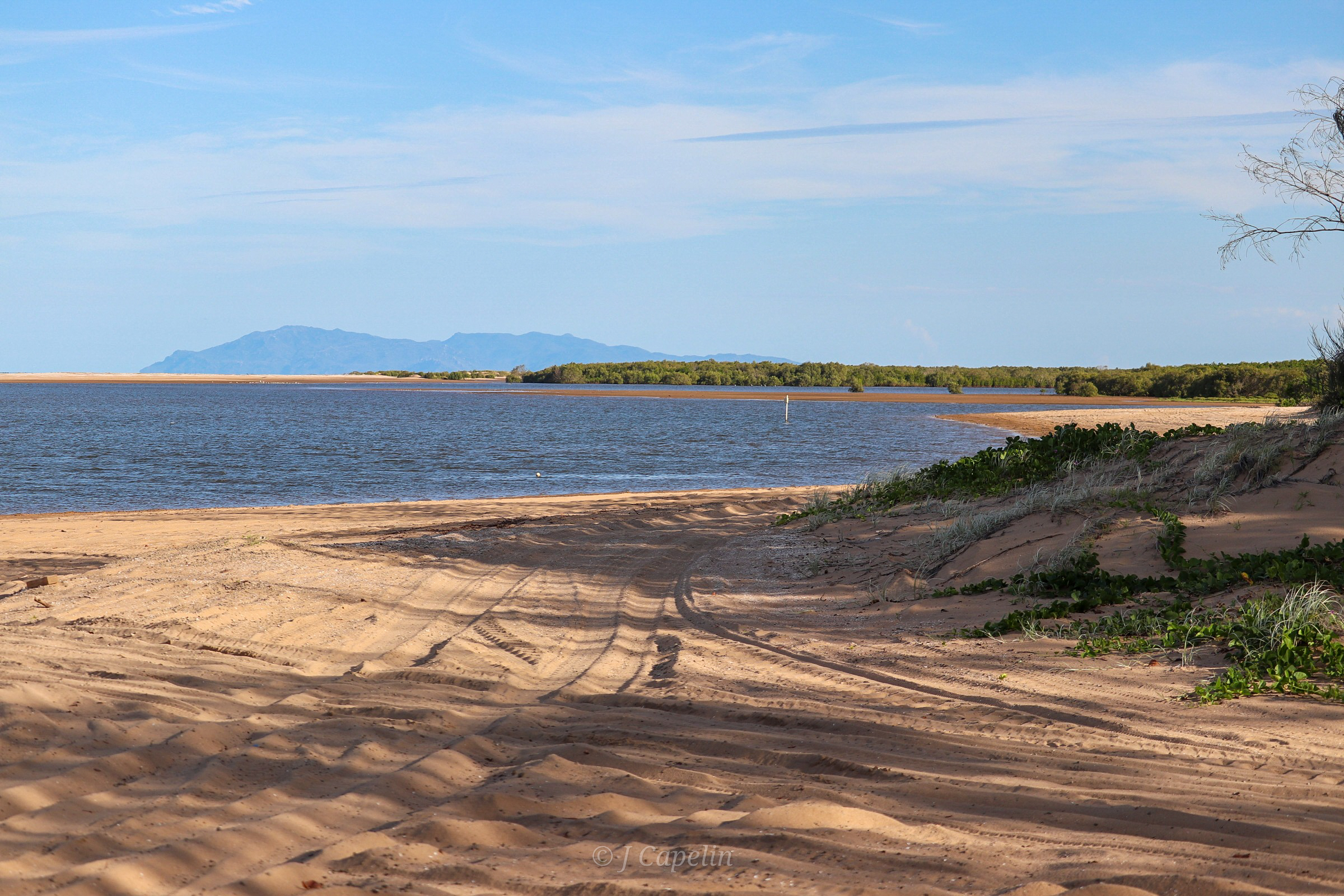
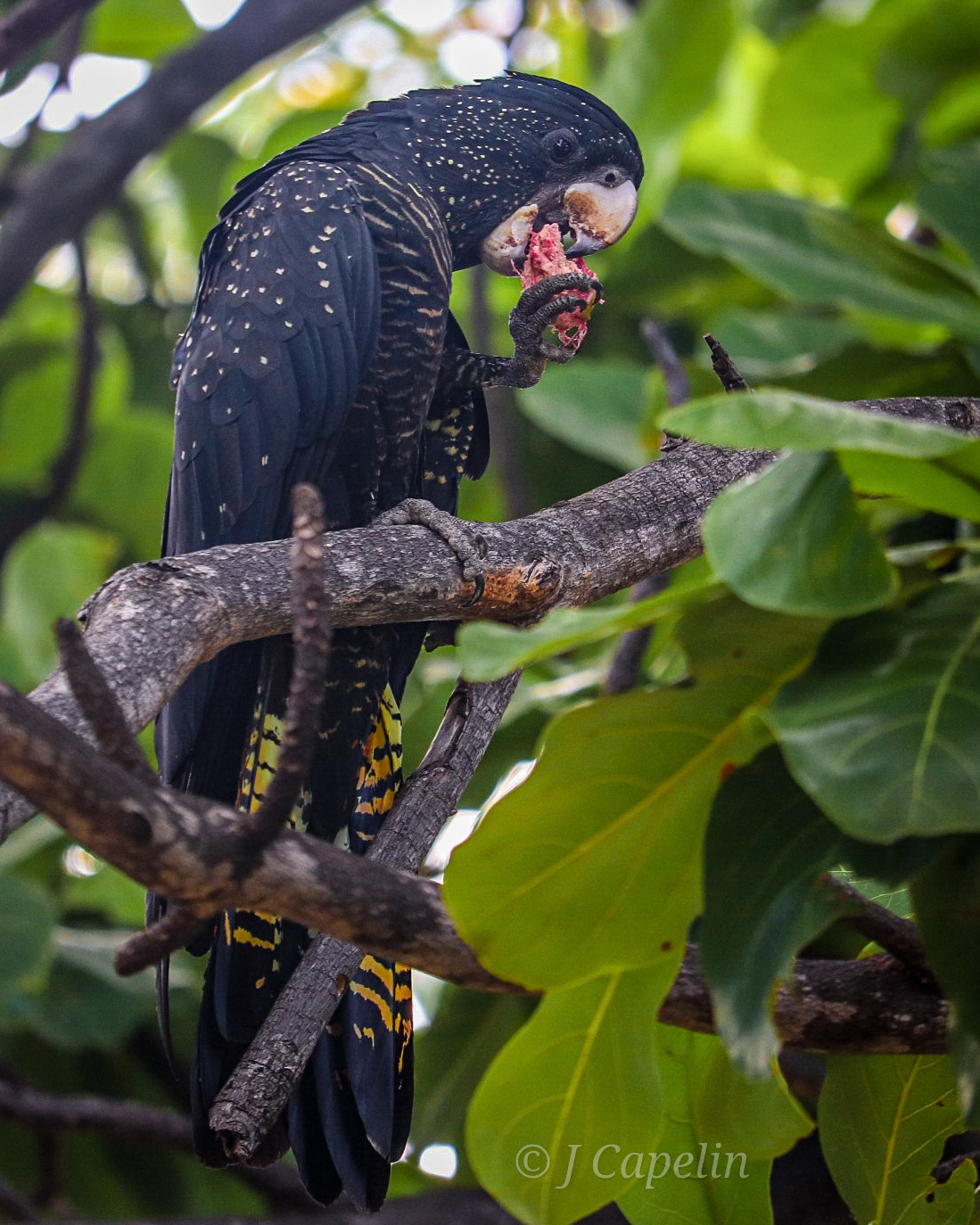
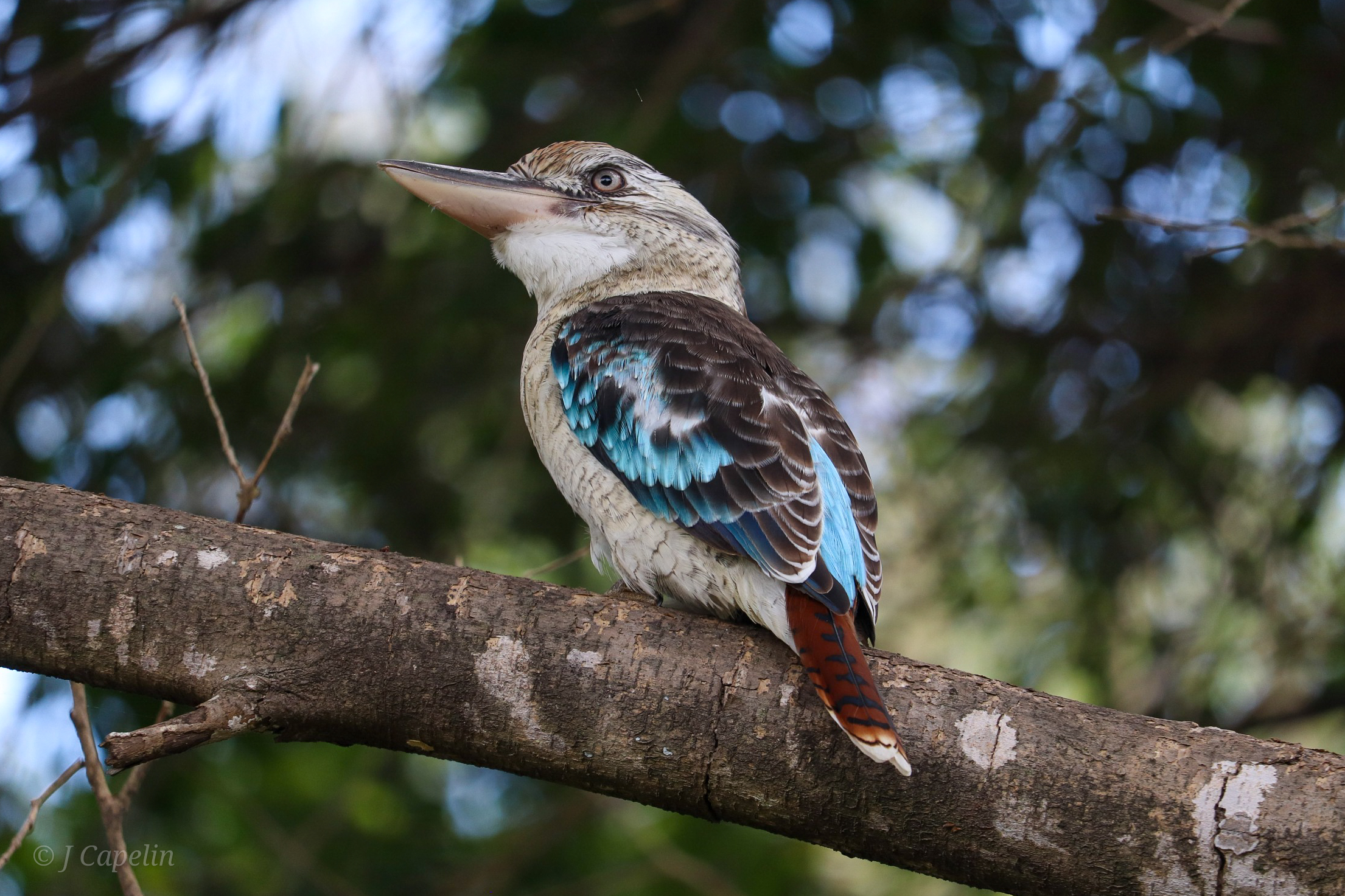
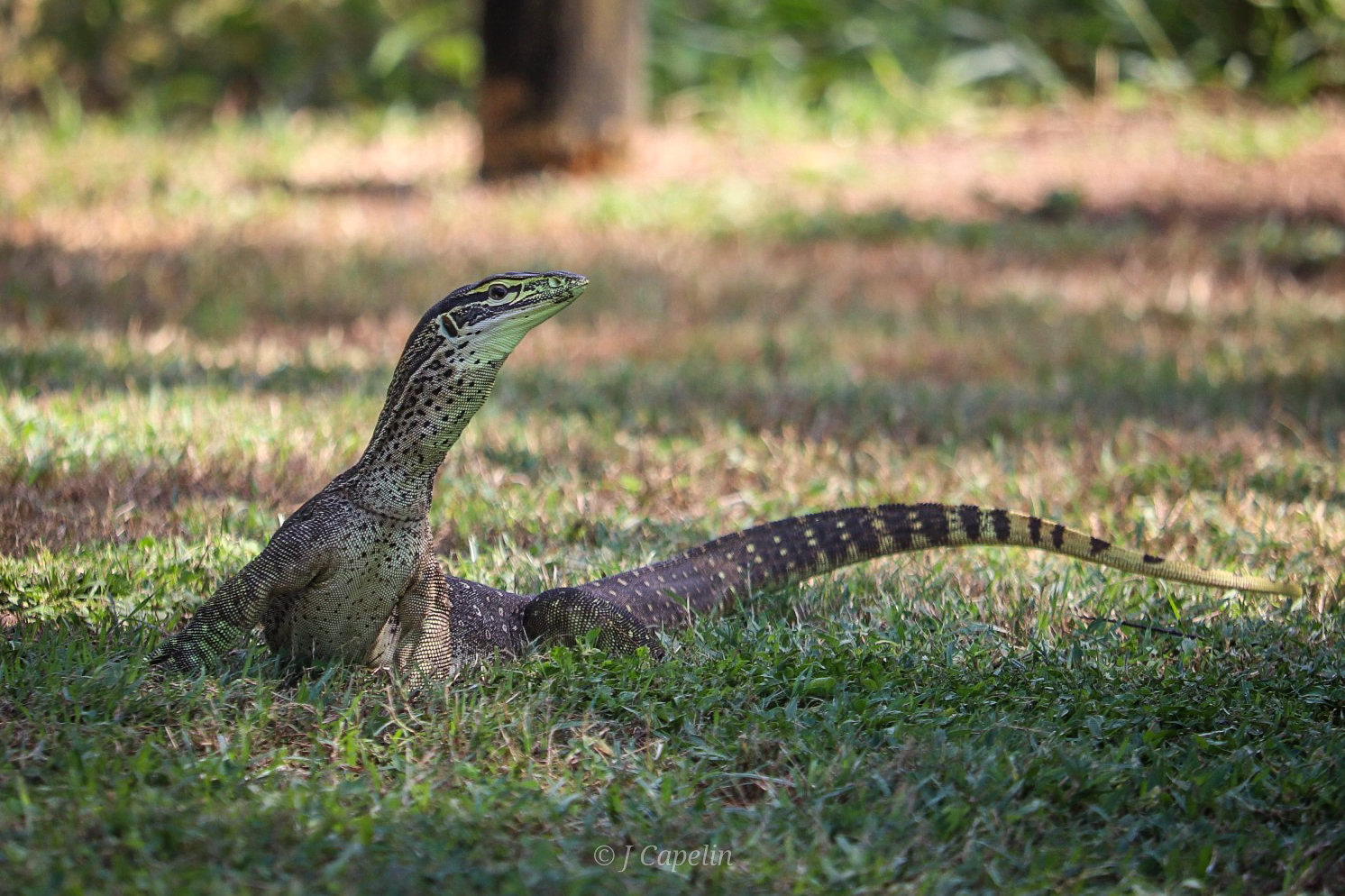
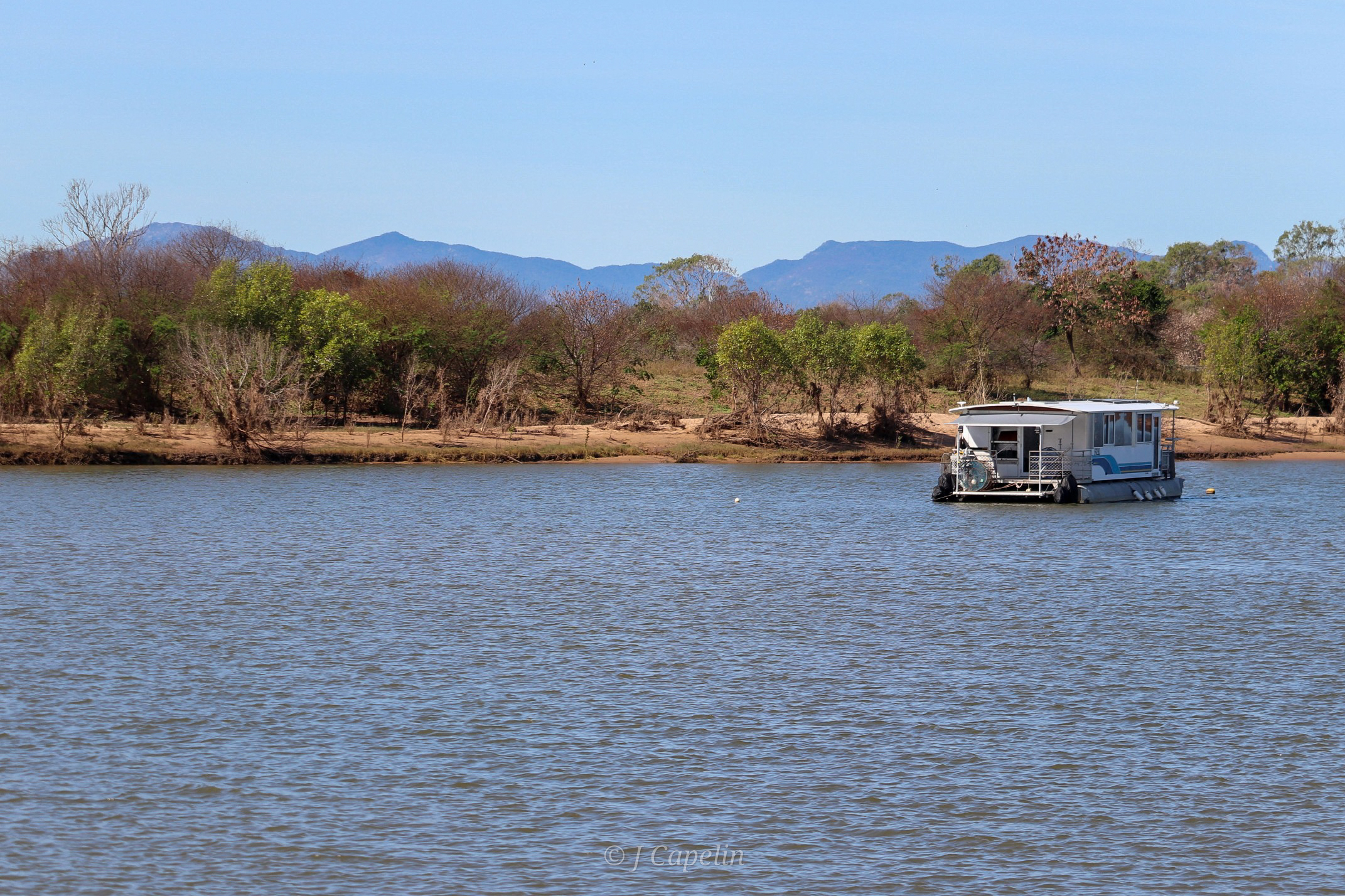
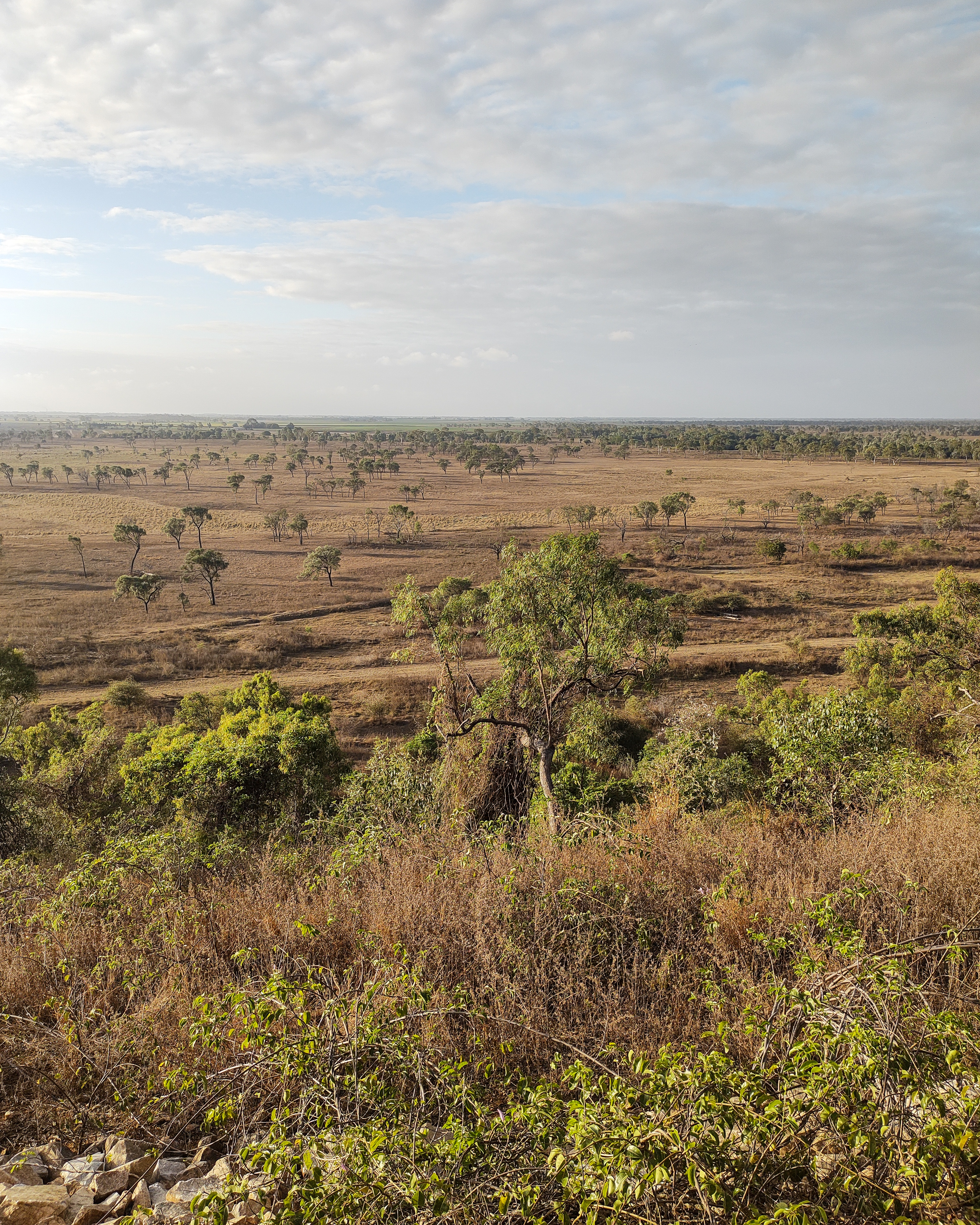
I look forward to the afternoons, when we drive fifteen minutes to the coast, through wide, grass plains like an African Savannah, where tall cabbage palms litter the landscape, dusty mountains silhouetted behind. Sometimes you can spot Brolgas in the fields. Alva is the tiny community on the beach, surrounded by wetlands and abundant with birdlife. Massive sand dunes roll around the muddy banks of Lynch’s Beach, creating an inlet of calm water separated from the waves of the Pacific. We’re in crocodile and stinger territory, so it’s unusual to see people swimming here, but the locals love to fish from the shoreline, and will always give a wave as they zoom by on their quadbikes. Hot wind stirs up the sand and burns your skin, while the palm trees along the coast flutter their leaves. Kingfishers dart to and from the trees; kites and ospreys glide high above with gulls and terns, and for the first time I hear the coughing call of a stunning Blue-winged Kookaburra. The shallows play host to egrets and oyster catchers, and in the park behind the beach a Pheasant Coucal hides in a bush, while a Yellow-spotted Monitor catches grasshoppers. Red-Tailed Black Cockatoos squeak high in the canopies of the Almond trees, eating the seeds with their claws. In summer, the sun sets perfectly over the wetland behind the beach, like a postcard of Country Queensland. There isn’t much of a walk here, but it’s always nice to see the nature.

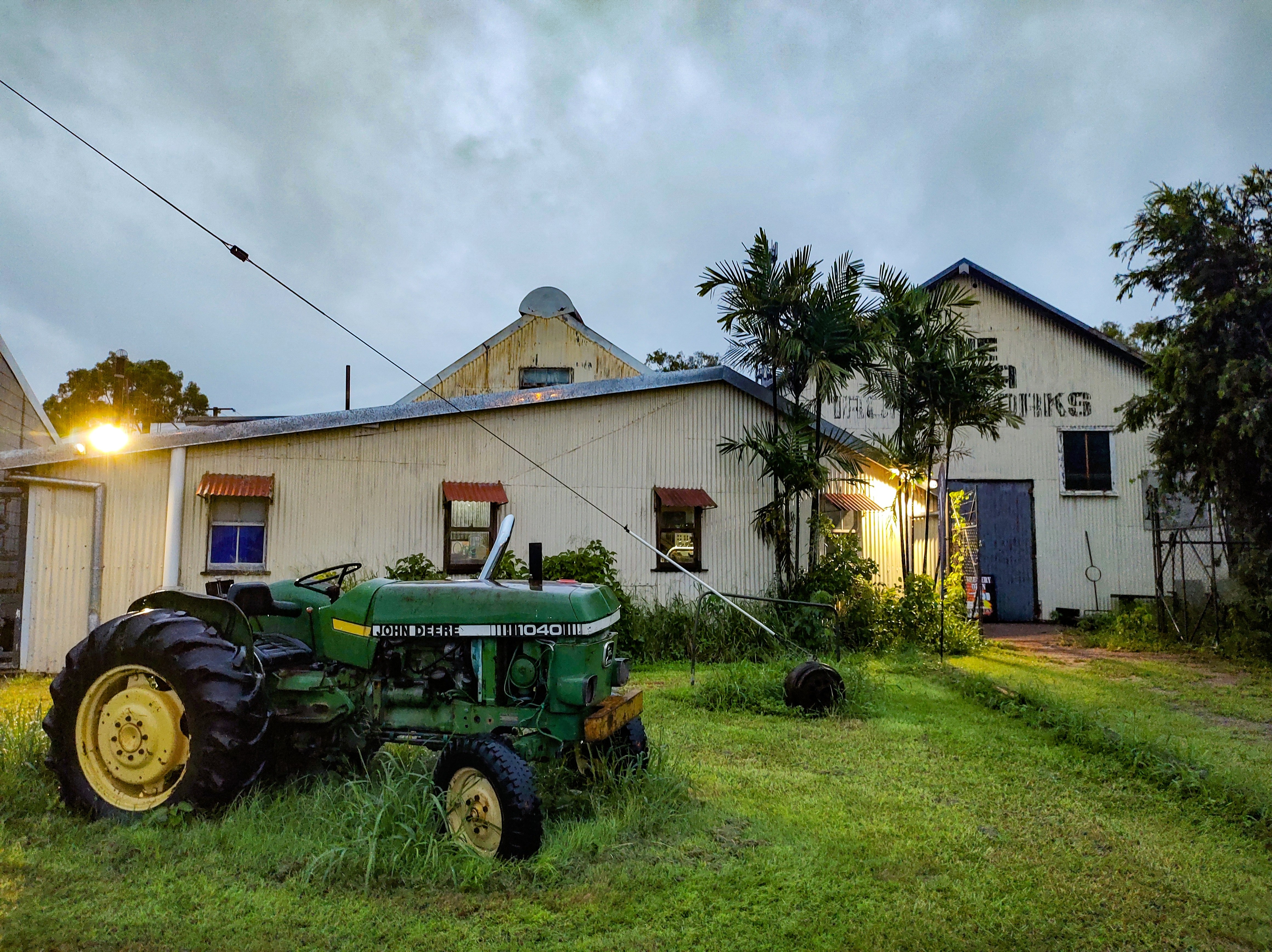
On a wet Friday evening, I find myself sitting in a hot tin shed in cane country, sipping homemade beer while a cyclone brews outside. This is the Iron Works Micro Brewery in Brandon, just five minutes up the Bruce highway, where they make a handful of different beers and do pizzas and cheese boards on Friday nights. The historic Delta iron works shed is set up with a hand built bar sporting the beer taps, with the brewing equipment in view behind. It’s dark and dusty, but cosy chairs and tables fill the space, decorated with vintage farming paraphernalia on the walls.

The old Delta Iron Works in Brandon

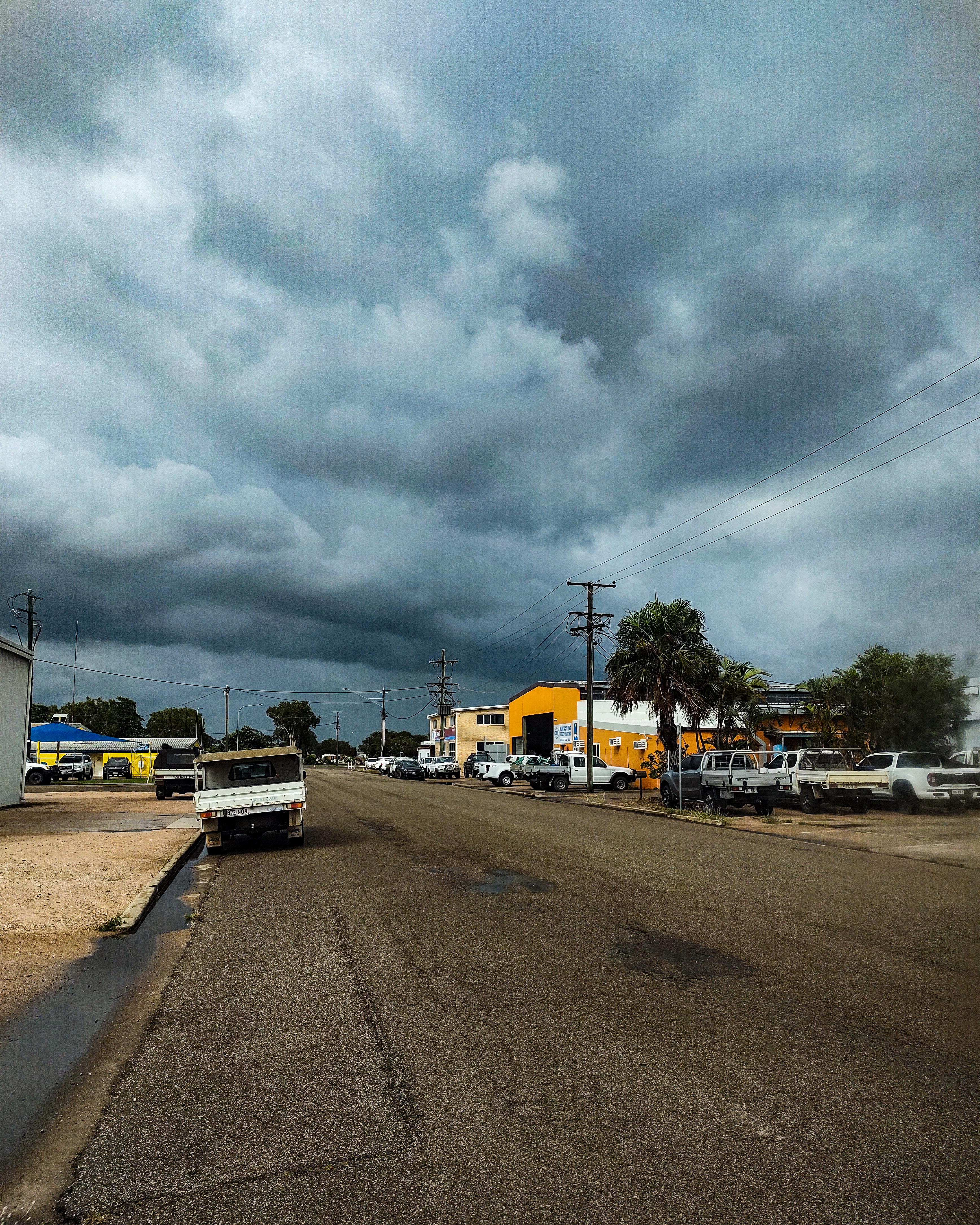
The soundtrack of thunder plays constantly over the land, and as the days go by, black clouds with electric blue luminance linger on the sky, drawing out the light like a veil being pulled across the window. An aggressive gust of wind shakes the power lines, and two or three fat raindrops stain the asphalt. Then it comes, in one heavy gush, the rain drenches everything. Ferns dance as the downpour tattoos their leaves, glimmering glass beads rolling along a green slip ‘n’ slide. When the rushing of the rain stops, and the pitter of the drops on the tin roof eases, crickets gently fill the quietness. A Green Tree Frog chirps somewhere close by, and the trees shiver their leaves, shaking off the rain before the next deluge. By the time February arrives, the entire town is cut off from its neighbouring communities, as the river rises and the creeks spill over the Bruce highway. The community tunes into the local radio station for emergency updates, which sounds like it’s coming to you live from 1945, and plays old Italian music between weather reports. Meanwhile, the stock on the supermarket shelves wanes, and printed out notices begin to appear apologising for the shortage because the deliveries can’t get here. Eventually, a morning comes and a fresh brightness lifts the sky while a Butcher Bird whistles from a rooftop aerial. The trees are still, the ground washed from the night before, glistening in the daylight, and somewhere, the hum of a lawnmower grumbles.

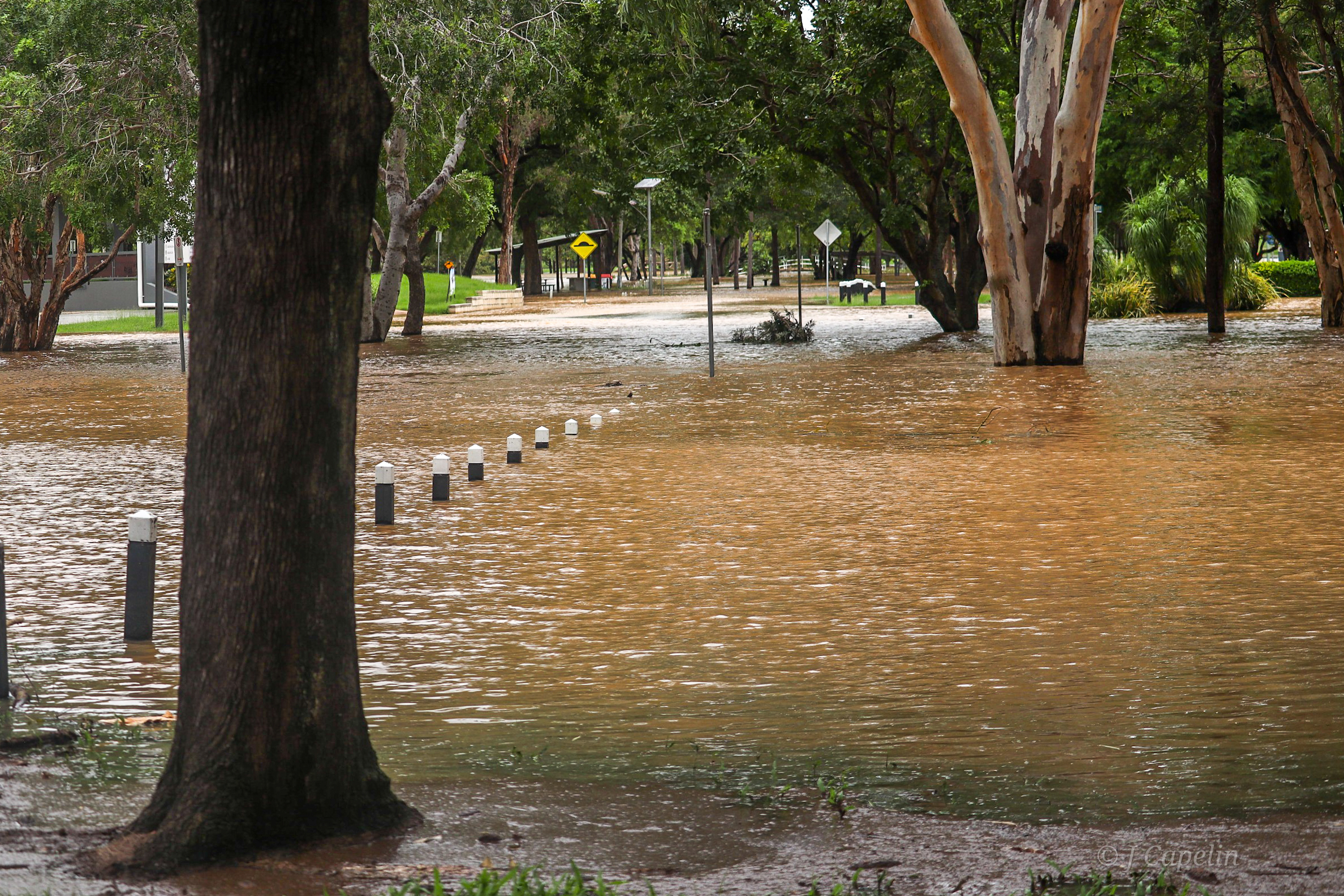
Plantation Creek flooding over the Bruce Highway

Easter comes quietly, and I’m running out of places to drop my resumé, when I’m finally offered a job as the food truck driver for a small café/convenience store. Just like that, I’m spending my mornings prepping hot dogs, breakfast wraps, steak sandwiches and roast meat and gravy rolls, and driving around the industrial businesses in town to sell them for ‘smoko.’

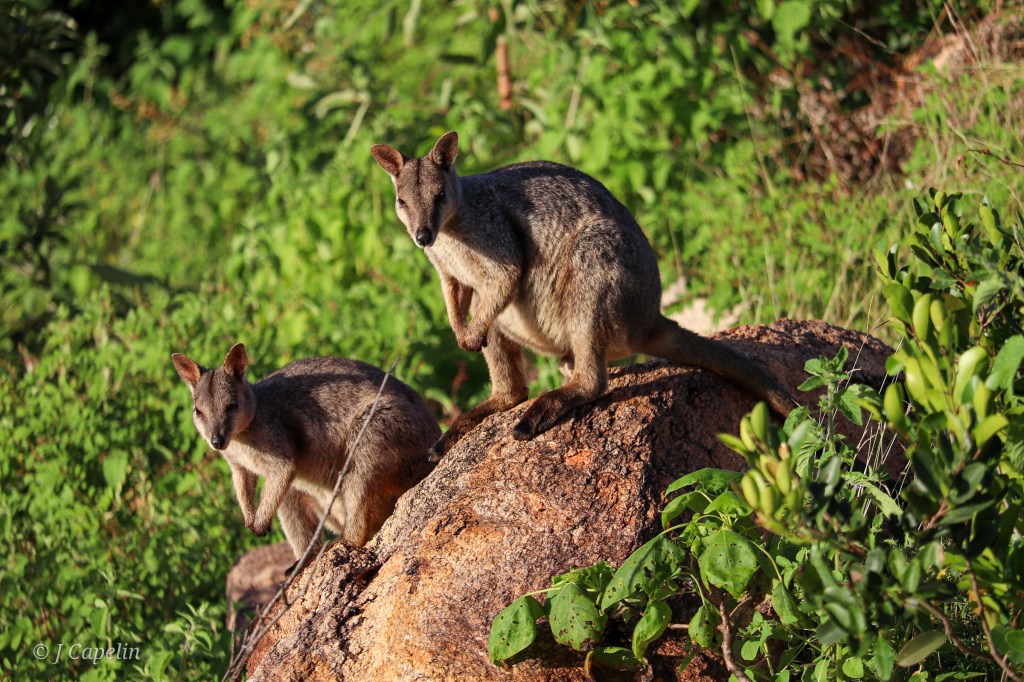
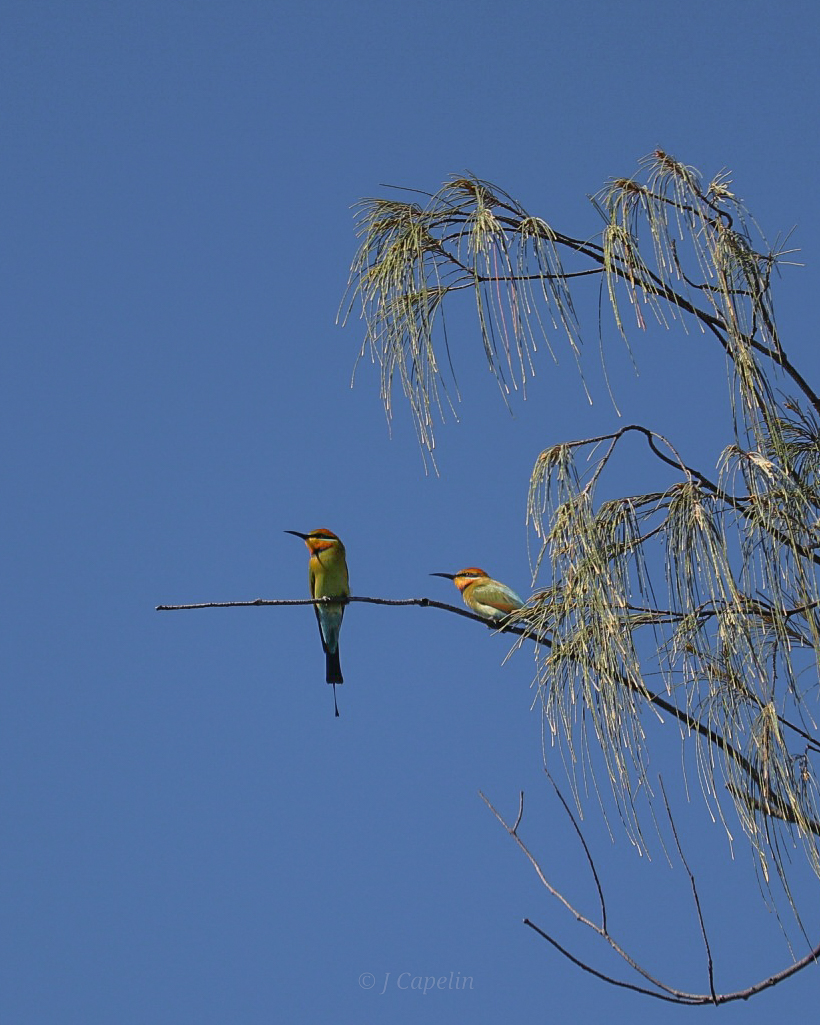
It finally becomes cool enough (around 30°c) to climb Mount Inkerman – the Burdekin’s only walking track just south of Home Hill. The Mount Inkerman Nature Trail is relatively short and steep, about 3km return. From the base of the mount, steps rise up from the grass plains, into the wooded hillside. Rainbow skinks scatter on the rocks, cocking their tiny orange heads to fix you with their beady stare as you climb. Eucalyptus trees frame the view of the vast landscape below, where cane fields stretch further than the eye can see, towards the vague shape of distant mountains. Shrikes and drongos call from the branches, while tiny martins and Rainbow Bee Eaters flit about. Dragonflies hover, their black and white fluttering wings a blur as they play in a patch of sunlight that pours through the trees, and the dry grass rustles, perhaps a skink, or a Brown Snake. At the top, the Rotary Lookout draws your eyes north across the sugar canes, and east to the cape in the haze, surrounded by the glittering glare of the ocean. Black-shouldered Kites swoop and dive above the trees, and in the evenings, little Allied Rock Wallabies hop about the rocks.

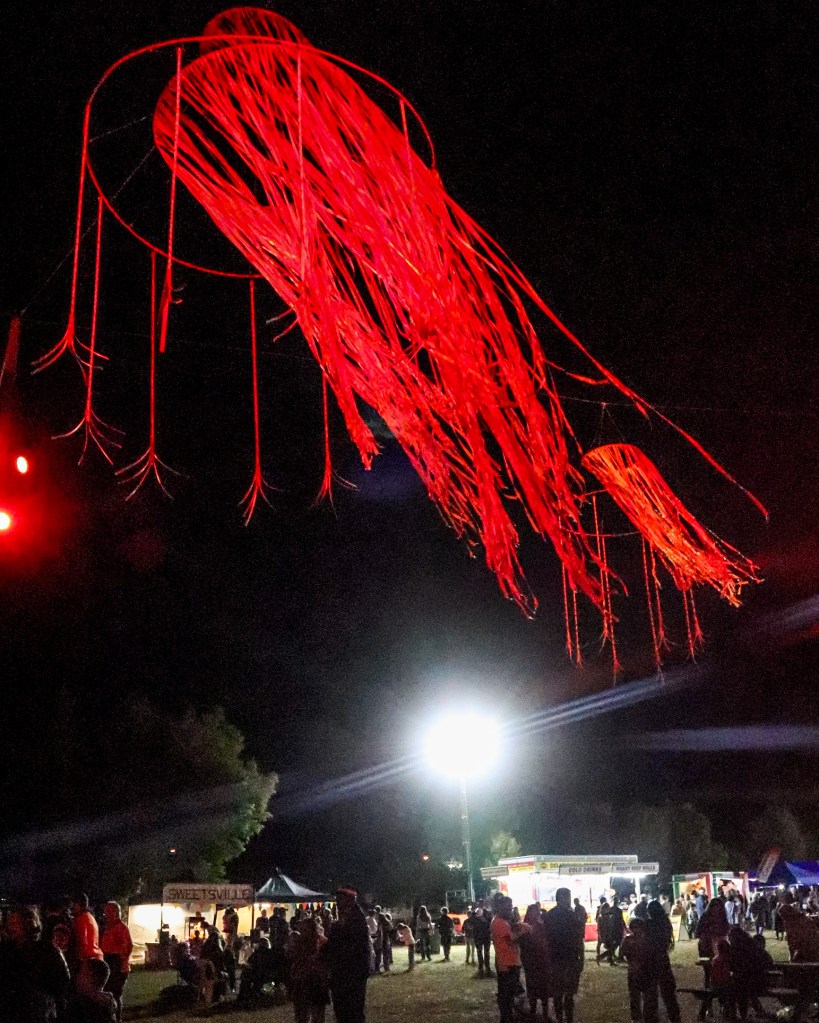
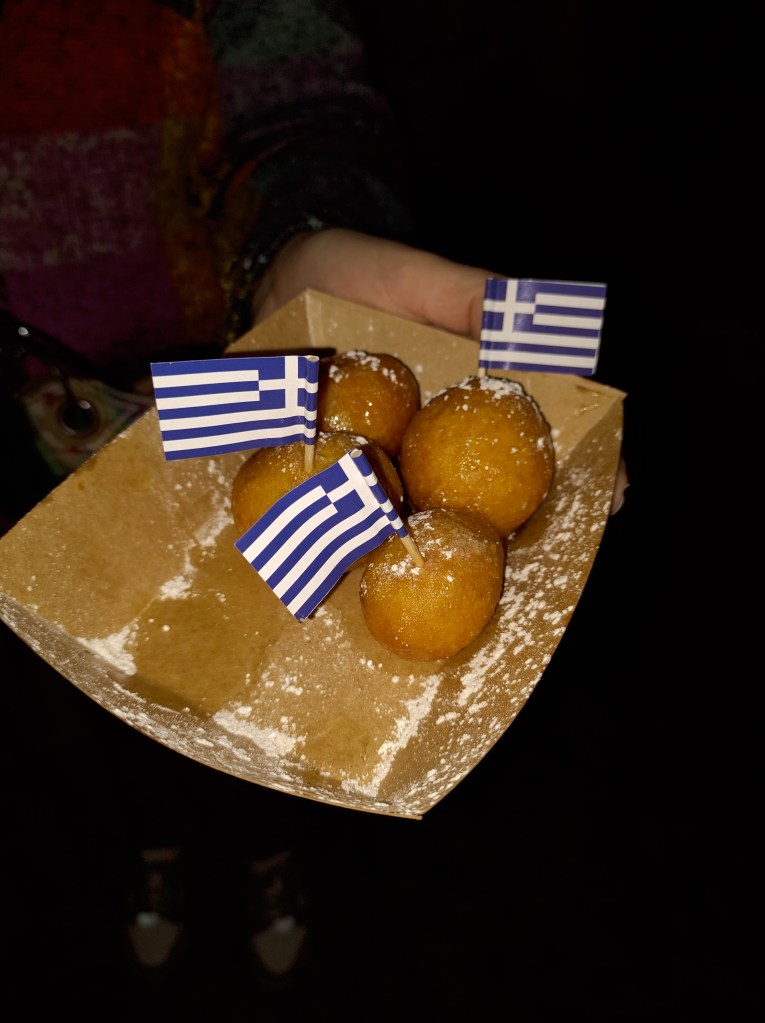
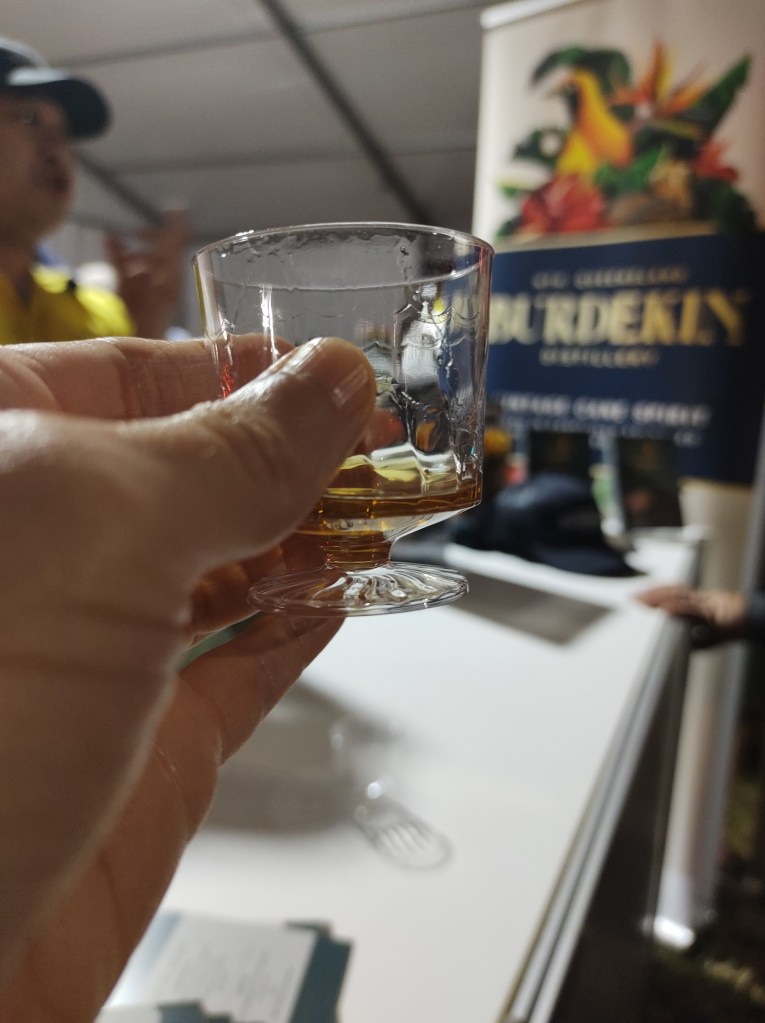
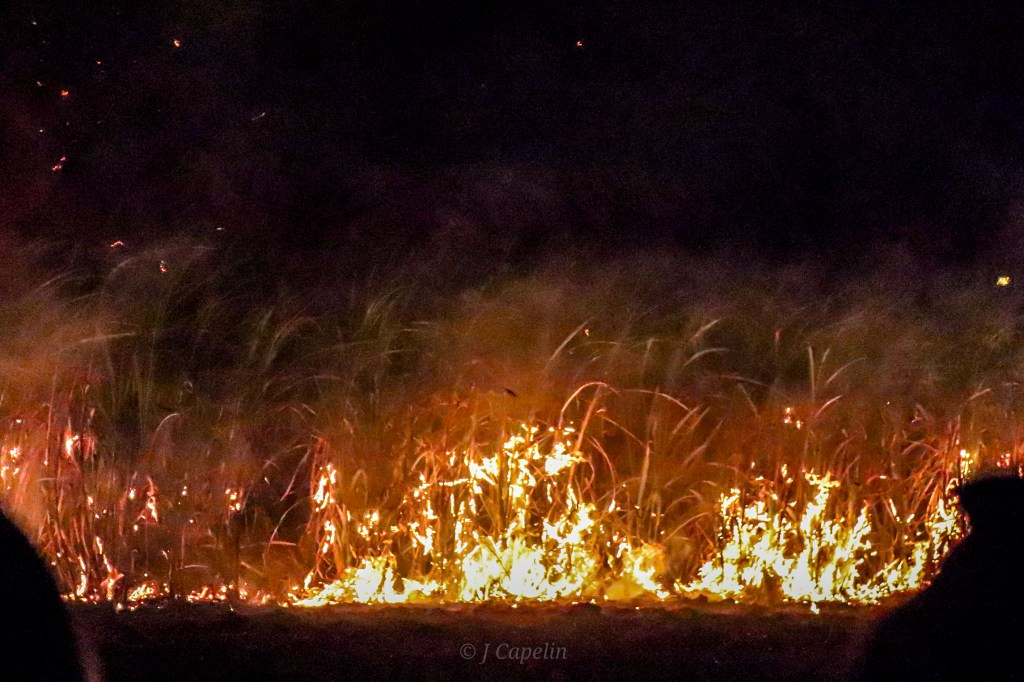
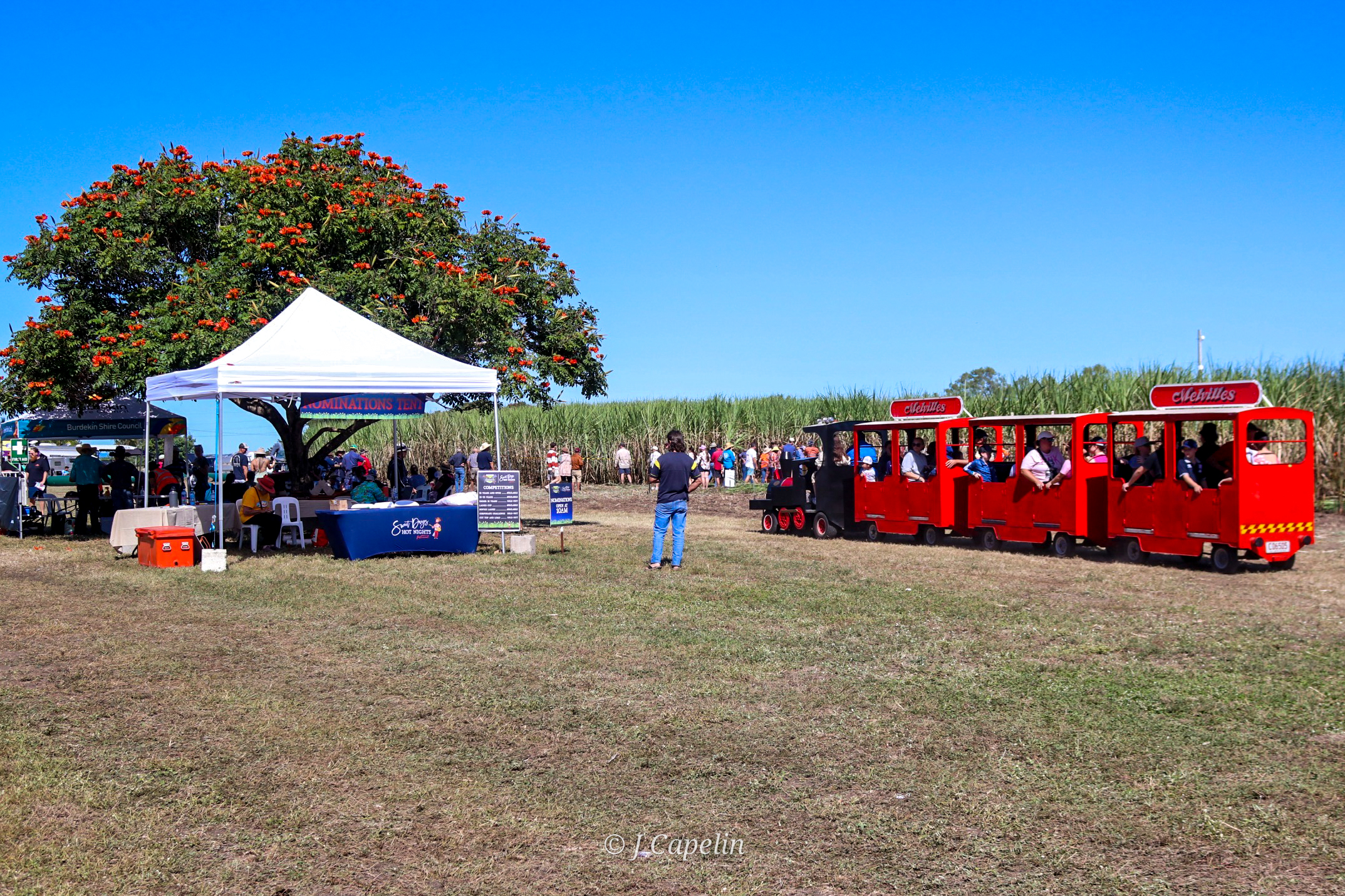
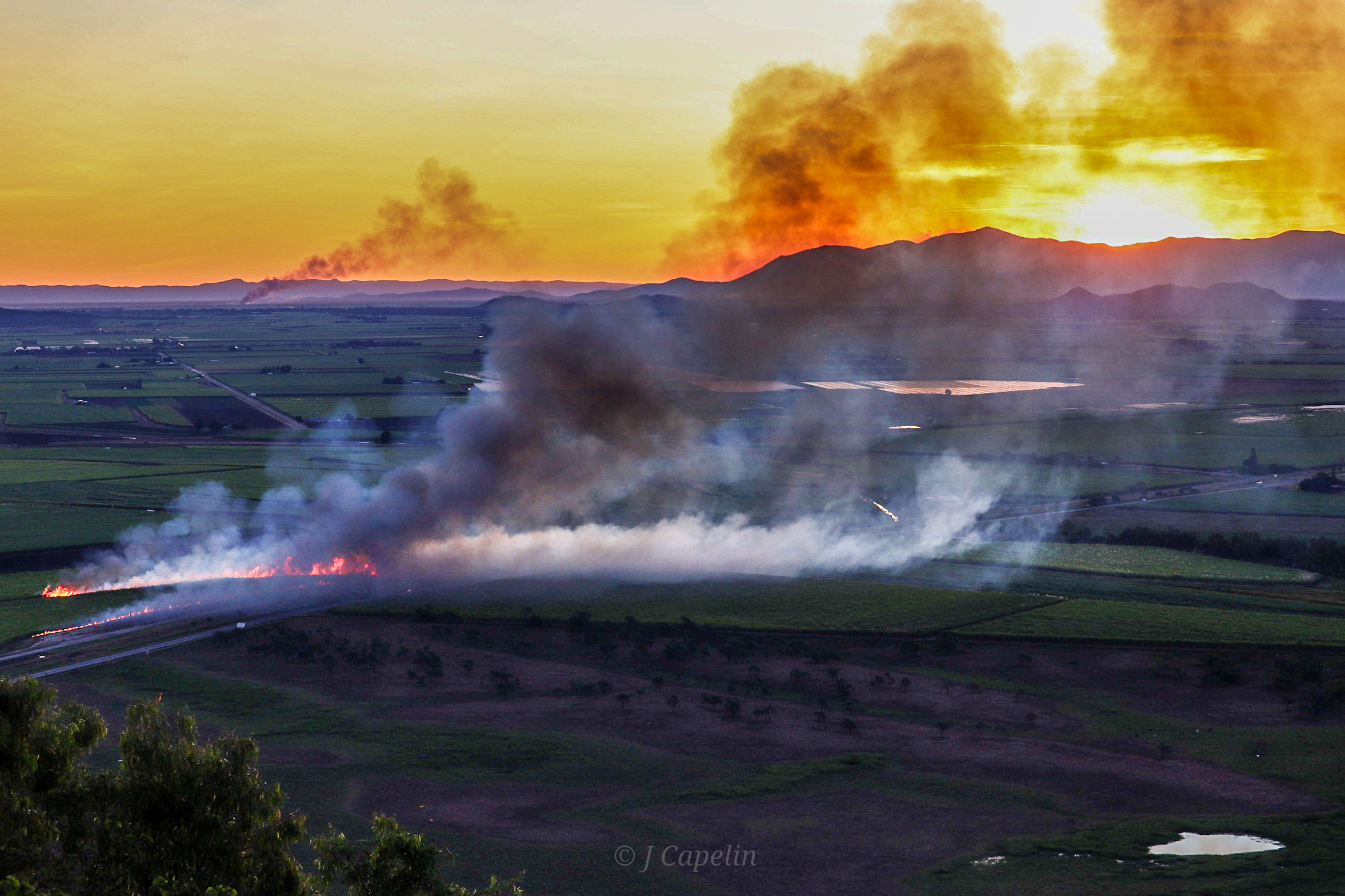
Winter draws closer, and on a fresh, clear night at the end of May we join the crowds at Home Hill showgrounds for the biennial Sweet Days Hot Nights Festival. This celebration of Burdekin culture and sugar cane features the first cane burn of the season, a tradition the region holds onto. The showgrounds are decorated with red streamer art flowing in the breeze above us, depicting fire and sugar cane, and a drumming circle jams on the grass while we browse the array of worldly food trucks. In the entertainment marquee the Iron Works Brewery have a bar set up next to the Burdekin Rum stand, and behind it, a crowd of people gather beside the cane field in anticipation. The farmer walks along the perimeter of the crop, lighting it with a flamethrower. The flames rise quickly, crackling and sending bursts of cane trash into the air like fireworks. The atmosphere is reminiscent of bonfire night, with the fire shedding a warm glow across the crowd with flames in their eyes. Cane burning is a dying tradition, because while it gets rid of the excess foliage efficiently, which could otherwise clog up the machinery and slow down the harvest, many cane farming regions have stopped doing it because of its bad impact on the environment. When the fire is done, the entertainment stage lights up with local cultural performances; Italian music, Indigenous dance and didgeridoo, songs and dancing from the local Pacific Islanders, Scottish bagpipes and Highland dancing, Greek plate smashing, and Afro-Cuban performance.

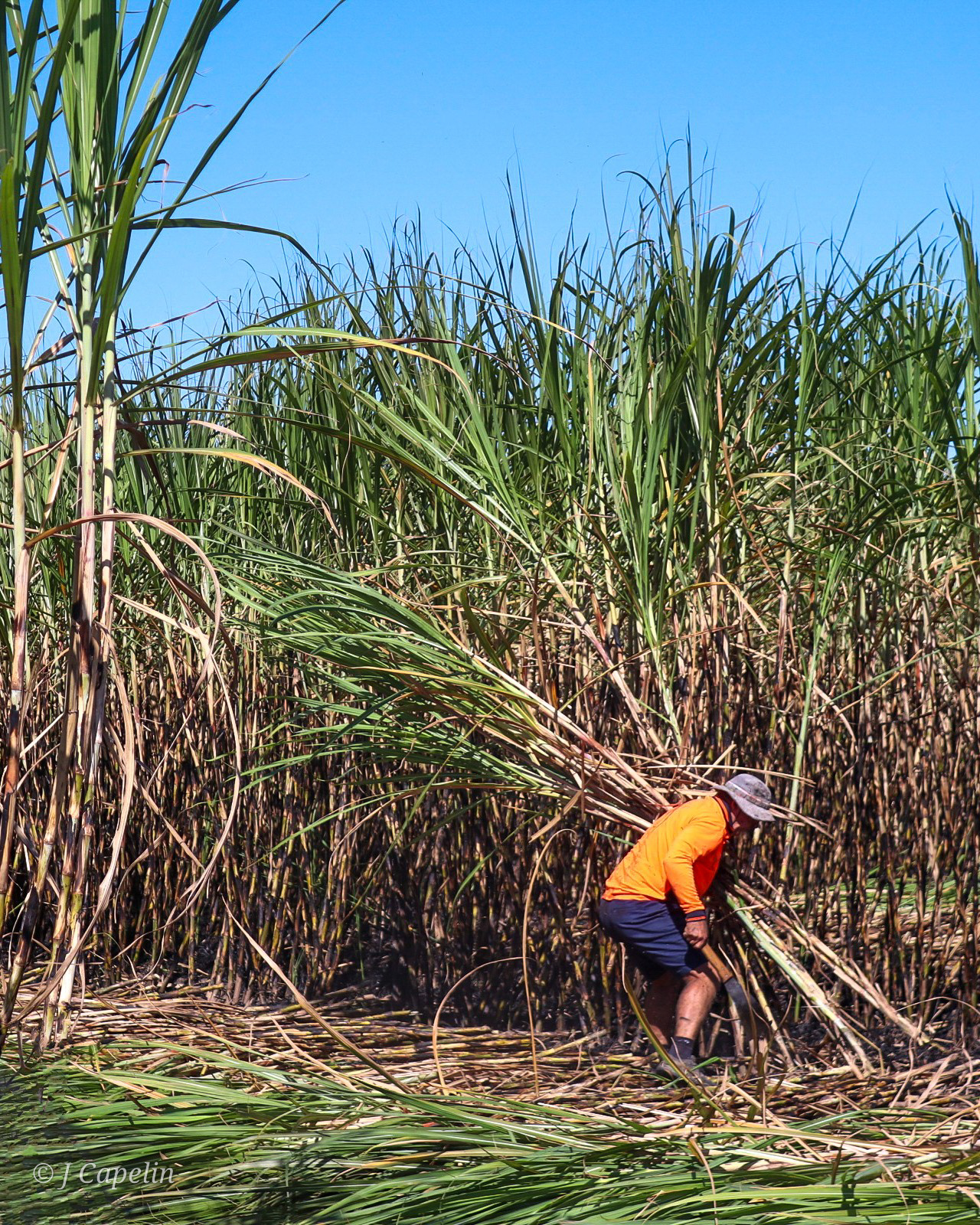
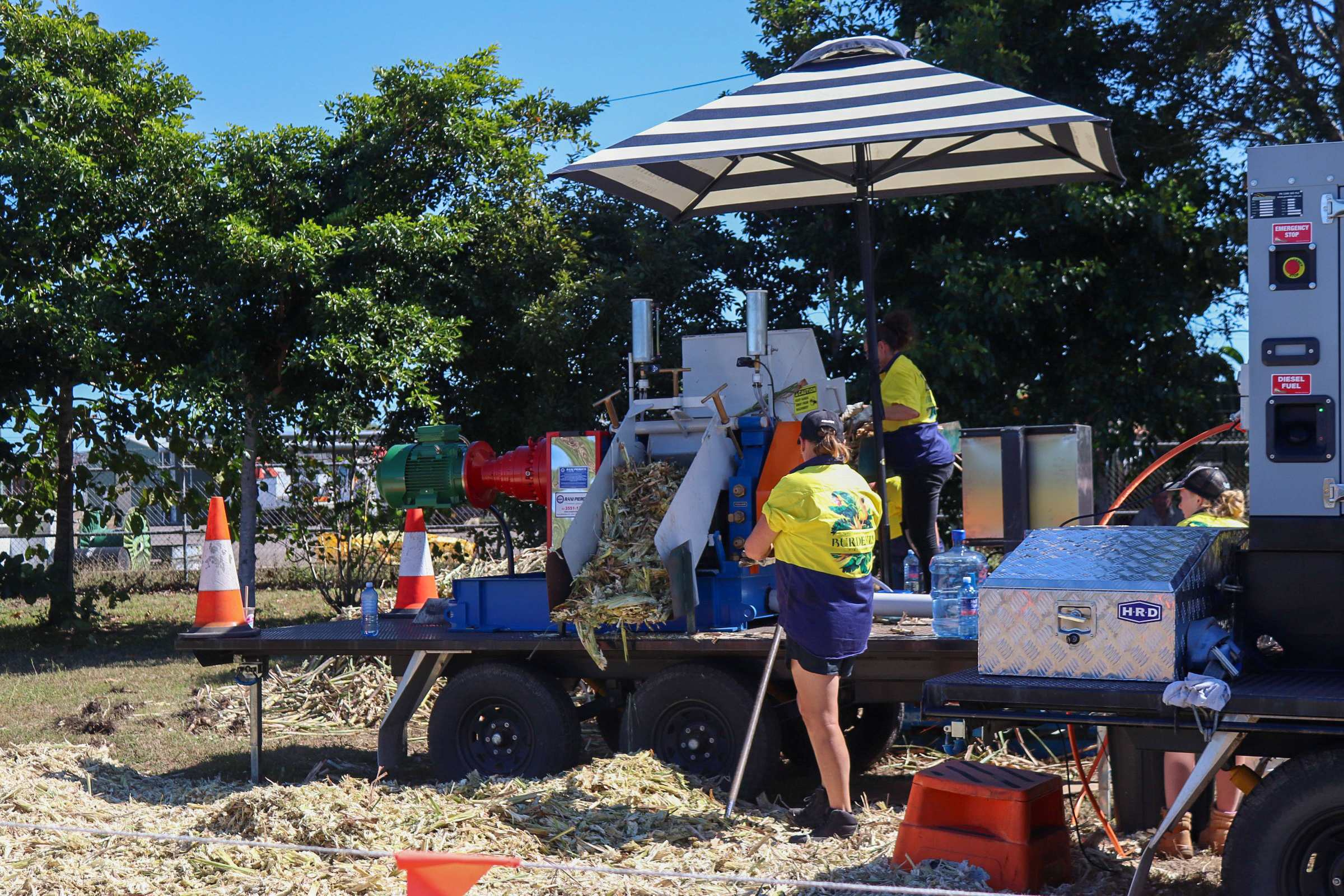
Day two of the festival brings a dry heat, and the Cane Cutting Championship is well underway. There is a category for everyone, and they dive in the freshly burnt off crop with their machetes and compete to see who can cut their section the fastest. The competitors come out covered in black cane trash and sweat, and the freshly cut cane goes straight into the shredder for Burdekin Rum! Meanwhile, the street food stalls continue to trade in the neighbouring field, and families enjoy a local pop-up petting farm, complete with a dotto train.

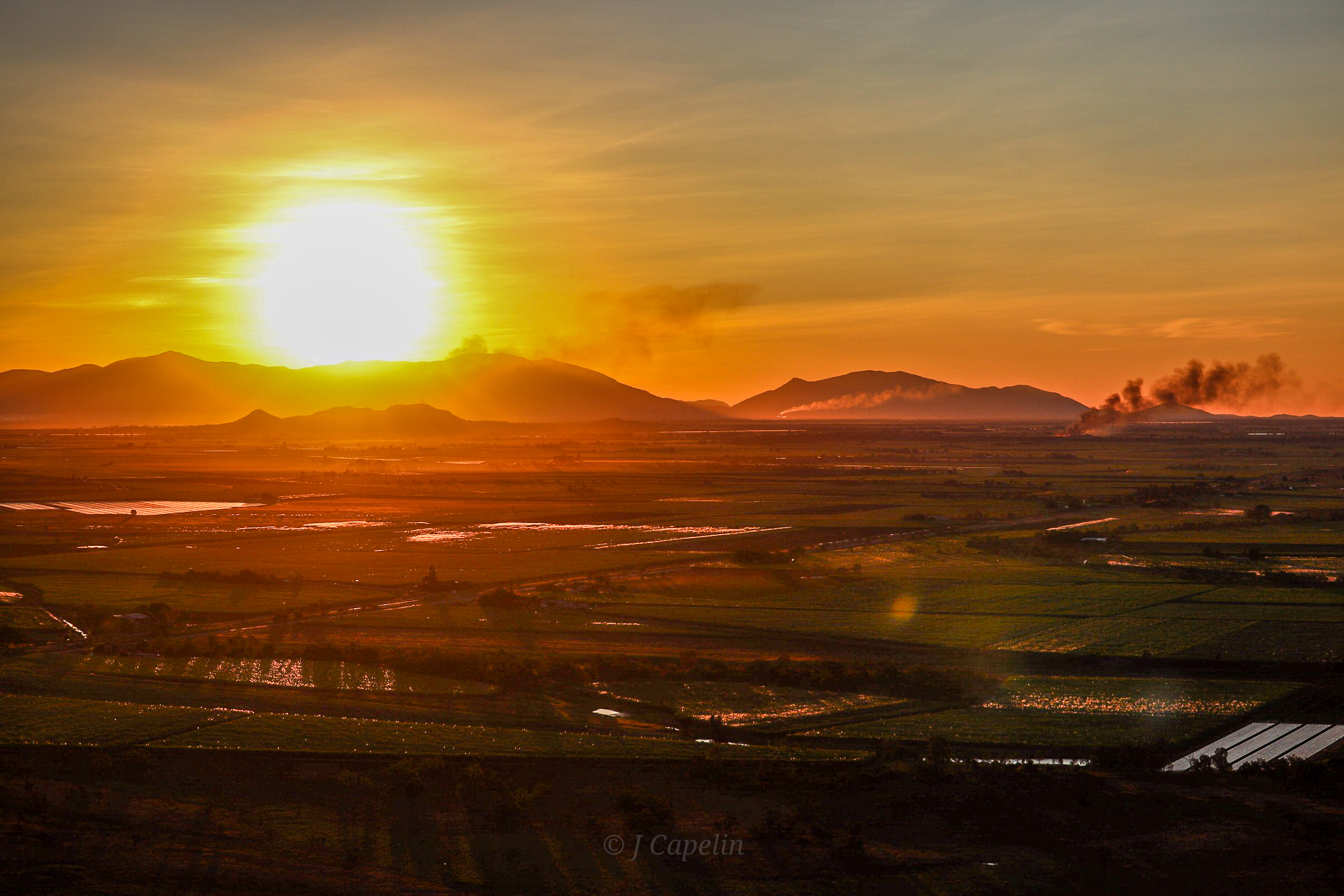
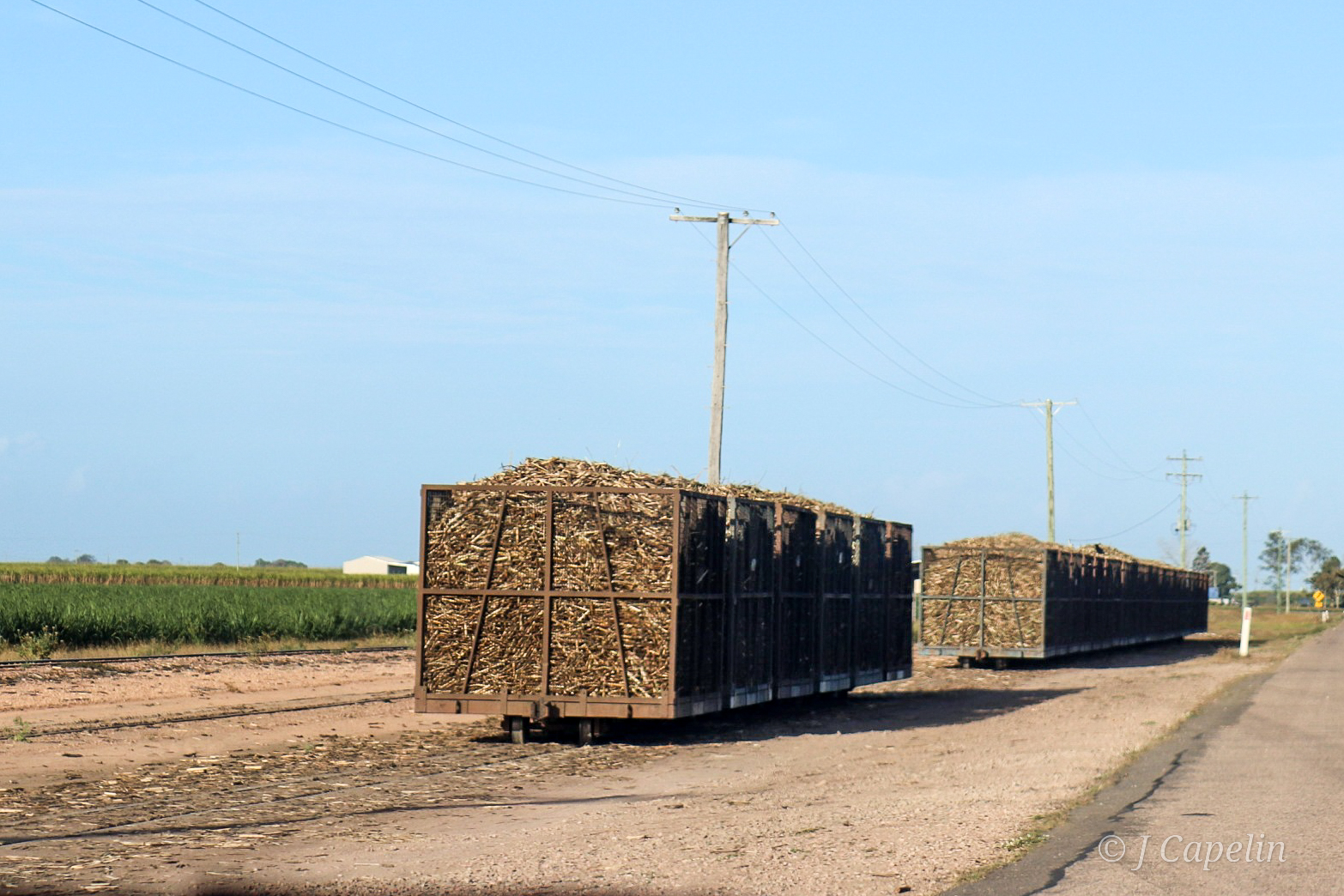
It’s not so much ‘winter’ as it is the dry season, or the slightly-cooler-and-calmer-than-the-wet-season. It’s the bearable-to-live-in season. If you’re really lucky, you might see the temperature drop below 10°c for a night or two, but I wouldn’t bother digging out the winter quilt. The sky is a rich sapphire, glazed with a smoky haze. The horizon is red and black with fire; smoke clouds grow like giant mushrooms over the town. The air smells like toasted marshmallows and burnt grass, and everyday it snows; gentle, black ash tumbling like feathers out of the sky – cane burning season is in full swing. The sun hangs low in the sky, gathering warmth slowly as it rolls along the top of the sugar canes, little cane trains trundle along the network of tracks, carrying trailers full of freshly harvested sugar cane to a nearby mill. A freshness blows in on an unfamiliar breeze after the humid months. Kookaburras laugh somewhere on a power line, drifting through the open window on a scent of liquorice and treacle from the sugar mill.

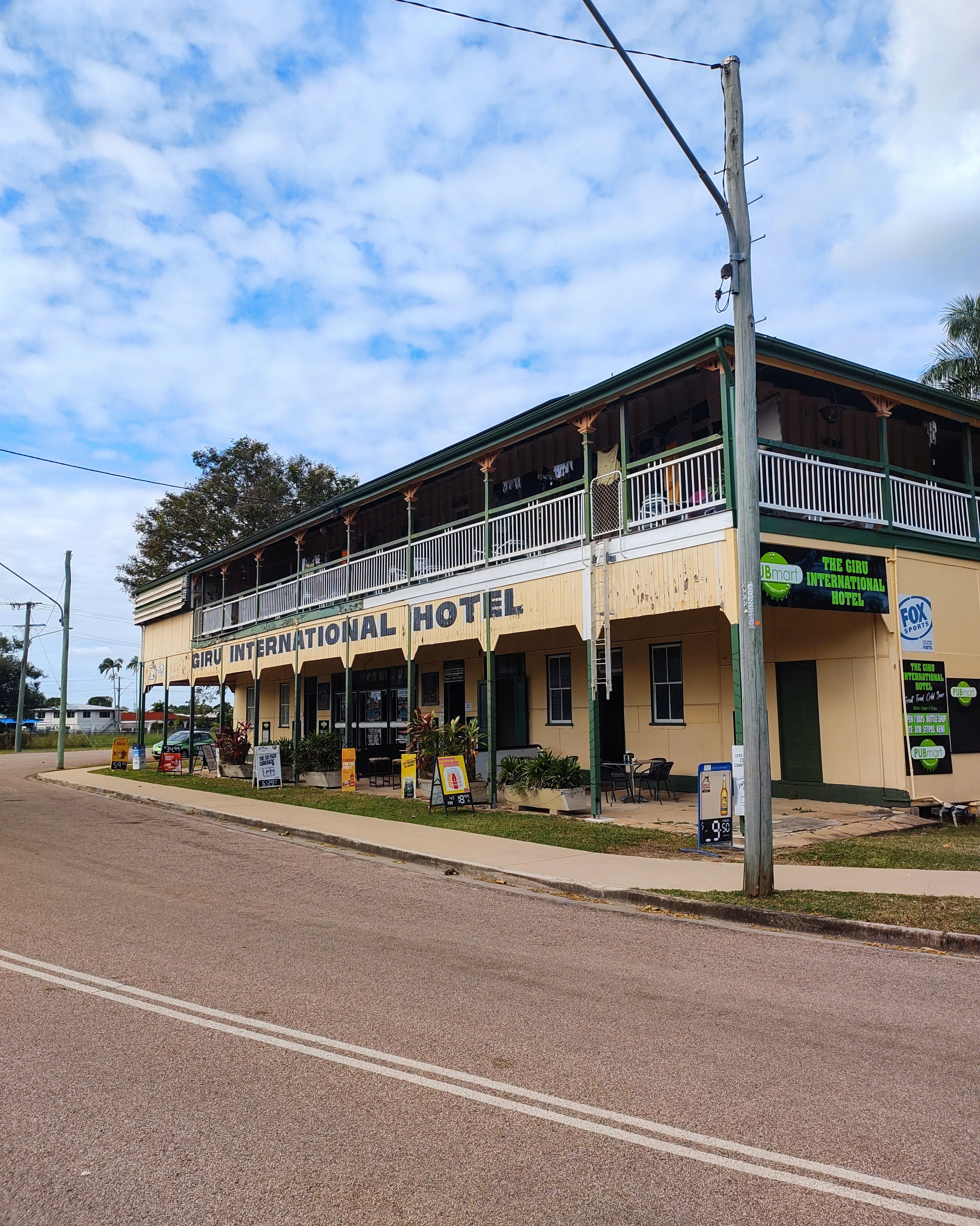
Giru is one of The Burdekin’s major cane farming communities. Despite the town’s tiny population of less than 400 people, and its semi-remote proximity to anything, Giru is home to Australia’s largest sugar mill, and provides more than 2000 jobs each year. The Burdekin is home to four sugar mills in total.

Driving up a dark road on a Saturday night, seemingly to nowhere but cane fields, you reach the sign for the Stardust Drive-In Movie Theatre pointing up a long driveway. A little old ticket booth covered in fairy lights stands half way up and a man sticks his head out and trades you a paper admission stub in exchange for cash. You drive on and the big screen appears before you, on a backdrop of cane fields and endless night sky. Posts stick out of the ground in rows, each with a little old-fashioned speaker attached, playing 1950s music. You can reverse your ute up next to one of these speakers and cosy up with the family in the tray, or you can tune your radio to 95.1 and watch the movie inside your car. You pull up in your spot and head out to the café for burgers, hotdogs, popcorn and choc tops. The café is painted with bright murals and decorated with all manner of vintage things and movie themes. More twinkling lights line the fairy garden and mini golf course, all centred around a big old Gum Tree. The movie begins with local adverts from years gone by, and the stars in the Milky Way above shine as bright as the movie stars.

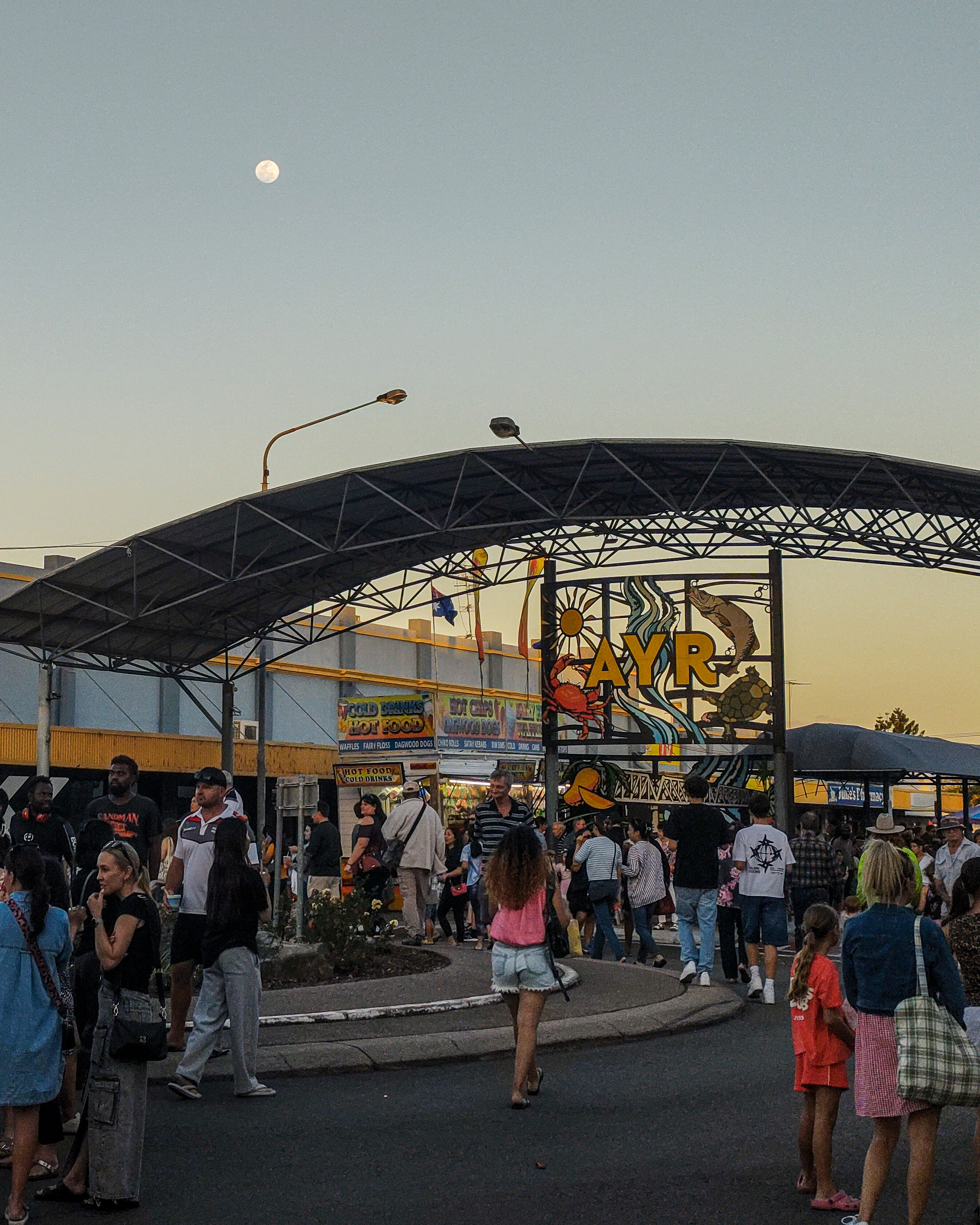
We’re well into June; the heart of winter, (29°c) and the region has a public holiday for the Burdekin Show. Now, I am expecting some significant cultural festival to warrant a public holiday for everyone, and instead I am baffled! Giant trailers travel from show to show, with target practice games where you can win an enormous plushie hanging from the ceiling, or fishing for rubber ducks, or selling candy floss and Dagwood dogs, or playing loud sound clips from Michael Jackson’s Thriller to entice you onto the fold up ride that looks like it might fall over! These funfairs are reminiscent of 1980s teen horror movies, and as we stroll around, every single stall holder heckles us, trying to force us to play their game. These Shows happen all across the country, and apparently the goal is to get a Show Bag. Again, I imagine this to be a fun souvenir you get, either as a prize or on the entrance gate. I think it’s going to be a locally branded bag saying “Burdekin Show” filled with miscellaneous things relevant to the Burdekin, or at least branded specifically for the Show. I couldn’t be more wrong. These are more like gifts you buy from the Disney Store. More than half of the trailers here are simply selling Show Bags, thousands of them, with every fictional character you can think of. Some of them just have a school backpack in it with your favourite character on it, or a Frozen drink bottle, a Harry Potter replica Quidditch set, or a Simpsons lunchbox. And these Show Bags are around $50! I don’t mean to offend anyone who grew up with these fond memories, but it looks to me like gross, unnecessary consumerism and I don’t get it. A public holiday and a day off school to go to a dodgy funfair to get heckled and pay $50 for a bag of landfill? I need to get my introverted, non-thrill-seeking butt out of here!

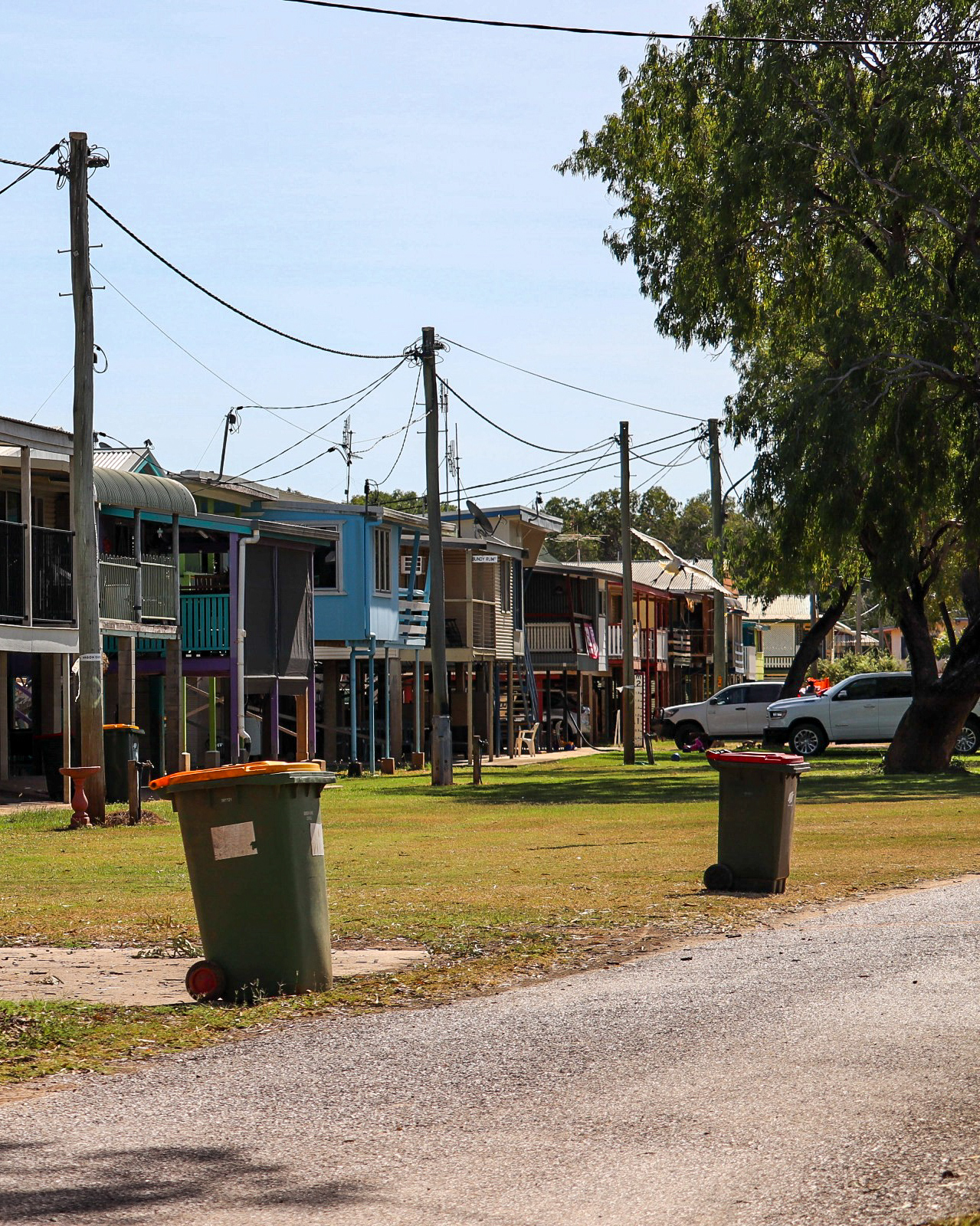
Groper Creek – The Burdekin’s tiny fishing settlement with colourful dwellings on very tall stilts due to its annual flood risk. Groper Creek is a popular camping and fishing destination for many North Queenslanders during the dry season. Just watch out for crocodiles!

Work is a struggle – each day is identical, from the timings and route of my round, to the customers I see and the items they buy, and even the things they say – if they speak at all. The same one-liners are made each day, as the same blokes buy their sixth Red Bull of the day just to try and feel something. No one laughs, as usual. I work alone on my smoko rounds, so other than that there’s no conversation. Even the radio plays the same thing every single day. I don’t know if it’s Tuesday, Thursday, May or October, it’s all the same.

The Burdekin Water Festival is an annual celebration of the region’s abundance of natural underground waterways, which is part of what makes the Burdekin ‘The Sugar Cane Capital of Australia.’ This festival was first held in 1958, which makes it one of Queensland’s longest running festivals. There are many ticketed events held throughout July and August; performances, dinners, etc, all fundraising in the lead up to the main celebration, The Grand Parade, which occurs in early September. Queen Street lights up with marching bands and carnival floats, followed by a ‘Mardi gras’ with lots of street food, local craft stalls, music, funfair rides, games and entertainment. The whole community comes out, and the town centre turns into a lively, bustling street party.

‘Summer’ approaches – the land is dry; scorched, the air is dusty. There is no respite from it, no countryside trails to clear your head. You don’t go outside for fresh air because it’s smoky; there’s ash falling from the sky, and the heat is relentless. It’s not the clean, fresh countryside like I am used to, it’s industrial, dirty, rugged and its beauty is dangerously striking in contrast. Between unimaginably vast stretches of private farmland, where you risk being shot for trespassing, and wild grasslands where you might collapse from sun stroke or be torn apart by dingoes, lie great, uninviting dirt yards with broken machinery or abandoned cars strewn about them. Even the river is inaccessible to those who don’t own high clearance 4X4s and boats. We’re in a time capsule; living out a Stephen King psycho-thriller, trapped in a snow globe filled with black cane trash, separated from the rest of the world, and nobody on the outside understands.

By November, the bushes and trees around town are covered in flowers, and the temperature is climbing rapidly. We start to see some rain showers and the odd thunderstorm as the wet season creeps up again. The sugar mills are on the home stretch as the harvest draws to an end, and soon the town will be very quiet again as the workers leave. Across the river in Home Hill, we sit under a tall eucalyptus in the park and watch a country music band warm up for the Harvest Festival. Behind us a twister funfair ride whirs, and the scent of a sausage sizzle lingers under the hot afternoon sun. The final grand parade of the year comes down the Bruce Highway that runs through Home Hill, showcasing the Burdekin’s businesses and sponsors, along with school debutantes and prom kings and queens. My favourite float is the person dressed as a prawn standing on the back of a Ute, and of course, it wouldn’t be a parade without a few old tractors and a Scottish marching band!

December brings bright glimmers of hope in the form of mangoes! The atmosphere all over town feels relieved; we’ve survived! The workers are finished for the year, most of them preparing to leave town; many businesses are getting ready to close for the wet season, and the mango trees all over The Burdekin are brimming with fruit. There are so many mangoes, not even the bats can get to them all! We manage to harvest some from the trees in our yard, and their sweetness is like nothing I’ve tasted from a supermarket. As the next season’s sugar cane begins to grow, closing in the town once again, Cane Beetles flood the place, like stone scarabs tacked to every wall and pavement. Our house is bare, as the removalists transport our belongings to our next destination, and there is nothing here now but the orange sun shining through the mottled glass windows, making rainbows all over the white tiles of what was once our living room.

If you enjoyed this blog, please share, & consider making a one-off donation to my ‘Buy Me A Coffee’ page, where you can also check out my art works inspired by my travels. Copy & paste the link below into your browser!

https://www.buymeacoffee.com/jaimiescapers

Thank you for reading! Here are some previous blogs you may have missed:

The Roof of Africa: Climbing Kilimanjaro

24–36 minutes

This blog is best viewed in Desktop format.

Mount Kilimanjaro (for the fact lovers):

  • LOCATION: Tanzania, Africa
  • ELEVATION: 5,895m
  • MOUNTAIN TYPE: Stratovolcano
  • VOLCANIC ACTIVITY: Dormant
  • AGE: 3 million years
  • LAST ERUPTION: 150,000 – 200,000 years ago
  • VOLCANIC CONES: Shira, Kibo, Mawenzi
  • SUMMIT: Uhuru Peak (Kibo Cone)
  • FIRST ASCENT: 6 October 1889 by Hans Meyer & Ludwig Purtscheller

Welcome to Tanzania

It was the evening of my Birthday, and the plane touched down blowing brown dust clouds around Kilimanjaro International Airport. Stepping off the plane onto the tarmac, I followed my group across the runway, through the doors into the little airport.

It had been a busy year, training and fundraising for my local charity, The Hampshire & Isle of Wight Air Ambulance, for which I was climbing Mount Kilimanjaro. The initial part of the challenge; the part I found most difficult (talking myself up, running public events, being ‘outgoing,’ persuading people to donate their money) was complete, and it was time for the part I was most excited about – climbing the mountain! I was part of a group of 23 British strangers, including the Air Ambulance representatives, Ian, Sophie and Tim the medic who were leading the event, but we had all become friends through months of training exercises and fundraising events. Now we’d finally arrived in Africa, and warmth greeted us beneath the night sky as we were transferred to our base at the Weru Weru River Lodge.

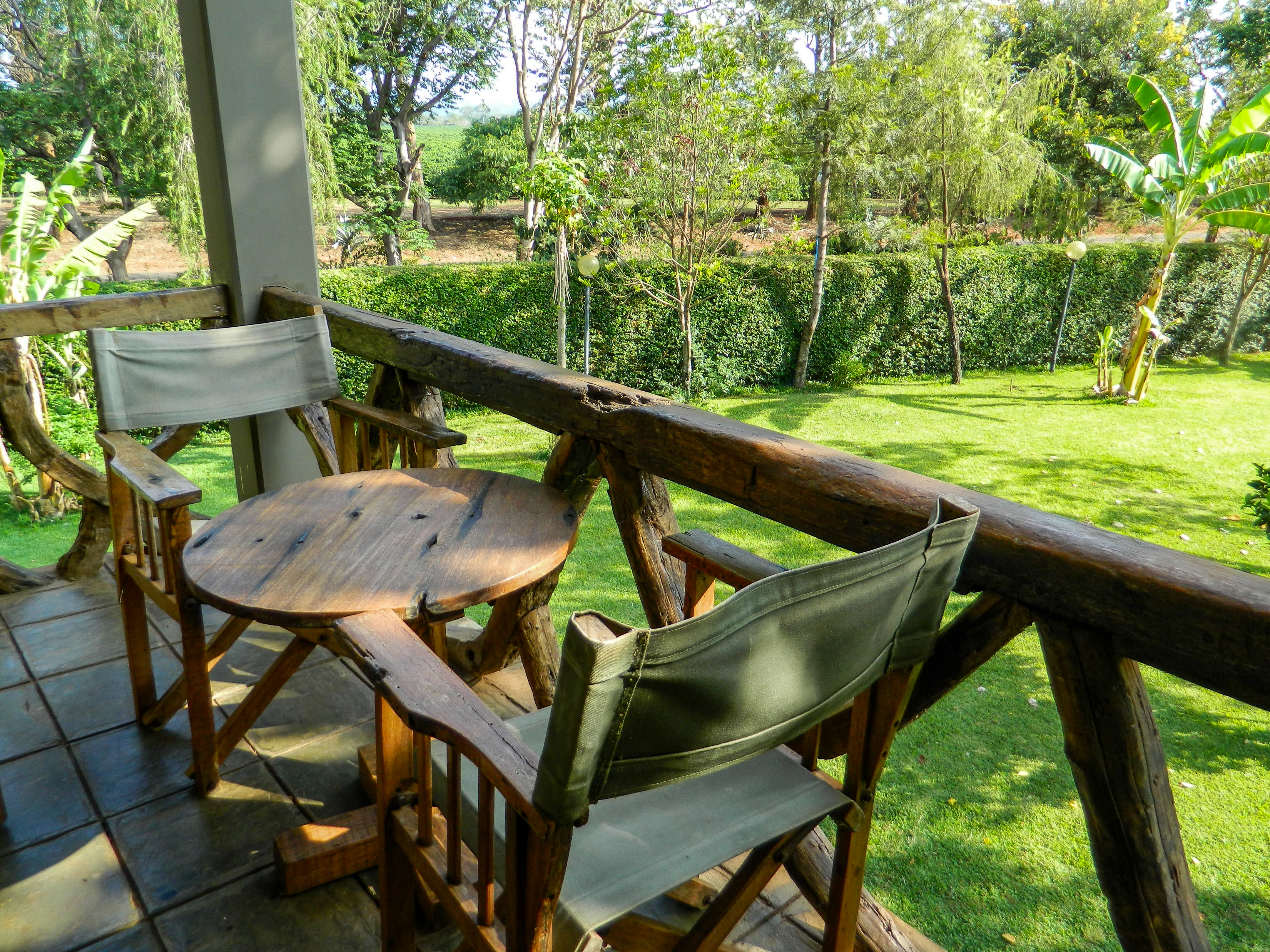
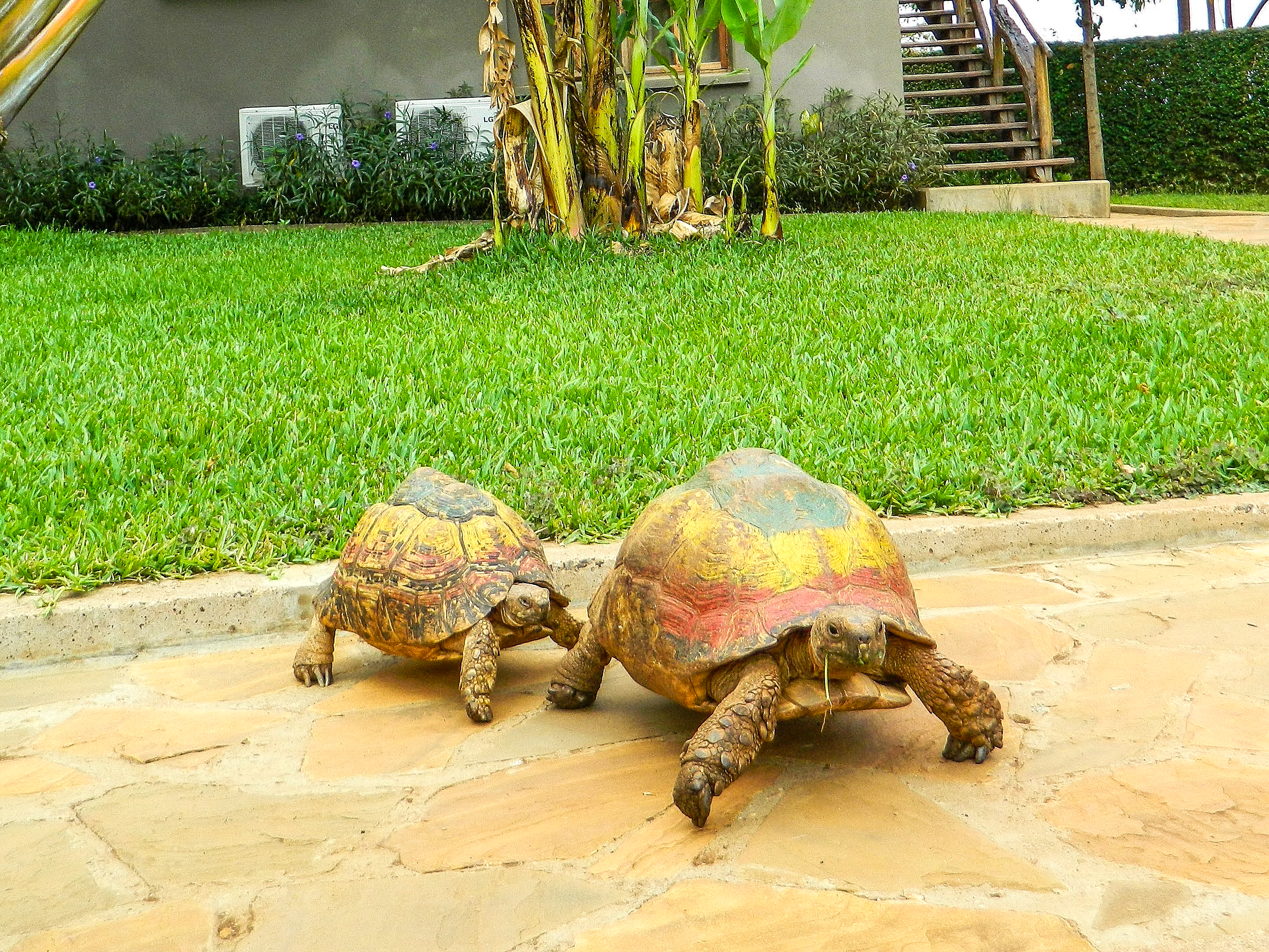
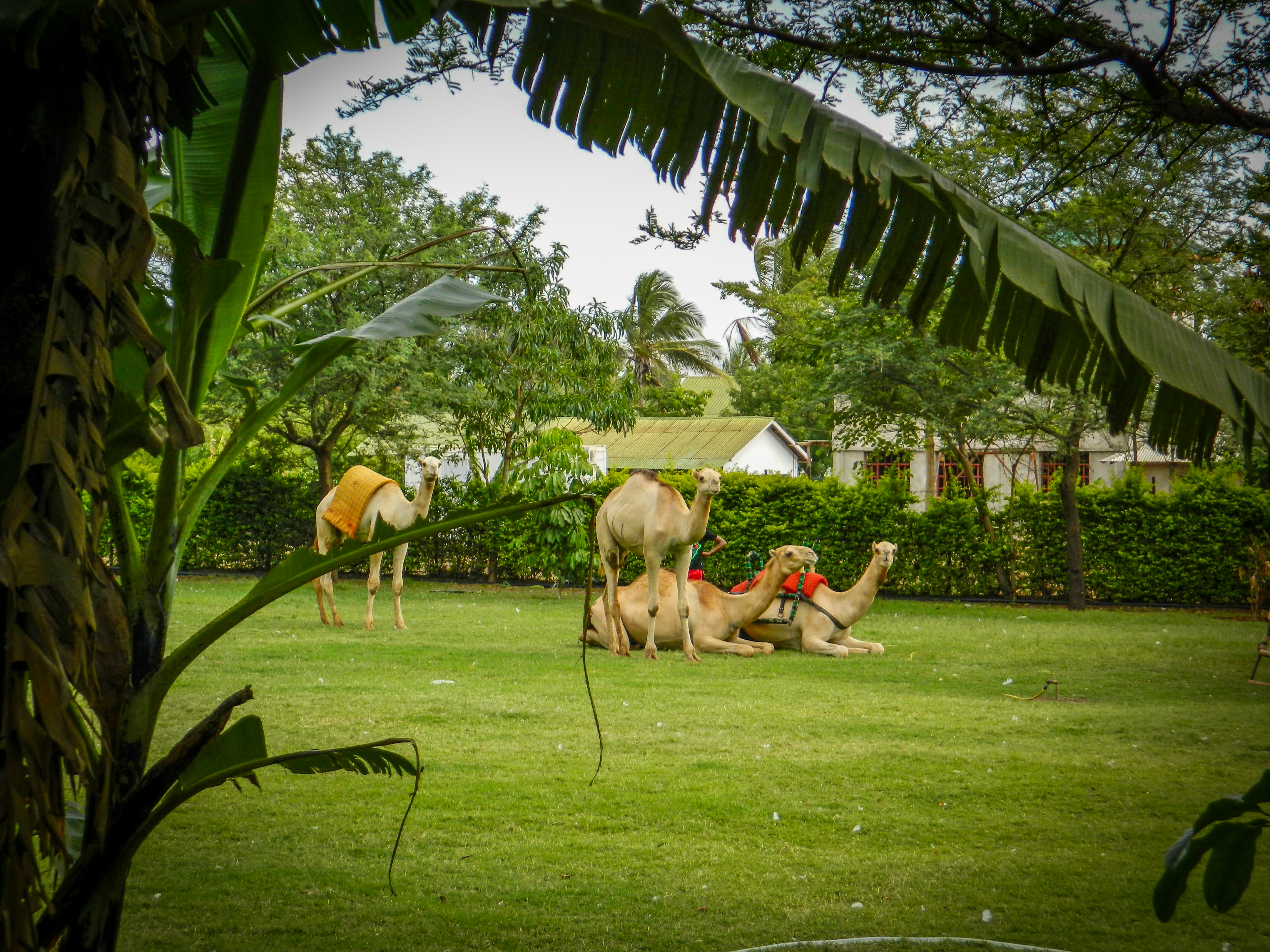
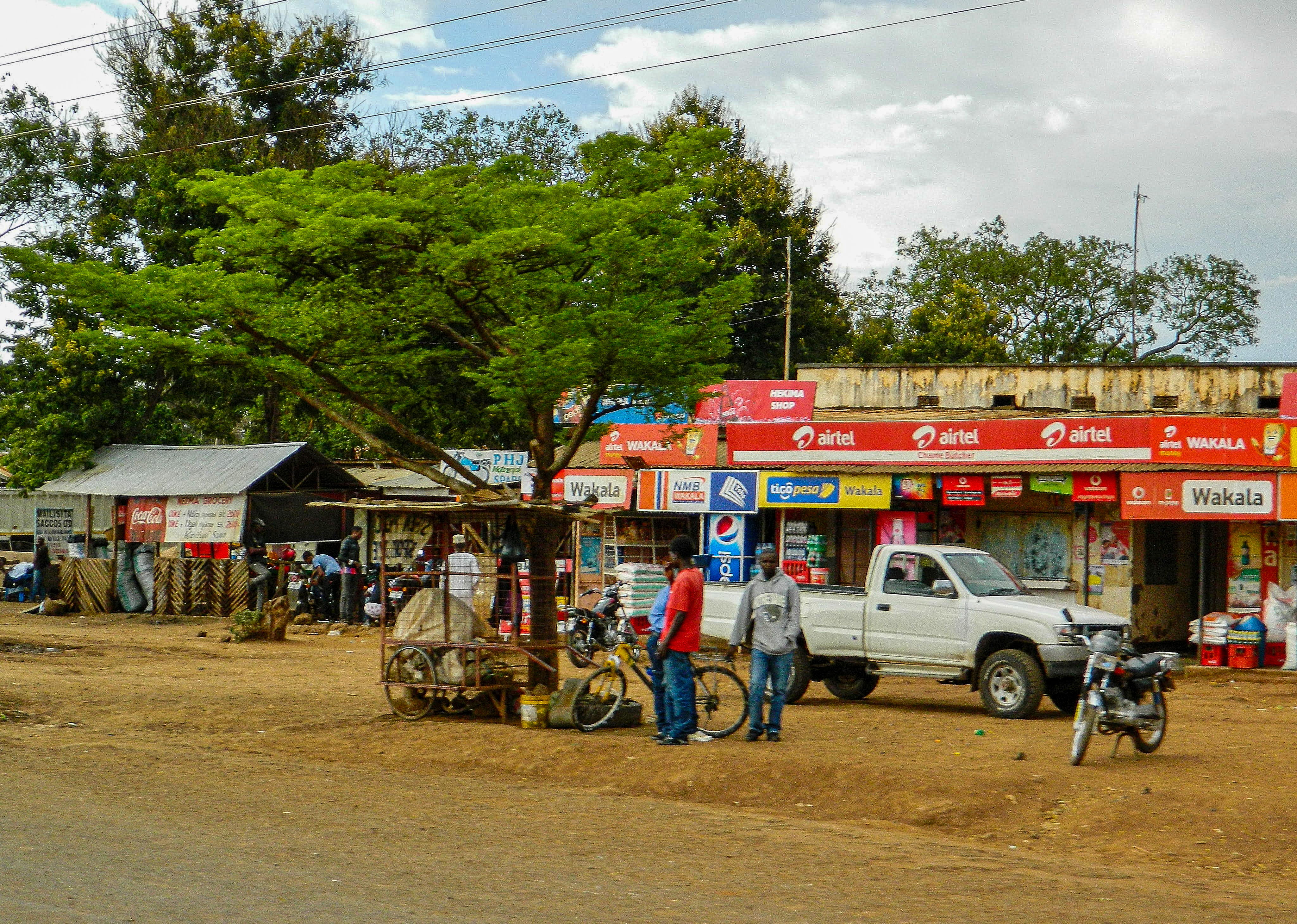
Corrugated iron shop fronts whirred past the windows, clustered between little trees on the roadside. Dogs sniffed around outside a petrol station, and people gathered on benches outside little bars, sharing a drink or evening meal. Bonfires were lit on sandy scrubland, as mopeds with 2 or 3 people on the back sped by, and occasionally a shape in the shadow turned out to be someone sitting on the verge sticking his thumb up as we drove by. The Weru Weru River Lodge was amazing – luxury I was not used to! They had resident tortoises and camels roaming about the grounds, and trees full of native birds. We were greeted by the staff with handshakes, and we enjoyed a local Kilimanjaro beer before turning in to our ensuite rooms with stylish wooden furniture and balconies overlooking the national park. A welcome bit of comfort before spending the next seven nights in a tent!

(Click on the photos to enlarge them.)

Prep Day

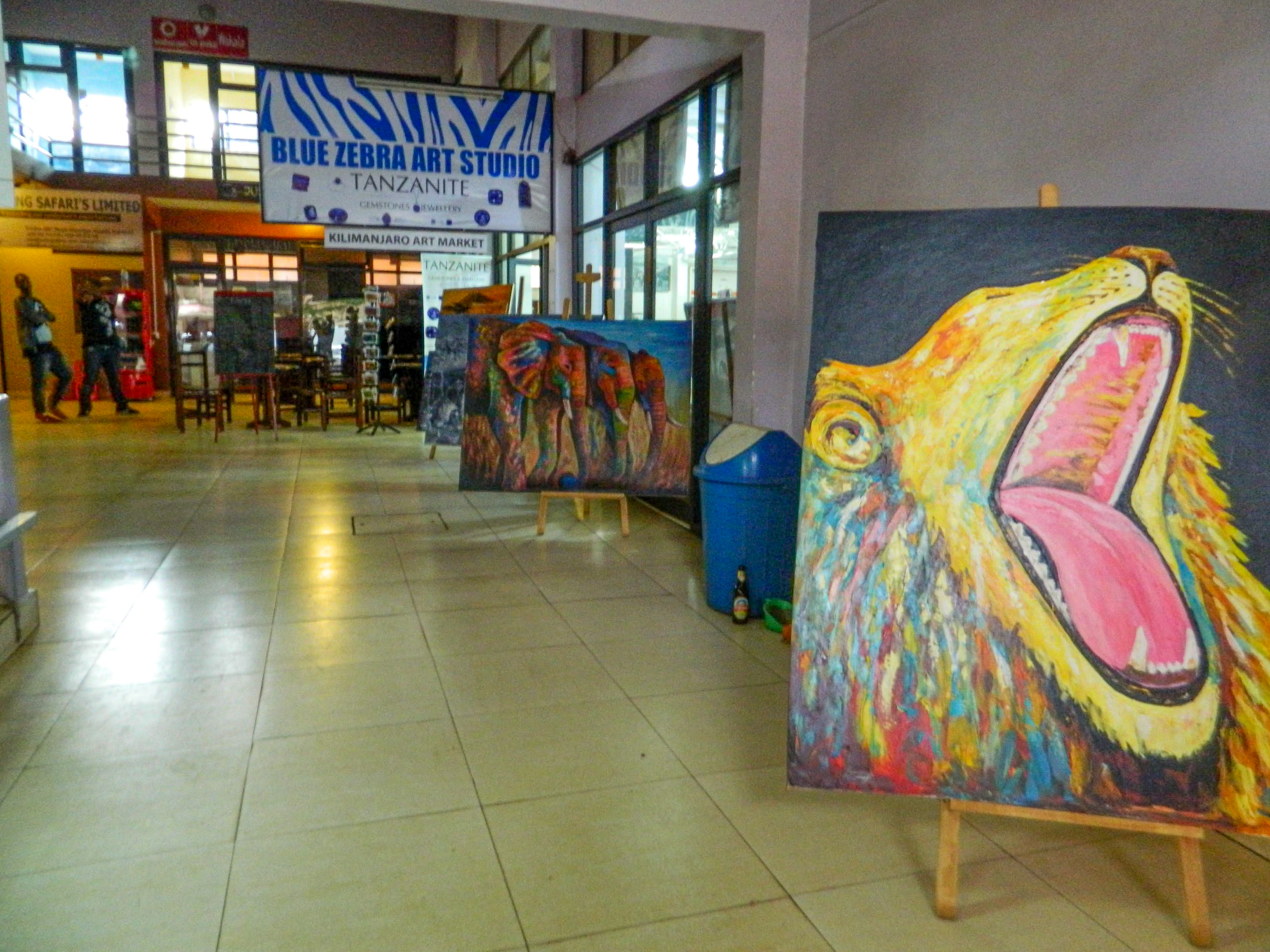
Anticipation running high, our group met with our head guide, Julio, an incredible Tanzanian man with a tonne of local experience, knowledge and wisdom. He briefed us with the itinerary, all the safety measures, and put some of our worries at ease, before individually inspecting each of our kit. Julio’s most important lesson was to ‘Respect The Mountain,’ because you can’t win when you argue with nature. Once we were all set, the guides took us into Moshi to look around a local arts market – to help take our minds off the impending Kilimanjaro challenge. There was a tremendous thunderstorm with torrential rain that tattooed the tin roof so loudly we couldn’t hear each other speak. The shop’s power went out in the storm, and we were introduced to some street vendors who were selling the classic Kilimanjaro safari hats, for which we bartered playfully while we waited for the storm to pass: “$8, come on sister!” (I wasn’t very good at bartering, but I got one for $6!)

Day One – “Polē Polē”

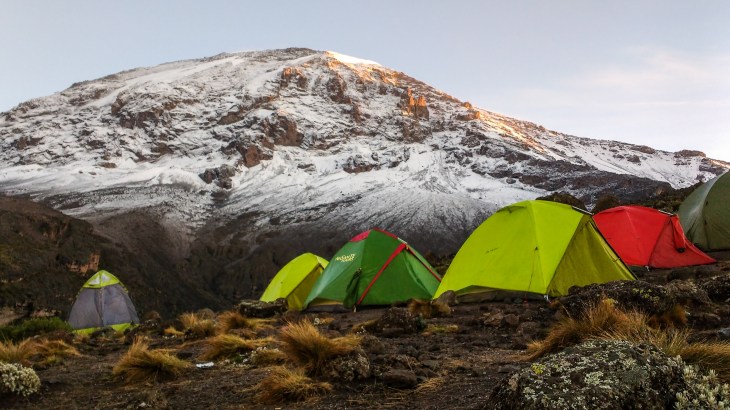
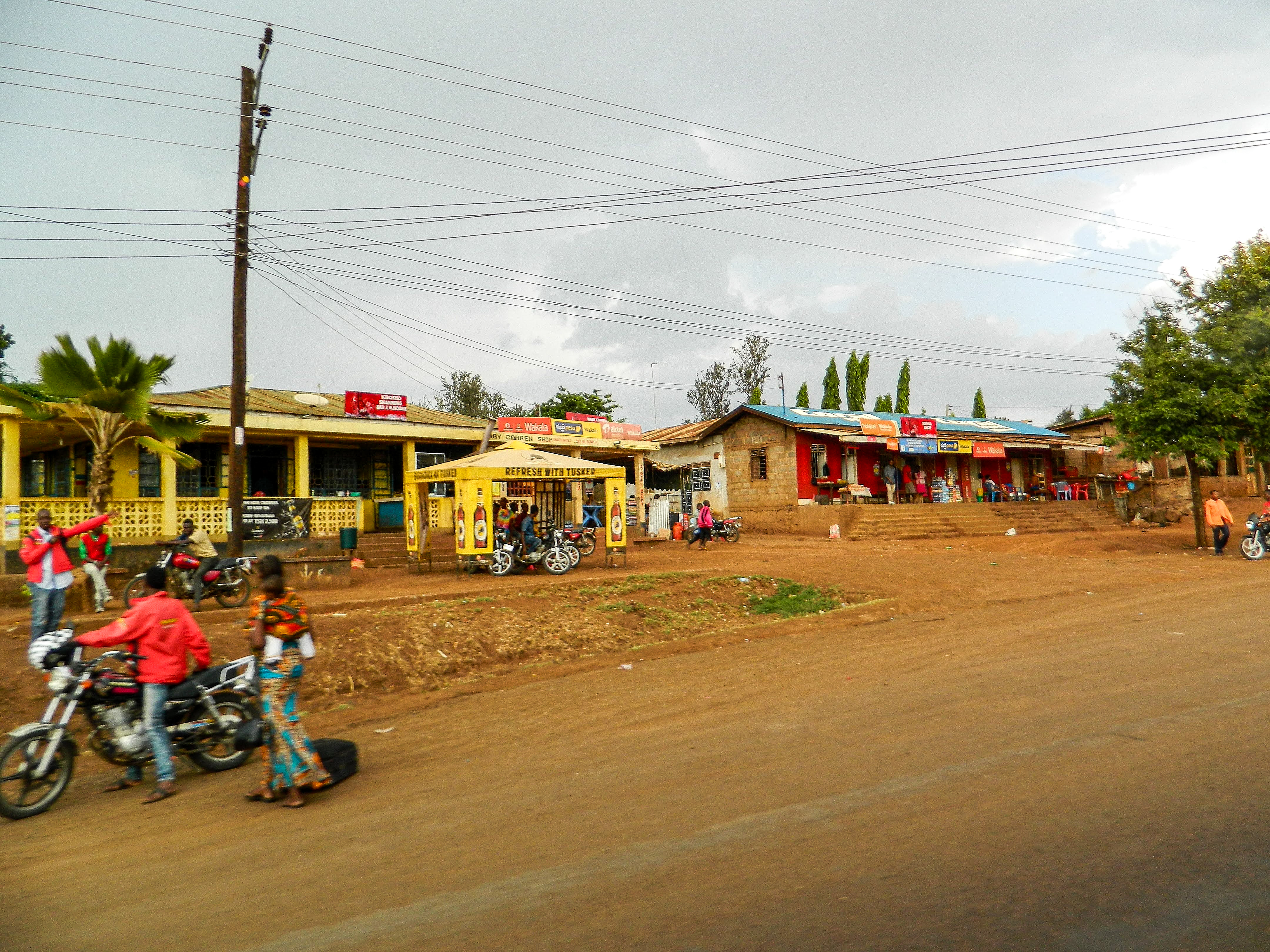
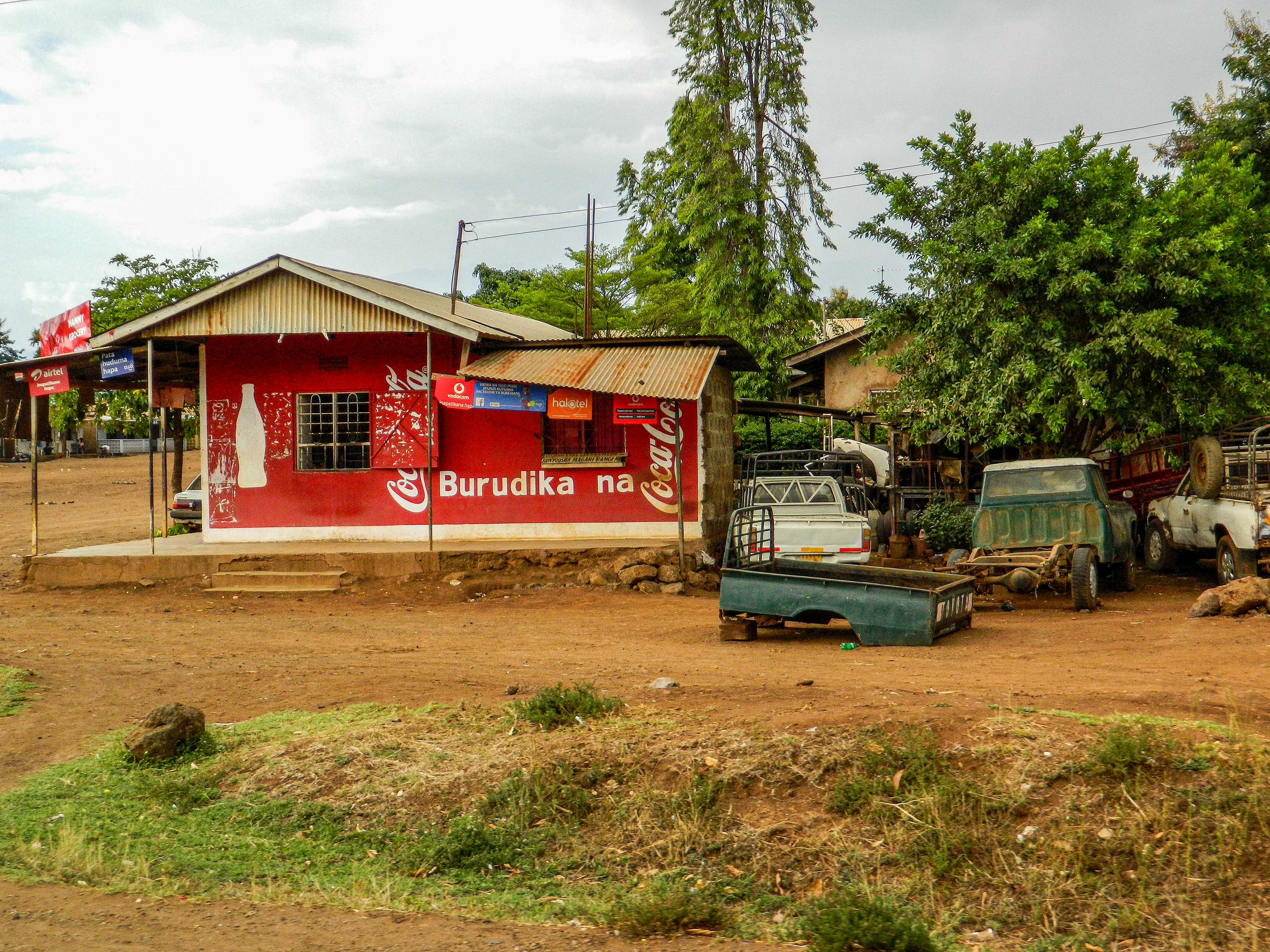
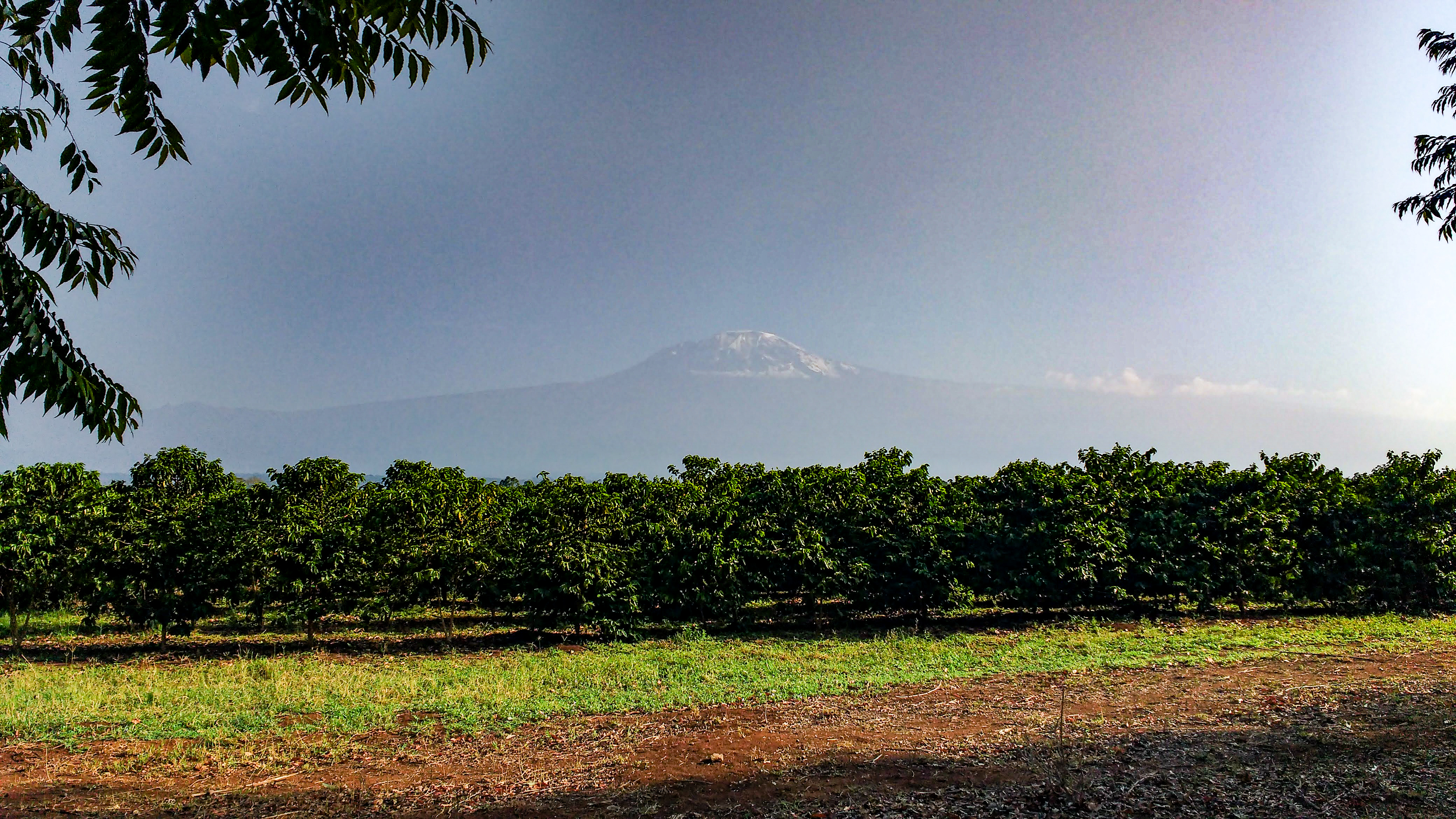
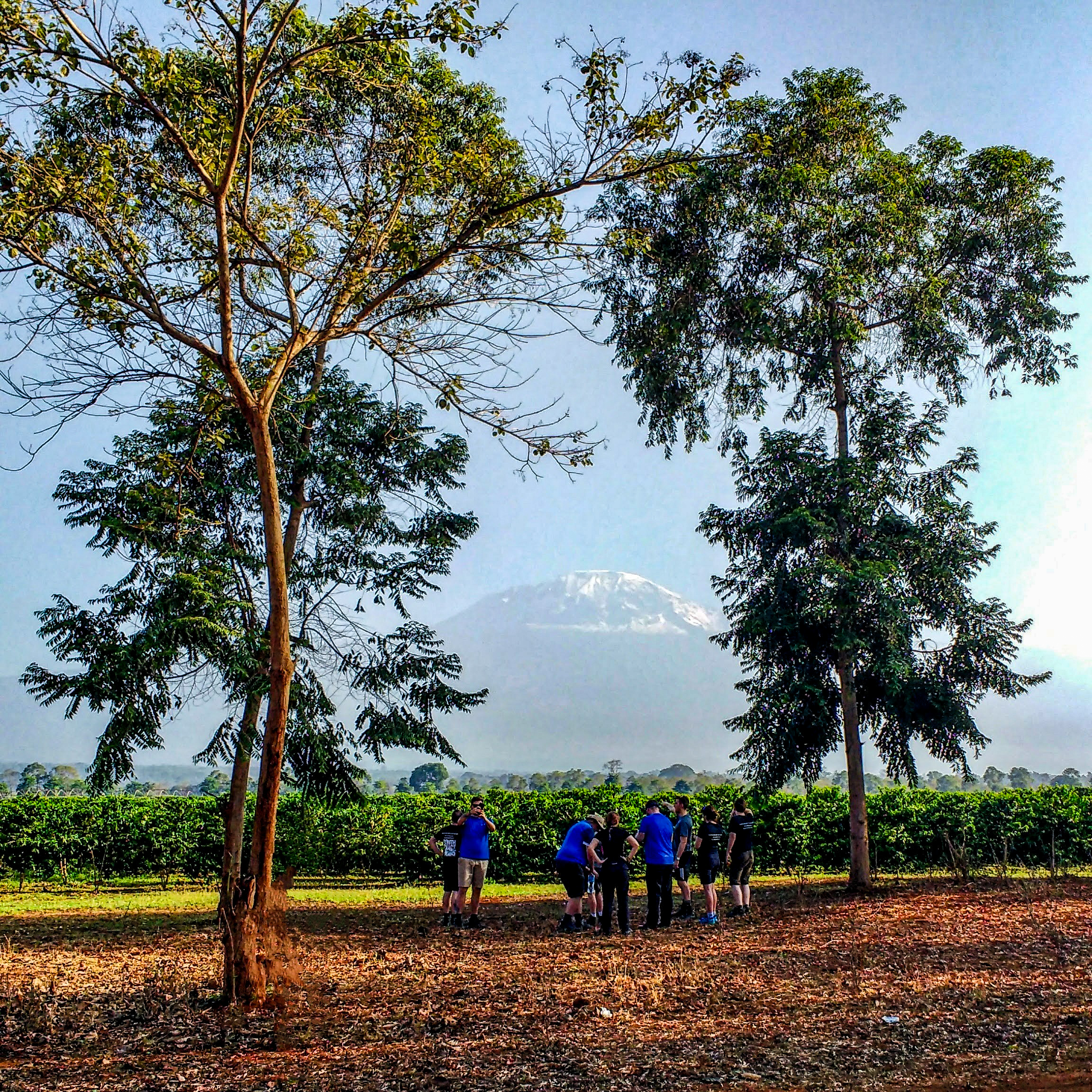
Mount Kilimanjaro made its first appearance in the morning, looming hazily over the coffee plantations surrounding the lodge. Its top was dipped in snow, bright against the blue sky. We were transferred from the lodge at 9am on a minibus, passing through bustling villages, where the locals smiled and waved, sometimes high fiving us through the bus’s open windows. Big yellow dogs lay asleep outside shops adorned with giant coca cola adverts, and workers strolled along the roadside with machetes and baskets of bananas balanced on their heads.

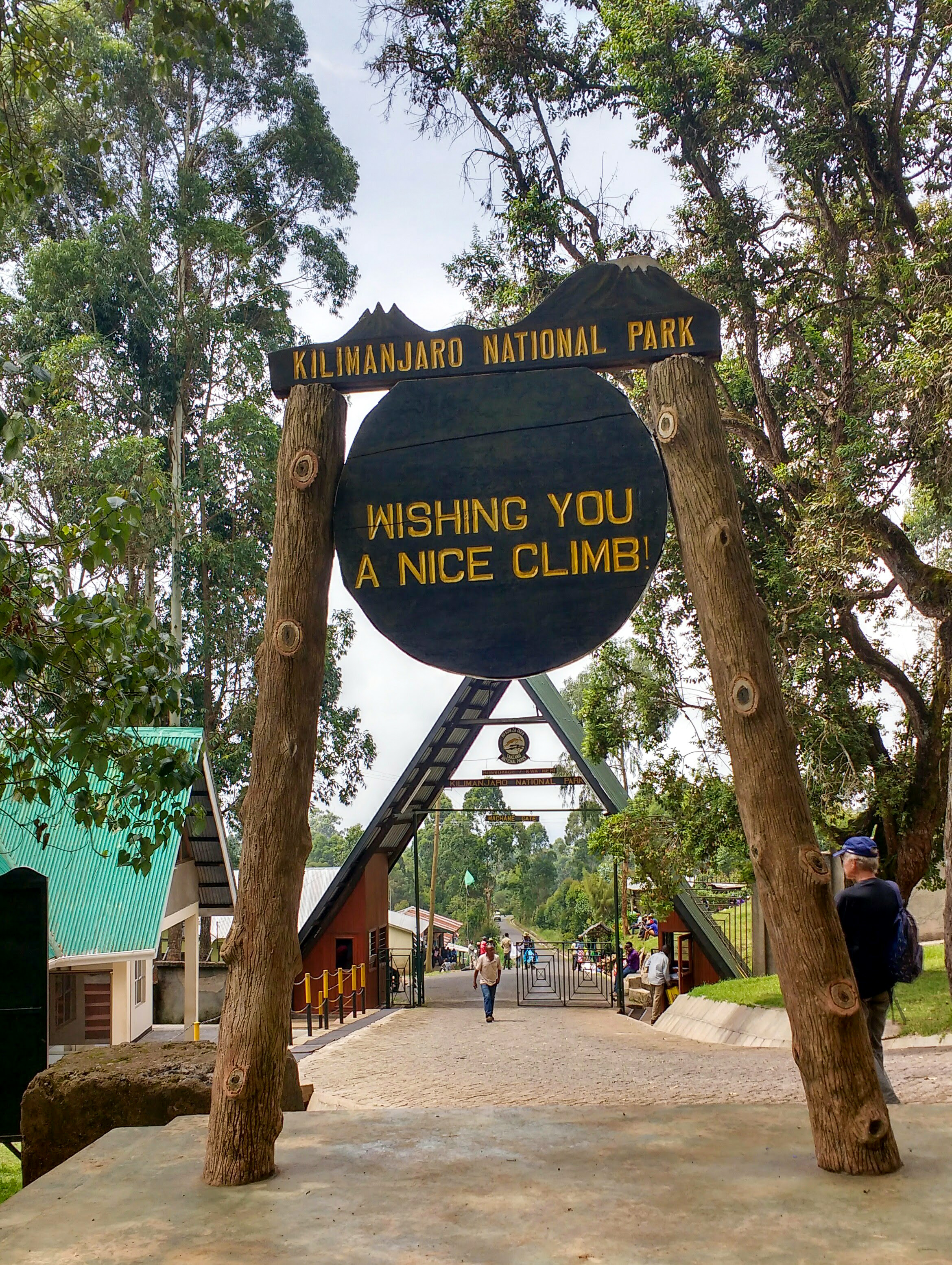
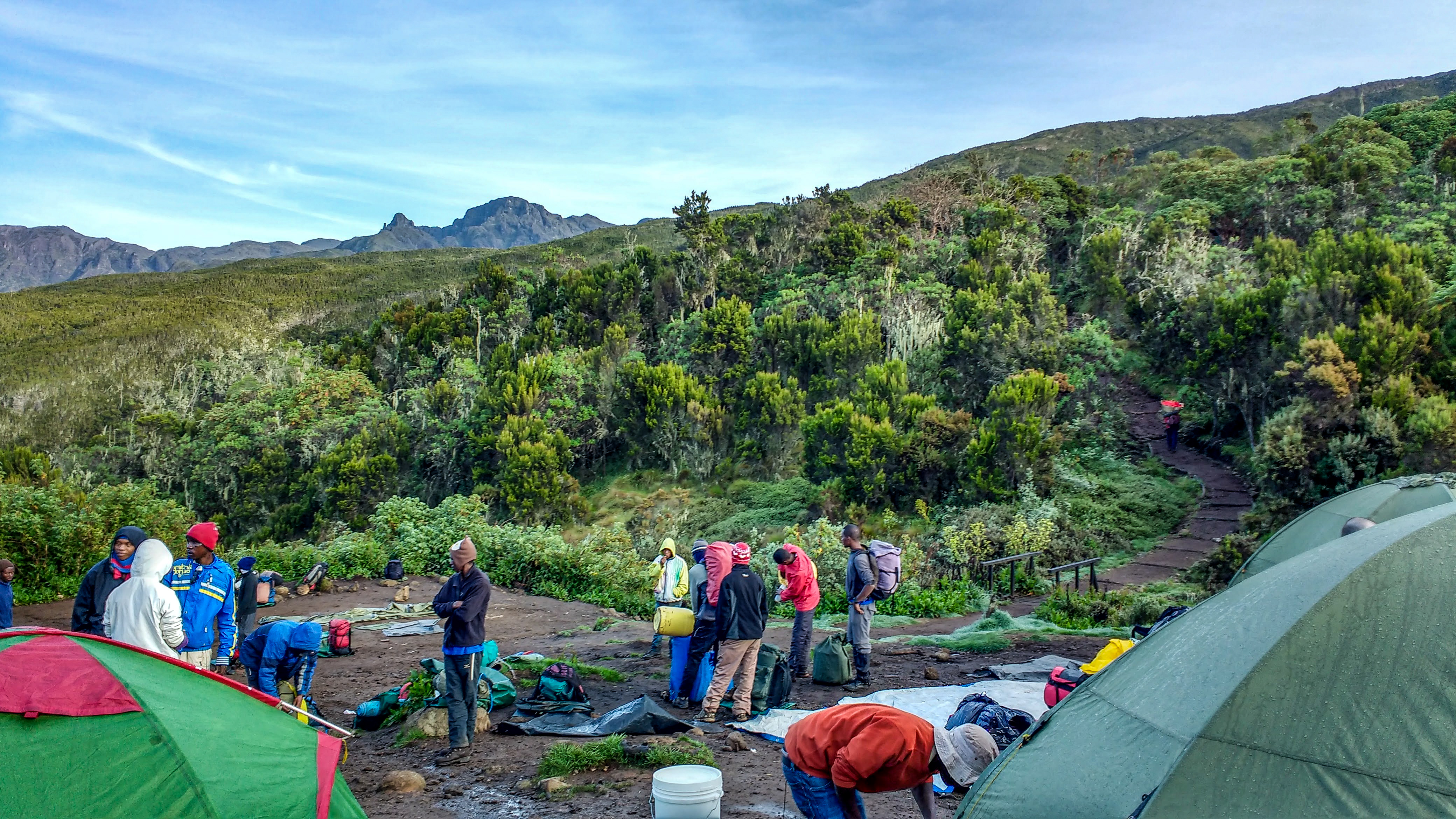
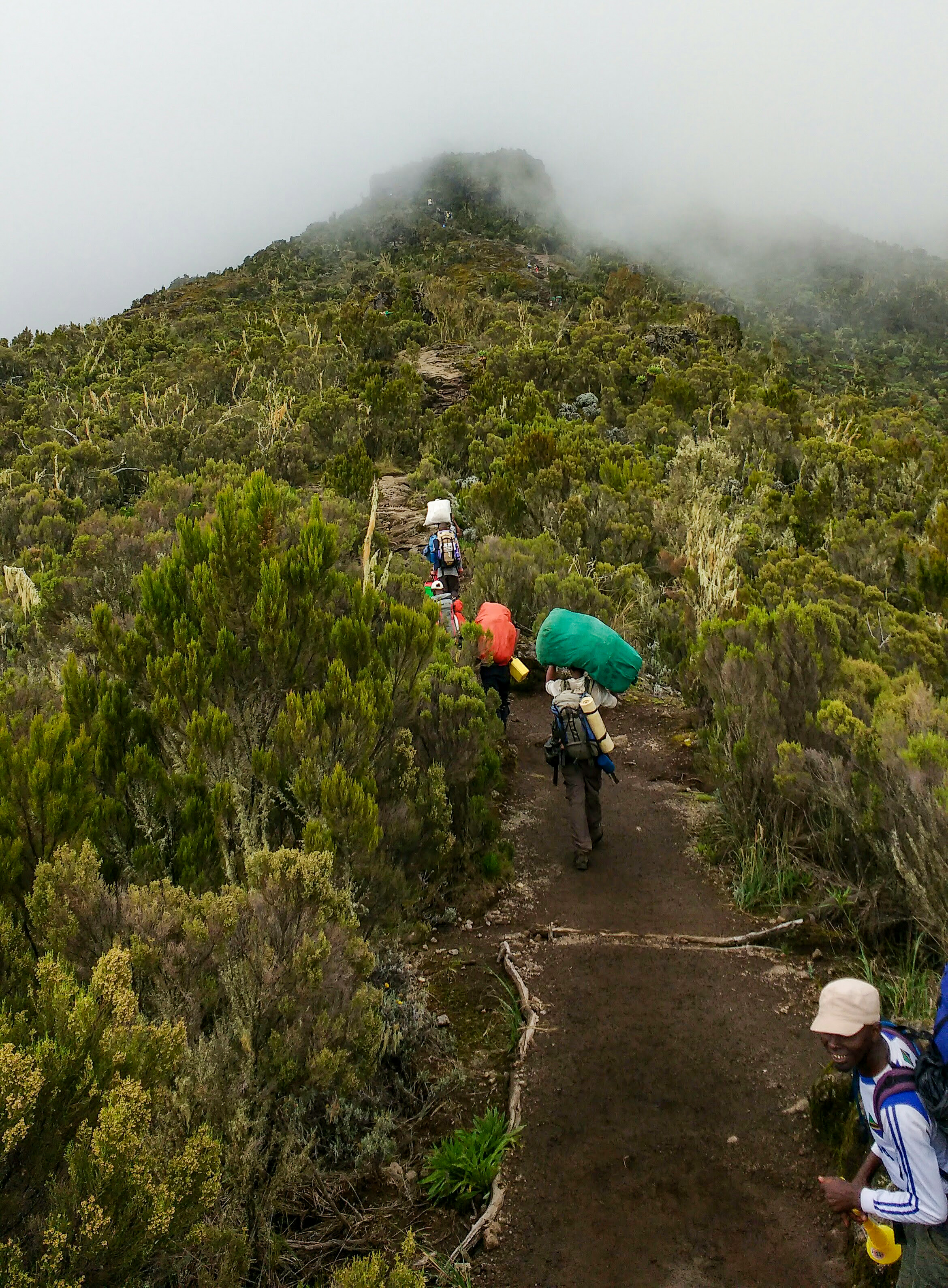
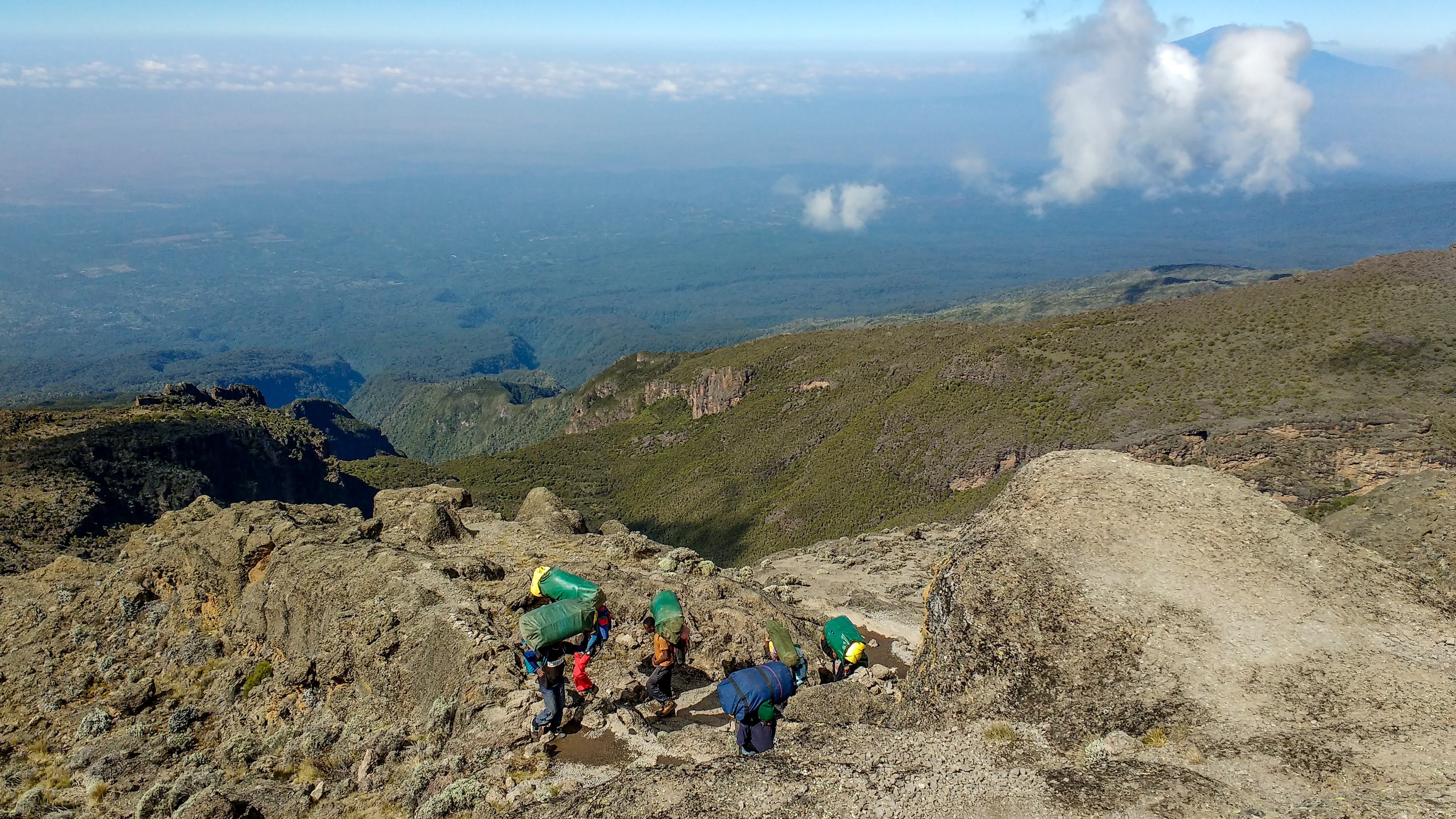
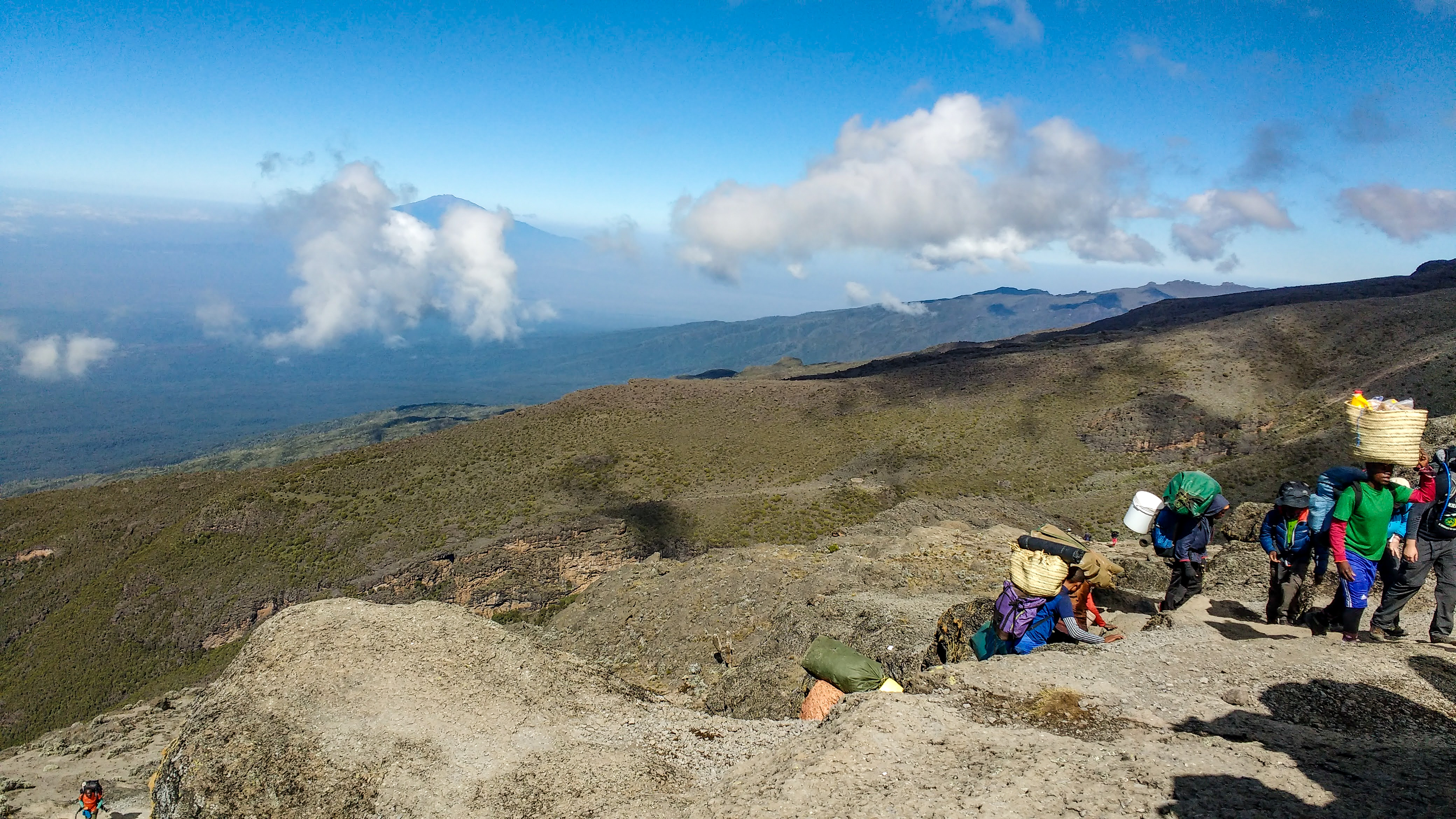
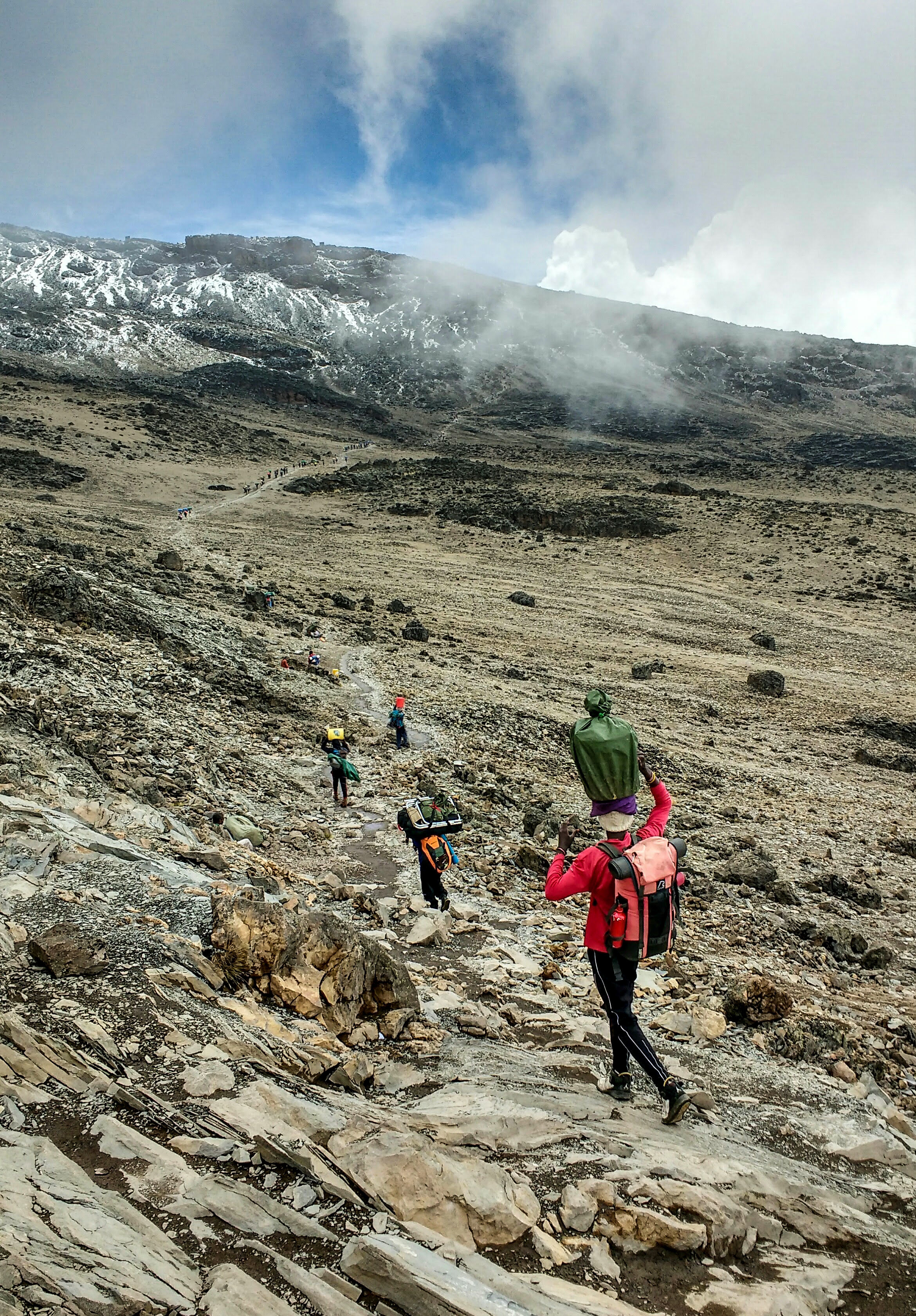
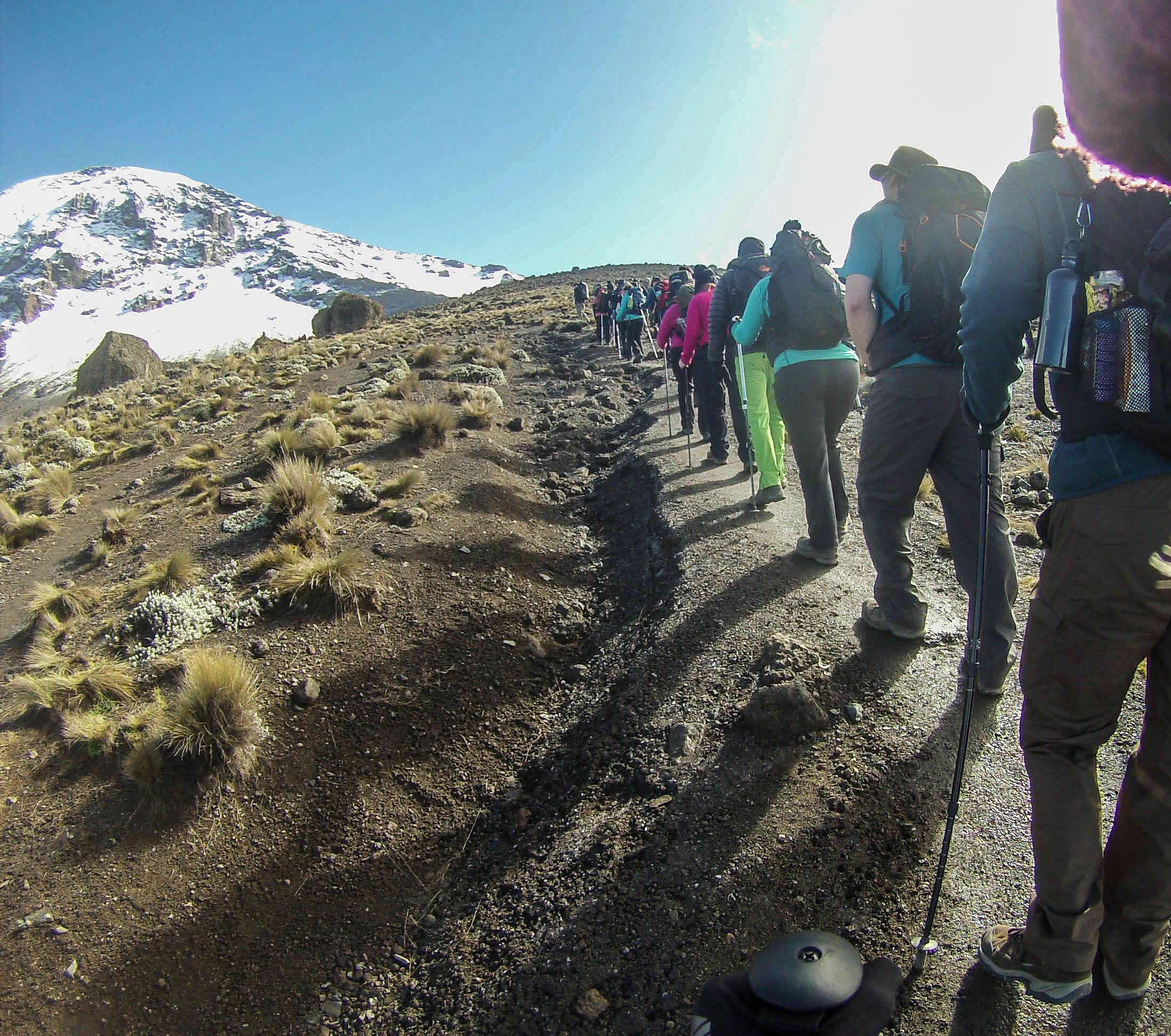
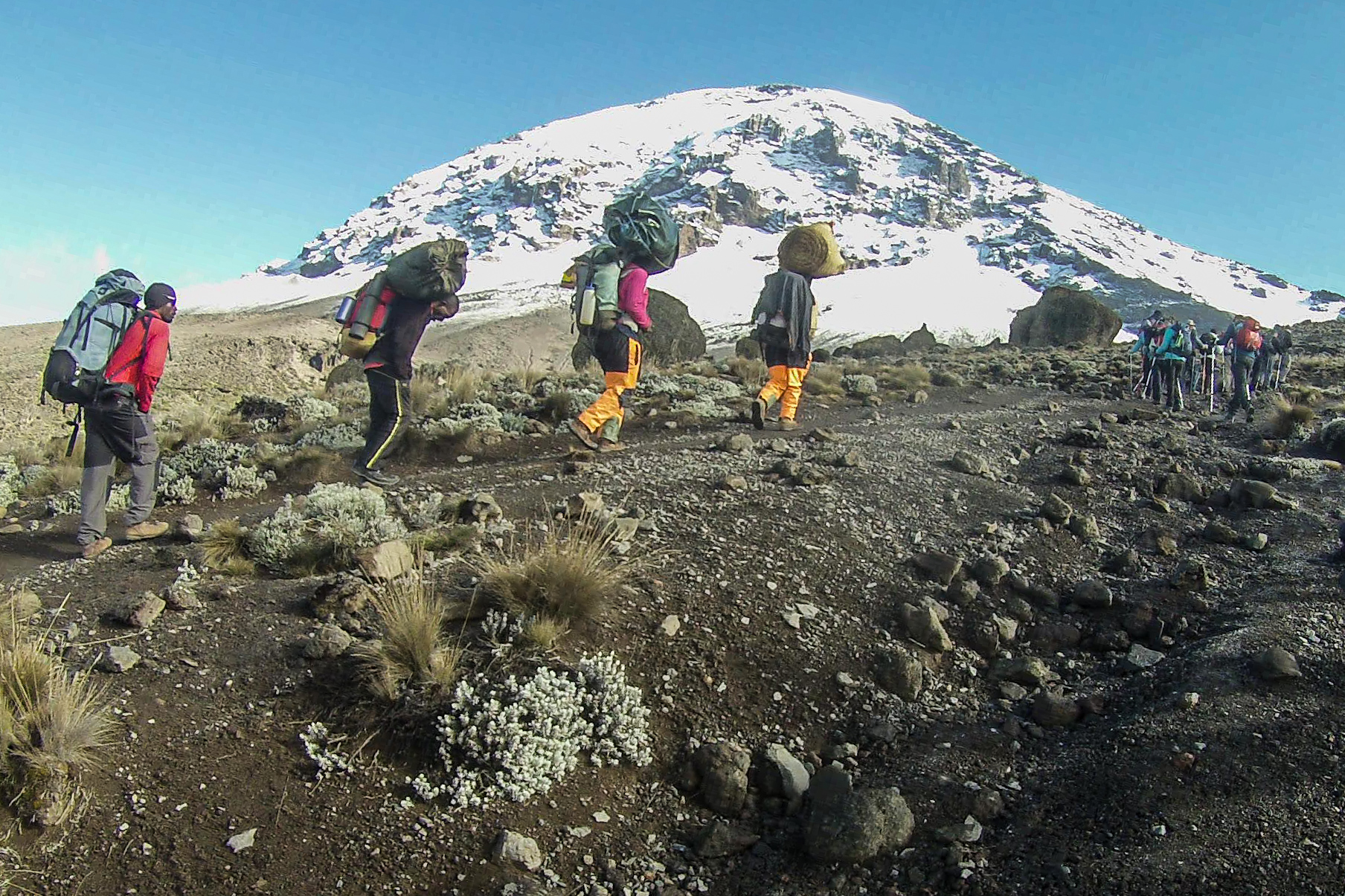
We piled out of the mini bus at Machame Gate – one of eight trailhead gates at the base of Kilimanjaro. After signing a register, we did some final kit checks and gathered with our team of local guides for a sort of pre-game huddle. Ian made sure to check in with everyone individually, despite his own nerves. Finally, we got the ‘go-ahead’, and we ceremoniously passed through the gates onto the mountain trail, the guides repeating “Polē Polē,” (Swahili for slowly slowly.) The pace felt too slow at this stage, but it was essential to acclimatise. Meanwhile, a huge team of porters – our ‘Rafiki’ (friends) – gathered all the luggage; tents, mess tents, food, kitchen equipment, chairs, tables, anything else you can think of, and carried the large packs over their heads while they traversed the mountain on foot, overtaking us at three times our speed! I found this a bit controversial at first, but the tour groups’ main priority is to have everyone back down the mountain in one piece, so they go to great lengths to look after you, so you can focus on completing your challenge safely. A tip for the porters was also included in the price of the excursion. We were extremely thankful for them!

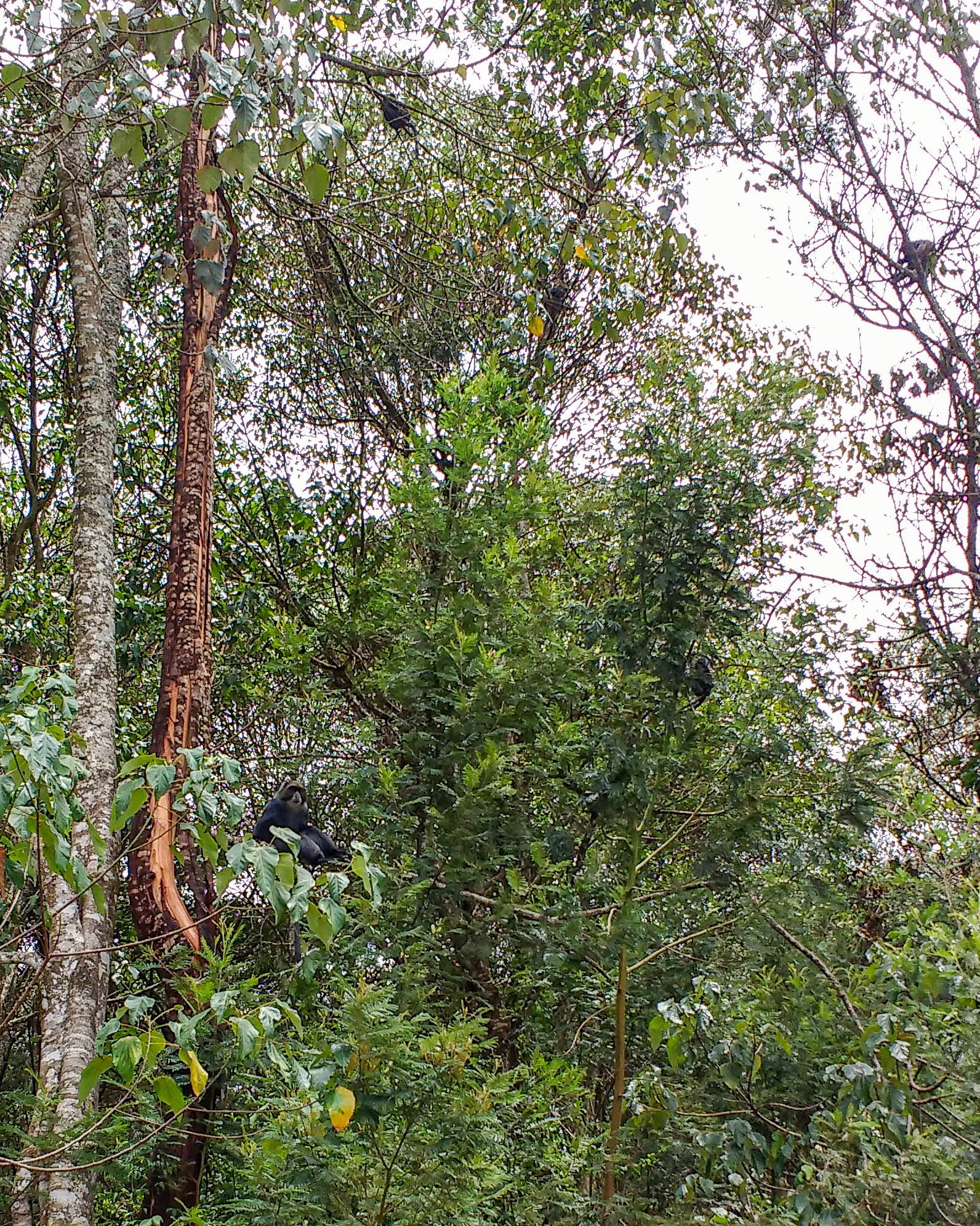
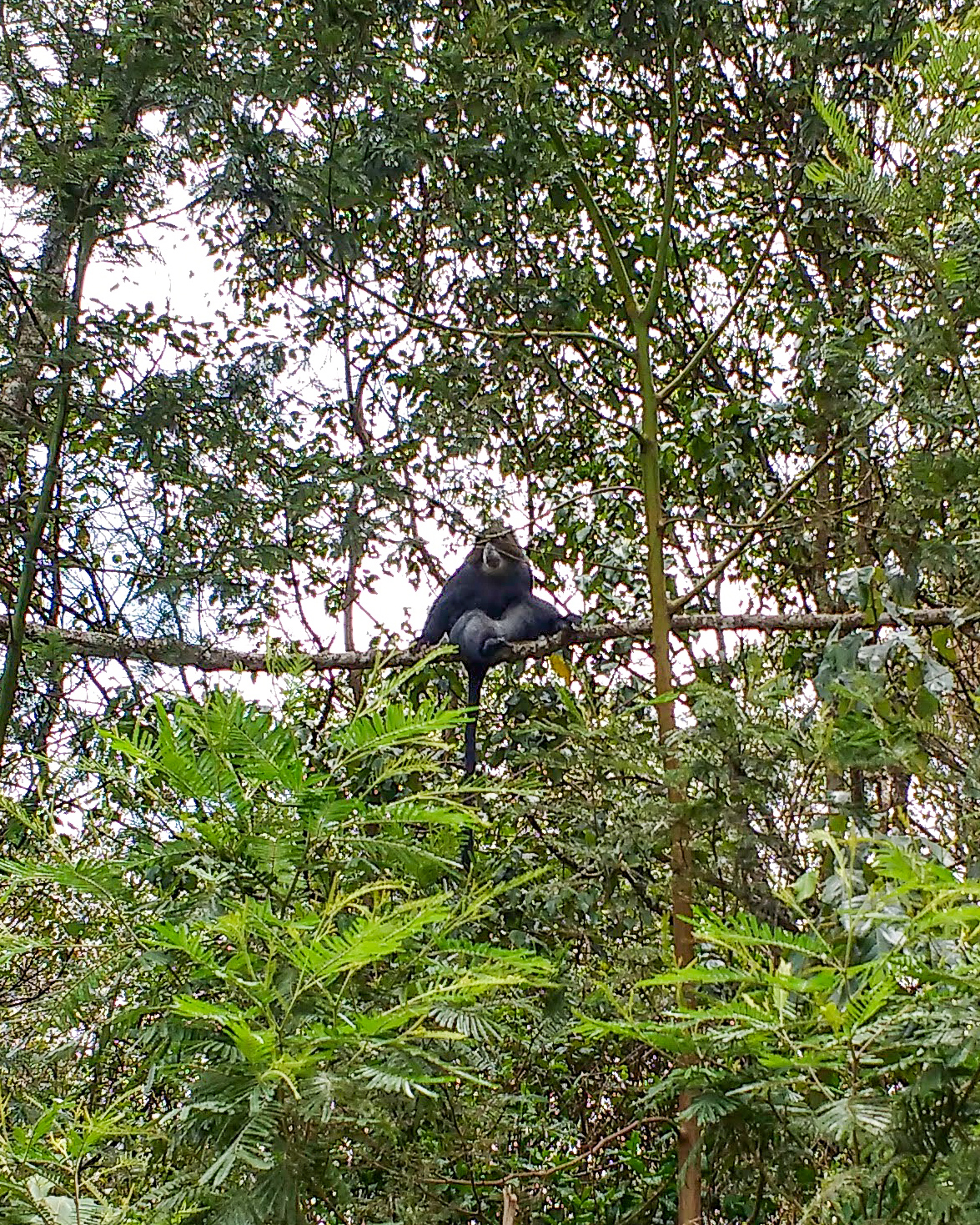
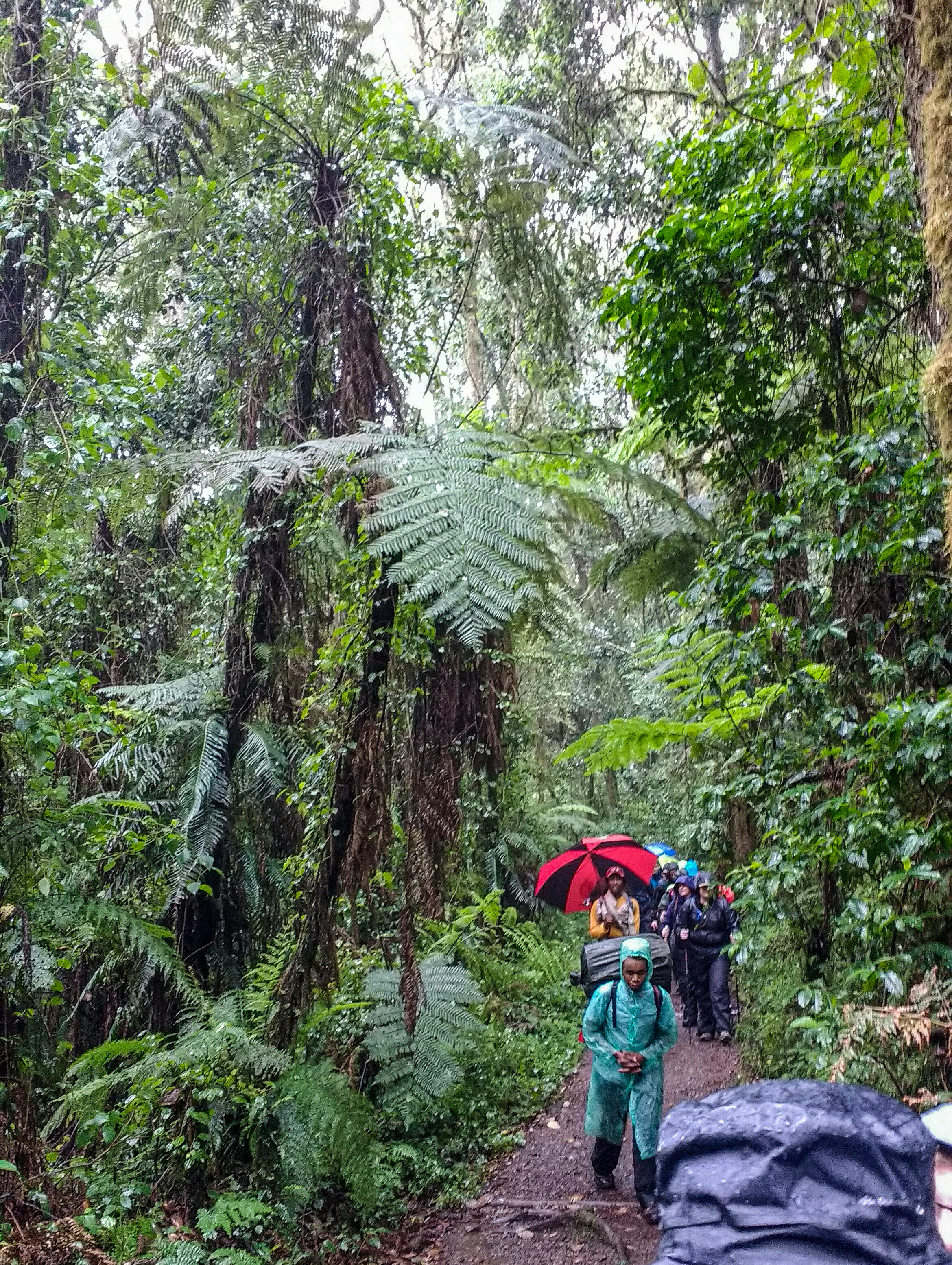
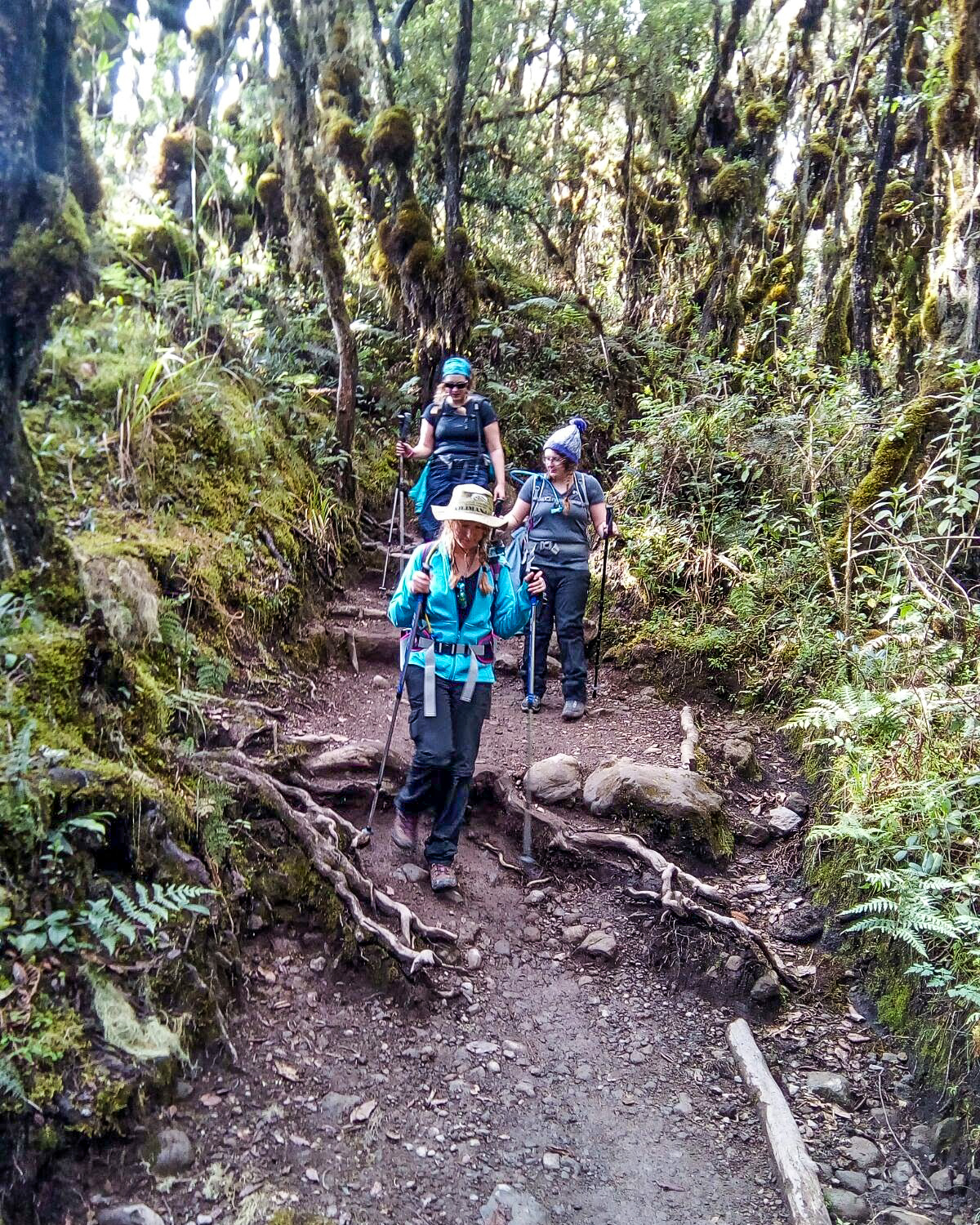
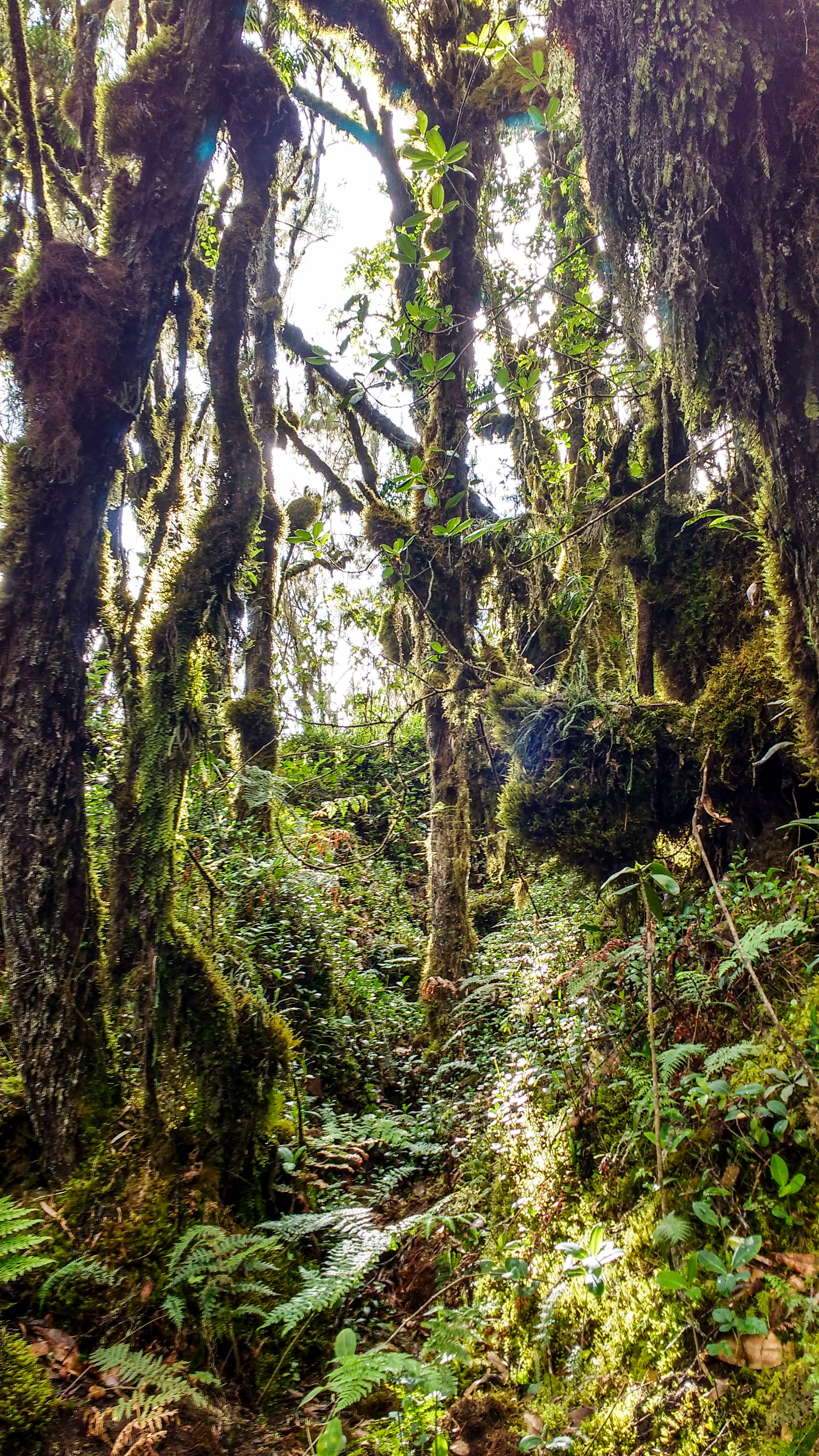
Blue Monkeys watched us curiously from the trees as we trekked into the cloud rainforest. Time was lost in the climb, as the forest grew taller and denser; the footpath becoming narrower. The first toilet stop wasn’t too traumatising – as you can imagine, the long drops get more horrendous the further you go up! After that, the heavens opened and we waterproofed up, walking to the serene soundtrack of the African rainforest.

(My mountain photos were taken on a 2015 Android phone… click to see them in their full pixelated glory!)

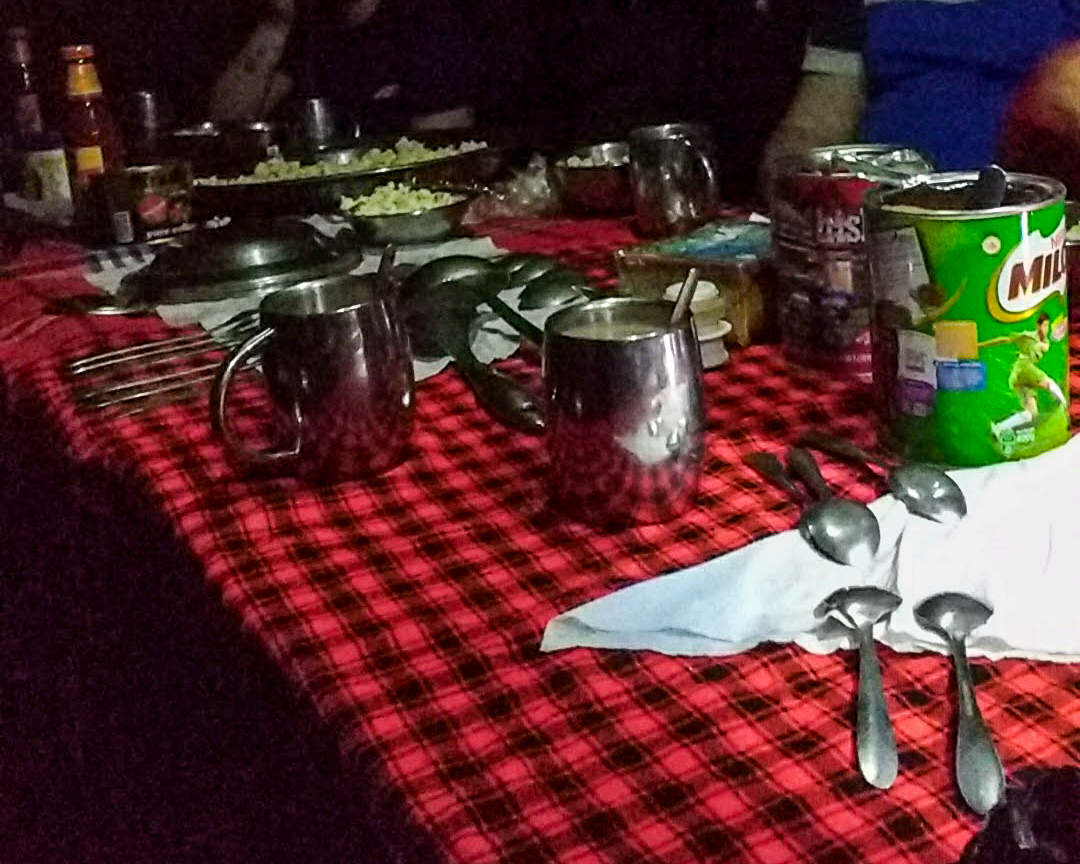
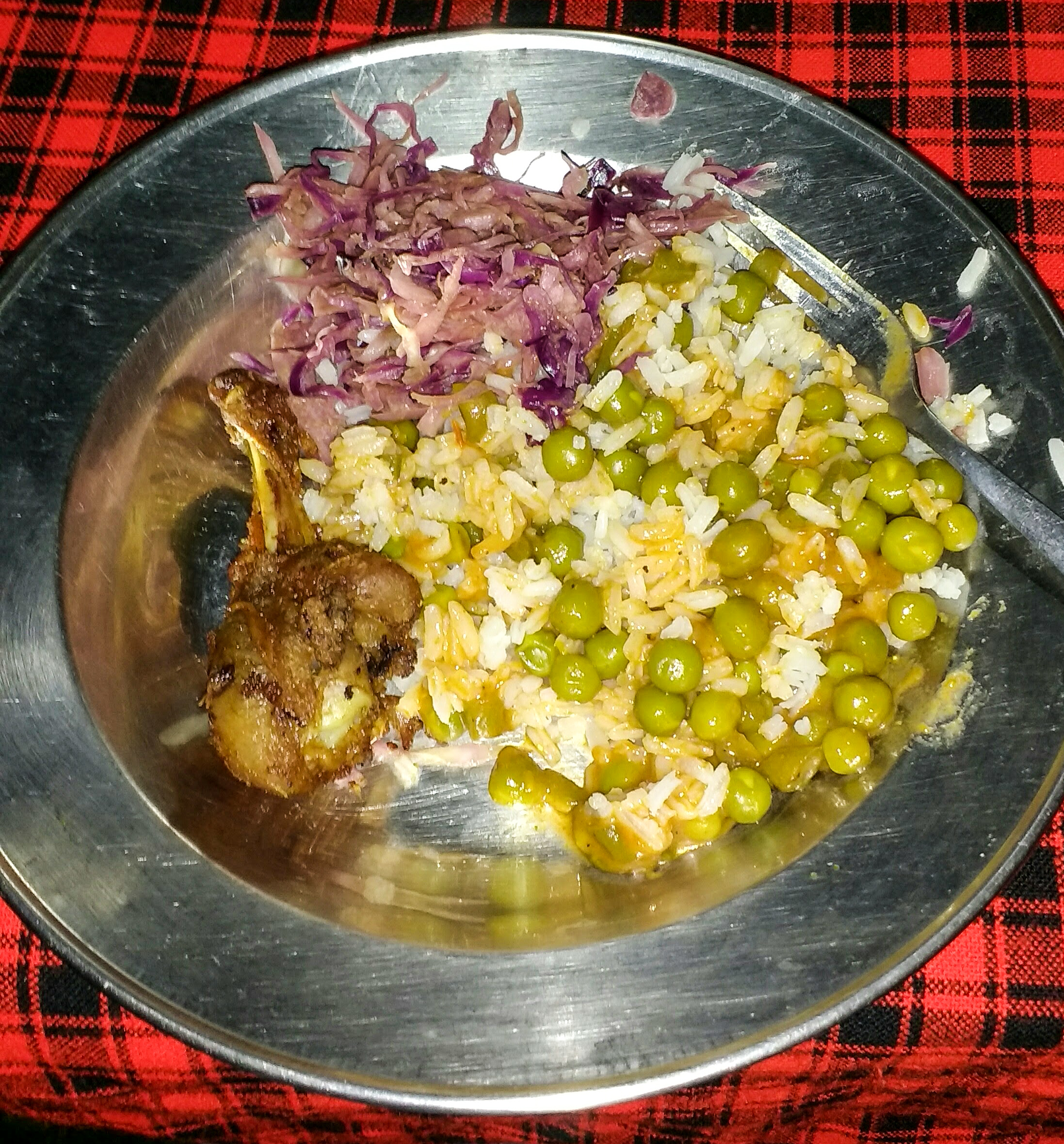
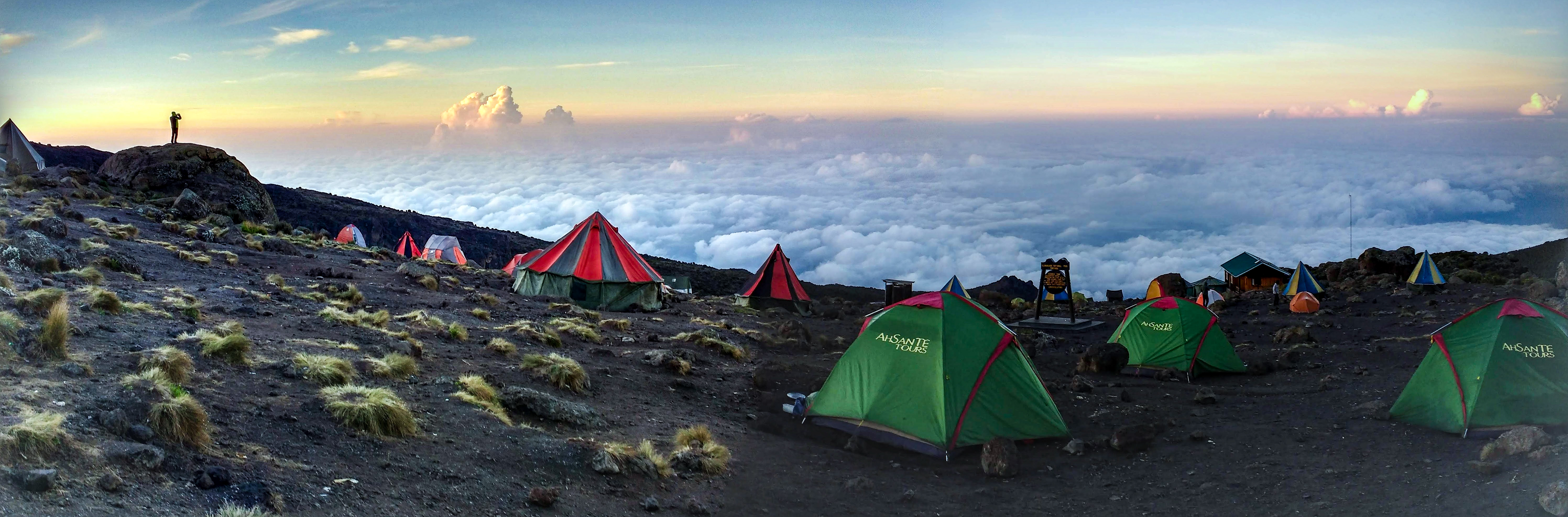
We had our first lunch stop perched on logs beneath the cloud forest canopy – miscellaneous deep fried things we couldn’t identify – regardless, it was quite tasty! Hiking up and up through the dense forest, to around 1,200m elevation, with glimpses of vast sky stretching over miles and miles of flat African plains between the trees, we finally broke out of the cloud forest and reached our first camp just before nightfall. The porters or ‘Rafiki’ had already built our fold-away settlement, and we were escorted to our respective tents to drop off our day packs. Tea, milo and popcorn was waiting for us in the mess tent, where we sat around a trestle table on fold up chairs, barely believing our tired eyes that we were receiving such luxuries from the amazing team of Rafiki. Then dinner was served… skin soup to start, followed by beef stew with roast potatoes on the side, with sliced avocado for afters before staggering back to our tents for our first night’s rest on the mountain.

Day Two – “Kilimanjaro, Hakuna Matata”

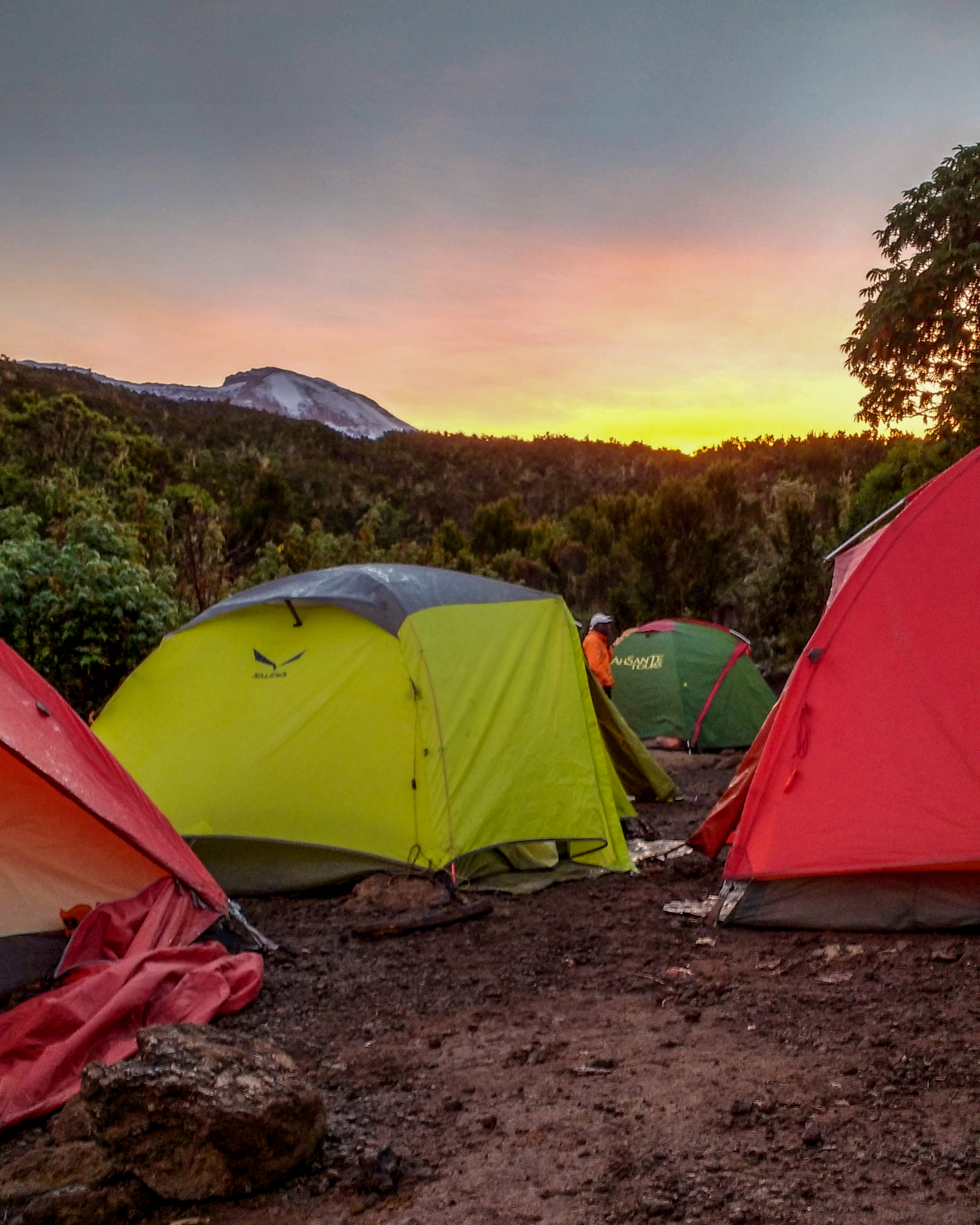
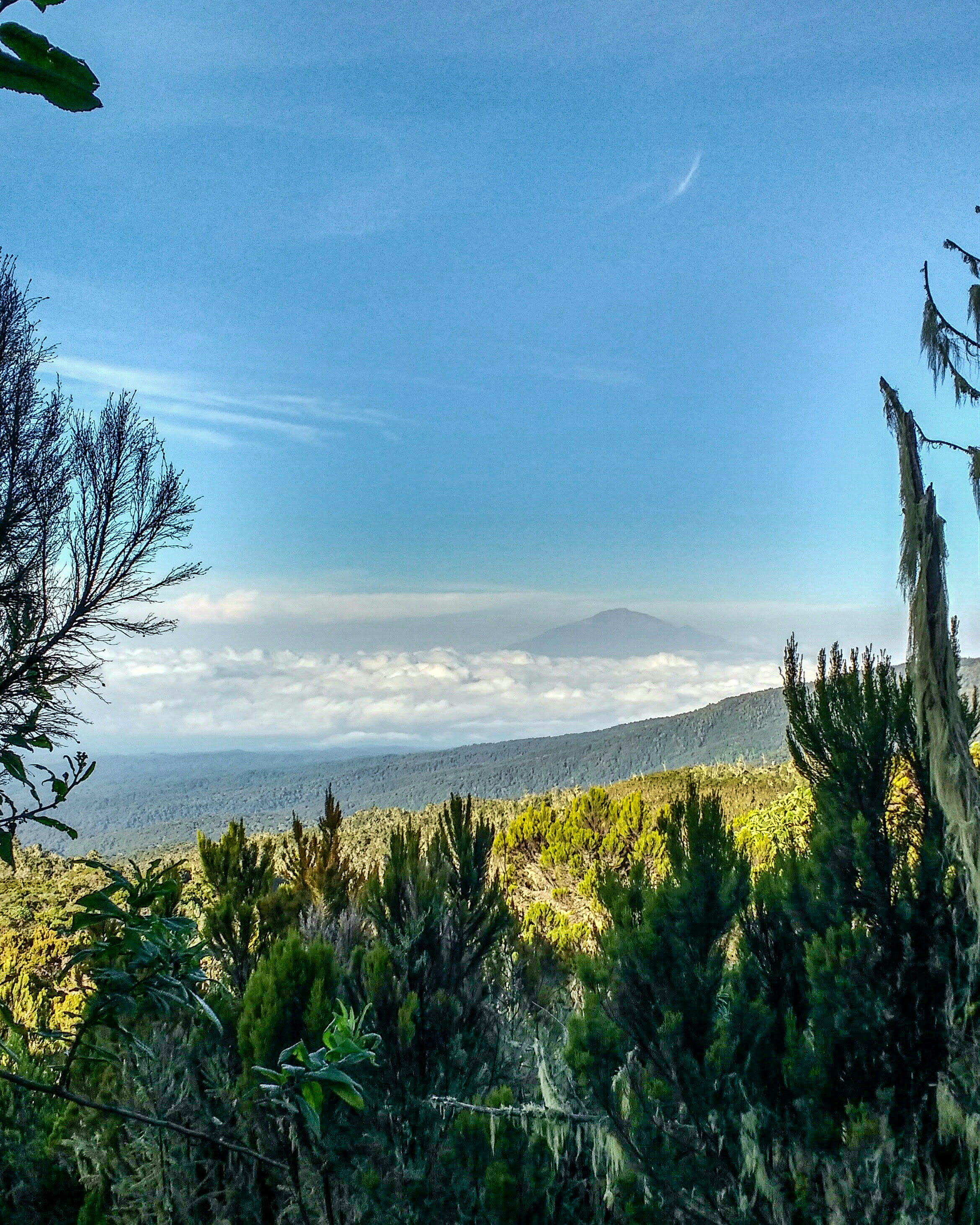
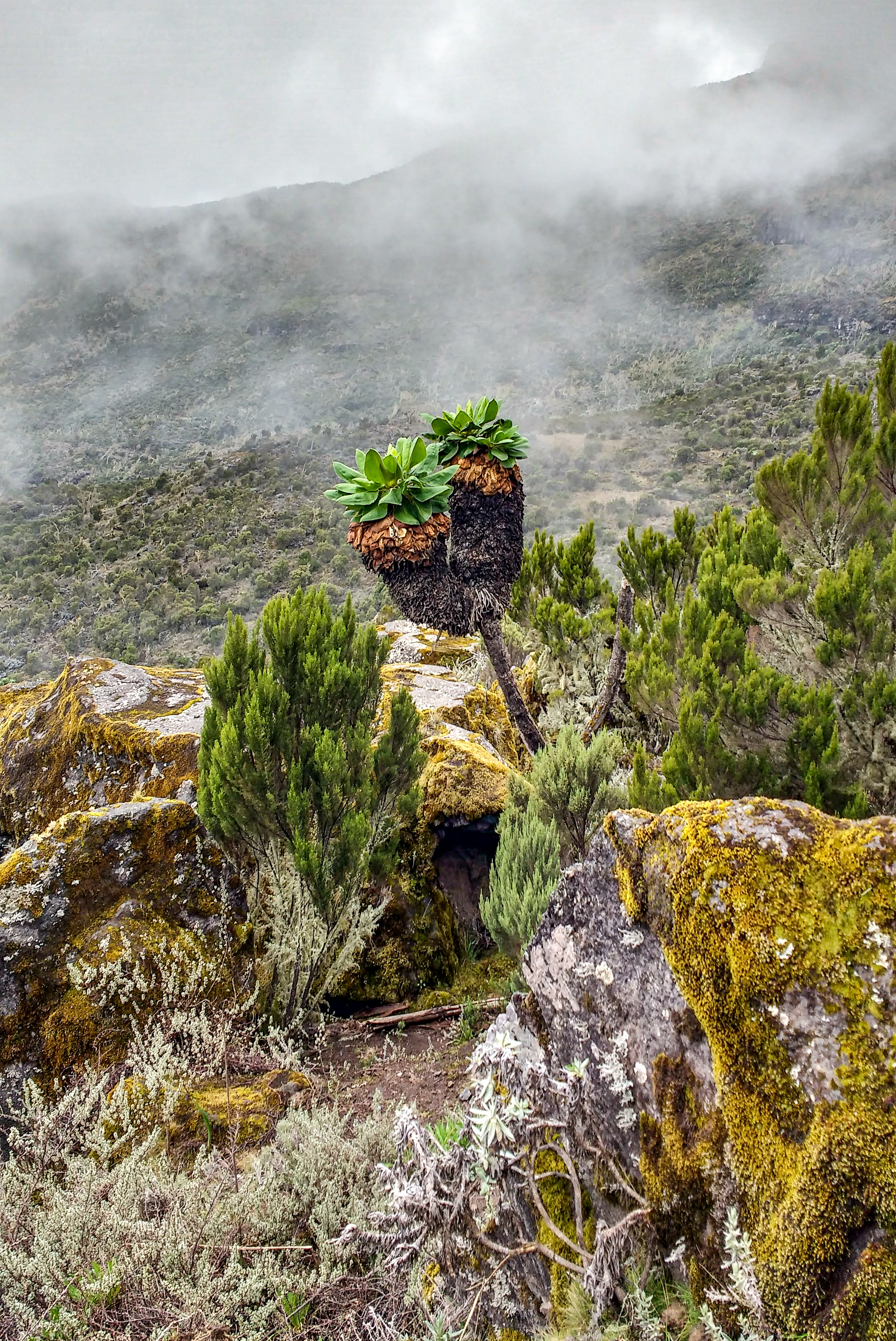
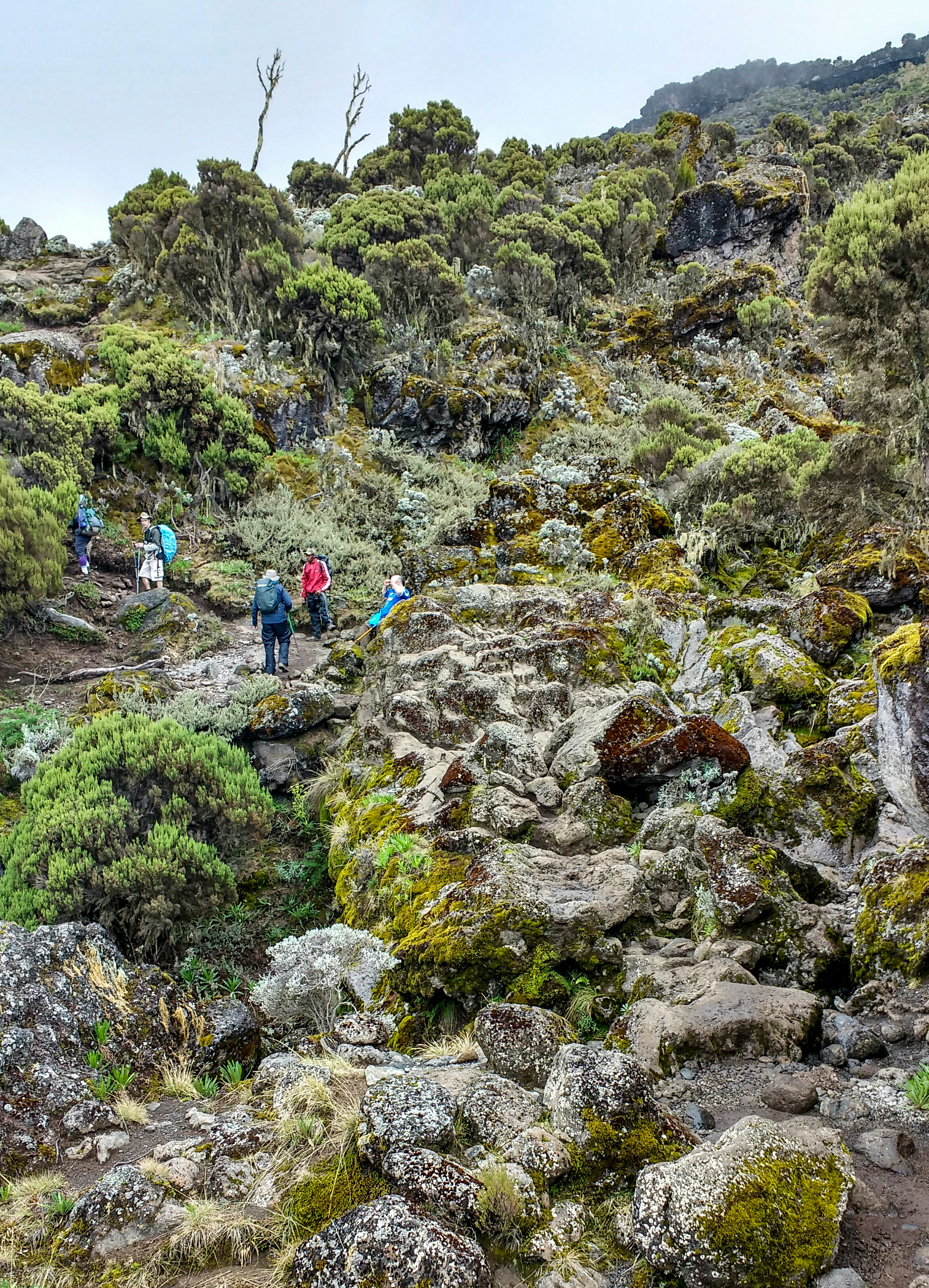
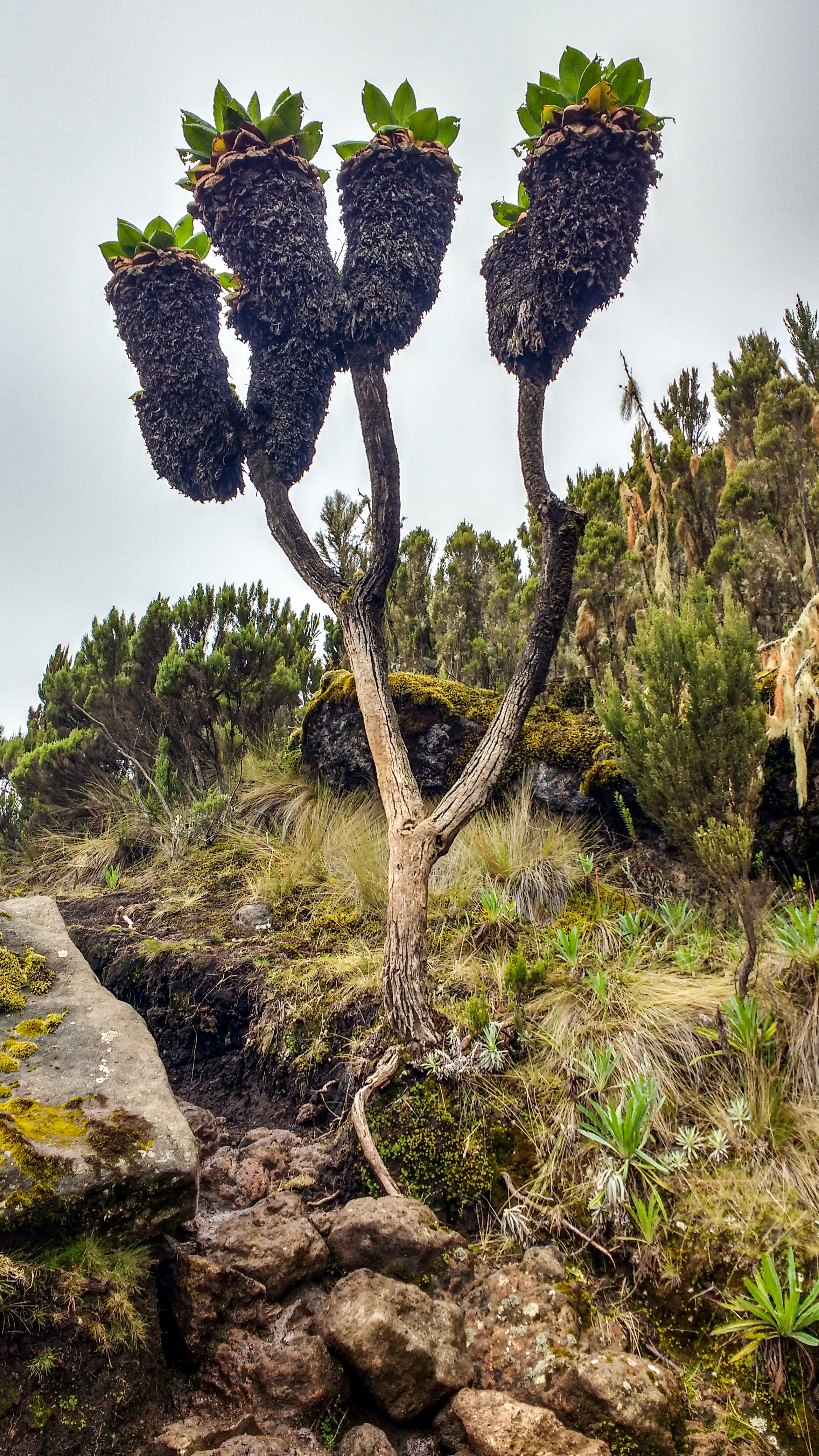
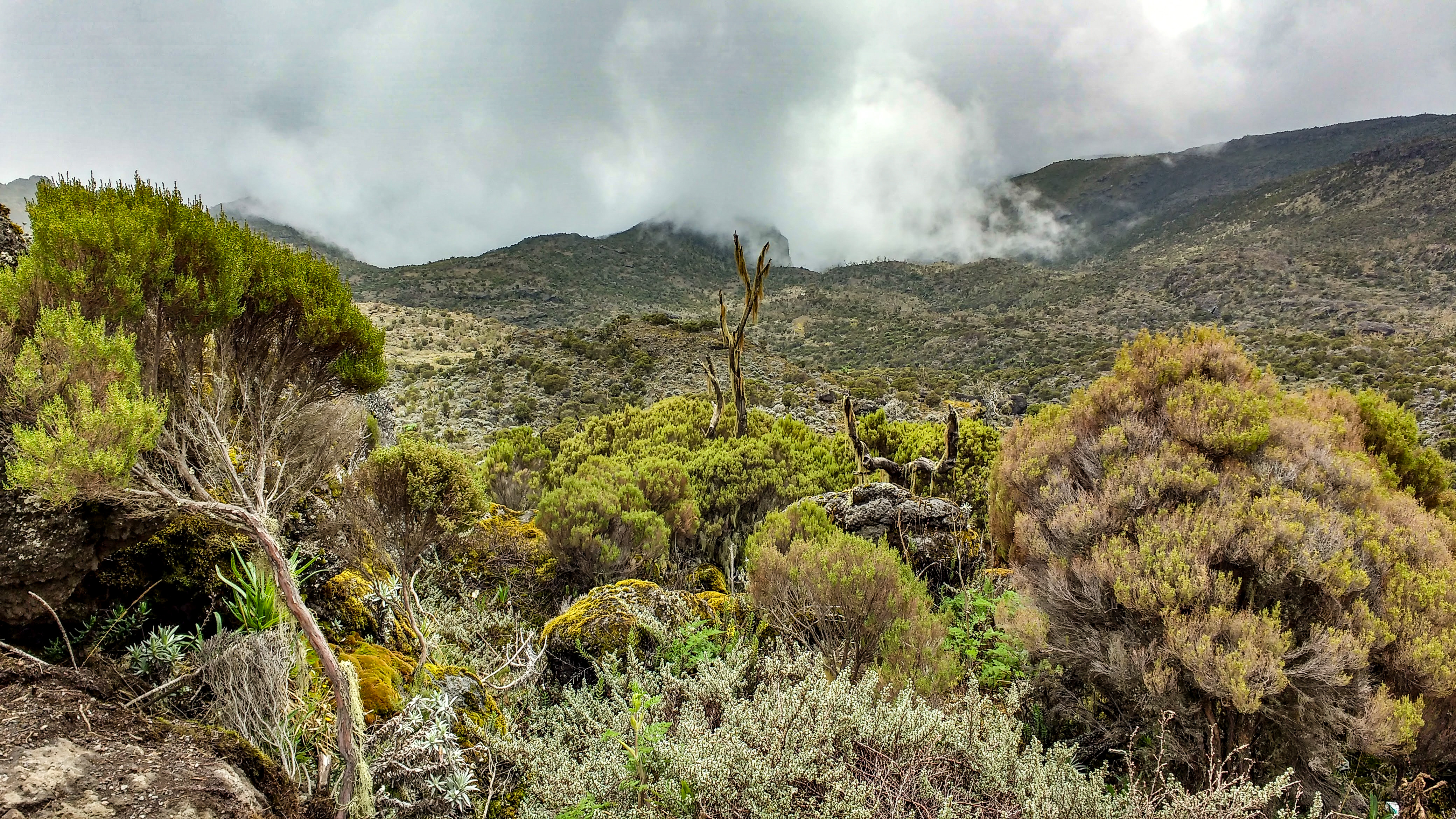
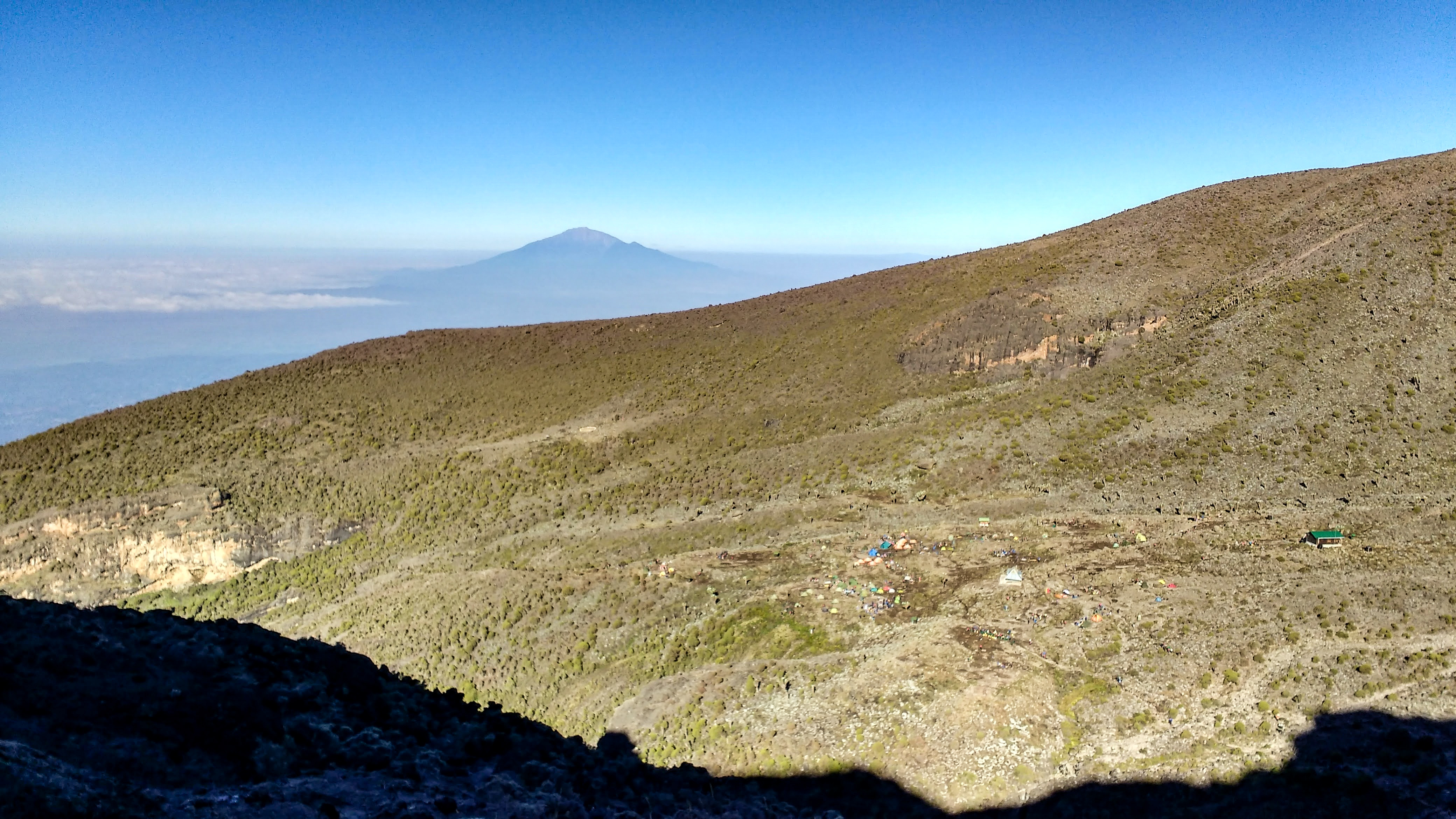
Our 5:30am wake up call came with a cup of Kilimanjaro tea delivered straight to our zip up door! “Asante Sana!” (Thank you very much!) Daylight lapped at the edges of the sky as we dressed and packed our things. The sky turned pink over the snowy peak above us and the sun began to rise. After a bowl of porridge and a sausage, we set off around 7:30am, climbing in glorious sunshine. Spirits were high for most of the group, and we rose up out of the bush to a pristine view of the cloud rainforest below and breaking the horizon was Mount Meru – Tanzania’s second highest volcano. As we climbed into the afternoon, clouds rolled in, engulfing the scenery in patches of fog. The plant life around us changed, with unique flowers and trees popping up between rocks and moss. One of our guides, ‘Prof’ passed the time chatting about the local wildlife in Tanzania’s plains, comparing their hunting techniques. Prof also carried a vuvuzela, which he intermittently trumpeted on to boost morale and give us all a giggle!

After a snack stop in the company of Aaron, Si, Steph, and Tom, (the others were scattered further ahead and behind) we scaled the steepest bit of the day, scrambling up a rock face and passing other-worldly caves with miniature waterfalls and rockpools high in the mountain mist. Prof reminded us that the cloud was dangerous for UV: he carefully painted some of Si’s sun cream on his own cheeks and nose and said that Masai men wear white paint like that for ceremonies as a mark of manhood! We met with two other guides, Henry and Ibra, and collectively they taught us some Swahili phrases:

  • Nina Njaa – I’m hungry
  • Ndio – Yes
  • Mbu – Mosquito
  • Poa kichizi kama ndizi kwenye friji – Cool & crazy like a banana in the fridge!
  • kazi nzuri – Good job

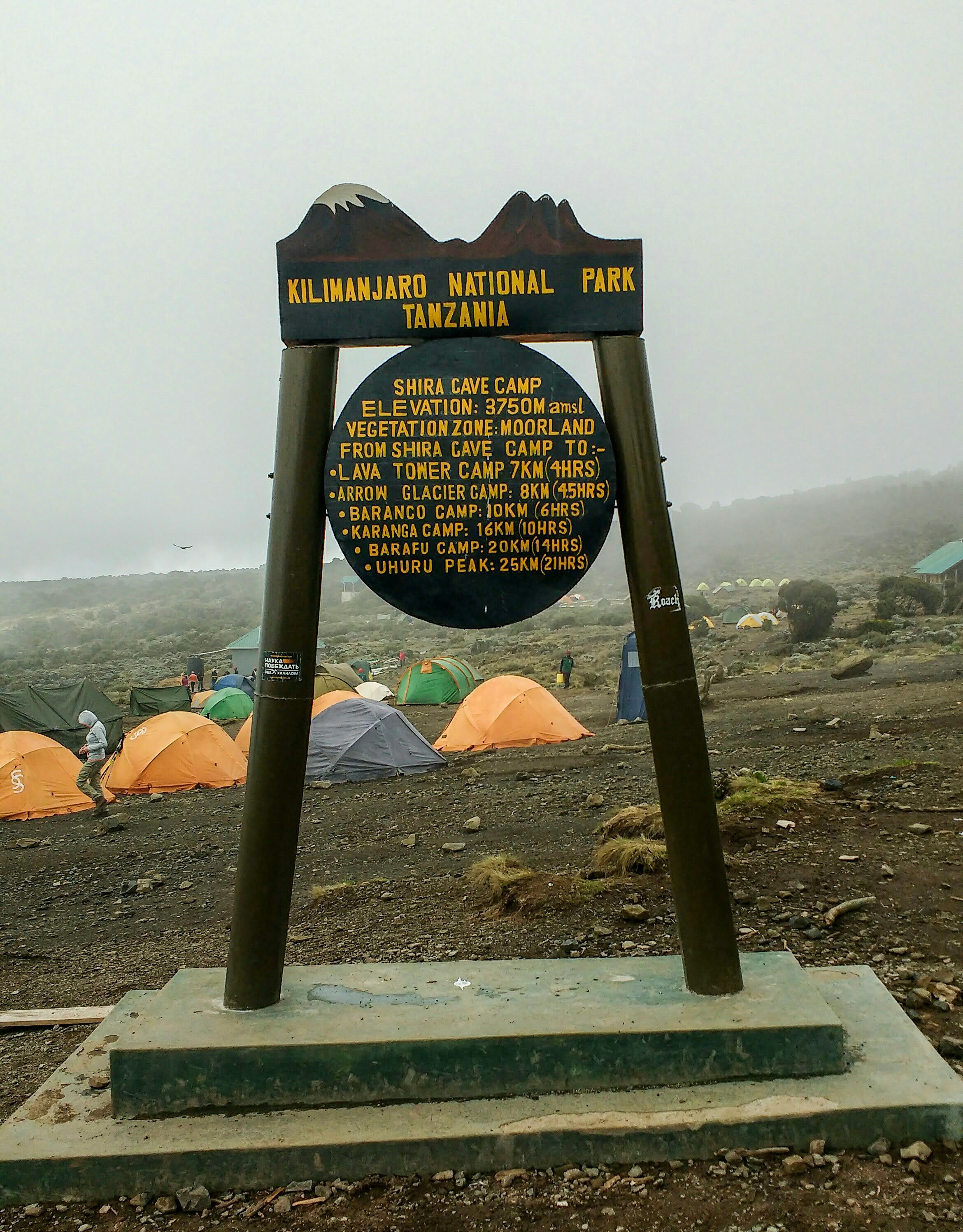
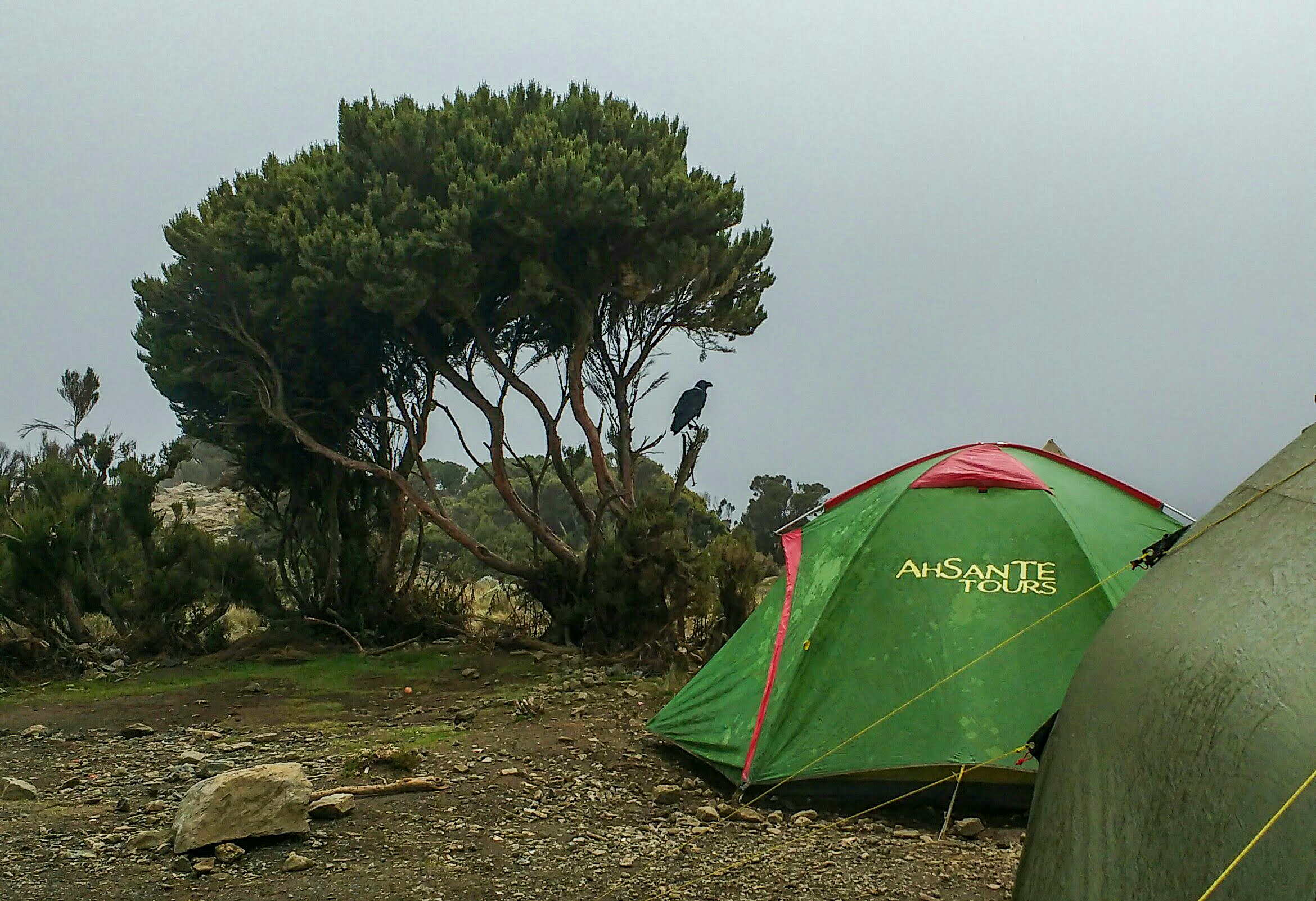
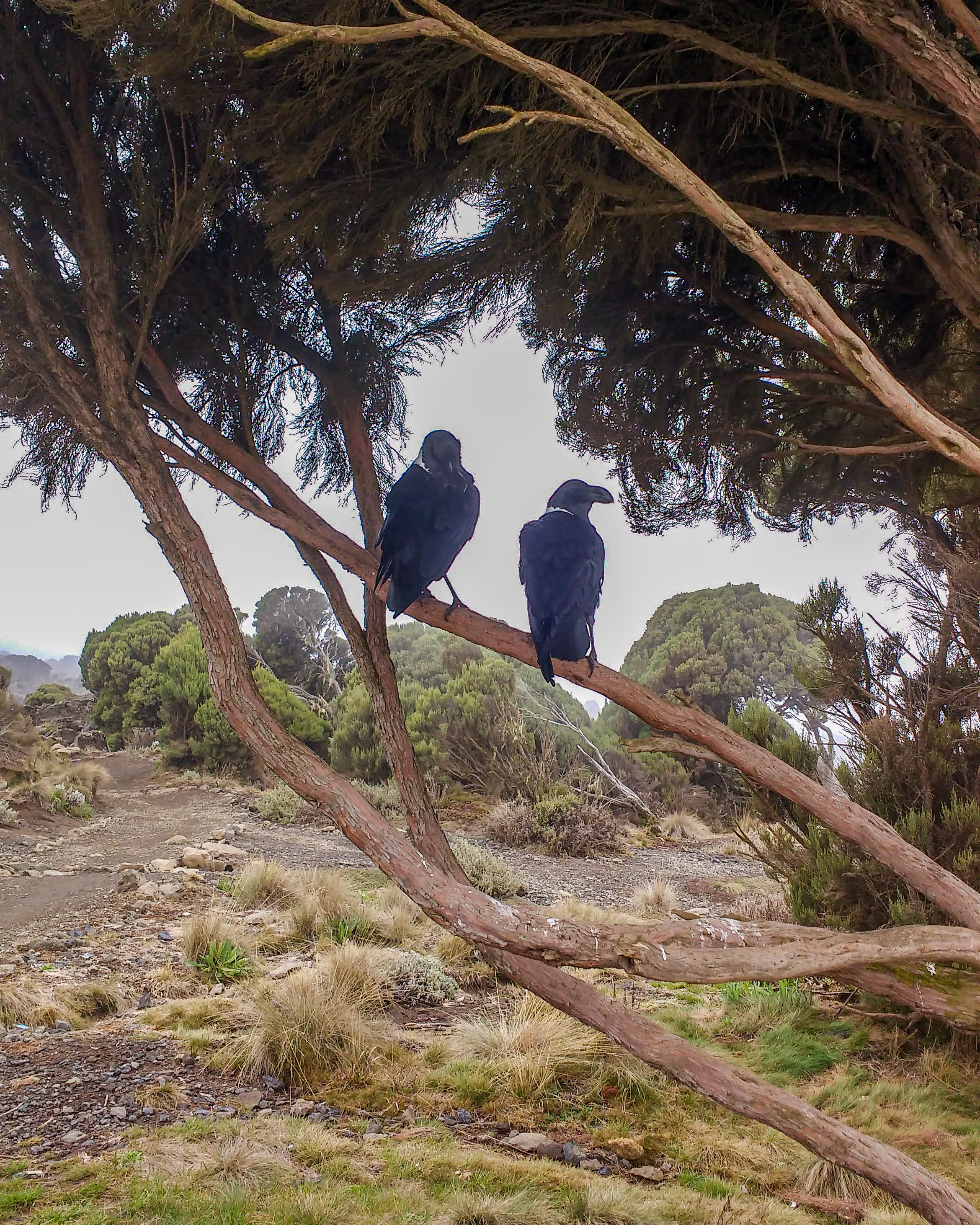
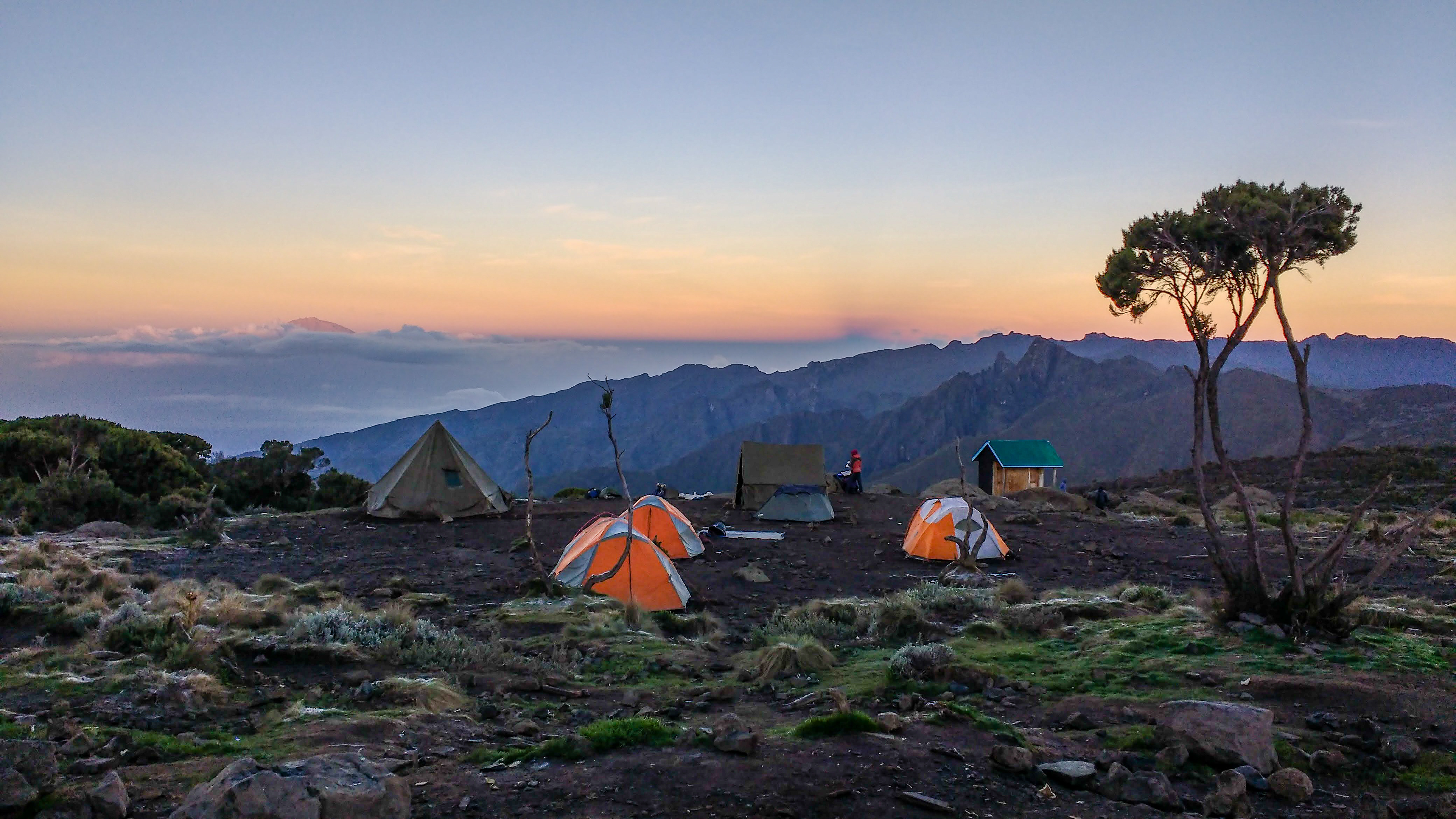
We descended into the misty Shira Cave Camp, where we were greeted with high fives and fist bumps from our Rafiki, and shown to our tents. Enormous White-necked Ravens hopped about the landscape, pecking at the dirt with their bulbous beaks. A couple of them were preening themselves in a tree, silhouetted on the fog. Lunch was served in the mess tent; spaghetti and vegetable curry with cheese on top – we gave the Chefs a round of applause.

The afternoon at Shira Cave Camp was a bit different to the usual schedule – after a shorter day of walking, we had time to rest in anticipation of tomorrow’s big day of acclimatisation. Before dinner, the entire team of guides and porters began a dancing and singing circle, giving us some motivational African entertainment. We learned the words to ‘Jambo Bwana’ and we sang and danced until we had all gone silly!

Jambo, jambo Bwana (Hello, hello Sir)
Habari gani (How are you?)
Mzuri sana (Very fine)
Wageni, mwakaribishwa (Foreigners, you’re welcome)

Kilimanjaro, hakuna matata (Kilimanjaro, there is no problem)

Tembea pole pole, hakuna matata (Walk slowly, slowly, no problem)
Utafika salama, hakuna matata (You’ll get there safe, no problem)
Kunywa maji mengi, hakuna matata (Drink plenty of water, no problem)

There was a small matter of our guides asking us to sing a song from England for them, and we all had some sort of brain paralysis and mutually started singing ‘Freed from Desire,’ but as a football chant… let’s pretend that didn’t happen! That evening, the clouds rolled away and the stars shone so brightly over camp. Somewhere in the distance beyond Mount Meru a storm lit the sky in silent purple strobes, and I slept well.

Day Three – “Headaches and Fried Potatoes”

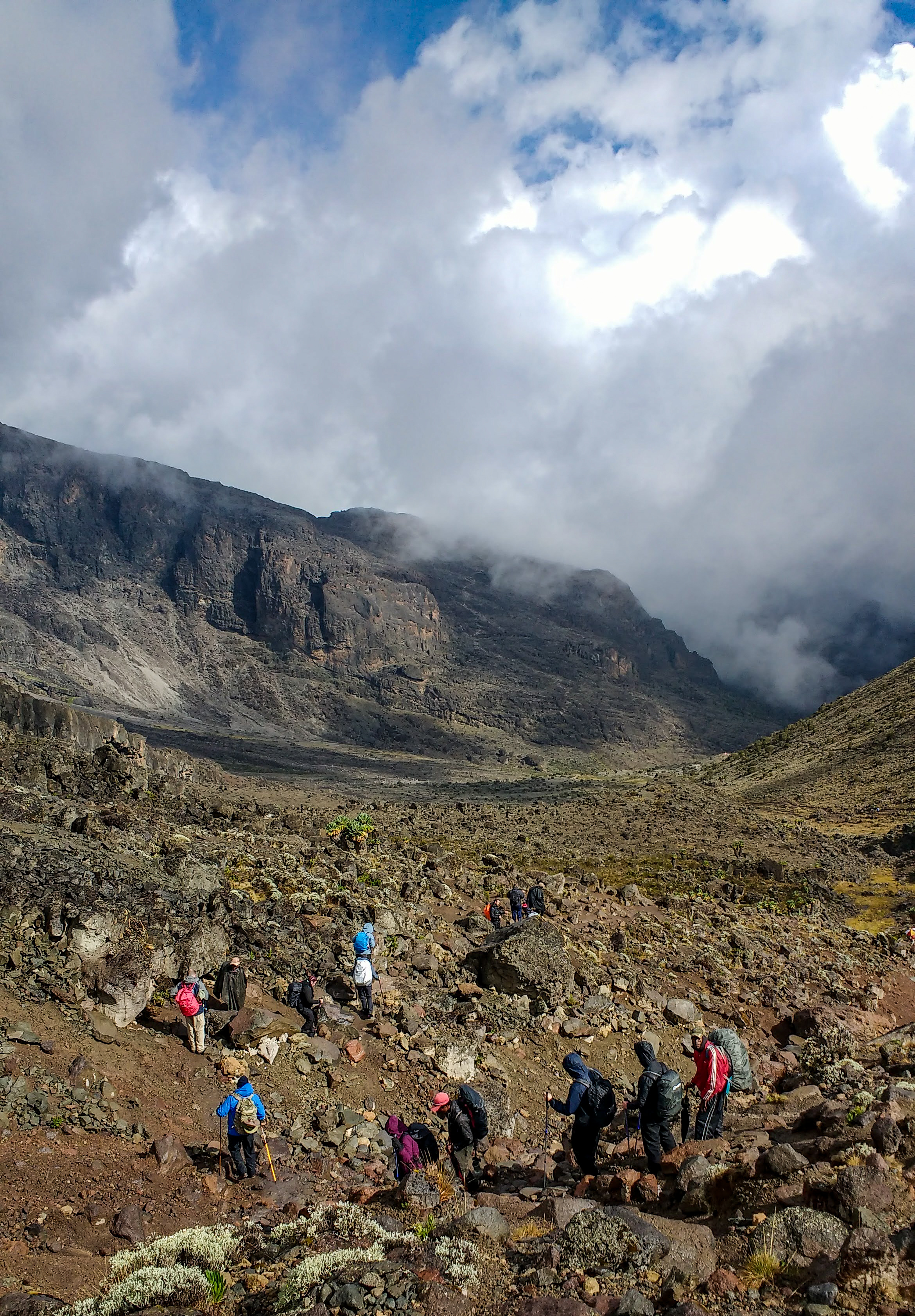
We said farewell to two of our group this morning – it was sad to break up the group, but they decided they’d reached their limits, which is a difficult and respectable thing to do. We had risen before dawn for a quick breakfast and began the tough trek into the beautiful rising sun at 7:30. It was glorious and warm, but as the hours passed and we climbed higher into cloud, the chill crept in quickly. We were gaining altitude fast, and the land became very bleak as we crossed into the Alpine Desert, with nothing but huge boulders and red mud. Much of the group began to feel the effects of altitude, suffering with pressure headaches and struggling to catch our breath. It really made me sensitive to the cold and the exhaustion, but with a piece of ginger and some ibuprofen, I managed to stay on top of it. The guides made sure we stopped regularly and sipped our water steadily.

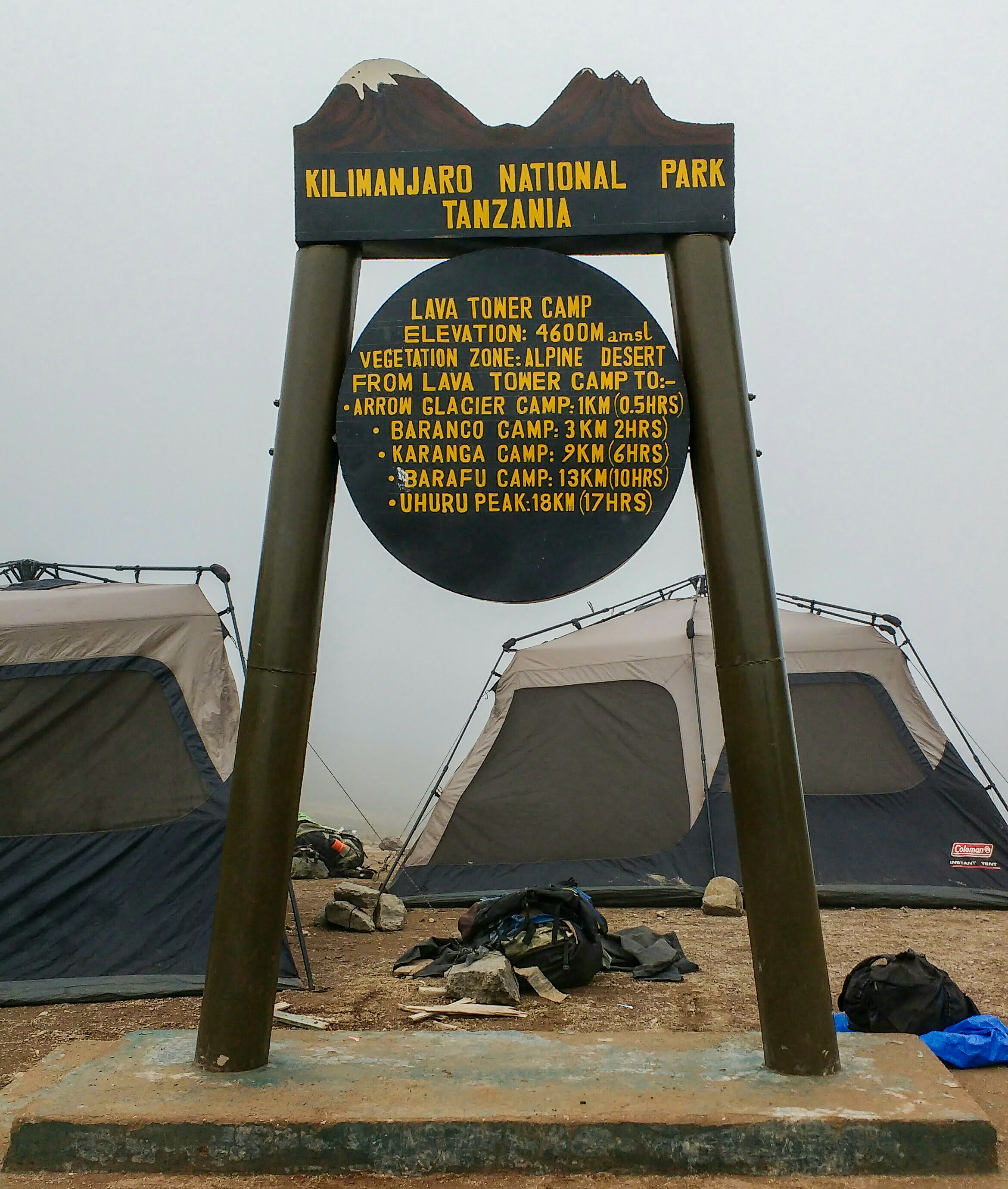
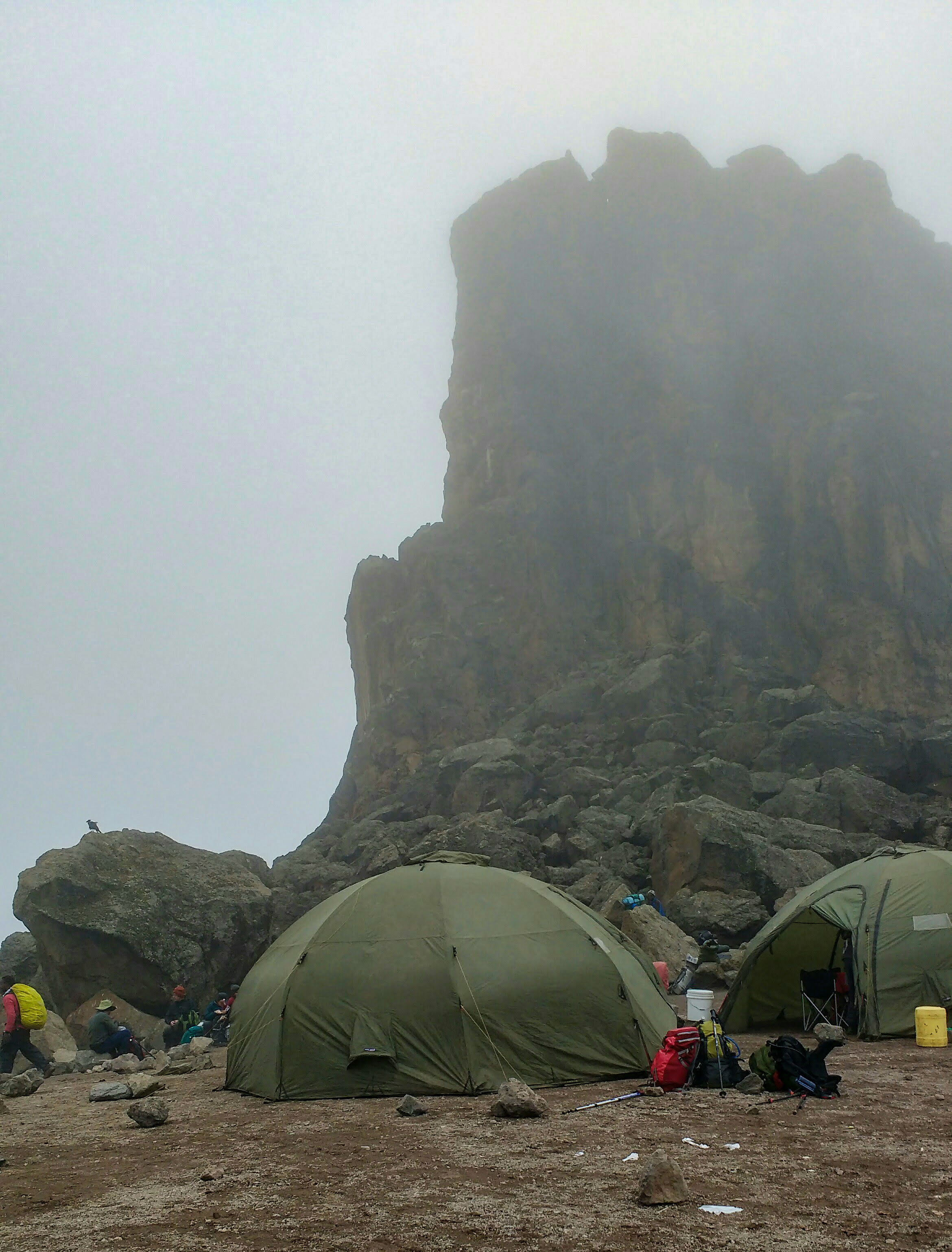
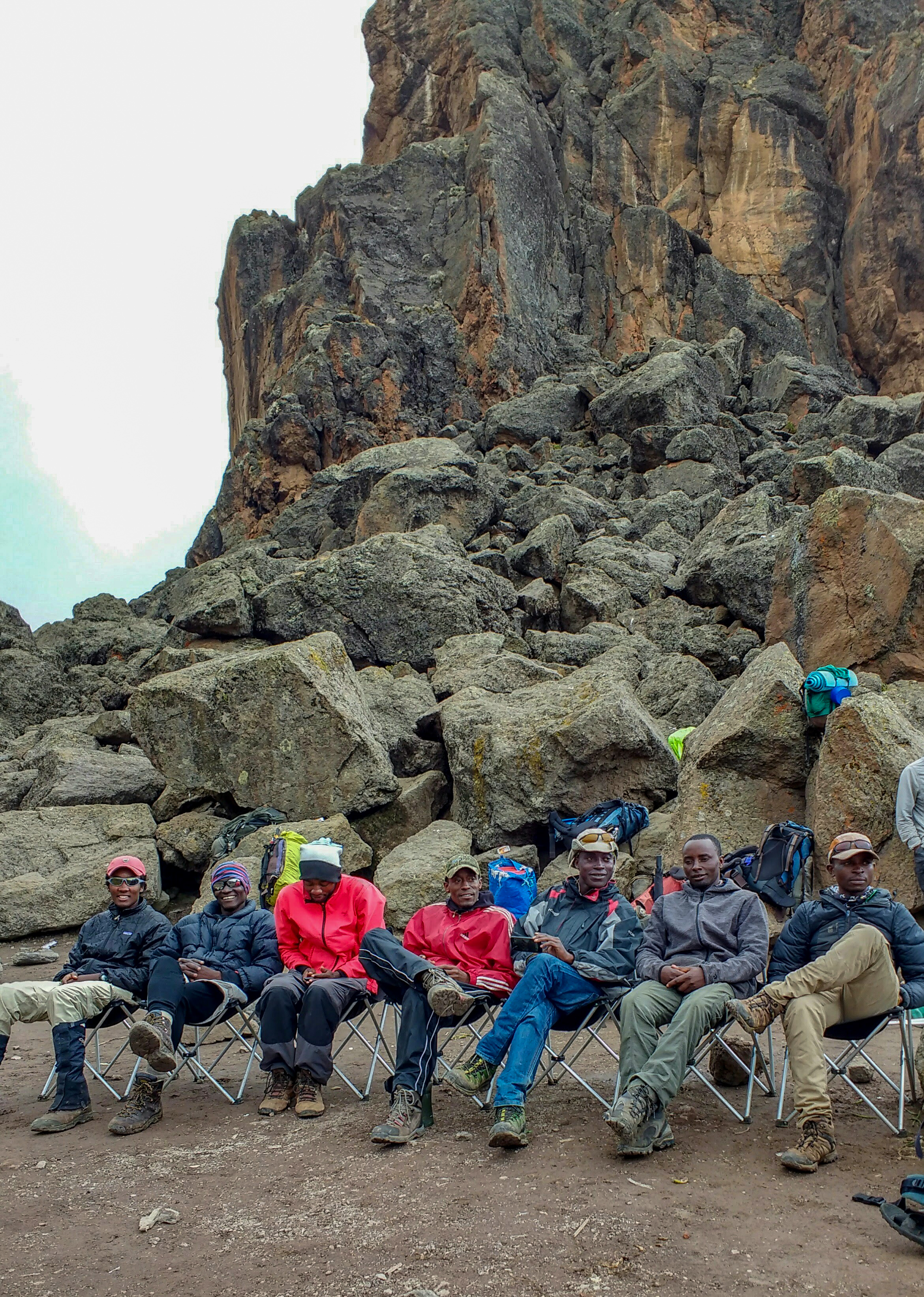
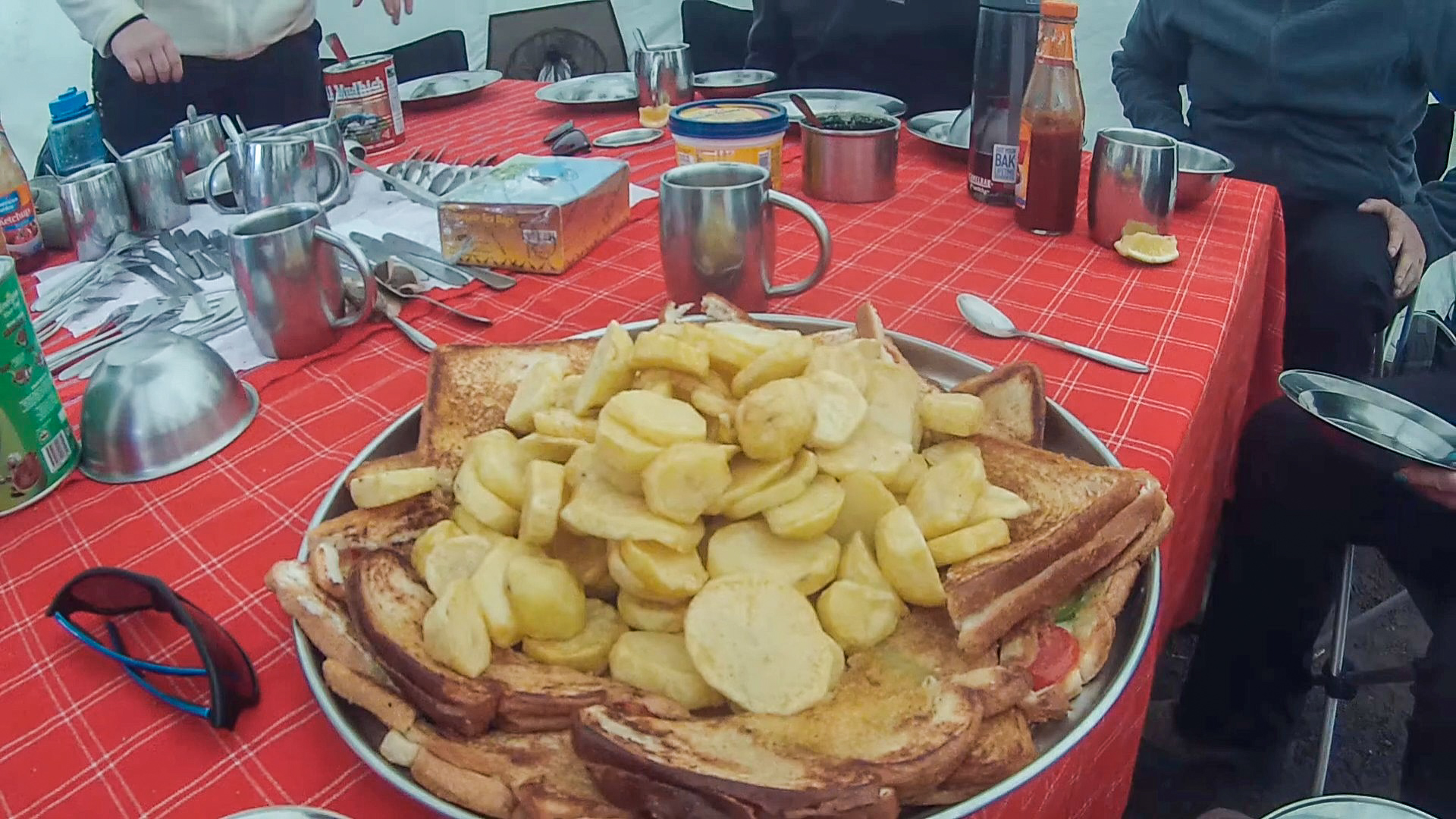
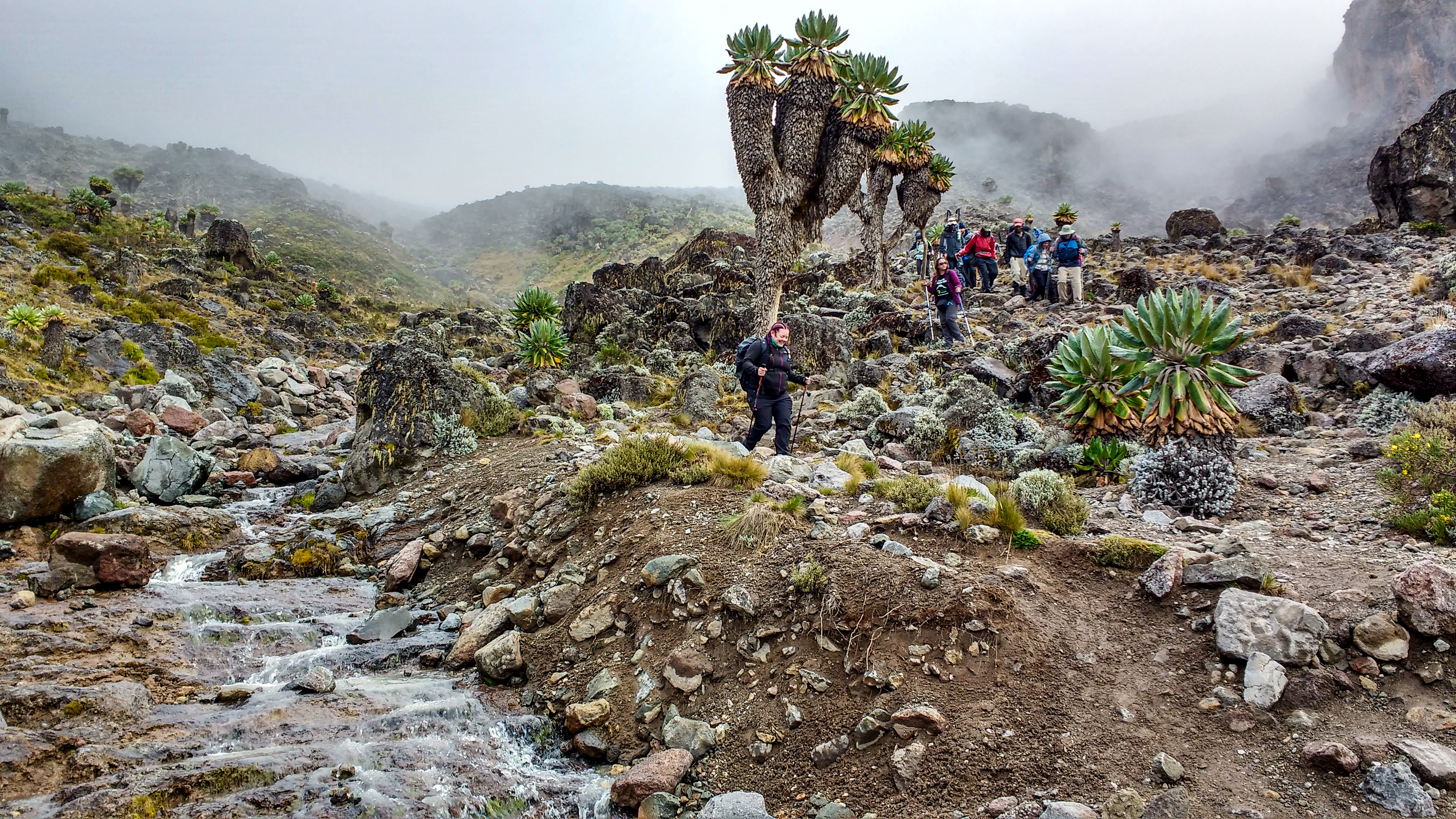
We climbed the vast, rocky landscape up to the Lava Tower, mist skimming the ground beneath our feet, finally reaching an altitude of 4,600m. This was our acclimatisation hike, and the highest point of our trek until we reached the Kibo Cone. From here we’d descend again – this exercise would, in theory, make our summit attempt much easier in terms of getting our bodies used to the altitude. Our Rafiki had already arrived and put up the mess tents beneath the tower of solidified lava, where we were treated to hot fried potatoes, cheese toasties and cake! Since altitude sickness feels a bit like a hangover, hangover food was extremely welcome! Even those who were sick to their stomach felt better after the feed, and we continued hiking down the other side of the Lava Tower, across streams and little waterfalls on this strange barren landscape.

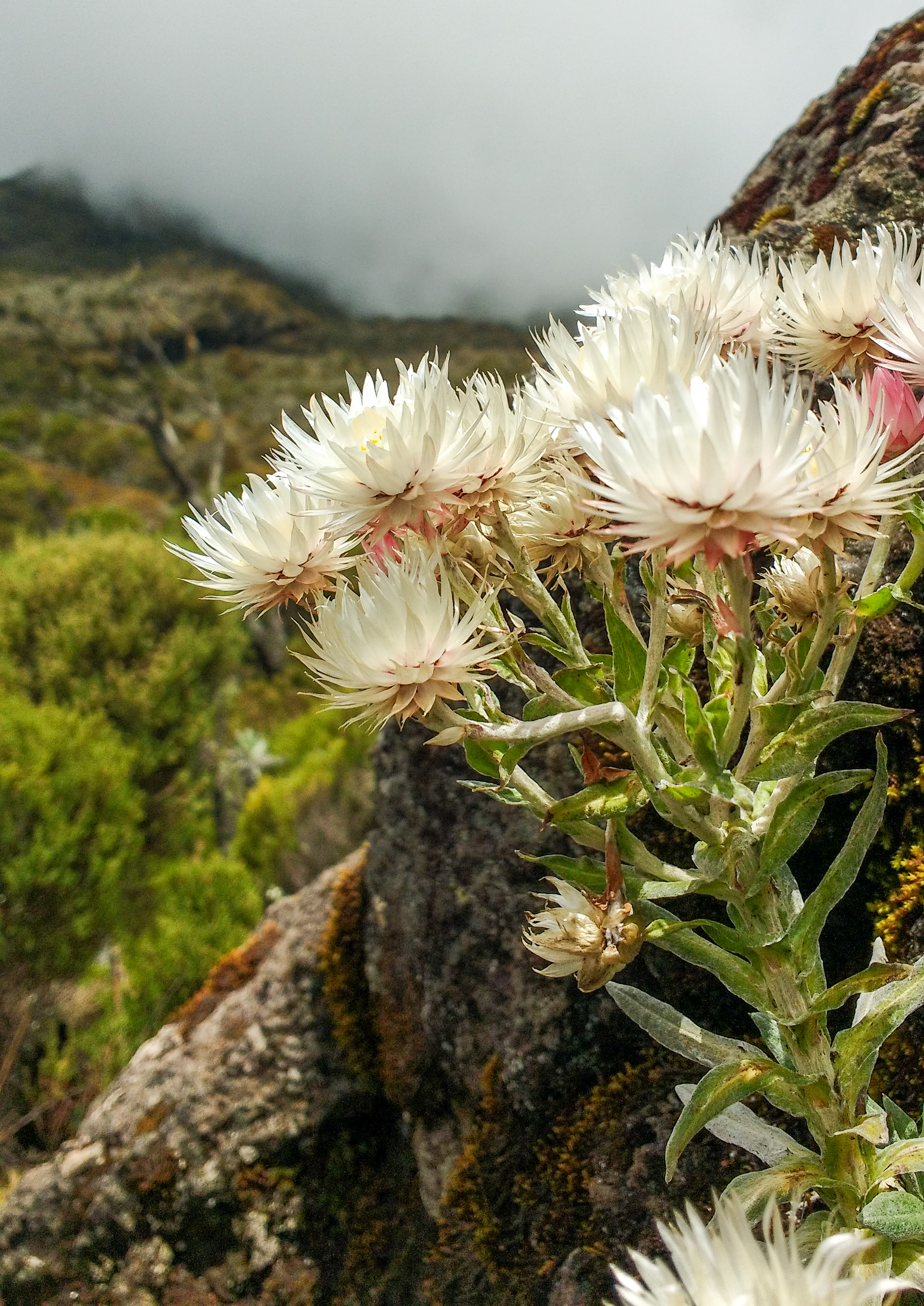
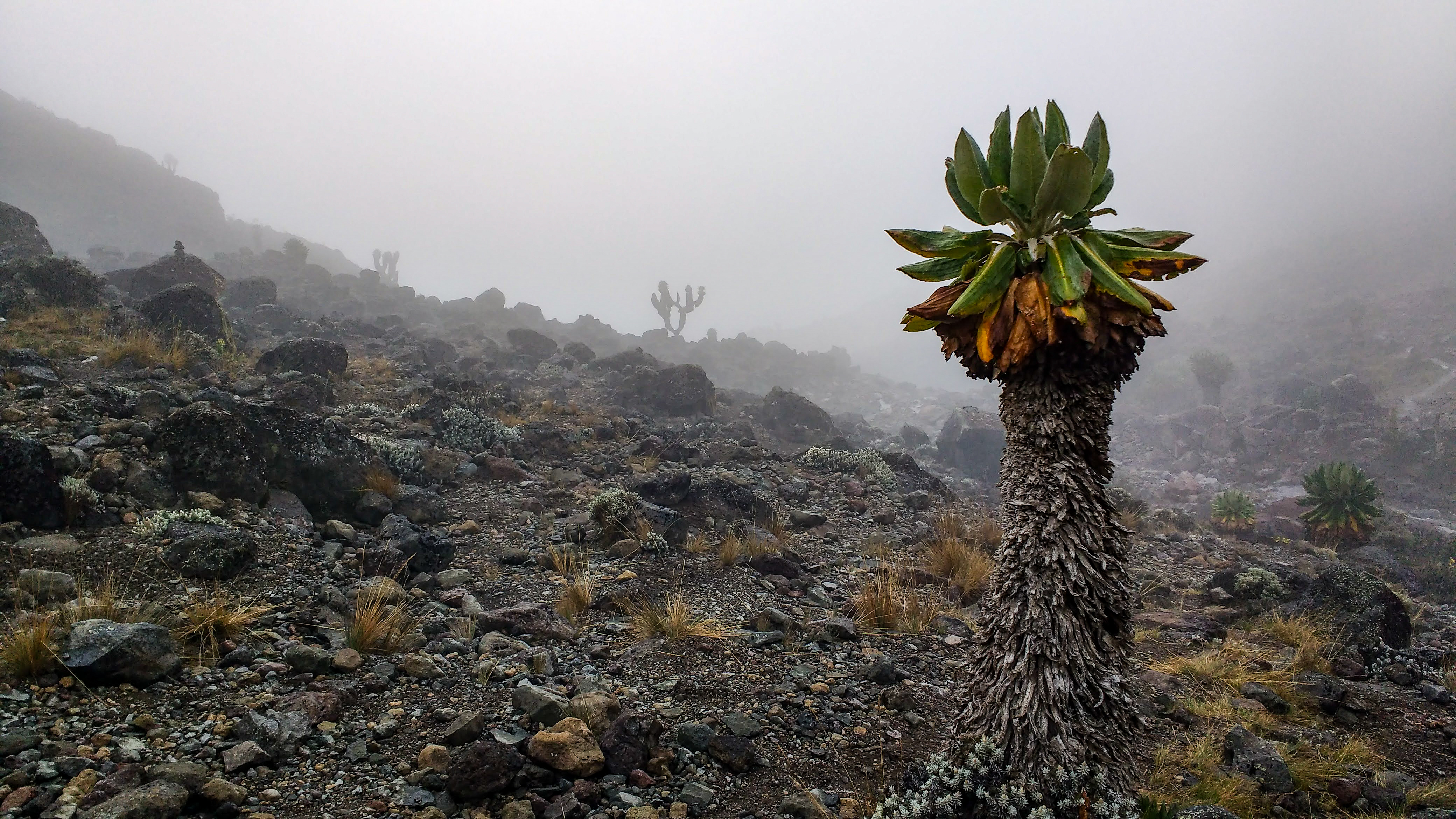
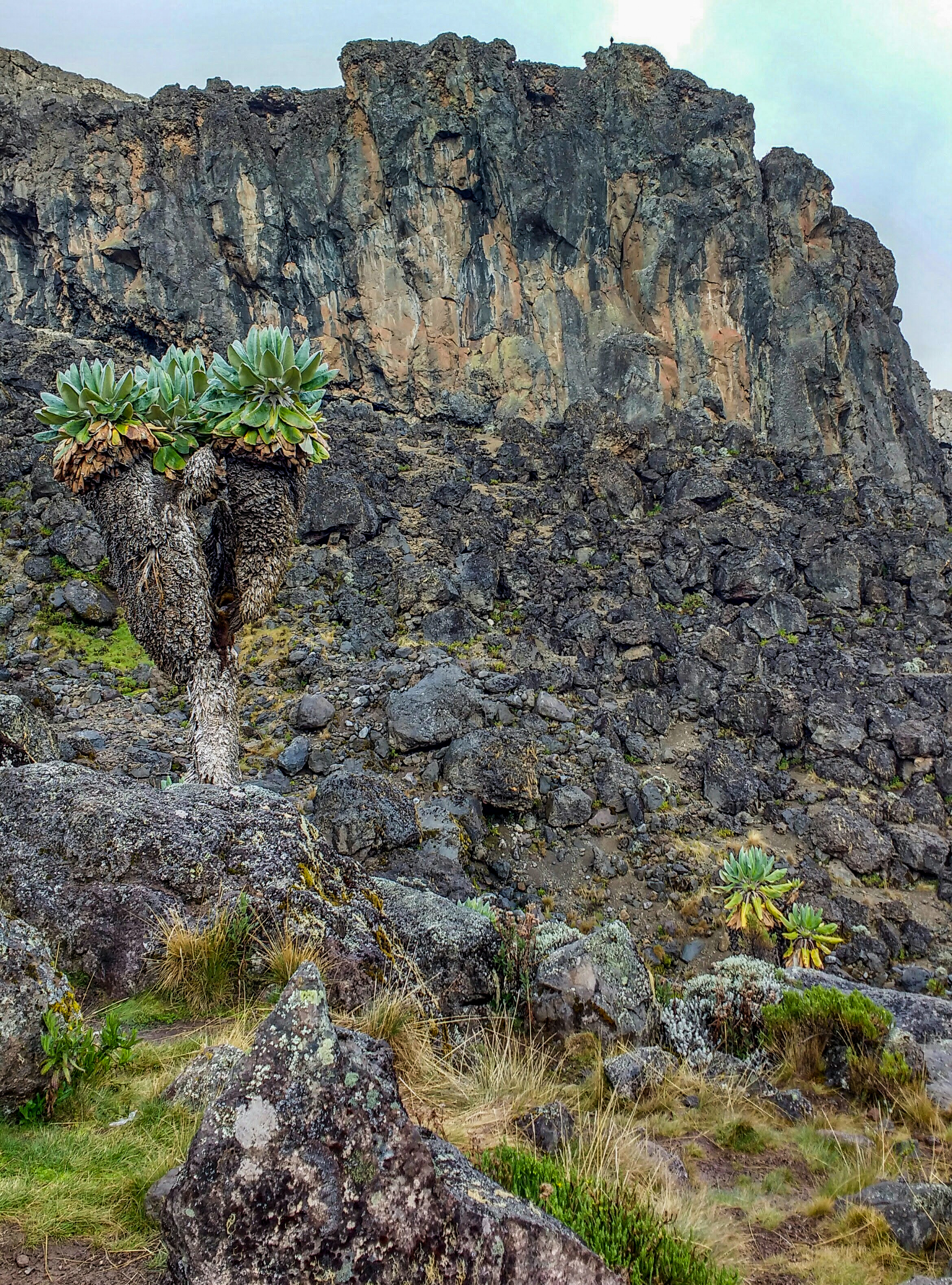
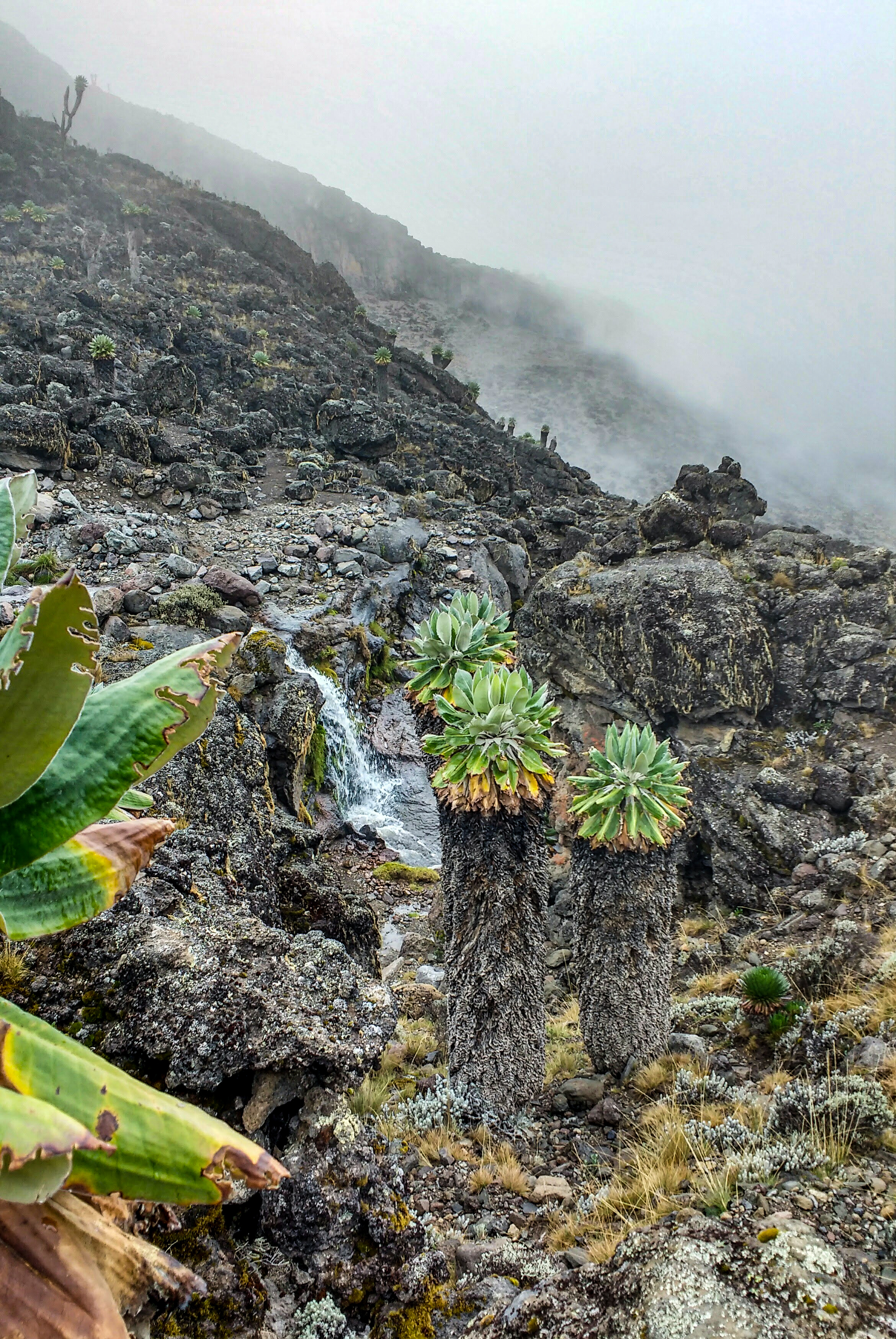
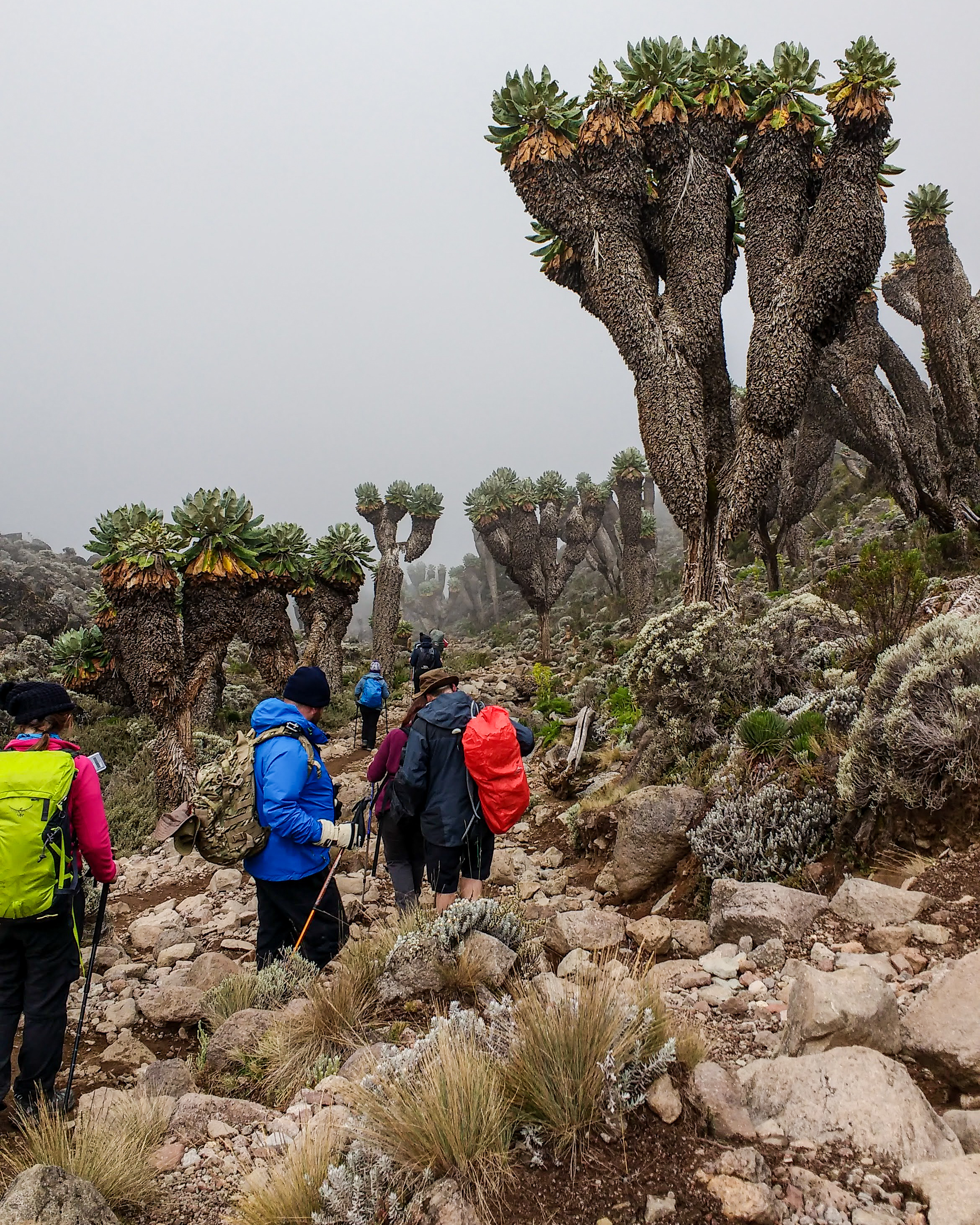
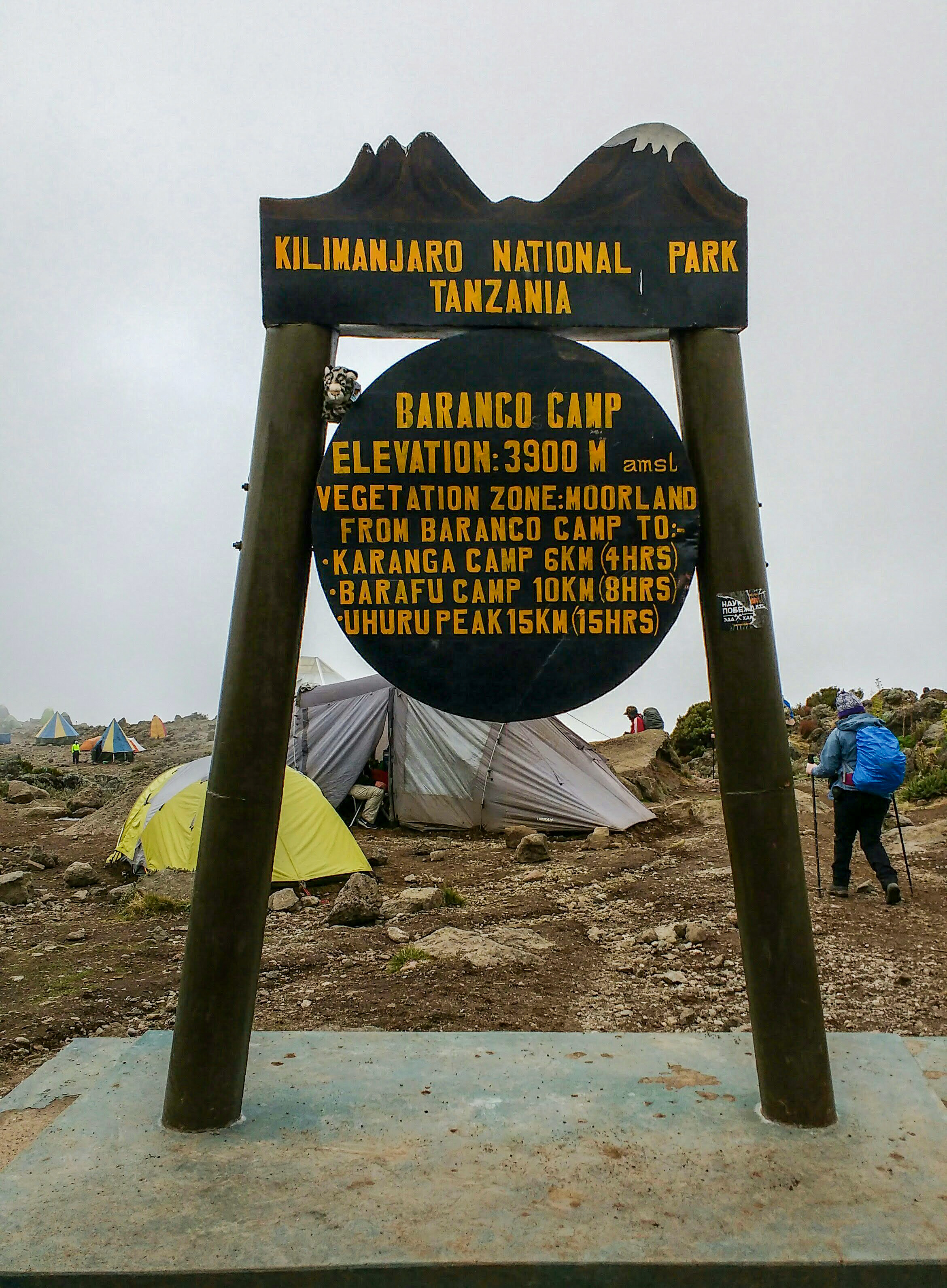
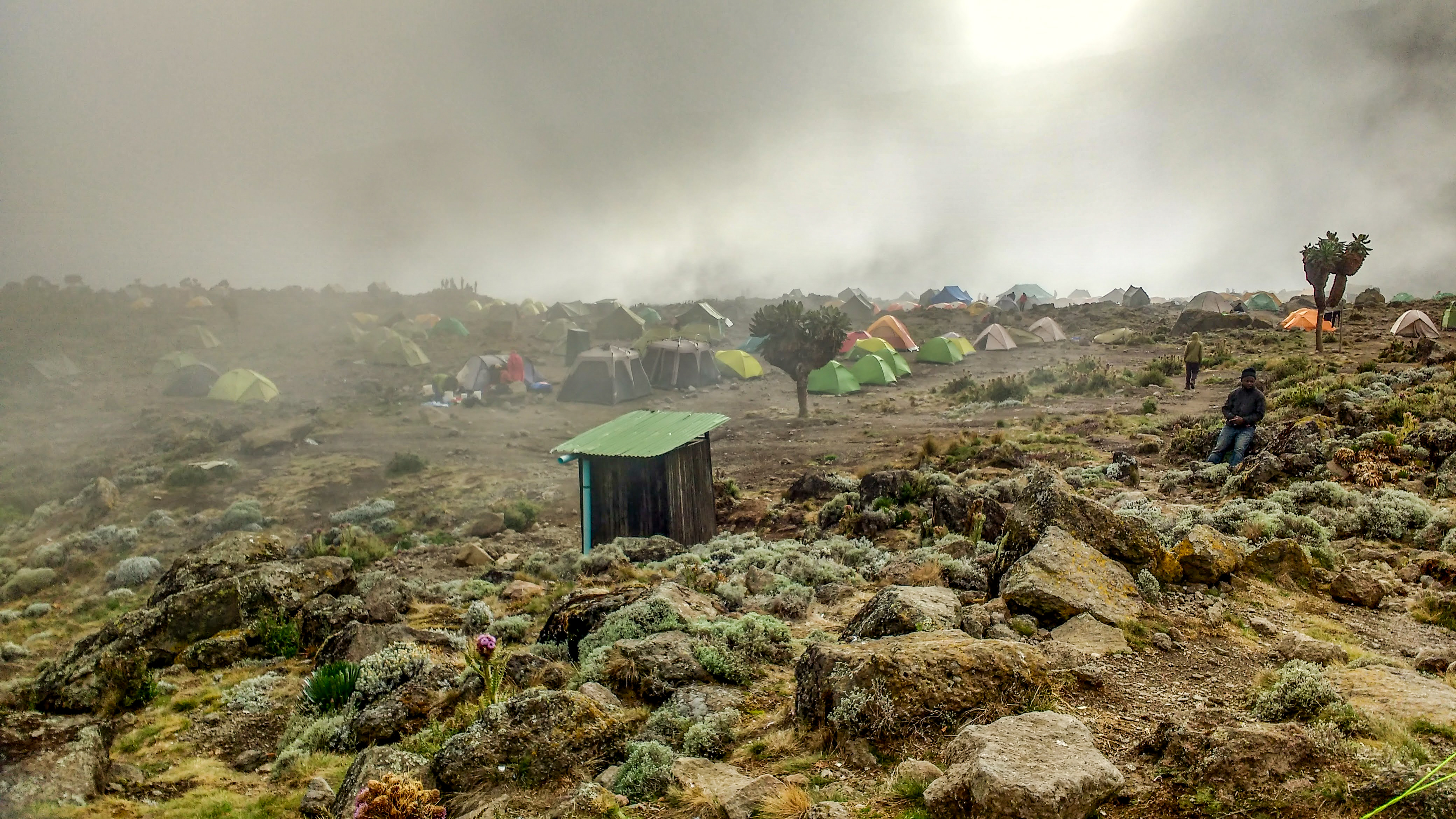
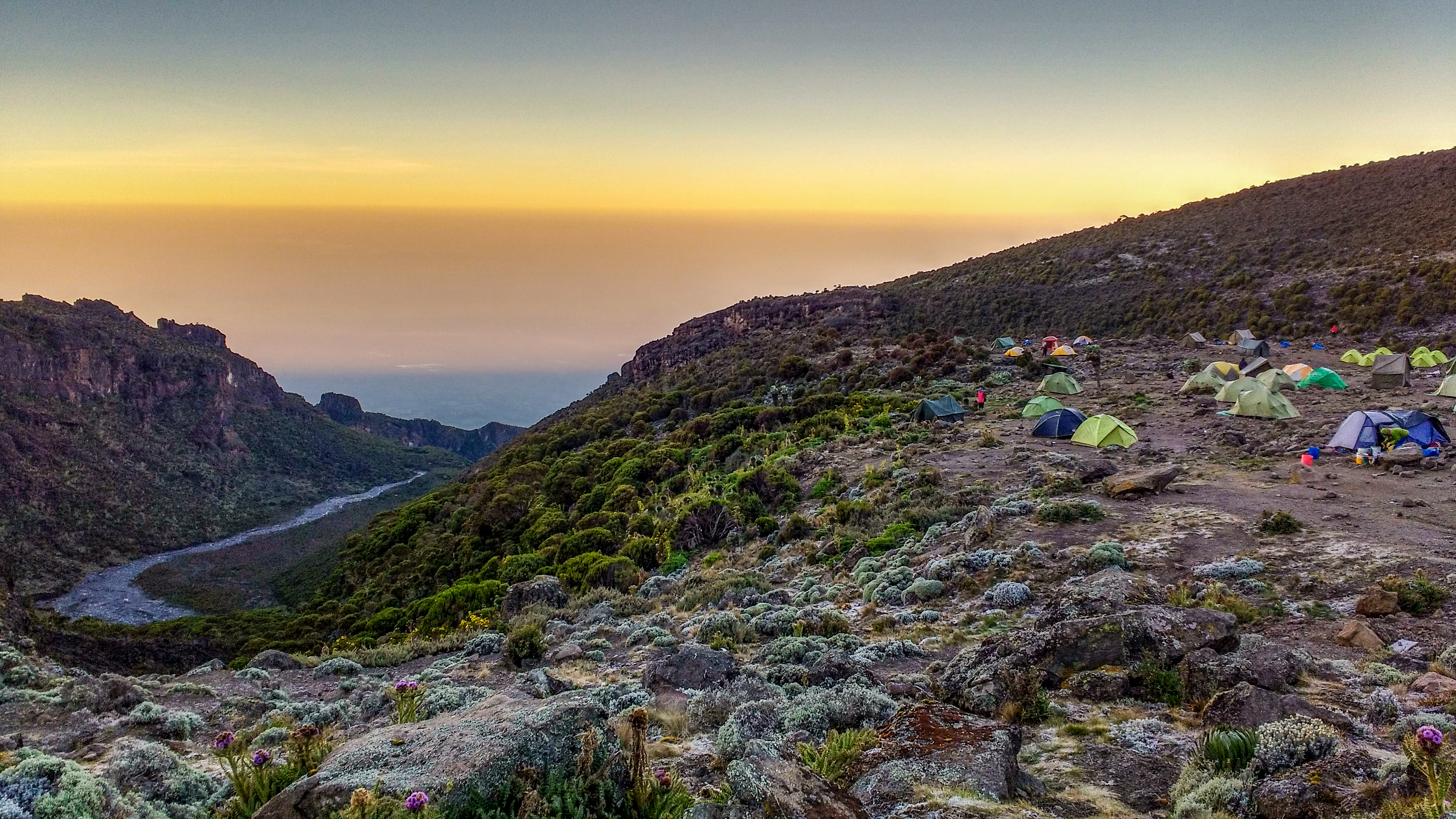
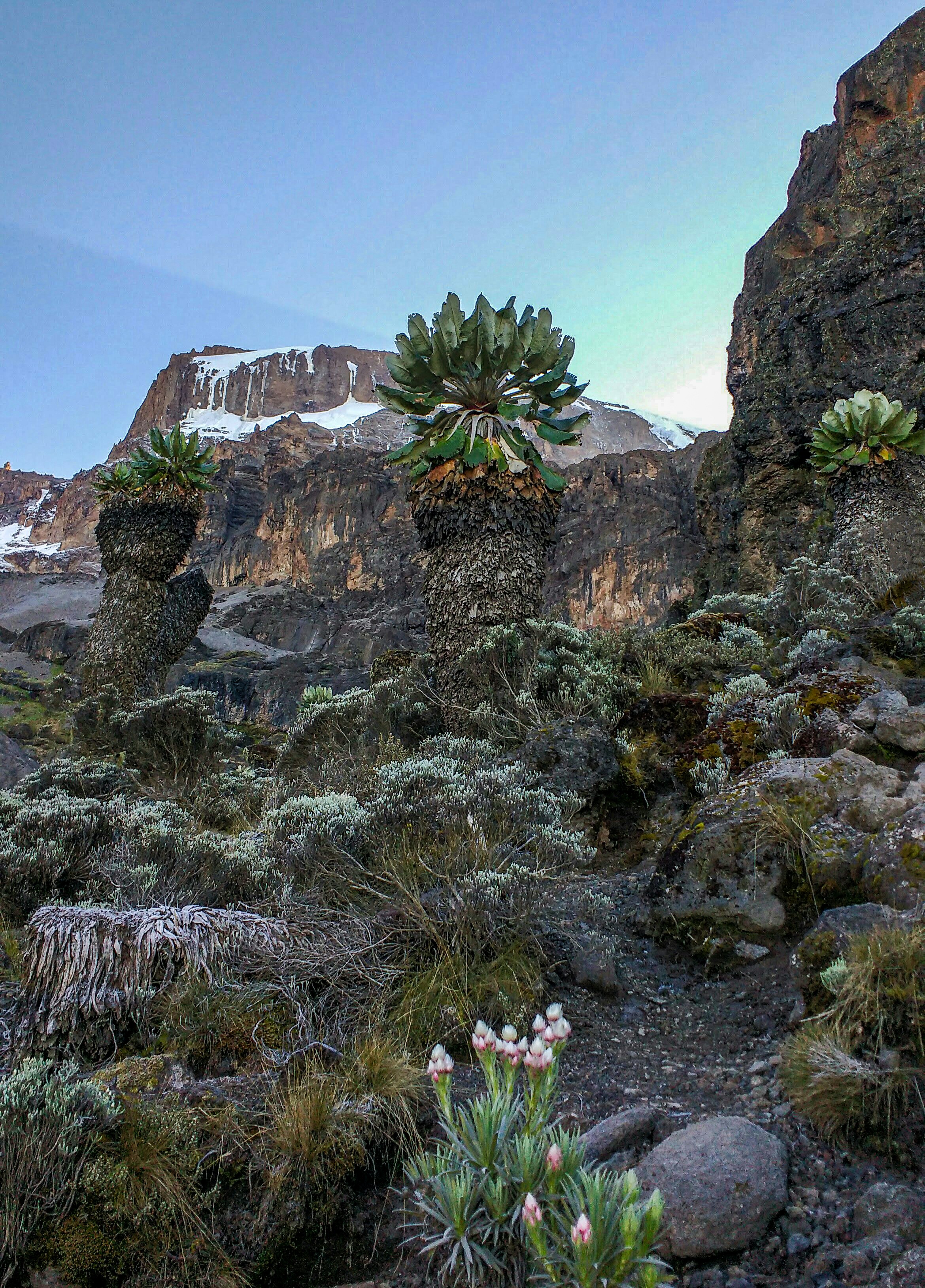
It began to hail quite heavily as we trekked, which then turned into snow, and we plodded ever onwards until we started to see vegetation again. Strange, almost cactus-like trees, and flowers growing in the mist, surrounded by little rocky waterfalls. Eventually, we found ourselves gladly at Barranco Camp, where Macaroni and Bolognese went down a treat for dinner. We were informed that Barranco Camp was the highest point for rescue helicopters to land on our route – from here on up, if we got injured, we’d have to rely on being wheeled back down on a ‘Mountain Taxi,’ which we’d discover in a day or two… Once again, the stars were stunning and we could see lights far below in the real world. I watched a little Four-Striped Grass Mouse hopping around outside the tent under the looming Barranco Wall; the infamous cliff we would be scaling in the morning.

Day Four – “On Top Of The World”

We were ready to leave Barranco Camp at 7am, with the sky just lighting up at the edges, and we sang Happy Birthday in Swahili to Grace. I had awoken with a painful, swollen red face, which I think was a combination of yesterday’s morning sun, and an allergic reaction to my SPF50 sun cream – great combination! Tim – our group medic – advised me to borrow a different sun cream and keep applying tea tree gel. The group reacted very sympathetically to my appearance, which in turn made me feel very self conscious. In all this commotion, I didn’t get a chance to fill my water bottles, leaving camp with under 2 litres of water – not ideal. As we began climbing I was forcing back tears, feeling on the back foot, but I was soon brought back to reasoning by the stunning surroundings.

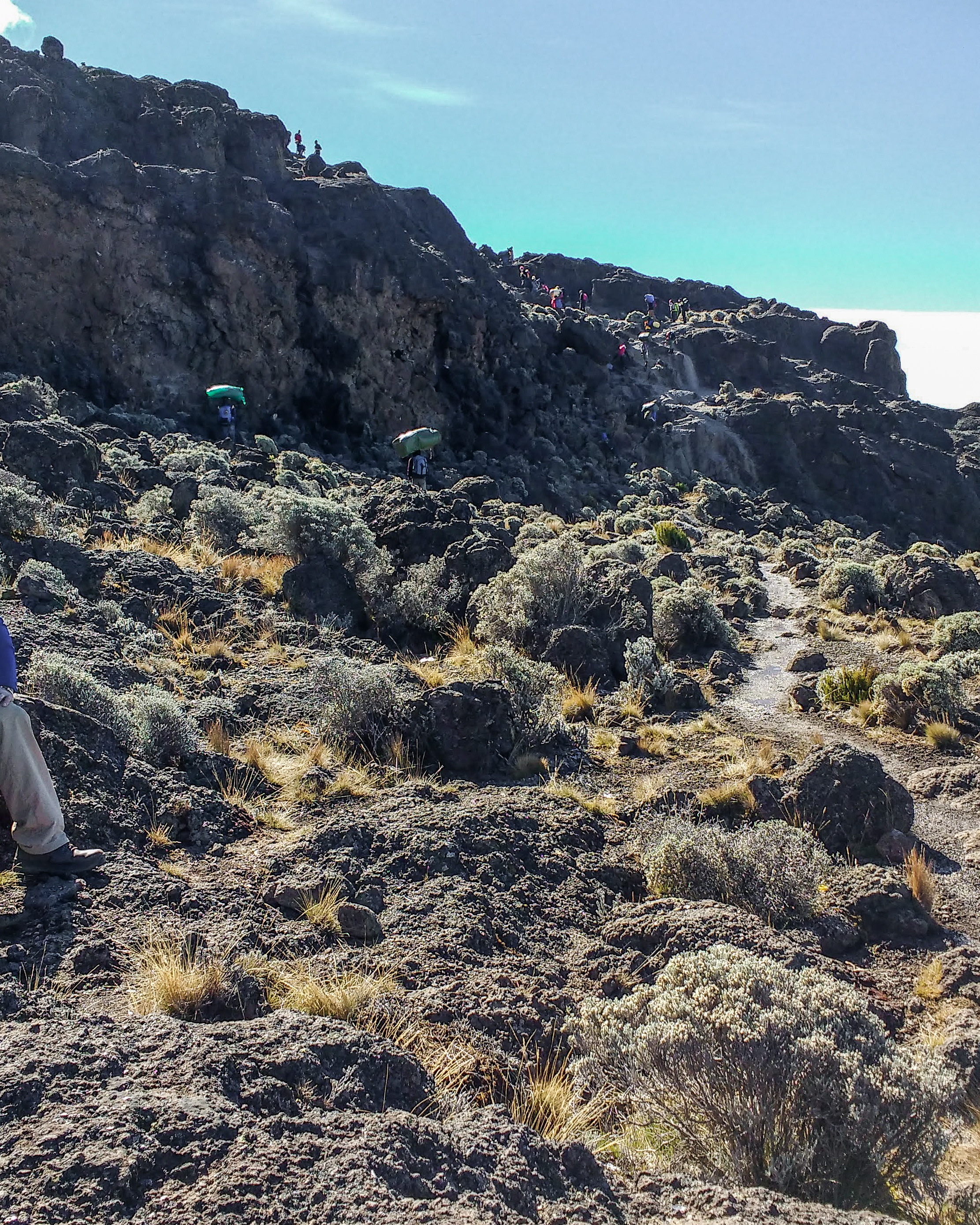
More than two hours of hoisting ourselves up sheer cliffs, edging along narrow ledges, giving one another leg ups, and even climbing on our guides’ knees, the camp was slowly falling into the distance beneath us, tiny green tents dotted on a real-life map. The valley and rainforest stretched out to blurry lines towards Mount Meru on the horizon, and the sun rose up over the wall to meet us. We sang and danced the ‘Barranco Shake’ while our Rafiki trooped past us with bags and baskets balanced on their heads. Grace stopped to tie a shoelace for one of them so he didn’t have to put down his pack! Maximum respect!

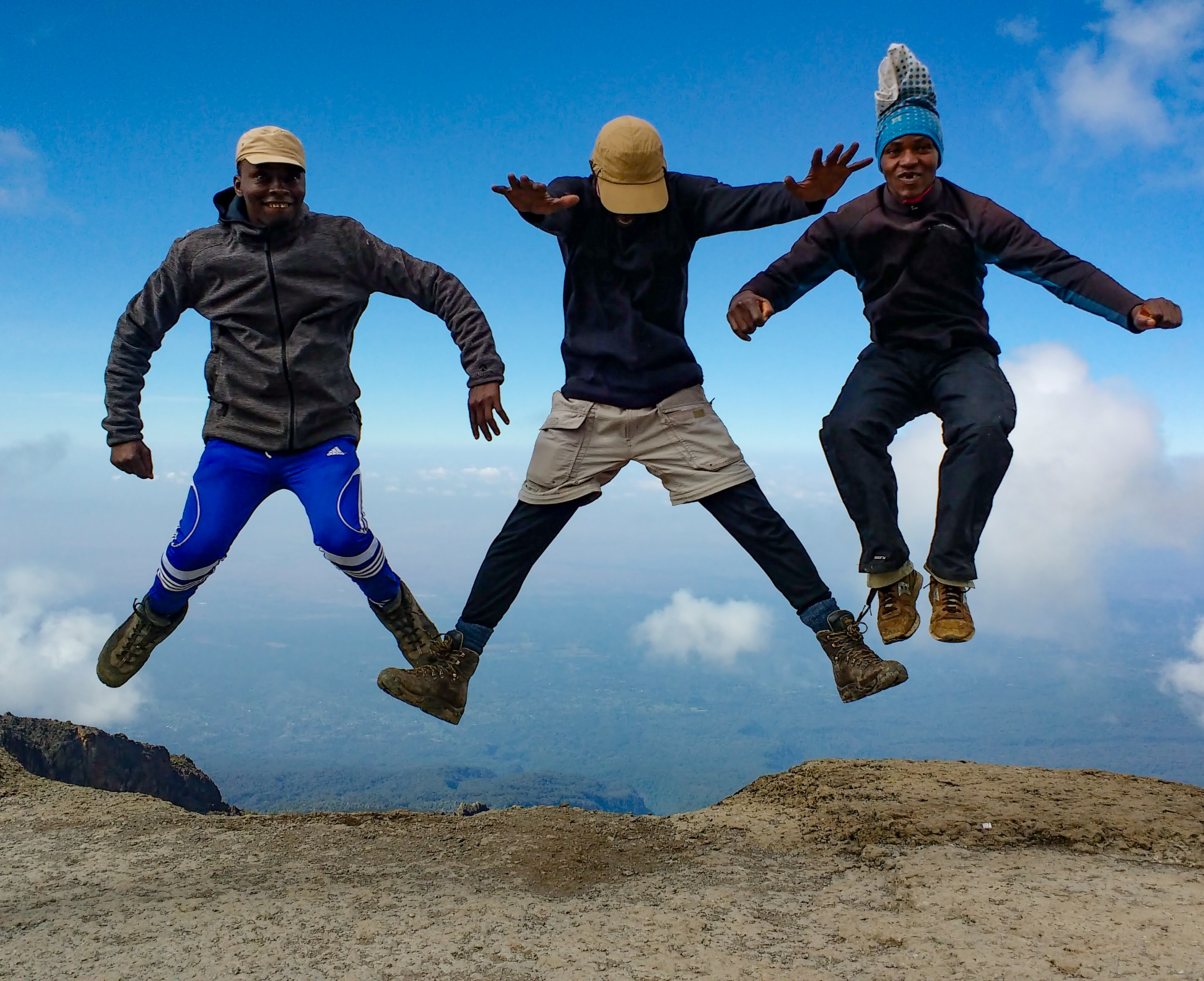
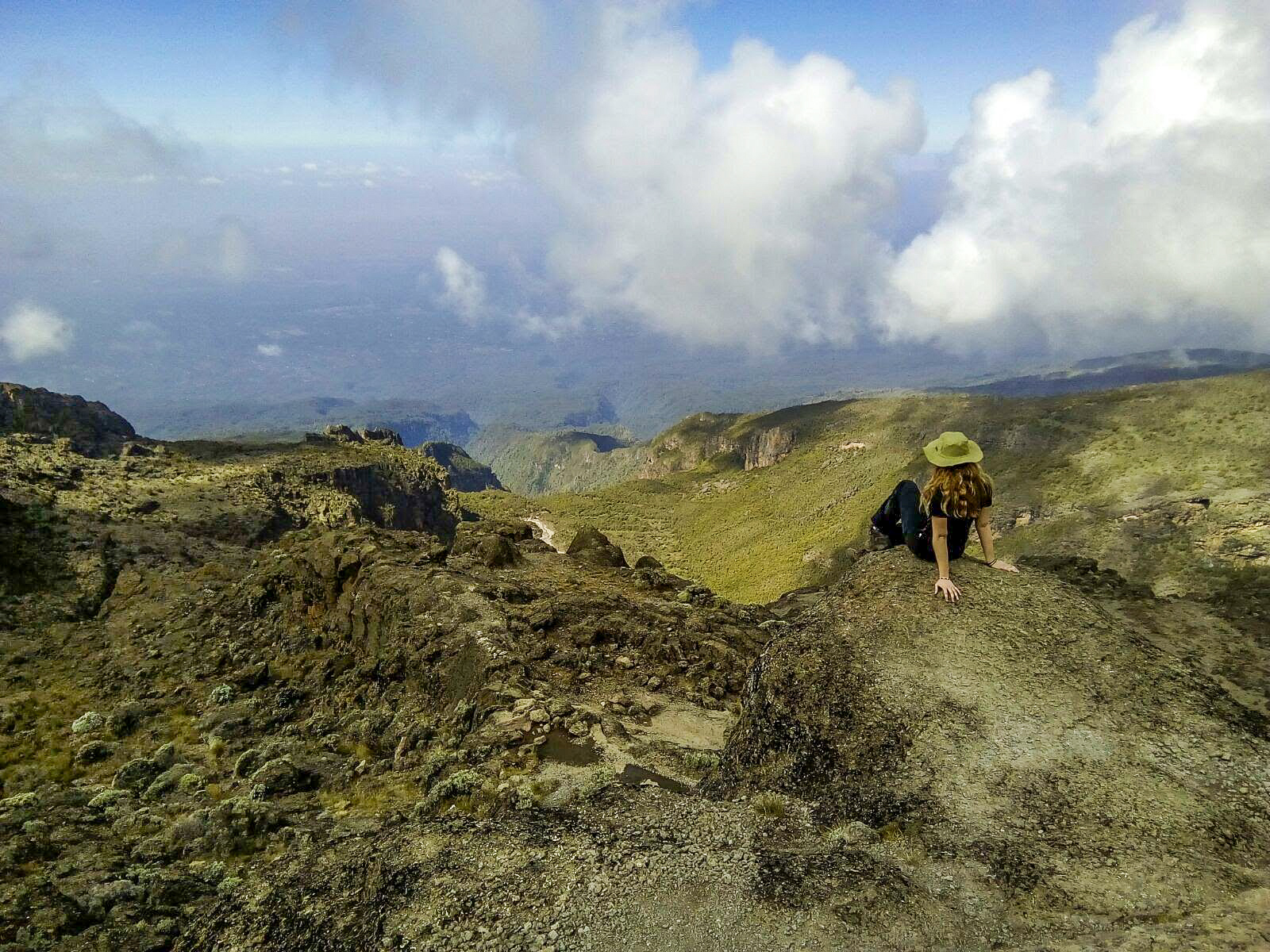
At the top of the wall the way ahead levelled out beneath the blazing sun, and the view was glorious, like looking out of an air plane! We took lots of photos, jumping in the air with our guides, and gave ourselves a moment on top of the world to take it all in.

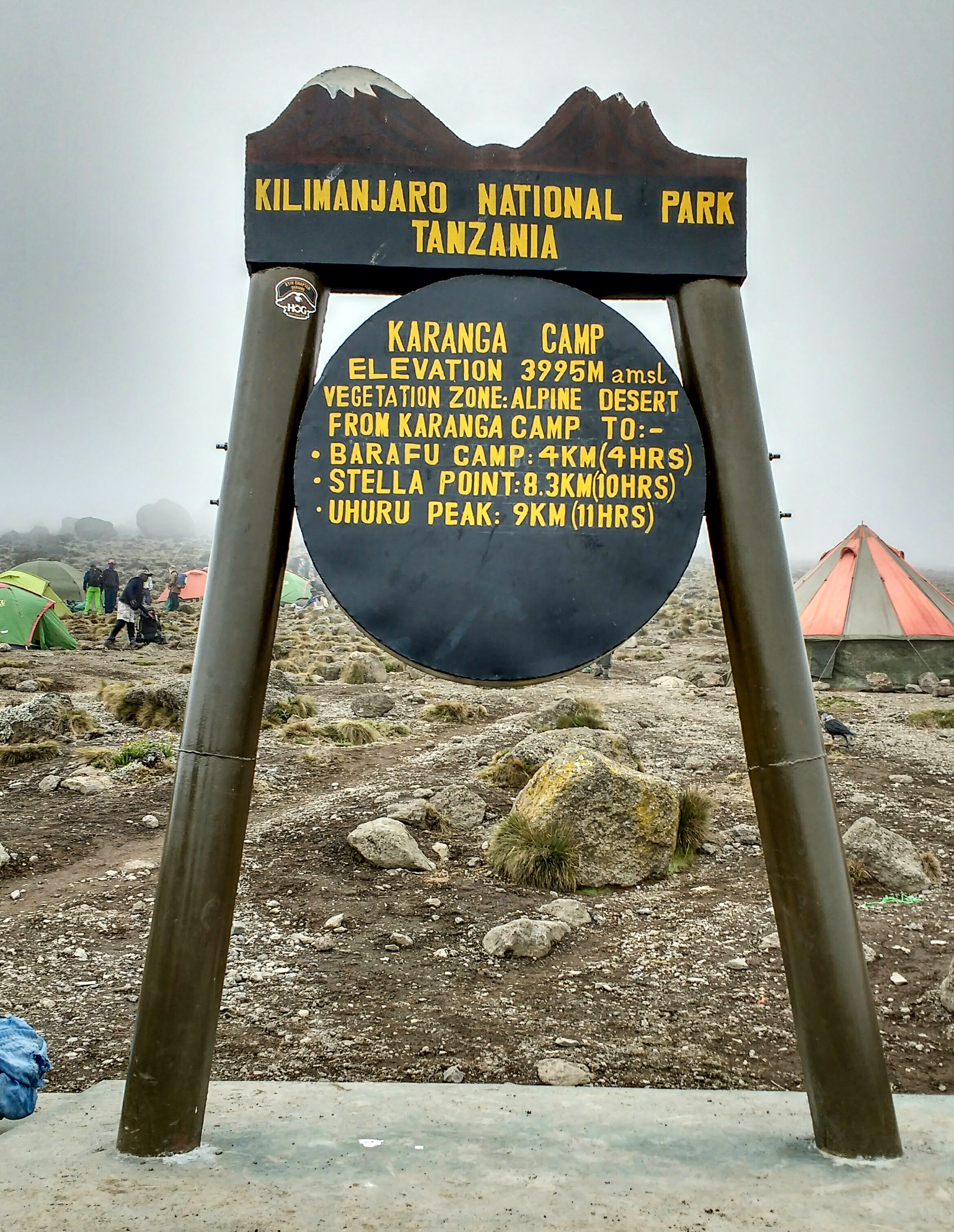
As cloud started to pour in again, we took the zig-zagging path up through the valley to Karanga Camp, all singing as we went. After we arrived, there was an epic thunderstorm and the mountain summit drifted in and out of view in the mist. Then it hailed! We had dinner and Birthday cake, and then we all ran back to our tents through the torrential rain to settle down for a long sleep.

Day Five – “Way of the Stone Stacks”

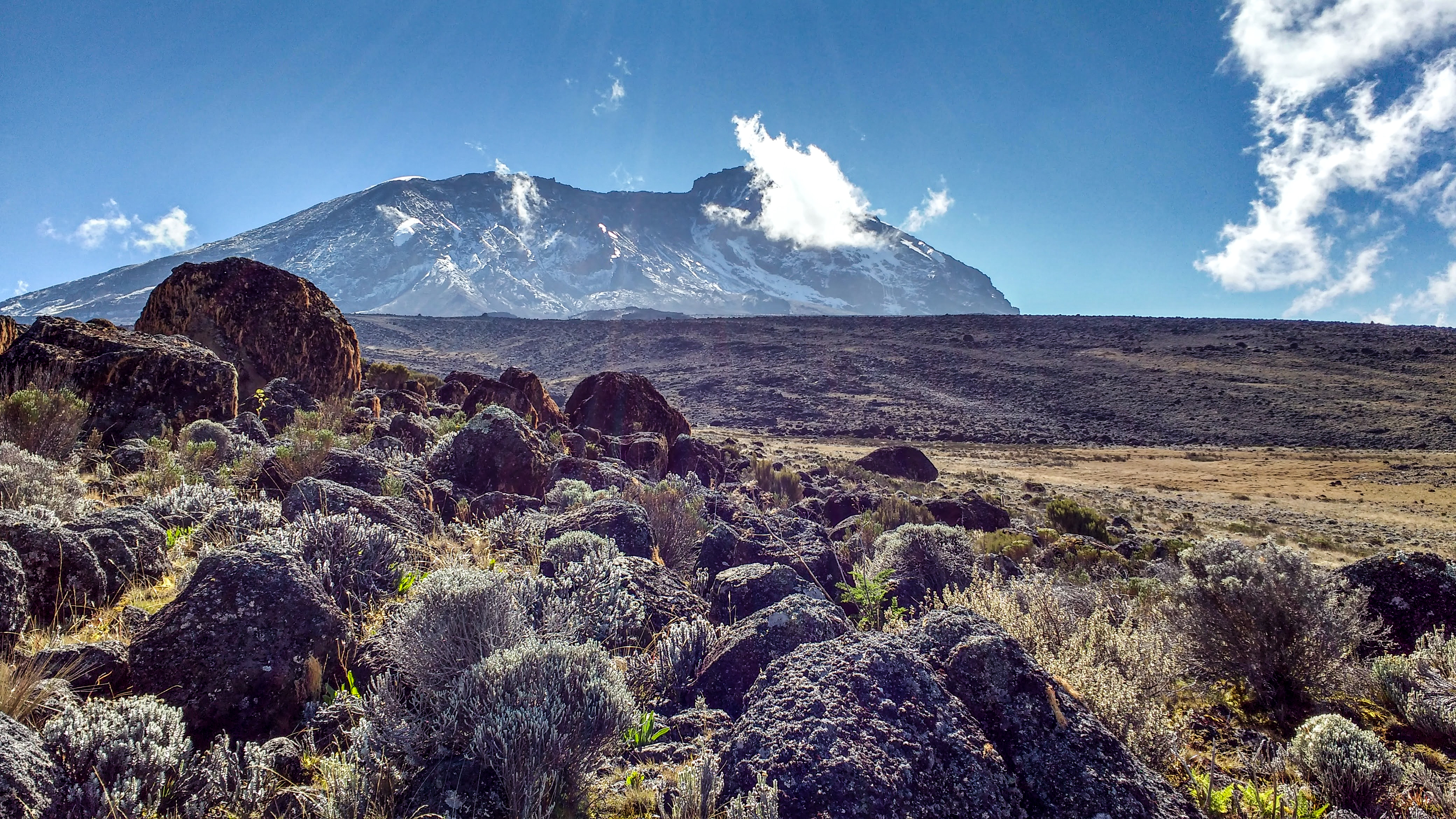
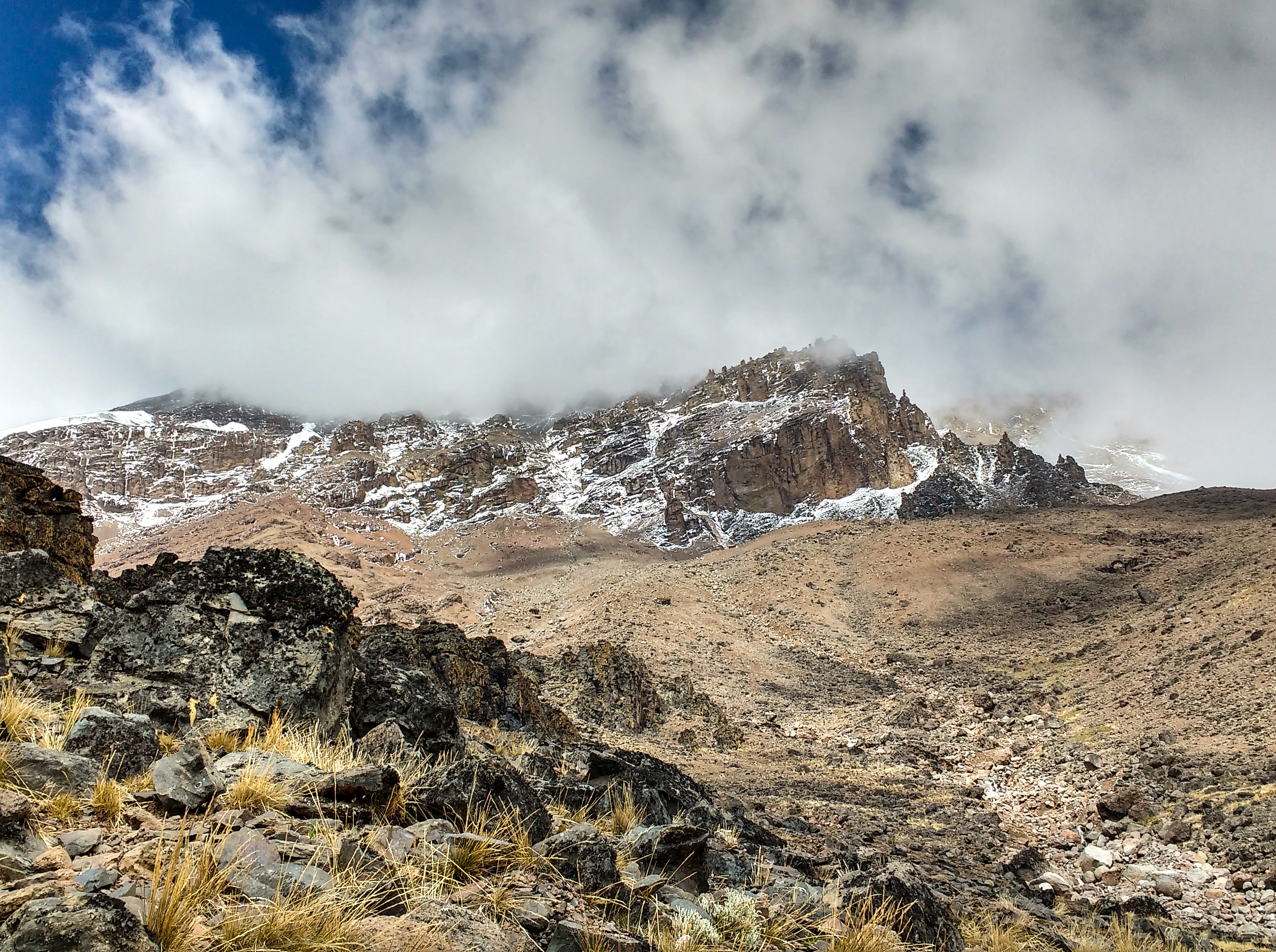
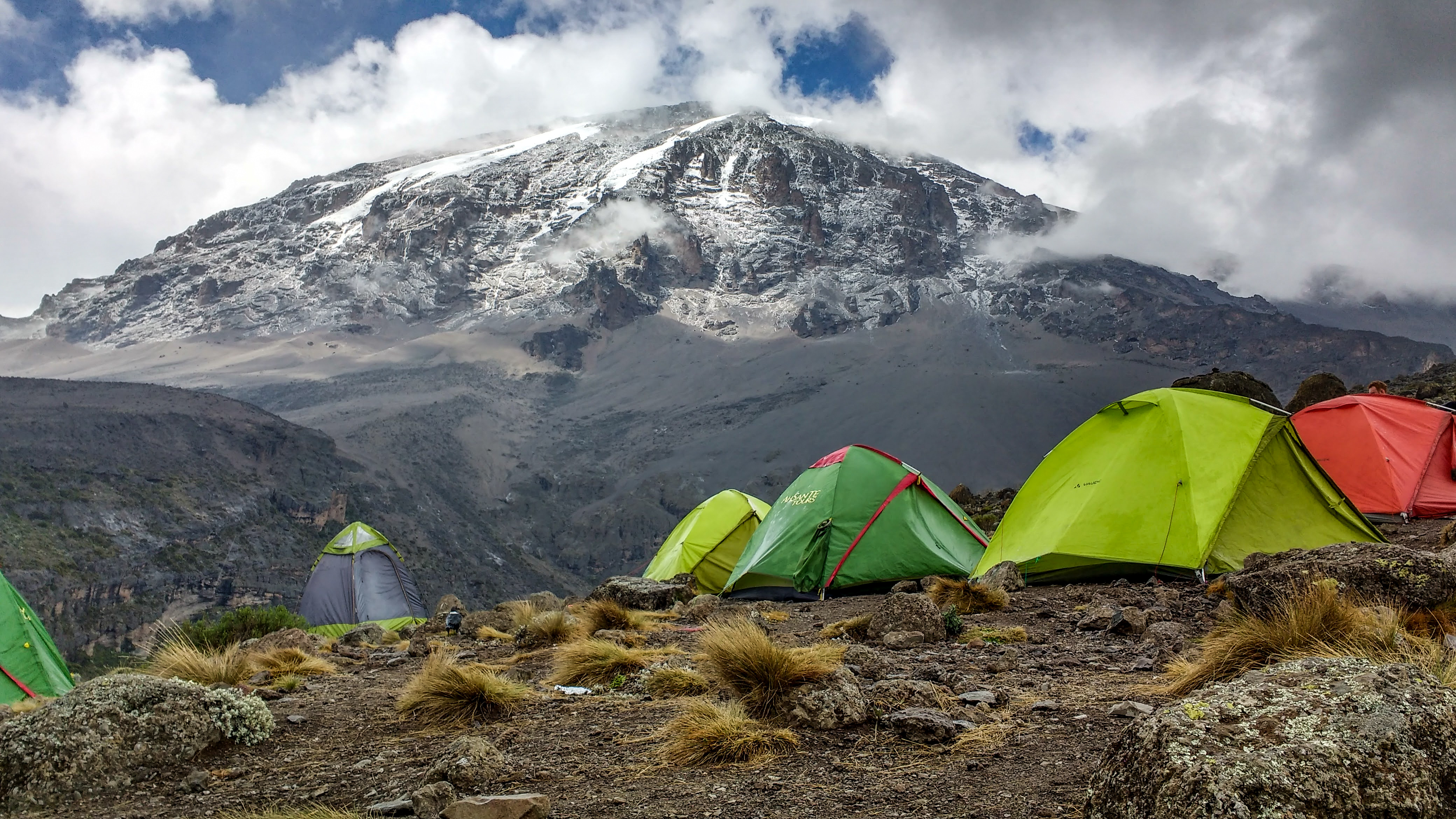
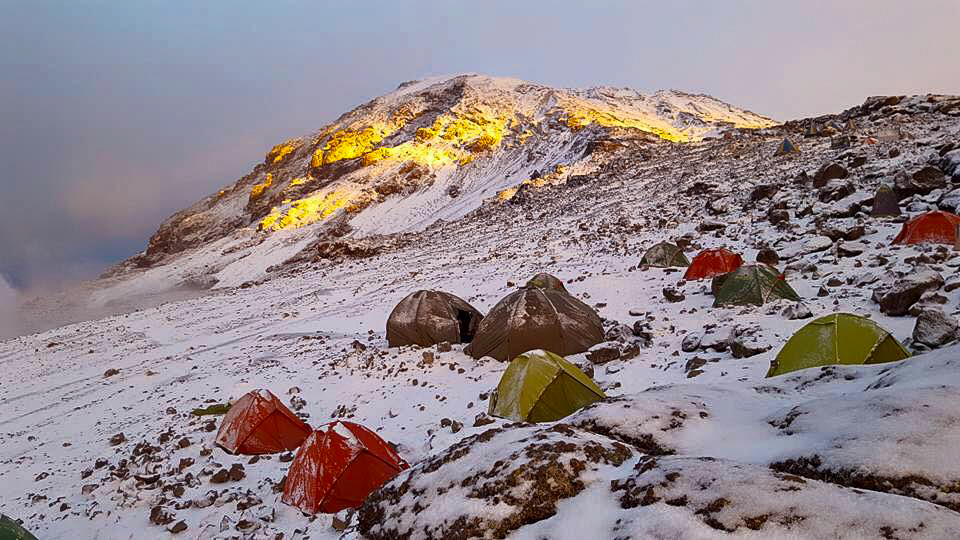
We were granted a lie in until 7am! But we were all up at 5:30 anyway. Our Rafiki brought tea to our tents as usual, saying “Habari za Asubuhi,” (Good Morning) and we went for breakfast, which today included some waxy yams that were quite interesting… We bid farewell to one more of the group, who left valiantly and proud, and some tears were shed. The summit loomed over Karanga Camp, and the snow line was lower than the day before, but the sky was blue and the sun was rising, making the snowy peak look like candy.

Morning at Karanga Camp

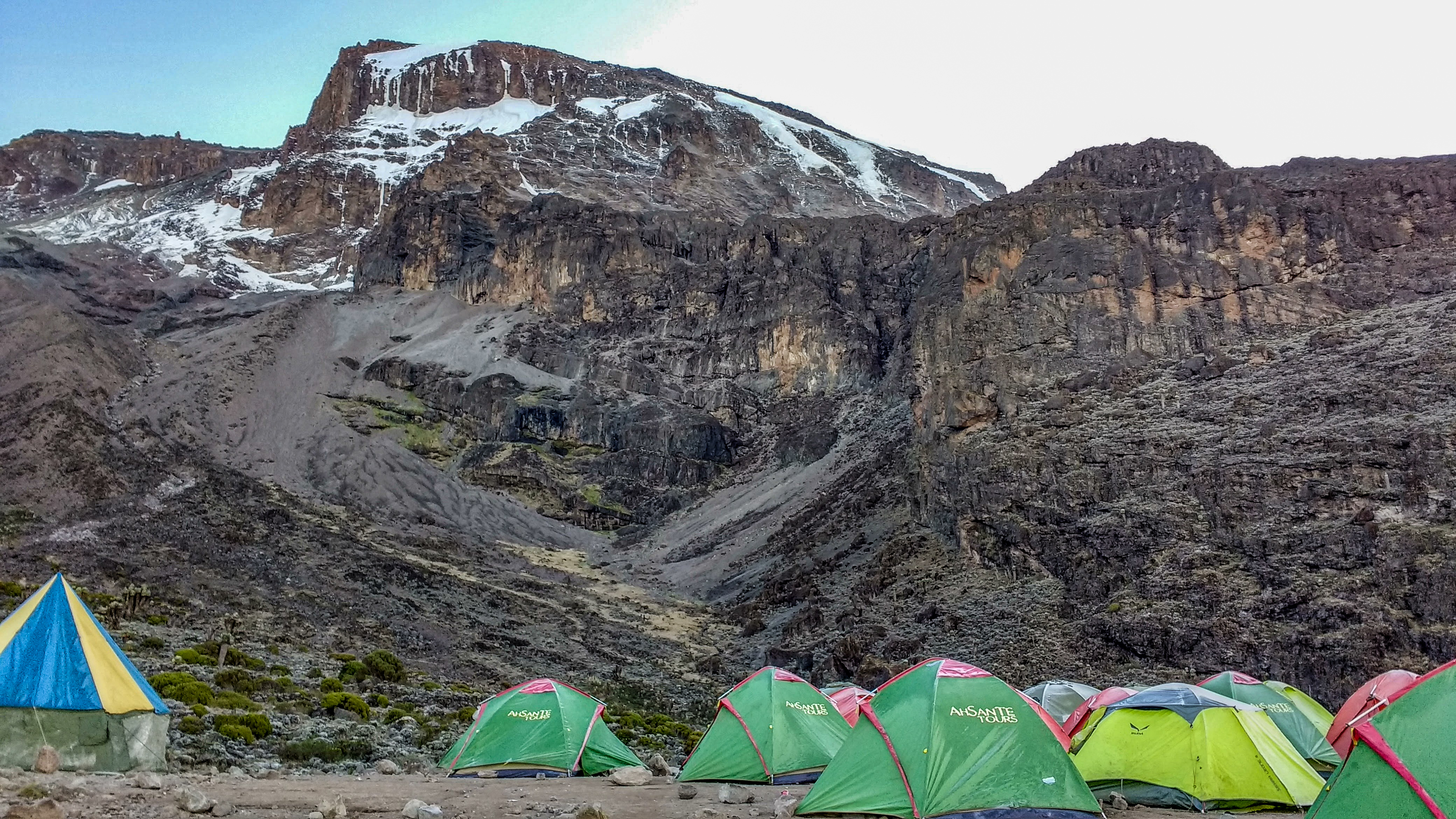
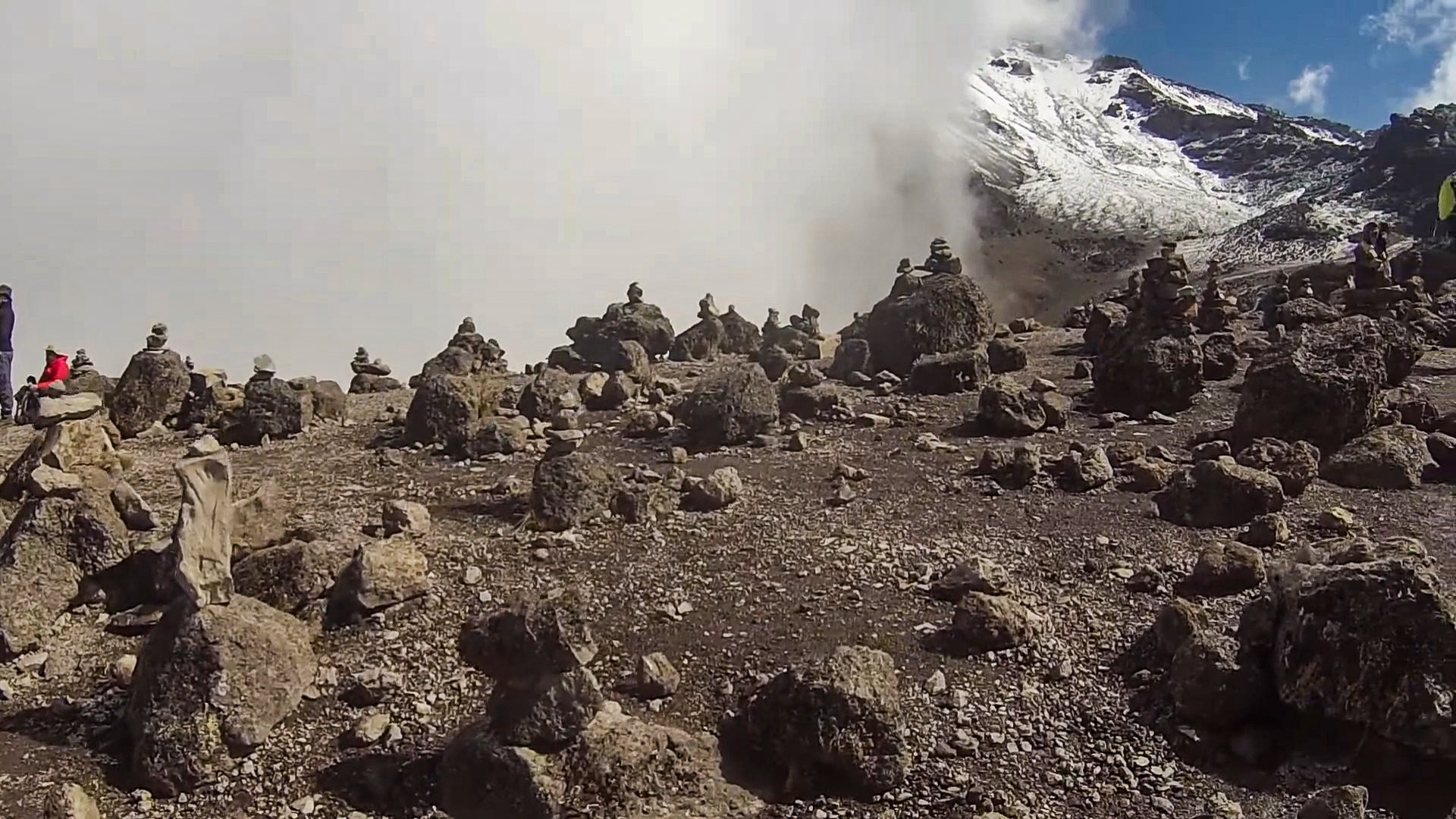
Today’s hike was short, but extremely “Polē Polē” due to the thin air. We crossed the stark, desert-like slope between strange walls of cloud, where hundreds of previous hikers had made stone stacks all around us, like something from another world. A couple of people in our group were really struggling – it wasn’t an easy ride – but we all made it up across the steep, rocky plain around the base of Kibo Cone to Barafu Camp by 1pm. Lunch was at 1:30pm – mashed potato and lentil curry, followed by one last briefing before our summit attempt began at 11pm.

Barafu Camp sits at the base of Kibo Cone at around 4,673m, on a sparse, windswept slope. Even as I sat talking with Si, wind gusts punched into the tent, howling and rattling the door zips. The temperature here typically ranges between 4°C and -29°C, so high quality kit and a certain level of fitness are requirements. From here, it is a shuffling 6-7 hour hike, 1,255 metres to the top of Kibo Cone to Uhuru Peak – The Roof of Africa: the highest volcano outside of South America, and the top of the tallest free-standing mountain in the world.

“Up”

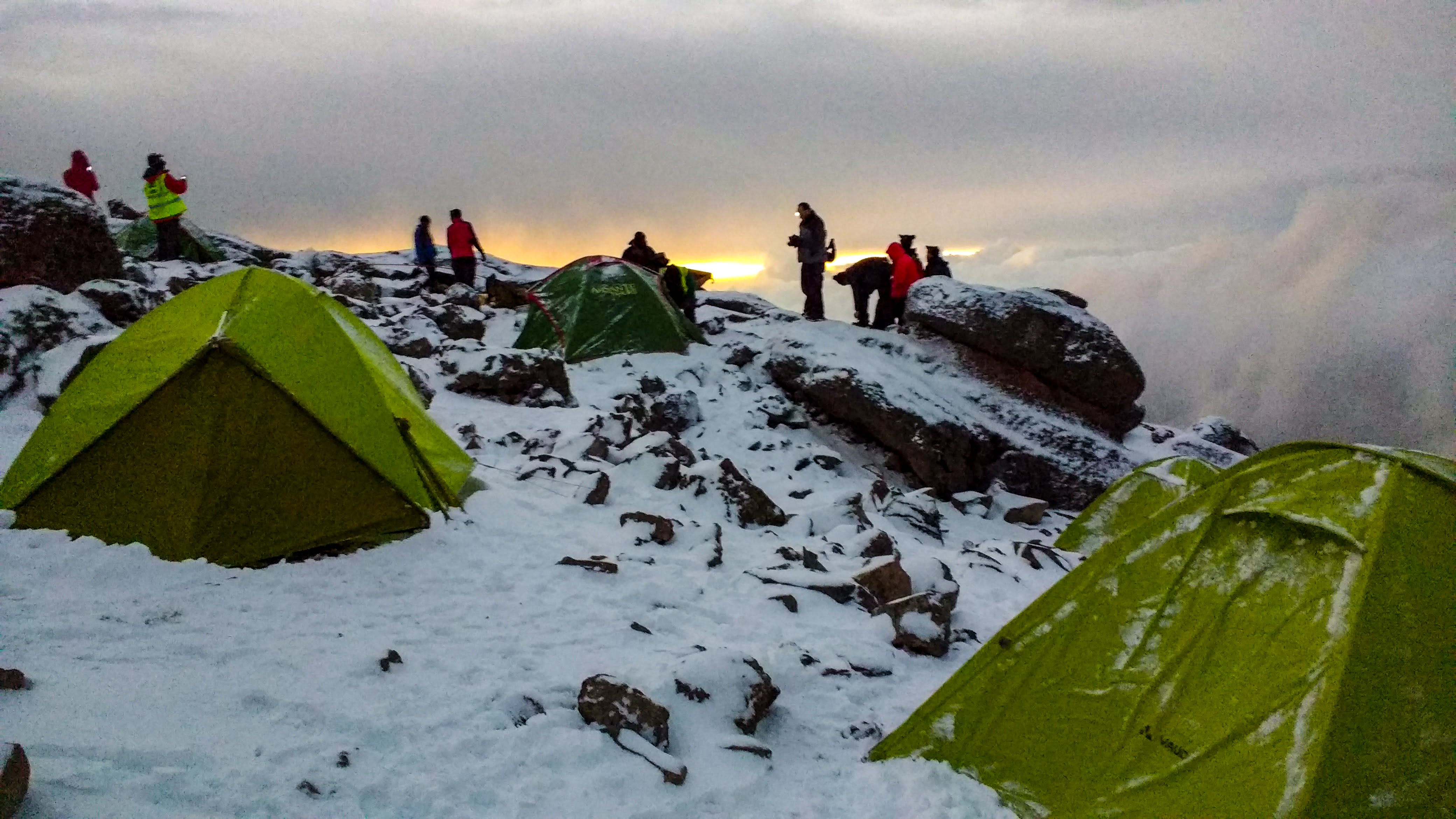
After a long, anxious afternoon rest, we were summoned from our tents at 10pm. Wearing every layer I’d brought with me, my pockets were stuffed with food and medication for easy access; phones and cameras buried deep in our layers to keep the batteries from freezing so we could get that long-awaited sunrise shot at Uhuru Peak. We congregated in the mess tent for our last supper – a massive plate of spaghetti – and made sure to fill our water containers. We followed our guides single file through Barafu Camp by head torch light, quiet anticipation buzzing through us. It had already begun to snow before we left camp, a light, gentle snow, and I sensed a subtle twinge of concern on Julio’s face. Maybe this bit was always stressful for the guides. Flashes of lightning from the clouds below us lit the snow pink and thunder rumbled around the mountain, and we grinned at one another through our face coverings. We trooped in a neat line through the darkness, a guide positioned between every second or third person – experienced pioneers of the mountain, who had become our friends – making sure nobody got left behind.

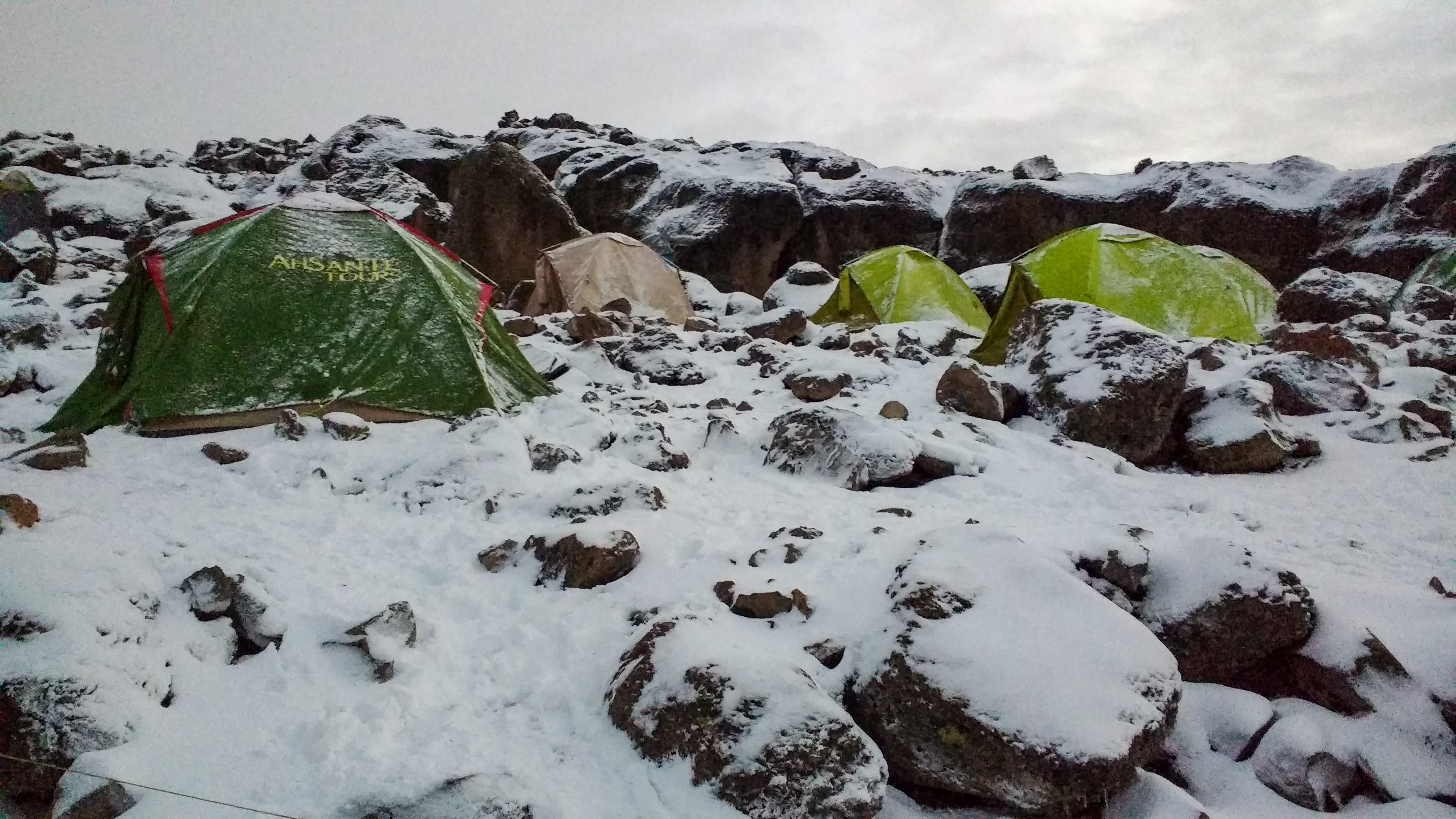
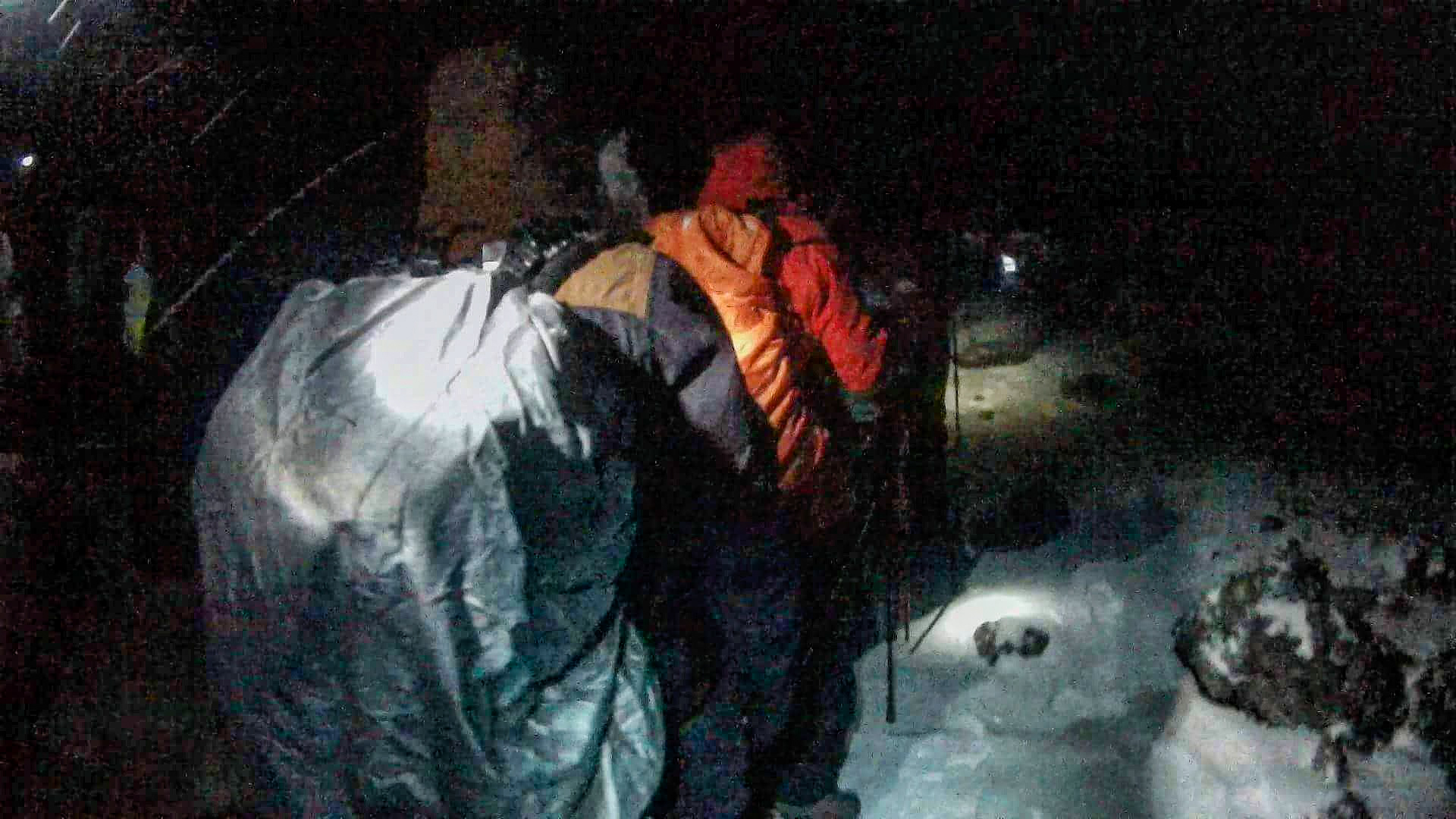
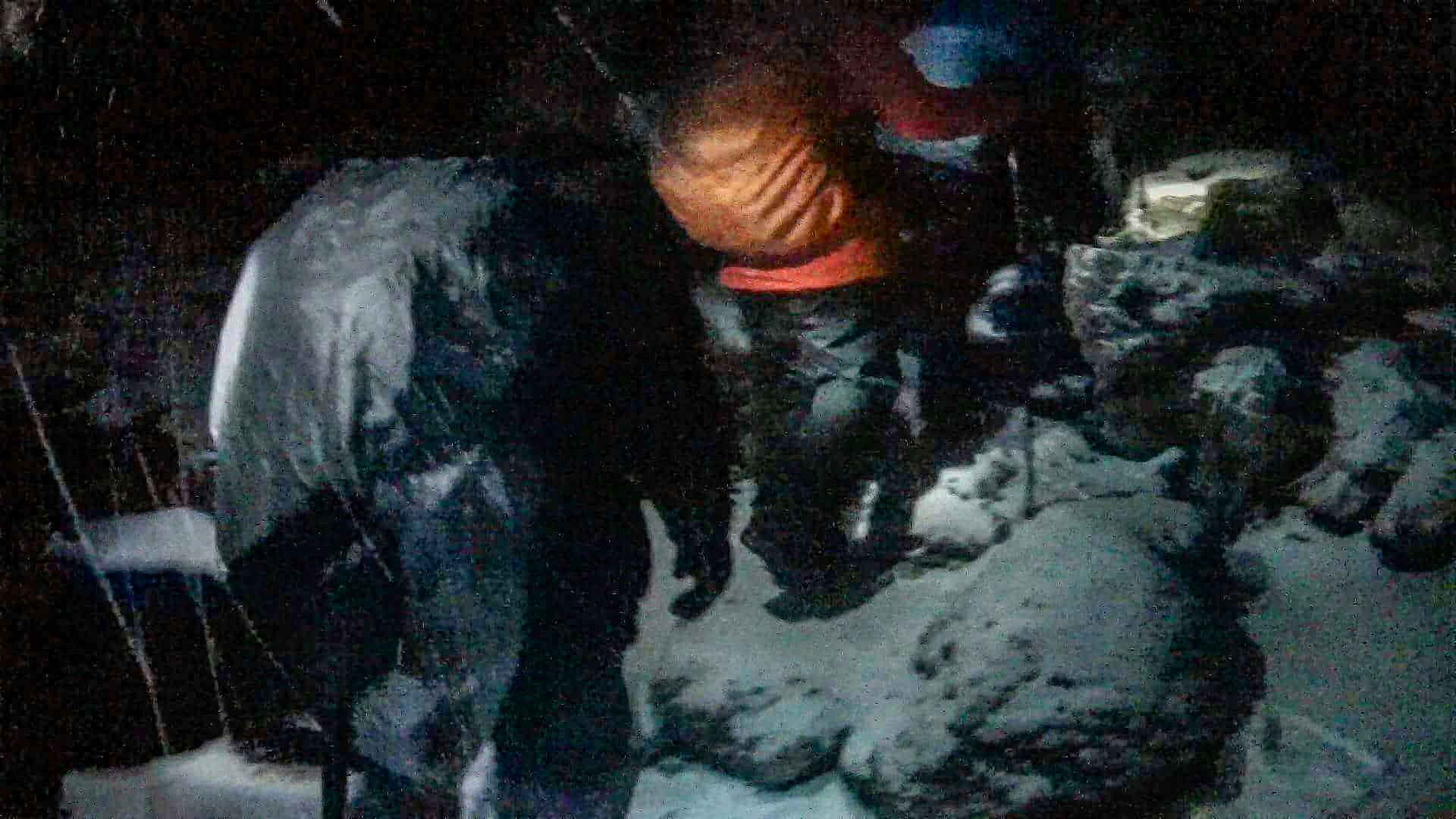
The snow was falling fast and thick now, coating the path ahead as we crossed into what is known as ‘The Arctic Zone’, so we were relying solely on the direction of the guides. Freezing wind whipped our faces while the lightning grew more frequent, shedding ultraviolet flashes on the snowy summit above, and thunder applauded loudly, echoing around the volcano cone. The whole group stopped in the shelter of a large rock, as the guides wanted to make sure we were all coherent, and taking in enough fluid and sustenance. But one of our group members wasn’t ok, acting delirious from altitude sickness, so Ian and Julio made the tough call to send him back to camp with another guide. We’d stopped for a moment too long and everyone was feeling the brutal cold as the wind grew stronger. Pushing forwards into the dead of night, the wind picked up more and more energy as we climbed closer to the summit. Snow was lashing down in sharp stones of ice, blowing sideways into our faces, fusing the fabric of our hats and face covers to our skin. Miniature icicles stuck to my eyelashes, and despite layers of thermal gloves, my fingertips were getting so cold they were painful. I had to stop to find a handwarmer – Julio helped me, rubbing my hands to get the blood flowing, but eventually we decided to just keep trekking on as we risked getting even colder by just standing there.

The weather was horrendous now. Snow somehow covered our tracks before our feet had left the ground. We couldn’t see, could barely breathe for the wind, and our faces stung. Si was close behind me, and Gemma was ahead, her poles skidding as the gale-force wind whipped the icy ground from beneath her feet. But we were determined! Heads down, one foot after another, all muttering little pep-talks under our breath, thinking about that first glimmer of sunrise.

We reached a change in the path and Julio halted us in our tracks, telling us to wait in the shelter of another big rock. We followed his orders, it was probably just another drink stop, or to let the rest of the group catch up, but he’d disappeared from our sight. Si, Gemma and I shivered, agreeing that we’d have to get moving soon or we’d freeze to death. As we stared up at the line of lights walking ahead of us, searching for Julio, our hearts dropped. The line of head torches were all facing us, coming back towards us. I froze, and Gemma and Si shared my silence. What did it mean? Julio re-appeared, gesturing for us to turn back.

“We have to go back. The storm is too bad; it’s too dangerous,” he was serious, rushing on to convey the message to the others. I couldn’t turn around. I simply watched as our team walked back past me in the wrong direction; I couldn’t make my feet move. We’d been walking for over four hours – just 600 metres to go! We couldn’t be quitting, not now!

“Down”

Everyone’s water had frozen hours ago. I saw people melting their eyelashes between their fingertips in order to see. My hat was literally frozen on to my forehead. I couldn’t feel my feet. But all of this felt numb compared to the feeling in my chest. I didn’t want to return to camp, not with just a few more hours to struggle through until we reached the top. It was in our grasp, so close, the closest we’ll ever be – we’d been walking for five days, what’s five hours more!? I wasn’t thinking rationally, and everything in my soul was fighting against what was happening, but my limbs just plodded on, numbly following the group back to camp, dragging my hiking poles behind me. I didn’t want to be alone, but at the same time I couldn’t talk to anyone. I placed myself behind Ben and Luke, and in front of Katie and Jack. No one spoke. A few of us shared glances of mutual disappointment. Luke was sobbing and Sophie quietly walked with him for a bit. Even our guides looked devastated – not for themselves, they do this frequently – but for us. They’d worked so hard to get our group this far, seen our relationships grow and our determination to reach the top. Now all they could see was our dream shattered across our faces. A year of hard work, training, fundraising and mentally preparing, convincing ourselves, ‘we can do this!’ Building a huge expectation and failing… it all came crashing down like an angry avalanche.

The path back down was very treacherous with the constant battling snow, and the never-ending stream of feet shuffling down made the path like an ice rink. Several people fell several times. Sophie slipped and just kept going as if she were on a slide, while a guide yelled ‘Polē Polē’ as she went shooting past him. She was ok, a bit bruised, but in a few days we’d be able to look back and find it hilarious. Not right now. Jack slipped behind me, unfortunately doing a number on his ankle, making it difficult for him to walk at all. Julio and all the other guides were incredible, running back and forth, asking individuals if they were OK, fashioning themselves into human railings, sometimes physically lifting us to a safer foot hold. Prof appeared behind me, I glanced at him and he was looking at me with concern. “You OK?” he asked. I shrugged, “Just sad,” I said. Prof just gave a little nod, took my hand and walked beside me for a little while, until he needed to help someone else.

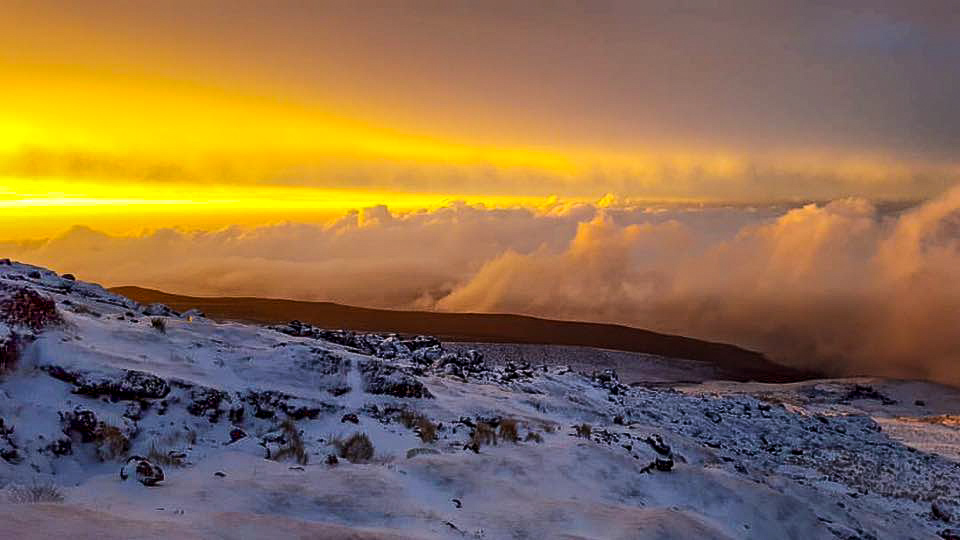
Tents gradually started to come into view as we made our way slowly into the higher reaches of Barafu Camp. The weather had subsided; it was no longer snowing down here and the wind only came in occasional gusts. We arrived at our camp at the time we should have been arriving at the summit, and all our Rafiki were applauding and cheering, which we didn’t want to hear. The sun was rising, dangerously orange through the lingering storm clouds. Some people stayed up to watch it, but for the first time in my life, it was the last thing I wanted to see.

Day Six – “An Emotional Rollercoaster”

Si appeared at the tent with instructions from Julio, to rest for an hour and regroup in the mess tent. I must have slept, for when I opened my eyes I felt that sense of impending doom, of reality falling back into my consciousness. It wasn’t a bad dream. It was quiet and I was alone – immediate negativity flooded me – they’re reattempting the summit and have left without me! But I snapped myself out of it, pulled on my damp shoes and went to the mess tent. There were only seven of the group there, all sitting extremely quietly. I edged in and found myself a seat, forcing myself to eat a piece of fried bread the cooks had somehow mustered up (we weren’t supposed to be there for breakfast.) Conversation was sparse, and tears were flowing around the group, catching on to the next person as we exchanged eye contact. Suddenly, Tim appeared in the entrance and said we have three options. None of them were to have another go, so I didn’t hear the rest. Everyone went to pack their bags and prepare for the descent down the mountain, but Si and I just sat there.

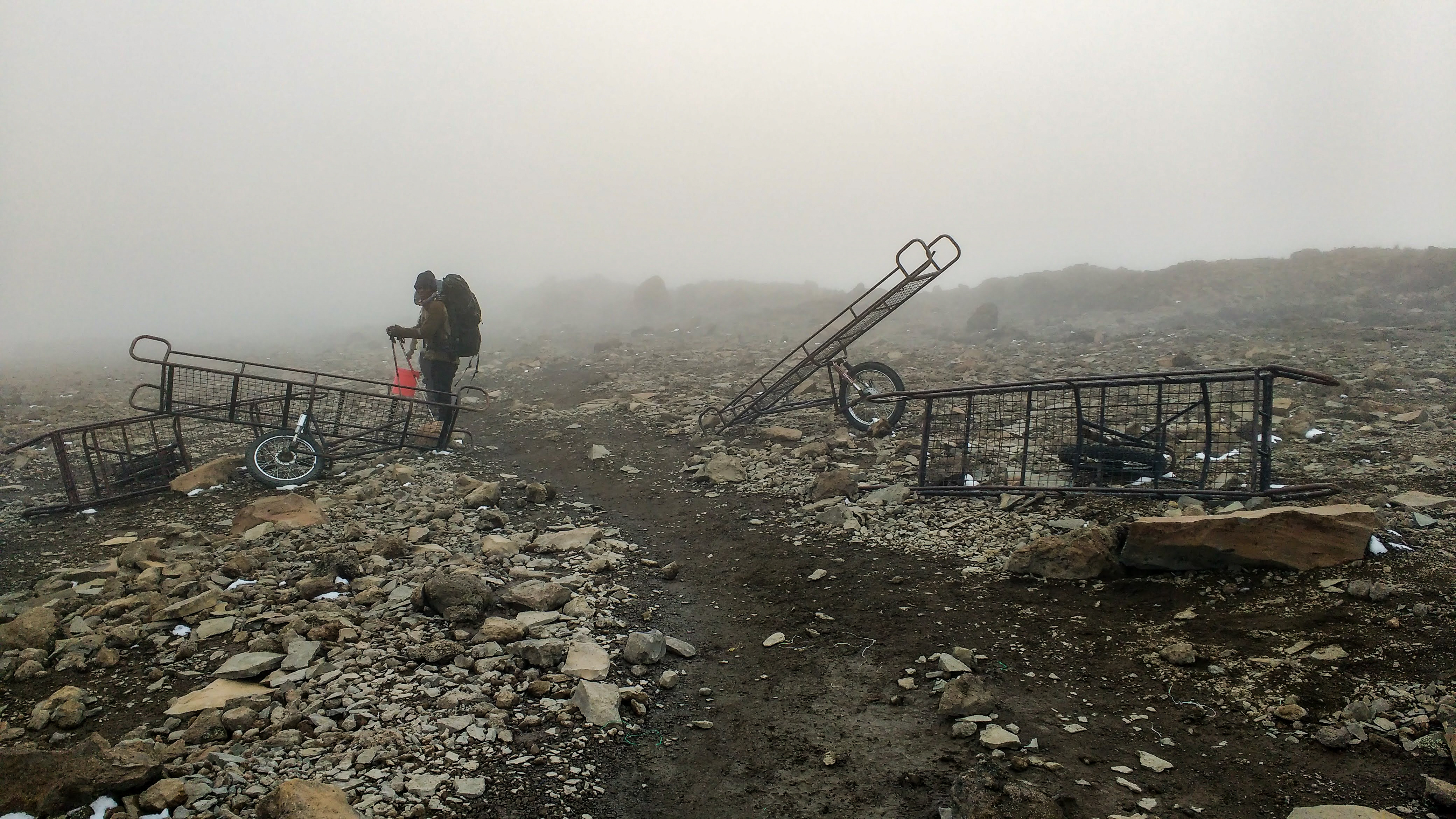
Julio sent some of our Rafiki to get a ‘mountain taxi’ or ‘Kilimobile’ for Jack, who was struggling to walk on his busted ankle. They returned with a big mesh wheelbarrow, like a metal stretcher with a bicycle wheel on the bottom! Wrapped in his sleeping bag, they laid Jack on the ‘Kilimobile’ and strapped him in, so just his smiling face was showing, and a small group of Rafiki grabbed all sides of the stretcher and wheeled him down the mountain. He was probably back at the lodge with a nice cold beer within half an hour!

Meanwhile, me and Si agreed that we really weren’t ready to pack it all in. I went back to my tent and started throwing things haphazardly into my bag, when Si appeared at the tent again. “If there’s any possible chance, would you want to try again?” he said, fire in his eyes. “Hell yes.” I responded without a second thought, and with a nod, Si disappeared again. I followed him back into the mess tent, where we sat down with Tim and Ian. Si made his pitch, raw with emotion, and they understood how important it was to us, but they were talking us out of it – there were too many complications. By this stage it would be near impossible to pull off. The guides and porters were doing a job, and they no doubt had to be back in time for their next tour, and if we took an extra day we’d have to pay for it too, which isn’t cheap. Not to mention the unprecedented snowstorm up there. This was just the harsh reality of nature.

“I had to ask,” Si kept saying as we packed our bags. I was ever so glad he did. At least we’d fought to try. As we could hear the group starting to leave outside, I rushed to put my shoes back on. Julio came to our tent, calling for us, “Yep, just coming!” I called, but he popped his head in and put his hand on my shoes to stop me. He told us he wanted to try anything to get us to the summit and told us to just wait a couple of minutes so he could check the options. He acknowledged that we were both strong enough and well acclimatized. Julio made a few calls on his radio and spoke to various people, suggesting we could join another tour group who were summiting today. We’d have to leave now, and we’d reach Uhuru Peak at 7pm, in the dark. Then we’d have to get all the way back down the mountain the following day. It was a lot, with no time for any more rest. I was exhausted, and Si looked it too, though adrenaline had us both wired. Julio got back on his radio to confirm, but the final answer came. “OK, I think we have to go down now,” he relayed to us, “they just told me there was a fatality up there, so we’ll go down.” That was the final decision. We didn’t argue with that. I’d been so hyper focused on completing the challenge, that I almost neglected to Respect The Mountain.

“Safe”

Julio led me and Si down at his quick pace, so we were able to catch the rest of the group within half an hour. We stopped at Millennium Camp for our last cooked lunch from the amazing chefs and continued the steep descent through the rainforest on the Mweka Route – the mountain’s shortest and steepest trail. Sunshine pouring through the rainforest (and potentially extreme fatigue) seemed to lift the world from our shoulders as we got closer to the bottom, and a few of us had already begun planning Kilimanjaro Challenge ‘Take Two,’ which made us feel better. At Mweka Camp, a medical car picked us up in shifts, taking us to a coach that would bring us back to the Weru Weru River Lodge.

Having descended a day early, we had an extra day at the Lodge, where we all got together and had a pool party in beautiful Lodge grounds! Together we reflected on the journey, marvelled at the guides and porters, and praised Ian and Tim for making very hard but necessary decisions for the safety of the entire group. Julio revealed that there hadn’t been a snowstorm like that on Kilimanjaro in many years, and it wasn’t normal for the season. We were all very thankful that we had each other, and that we came back as a team; grateful that we were all safe. It would have felt very wrong summitting without the rest of the group, and as we blew off some steam, I was able to appreciate what we had achieved. Later, the River Lodge threw us a celebration dinner in the garden, and we received certificates because we’d exceeded 5,200m elevation. Everyone was there, including our guides, and we all had a merry amount to drink!

In hindsight, the real challenge for me was the fear of not being able to complete it. I already don’t like building up other people’s expectations if I can’t fulfil them, which was my initial fear in the fundraising part of the challenge. Then I had to face that fear, and sit with it, which I had done everything in my control to avoid. Myself and a few others in the group always said we’d get together one day and try again, and that was a comforting prospect as we felt we had unfinished business! It has taken years, but I am finally content with my attempt. We might not have touched the frozen sign on top of Uhuru Peak, but we DID climb Kilimanjaro. We DID see the plains of Africa from above the clouds. We DID catch our breath at the highest altitudes we’ve ever stood. We DID hike into the Arctic Zone in an adverse snow storm in the middle of the night. We DID see the violent, pink lightning illuminating the clouds beneath us. We DID watch the sunrise from the highest volcanic cone in Africa. We DID witness the power of the Mountain, and we DID survive to tell the tale.

Maximum Respect!

If you enjoyed this blog, please share, & consider making a one-off donation to my ‘Buy Me A Coffee’ page, where you can also check out my art works inspired by my travels. Copy & paste the link below into your browser! And thank you for reading.

buymeacoffee.com/jaimiescapers: The Roof of Africa: Climbing Kilimanjaro

Puffin Island

A Trip to Scotland’s Jewel of the Forth

4–7 minutes

Fog veiled the harbour of Dunbar in Scotland the morning I arrived for the boat trip out to the Isle of May, and my heart sank at the prospect of spotting any wildlife. I’d been planning this trip for months, hoping to photograph the island’s birdlife, including everyone’s favourite – Puffins!

Dunbar Castle remains over harbour entrance

I wandered up Dunbar’s quietly bustling high street, with its blue and yellow bunting zig-zagging between the historical buildings, and strolled around the old harbour, admiring its ruined castle perched on the edge in the sea mist. Hundreds of seagulls and their fluffy chicks were nesting all over the ruins, like an apartment block for birds!

The ‘Blue Wild’ boat tour set sail from the ancient harbour at 1pm – at the tide’s convenience. It was a little 12 seater speed boat, and when the captain told us we were lucky to have these still conditions because 50% of the tours had been cancelled due to the weather, and that the waves could normally reach 2 metres high, my heart lifted again.  

It is best to give yourself some leeway when booking, in case of bad weather. I gave 3 days grace, and planned things that could be swapped around if needed, but even this was cutting it fine, as the weather we got was much better than what was forecast!

We slid out of the harbour on a white sheet of smooth sea glass that blended into the foggy sky. The sight out of the window was like an abstract painting as we skimmed across Scotland’s abnormally flat Firth of Forth, with silhouetted layers of grey landscape whizzing past in the distance.

Azure brushstrokes began to appear on the surface of the water as the fog thinned, and seabirds came into abundance, floating and diving around the boat. The Bass Rock loomed up ahead, a giant rock island, famously home to the world’s largest colony of Northern Gannets. As we slowly circulated the island, the sheer magnitude of the colony became evident. The entire surface of the rock was like an ice cream dipped in sprinkles, only the sprinkles were Gannets! Over 150,000 of the birds nest here between Feb and October. I’ll be honest with you, I didn’t have much thought or feeling about Gannets before, but this was amazing to see and I could appreciate how beautiful they are with their blushed heads and piercing blue eye shadow, lined with black.

Enormous sea caves etched deep under the island were guarded by Shags, standing atop shards of rock, their outstretched wings drying under the freshly cleared sky. We bobbed beneath the Bass Rock Lighthouse, craning our necks to take in the vast amount of Gannets. Their monstrous fluffy, white chicks were littered all over the cliff, which was dripping with their waste like candle wax, and the cacophony of the birds filled the air.

Then one of our group yelled and pointed to the back of the boat – a single Puffin was paddling along behind us, on an idyllic backdrop of Tantallon Castle on the coastline beyond. Very demure.

We sailed on to the Isle of May, which was surrounded by Grey Seals lounging around on the rocks and twirling in the watery mouths of the sea caves. As we came around the island to make port we could already see puffins on the cliff ledges and on the water, along with Terns, Kittiwakes, Shags, Gulls and Jellyfish.

There was still a layer of fog on the sea as we circled the island, but once we stepped off the boat the July afternoon sun was burning through.

Fluffy grey seagull babies toddled around between tussocks, like butter wouldn’t melt, but the guide informed us that there were no Arctic Terns nesting here because those cute little baby gulls had eaten all their chicks. We strolled up the hill to the Main Lighthouse spotting big rabbits lolloping in the long grass and thistles, stopping at the Loch on the way. Puffins were watching us from all around as the footpath cut between high banks, and as they flew over I noticed the fish hanging out of their beaks and their big orange feet sticking out behind them!

Meandering down the headland to Bishop Cove there were Puffin burrows absolutely everywhere, highlighting the importance of sticking to the footpath. I watched three baby seagulls putting their heads in the burrows, while the parent Puffins waited anxiously from a distance. It was hard to watch the sad reality that some of these Puffins might be coming back to an empty burrow.

The spectacular cliffs of Bishop Cove were alive with birds, the grand white pillars holding the island up out of the crystal water below. We followed the path down to a cove known as Alterstanes, where we got some nice Puffin close ups. Then we looped back along the lower boardwalk, ‘Holyman’s Road’ along a vast, rocky coastline, to the south point of the island.

The high cliffs around the South Horn were teeming with Kitiwakes, Shags, and Guillemots and Razorbills, nicknamed the Penguins of the North. A North Sea wind began to gust in, bringing dark clouds, so I donned my jacket and crouched on the rocks, watching as Puffins flew in from the sea, fish spilling from the edges of their beaks.

It had started to rain by the time we got back on the boat and departed back to Dunbar. On the journey back, I could swear I saw something big and grey breach the water – a dolphin or a whale – but no one else noticed. Moments after, the boat was stopped so we could watch a large number of Gannets diving. The captain was telling us that sometimes Minke Whales could be spotted amongst diving birds, as they feed on the same fish, and just as we began to pull away, there it was again – a Minke Whale! It breached two more times, and this time everyone saw! It was a magical moment to end a perfect day, and with the driving rain setting in, I was happy to get back to the cosy accommodation in Edinburgh and look through my photos.     

Diving Gannets

Sláinte, Dublin! 🍀

All you need for a couple of days in Ireland’s capital in March!

6–9 minutes

March is a popular time to visit Dublin, with St. Patrick’s Day drawing crowds from all over the world, but if you avoid March 17th and the Paddy’s Day weekend, you can score some pretty cheap deals and still witness the city in all its Paddy’s Day glory.

Packing Essentials:

  • A comfy jumper or two
  • Layers (with very changeable weather and central heating & pub fire places, you’ll be glad to be able to add or remove a layer on the go!)
  • Comfortable, waterproof shoes (don’t slip on Dublin’s old cobbled streets!)
  • Waterproof jacket (for when the drizzle kicks in!)
  • Sunglasses (March is spring time, and when the sun comes out it means business!)
  • Daytime backpack (to carry your haul of miniature whiskey bottles!)

Lunch & Shopping

The little Aer Lingus plane with its shamrock on the tail landed in Dublin just in time for lunch. A crowded bus took us from the airport into the city, where we alighted close to Temple Bar. We went in the first pub we saw – The Duke on Duke Street, and ordered the special – traditional lamb stew served with rye bread. It would be rude not to celebrate our arrival with a local Dublin brew, so a pint of Five Lamps ale was enjoyed beneath the St. Patrick’s Day decorations.

Duke Street leads out onto Grafton Street, Dublin’s pedestrianised shopping hub, where you can find your favourite international stores lining the bustling brick paving. Street artists and buskers fill the atmosphere, while the side streets lead off to vibrant bars, restaurants, and interesting venues including St. Anne’s Church of Ireland. We found a whiskey shop offering free tasters!

Where to Stay

I can highly recommend Staycity Aparthotel for comfort and convenience and reasonable prices. The hotel is walking distance from a multitude of pubs, restaurants and shops, and just across the river from Temple Bar. The studio rooms have self-catering facilities, perfect if you want to save some pennies on meals!

The Guinness Storehouse

Now we’re getting into the real reason you’re all here… let’s face it, everyone wants to know, does Guinness really taste better in Dublin? The Guinness Storehouse sees 1.5 million visitors per year, so it is definitely necessary to book ahead, and be prepared for crowds.

The walk to St. James’s Gate was interesting in itself, through narrow streets, lined with brick factory walls, second and third level walkways criss-crossing above us. It was like walking back in time through the Industrial Revolution. Little horses and jaunting cars stood in a line outside the Guinness Storehouse entrance, enticing tourists for a ride – €50 for half an hour!

Inside the Guinness Storehouse, levels and levels of escalators zigzag up an endless hollow building. We followed the line up to the first level of the sensory immersive museum, where we were funnelled through the early stages of beer production – growing the barley, extracting the finest spring water, etc. I found it artistic and sensory, though I struggled to take in all the information with the tide of humans flowing at a constant rate. There were things to open and touch and smell, replicas and giant mash-tuns you could walk into. Beyond this section, the Storehouse got a little more relaxed; the crowds dispersed a little as you could choose an experience, see the advertising history, or go to one of the restaurants on the fifth floor. As for me, I chose the Tasting Experience.

We waited in line for a few minutes, until the door opened and we were welcomed through a tunnel of mood sound and lighting and what I could only describe as the smell of vape flavours! The tunnel opened into a very bright white room with four matching white tubes coming out of the floor, steam rising from each of them. It felt very Willy Wonka! The four tubes represented four different flavours of Guinness ingredients. Into the next room, which resembled the foyer of a Royal abode, and we stood amongst bust statues and oil portraits to down a very tiny glass of Guinness. Sláinte!

A walk through the interesting history of advertising, with the famous Irish harp, a flock of toucans, a seal, a kangaroo, a whistling oyster and a cycling fish, it was time to make our way to the roof for a beer. The Gravity Bar boasts that it is 300 pints of Guinness tall, and it would take 2.5 million pints of Guinness to fill it! It is designed to look like a giant head of Guinness sitting atop the Storehouse, and offers 360° views of Dublin. This is where you come to taste your complimentary, perfect-pour pint of Guinness and find out if Dublin does it best. (The answer is obvious!)

It’s difficult to leave the Guinness Storehouse without visiting the enormous gift shop. I came away with a bottle of Porter, which turned out to be my favourite Guinness drink, and I wish I’d bought more than one!

Arran Quay

It’s not all about Guinness in Dublin. Coffee has popped off in the city and there are a number of excellent artisan cafes. My favourite was Copper & Straw in Arran Quay. Overlooking the 1800s flagstone quay on the river, we sat and enjoyed perfect barista-made coffee and a freshly baked croissant. This is literally around the corner from the Jameson Whiskey Distillery, where you can take a tour or just go check out the old factory building.

Dublin Castle

The castle in Dublin’s city centre is a little different to castles around the UK. It is hidden in the city rather than sitting guard on top of a hill, and its buildings are a mash-up of many different historical eras. The latter is because parts of the castle kept getting destroyed, and therefore there is only one original medieval turret remaining. Interestingly, Bram Stoker, the author of Dracula worked at Dublin Castle in the 1870s, and his first, lesser known publication was based on his time there. But it is thought that his time at the gothic castle also influenced his telling of Dracula.

National Museum of Ireland – Kildare Street

The National Museum on Kildare Street is free to roam around at your own pace. Set inside a grand Victorian Palladian building, this particular museum focuses on Irish archaeology through the ages. From gold hoards found in swamps, to graphic artefacts from medieval Catholic Ireland, there was even a Viking exhibition while I was there.

Temple Bar

We paused for lunch at KC Peaches – a Dublin chain of fresh food eateries, before walking back through the old town to Temple Bar. Temple Bar is a bustling, riverside neighbourhood, famous for its ‘good craic’, traditional pubs and array of live folk music. These pedestrianised streets can become very crowded, especially at beer-drinking o’clock, which – it comes as no surprise – is all day! Through alleyways lined with neon ‘Guinness’ signs, and down curving cobbled streets, past old pubs and the famous statue of Molly Malone and on to the very popular Temple Bar Pub. Probably the most touristic pub in Ireland, The Temple Bar Pub was smothered in massive shamrocks, and had a loud yet inviting ruckus blaring out of it! We went inside and found some empty bar stools next to some giant green Celtic God heads. A man was playing guitar and singing classic sing-alongs in the small bar, and we sat with a Guinness and soaked up the atmosphere.

Ireland’s Oldest Pub

The Brazen Head, est. 1198, is undoubtedly old and very atmospheric. We were early and lucky enough to get a table inside for dinner, and the food was traditional and impeccable. It isn’t cheap, but for the full atmosphere it was worth it. Timber beams hold up the small, dark inn, with a fireplace in the wall, and a tiny, ancient bar with every beer and whiskey you can imagine behind it. The walls are smothered in foreign money, photos, signatures and memories, and if you manage to get in later in the evening, they promise live music every night.

A short walk back to Temple Bar to continue our walking tour of pubs! We stopped in The Porterhouse Brew Pub, a tap room for their own range of beers and ales, where a Fiddle Trio were jamming at a table in the window! Next we followed the sound of live music into Fitzsimons Pub, world famous for its non-stop entertainment! We sat along the bar and enjoyed proper folk music with Irish bagpipes. The night was topped off with a sip of Distillery Edition Jameson’s – because “when in Rome.”

A good way to conquer the day after the night before is to try out Supermac’s – Ireland’s own competitor for McDonalds. We found one at Dublin Heuston Train Station and it hit the spot.

Wellington ~ Te Whanganui-a-Tara

9–13 minutes

How I made the most of 4 nights in New Zealand’s capital city at the end of winter without a car.

  1. Budget
  2. Must Do Experiences
    1. Wellington Cable Car
    2. Zealandia
    3. Wētā Workshop Experience
  3. Free Things To Do
    1. Cuba Street
    2. Wellington Botanic Gardens
    3. Waterfront Walk – Oriental Bay
    4. Wellington Museum
    5. Te Papa Tongawera – Museum of New Zealand
  4. Cafés & Dining
    1. Buenos Aires Café
    2. Gemini Café & Eatery
    3. The Hangar
    4. Mexico, Wellington
    5. Puro Chile
  5. Craft Pubs & Bars
    1. Garage Project
    2. Fortune Favours
    3. The Library
    4. Little Beer Quarter
  6. Read Next…

Revisiting the south of New Zealand for the first time since I lived and backpacked there in 2014, I realised that I’d always just passed through the country’s windy capital without really seeing anything! So when Lockdown ended I decided it was time – without the constraints of a backpack and tent – to actually get to know Wellington.

Te Whanganui-a-Tara means ‘the great harbour of Tara;’ Tara being the son of a Polynesian explorer whose descendants made this their home.

Budget

Total: $1,150 NZD between two, (end of winter, 2022.)

My partner and I pre-booked a small studio apartment through Air BnB, situated on The Terrace in Te Aro – a quiet, hillside road surrounded by trees, just a 7 minute walk to Cuba Street.
Accommodation: < $600 NZD for 4 nights

We allowed ourselves a semi-flexible spending budget in Wellington, but I don’t think we did too badly over four days!
General Spending: $550 NZD between two

Must Do Experiences

Wellington Cable Car

The first thing on my to-do list was catch the Wellington Cable Car; I don’t know why I’d missed the opportunity in the past! Operating since 1902, the cable car boasts some of the city’s best views, and the destination terminal – Kelburn has some worthwhile attractions to see, including the Wellington Botanic Gardens & Carter Observatory. We used Wellington’s public transport card – ‘Snapper’ – to ‘tap on’ the cable car (from Lambton Quay only) with a significant discount. Note: this payment method is due to change in October 2023.

Location: Cable Car Lane, Lambton Quay, Wellington
Cost: $6 NZD one way, $11 NZD return
Time Allowance: 5 mins

Zealandia

After being woken in the night by the cheeky squeaks and squawks of Aotearoa’s endangered parrots – the kākā – flying through the neighbourhood, fomo got the better of me and I had to go and find these incredible birds at Wellington’s renowned nature reserve: Zealandia. The rain was already setting in as we caught the bus from the city, and when we arrived we were seemingly the only people there. With our boots and raincoats donned, we enjoyed the rainforest ambiance, and the hazy broken surface of the lake where Pied Shag nestlings shook the rain off their downy feathers in their giant lakeside nests.  We were lucky enough to meet the reserve’s pair of takahē, who were happily plodding about in the rain, stripping grass with their stout beaks like a couple of little blue dinosaurs!

Takahē were actually thought to be extinct until a pair were discovered in Fiordland in 1948, and since then the Department of Conservation have been on a mission to carefully restore their population. Adult pairs will only have 1 or 2 chicks per year, and because they are such territorial birds that require up to 100 hectares of space per brood, it’s a slow process! I count ourselves pretty lucky to have stumbled across this pair.

Tui and Bell Birds sounded their music through the pitter-patter in the canopy, and we saw a couple of little black & yellow hihi (Stitch Birds) bouncing between twigs in the bush, but still no sign of the illusive kākā.

The cold rain made my clothes cling to my skin, and just as I was about to give up on seeing a kākā, one landed near the feeders, then another, and another! Soon there were several large, native parrots hopping around the feeders, opening the specially built mechanisms with their claws and beaks to get to the food. Their feathers aren’t as bold as their personalities, but they do have brilliant scarlet under-wings and pretty splashes of yellow on their cheeks.

A close relative of the South Island kea, kākā are endangered and a rare sight, but Zealandia’s project to reinstate the parrots into Wellington is working, and they are finally beginning to thrive again around the city (though you tend to hear them more than you see them!)

Location: Waiapu Road, Karori, Wellington
Cost: $24 NZD general admission
Time Allowance: 2 – 4 hours

Wētā Workshop Experience

The Lord of the Rings franchise is what made The Wētā Cave internationally famous, but you don’t need to be a Lord of the Rings fan to appreciate this special effects studio. In fact, you might be surprised at how many productions they are involved in. On The Wētā Workshop Experience you get a full tour of the studios, where there are movie artefacts you can hold, interesting models and original body suits to see; masks, miniatures, and plenty of sneak peaks at how they made them. You’re only allowed to take photos in certain areas, and mine are no different, which is even more of a reason to go see for yourself!

There is also a free mini-museum and gift shop to look around at the entrance to The Wētā Cave, and you can buy tour tickets on the door depending on how busy it is.

Location: Weka Street, Miramar, Wellington
Cost: $50 NZD online, $55 NZD in-store
Time Allowance: 1.5 hours

Free Things To Do

Cuba Street

As Wellington’s cultural centre, Cuba Street is a colourful pallet of diversity, lined with bars, restaurants, cafés, fashion & art, with galleries and music venues, and space for buskers and street artists. The Precinct stretches along to Dixon Street and round to Victoria Street, filling the whole block with arts. While I was there I spotted one of Wellington’s well known and beloved street artists at work; a longboarding, saxophone and flute playing Tree Man! There is plenty in the Cuba Precinct to spend money on, but it’s free to look first!

Time Allowance: 30 mins – 2 hours
Location: Cuba Street, Te Aro, Wellington

Wellington Botanic Gardens

At the top of the Cable Car at Kelburn is the Wellington Botanic Gardens. With stunning views over the city and harbour, there are plenty of paved footpaths leading through an array of flora, and open spaces for picnics. I was lucky enough to see the early blossoms of spring, which attracted native tui to feed on them. Sometimes the squawks of the kākā can be heard from the canopies, and if you’re really lucky you might see them here.

Time Allowance: 1 – 2 hours
Location: Glenmore Street, Kelburn, Wellington

Waterfront Walk – Oriental Bay

Wellington’s waterfront is a playground of boardwalks, cobbled squares, pontoons, sculptures and heritage landmarks, not to mention the modern markets and arts & crafts that pop up at certain times. We began our walk at Queen’s Wharf, which is easily accessible from the city centre, walking under the huge shade-sails towards the choppy sea. We headed east along the waterfront, spotting the S.S Hikitia – an original floating steam crane built in Scotland in the early 1920s.

As we rounded the corner by Te Papa Museum we saw the giant origami sculptures by local artist, Ben Pearce; part of a public art exhibit that renews at least every two years. We passed many more statues along the way, including ‘Solace in the Wind’ (the naked man) and the 3D standing ‘Wellington.’ Eventually we could see the iconic row of boatsheds at Clyde Quay, on a classic Wellington backdrop of hillside houses, and we continued around to Oriental Bay – a pretty little suburban beach where dolphins, orca and stingray can be sighted.

Time Allowance: 30 mins one way
Location: Start – Queen’s Wharf, Wellington Central Finish – Oriental Bay, Wellington

Wellington Museum

Not to be confused with Te Papa Tongawera – The Museum of New Zealand, Wellington Museum presents a more local story. Located in The Bond Store – a heritage cargo warehouse from the late 1800s, it is reminiscent of its shipping days, with dark wooden beams, barrels and hoists and muslin sacks full of goods. This museum tells the stories of how Wellington came to be, along with immersive & personal tales of the sea, and an attic full of interesting collections from over the years.

Time Allowance: 1 – 2 hours
Location: Jervois Quay, Wellington Central

Te Papa Tongawera – Museum of New Zealand

We spent a good hour exploring the natural & cultural history of Aotearoa in Te Papa Museum, with interactive pieces including an earthquake simulator. With plenty to keep kids busy (and big kids like us,) this truly is a memorable museum.

First opening in April 2015, “Gallipoli – The Scale of Our War” was only set to be a short term exhibition, but it proved so popular that the museum kept extending its dates; they are currently extended to April 2025. The exhibition is free, and takes you on a heart-wrenching journey through World War II Gallipoli, through the eyes of 8 real individuals who found themselves on the front line. The incredible larger-than-life sculptures were crafted by The Wētā Workshop artists and altogether this is a very sensory experience, with the realistic sound effects of war, true artefacts, textures, smells and visuals. (Parental guidance is recommended for this exhibition. It is wheelchair accessible, audio description is available, and sensory accessible times are available out of hours by booking.)

Time Allowance: 1 – 2 hours
Location: Cable Street, Te Aro, Wellington

Cafés & Dining

Buenos Aires Café

A discovery we made in Wellington was there are lots of authentic South American delicacies around the city. We stopped in this tiny Argentinian café for a delectable, house made Empanada and one of the best flat whites we had in Wellington.

Location: Grey Street, Wellington Central

Gemini Café & Eatery

This little café served up flavoursome Asian inspired brunch, and their signature iced coffees with teddy-shaped espresso ice cubes were a really cute addition to the experience.

Location: Tory Street, Te Aro, Wellington

The Hangar

For those who love coffee, The Hangar uses house roasted coffee and, as photographed, they do flights! Not to mention their seasonal menu, which is worldly and creatively homely – for instance, we had a roast beef eggs benedict served on a Yorkshire pudding!

Location: Dixon Street, Te Aro, Wellington

Mexico, Wellington

This is your classic American style Mexican restaurant, with really tasty favourites on the menu and pitchers of margaritas for everyone. The venue is rustic with gothic yet colourful Day of the Dead style décor, and long beer hall style tables.

Location: Dixon Street, Te Aro, Wellington

Puro Chile

At the window end of an upstairs food court, this family run café / diner served delicious classics from Chile. We had an authentic Chilean Empanada, and a Churrasco Italiano sandwich; slow cooked beef with avocado, tomato and mayonnaise. We couldn’t finish without an Alfajor, the signature shortbread biscuit with Dulce de Leche centre.

Location: Willis Street, Te Aro, Wellington

Craft Pubs & Bars

Garage Project

This award-winning craft beer range began in an old garage across the road from the tap room, where you can now buy your take-home beers. They really know how to make good beer with immaculate attention to detail, and if you’re partial to a flavour adventure, there are always several party beers with creative infusions and satisfying mouthfeels. My only tip if you visit – don’t drive!

Location: Aro Street, Aro Valley, Wellington

Fortune Favours

The artist’s wooden hand protruding from this brewpub beckoned us to try a paddle and we weren’t disappointed. Partnered with Gorilla Burgers, there’s plenty to soak up the beer, and there’s also rooftop seating to soak up the cityscape.

Location: Leeds Street, Te Aro, Wellington (also in Park Rd, Miramar & Wellington Airport)

The Library

We found this semi-secret bar following a sandwich board that pointed us up some stairs to what looked like residential flats. Going through what seemed to be a fire door, we were welcomed into this quirky cocktail bar. An instrumental Jazz trio was playing live music, and with the drinks menu following a theme of stories, movies and shows, our curiosity had us spending more than we intended. Every cocktail is a uniquely delicious spin on a classic, my favourite was named “Inner City Pressure” for us Flight of the Conchords fans.

Location: Courtenay Place, Te Aro, Wellington

Little Beer Quarter

This proper little pub has an extensive list of guest beers that change regularly, along with house classics including wines, spirits and cocktails. The hospitable but casual atmosphere makes you feel like a local even if you’re not.

Location: Edward Street, Te Aro, Wellington

9–13 minutes

Te Waipounamu ~ A Winter Road Trip

15–23 minutes

15 nights on New Zealand’s South Island, travelling to some of my favourite parts of the World for the first time since Lockdown.

Te Waipounamu is South Island’s official name; ‘wai’ meaning ‘waters,’ and ‘pounamu’ meaning ‘greenstone.’

We drove around 2,000km in 14 days!
(Click for more info whenever you see this little black arrow.)

The original plan was to drive all the way up the West Coast to Nelson, but devastating floods took out most of the roads during the start of our trip, so we had to make a last minute detour through Arthur’s Pass.

Budget

Our overall budget in New Zealand Dollars was around $5,800 between two of us.
To save money, I pre-booked all our accommodation and transport, and got early bird ski passes.

  • Interislander Ferry – Flexible Return for 2 adults: $256 NZD
  • Omega Car Rental, Picton – 14 days: $773 NZD
  • Accommodation for 15 nights (through Booking.com): $1,778 NZD
  • Cardrona & Treble Cone Ski Resorts – x2 Earlybird Multiday Passes for 4 days: $680 NZD

We spent around $290 on petrol, which left us with around $2,000 for general supplies. This went mostly on food and drink, which was definitely the most expensive part of our trip.

Starting in Wellington, we caught the Interislander ferry to Picton – a 3.5 hour crossing in good weather – arriving late in the evening. We stayed overnight, collecting our hire car from Picton Omega the following morning, and made our way to Kaikōura.

Kaikōura

Who doesn’t love a good seaside town? Where a storm is always imminent; the ceaseless rush of the Pacific Ocean gently fills your ears, gulls call distantly on the wind, and with the snow-capped mountains hugging its perimeter, you can always expect the unexpected in Kaikōura. Kai means food and kōura means crayfish, and you can find plenty of places in and around the area serving up this classic NZ dish.

Fur Seal Colony

We took an afternoon walk along the Kaikōura Peninsula Walkway, (11.7km – allow a generous 3 hours) which climbs up over the headland, past lush pastures full of cows, with panoramic views of the Kaikōura coast and mountains, and a bird’s eye view of hundreds of fur seals scattered below the cliff.

The walkway loops back down the cliff and along the beach, back towards the carpark. It’s recommended you keep 20 metres away from the fur seals, and watch where you step! The path took us through some long grass at the top of the beach, and before I knew it I had an enormous fur seal at my knees, roaring at me tremendously. I gave it lots of space, and by the time my heart had started beating again, it laid back down and we were able to give it a wide birth!

There were hundreds of fur seals sprawled all over the rocks, up the beach, in the grass, and on the path! (We made sure to find a safe route around them, because you really don’t want to get yourself cornered by these beasts!) We witnessed a couple of large males having a fight; thrashing their heads around and letting out rumbling roars. During the winter months (May-September) you can see seals with their pups all along the rocky peninsula.

South Bay is another pretty reserve to explore on the south side of the Kaikōura peninsula. Stunning views across the bay lead your eyes up to the mountains, and there’s plenty of wildlife to be seen. You can follow the boardwalk across the coastline; there were shags nesting noisily in the trees, and the setting sun cast a lovely orange glow on the sea.

Accommodation: Sierra Beachfront Motel <$100 NZD – 1 night
Food & Drink: The Pier (pub/restaurant), The Whaler Bar & Restaurant (Local seafood, pub food, beer), Bee Box (Coffee)
Drive Time: Picton – Kaikōura: 2 hours

Lake Tekapo

A long drive south with the sun peeping between rain clouds over the earthquake-broken landscape. As we veered inland the sky turned black and heavy rain lashed the windscreen while we wound our way up the treacherous mountain pass towards Mackenzie Country. Set amidst the mountain wilderness, Lake Tekapo was wet and murky, low cloud shrouded the lake; a veil concealing the spectacular backdrop. We strolled down to The Good Shepherd Church – a pretty, little stone building by the lake, where stacks of silver stones and sepia tussocks surround the brilliant turquoise lake front.

Church of The Good Shepherd

Lake Tekapo’s brilliant turquoise colour comes from rock minerals ground up in glaciers, which are deposited in the surrounding rivers and lakes when the glaciers melt and move. This is why most of the South Island’s lakes and rivers have such stunning water.

Lake Tekapo is famous for its night-sky. The small township’s proximity to the mountains (and not much else) means it has zero light pollution, bringing tourists from all over the World to look at the milky way. So, of course, it rained the night I brought my partner here, after telling him about it for so many years! But mountain weather like this brings its own atmosphere and mysterious beauty. It was still night at 5am when the rain stopped, so we wrapped ourselves up and ventured down to the lake. The cloud had lifted, revealing the wintery mountains that frame Lake Tekapo, but a cold mist still lingered across the sky, covering the stars. The moon glared through, its halo lighting up the snow on the mountains as they slowly turned purple, and we sat on the cold rocks with a hot coffee waiting for it to get light.

Accommodation: Lake Tekapo Cottages <$120 NZD – 1 night
Food & Drink: Ramen Tekapo (Japanese ramen), Doughboys Bakery (early morning coffee), Greedy Cow Cafe (brunch)
Drive Time: Kaikōura – Lake Tekapo: 5.5 hours

Aoraki

A bright sky led us South through Mackenzie Country to Lake Pukaki, and I thoroughly enjoyed driving this leg. The open road in the early morning; jagged touches of snow between icy lakes and streams – New Zealand was beginning to show us the Winter Wonderland it could be. The road to Aoraki (Mt Cook) skirts the Western edge of Lake Pukaki, and Aotearoa’s tallest mountain rises up over the lake before you as you approach. There is a small community at the end of the road, and a tourist information centre about as big as the village, complete with an Edmund Hillary exhibition (it’s no surprise that one of the first people to summit Everest grew up with this as his back yard.)

Scenic flights are an option to see this iconic landscape, along with things like heli-skiing and mountain climbing, but hiking (or ‘tramping’ as they say in NZ) is the most popular activity (and it’s free!) There are at least 12 hikes in the national park, ranging from 10 mins to 3 days. We chose two short hikes; one in each section to get the most out of our time.

You can download the Department of Conservation walking track guide here > https://www.doc.govt.nz/parks-and-recreation/places-to-go/canterbury/places/aoraki-mount-cook-national-park

Kea Point – Village Section

Gently ascending through Alpine scrubland around the foothills, the path opens out into a 180 degree viewing platform over The Hooker Valley. The light was flat and glaring, but at least the clouds were high enough to see the mountain peaks. Mueller Glacier and Mt Sefton stand across the milky hues of the Glacier Lake, while Aoraki (Mt Cook) looms in the background.
Walking Time: 50 mins return from White Horse Hill Campground.

Blue Lakes & Tasman Glacier – Tasman Valley Section

A rocky staircase winds up the moraine wall, revealing an other-worldly panorama at the top. Haupapa Glacier encroaches from the mountains into its lake, where blue-dipped icebergs drift. Back to the South, the Tasman River meanders through the valley where it eventually fills Lake Pukaki.

On the return walk, we stopped to admire the contrasting reflections in the Blue Lakes, nestled between snow peaks.

The Blue Lakes are actually green since the freezing glacial water no longer feeds them, due to shrinking glaciers. This has made the water warmer, and allowed green algae to grow. Despite this, the Department of Conservation still deem the pools safe to swim in during summer.

Walking Time: 30 mins return from Blue Lakes Carpark.

(Click on any photo to enlarge.)

Drive Time: Lake Tekapo – Aoraki: 1 hour 15 mins

Wānaka

When I came to Wānaka to live many years ago, I described the season as a ‘crisp, colourful winter, in which every sunset paints the lake a different story.’ I vividly remember the smell of wood smoke from the chimneys beneath dark snow clouds, and the stacks of firewood under the coloured lights in Post Office Lane. Well none of that has changed, and coming back to visit always makes part of me feel like I’m home.

We used Wānaka as a base for snowboarding, visiting the nearby towns, and of course taking in the local sights. There are several stunning hikes around Wānaka and Mt Aspiring National Park, but we didn’t have the hiking gear for winter, so we stuck to the more local walks.

Mount Iron

The local exercise hill, Mt Iron, is a fairly short but steep walk. The sun had the warmth of spring on its breath as we climbed and we were soon in our T-shirts, quads burning by the time we reached the top. The spectacular view across the town and the lake stole the fresh mountain air from our lungs.

Waterfall Creek Track

A gorgeous flat walk around Lake Wānaka, which takes you along side the pebbly waterfront, and past the tapering vines of Rippon Vineyard. This walk provides good views of Ruby Island, and of course, the Wānaka Tree – thanks to instagram, this tree in the lake is famous, and nowadays it attracts many tourists aiming for that perfect shot.

Beacon Point

One evening we headed to Beacon Point for sunset. It was freezing, but the view of Mt Aspiring National Park across the lake was perfect under the setting sun.

Around Town

We spent hours wandering around the little town, window shopping for local crafts and stopping in bars and pubs for refreshment. All the while that stunning lake is right there, tempting your eyes for a glance, and every time you look it seems to get more beautiful. There is so much variety of food, drink, fashion and gifts in Wānaka, there’s something for everyone.

The cost of living is generally high in NZ, and eating out can get expensive. Wānaka’s supermarkets may be some of the more expensive in the country, but it’s a cheaper alternative. We found that New World does takeaway style meals for two – much better than your average ready meal – and all you need in your accommodation is a microwave. We also utilised their bakery section for quick on-the-go lunches.

It’s worth mentioning the impact of the pandemic on the hospitality sector. Every food & drink venue was either fully booked or closed due to staffing. The hospitality staff were holding on by their fingertips, battling understaffing, and the isolation restrictions in place at the time. There were signs in windows screaming out for employees, or asking for your patience because they simply didn’t have enough staff. Unfortunately due to rent inflation, travellers were less likely to take these seasonal jobs because there was nowhere affordable to live, which is an ongoing issue globally.

Accommodation: Private Studio on Kings <$1,190 NZD – 8 nights
Food & Drink: Water Bar (Pub food), La La Land (Cocktails), Curbside Coffee & Bagels (Coffee cabin), Kai Whakapai (All day cafe/bar), Big Fig (All day cafe, hearty home style food), Patagonia (chocolate shop – best chilli hot chocolate), Burrito Craft (Mexican food trailer), Wanaka Beerworks (Brewery)
Drive Time: Aoraki – Wānaka: 2 hours 20 mins

Cardrona & Treble Cone

Cardrona and Treble Cone are two separate ski fields, both about a 40 minute drive from Wānaka, who have teamed up so you can use their lift passes at both locations. Cardrona is located on the Crown Range road and is a great, family friendly ski resort for all abilities, though it is notoriously busy these days. Cardrona is an old haunt for me, and we got treated to a nostalgic ‘Cardie’s’ sunrise on my return.

After a big day of sliding around in the early spring snow, we paid a visit to Cardrona’s old gold mining village at the bottom of the mountain, and the beautiful Cardrona Hotel, where the atmosphere was pumping and Après Ski beers were flowing.

Treble Cone is located in the Aspiring National Park, and has the most stunning views across Lake Wānaka. The terrain is steeper than Cardrona and is better for more experienced skiers and snowboarders. They used to say Treble Cone was the locals’ mountain, and it still felt that way for the most part. The staff seemed more ‘at home’ here, and while the skiing was more serious, the whole place had an heir of casual familiarity, like walking into your local pub.

Arrowtown

Over the Crown Range Pass, about 20 minutes from Queenstown, is a pretty little gold mining town from the 1860s – Arrowtown. The Crown Range road is an adventure in itself, winding through the mountain peaks before weaving down the opposite side with valley views on every hairpin bend.

We arrived in Arrowtown mid-morning and the little colonial high street lined with gold shops was already bustling. We walked around the Chinese village – where some of the first migrant miners lived, finishing with a stroll along the river, before making our way onwards to Queenstown.

Drive Time: Wānaka – Arrowtown: 1 hour

Queenstown

The place to be during NZ winter. The air is crisp, the pubs have their log burners crackling, and the line outside Fergburger is 3 miles long. Queenstown is an easy day trip from Wānaka (mountain road conditions providing) and it’s the adventure hub of New Zealand. There are a lot of tourist attractions and thrill seeker activities in this part of the world, with information and booking centres dotted all over town. However, we were quite content with just soaking up the atmosphere. We watched the old steamboat, the T.S.S Earnslaw, chug back and forth across Lake Whakatipu; admired The Remarkables (the impressive mountain range,) trod the boardwalks and browsed the abundance of bars and souvenir shops until the sun disappeared and turned the whole town pink and sparkly.

Food & Drink: Fergburger (quality burger bar,) The World Bar (pub,) Whakatipu Brewing (Tap room.)
Drive Time: Wānaka – Queenstown: 1 hour 15 mins

Mount Aspiring National Park – Haast Pass

Leaving Wānaka for the West Coast, we drove alongside the neighbouring Lake Hāwea, and up the ridge between the two lakes into Mt Aspiring National Park. Passing through the tiny community of Makarora at the top of Lake Wānaka, we came to The Blue Pools Track – a beautiful short walk, and a popular swimming destination in the summer. We crossed the suspension bridges over the glacial river that gushes down from the Mt Aspiring Range through a forest-covered gorge, gently pooling before pouring its magical, clear blue water into Lake Wānaka.
Walking Time: 1 hour return

Continuing to the Otago / West Coast border, we drove through the Haast Pass, where the driving views become more and more like Jurassic Park. There are view points and short walks dotted all along the Pass, each one as beautiful as the next, so it’s worth giving yourself plenty of time. You’re completely in the back country wilderness here, so bring a picnic!

West Coast

We finally reached Haast, where the river meets the wild ocean. Beautifully desolate beaches sit at the foot of the ever changing mountains, home to nothing but sandflies, and the West Coast road winds through a variety of landscapes with more viewpoints along the way.

Fox Glacier

Finally, we reached our destination for the night – Weheka (Fox Glacier village.) I don’t know if it was the time of year, or the time of the week, but we felt like the only people in the village – the road there had been pretty deserted too, which is unusual. But with the place to ourselves, and a few hours of daylight left, we went exploring.

Fox Glacier – traditionally ‘Te Moeka o Tuawe,’ can be glimpsed from the village all the way to the coast. The glacier streaks down the western valley between Aoraki (Mt Cook) and Mt Tasman, ending 250m above sea level in the lush rainforest of Westland’s Tai Poutini National Park.

Gillespies Beach

11km down a narrow, unsealed road, which curves and twists and bumps through the forest of Westland Tai Poutini National Park, is Gillespies Beach. A Department of Conservation Campsite sits at the end of the road, leading over the grass and to the ocean. Stones smoothed by the sea lay scattered all over the black sand between driftwood logs and sturdy tufts of Flax, and through the sea spray you can see Fox Glacier shimmering between the peaks behind the beach.

Lake Matheson

On the way back to Weheka village from Gillespies Beach, we visited Lake Matheson. It is a small lake by Queenstown and Wānaka standards, but with an impressive view. We walked the complete circuit around the lake as the sun set, making it very dark in the ferny rainforest that surrounds it, but the changing colours reflected in the water off the snowy peaks were breath taking. Endangered Kiwis live in this forest, so as it grew dark we listened out for their high pitched trill in the trees.
Walking Time: 1 hour 30 mins

Accommodation: Sunset Motel <$83 NZD – 1 night
Driving Time: Wānaka – Fox Glacier: 3.5 hours

Franz Josef Glacier

The following morning, we continued our journey up the West Coast, stopping at Franz Josef Glacier, traditionally ‘Ka Roimata o Hine Hukatere.’ I found it interesting to visit this glacier and compare the photos from my previous visits; it’s an eye-opener just how quickly the glaciers are shrinking.

Arthur’s Pass

As if the mountains so far hadn’t been dramatic enough, we ventured inland to Arthur’s Pass. The road climbs, getting gradually more extreme as you scale the sheer ledges, suspended in the mountains by some feat of engineering. This mountain wilderness is home to Kea – the alpine parrots endemic to New Zealand’s South Island. These cheeky fellas are very curious and tactile, and if you stop too long they may peel the rubber seals off your car windows just for fun! We encountered a pair with their baby fledgling at the Otira Viaduct Lookout, where I was lucky enough to capture their beautiful feathers in flight. (Click on the images below.)

Devil’s Punchbowl Falls

This short walk crosses the river from Arthur’s Pass Village, and climbs through beech forest to a viewpoint at the foot of the waterfall. All the way we could hear the rushing force of water crashing down the mountainside, and feel the cool spray clinging to our skin.

Walking Time: 1 hour return

Kura Tawhiti / Castle Hill

Rolling plains expand into the foothills below the mountains, covered in limestone rock formations. This is an official ‘tōpuni’ site; a symbolic cloak of protection to the local Māori, and has always been a significant meeting place. Nowadays Kura Tawhiti attracts rock climbers and walkers to admire the strange land.
Walking Time: 20 mins

Just the drive itself through the mountain pass is stunning, but there are many side tracks, hikes and ski resorts to explore along the way if you have time. Morning mist slithered through the valleys, plunging the road into darkness every so often, a great contrast to the brilliant blue sky reflected in the river.

Accommodation: Mountain House YHA < $95 NZD – 1 night
Food & Drink: Bealey Hotel (Pub,) Arthur’s Pass Store (Cafe / general store)
Drive Time: Fox Glacier – Arthur’s Pass Village: 3.5 hours

Picton

As the road descended into the Canterbury flats, and the snow-capped mountain peaks grew smaller in the wing mirrors, I couldn’t help but feel a little sad. There’s a certain magic in the mountains of Te Waipounamu that I crave, but Spring was officially in the air and a change of scenery was waiting for us in the Marlborough Sounds.

We drove back up the east coast, via Kaikōura for a night, and were greeted with warm sunshine at Picton – the gateway between North and South Island. It was like two different worlds, a day apart, going from the cold blues of bleak mountain wilderness to the sub-tropical greens of the Sounds and their beaches. This is why I love New Zealand!

Snout Track

The carpark for the Snout Track is situated on Victoria Domain Road, and is in itself, a viewpoint. The walk took us along the ridge of the peninsula that encases Waikawa Bay, with gorgeous views of the Marlborough Sounds and islands. We walked through the sub-tropical rainforest, fantails following our trail as we stirred up mosquitoes, all the way down to the tip of ‘The Snout.,’ where the blue sea lapped at the rocks while large sea birds soared above.

Walking Time: 2 hours 15 mins

The Marlborough region is famous for its wine, so while in the area, it would be rude not to try some! In the morning, we watched the Interislander ferry come in on the shimmering Sounds, before boarding back to Wellington.

Accommodation: Atlantis Backpackers < $90 NZD – 1 night
Food & Drink: Cortado (Pizza restaurant,) Le Café (café,)
Drive Time: Arthur’s Pass – Kaikōura: 4 hours. Kaikōura – Picton: 2 hours

Layover in Singapore

2015 – I’d spent the last two years travelling and making a wonderful life in New Zealand, but sadly my working holiday visa was coming to its ultimate end, and it was time to head back to Europe (back when we Brits could call Europe our home). The best flight I could find had a 2 night layover in Singapore. I was nervous – I didn’t know anything about Asia, but I soon realised I had nothing to fear. The city is very convenient for a short stopover, and because people from all the surrounding countries unite here, Singapore is the perfect place for first time travellers to dip their toes in a multitude of Asian cultures.   

Flying with Singapore Airlines

My experience began in the taxi-to-take-off on the tarmac of Auckland International Airport. Singapore Airlines were classes above any of my previous experience with budget airlines. They truly live up to their highly professional reputation, and the cabin crew were masters at concealing their distaste towards “yet another sweaty traveller”. Each procedure was a well-rehearsed routine, performed with silver-screen smiles.

There was turbulence over the Java Sea, terrible, shaking, dropping turbulence that made the passengers gasp and grab their seats. I exchanged glances with the young Indian girl sat next to me as we both went to clutch the same armrest, and we burst into a fit of nervous giggles, identifying the mutual flame of fear in each other’s eyes.   

I lifted the shutter on the reinforced porthole window, and through the glare of brilliant white light bouncing off the 747’s gargantuan wing, my eyes adjusted onto the glistening shipping lanes of Singapore below. A connect-the-dots of white boats, scattered on the vast swirling sea, just visible through the chalky haze.

Journey to Bussorah Street

Arriving in the hustle and bustle of a new city can be overwhelming, but getting around is made pretty simple in Singapore. I hopped on the Mass Rapid Transit (MRT) straight from the airport. The MRT is a similar concept to the London Underground, with 4 different lines that will take you anywhere you need to go in the city. This ran between 6am and midnight and was far less expensive than the tube!

There are MRT maps in the carriages and at most stations, and each stop is announced in 4 languages (usually all at the same time!) English is the official language of the city, although you will equally see or hear Malay, Mandarin and Tamil, as these languages constitute the 3 main cultures of the city.

From the word go, it was evident that locals were friendly and happy to help. The moment I stepped out of Bugis station into the open air, a man asked if I needed any help. He pointed me in the right direction of my hostel and I thanked him. Then, as I waited to cross the busy street, a man zooming past on his fold up scooter shouted, “Thank you, my darling!” I continued to walk through quieter streets, until I came to a lit arch, leading to a beautiful mosque. I could already hear the dull babble of Kampong Glam nightlife, and followed the glow of light to Bussorah Street.

Bussorah Street

A pretty, pedestrianised street, fronted by the spectacular Sultan Mosque; tall, green palm trees rise up either side, while below, bars and restaurants thrive, spilling onto the paving in chatter and laughter. Right there amongst it all was the Sleepy Kiwi Backpackers, its own tables and chairs outside, scattered with happy travellers enjoying a beer and a laugh. (In my recent research, I found this backpackers is permanently closed, but there are plenty of hostels dotted around the city.)

A Night in Singapore

It’s 28 degrees at night, and the city has no breeze. The hostel lacks carpets and exterior doors, and even windows, but they’re luxuries that are certainly not missed! You raise the bamboo blind in the communal bathroom, to find a large, window-framed hole in the wall. The showers are little wet-rooms through pretty, mosaicked archways, and the wooden shutters in the dorm open straight out onto the street, pigeon spikes lining the ledge. Every dorm has a ceiling fan, which may sound daft in a place that has no glass in its windows, but it is all in the aid of keeping cool.

Inside the Hostel

 5 am. The sky shows no relief from night, and the air outside is still and silent. I am awoken suddenly by songs from the mosque before dawn. Haunting and poignant, the Islamic call echoes through the darkness, calling local Muslims to prayer. The night is filled with a voice of incredible compassion that resonates an ache for peace, for just a few minutes, before resuming dark silence.

Outside the Hostel

The Sultan Mosque is a fine work of architecture, not to mention the sacred role it plays in the heart of Singapore’s Muslim community.

Sultan Mosque

When dawn finally broke, the streets were alive with birds, hopping from building to building, and singing in strange and exotic tones. I went downstairs for the all inclusive breakfast – a buffet of fresh dragon fruit, watermelon, juicy orange, and sweet green jam on toast! Tea, coffee and milo were also made on request, and I sat outside to enjoy it.

I met two of the girls in my dorm – Karen and Fan, who were on holiday from Taiwan, hoping to enjoy a beach day on Sentosa (Singapore’s get-away island) and shopping at Orchard Road. They were sweet, curious girls, eager to practise their English.

There is plenty to see in Singapore, and more than enough guides and friendly people to point you in the right direction, but I was lucky enough to have a couple of friends I’d met on my travels, who had agreed to show me around.

Lunch at Marina Bay

I met my friend Tze in the train station at around 11, and we went downtown to Marina Bay where he treated me to some delicious Chinese cuisine in one of the enormous shopping malls. We had sliced duck in pastry, “drunken” chicken, and steamed pork dumplings, refreshing our pallets with ginger and chamomile tea.

After lunch, we took a stroll along the river to the Gardens in the Bay, where we stared up at the “Super Trees” – amazing metal structures, entwined with plants and flowers, up to 50 metres high. Tze told me that the artificial trees are not just there to look good, but are actually solar panelled and at the time supplied 20% of the city’s power.

Super Trees / Marina Bay Sands

Looming over the gardens like a zeppelin, (or a giant silver sausage on a fork) is Marina Bay Sands – the world’s second most expensive building in 2015. With 57 floors, this extravagant hotel is 194 metres high, and a room would have cost anything between 500 and 5,000 Singapore dollars per night! One of the building’s many features, is its Infinity Pool – a swimming pool located on the roof, which gives the illusion of just dropping off the edge.

Singapore Dam / Singapore City Skyline

At the end of the river walkway is the Pump House, from which we got a splendid view of the dam, the shipping lanes, and the city skyline behind. You can see everything from the Super Trees to the Singapore Flyer – a 165metre high observation wheel, inspired by the London Eye.

The Merlion

Feeling refreshed by the sea air, it was time to head back towards the CBD for some proper tourism! The 8.6m tall Merlion stands proudly on the edge of the harbour at Merlion Park, spewing 20,000 litres of sea water into the harbour per hour. It was the era of selfie sticks, and everyone wants a selfie with the Merlion, as it’s Singapore’s icon.

Merlion

The Merlion represents Singapore in many ways; there are a few vague links to Indian folklore, but Tze’s explanation was that Singapore is a gateway to the ocean, and surrounding countries, and so a creature that is half king of land, half king of sea, represents unity. The island is not divided by the sea, but instead connected by it. It is also said that the fish’s body symbolises the origins of a fishing village, Temasek, and the lion’s head symbolises the original name ‘Singapura’ – ‘Lion City’ in Sanskrit.

Beer on Boat Quay

We made our way back around the marina, past the only ‘floating’ Louis Vuitton outlet in the world, and walked around to Boat Quay for a much needed beer. Bartering is not uncommon in Singapore; every seller is out to offer you the ‘best’ deal, and every buyer is out to find the best price. We walked along Boat Quay, bar after bar, in the shells of old Chinese merchant Godowns. There was a string of riverside marquees all laid up with silver service and decorated with red cloths and orange lanterns, on a backdrop of little water taxis going back and forth along the river. Tze finally found a bargain he was happy with, and we sat beside the river and enjoyed a Chang beer.

Boat Quay

Train Hopping

We spent the afternoon train hopping through the city districts. One of the most colourful parts of Singapore that I saw was Little India.

Little India

Here is where you’ll find one of Singapore’s oldest Hindu temples – Sri Veeramakaliamman – try saying that after a few bottles of Chang! The temple is a visual treat as you approach, a cornucopia of Hindu Gods and Goddesses peering down from the colourful tiers of the roof. Tourists can enter the temple, but must practice the same respect as worshippers, removing all footwear and washing your feet before going inside. Every inch of the interior is dedicated to a shrine, representations of Gods on every wall. Worshippers chant and pray, seemingly unaware of the tourists encroaching on their beloved sacred place.

Sri Veeramakaliamman Hindu Temple

Next we explored China Town, walking through the bustling markets, little laughing Buddha trinkets and wooden bracelets as far as the eye could see.

It was a stifling, muggy afternoon, and at the China Town gate, Tze bought us a little ice cream sandwich each from a street vendor to cool us down.

Buddha Tooth Relic Temple, China Town

Dinner in the City

As darkness settled above the city, the markets and food stalls of Bugis started to come to life. I met another friend, Boon, who took me to a Japanese restaurant for dinner. He was quite the connoisseur, and had so many recommendations, so I let him order for me. The dish he ordered was called ‘Summer’, and was a beautiful ramen, rich with spices and topped with nori. Boon also ordered a bowl of hardboiled eggs for the table, completely over estimating my appetite! One of the cool things about this restaurant was the pestle and mortar on the table to grind our own fusion of spices to taste.

‘Summer’ Ramen

After dinner, we went into one of the great shopping halls to a Kopi tiam – coffee shop. Boon explained the cultural significance of this style of coffee, and that everyone from all ethnicities orders in the Chinese Hokkien dialect. Now, perhaps it was my training as a barista in New Zealand that peaked my interest, or the fact that it was practically a Singaporean tradition, but this was a definite highlight.

Kopi & Teh

He ordered a ‘kopi’ for me, a ‘teh’ for himself, some kaya toast, (a crisp, sugary toast, with a layer of the yummy green jam I’d had at breakfast, which is made from coconut milk, eggs and sugar,) and some soft boiled egg, (because apparently we hadn’t had enough egg already!) They prepared it all before us, and laid it on a tray for us to take to one of the communal benches. The kopi was thick; filtered from jug to jug, and poured over condensed milk, sugar and soya milk, with water poured on top. It was dark, rich and syrupy, I’d never tasted anything like it, and it was well complimented by the crisp, sweetness of the kaya toast. Having since been to Vietnam, I can liken the taste to Vietnamese coffee, but it isn’t the same. Singaporean ‘Kopi’ is unique in its roasting process: a glaze of sugar is added to the beans, giving it that caramelised sweetness. It is highly caffeinated, and dangerously sugary, so despite being a traditional drink, it’s not recommended for frequent consumption.

The Ideal Layover

Singapore is conveniently situated between Oceania and Europe, making it a common layover spot for long haul flights. In 2015, I found the city so accessible, with a wide variety of food choices, plenty of nearby places to visit, and unless you’re visiting to shop the designer outlets, it wasn’t overly expensive.

Lantau Island – Hong Kong

Po Lin Monastery

Hong Kong’s largest island is Lantau. This is where Hong Kong International Airport is situated, along with Disney Land, plenty of beaches, national parks, and traditional fishing towns. The island is a popular summer holiday escape, but remains a tourist hotspot even in the middle of winter, as I discovered! While staying in Hong Kong in December 2018, our host, Cecilia took us for a day trip to Lantau Island. We left Kowloon City early in the morning commencing our 3 hour journey, via hydrofoil and bus, to the Po Lin Monastery and Tian Tan Buddha in the heart of Lantau Island. This giant bronze Buddha is one of the biggest in the world, and sits on an enormous lotus flower plinth atop the mountains, seen for miles around. I could see it from the bus as we wound through the mountains, glimpses of beaches in the distance between curls of mist that floated in from the sea. By the time we arrived at the Big Buddha, a thick fog had plunged the mountain into grey soup. At the gate, street-wise cows wandered around, perusing the available snacks and terrorising picnics!

Lantau Cow at the Entrance Gate

With the Big Buddha entirely obscured by fog, we went to check out the temple. Wisps of incense rose up into the white sky, where mountain peaks made ghostly appearances through the mist. The beautiful architecture of the 1920s Buddhist buildings splashed colour onto the bleakness, dragons carved into the stonework roaring silently. There was peacefulness in the fragrant air, despite the number of visitors.

Po Lin (Precious Lotus Zen Temple)

Inside the Po Lin Monastery there is a vegetarian restaurant where you can eat like a Buddhist monk. The dishes are classic Chinese meals, however, in contrast to the meals we’d had in the city (see ‘Flavours of Hong Kong’ blog) Buddhist monks eat modestly, therefore they don’t use any kind of flavours like garlic, chilli or ginger, or spices that may be regarded as rich or frivolous. That said, the lunch was deliciously simple!

Buddhist Lunch at Po Lin Monastery Restaurant:
Vegetable spring rolls, Shiitake mushrooms, tofu roll pancakes with lemon & honey, glazed vegetables, and steamed white rice. There was also a fortune cookie each for good luck!

Content with lunch, Cecilia showed us the “Ngong Ping 360”, a 5.7km long cable car system, which is usually an ideal way to view Lantau Island and all its shore lines, mountain peaks and landmarks. We stood at the Ngong Ping Terminal, watching the gondolas launch off into the cloud, disappearing into nothingness – it wasn’t the day for it!

Tian Tan Buddha

Admitting defeat by the weather, we decided to just go up to the Big Buddha anyway. We climbed the 268 stone steps to the invisible Buddha, and entered beneath the giant Lotus plinth. Inside is a mausoleum, which was unexpected, and families have paid huge sums of money to join the waiting list to be brought here after they die. Cecilia told us the mausoleum was almost full, so the remaining spots were in high demand. There is also a museum of Buddhist artefacts, including the Buddhist Bone Relic, which brings worshippers from far and wide.

When we stepped back outside onto the platform beneath the Big Buddha, the fog had cleared, revealing moody views all around! Lantau Peak rose up, touching the clouds beside the Big Buddha.

Po Lin Monastery down the 268 steps / Lantau Peak behind Buddhist statue

We ran down to the platform below to finally catch a clear glimpse of the Tian Tan Buddha in all his glory.

Tian Tan Buddha – completed in 1993

Tai O Fishing Village

A 30 minute bus ride from the Po Lin Monastery brought us to the West coast of Lantau Island, to a traditional fishing village – Tai O. This is an island in itself, and once you get off the bus, you walk up to the inlet, which is full of tourist boats that, for a fee, will take you out to spot the native pink dolphins. Walking over the pedestrian bridge onto the island and into the narrow streets is like going back in time to some ancient village. Shops line these streets; seafood stores, fishing stores, whole food stores, local fast food stores, everything sea related. Dried Puffer fish and sharks hang from the windows, while mini aquariums display the catch of the day. Grills and deep fryers are constantly on the go outside shop fronts, ready for you to taste some fresh, local seafood.

Streets of Tai O

We came to the edge of the village, where the streets meet the sea, and the old residencies stretch out over the water on wood & bamboo stilts. Nicknamed the Venice of Hong Kong, a pier maze of wooden walkways lead across the water, old houses, fisheries and restaurants clinging to the edges, all weathered by the sea. Instead of driveways or garages, the houses have their little boats suspended from winches outside, ready to be lowered into the water whenever they need to leave. Many of these buildings were in ruins due the adverse weather conditions of this extreme location. A year prior to our visit, Super Typhoon Hato (August 2017) had destroyed much of Tai O’s stilt village, and sadly, modern lifestyle meant that it was more cost efficient and practical to simply move away, rather than try to rebuild in such a temperamental place. Still, that which remains represents the traditional nature of Tai O fishing village, and maintains its weathered charm.

Tai O Traditional Fishing Village