
A Trip to Scotland’s Jewel of the Forth
Fog veiled the harbour of Dunbar in Scotland the morning I arrived for the boat trip out to the Isle of May, and my heart sank at the prospect of spotting any wildlife. I’d been planning this trip for months, hoping to photograph the island’s birdlife, including everyone’s favourite – Puffins!
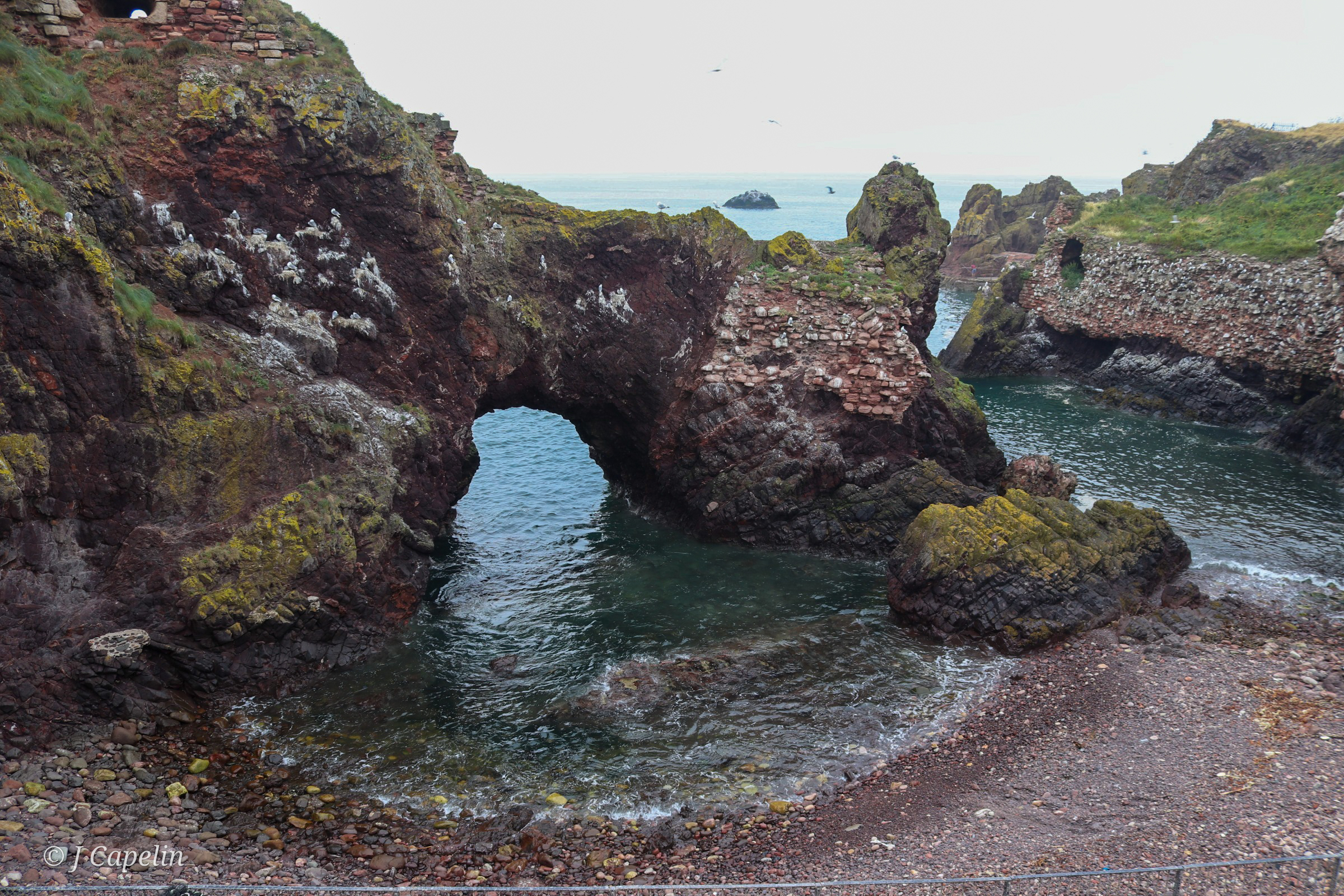
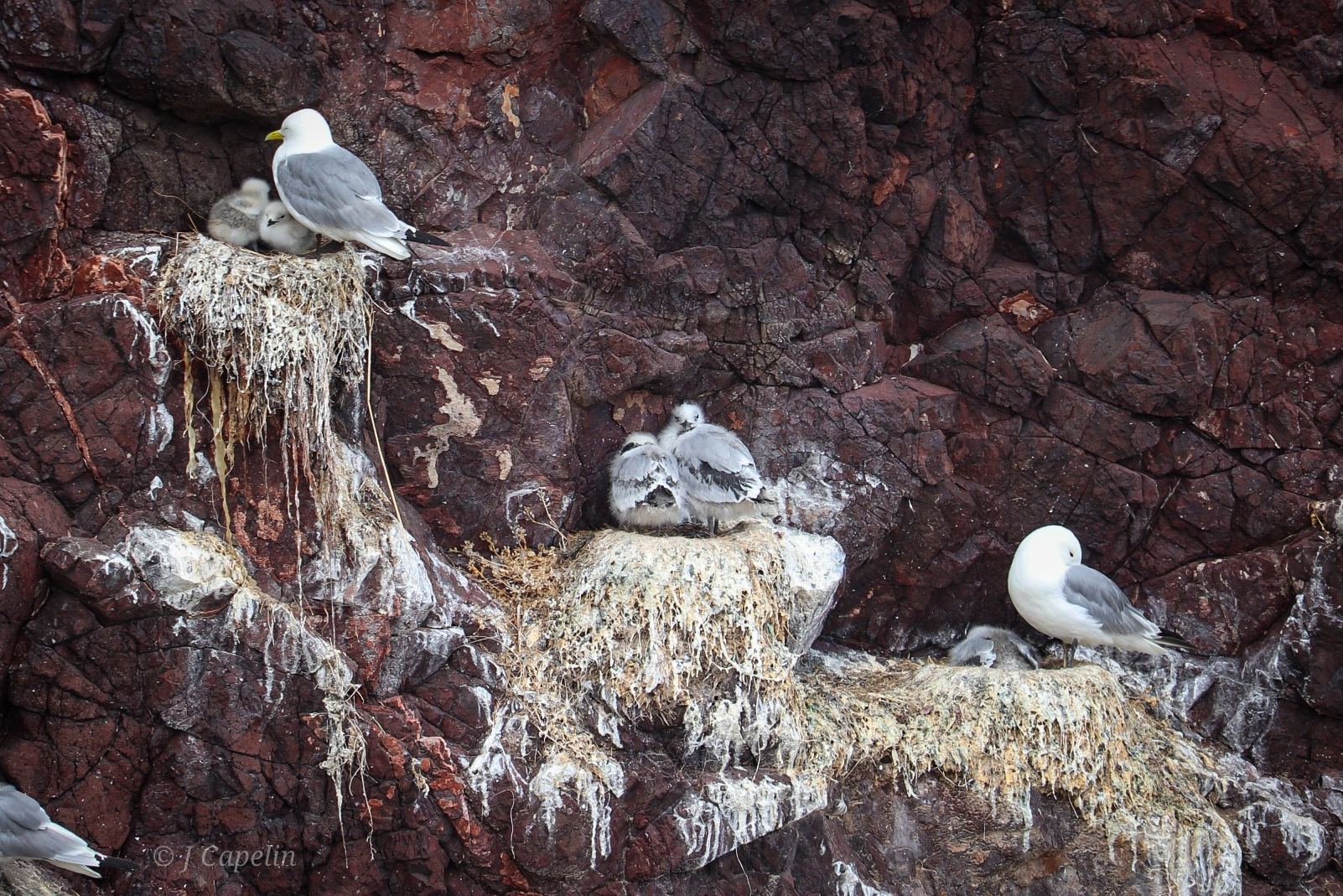
I wandered up Dunbar’s quietly bustling high street, with its blue and yellow bunting zig-zagging between the historical buildings, and strolled around the old harbour, admiring its ruined castle perched on the edge in the sea mist. Hundreds of seagulls and their fluffy chicks were nesting all over the ruins, like an apartment block for birds!
The ‘Blue Wild’ boat tour set sail from the ancient harbour at 1pm – at the tide’s convenience. It was a little 12 seater speed boat, and when the captain told us we were lucky to have these still conditions because 50% of the tours had been cancelled due to the weather, and that the waves could normally reach 2 metres high, my heart lifted again.
It is best to give yourself some leeway when booking, in case of bad weather. I gave 3 days grace, and planned things that could be swapped around if needed, but even this was cutting it fine, as the weather we got was much better than what was forecast!
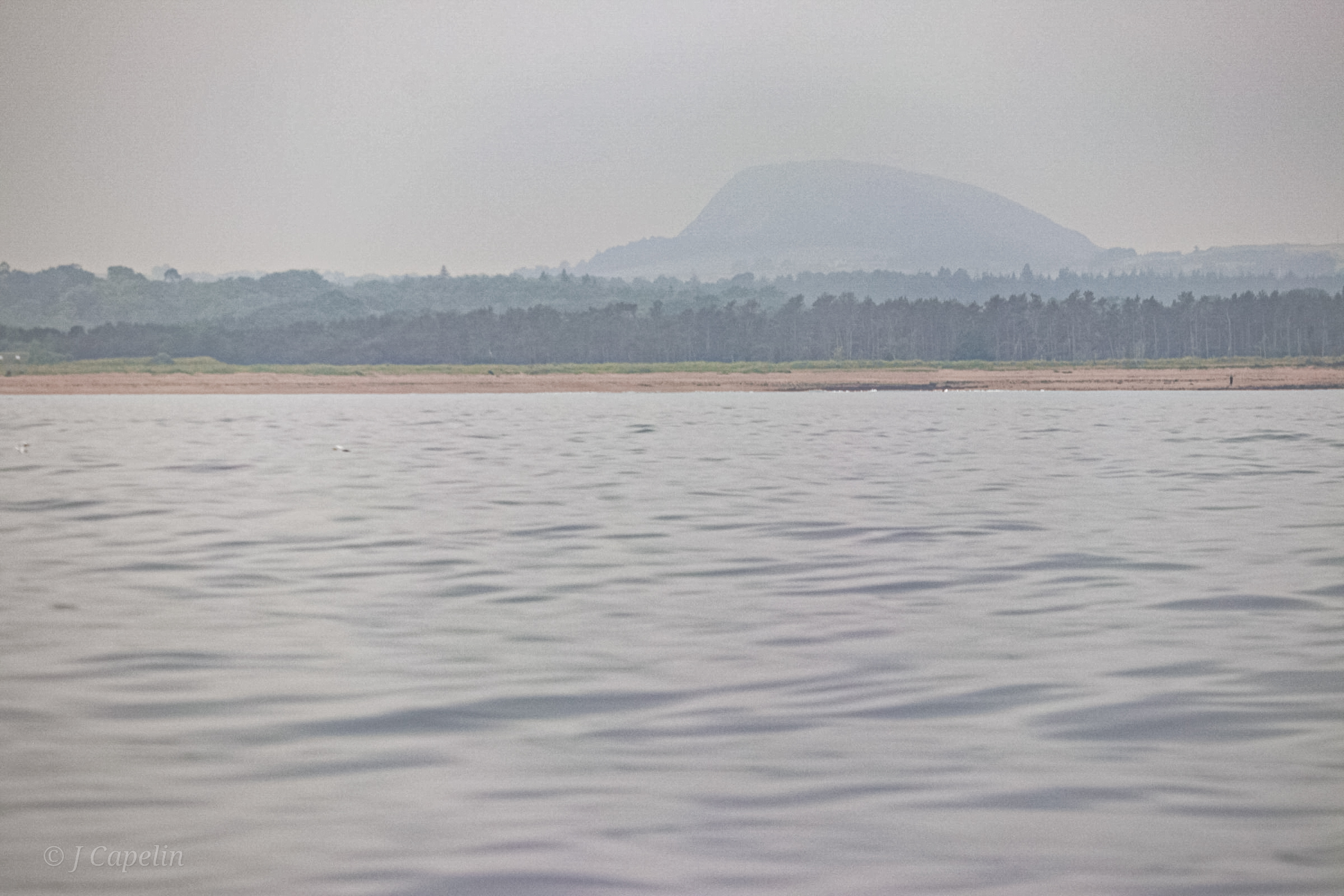
We slid out of the harbour on a white sheet of smooth sea glass that blended into the foggy sky. The sight out of the window was like an abstract painting as we skimmed across Scotland’s abnormally flat Firth of Forth, with silhouetted layers of grey landscape whizzing past in the distance.
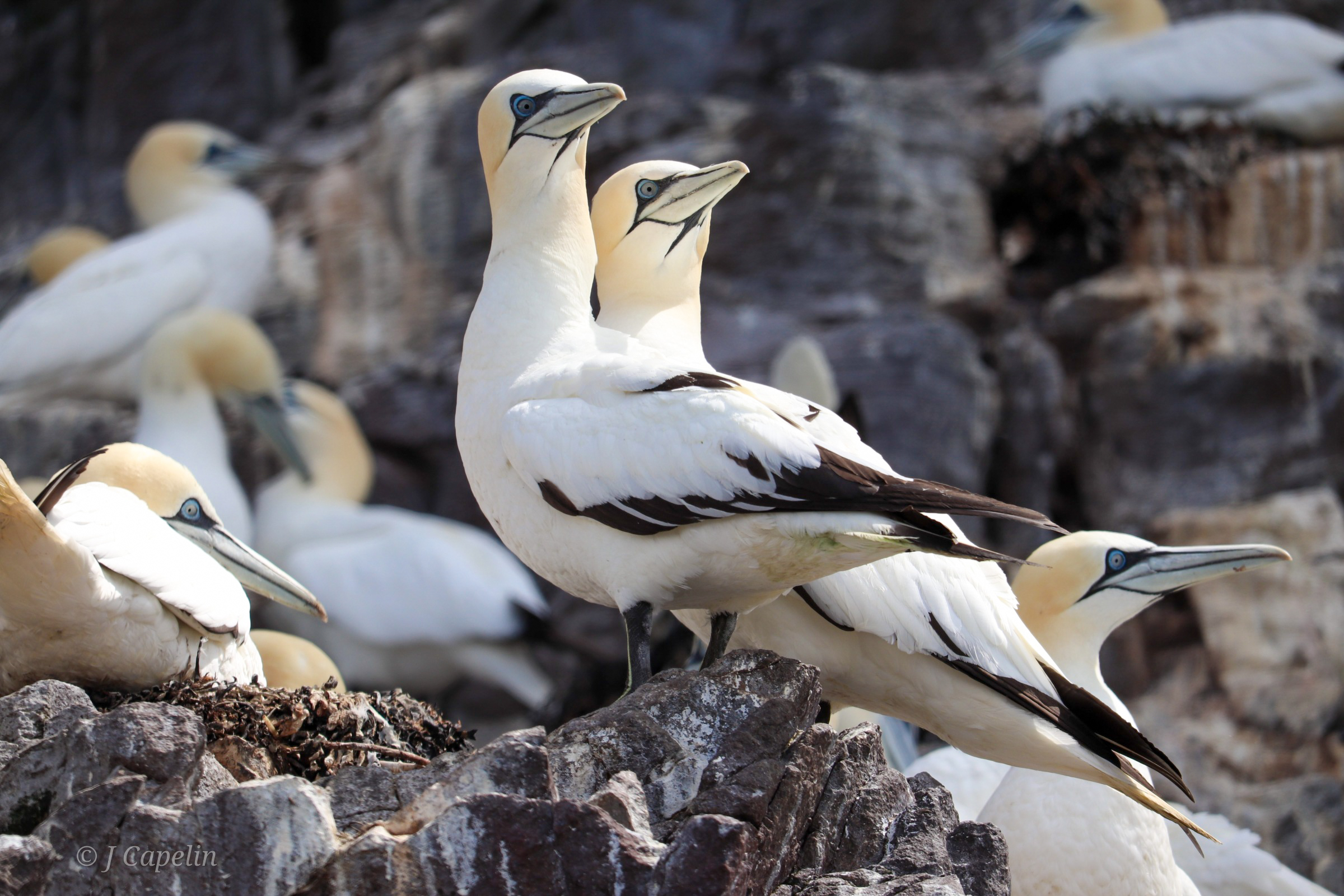
Azure brushstrokes began to appear on the surface of the water as the fog thinned, and seabirds came into abundance, floating and diving around the boat. The Bass Rock loomed up ahead, a giant rock island, famously home to the world’s largest colony of Northern Gannets. As we slowly circulated the island, the sheer magnitude of the colony became evident. The entire surface of the rock was like an ice cream dipped in sprinkles, only the sprinkles were Gannets! Over 150,000 of the birds nest here between Feb and October. I’ll be honest with you, I didn’t have much thought or feeling about Gannets before, but this was amazing to see and I could appreciate how beautiful they are with their blushed heads and piercing blue eye shadow, lined with black.
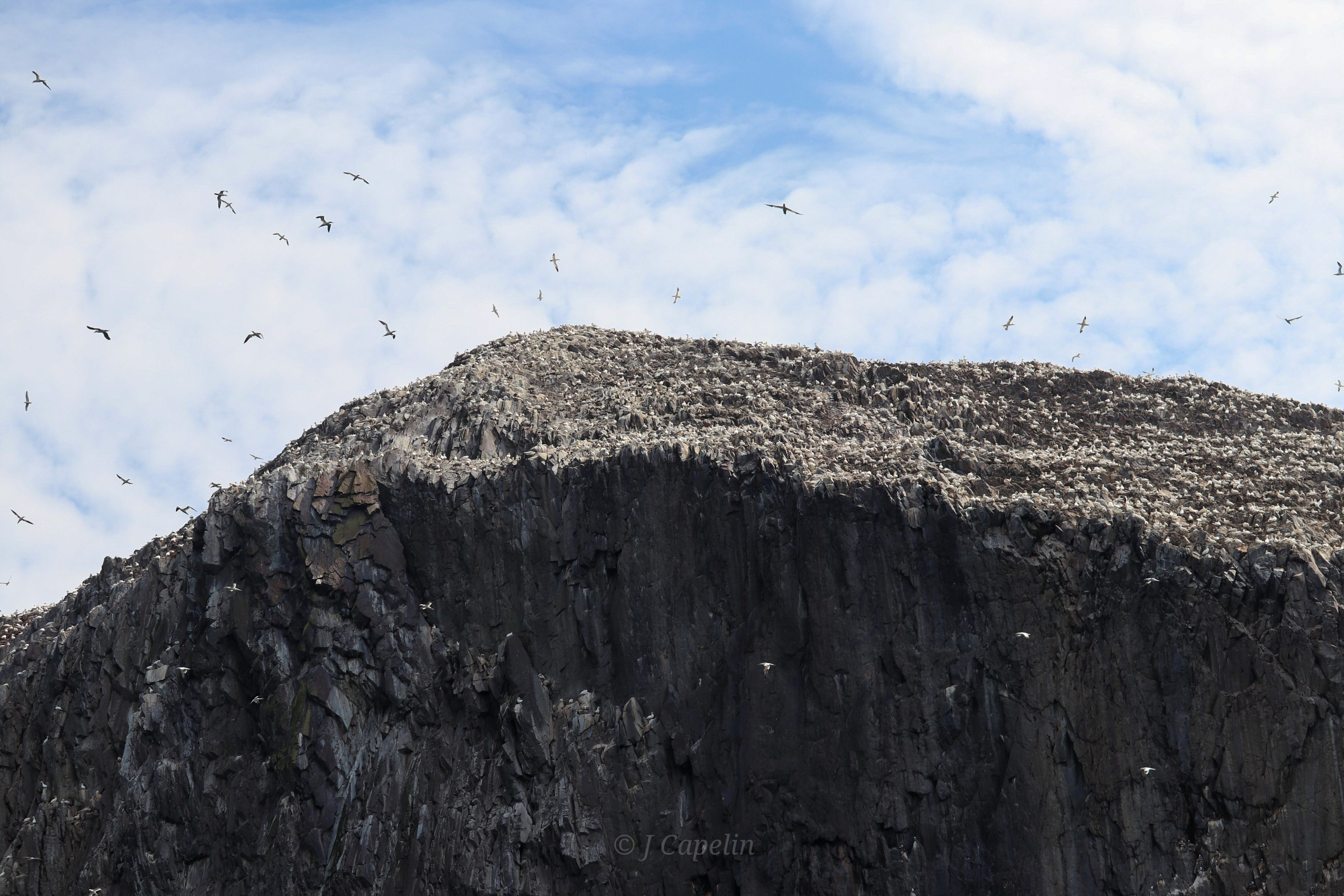
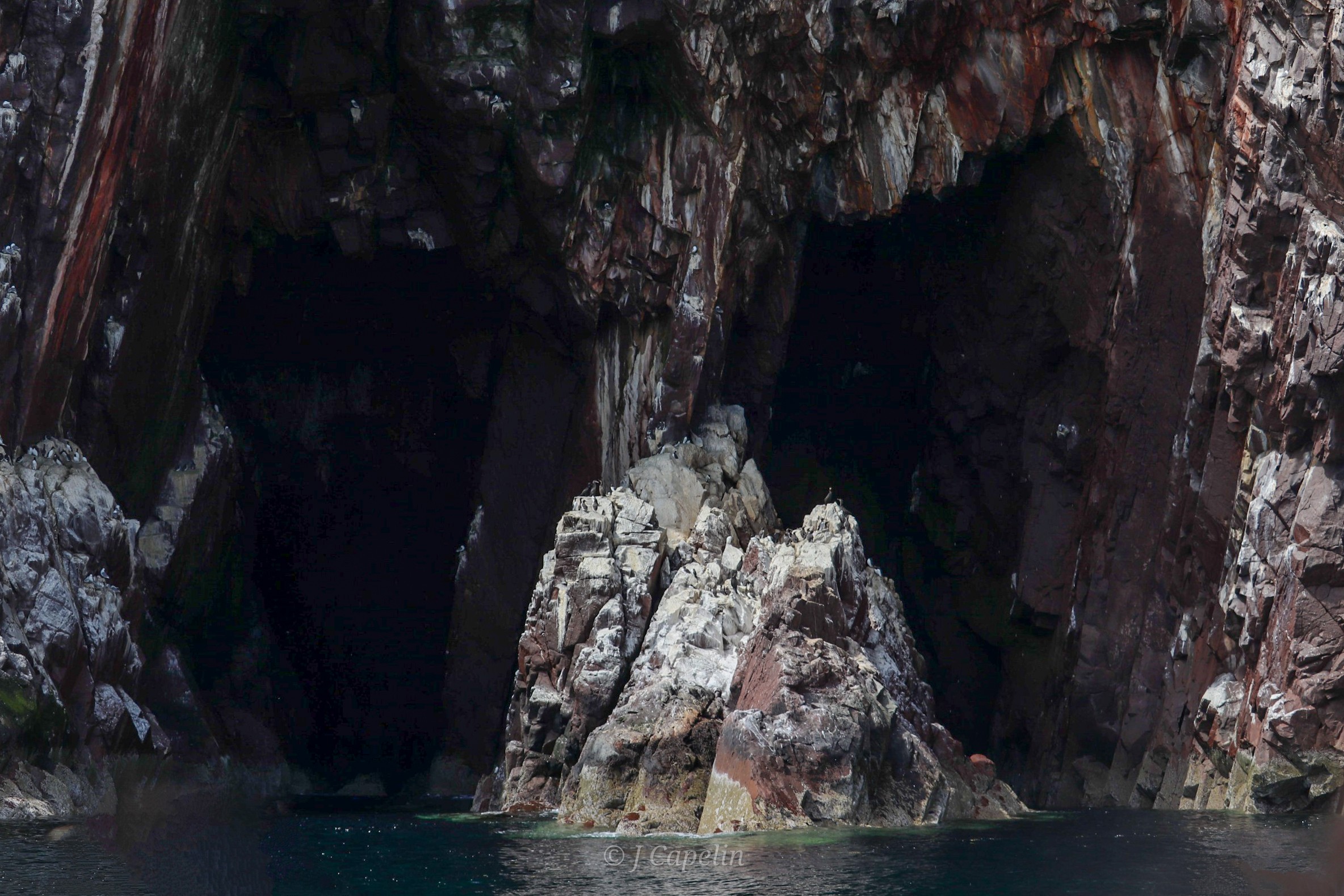
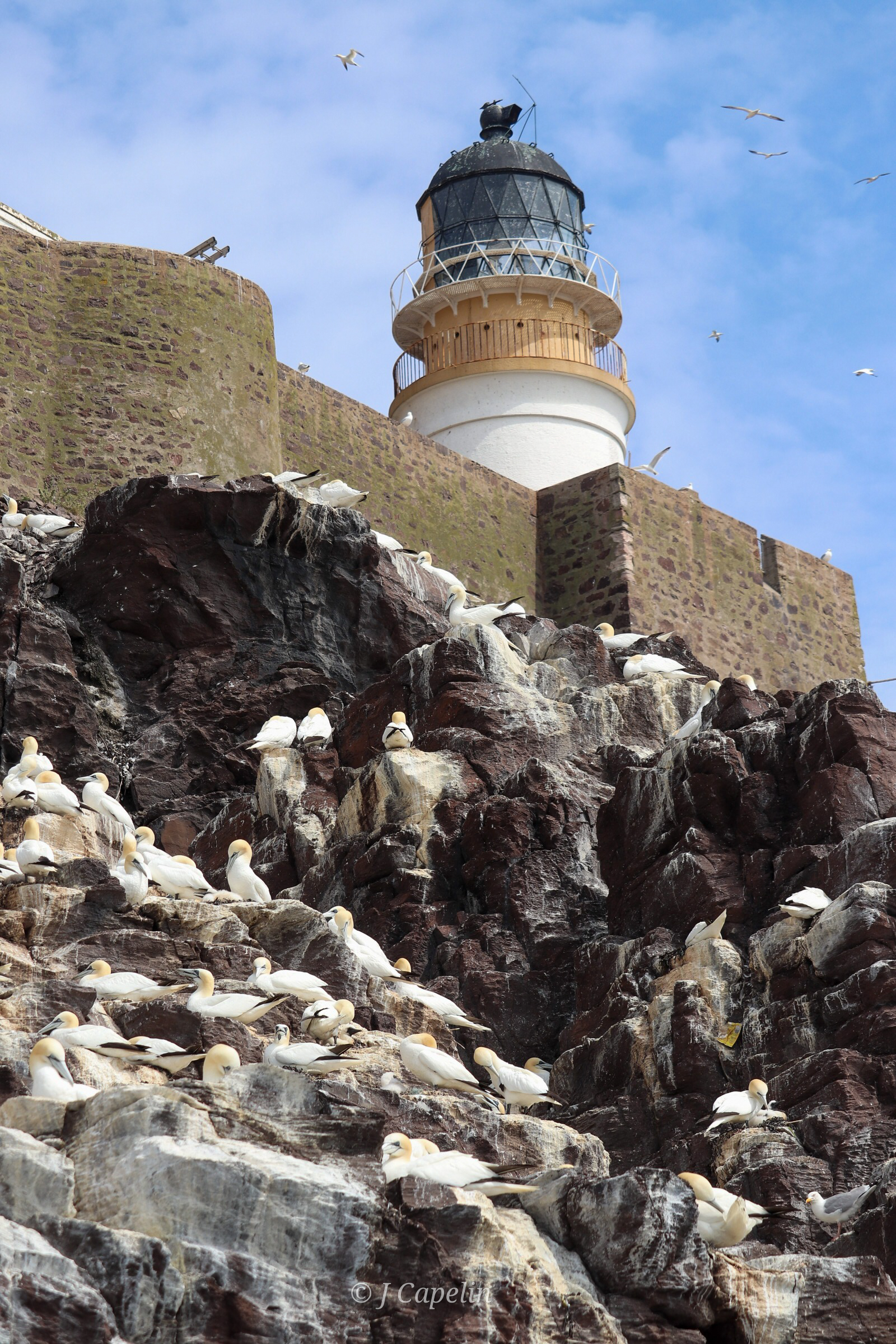
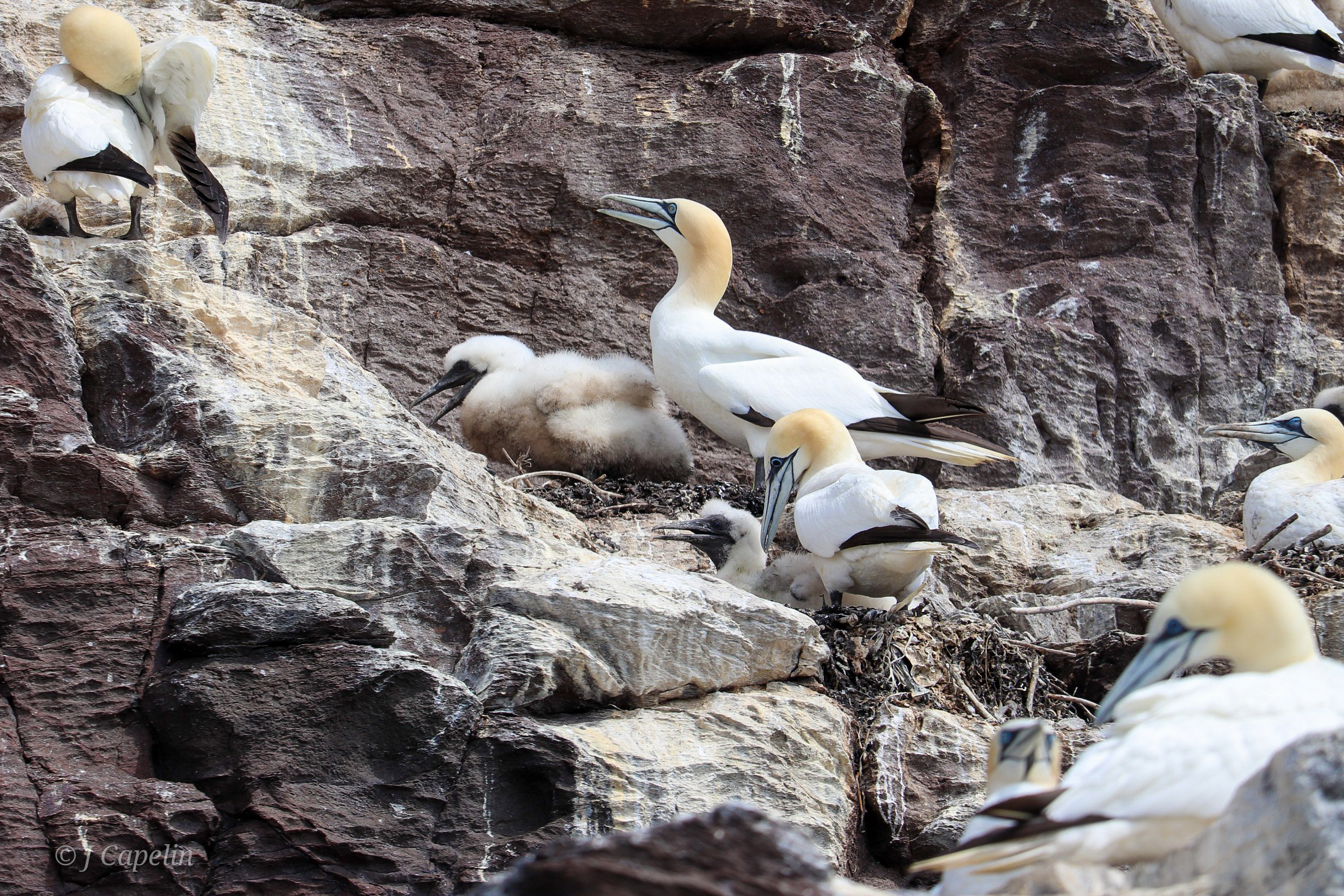
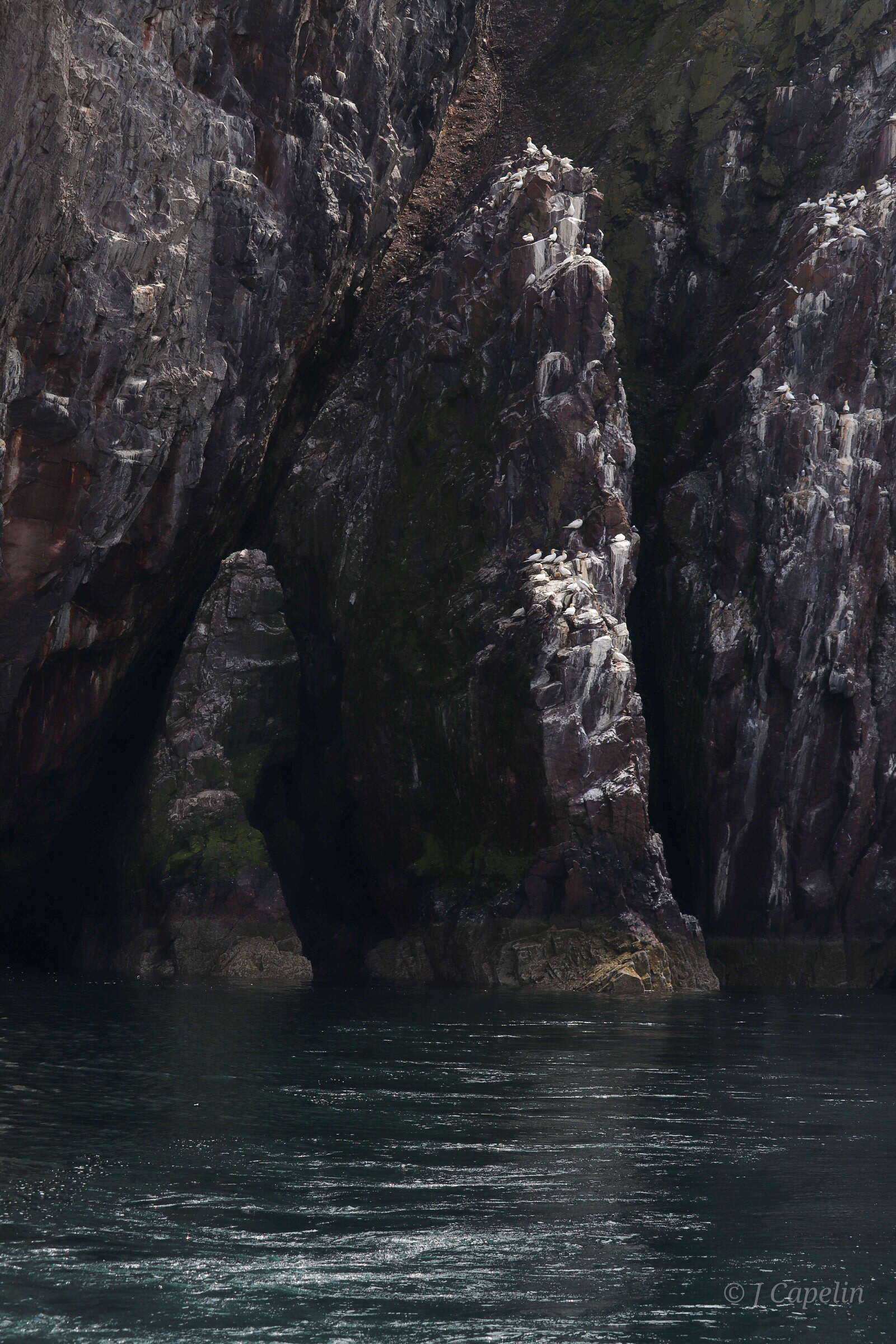
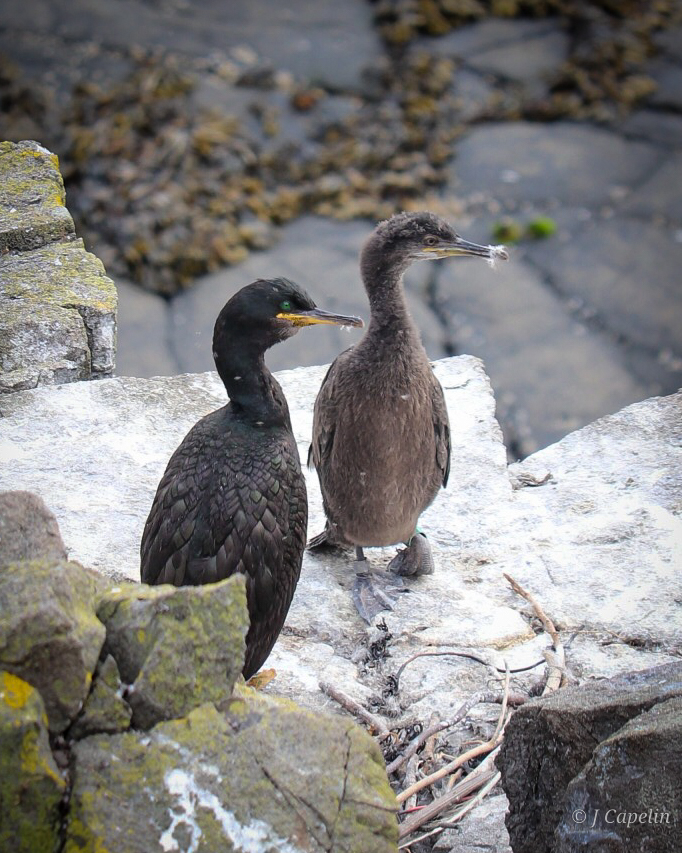
Enormous sea caves etched deep under the island were guarded by Shags, standing atop shards of rock, their outstretched wings drying under the freshly cleared sky. We bobbed beneath the Bass Rock Lighthouse, craning our necks to take in the vast amount of Gannets. Their monstrous fluffy, white chicks were littered all over the cliff, which was dripping with their waste like candle wax, and the cacophony of the birds filled the air.
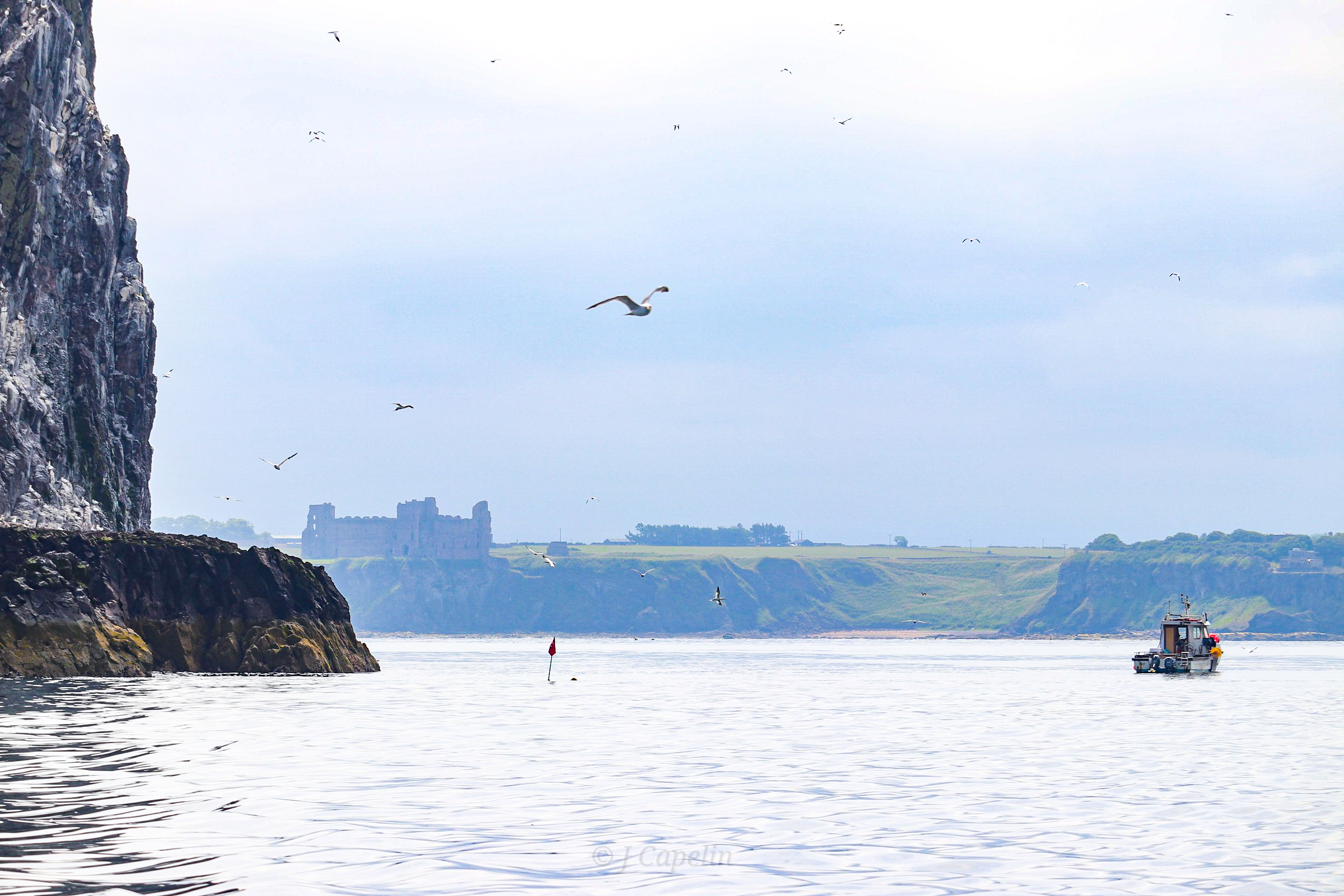
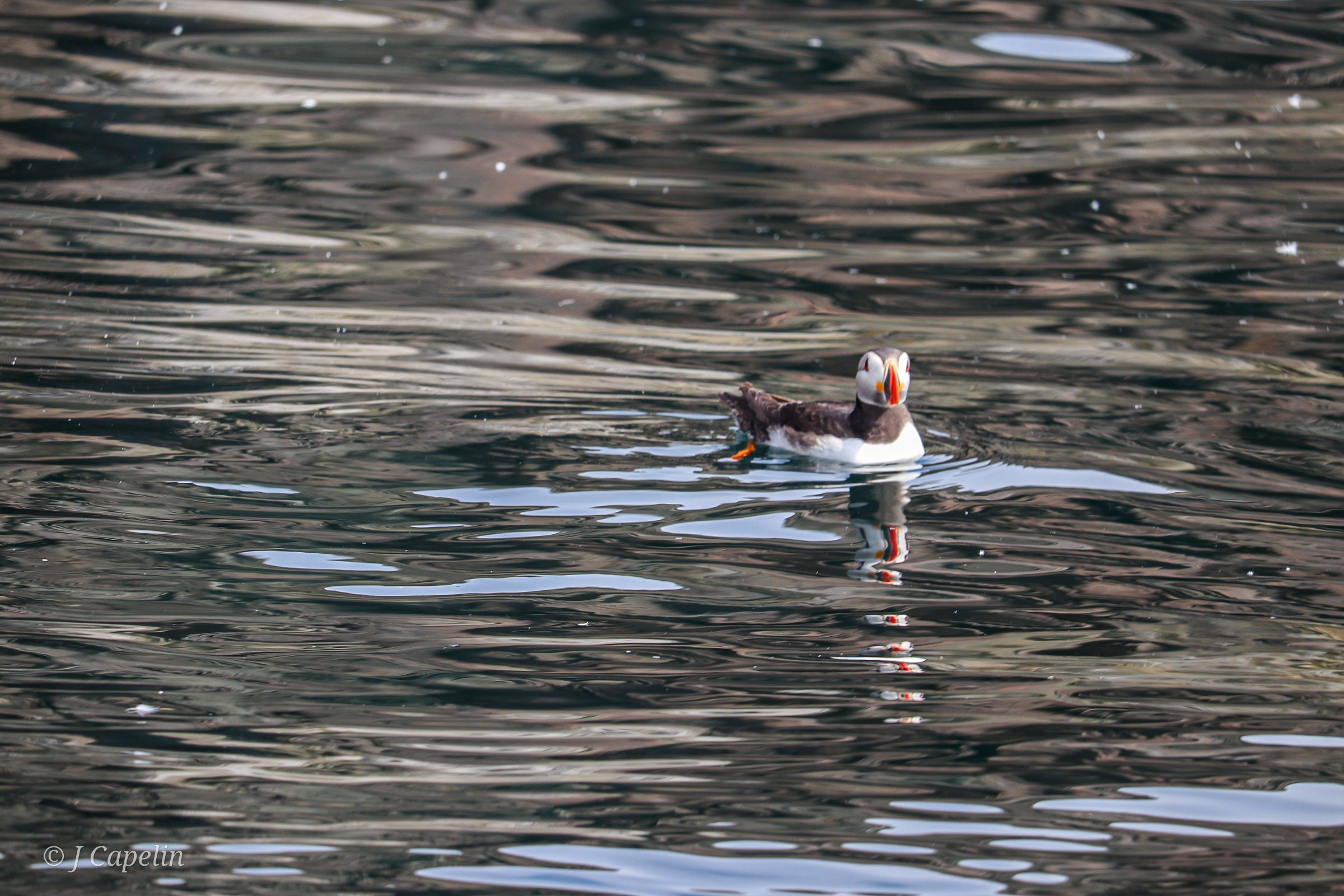
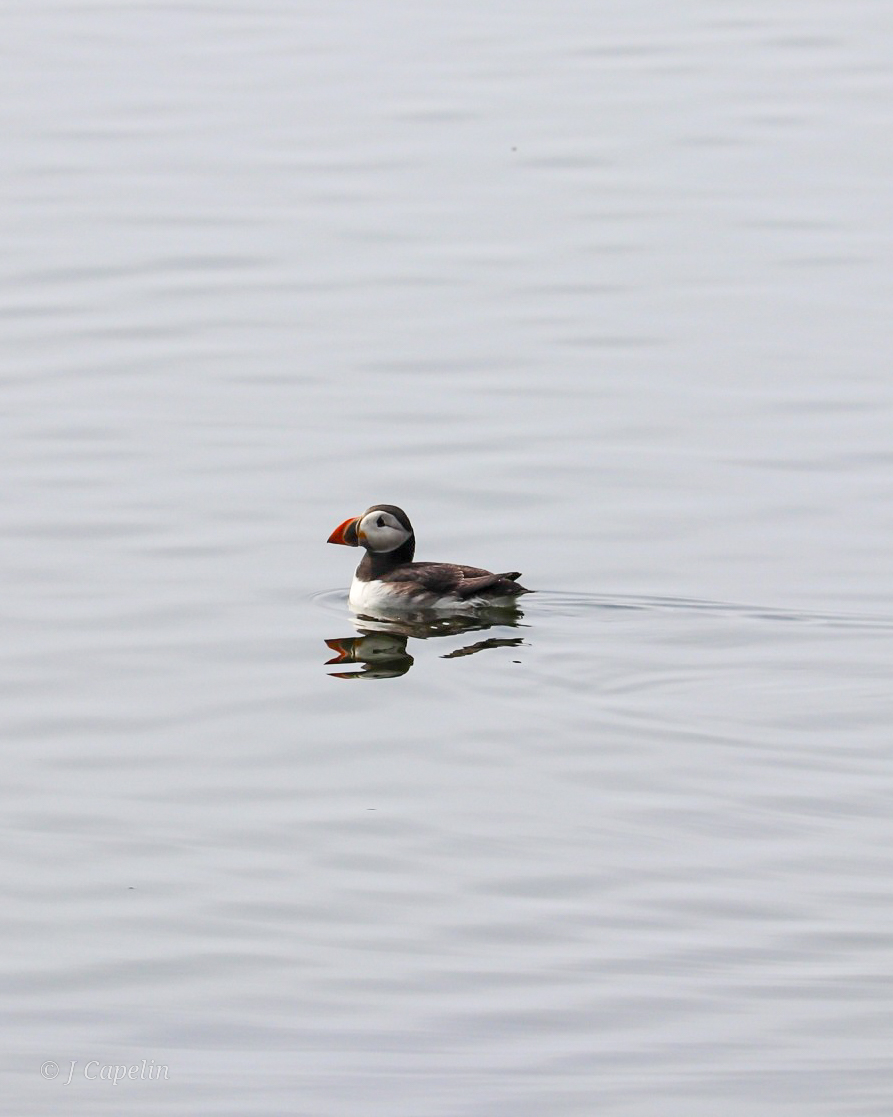
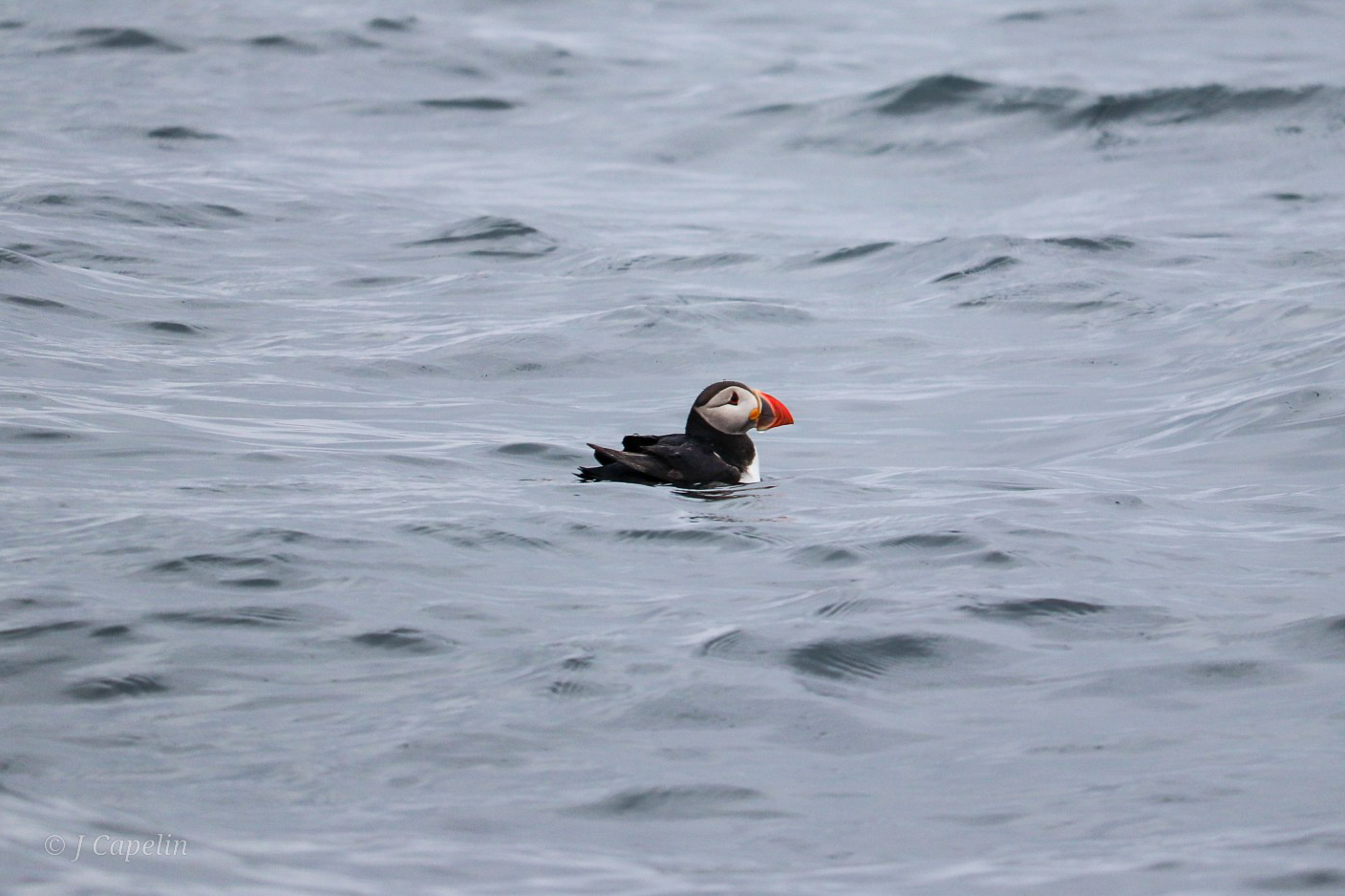
Then one of our group yelled and pointed to the back of the boat – a single Puffin was paddling along behind us, on an idyllic backdrop of Tantallon Castle on the coastline beyond. Very demure.
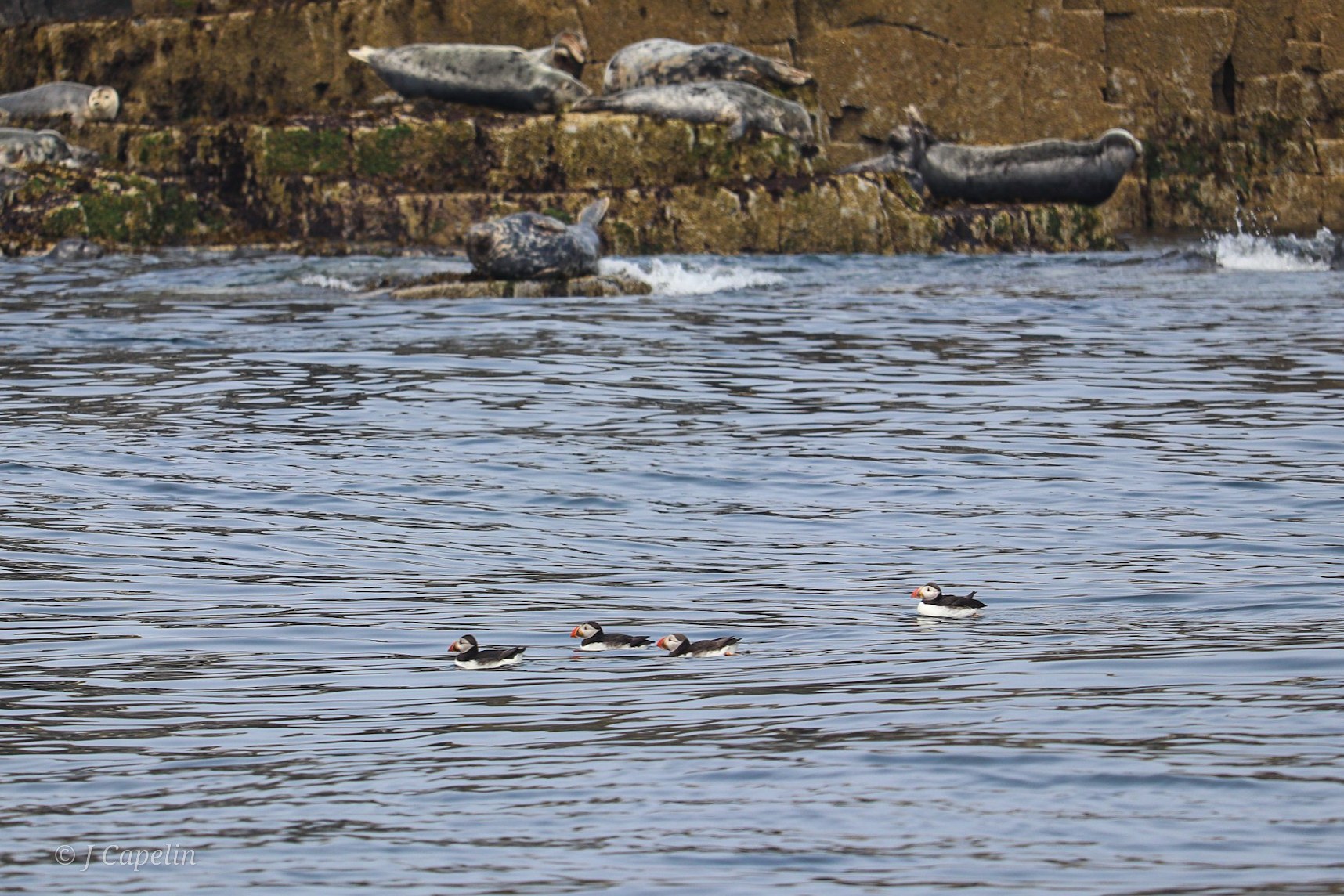
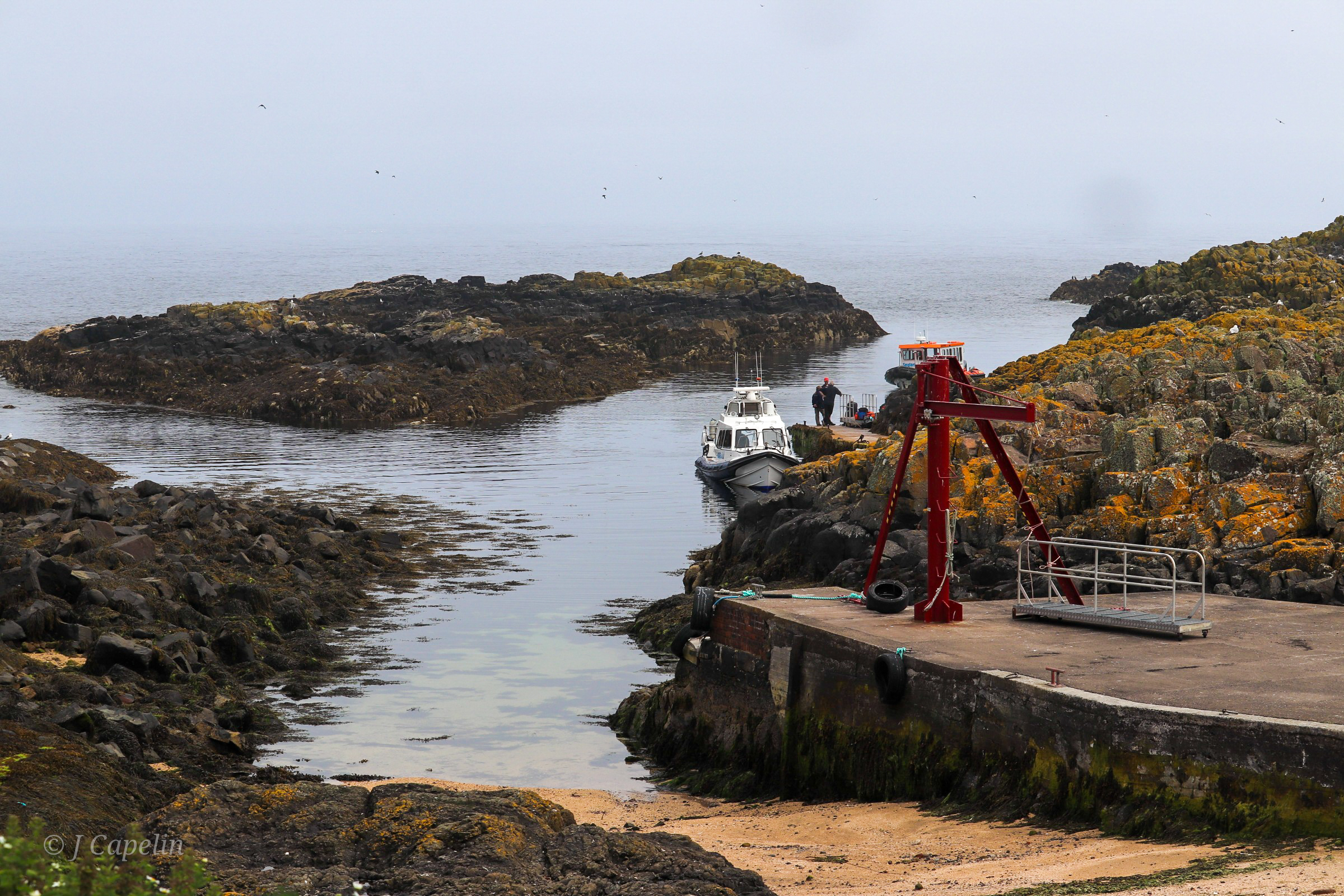
We sailed on to the Isle of May, which was surrounded by Grey Seals lounging around on the rocks and twirling in the watery mouths of the sea caves. As we came around the island to make port we could already see puffins on the cliff ledges and on the water, along with Terns, Kittiwakes, Shags, Gulls and Jellyfish.
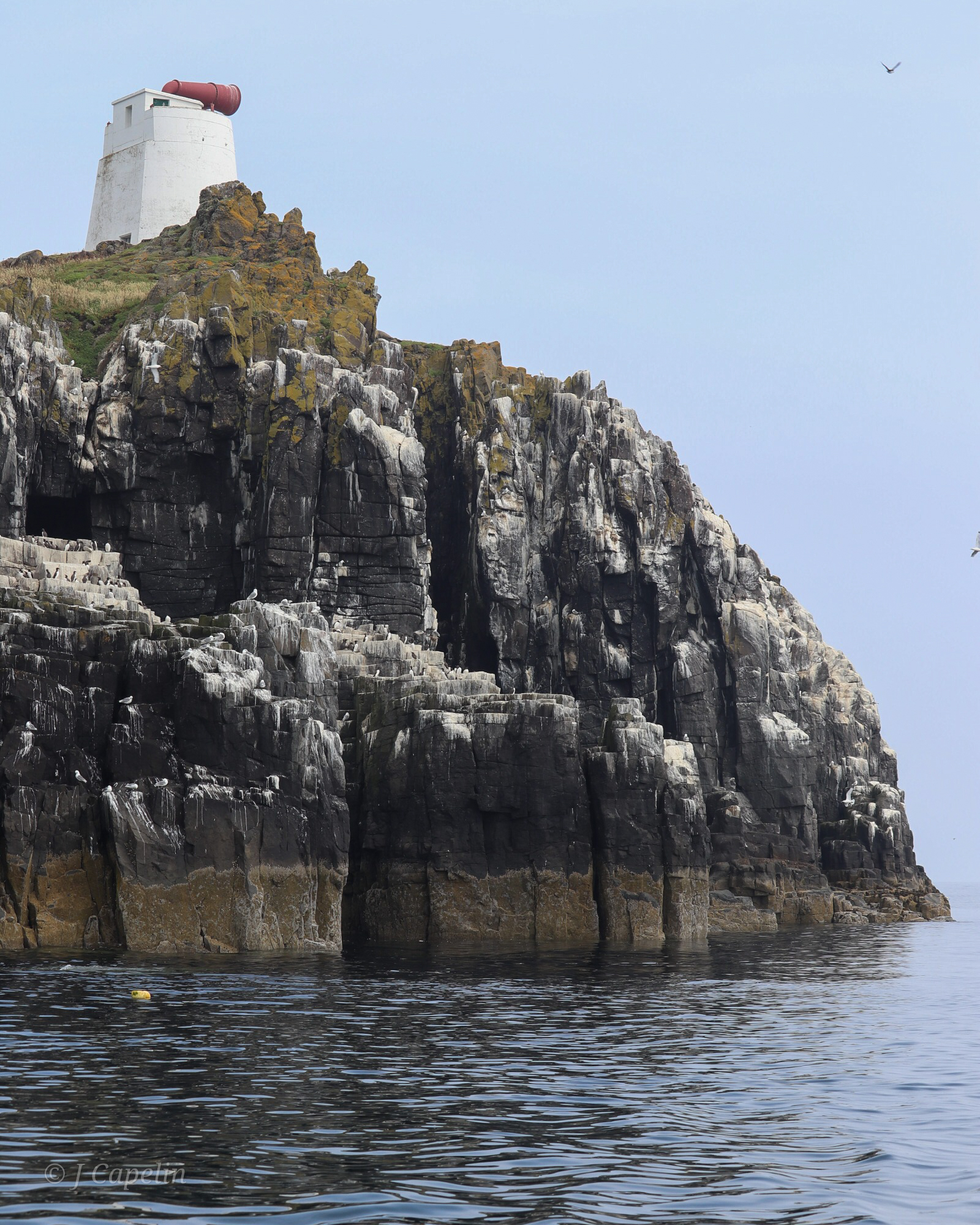
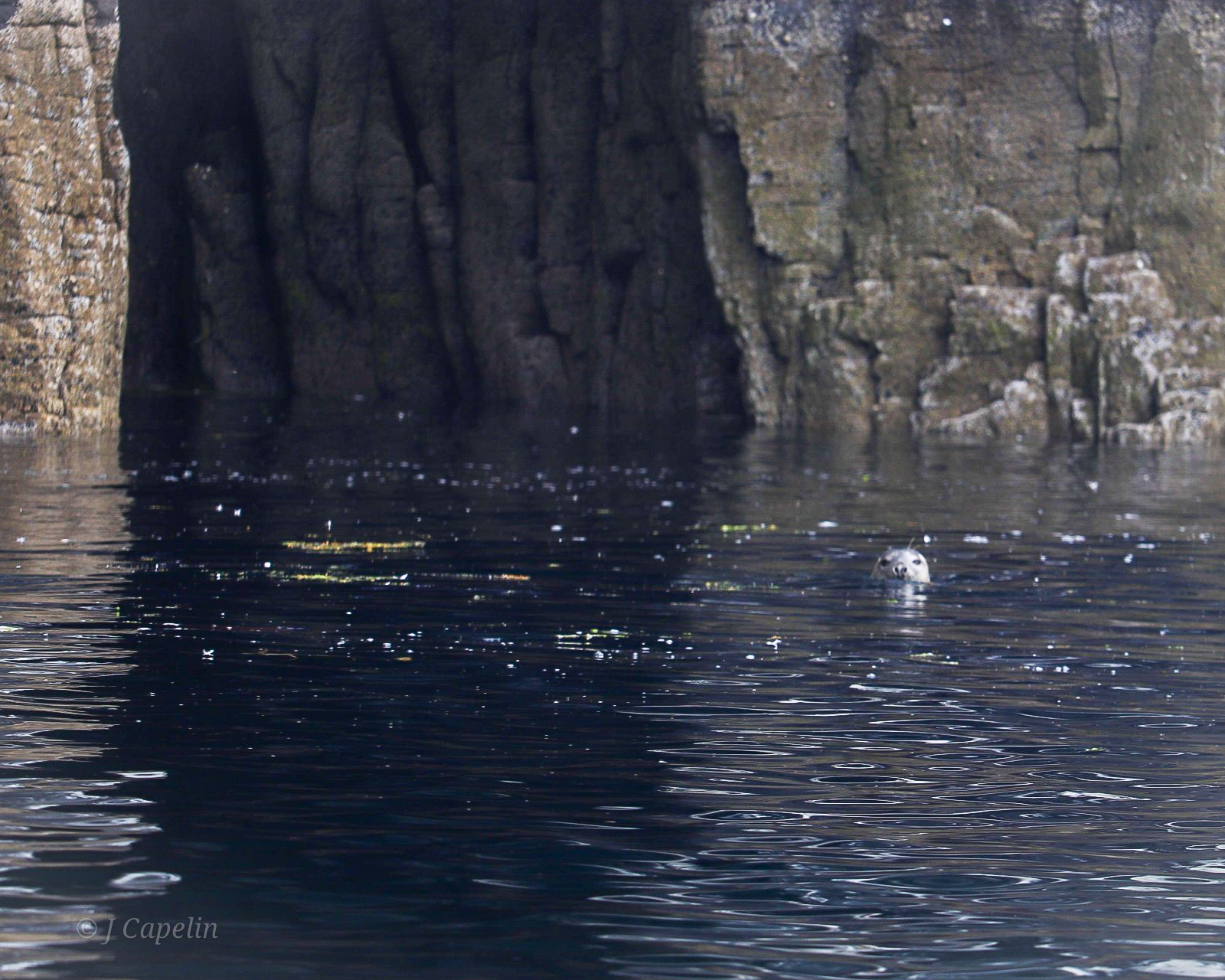
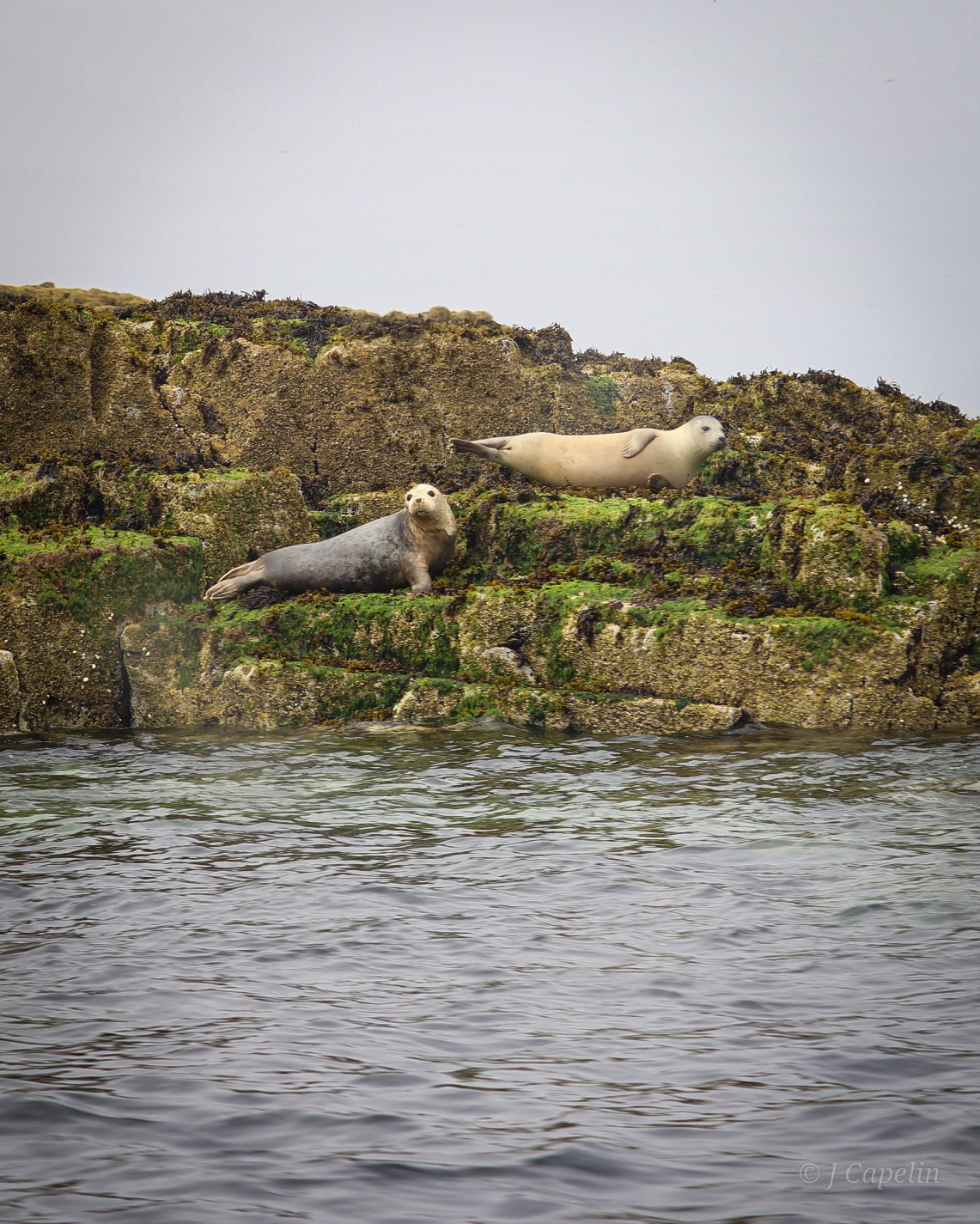
There was still a layer of fog on the sea as we circled the island, but once we stepped off the boat the July afternoon sun was burning through.
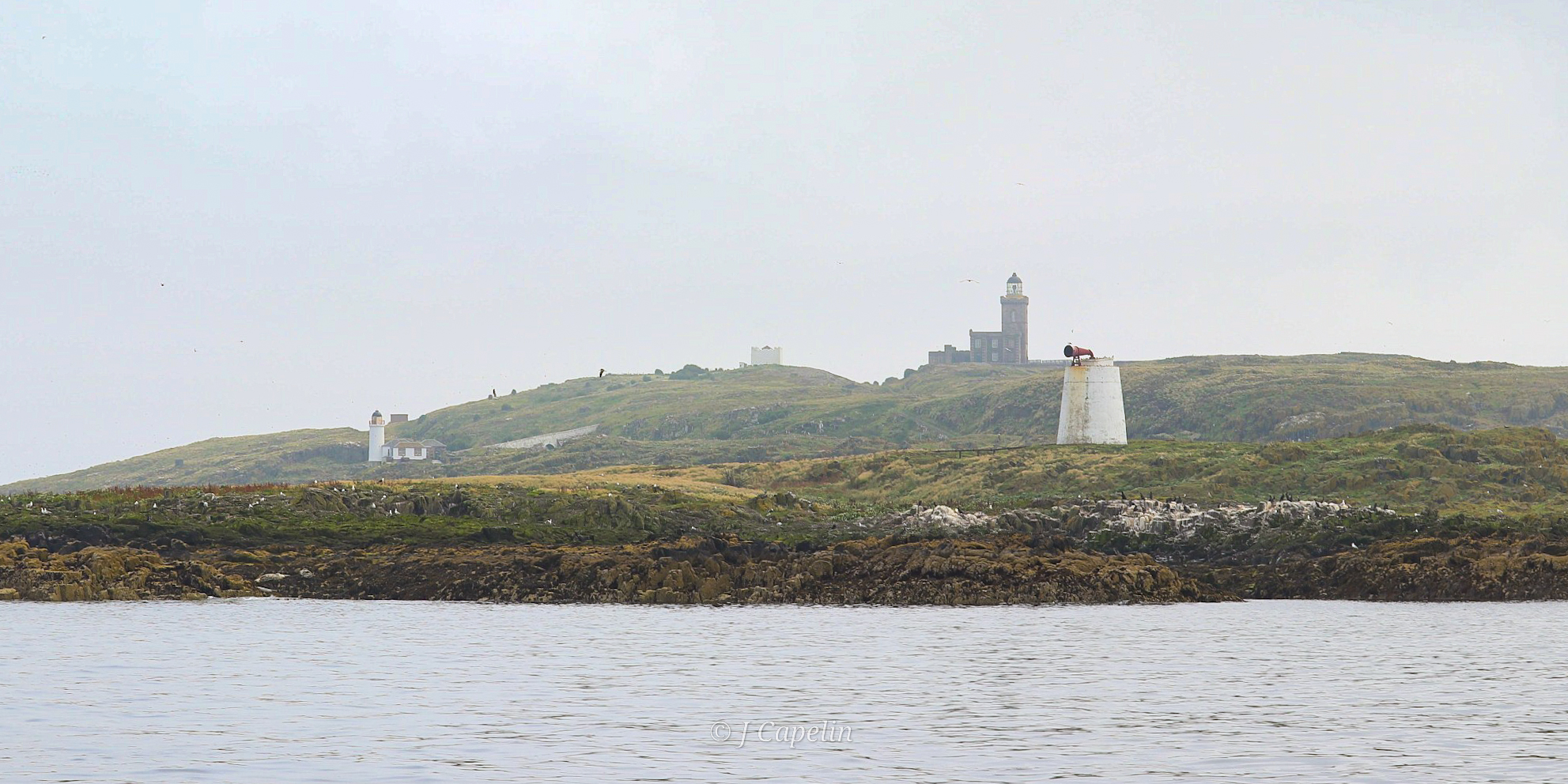
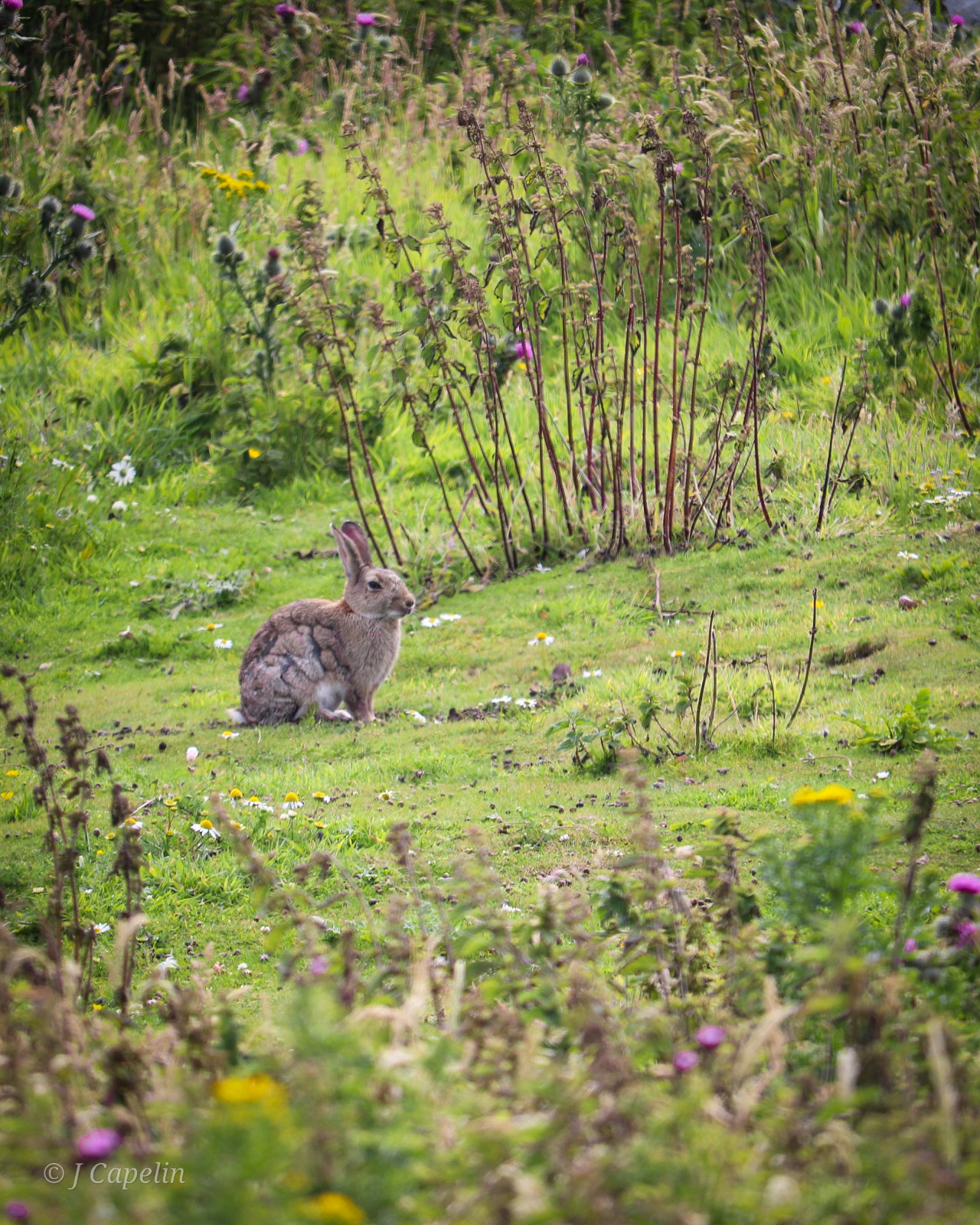
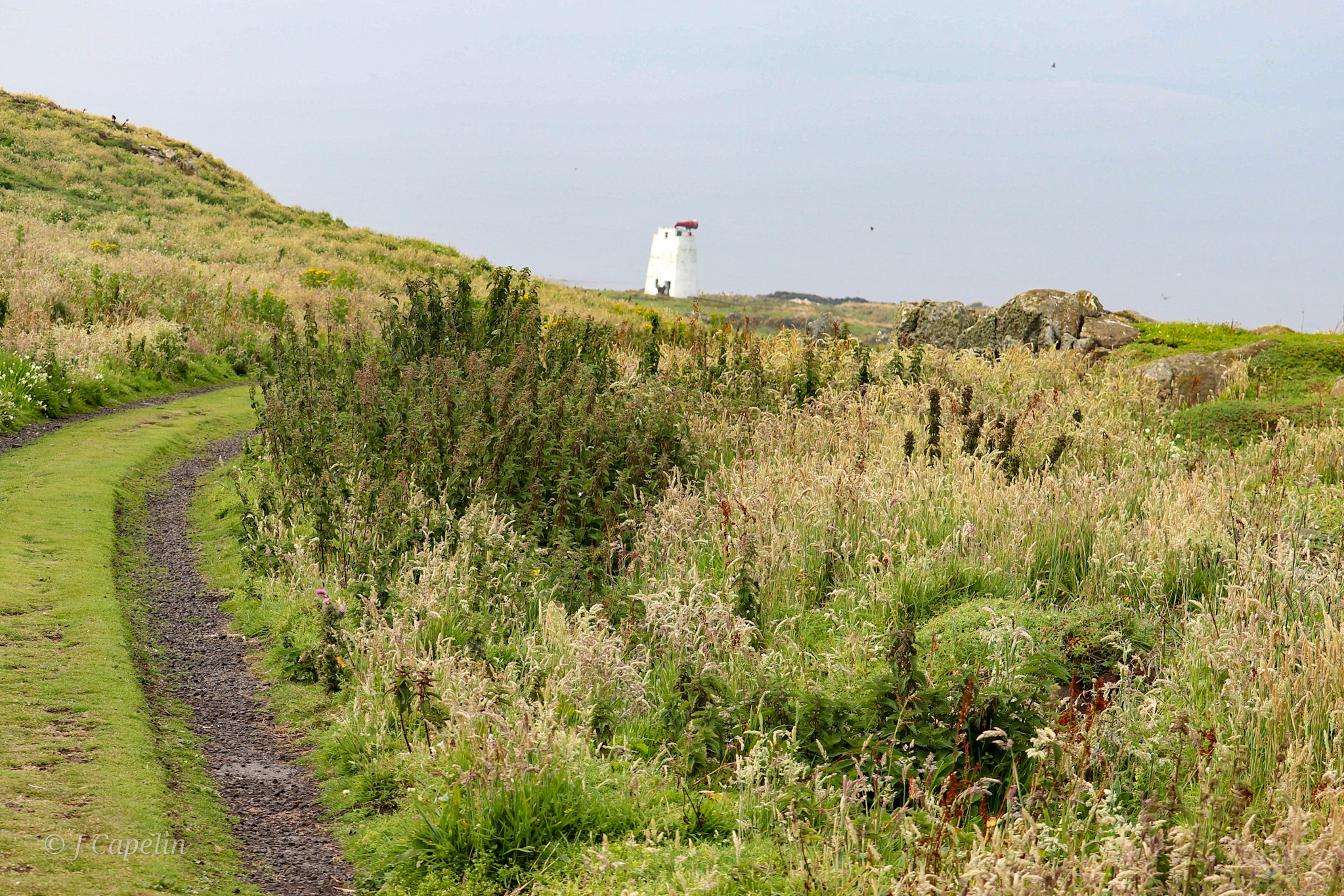
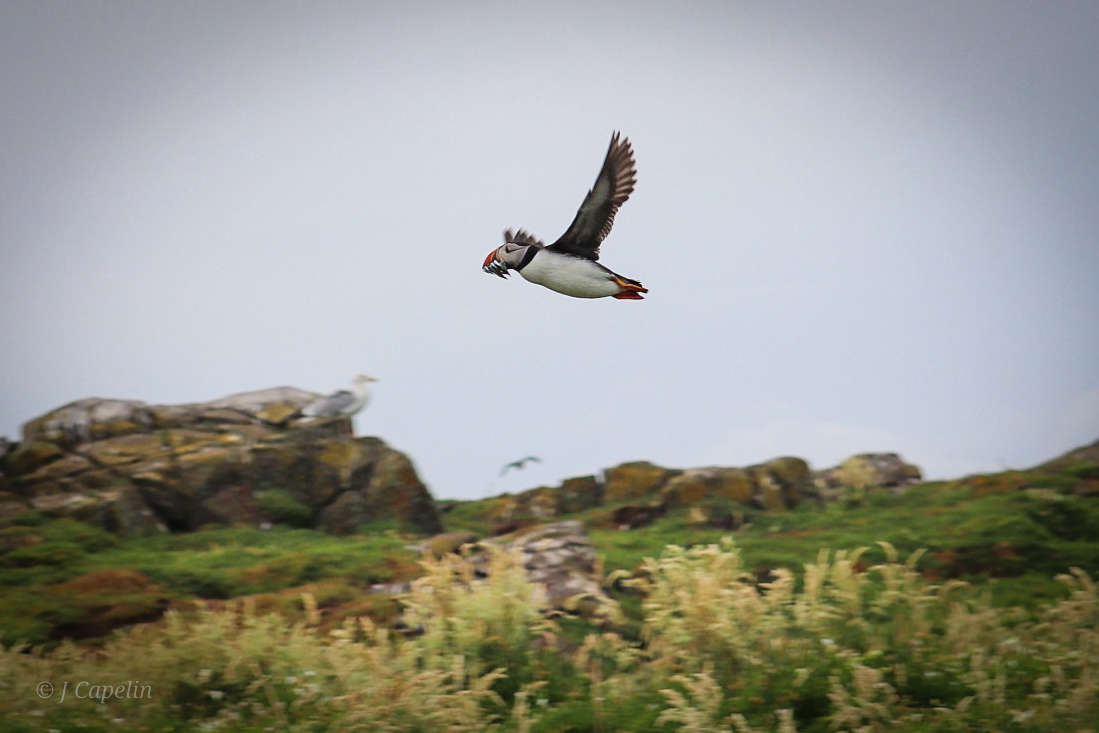
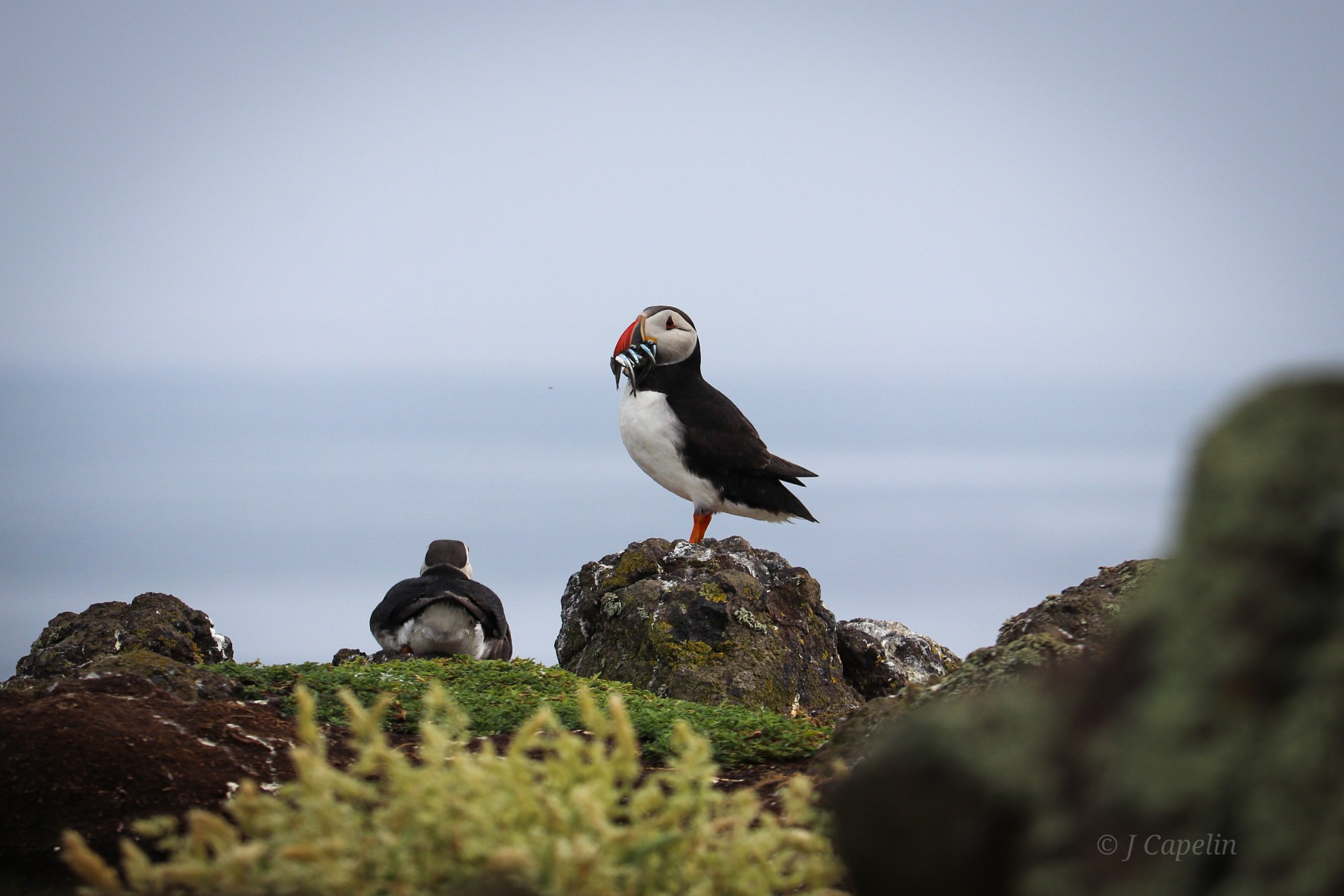
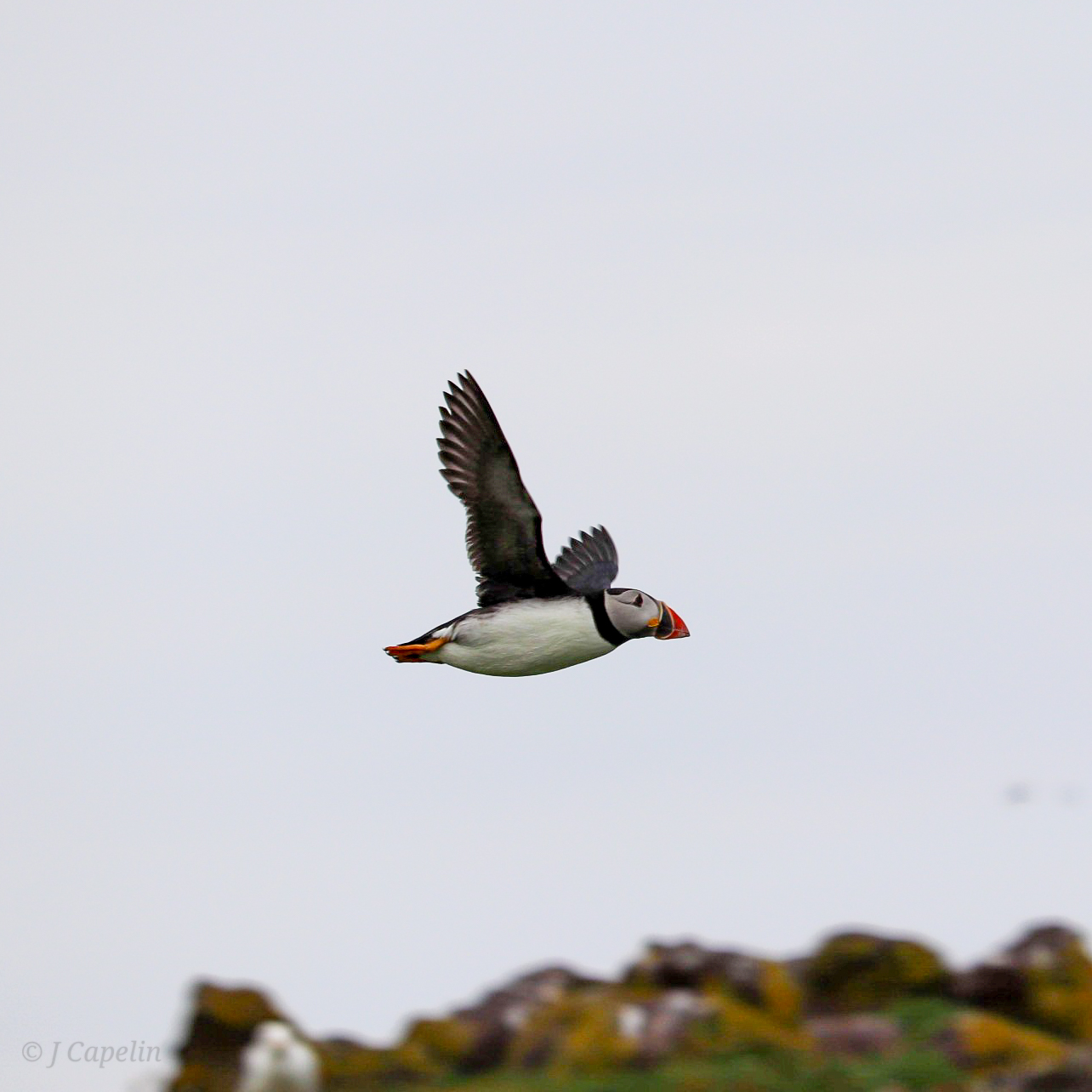
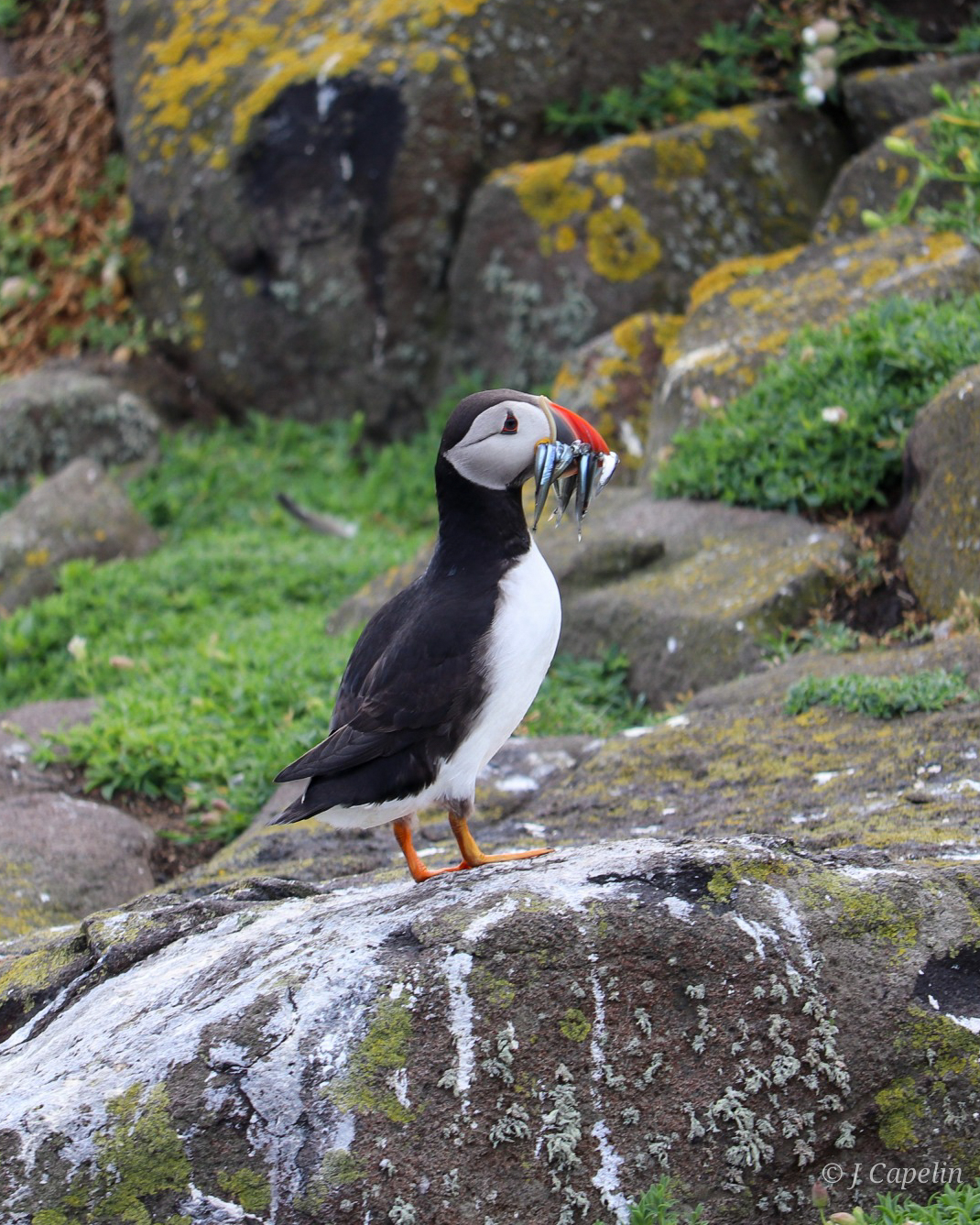
Fluffy grey seagull babies toddled around between tussocks, like butter wouldn’t melt, but the guide informed us that there were no Arctic Terns nesting here because those cute little baby gulls had eaten all their chicks. We strolled up the hill to the Main Lighthouse spotting big rabbits lolloping in the long grass and thistles, stopping at the Loch on the way. Puffins were watching us from all around as the footpath cut between high banks, and as they flew over I noticed the fish hanging out of their beaks and their big orange feet sticking out behind them!
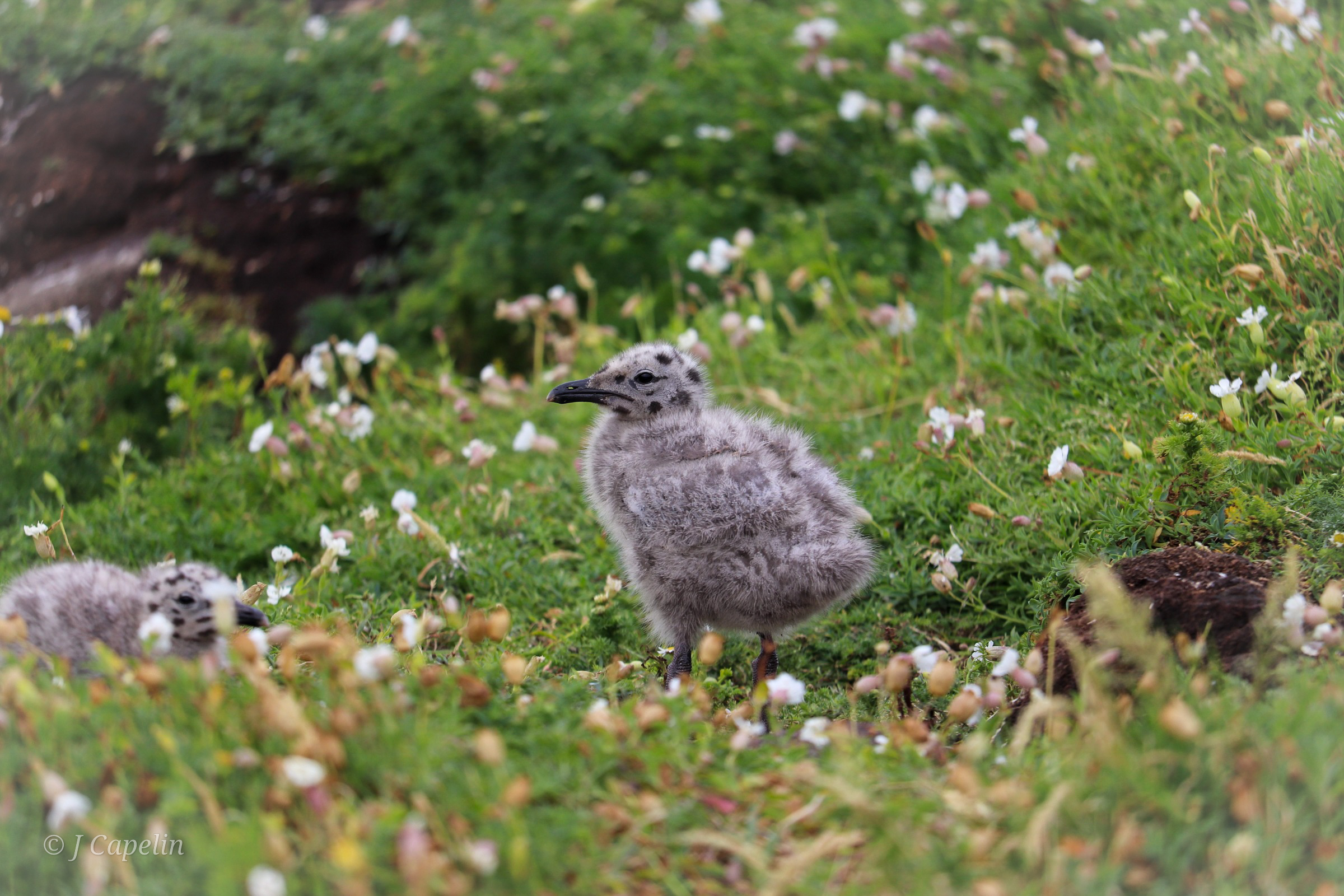
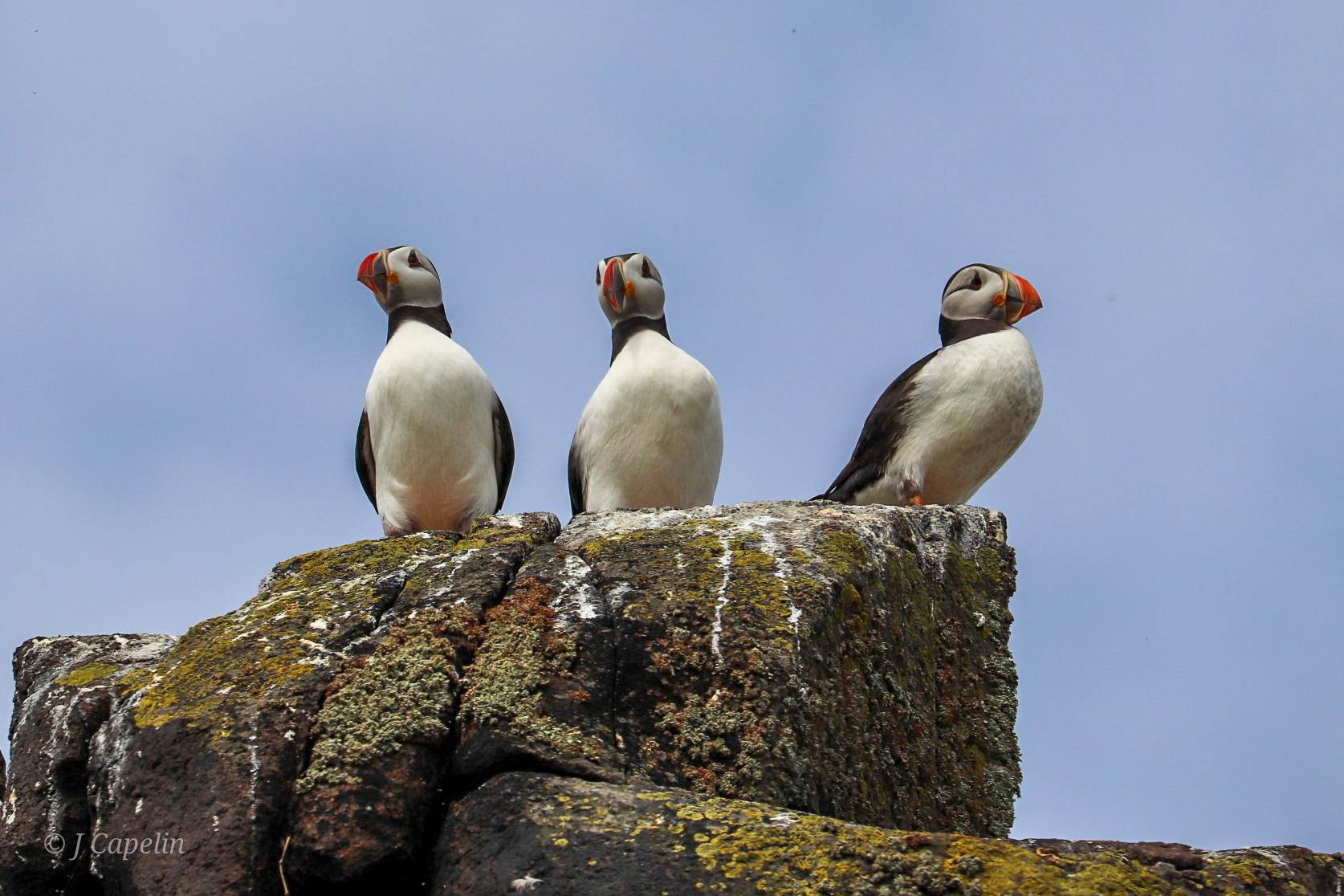
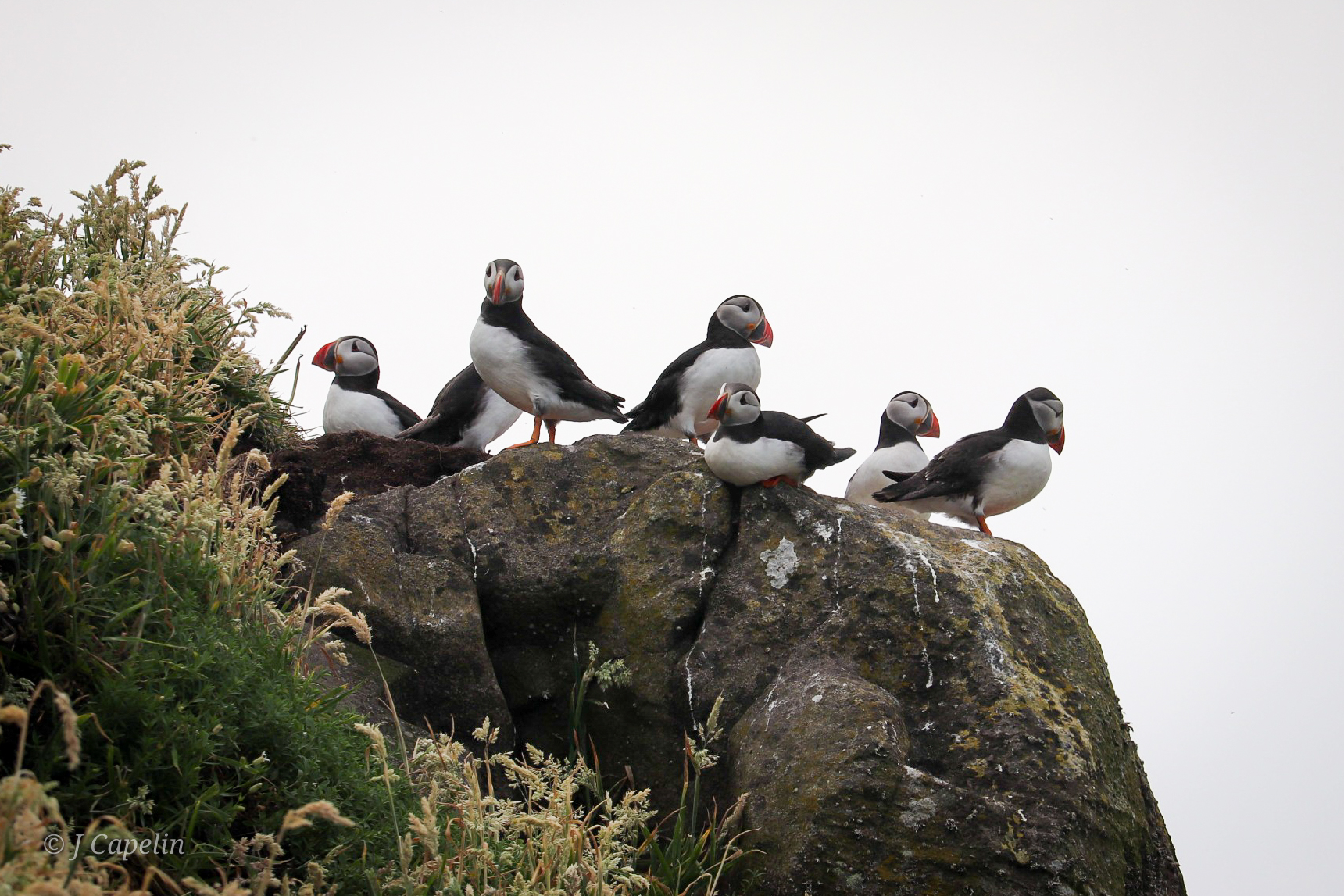
Meandering down the headland to Bishop Cove there were Puffin burrows absolutely everywhere, highlighting the importance of sticking to the footpath. I watched three baby seagulls putting their heads in the burrows, while the parent Puffins waited anxiously from a distance. It was hard to watch the sad reality that some of these Puffins might be coming back to an empty burrow.
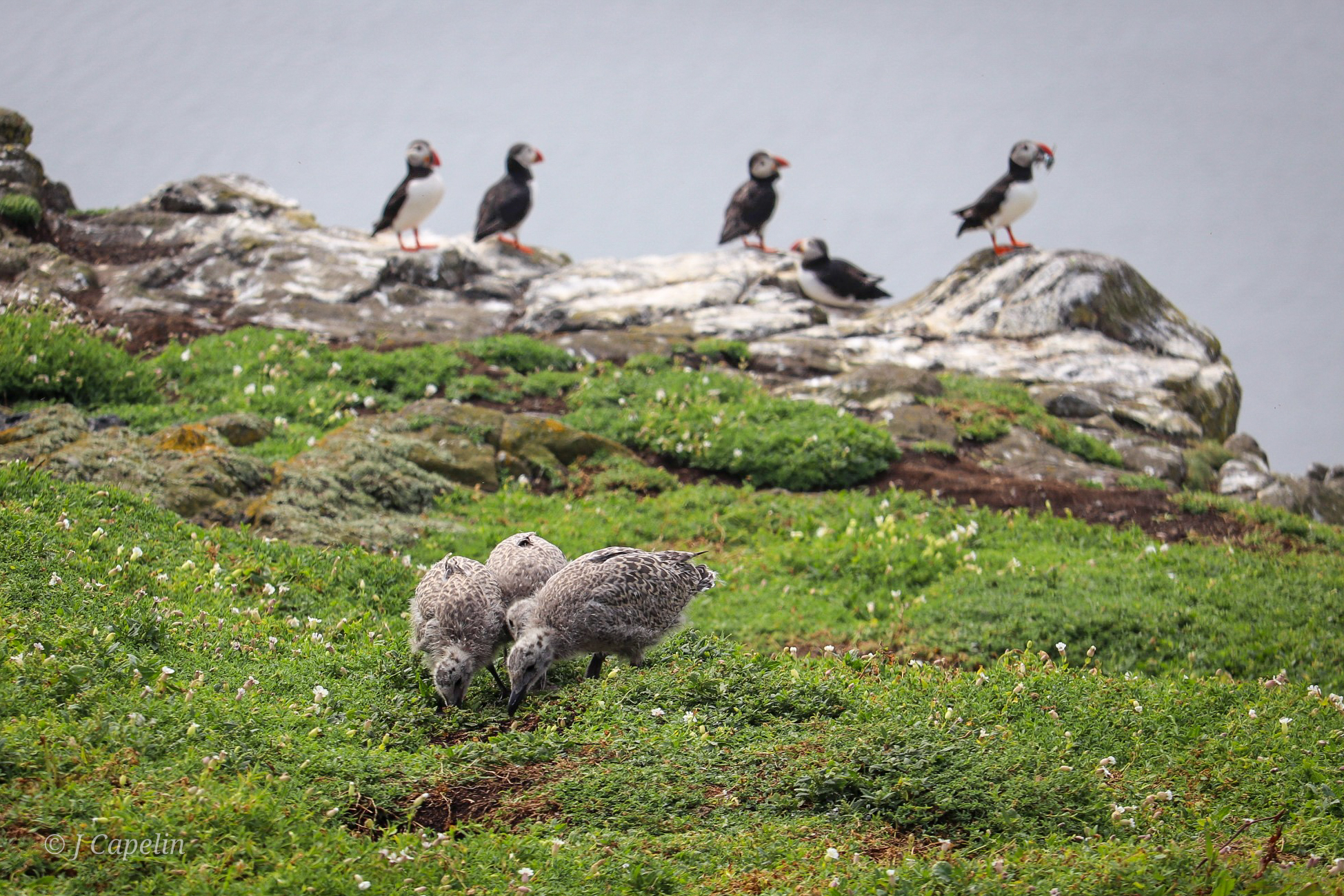
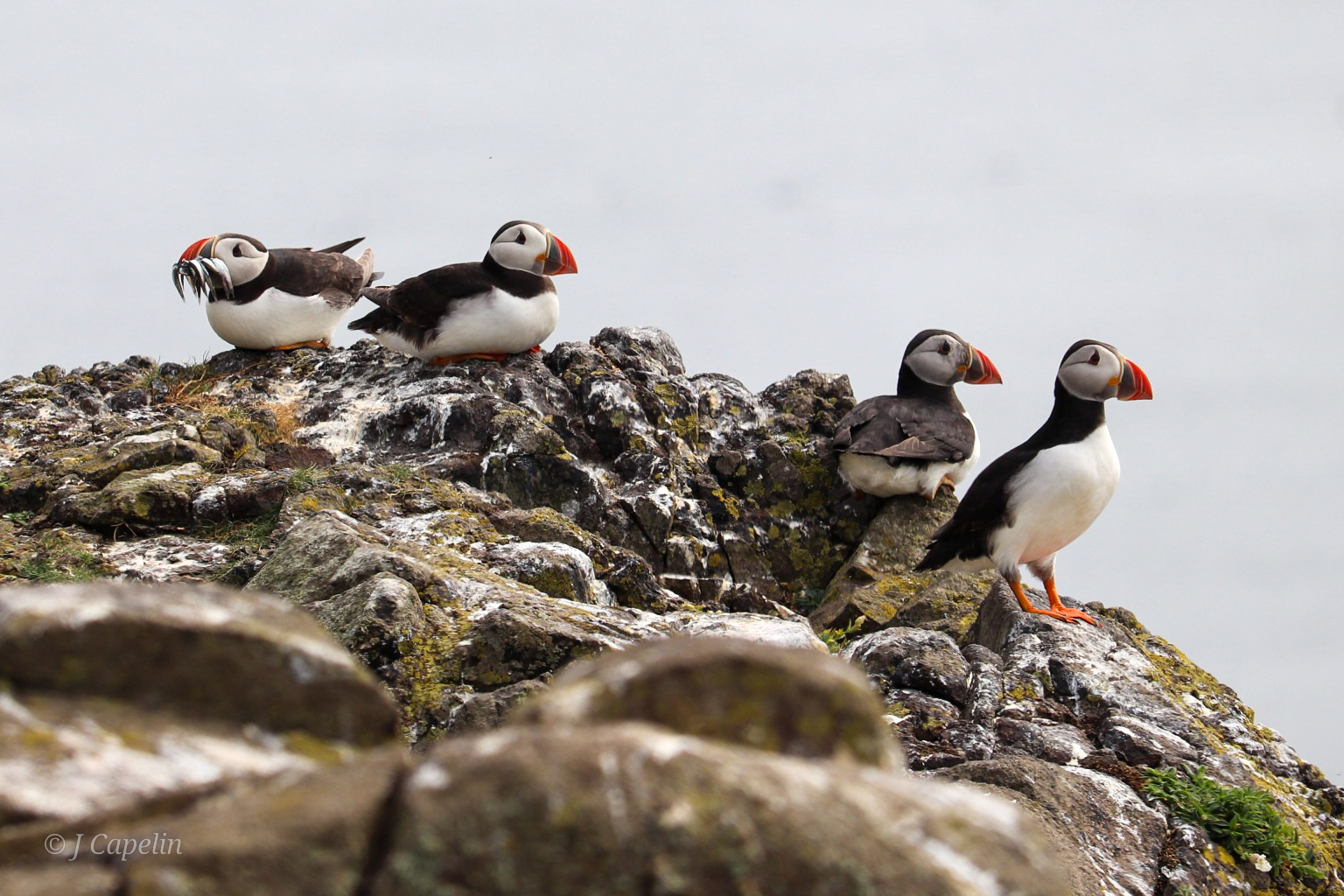
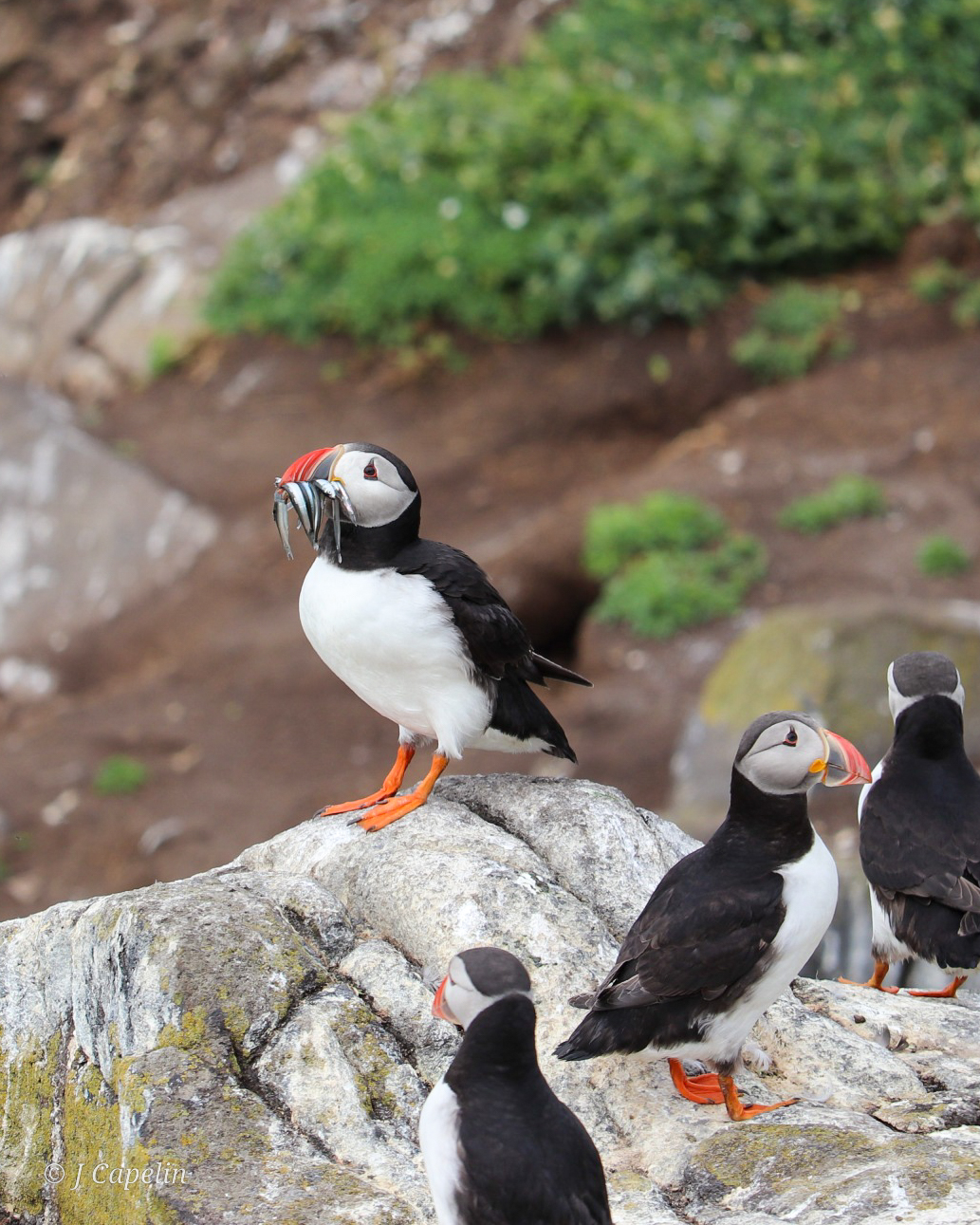
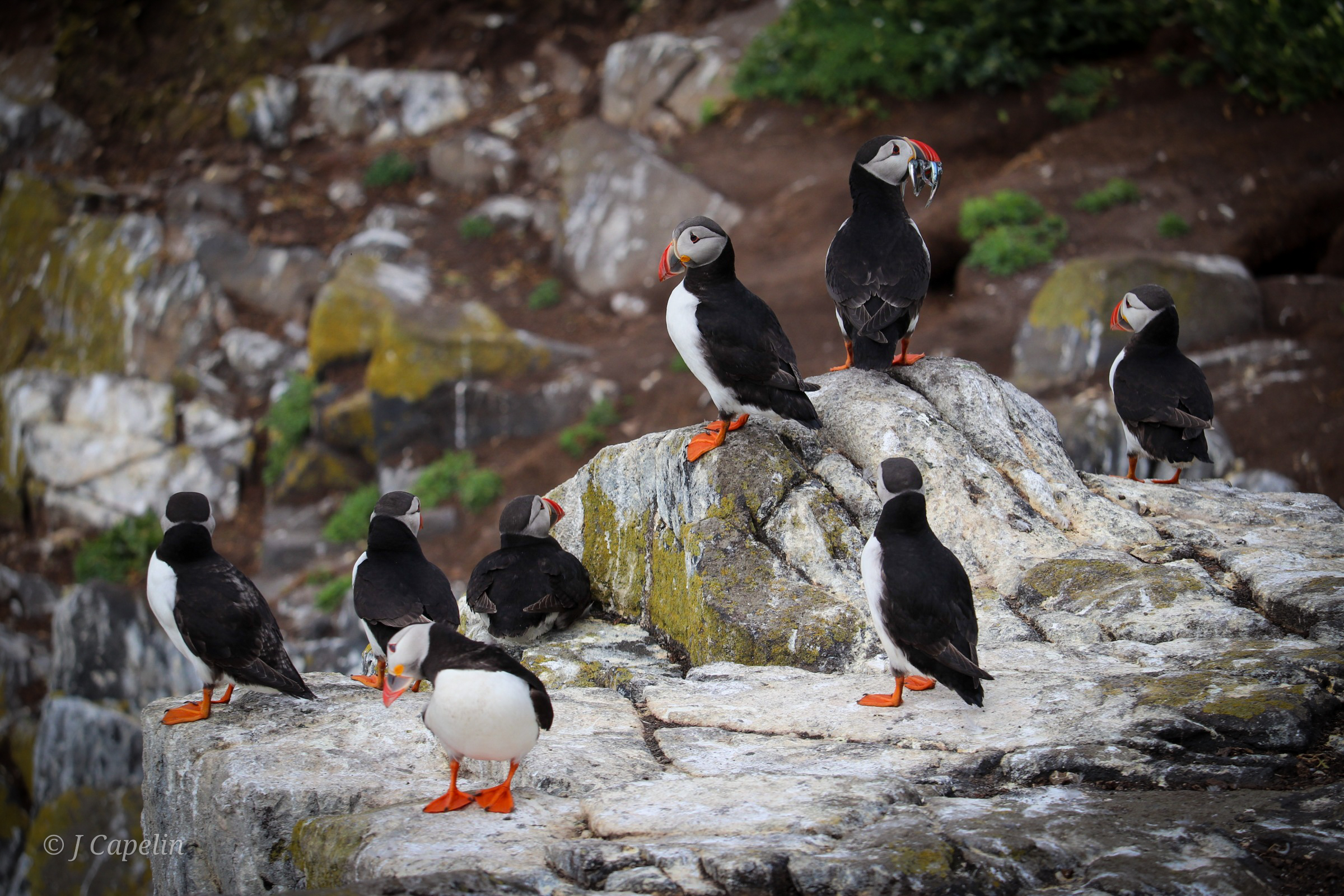
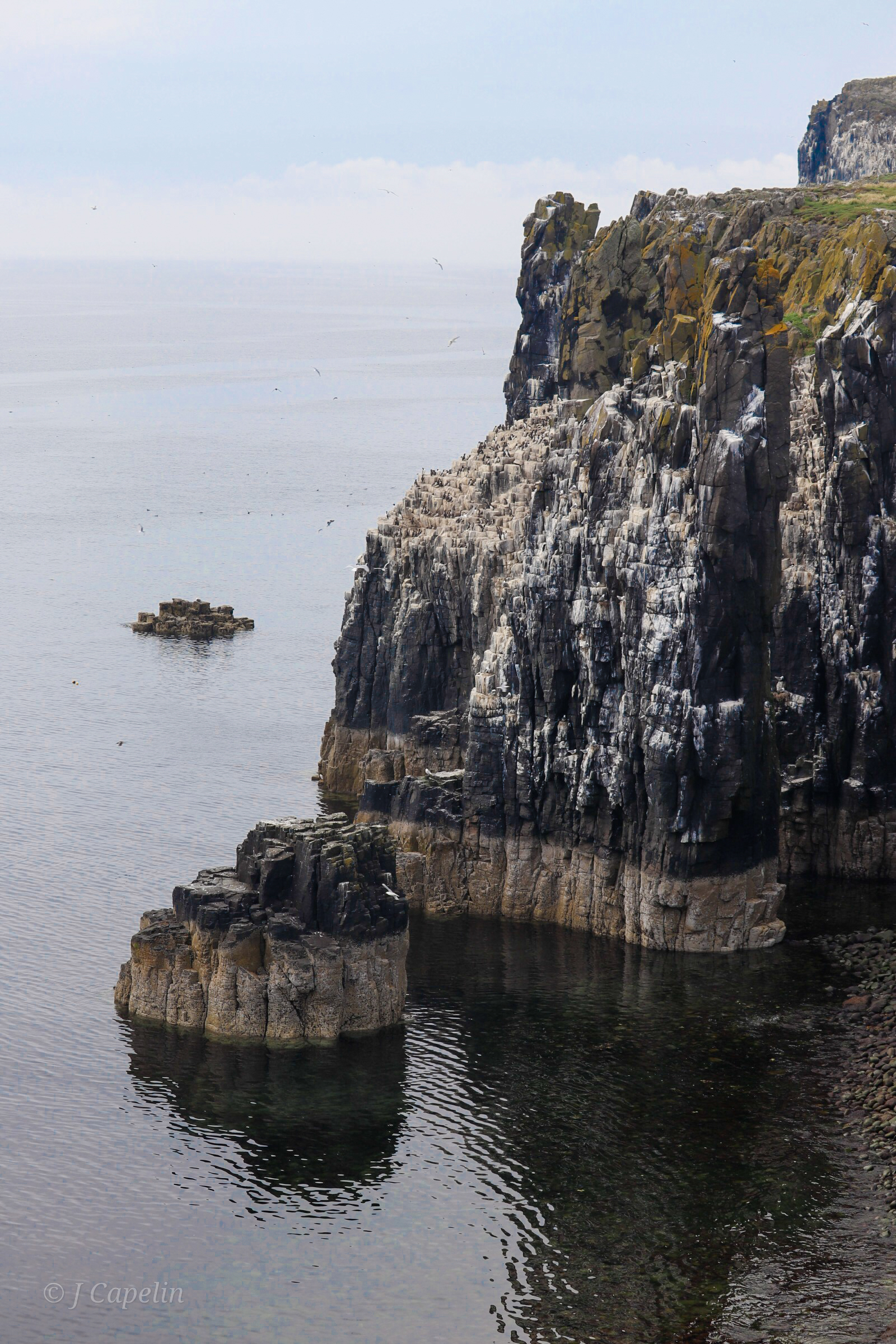
The spectacular cliffs of Bishop Cove were alive with birds, the grand white pillars holding the island up out of the crystal water below. We followed the path down to a cove known as Alterstanes, where we got some nice Puffin close ups. Then we looped back along the lower boardwalk, ‘Holyman’s Road’ along a vast, rocky coastline, to the south point of the island.
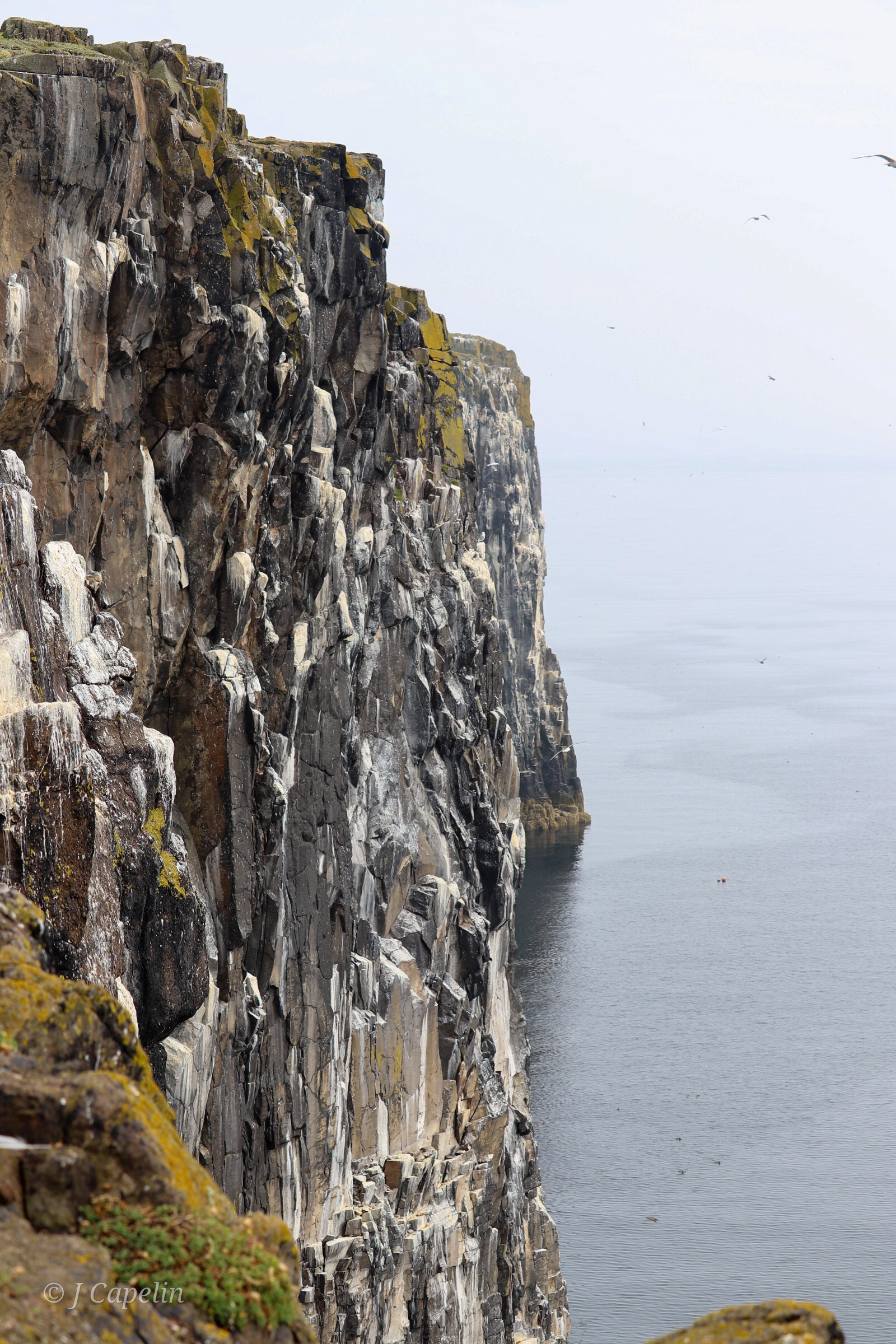
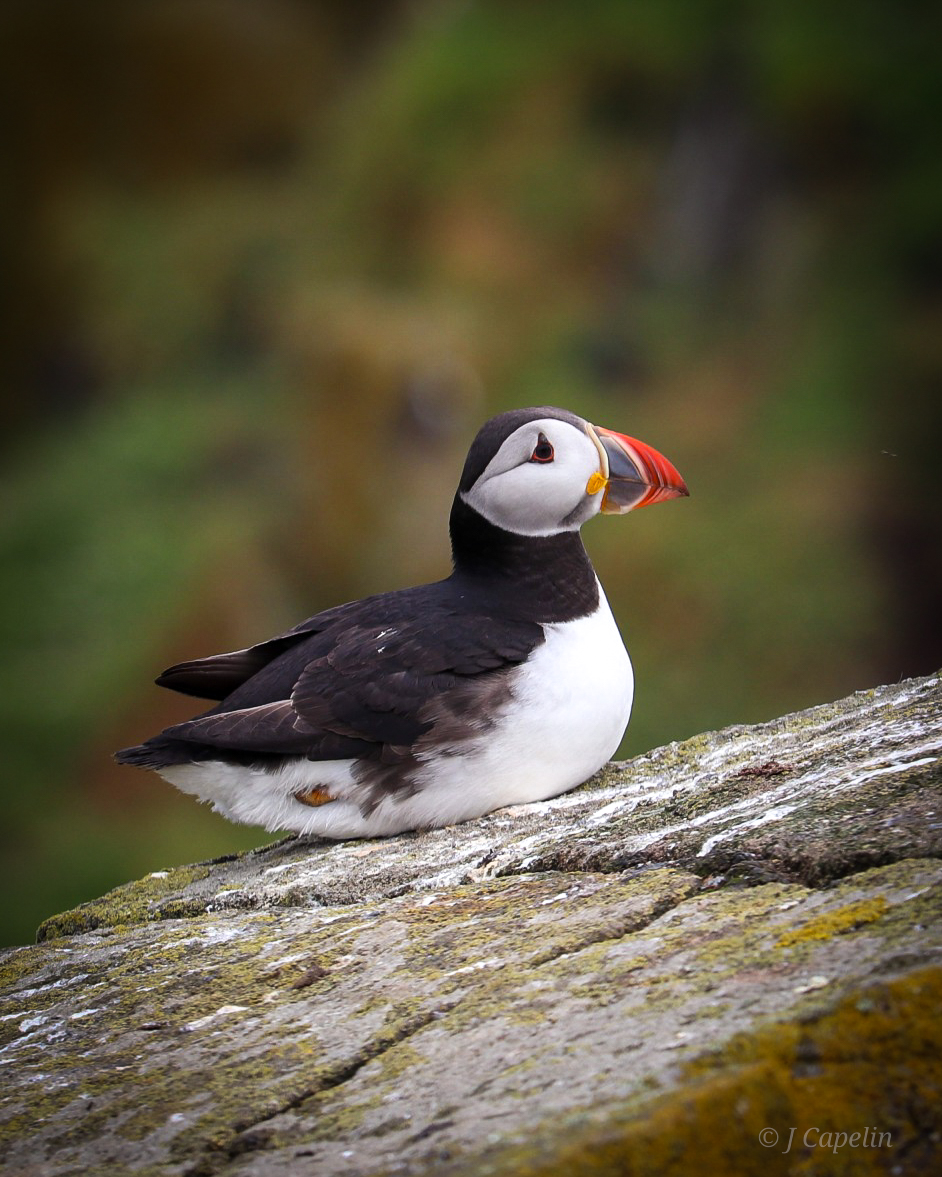
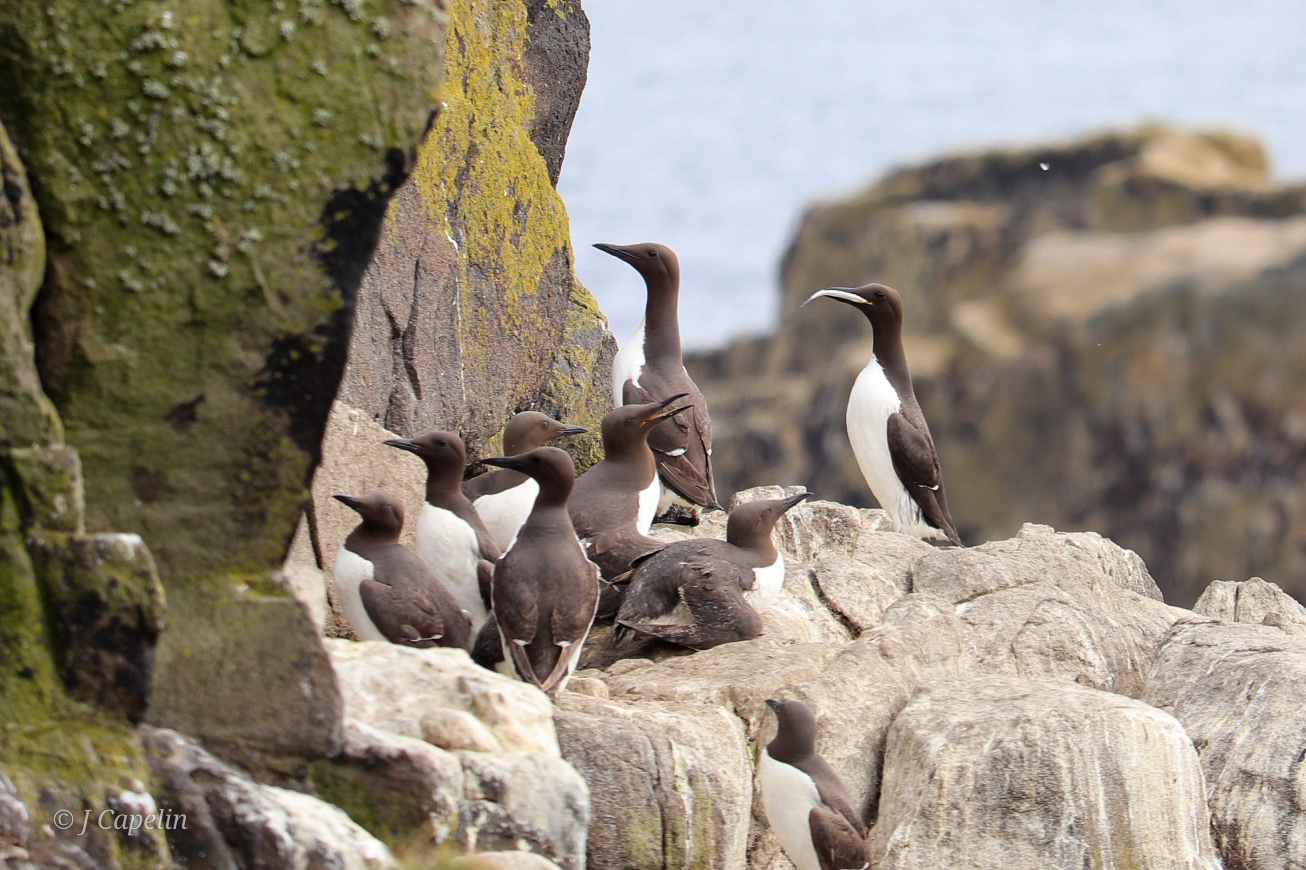
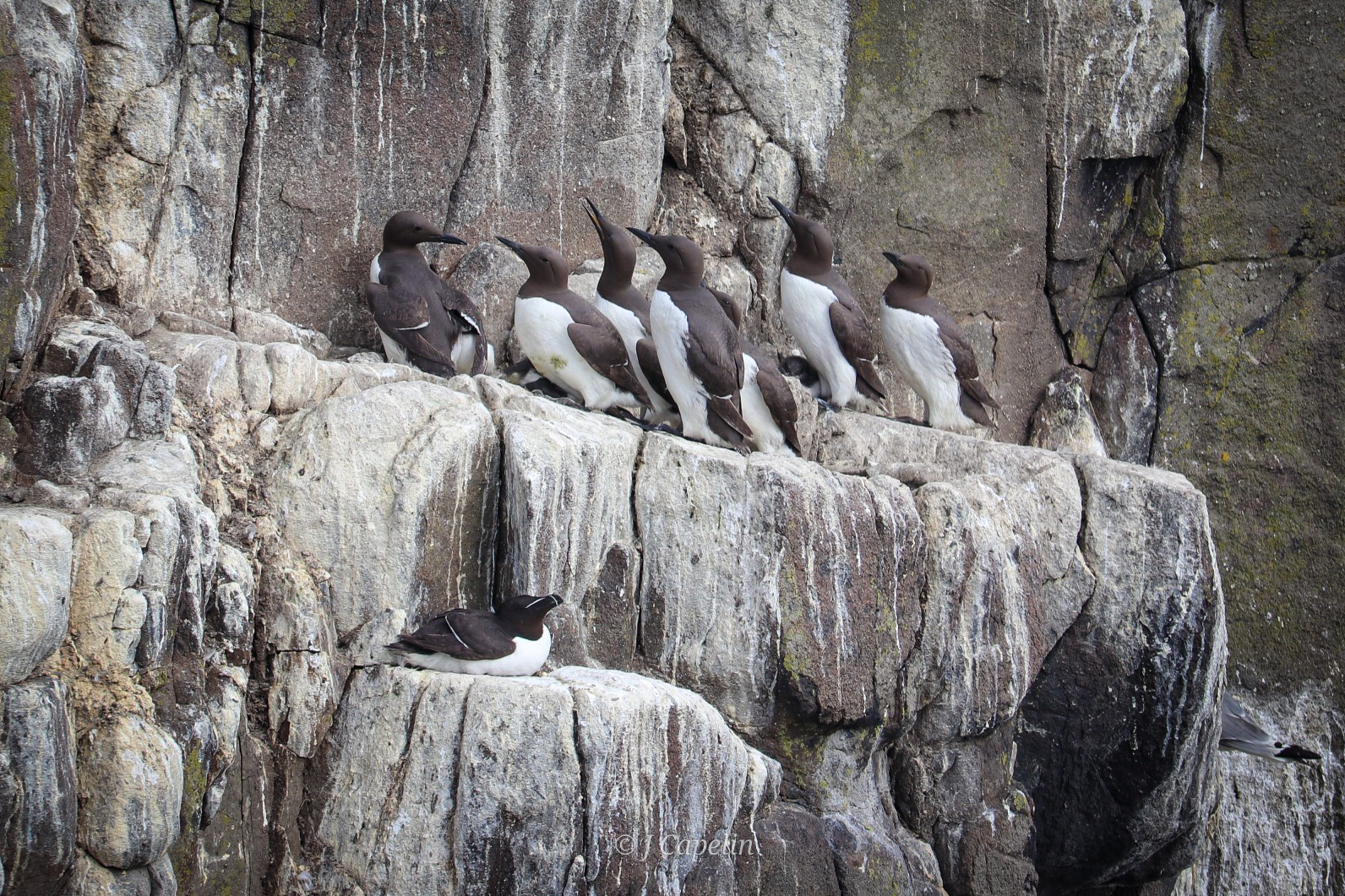
The high cliffs around the South Horn were teeming with Kitiwakes, Shags, and Guillemots and Razorbills, nicknamed the Penguins of the North. A North Sea wind began to gust in, bringing dark clouds, so I donned my jacket and crouched on the rocks, watching as Puffins flew in from the sea, fish spilling from the edges of their beaks.
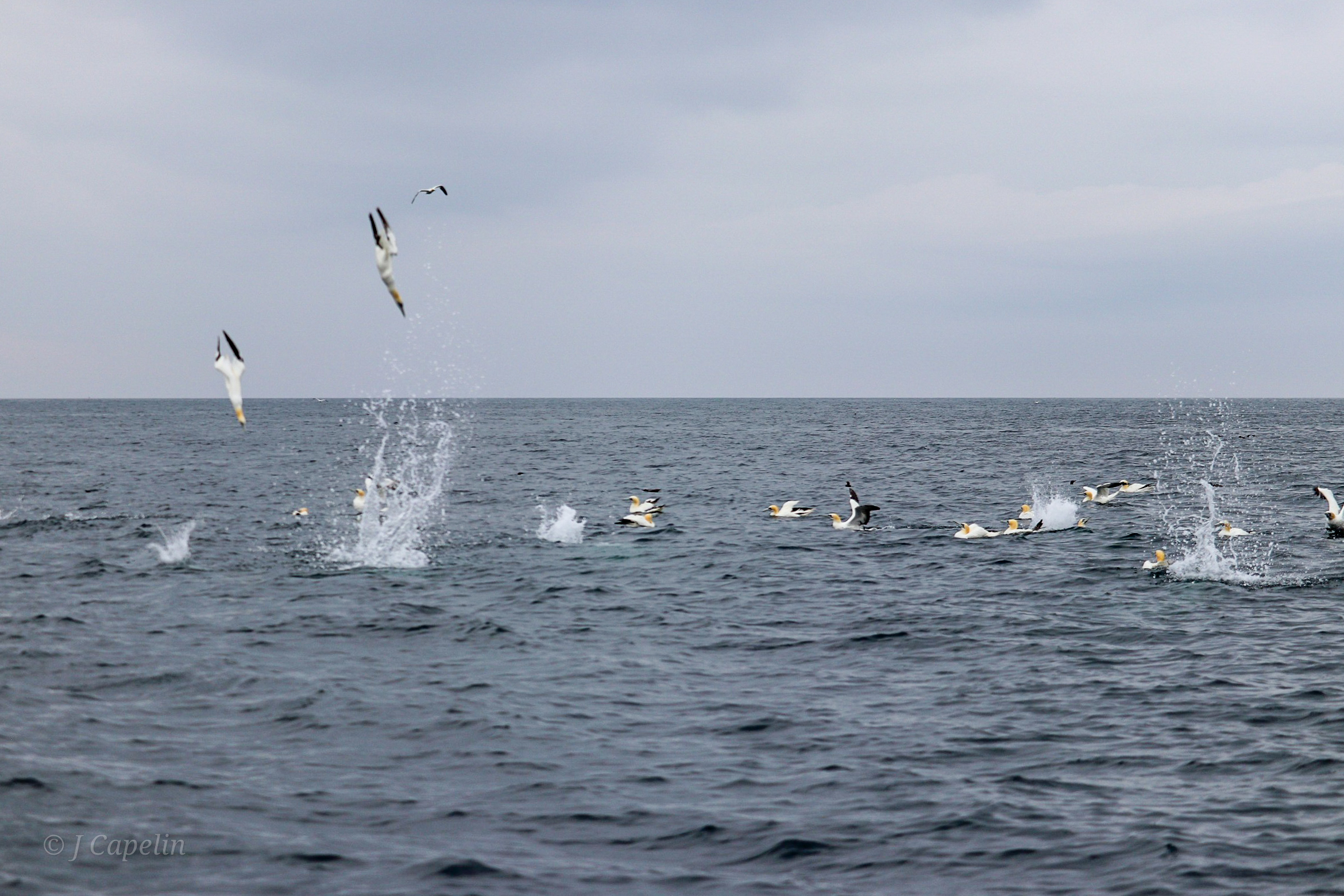
It had started to rain by the time we got back on the boat and departed back to Dunbar. On the journey back, I could swear I saw something big and grey breach the water – a dolphin or a whale – but no one else noticed. Moments after, the boat was stopped so we could watch a large number of Gannets diving. The captain was telling us that sometimes Minke Whales could be spotted amongst diving birds, as they feed on the same fish, and just as we began to pull away, there it was again – a Minke Whale! It breached two more times, and this time everyone saw! It was a magical moment to end a perfect day, and with the driving rain setting in, I was happy to get back to the cosy accommodation in Edinburgh and look through my photos.

Support me at: http://buymeacoffee.com/jaimiescapers


 Jaimie's Travels